75 Results for "

Pancreatitis

" in MedChemExpress (MCE) Product Catalog:
Products (75)

75 Results for "Pancreatitis" in MCE Product Catalog:

881
881 Publications Verification
Cat. No.: HY-16658B
CAS No.: 161401-82-7
Synonyms: Z-VAD(OH)-FMK
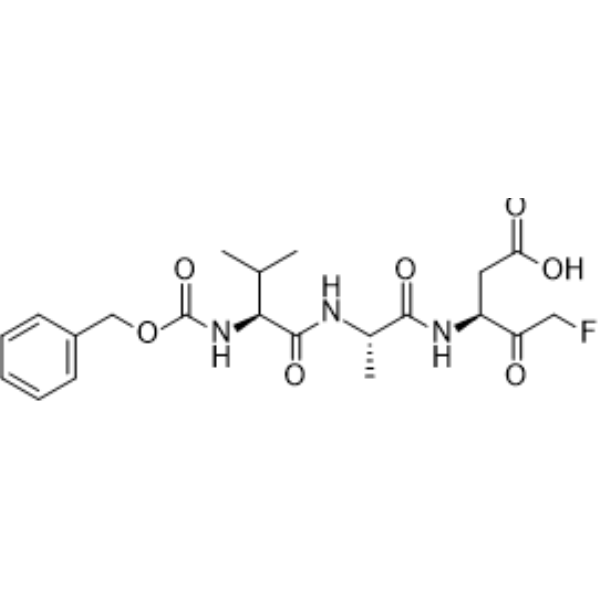
Z-VAD-FMK is a pan-caspase inhibitor and also an ICE-like protease inhibitor, which inhibits apoptosis by preventing the processing of CPP32 to its active form. Z-VAD-FMK sensitivity varies primarily due to differential expression of receptor-interacting protein 1 (RIP1). Z-VAD-FMK limits the cryopreservation-induced apoptosis by reducing caspase-3 activity of in vitro produced bovine embryos. Z-VAD-FMK is immunosuppressive in vitro and inhibits T cell proliferation without blocking the processing of caspase-8 and caspase-3. Z-VAD-FMK leads to a decrease in intracellular glutathione (GSH) with a concomitant increase in reactive oxygen species (ROS) levels in activated T cells. Z-VAD-FMK is due to oxidative stress via the depletion of GSH. Z-VAD-FMK can be used for the study of acute pancreatitis .
loading...
    loading...
49
49 Cited Publications
Cat. No.: HY-13512
CAS No.: 59721-29-8
Purity:  99.94%
Synonyms: Camostat mesilate; FOY305; FOY-S980
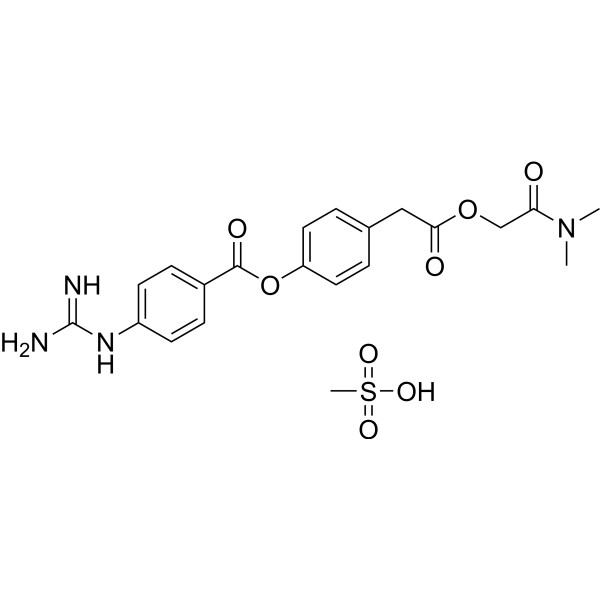
Camostat mesylate (Camostat mesilate) is an orally active, synthetic serine protease inhibitor for chronic pancreatitis. Camostat mesylate, an inhibitor of TMPRSS2, shows antiviral activity against SARS-CoV-2. Camostat mesylate also inhibits the activity of prostasin, trypsin, and matriptase .
loading...
    loading...
27
27 Cited Publications
Cat. No.: HY-N0455
CAS No.: 74-79-3
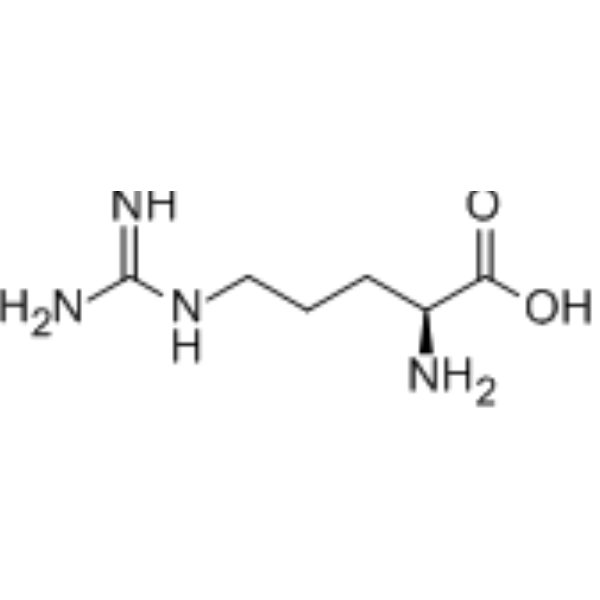
L-Arginine ((S)-(+)-Arginine) is the substrate for the endothelial nitric oxide synthase (eNOS) to generate NO. L-Arginine is transported into vascular smooth muscle cells by the cationic amino acid transporter family of proteins where it is metabolized to nitric oxide (NO), polyamines, or L-proline. L-Arginine is a potent vasodilator, and can be used to induce experimental acute pancreatitis .
loading...
    loading...
27
27 Cited Publications
Cat. No.: HY-N0455A
CAS No.: 1119-34-2
Synonyms: (S)-(+)-Arginine hydrochloride
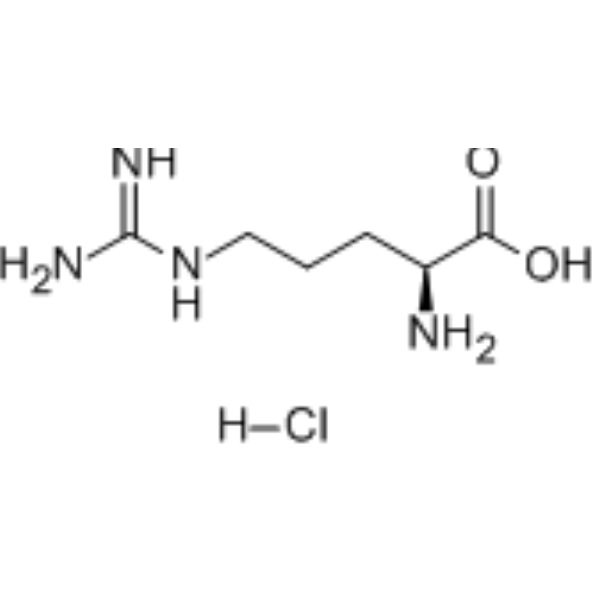
L-Arginine ((S)-(+)-Arginine) is the substrate for the endothelial nitric oxide synthase (eNOS) to generate NO. L-Arginine is transported into vascular smooth muscle cells by the cationic amino acid transporter family of proteins where it is metabolized to nitric oxide (NO), polyamines, or L-proline. L-Arginine is a potent vasodilator, and can be used to induce experimental acute pancreatitis .
loading...
    loading...
9
9 Cited Publications
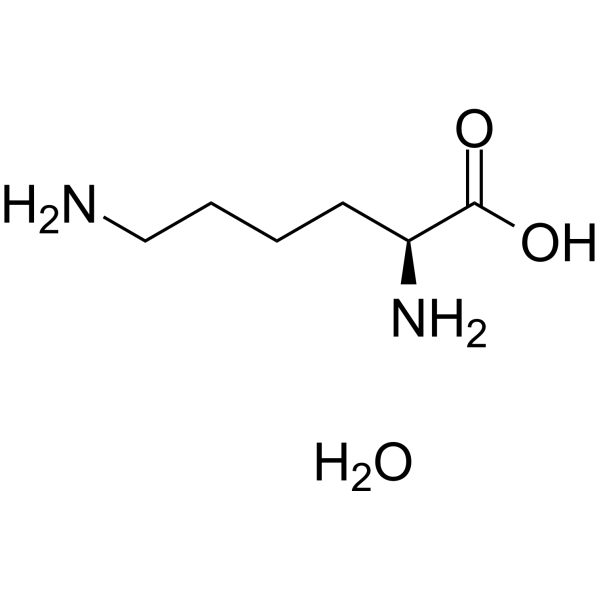
Cat. No.: HY-W015370
CAS No.: 39665-12-8
L-Lysine hydrate is an essential amino acid. L-Lysine hydrate can be research for vascular calcification (VC) and acute pancreatitis .
loading...
    loading...
9
9 Cited Publications
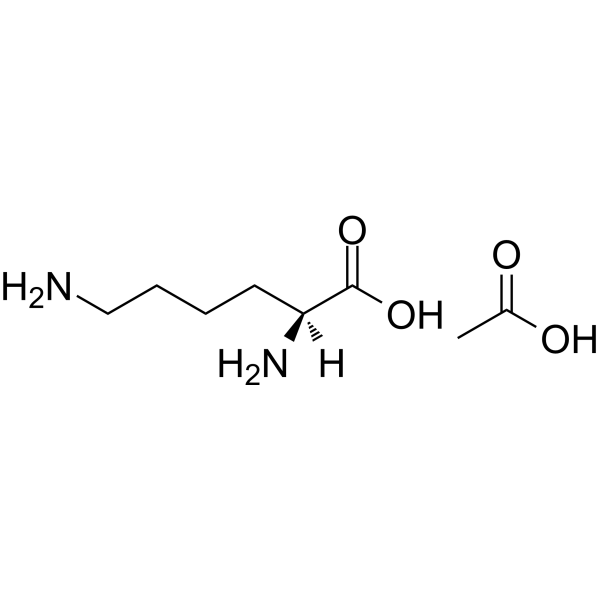
Cat. No.: HY-W014606
CAS No.: 57282-49-2
L-Lysine acetate is an essential amino acid. L-Lysine acetate can be research for vascular calcification (VC) and Acute pancreatitis .
loading...
    loading...
5
5 Cited Publications
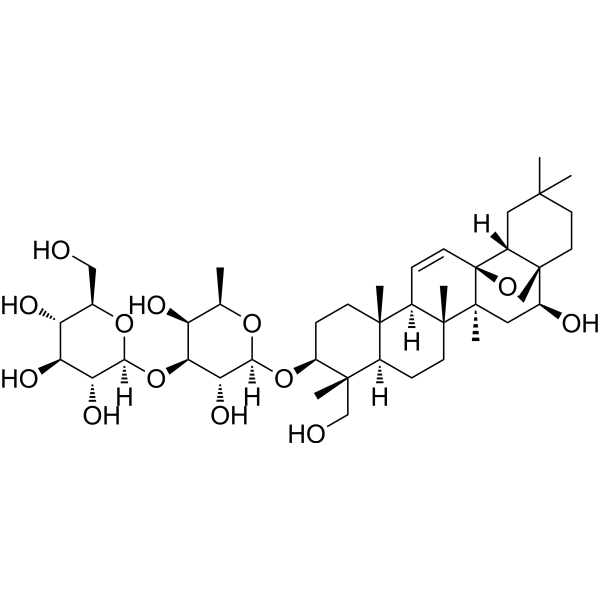
Cat. No.: HY-N0246
CAS No.: 20736-09-8
Saikosaponin A is the main active ingredient in Bupleurum chinense, which can regulate lipid metabolism and promote cholesterol efflux in early atherosclerosis. In addition, Saikosaponin A may also serve as a potential peroxisome proliferator-activated receptor γ (PPAR-γ) agonist, significantly promoting the expression of PPAR-γ. Saikosaponin A can be used in the study of hyperlipidemic pancreatitis .
loading...
    loading...
4
4 Cited Publications
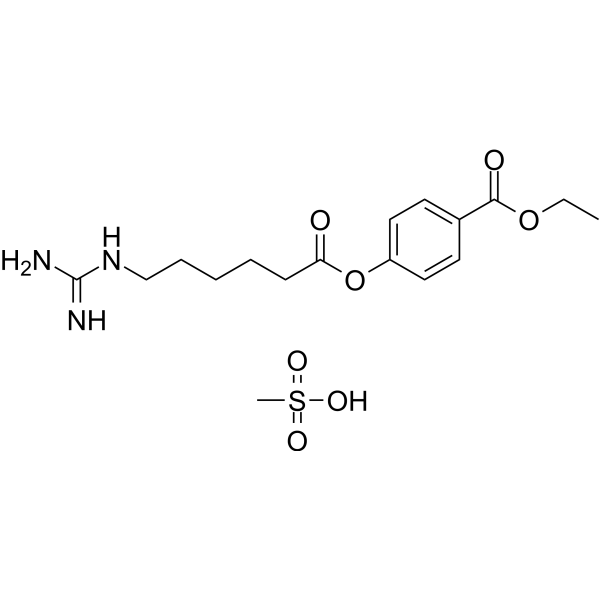
Cat. No.: HY-B0385
CAS No.: 56974-61-9
Synonyms: FOY
Target:  

Proteasome Factor Xa

Research Areas:  

Inflammation/Immunology

Gabexate mesylate (FOY) is is a competitive and non-antigenic synthetic inhibitor of trypsin-like serine proteinases. Gabexate mesylate inhibits human thrombin, urokinase, plasmin, and Factor Xa with Kis of 0.97, 1.3, 1.6, and 8.5 μM, respectively. Gabexate mesylate binds to human and bovine tryptase with Kis of 3.4 nM and 18 μM, respectively. Gabexate mesylate exerts an anticoagulant effect on the clotting activity of thrombin and has anti-inflammatory effect by viainhibition of NF-κB, proinflammatory cytokines, and nitric oxide. Gabexate mesylate is used for pancreatitis and disseminated intravascular coagulation .
loading...
    loading...
1
1 Cited Publications
Cat. No.: HY-N2376
CAS No.: 35775-49-6
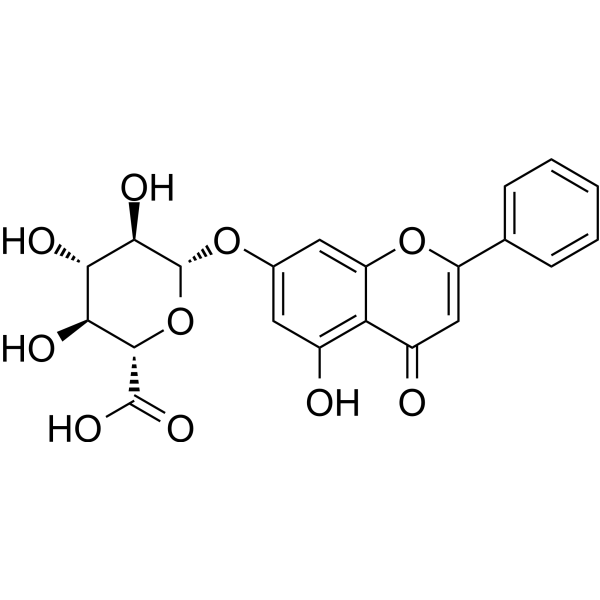
Chrysin-7-O-glucuronide is a flavonoid found in Scutellaria baicalensis. Chrysin-7-O-glucuronide inhibits α-glucosidase and α-amylase with IC50 values of 612.13 and 980.73 μg/mL. Chrysin-7-O-glucuronide suppresses NF-κB signaling activity. Chrysin-7-O-glucuronide scavenges free radicals, acts as a tight junction protector, and mitigates intestinal mucosal barrier injury. Chrysin-7-O-glucuronide can be used for the research of type 2 diabetes and severe acute pancreatitis-induced intestinal mucosal barrier injury .
loading...
    loading...
1
1 Cited Publications
Cat. No.: HY-126562
CAS No.: 5950-12-9
Purity:  99.31%
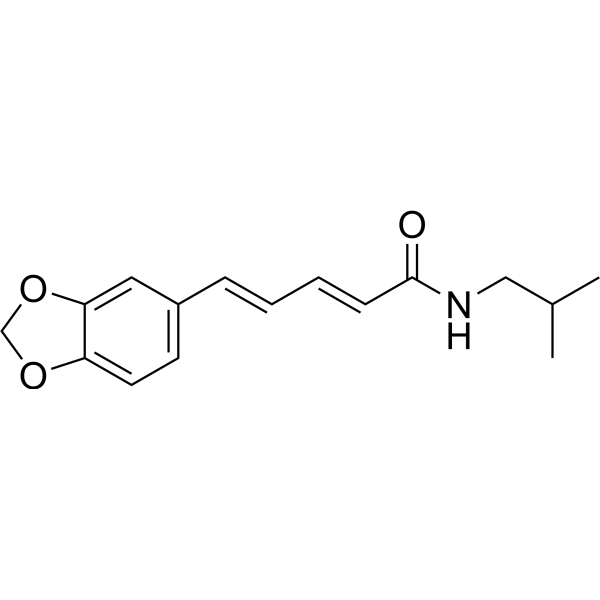
Piperlonguminine is a cytochrome P450 (CYP450) inhibitor. Piperlonguminine also inhibits the growth of epimastigotes and intracellular amastigotes of Trypanosoma cruzi, with IC50 values of 53.8 and 33.9 μM, respectively . Piperlonguminine regulates HMGB1/TLR4-NF-κB/MAPK-related inflammatory responses, endothelial protein C receptor (EPCR) shedding, melanogenesis, glycolipid metabolism, ischemic brain injury and tumor growth. Piperlonguminine can be used in research on hyperlipidemia, sepsis, Chagas disease, ischemic stroke, sarcoma and severe acute pancreatitis-associated lung injury .
loading...
    loading...
1
1 Cited Publications
Cat. No.: HY-W709553
CAS No.: 32765-69-8
Synonyms: Triglyceride
Glyceryl Triformate (Triglyceride) is the major form of storage and transport of fatty acids within cells and in the plasma. Glyceryl Triformate forms lipoproteins with cholesterol ester, and participates in the blood circulation. Glyceryl Triformate can lead to hypertriglyceridemia (HTG), which increases the risk of atherosclerotic cardiovascular disease (ASCVD) and pancreatitis .
loading...
    loading...
1
1 Cited Publications
Cat. No.: HY-114080
CAS No.: 114568-26-2
Purity:  98.13%
Synonyms: E-3123
Target:  

Ser/Thr Protease

Research Areas:  

Inflammation/Immunology

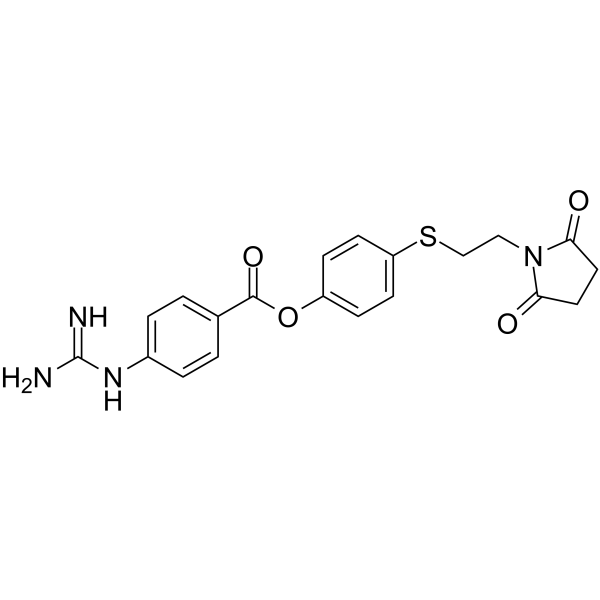
Patamostat (E-3123) is a potent protease inhibitor. Patamostat potently inhibits trypsin, plasmin and thrombin with IC50s of 39 nM, 950 nM and 1.9 μM, respectively. Patamostat may possess suppressing effects on pathogenesis and development of acute pancreatitis .
loading...
    loading...
Cat. No.: HY-111485
CAS No.: 1820889-23-3
Purity:  98.29%
Synonyms: INCB-057643
Research Areas:  

Cancer

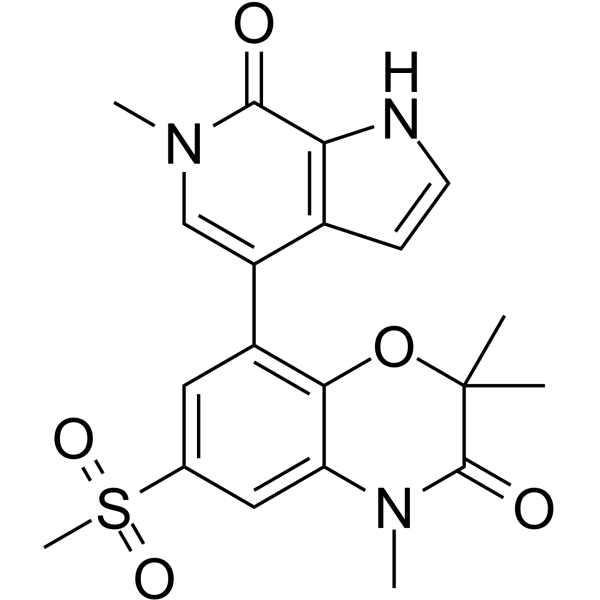
Ertabresib (INCB-057643) is an orally active BET protein inhibitor. Ertabresib blocks gene transcription by targeting the BET protein family, induces cell cycle arrest and apoptosis by downregulating proto-oncogenes such as c-MYC, and additionally reduces the expression of FOXP3 and PD-L1 to improve the immune microenvironment. It also exerts synergistic effects and overcomes drug resistance when combined with chemotherapy and XPO1 inhibitors. Ertabresib can be used in research related to high-grade B-cell lymphoma with MYC and BCL2 rearrangements, pancreatic cancer, pancreatitis, and metastatic castration-resistant prostate cancer .
loading...
    loading...
Cat. No.: HY-B0998
CAS No.: 145-41-5
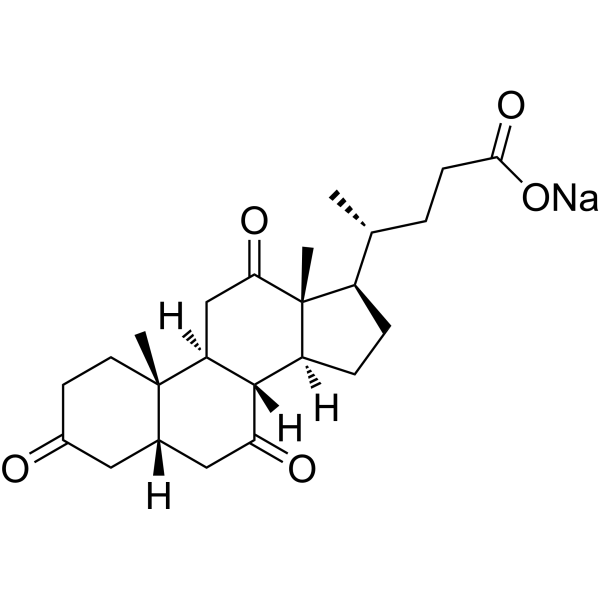
Synonyms: Dehydrocholate sodium
Dehydrocholic acid (Dehydrocholate) sodium is an orally active hydrocholeretic agent. Dehydrocholic acid sodium modulates Autophagy, reduces serum amylase and lipase levels. Dehydrocholic acid sodium has the effects of promoting choleretic function, protecting the liver, reducing pancreatic damage, and regulating cholesterol metabolism. Dehydrocholic acid sodium can be used in the study of acute biliary pancreatitis and obstructive jaundice .
loading...
    loading...
Cat. No.: HY-N1082
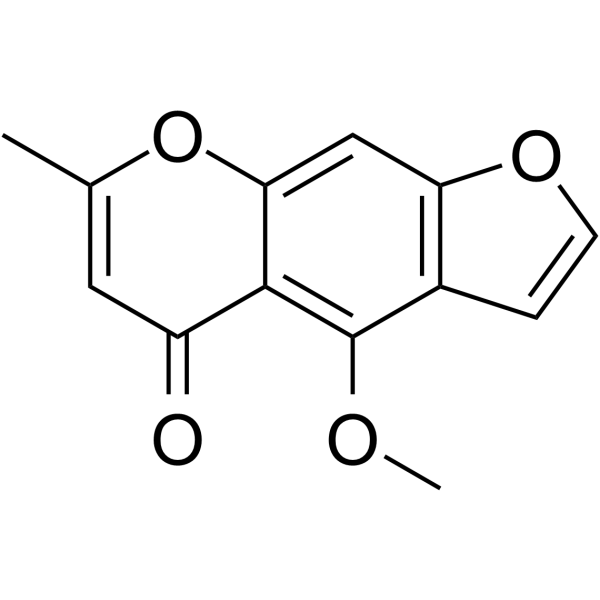
CAS No.: 82-57-5
Visnagin, an antioxidant furanocoumarin derivative, possess anti-inflammatory and analgesic properties. Visnagin has substantial potential to prevent Cerulein induced acute pancreatitis (AP). Visnagin possess promising vasodilator effects in vascular smooth muscles .
loading...
    loading...
Cat. No.: HY-112835
CAS No.: 96597-16-9
Purity:  99.42%
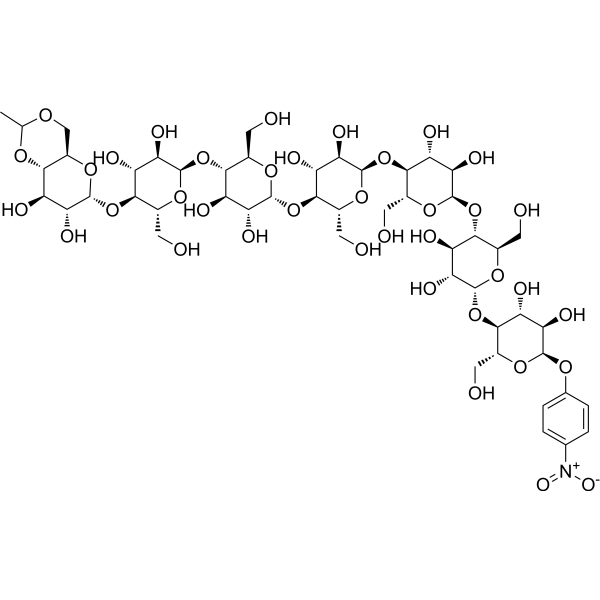
Synonyms: pNP-G7
Target:  

Amylases Glycosidase

Research Areas:  

Inflammation/Immunology

Ethylidene-4-nitrophenyl-α-D-Maltoheptaoside (EPS; pNP-G7) serves as a substrate for α-amylase. In the presence of an auxiliary enzyme such as α-glucosidase (α-glucosidase), Ethylidene-4-nitrophenyl-α-D-Maltoheptaoside is degraded by amylase (Amylase) to release a chromophore, enabling the measurement of amylase activity. Ethylidene-4-nitrophenyl-α-D-Maltoheptaoside is applicable for the diagnosis of pancreatitis [2].
loading...
    loading...
Cat. No.: HY-N0455R
CAS No.: 74-79-3
L-Arginine (Standard) is the analytical standard of L-Arginine. This product is intended for research and analytical applications. L-Arginine ((S)-(+)-Arginine) is the substrate for the endothelial nitric oxide synthase (eNOS) to generate NO. L-Arginine is transported into vascular smooth muscle cells by the cationic amino acid transporter family of proteins where it is metabolized to nitric oxide (NO), polyamines, or L-proline. L-Arginine is a potent vasodilator, and can be used to induce experimental acute pancreatitis .
loading...
    loading...
Cat. No.: HY-B1393
CAS No.: 81-23-2
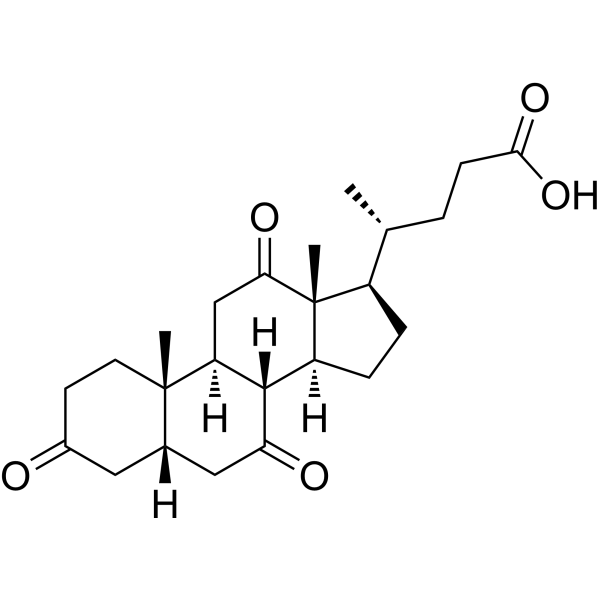
Synonyms: Dehydrocholate
Target:  

Autophagy Amylases Lipase

Research Areas:  

Metabolic Disease

Dehydrocholic acid (Dehydrocholate) is an orally active hydrocholeretic agent. Dehydrocholic acid modulates Autophagy, reduces serum amylase and lipase levels. Dehydrocholic acid has the effects of promoting choleretic function, protecting the liver, reducing pancreatic damage, and regulating cholesterol metabolism. Dehydrocholic acid can be used in the study of acute biliary pancreatitis and obstructive jaundice .
loading...
    loading...
Cat. No.: HY-119171
CAS No.: 1953157-39-5
Purity:  99.80%
Target:  

KMO

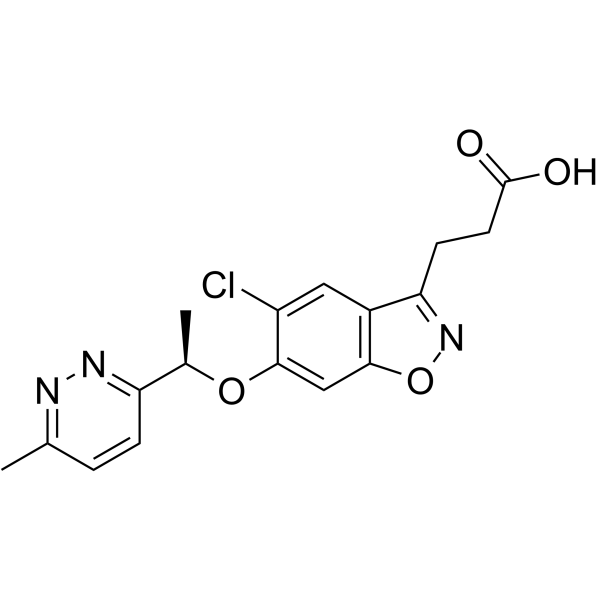
GSK 366 is a type II kynurenine-3-monooxygenase (KMO) inhibitor with IC50 values of 2.3 nM and 0.7 nM for human KMO and P. fluorescens-KMO (Pf-KMO). GSK 366 binds to KMO’s substrate site, prevents productive NADPH association, substrate binding, and FAD hydroperoxy species formation. GSK 366 does not stimulate hydrogen peroxide (H2O2) production and reduces H2O2 levels. GSK 366 can be used for the researches of inflammation and neurological disease, such as acute pancreatitis multiple organ dysfunction syndrome and Alzheimer’s disease .
loading...
    loading...
Cat. No.: HY-108482
CAS No.: 132746-60-2
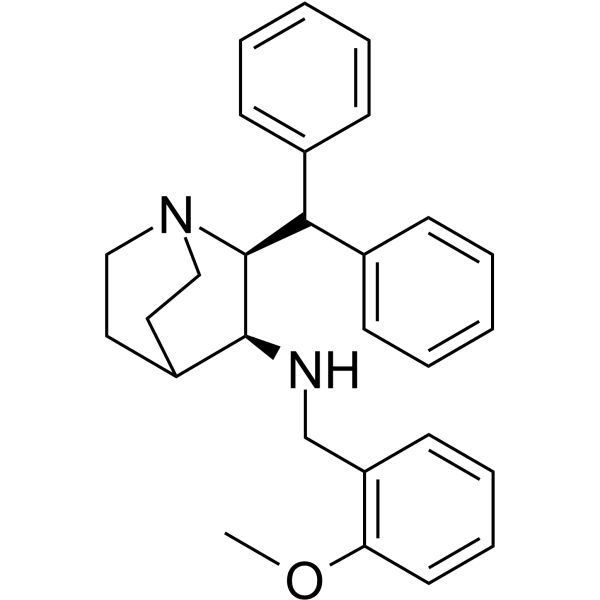
CP-96,345 is a non-peptide selective NK-1 receptor antagonist (Ki = 0.31 nM). CP-96,345 inhibits cell rolling, adhesion, and plasma extravasation, and inhibits degranulation and pancreatic MPO activity. CP-96,345 attenuates neurogenic inflammation, edema, and adhesion molecule expression. CP-96,345 attenuates static contraction- and muscle stretch-evoked pressor reflexes through blockade of NK-1 receptors in the dorsal horn. CP-96,345 impairs post-ischemic recovery of LVDevP, HR, and CF in isolated hearts and increases reperfusion fibrillation. CP-96,345 can be used for research on chronic colitis, myocardial ischemia-reperfusion injury, smoke inhalation and burn injury, acute pancreatitis, oxazolone colitis, and neurogenic inflammation .
loading...
    loading...

