77 Results for "

Peripheral neuropathy

" in MedChemExpress (MCE) Product Catalog:
Products (77)

77 Results for "Peripheral neuropathy" in MCE Product Catalog:

5
5 Cited Publications
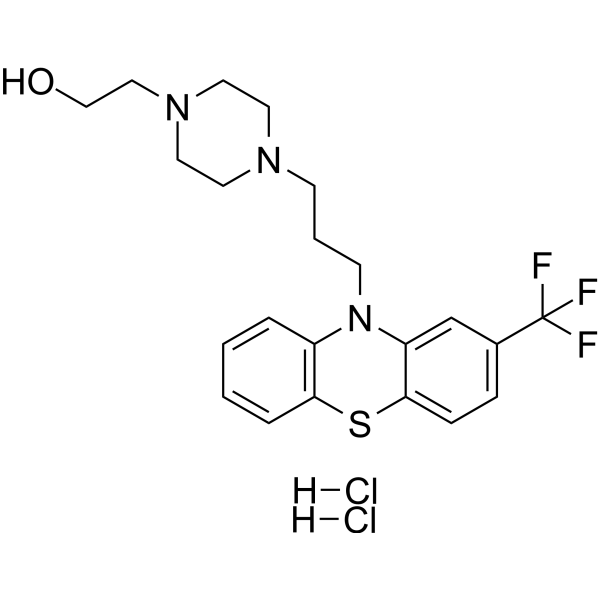
Cat. No.: HY-A0081
CAS No.: 146-56-5
Fluphenazine dihydrochloride is a potent, orally active phenothiazine-based dopamine receptor antagonist. Fluphenazine dihydrochloride blocks neuronal voltage-gated sodium channels. Fluphenazine dihydrochloride acts primarily through antagonism of postsynaptic dopamine-2 receptors in mesolimbic, nigrostriatal, and tuberoinfundibular neural pathways. Fluphenazine dihydrochloride can antagonize Methylphenidate-induced stereotyped gnawing and inhibit climbing behaviour in mice. Fluphenazine dihydrochloride can be used for researching psychosis and painful peripheral neuropathy associated with diabetes and has potential to inhibit SARS-CoV-2 .
loading...
    loading...
5
5 Cited Publications
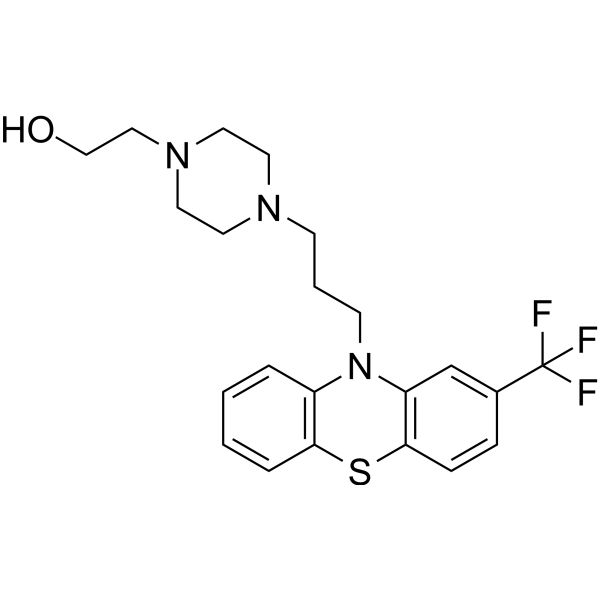
Cat. No.: HY-119980
CAS No.: 69-23-8
Purity:  98.70%
Fluphenazine is a potent, orally active phenothiazine-based dopamine receptor antagonist. Fluphenazine blocks neuronal voltage-gated sodium channels. Fluphenazine acts primarily through antagonism of postsynaptic dopamine-2 receptors in mesolimbic, nigrostriatal, and tuberoinfundibular neural pathways. Fluphenazine can antagonize Methylphenidate-induced stereotyped gnawing and inhibit climbing behaviour in mice. Fluphenazine can be used for researching psychosis and painful peripheral neuropathy associated with diabetes and has potential to inhibit SARS-CoV-2 .
loading...
    loading...
2
2 Cited Publications
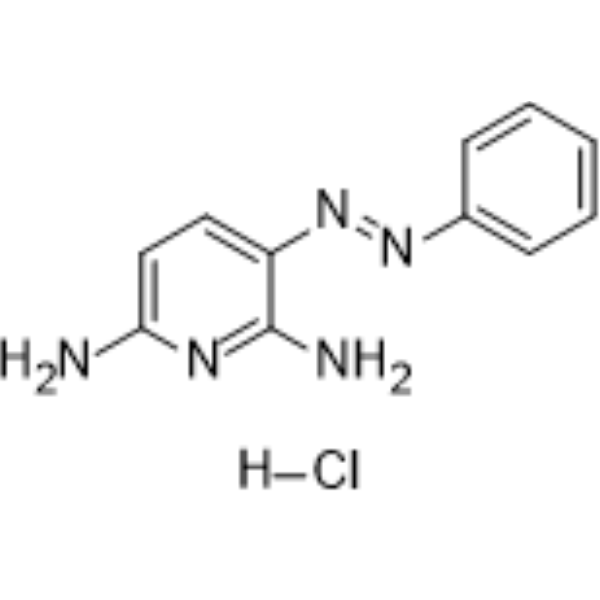
Cat. No.: HY-B0985
CAS No.: 136-40-3
Target:  

TRP Channel

Research Areas:  

Neurological Disease

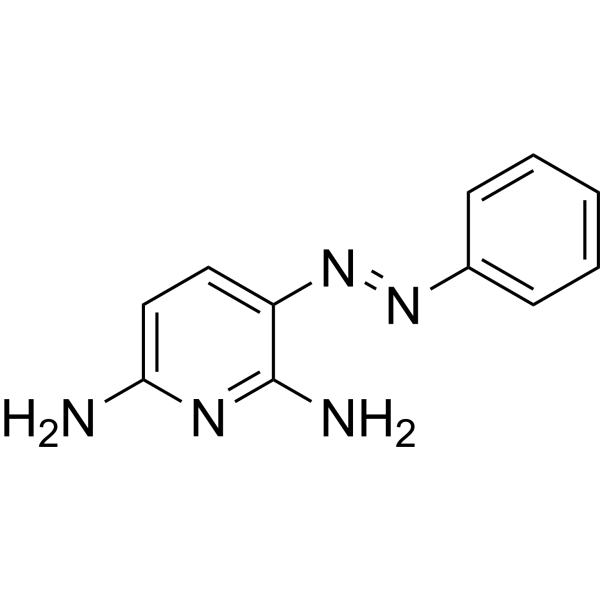
Phenazopyridine hydrochlorideis a competitive SARM1 inhibitor, with IC50 145 μM. Phenazopyridine hydrochlorideis a TRPM8 antagonist. Phenazopyridine hydrochloride has a local anesthetic/analgesic effect. Phenazopyridine hydrochlorideis used to relieve painful symptoms of conditions such as cystitis and urethritis. Phenazopyridine hydrochloridecan promote neuronal differentiation and can also be used in the study of traumatic brain injury, peripheral neuropathy and neurodegenerative diseases .
loading...
    loading...
2
2 Cited Publications
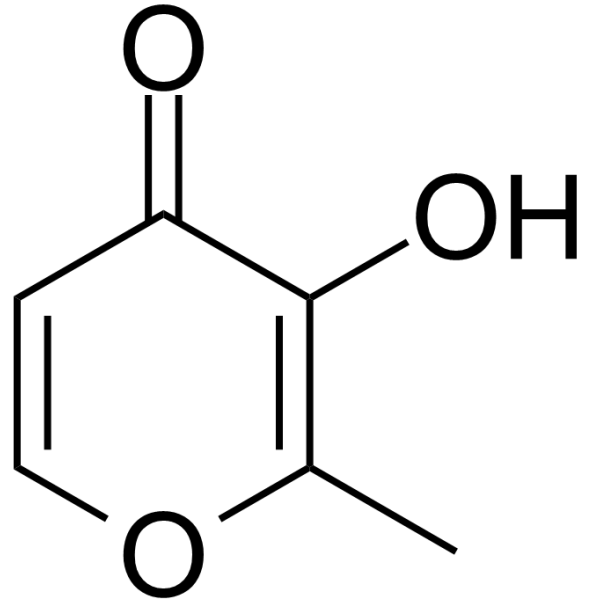
Cat. No.: HY-W012788
CAS No.: 118-71-8
Maltol, a type of aromatic compound, is an antioxidant agent. Maltol enhances neural function by mitigating oxidative stress and cell apoptosis. Maltol is an inhibitor of oxidative damage in nerve cells and is effective in preventing diabetic peripheral neuropathy (DPN). Maltol is used extensively as a safe flavoring agent and food preservative. Maltol is a metal ion chelator that can be used in the field of catalysis, cosmetics, and medicine .
loading...
    loading...
2
2 Cited Publications
Cat. No.: HY-B0985A
CAS No.: 94-78-0
Target:  

TRP Channel

Research Areas:  

Neurological Disease

Phenazopyridine is a competitive SARM1 inhibitor, with IC50 145 μM. Phenazopyridine is a TRPM8 antagonist. Phenazopyridine has a local anesthetic/analgesic effect. Phenazopyridine is used to relieve painful symptoms of conditions such as cystitis and urethritis. Phenazopyridine can promote neuronal differentiation and can also be used in the study of traumatic brain injury, peripheral neuropathy and neurodegenerative diseases .
loading...
    loading...
1
1 Cited Publications
Cat. No.: HY-B0415
CAS No.: 67-73-2
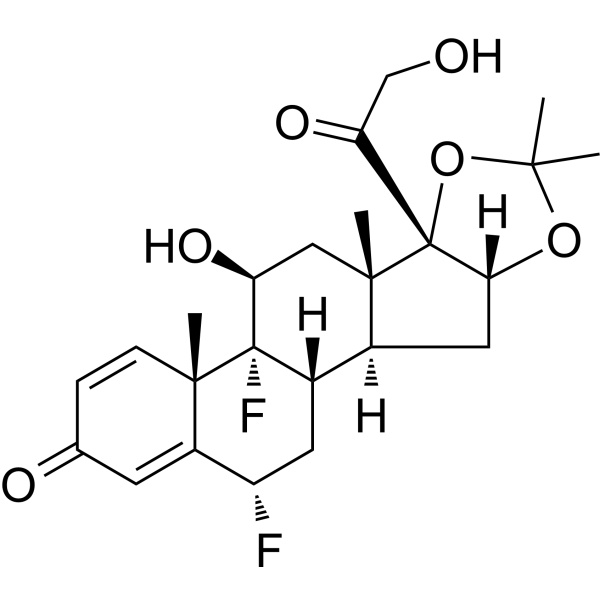
Fluocinolone is a glucocorticoid glucocorticoid receptor agonist. Fluocinolone is effective in preventing both lipid accumulation and inflammation. Fluocinolone can promote the proliferation of DPCs and has the potential role in repairing injured pulp tissues. Fluocinolone can be used to study the prevention of chemotherapy-induced peripheral neuropathy caused by Paclitaxel (HY-B0015) .
loading...
    loading...
1
1 Cited Publications
Cat. No.: HY-N0837
CAS No.: 60-70-8
Synonyms: NSC17821; NSC23880
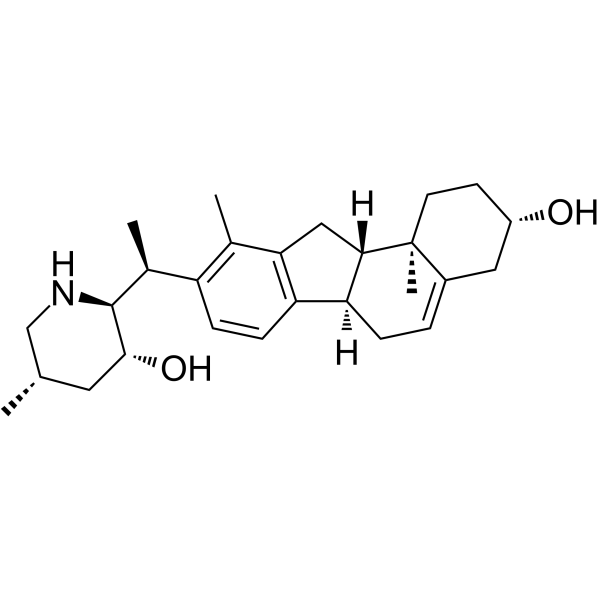
Veratramine (NSC17821; NSC23880) is an orally active inhibitor of the PI3K/Akt/mTOR signaling pathway and a SIGMAR1 modulator. Veratramine induces autophagic apoptosis of tumor cells, arrests the cell cycle at the G0/G1 phase, and inhibits epithelial-mesenchymal transition (EMT)-related proteins to reduce tumor migration. Veratramine reduces spinal cord and sciatic nerve pathological damage in a neuropathy model by inhibiting SIGMAR1 binding to NMDAR and phosphorylation of NMDAR Ser896. Veratramine has anti-tumor proliferation, apoptosis induction, anti-inflammatory and neuroprotective activities, and can be used in the study of cancers such as liver cancer and osteosarcoma, as well as diabetic peripheral neuropathy .
loading...
    loading...
1
1 Cited Publications
Cat. No.: HY-111791
CAS No.: 1708113-43-2
Purity:  99.80%
Target:  

HDAC

Research Areas:  

Cancer

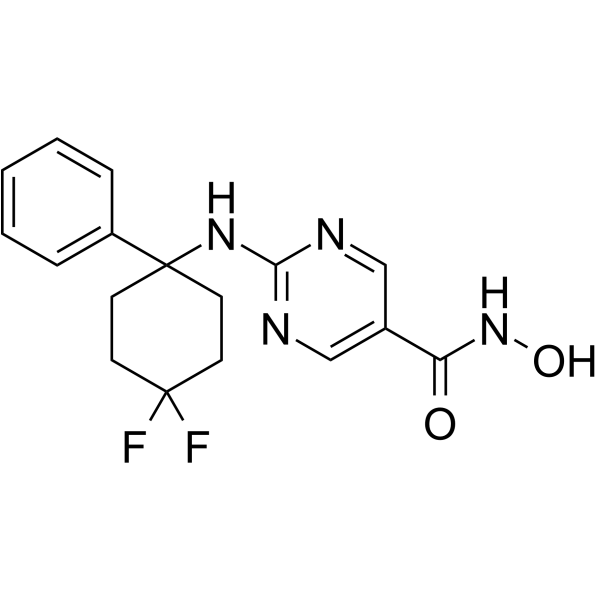
ACY-1083 is a selective and brain-penetrating HDAC6 inhibitor with an IC50 of 3 nM and is 260-fold more selective for HDAC6 than all other classes of HDAC isoforms. ACY-1083 effectively reverses chemotherapy-induced peripheral neuropathy .
loading...
    loading...
1
1 Cited Publications
Cat. No.: HY-B1239
CAS No.: 548-66-3
Synonyms: Hexahydroadiphenine hydrochloride
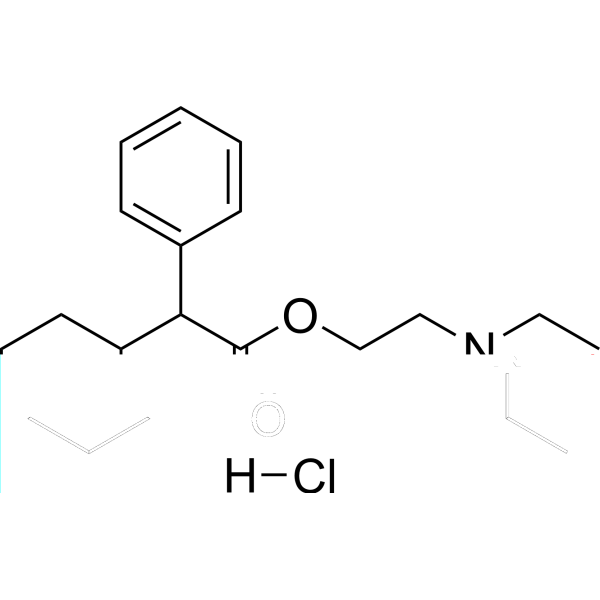
Drofenine (Cycloadiphene; Hexahydroadiphenine) hydrochloride is an brain-penetrant antispasmodic agent. Drofenine hydrochloride is a Kv2.1 channel inhibitor with human IC50 of 9.53 μM. Drofenine hydrochloride is a butyrylcholinesterase (BChE) inhibitor with Ki of 0.003 mM, and is a TRPV3 activator. Drofenine hydrochloride blocks Kv2.1-dependent potassium efflux, inhibits Kv2.1/JNK/NF-κB and IkBa/NF-kB signaling, suppresses Kv2.1 mRNA/protein expression. Drofenine suppresses oligomeric Aβ-induced microglial NLRP3 inflammasome activation and neuronal Tau hyperphosphorylation, improves cognitive impairment, promotes neurite outgrowth. Drofenine hydrochloride induces calcium influx in keratinocytes and exert cytotoxicity against keratinocytes. Drofenine hydrochloride ameliorates diabetic peripheral neuropathy -like pathology. Drofenine hydrochloride can be used for the researches of Alzheimer's disease, diabetic peripheral neuropathy and smooth muscle spasm .
loading...
    loading...
1
1 Cited Publications
Cat. No.: HY-14604
CAS No.: 90494-79-4
Purity:  98.57%
Synonyms: SR57746A; SR57746 hydrochloride
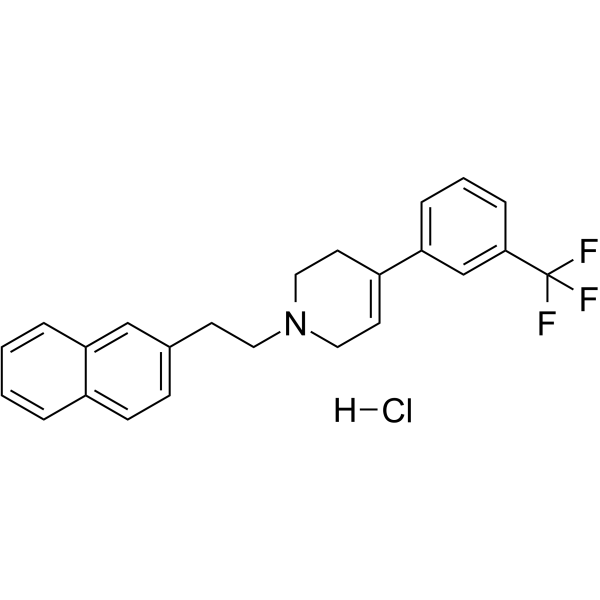
Xaliproden (SR57746) hydrochloride (SR57746A) is an orally active, highly selective 5-HT1A receptor agonist. Xaliproden hydrochloride activates pertussis toxin-sensitive G protein-coupled signaling cascades, as well as the PKC, ERK1/ERK2, Akt and p21 Ras/MEK-1 pathways. Xaliproden hydrochloride also downregulates the JNK/p66/c-Jun signaling pathway, induces phosphorylation of the shc adaptor protein, regulates extracellular dopamine and 5-HT levels, and induces [ 35S]GTPγS labeling in rat brain structures rich in 5-HT1A receptors. Xaliproden hydrochloride exerts neurotrophic, neuroprotective, renoprotective, anti-inflammatory, anti-apoptotic, anti-fibrotic and analgesic effects. Xaliproden hydrochloride also enhances NGF-induced neurite outgrowth, promotes motor neuron survival, attenuates renal tubular injury and inhibits chemotherapy-induced mechanical allodynia, without activating or altering NGF-induced TrkA receptor activation. Xaliproden hydrochloride can be used in the research of motor neuron disease, diabetic nephropathy, chemotherapy-induced peripheral neuropathy, amyotrophic lateral sclerosis, Alzheimer's disease, acute tonic nociceptive pain, inflammatory pain, depression and anxiety .
loading...
    loading...
1
1 Cited Publications
Cat. No.: HY-116239
CAS No.: 112733-06-9
Purity:  99.35%
Target:  

Aldose Reductase

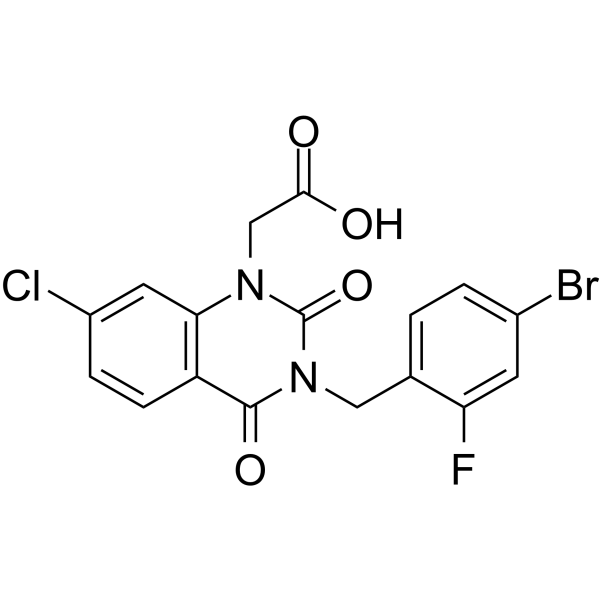
Zenarestat is a potent and orally active aldose reductase inhibitor. Zenarestat improves diabetic peripheral neuropathy in Zucker diabetic fatty rats .
loading...
    loading...
Cat. No.: HY-142240
CAS No.: 2209104-84-5
Synonyms: HSK16149
Target:  

Calcium Channel

Research Areas:  

Neurological Disease

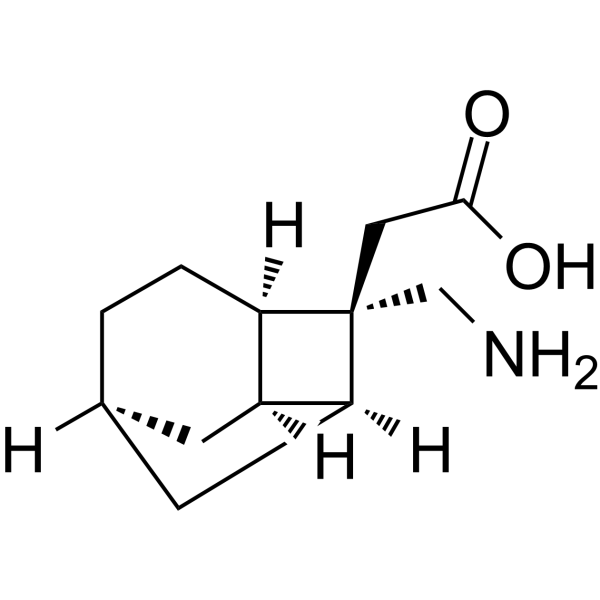
Crisugabalin is an orally active, selective ligand for the α2δ subunit of voltage-gated calcium channels, with a target IC50 of 3.96 nM in rats. Crisugabalin inhibits the binding of [ 3H]gabapentin to the α2δ subunit, reduces calcium influx, decreases neuronal excitability, and impairs nociceptive transmission. Crisugabalin alleviates mechanical allodynia, neuropathic pain and inflammatory pain in rats, and reduces phase II pain behaviors. Crisugabalin can be used in research related to chronic pain, neuropathic pain, diabetic neuropathy, fibromyalgia, inflammatory pain, diabetic peripheral neuropathy and postherpetic neuralgia.
loading...
    loading...
Cat. No.: HY-W027553
CAS No.: 62732-44-9
Synonyms: NIK-247 free base; Amiridine free base
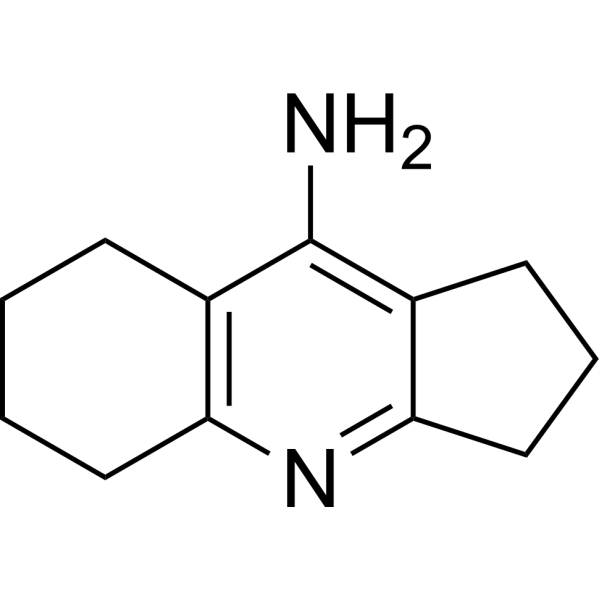
Ipidacrine is orally active and brain-penetrant AChE and BuChE inhibitors with IC50 values of 1 μM and 1.9 μM, respectively, which is also a partial agonist of M2-cholinergic receptors and a reversible cholinesterase inhibitor. Ipidacrine has a stimulating effect on neuromuscular transmission and excitation along the nerve fibres with a moderately anti-pain effect. Ipidacrine is an aminopyridines and is structurally similar to Tacrine (HY-111338). Ipidacrine is effective in various amnesia models, improves erectile function and inhibits K + and Na +-channels in the neuronal membrane in diabetic rats. Ipidacrine is promising for research of Alzheimer’s disease, ischaemic stroke, idiopathic neuropathy of the facial nerve, diabetes mellitus-induced erectile dysfunction and other deficits in central or peripheral cholinergic deseases .
loading...
    loading...
Cat. No.: HY-101096
CAS No.: 953778-58-0
Purity:  99.96%
Synonyms: MK-8998; CX-8998; JZP385
Target:  

Calcium Channel

Research Areas:  

Neurological Disease Cancer

Suvecaltamide (MK-8998) is a selective T-type calcium channel inhibitor with oral efficacy. Suvecaltamide exhibits no cytotoxicity in myeloma cell lines and does not affect the antitumor efficacy of Bortezomib (BTZ). Suvecaltamide reverses BTZ-induced peripheral neuropathy (CIPN) in mouse and rat models, and helps inhibit myeloma growth .
loading...
    loading...
Cat. No.: HY-171846
CAS No.: 1889218-34-1
Target:  

TRP Channel

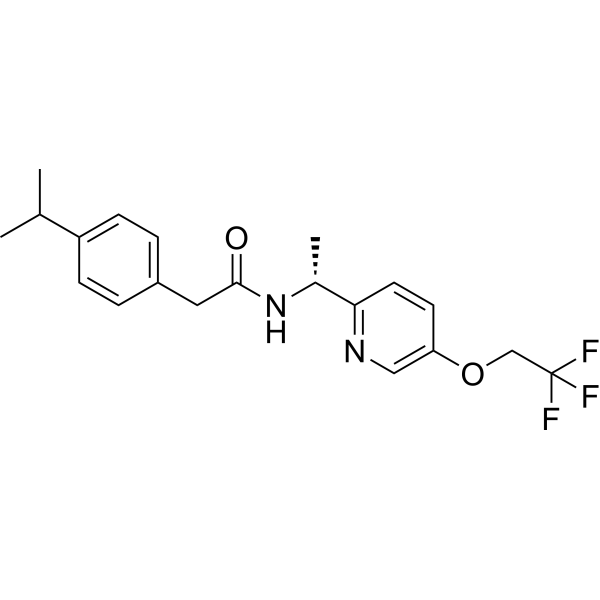
LY3526318 is an orally active, selective TRPA1 antagonist (IC50=5-6μM). LY3526318 blocks TRPA1 channels, inhibits pain signal transduction mediated by the channel, and exerts analgesic activity. LY3526318 is mainly used in the research of chronic pain-related fields, such as diabetic peripheral neuropathy, chronic low back pain, and pain caused by osteoarthritis .
loading...
    loading...
Cat. No.: HY-109087
CAS No.: 1400699-64-0
Purity:  99.42%
Synonyms: MT-8554
Elismetrep (MT-8554) is a TRPM8 channel antagonist and neuroprotective agent. Elismetrep is used for research on pain, menopause-related vasomotor symptoms, and diabetic peripheral neuropathy .
loading...
    loading...
Cat. No.: HY-148948
CAS No.: 2790481-63-7
Purity:  99.67%
Target:  

NAMPT

Research Areas:  

Neurological Disease

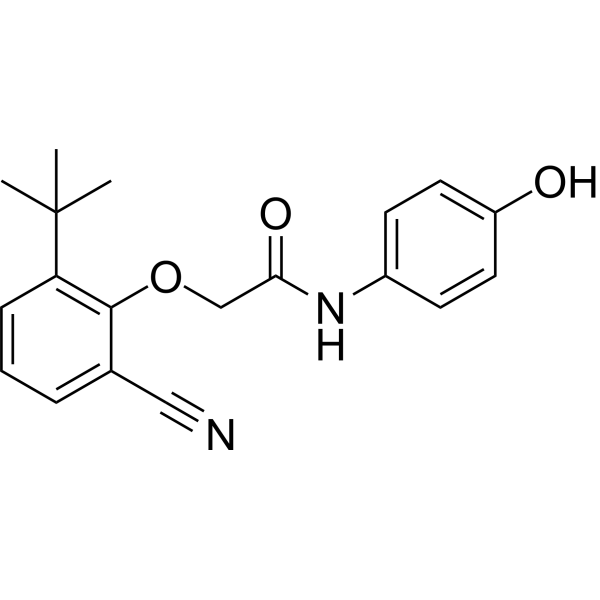
NAMPT activator-3, a NAT derivative, is a NAMPT activator with an EC50 of 2.6 μM and a KD of 132 nM. NAMPT activator-3 effectively protects cultured cells from FK866 (HY-50876)-mediated toxicity. NAMPT activator-3 exhibits strong neuroprotective efficacy in a chemotherapy-induced peripheral neuropathy (CIPN) mouse model without any overt toxicity .
loading...
    loading...
Cat. No.: HY-N1479
CAS No.: 1260-04-4
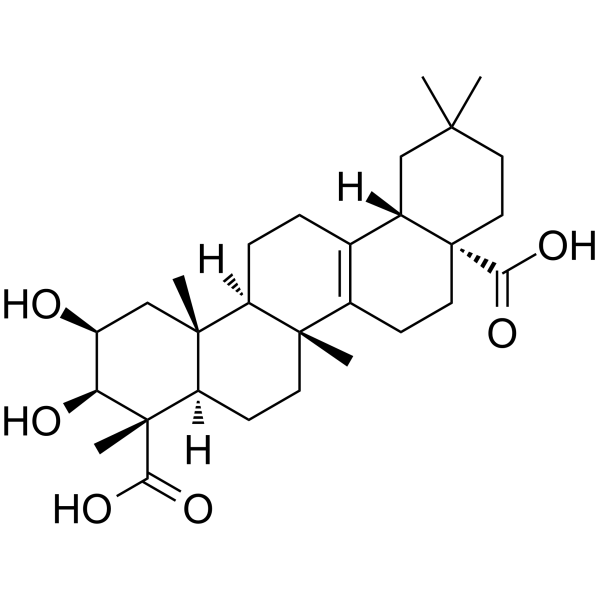
Polygalic acid is a polyphenolic acid with neuroprotective effects, and also an inhibitor of African swine fever virus polymerase (AsfvPolX), with an IC50 value of 5.05 μM. Polygalic acid alleviates neuroinflammation by regulating cholinergic activity, and its fecal level decreases in diseased mice. Polygalic acid can be used in research related to painful diabetic peripheral neuropathy complicated with cognitive impairment and African swine fever .
loading...
    loading...
Cat. No.: HY-156103
CAS No.: 2743336-70-9
Purity:  99.35%
Target:  

Huntingtin

Research Areas:  

Neurological Disease

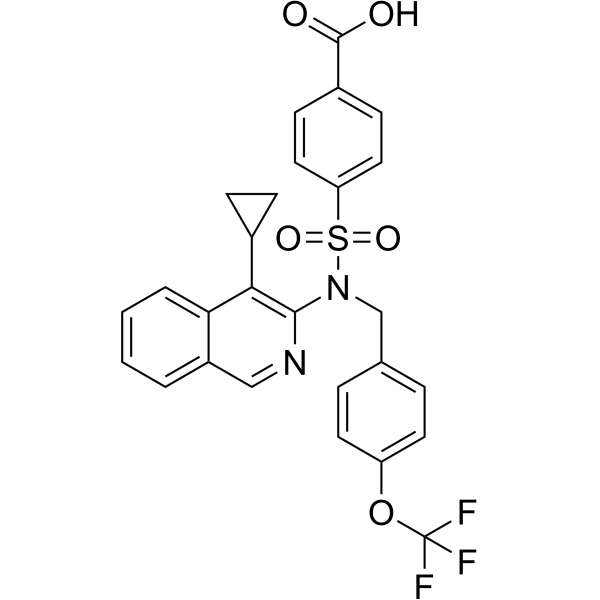
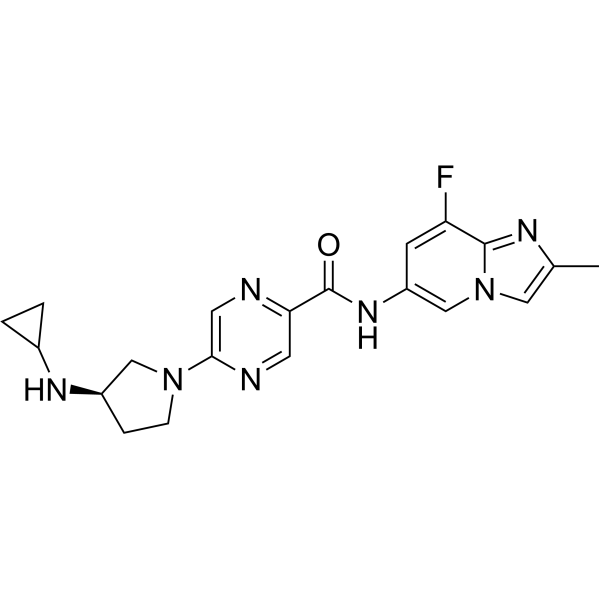
mHTT-IN-2 (compound 27) is a potent inhibitor (EC50=0.066 μM) of mutant huntingtin (mHTT). mHTT-IN-2 reduces canonical splicing of HTT RNA exons [49-50] and is a splicing regulator of the huntingtin (HTT) gene. mHTT-IN-2 exhibits inhibitory activity in vitro and in vivo in human HD stem cells and mouse BACHD models. mHTT-IN-2 may be used in the study of branaplam-related peripheral neuropathy .
loading...
    loading...
Cat. No.: HY-108960
CAS No.: 149017-66-3
Research Areas:  

Neurological Disease

PPADS is a P2X receptor (P2X Receptor) antagonist and a reversible competitive antagonist of NAADP receptors, with IC50 values of 68 nM (P2X1) and 214 nM (P2X3), respectively. PPADS alleviates pain-related behaviors in the central and peripheral nervous systems of mice after peripheral neuropathy, inhibits the overproduction of IL-1β, IL-6, iNOS and nNOS, and suppresses the hydrolytic activity of extracellular ATPase. PPADS blocks ATP-mediated inward currents on recombinant rat P2X1 and P2X3 receptors, and inhibits purinergic nerve stimulation-induced contraction of rabbit bladder detrusor muscle. PPADS is applicable to research related to neuropathic pain .
loading...
    loading...

