245 Results for "

Replication Protein A

" in MedChemExpress (MCE) Product Catalog:
Products (245)

245 Results for "Replication Protein A" in MCE Product Catalog:

74
74 Publications Verification
Cat. No.: HY-13323
CAS No.: 1138549-36-6
Purity:  99.49%
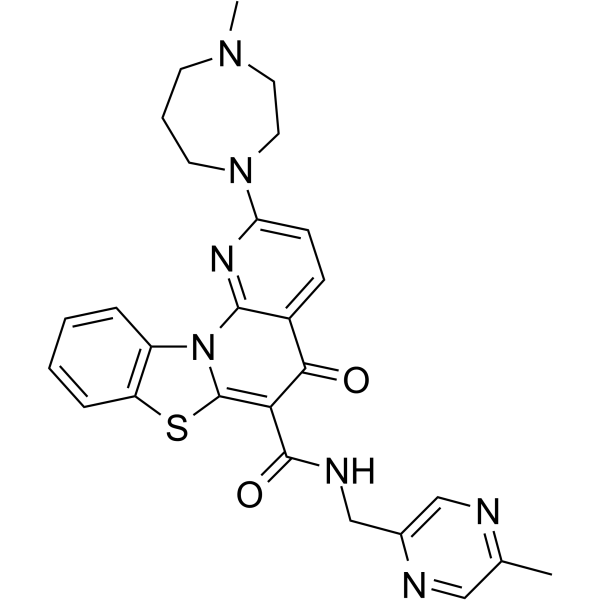
CX-5461 is a selective, orally active RNA polymerase I inhibitor. CX-5461 disrupts the formation of the SL1-rDNA complex, thereby blocking the transcription initiation of ribosomal RNA without altering the activity of RNA polymerase II, DNA replication, or protein translation processes. CX-5461 upregulates the expression of p21, MDM2, Sestrin1/2, and phosphorylated AMPKα, and reduces the level of phosphorylated Akt. CX-5461 induces G2/G2/M cell cycle arrest, Autophagy, Apoptosis, and cellular senescence, and activates CHK1, CHK2, and RPA. CX-5461 can be used in research related to osteosarcoma, cervical cancer, hematologic malignancies, high-grade serous ovarian cancer, and solid tumors .
loading...
    loading...
74
74 Publications Verification
Cat. No.: HY-13323A
Purity:  99.41%
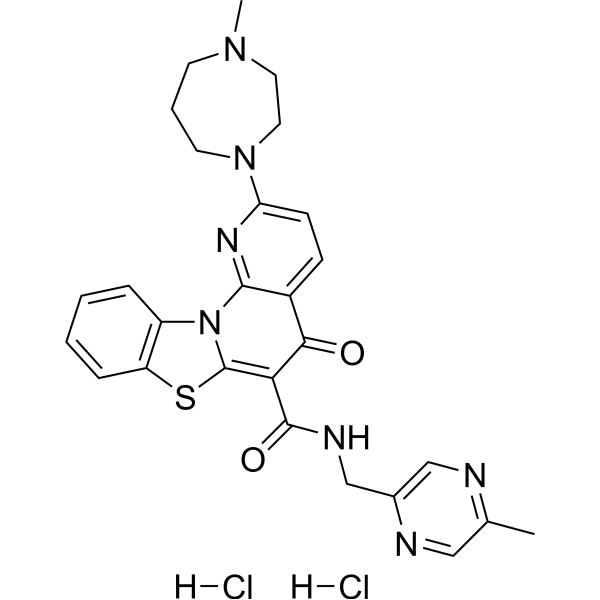
CX-5461 dihydrochloride is a selective, orally active RNA polymerase I inhibitor. CX-5461 dihydrochloride disrupts the formation of the SL1-rDNA complex, thereby blocking the transcription initiation of ribosomal RNA without altering the activity of RNA polymerase II, DNA replication, or protein translation processes. CX-5461 dihydrochloride upregulates the expression of p21, MDM2, Sestrin1/2, and phosphorylated AMPKα, and reduces the level of phosphorylated Akt. CX-5461 dihydrochloride induces G2/G2/M cell cycle arrest, Autophagy, Apoptosis, and cellular senescence, and activates CHK1, CHK2, and RPA. CX-5461 dihydrochloride can be used in research related to osteosarcoma, cervical cancer, hematologic malignancies, high-grade serous ovarian cancer, and solid tumors .
loading...
    loading...
36
36 Cited Publications
Cat. No.: HY-15176A
CAS No.: 1781882-65-2
Purity:  98.53%
Synonyms: RR82 hydrochloride
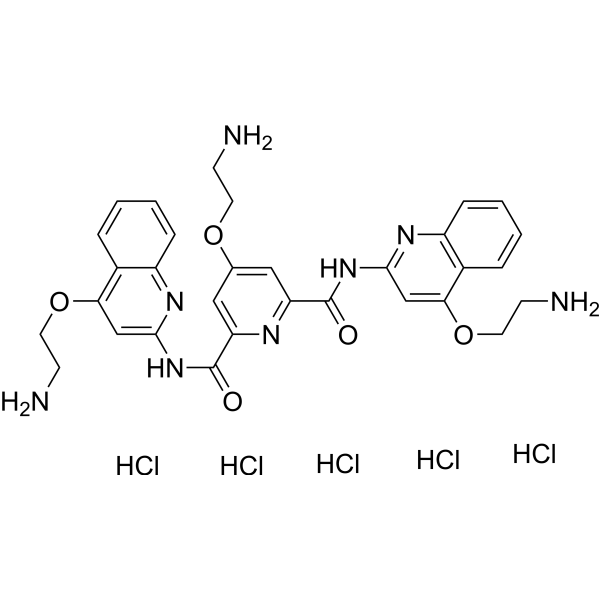
Pyridostatin (RR82) hydrochloride is a G-quadruplex DNA stabilizing agent (Kd=490 nM) and can target DNA and RNA G4s in cells. Pyridostatin hydrochloride promotes growth arrest in human cancer cells by inducing replication- and transcription-dependent DNA damage. Pyridostatin hydrochloride targets the proto-oncogene Src. Pyridostatin hydrochloride reduced SRC protein levels and SRC-dependent cellular motility in human breast cancer cells .
loading...
    loading...
22
22 Cited Publications
Cat. No.: HY-B1192
CAS No.: 50-50-0
Synonyms: β-Estradiol 3-benzoate; 17β-Estradiol 3-benzoate
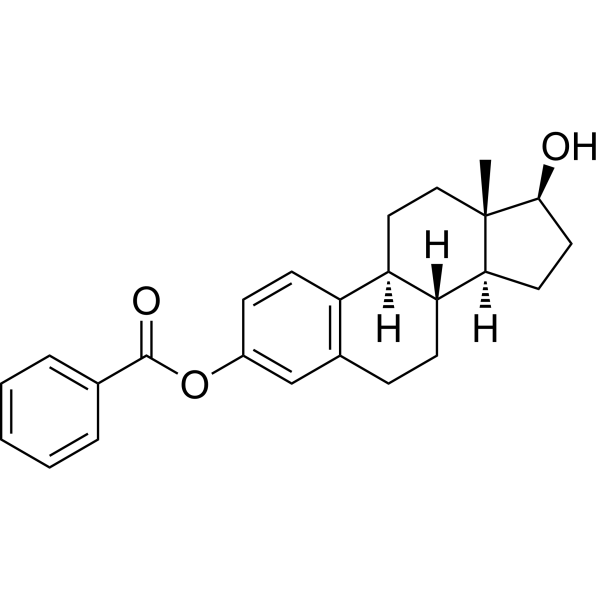
Estradiol benzoate (β-Estradiol 3-benzoate) is a HBx protein inhibitor and inhibits androgen and hepatitis B virus (HBV) transcription, replication. Estradiol benzoate shows antifertility effects, anti- Toxoplasma gondii activity and can improve memory behavior of Ovariectomy (Ovx) female mice .
loading...
    loading...
11
11 Cited Publications
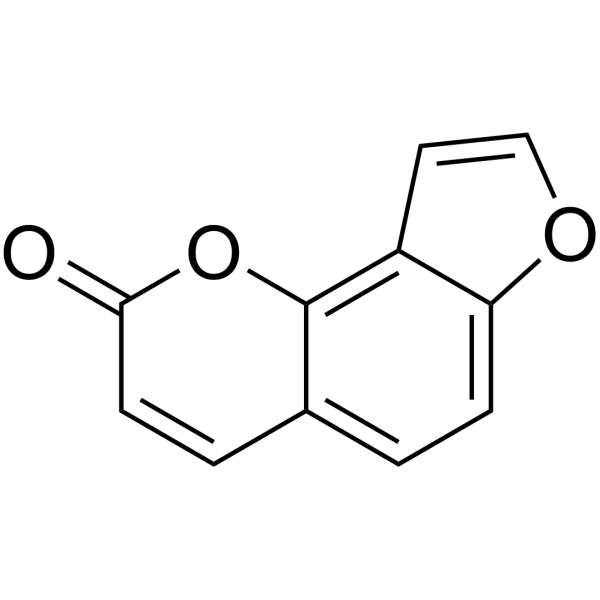
Cat. No.: HY-N0763
CAS No.: 523-50-2
Synonyms: Isopsoralen
Angelicin is a furanocoumarin compound that functions as an inhibitor of NF-κB and MAPK signaling pathways, exhibiting anti-inflammatory, antiviral, and antitumor activities. It suppresses the lytic replication of γ-herpesviruses, such as MHV-68, early during viral infection, potentially inhibiting RTA gene expression (IC50=28.95 μM). Angelicin also mitigates inflammation by inhibiting the phosphorylation and nuclear translocation of NF-κB, and the phosphorylation of p38 and JNK. Furthermore, it induces apoptosis in neuroblastoma cells by downregulating anti-apoptotic proteins like Bcl-2, Bcl-xL, and Mcl-1, while activating caspase-9 and caspase-3.
loading...
    loading...
9
9 Cited Publications
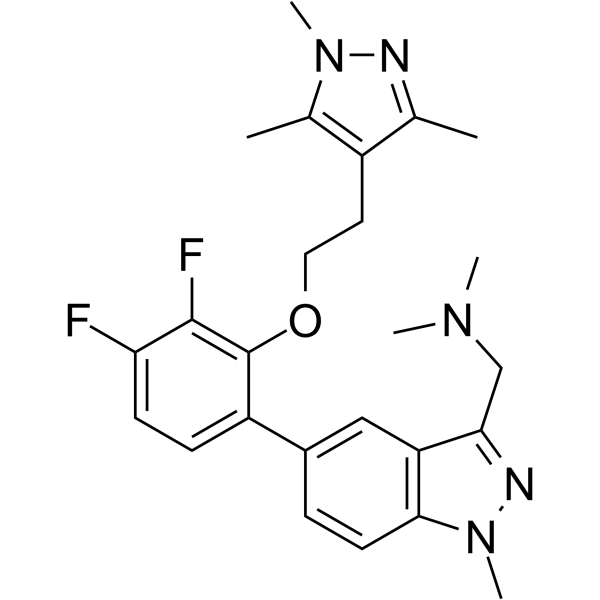
Cat. No.: HY-112258
CAS No.: 2059148-82-0
Purity:  99.16%
Target:  

DNA/RNA Synthesis

Research Areas:  

Infection

IMP-1088 is a potent human N-myristoyltransferases NMT1 and NMT2 dual inhibitor with IC50s of <1 nM for HsNMT1 and HsNMT2. IMP-1088 has a Kd of <210 pM for HsNMT1. IMP-1088 efficiently blocks rhinovirus replication by blocking rhinovirus virus-encoded protein (VP0) N-myristoylation. IMP-1088 protects host cells from the cytotoxic effects of viral infection .
loading...
    loading...
9
9 Cited Publications
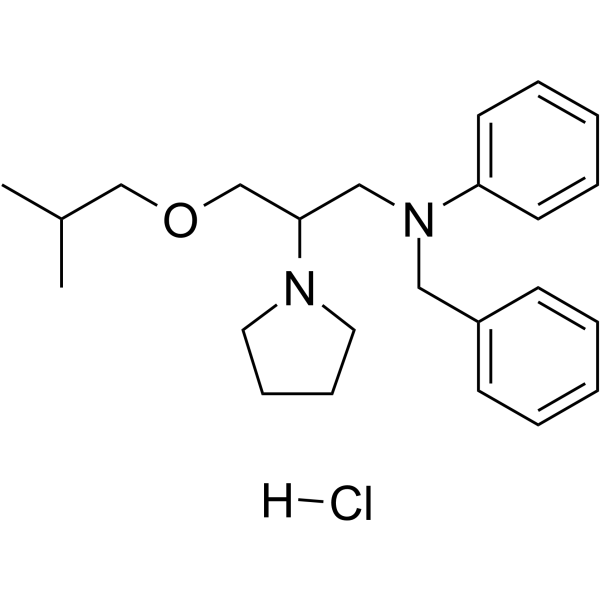
Cat. No.: HY-103315
CAS No.: 68099-86-5
Purity:  99.98%
Synonyms: CERM 1978; Org 5730 hydrochloride
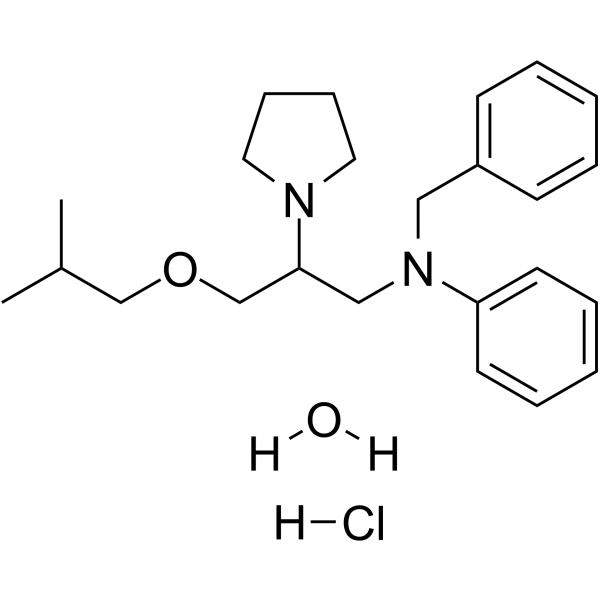
Bepridil hydrochloride (CERM 1978; Org 5730 hydrochloride) is an orally active non-selective calcium channel antagonist with multi-ion channel blocking activity. Bepridil hydrochloride modulates Calmodulin, the 20S proteasome, T-type/L-type calcium channels, cardiac sodium channels, multiple potassium channels, γ-secretase, β-secretase, and mitoKATP/sarcKATP channels. Bepridil hydrochloride acts as a hydroxyl radical scavenger, regulates mitochondrial and intracellular calcium handling, and exerts antiarrhythmic, antianginal, and cardioprotective effects. Bepridil hydrochloride alters amyloid precursor protein processing, reduces β-amyloid and thalamic calcium levels, restores seladin-1/DHCR24 expression, and improves sensorimotor recovery after cerebral ischemia. Bepridil hydrochloride also exhibits potent inhibitory effects on SARS-CoV-2 replication. Bepridil hydrochloride is used in studies related to stable angina, arrhythmias, cerebral ischemia, Alzheimer's disease, and SARS-CoV-2 infection .
loading...
    loading...
9
9 Cited Publications
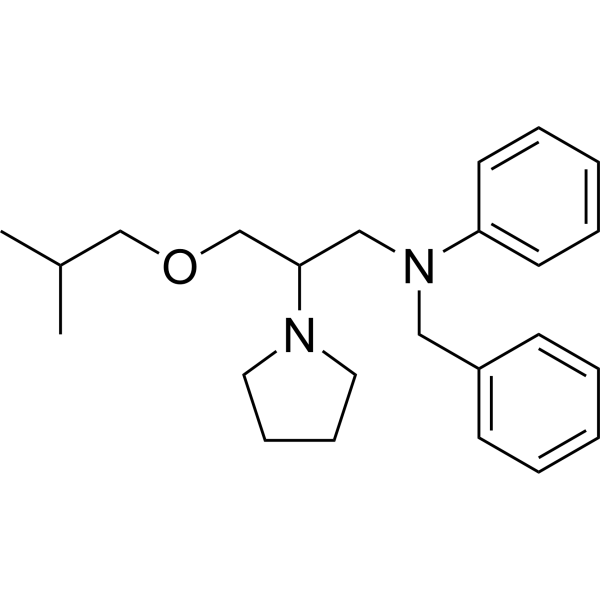
Cat. No.: HY-16952
CAS No.: 64706-54-3
Synonyms: CERM 1978 free base; Org 5730
Bepridil (CERM 1978 (free base); Org 5730) is an orally active non-selective calcium channel antagonist with multi-ion channel blocking activity. Bepridil modulates Calmodulin, the 20S proteasome, T-type/L-type calcium channels, cardiac sodium channels, multiple potassium channels, γ-secretase, β-secretase, and mitoKATP/sarcKATP channels. Bepridil acts as a hydroxyl radical scavenger, regulates mitochondrial and intracellular calcium handling, and exerts antiarrhythmic, antianginal, and cardioprotective effects. Bepridil alters amyloid precursor protein processing, reduces β-amyloid and thalamic calcium levels, restores seladin-1/DHCR24 expression, and improves sensorimotor recovery after cerebral ischemia. Bepridil also exhibits potent inhibitory effects on SARS-CoV-2 replication. Bepridil is used in studies related to stable angina, arrhythmias, cerebral ischemia, Alzheimer's disease, and SARS-CoV-2 infection .
loading...
    loading...
9
9 Cited Publications
Cat. No.: HY-16952A
CAS No.: 74764-40-2
Synonyms: CERM 1978 hydrate; Org 5730 hydrochloride hydrate
Bepridil hydrochloride hydrate (CERM 1978 hydrate; Org 5730 hydrochloride hydrate) is an orally active non-selective calcium channel antagonist with multi-ion channel blocking activity. Bepridil hydrochloride hydrate modulates Calmodulin, the 20S proteasome, T-type/L-type calcium channels, cardiac sodium channels, multiple potassium channels, γ-secretase, β-secretase, and mitoKATP/sarcKATP channels. Bepridil hydrochloride hydrate acts as a hydroxyl radical scavenger, regulates mitochondrial and intracellular calcium handling, and exerts antiarrhythmic, antianginal, and cardioprotective effects. Bepridil hydrochloride hydrate alters amyloid precursor protein processing, reduces β-amyloid and thalamic calcium levels, restores seladin-1/DHCR24 expression, and improves sensorimotor recovery after cerebral ischemia. Bepridil hydrochloride hydrate also exhibits potent inhibitory effects on SARS-CoV-2 replication. Bepridil hydrochloride hydrate is used in studies related to stable angina, arrhythmias, cerebral ischemia, Alzheimer's disease, and SARS-CoV-2 infection .
loading...
    loading...
8
8 Cited Publications
Cat. No.: HY-100126
CAS No.: 69-33-0
Purity:  99.24%
Synonyms: 7-Deazaadenosine
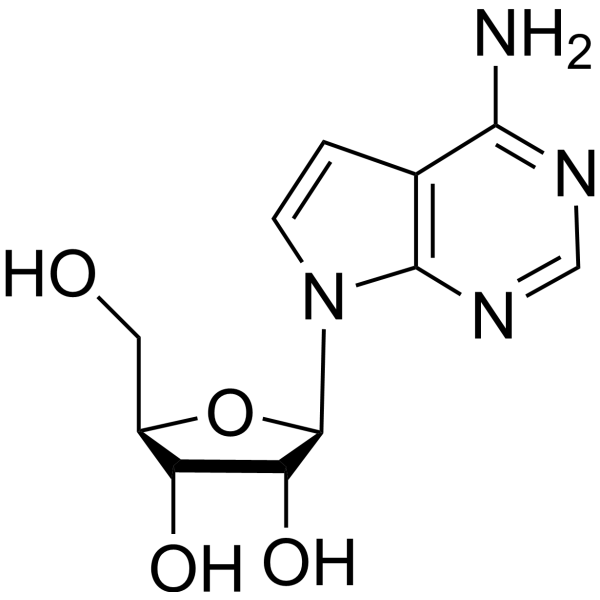
Tubercidin (7-Deazaadenosine) is an antibiotic obtained from Streptomyces tubercidicus. Tubercidin inhibits the growth of Streptococcus faecalis (8043) with an IC50 of 0.02 μM . Tubercidin inhibits polymerases by incorporating DNA or RNA, thereby inhibiting DNA replication, RNA and protein synthesis . Tubercidin is a weak inhibitor of adenosine phosphorylase, and interferes with the phosphorylation of adenosine and AMP . Tubercidin has antiviral activity .
loading...
    loading...
7
7 Cited Publications
Cat. No.: HY-P2260
CAS No.: 1423821-88-8
Target:  

CHIKV Autophagy HIV

Research Areas:  

Infection

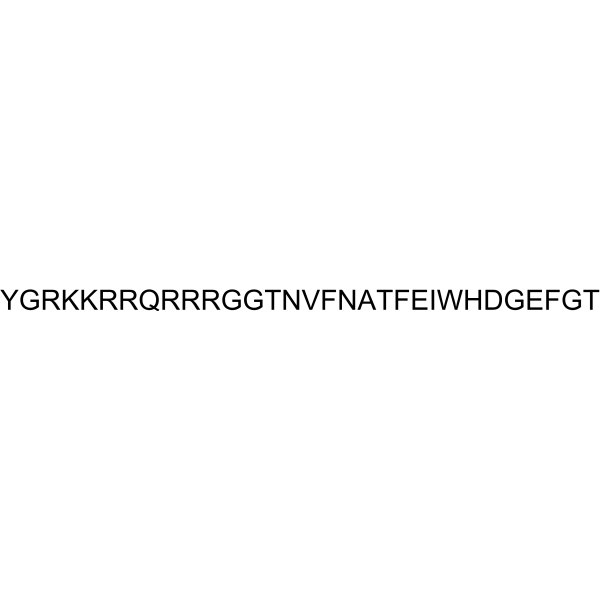
Tat-beclin 1, a peptide derived from a region of the autophagy protein (beclin 1), is a potent inducer of autophagy and interacts with negative regulator of autophagy, GAPR-1 (GLIPR2). Tat-beclin 1 decreases the accumulation of polyglutamine expansion protein aggregates and the replication of several pathogens (including HIV-1) in vitro, and reduces mortality in mice infected with chikungunya (CHIKV) or West Nile virus (WNV) .
loading...
    loading...
6
6 Cited Publications
Cat. No.: HY-120072
CAS No.: 1352879-65-2
Purity:  98.89%
Synonyms: PF-74
Target:  

HIV

Research Areas:  

Infection

PF-3450074 (PF-74) is a specifical inhibitor of HIV-1 capsid protein (CA) and displays a broad-spectrum inhibition of HIV isolates with submicromolar potency (EC50=8-640 nM). PF-3450074 (PF-74) acts at an early stage of HIV-1 infection, inhibits viral replication by directly competing with the binding of CPSF6 and NUP153, and blocks the uncoating, assembly, and the reverse transcription steps of the viral life cycle . CPSF6: nuclear host factors cleavage and polyadenylation specific factor 6; NUP153: nucleoporin 153.
loading...
    loading...
5
5 Cited Publications
Cat. No.: HY-I0960
CAS No.: 66-22-8
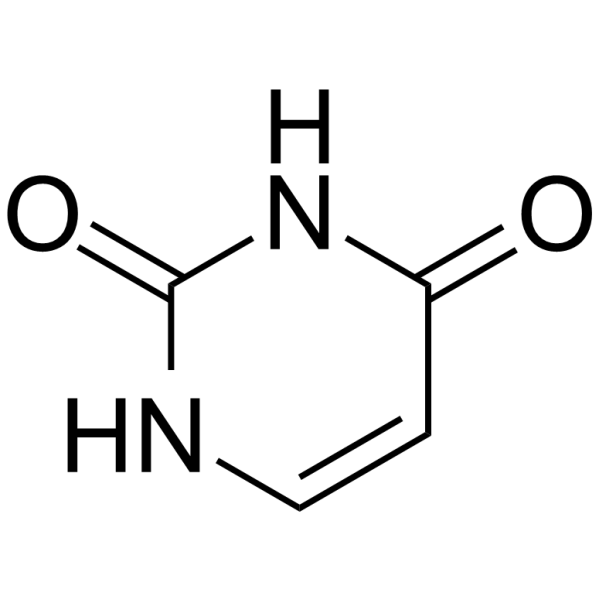
Uracil is a pyrimidine derivative and one of the four nucleobases in the nucleic acid of RNA. Uracil is a frequently occurring DNA base damage that results from the spontaneous or chemically induced deamination of cytosine and is mutagenic at the level of replication. Uracil could potentially alter transcriptional fidelity, resulting in production of mutant proteins .
loading...
    loading...
4
4 Cited Publications
Cat. No.: HY-N6769
CAS No.: 12772-57-5
Synonyms: Monorden
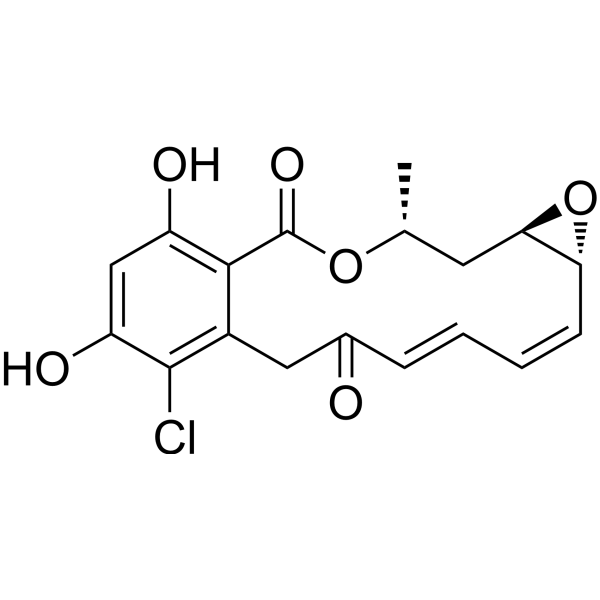
Radicicol is an inhibitor of Hsp90 with an IC50 value < 1 μM, and leads to proteasomal degradation . Radicicol exhibits inhibition on PDK with IC50s of 230 μM (PDK1) and 400 μM (PDK3). Radicicol is an antifungal and antimalarial antibiotic, impairs mitochondrial replication by targeting P. falciparum topoisomerase VIB . Radicicol is also an inhibitor of fat mass and obesity-associated protein (FTO), with an IC50 value of 16.04 μM .
loading...
    loading...
3
3 Cited Publications
Cat. No.: HY-15970
CAS No.: 1392136-43-4
Synonyms: KPT-335
Target:  

CRM1 Apoptosis RSV

Verdinexor (KPT-335) is an orally active inhibitor for selective inhibitor of nuclear export (SINE). Verdinexor inhibits the respiratory syncytial virus A2 (RSV A2) replication with an IC50 of 0.96 µM. Verdinexor inhibits the function of nuclear export protein Exportin 1 (XPO1/CRM1), inhibiting pro-inflammatory responses. Verdinexor exhibits antitumor effciency .
loading...
    loading...
3
3 Cited Publications
Cat. No.: HY-13967
CAS No.: 865231-46-5
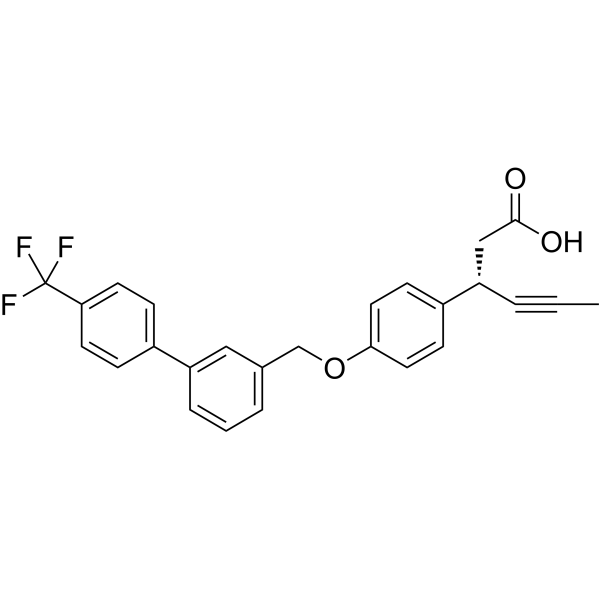
AMG 837 is an orally active, selective GPR40/FFA1 agonist with an EC50 of 1.5 nM against human GPR40. AMG 837 stimulates insulin secretion in a glucose-dependent manner, and effectively improves glycemic control in both normal and diabetic rodent models . AMG 837 binds to the BacA protein and impairs the survival and replication of Brucella. AMG 837 can be used in research related to type 2 diabetes and brucellosis .
loading...
    loading...
3
3 Cited Publications
Cat. No.: HY-13967B
CAS No.: 1259389-38-2
Purity:  99.00%
Research Areas:  

Metabolic Disease

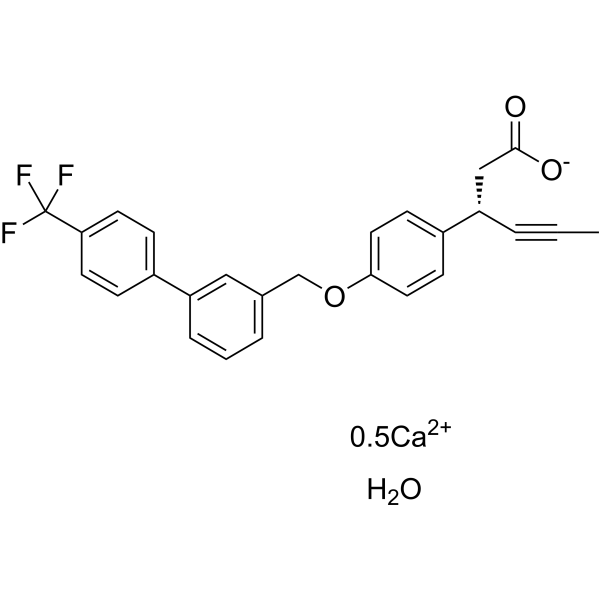
AMG 837 calcium hydrate is an orally active, selective GPR40/FFA1 agonist with an EC50 of 1.5 nM against human GPR40. AMG 837 calcium hydrate stimulates insulin secretion in a glucose-dependent manner, and effectively improves glycemic control in both normal and diabetic rodent models . AMG 837 calcium hydrate binds to the BacA protein and impairs the survival and replication of Brucella. AMG 837 calcium hydrate can be used in research related to type 2 diabetes and brucellosis .
loading...
    loading...
3
3 Cited Publications
Cat. No.: HY-118155
CAS No.: 3548-09-2
Purity:  99.56%
Synonyms: ACMA
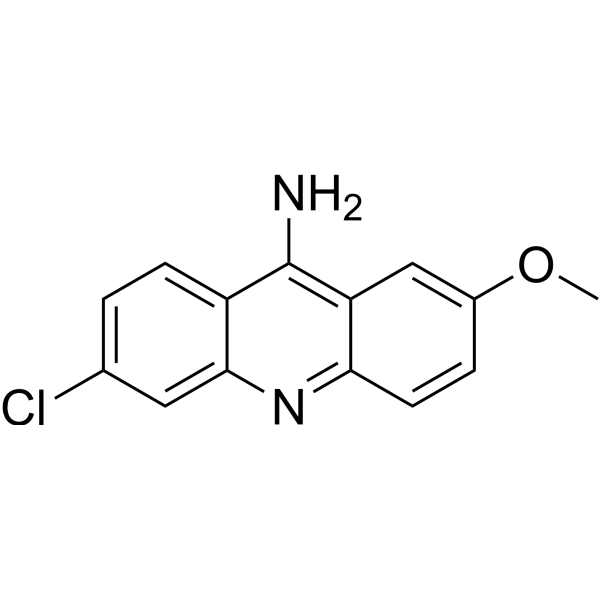
9-Amino-6-chloro-2-methoxyacridine (ACMA) is an acridine derivative and Fluorescent probe. 9-Amino-6-chloro-2-methoxyacridine inhibits viral replication, inhibits DNA synthesis and protein metabolism through cell cycle arrest, and induces lipid metabolism regulation, genotoxicity, mutagenicity, and cytotoxicity through DNA strand breaks. 9-Amino-6-chloro-2-methoxyacridine partially intercalates into DNA, forming three distinct complexes, stabilizes the DNA helix, and quenches fluorescence upon intercalation through electron transfer with guanine. 9-Amino-6-chloro-2-methoxyacridine monitors the generation and collapse of the proton motive force, H + pumping by F1F0-ATP synthase, and the collapse of pH gradients in inverted membrane vesicles. 9-Amino-6-chloro-2-methoxyacridine shows potent anti-BVDV activity. 9-Amino-6-chloro-2-methoxyacridine can be used for research on bovine viral diarrhea virus infection, leishmaniasis, and MRSA infection .
loading...
    loading...
2
2 Cited Publications
Cat. No.: HY-12993
CAS No.: 676128-63-5
Purity:  99.92%
Synonyms: A-60444
Target:  

RSV

Research Areas:  

Infection

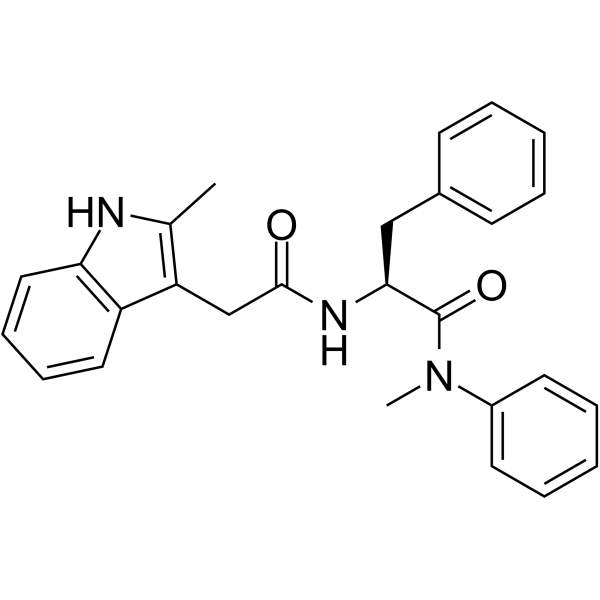
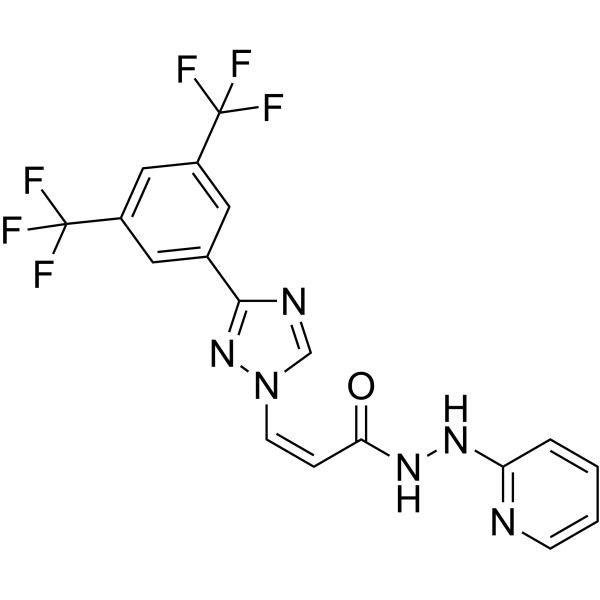
RSV604 (A-60444) is an inhibitor of respiratory syncytial virus (RSV) replication. RSV604 targets the nucleocapsid protein, with a Kd of 1.6 μM. RSV604 displays submicromolar activity against numerous clinical isolates of both the A and B subtypes of RSV (average EC50s=0.8 μM) .
loading...
    loading...
2
2 Cited Publications
Cat. No.: HY-114842
CAS No.: 1644626-43-6
Purity:  99.84%
Target:  

DNA/RNA Synthesis

Research Areas:  

Cancer

TDRL-551 is a potent replication protein A (RPA) inhibitor (IC50 = 18 µM). TDRL-551 inhibits RPA-DNA interaction and increases the anti-cancer efficacy of Platinum (Pt)-based chemotherapy. TDRL-551 can be used for the research of cancer, such as non-small cell lung cancer (NSCLC) .
loading...
    loading...

