21 Results for "

Reticulocytes

" in MedChemExpress (MCE) Product Catalog:
Products (21)

21 Results for "Reticulocytes" in MCE Product Catalog:

6
6 Publications Verification
Cat. No.: HY-103157
CAS No.: 4079-26-9
Purity:  99.59%
Synonyms: NSC168807
Target:  

Autophagy Ferroptosis

Research Areas:  

Cardiovascular Disease

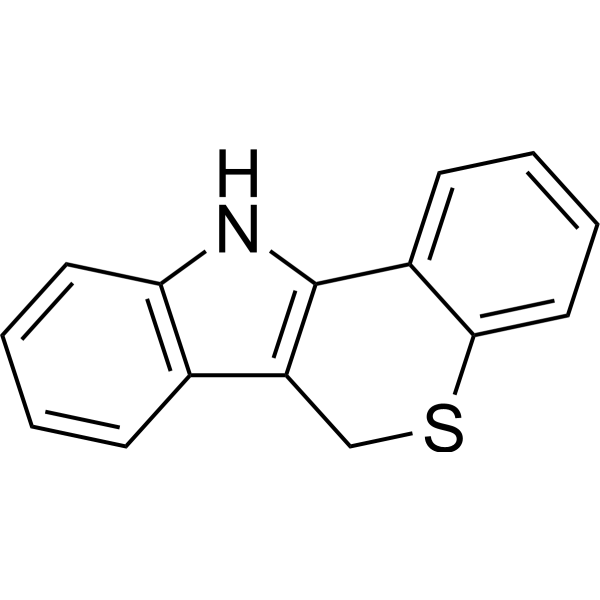
PD146176 (NSC168807), a 15-Lipoxygenase (15-LO) inhibitor, inhibits rabbit reticulocyte 15-LO (Ki=197 nM, IC50=0.54 μM). PD146176 reverses cognitive impairment, brain amyloidosis, and tau pathology by stimulating autophagy in aged triple transgenic mice .
loading...
    loading...
2
2 Cited Publications
Cat. No.: HY-D0150
CAS No.: 107091-89-4
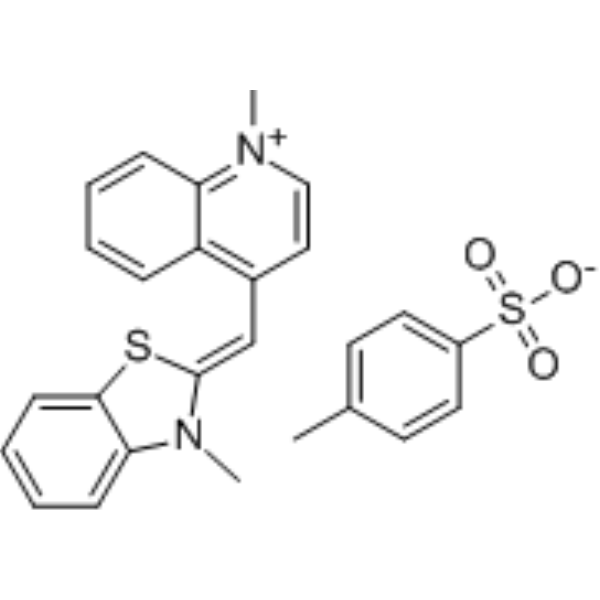
Thiazole Orange is an asymmetric anthocyanin dye that can be coupled with oligonucleotides (ONs) to prepare fluorescent hybridization probes. Thiazole Orange has been widely used in biomolecular detection and staining of DNA/ RNA in gels and can be used for reticulocyte analysis. Thiazole orange generates a significant fluorescence enhancement and high quantum yield when it binds with nucleic acids, especially RNA. Thiazole orange can permeate living cell membranes. Thiazole orange can use UV light for detection, but can also be detected with blue light. The excitation and emission of Thiazole orange are λex = 510 nm (488 nm and 470 nm also show strong excitation) and λem = 527 nm, respectively .
loading...
    loading...
Cat. No.: HY-D0996
CAS No.: 181885-68-7
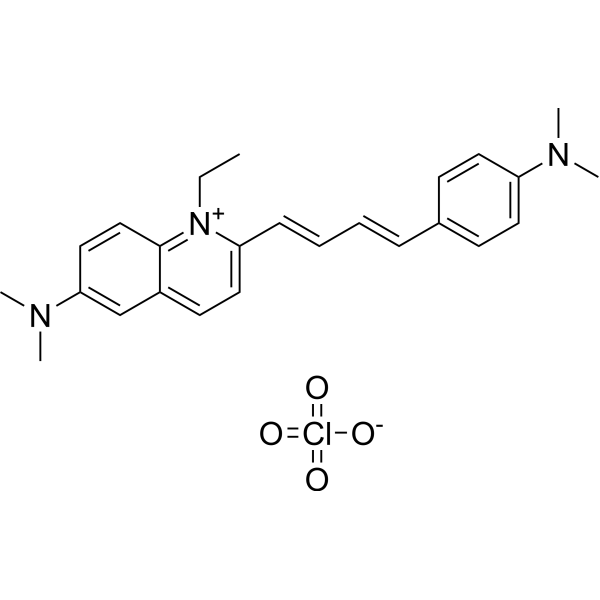
Lds-751 is a nucleic acid stain that mainly detects DNA. Lds-751 is a nucleic acid stain that mainly detects DNA. Lds-751 has a high affinity for DNA and fluorescence is enhanced after binding, but the maximum emission wavelength is 670nm. Lds-751 and Thiazole orange can be used for the differentiation of red blood cells, platelets, reticulocytes, and nucleated cells and can be stimulated at 488nm. Studies have shown that LDS-751 binds almost exclusively to mitochondria when incubated with nucleated living cells. After nucleated Acridine Orange (HY-101879) staining and LDS-751 treatment of cells, confocal microscopy revealed almost no co-location of the cells. Staining with Rhodamine 123 (HY-D0816), a dye known to bind polarized mitochondria, was almost identical to the pattern observed with LDS-751 .
loading...
    loading...
Cat. No.: HY-167846
CAS No.: 2417685-83-5
Target:  

JAK

Research Areas:  

Cancer

YLIU-4-105-1 is a Type II JAK2 inhibitor. YLIU-4-105-1 binds to the ATP-binding pocket of JH1. YLIU-4-105-1 has in vivo pharmacodynamic activity as evidenced by inhibiting pSTAT5, reducing spleen to body weight, and lowering blood reticulocyte counts in a dose-dependent manner .
loading...
    loading...
Cat. No.: HY-P3756
CAS No.: 180088-82-8
Synonyms: EMP-1
Target:  

Inhibitory Antibodies

Research Areas:  

Cardiovascular Disease

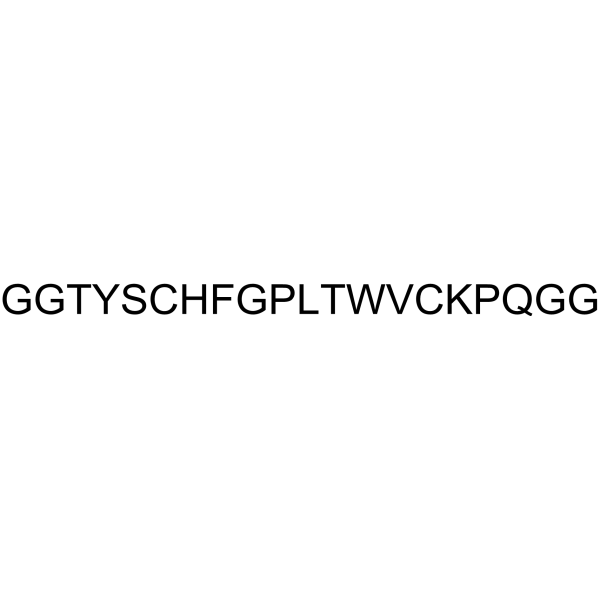
EPO mimetic peptide-1 (EMP-1), a 20 amino acid peptide. EPO mimetic peptide-1 stimulates cell proliferation, affects cell cycle and induces the production of reticulocytes in vivo .
loading...
    loading...
Cat. No.: HY-117682
CAS No.: 134-90-7
Synonyms: (+)-Chloramphenicol; Dextramycine; Dextromycetin
Target:  

Antibiotic

Research Areas:  

Infection

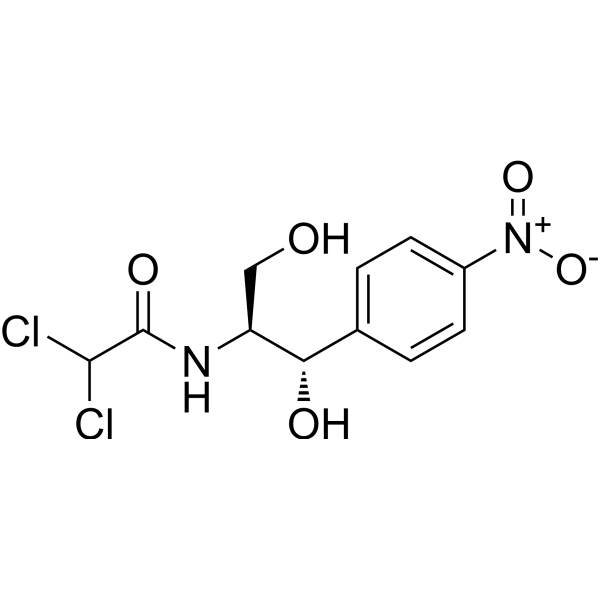
L-(+)-threo-Chloramphenicol ((+)-Chloramphenicol) is the S,S-stereoisomer of Chloramphenicol (HY-B0239). L-(+)-Threo-chloramphenicol inhibits protein synthesis in reticulocytes. L-(+)-threo-Chloramphenicol also inhibits the oxidative activity of isolated mitochondria .
loading...
    loading...
Cat. No.: HY-123341
CAS No.: 54232-59-6
Synonyms: 9-KODE
Target:  

Endogenous Metabolite

Research Areas:  

Metabolic Disease

9-OxoODE results from oxidation of the allylic hydroxyl of either 9(S)- or 9(R)-HODE. Rabbit reticulocyte plasma and mitochondrial membranes contain both 9- and 13-oxoODEs, representing about 2% of the total linoleate residues in the membranes. Most of these oxidized linoleate residues are esterified to membrane lipids.
loading...
    loading...
Cat. No.: HY-174495
Target:  

mRNA

Research Areas:  

Others

Human EPO mRNA encodes the human erythropoietin (EPO) protein, a hormone that controls erythropoiesis, or red blood cell production. EPO also plays a role in wound healing and the brain’s response to neural injury. Kariko et al. showed that transfection of EPO mRNA in vivo resulted in significant increases of both reticulocyte counts and hematocrits.
loading...
    loading...
Cat. No.: HY-N13880
CAS No.: 69579-74-4
Adustin, an antifungal antibiotic, is a polypeptide with translation-inhibiting activity. Adustin inhibits translation in a cell-free rabbit reticulocyte lysate system with an IC50 of 0.34 μM .
loading...
    loading...
Cat. No.: HY-W995025
CAS No.: 24397-89-5
Synonyms: (+)-Actinobolin
Target:  

Antibiotic Bacterial

Research Areas:  

Infection

Actinobolin ((+)-Actinobolin) is an antibiotic, that inhibits protein synthesis by targeting bacterial and eukaryotic ribosomes. Actinobolin inhibits Mycobacterium smegmatis, Escherichia coli and rabbit reticulocyte lysate (RRL) with an IC50 of 19.2, 27.9, and 288 μmol/L, respectively .
loading...
    loading...
Cat. No.: HY-W995025A
CAS No.: 18802-17-0
Synonyms: (+)-Actinobolin hemisulfate
Target:  

Antibiotic Bacterial

Research Areas:  

Infection

Actinobolin hemisulfate ((+)-Actinobolin hemisulfate) is the hemisulfate form of Actinobolin (HY-W995025). Actinobolin hemisulfate is an antibiotic, that inhibits protein synthesis by targeting bacterial and eukaryotic ribosomes. Actinobolin hemisulfate inhibits Mycobacterium smegmatis, Escherichia coli and rabbit reticulocyte lysate (RRL) with an IC50 of 19.2, 27.9, and 288 μmol/L, respectively .
loading...
    loading...
Cat. No.: HY-170831
CAS No.: 2757191-62-9
Research Areas:  

Others

DS79932728 is an orally active inhibitor for G9a and GLP with IC50 of 12.6 nM and 75.7 nM. DS79932728 induces the production of γ-globin, thereby increasing the level of fetal hemoglobin (HbF). DS79932728 increases F-reticulocytes (F-rets) proportion and exhibits good oral absorption characteristics in cynomolgus monkey models .
loading...
    loading...
Cat. No.: HY-W747575
CAS No.: 167354-91-8
Target:  

Endogenous Metabolite

Research Areas:  

Metabolic Disease

(±)13-HODE cholesteryl ester is originally extracted from atherosclerotic lesions1 and shown to be produced by Cu2+-catalyzed oxidation of LDL. Later studies determined that 15-LO from rabbit reticulocytes and human monocytes were able to metabolize cholesteryl linoleate, a major component of LDL, to 13-HODE cholesteryl ester.
loading...
    loading...
Cat. No.: HY-123016A
CAS No.: 33783-76-5
Target:  

Endogenous Metabolite

Research Areas:  

Metabolic Disease

(±)9-HODE cholesteryl ester is originally extracted from atherosclerotic lesions1 and shown to be produced by Cu2+-catalyzed oxidation of LDL.2 Later studies determined that 15-LO from rabbit reticulocytes and human monocytes were able to metabolize cholesteryl linoleate, a major component of LDL, to 9-HODE cholesteryl ester.
loading...
    loading...
Cat. No.: HY-119894
CAS No.: 12656-40-5
Synonyms: NSC 102809
Target:  

Antibiotic

Research Areas:  

Infection

Althiomycin is a polyketide synthase-derived thiazole antibiotic originally isolated from S. althioticus. It is active against Gram-positive bacteria, including S. aureus, S. epidermidis, and S. pyogenes (MICs=25, 25, and 3.1 μg/mL, respectively).2 Althiomycin inhibits protein synthesis in E. coli when used at concentrations of 1 and 10 μg/mL but not in isolated rabbit reticulocytes at 100 μg/mL.
loading...
    loading...
Cat. No.: HY-103157R
CAS No.: 4079-26-9
Synonyms: NSC168807 (Standard)
PD146176 (Standard) is the analytical standard of PD146176. This product is intended for research and analytical applications. PD146176 (NSC168807), a 15-Lipoxygenase (15-LO) inhibitor, inhibits rabbit reticulocyte 15-LO (Ki=197 nM, IC50=0.54 μM). PD146176 reverses cognitive impairment, brain amyloidosis, and tau pathology by stimulating autophagy in aged triple transgenic mice .
loading...
    loading...
Cat. No.: HY-D0150A
CAS No.: 2394903-71-8
(Z)-Thiazole Orange iodide is an asymmetric cyanine dye whose fluorescence highly depends on the local environment.(Z)-Thiazole Orange iodide is essentially dark in solution; however, its fluorescence increases a thousandfold when (Z)-Thiazole Orange iodide is introduced into double-stranded DNA and RNA (dsDNA or dsRNA). The maximum absorption of Thiazole Orange in complex with DNA is 509 nm, and the maximum emission is 532 nm. Thiazole Orange solution is widely used for determining the percentage of reticulocytes in human peripheral blood with microscopy and flow cytometry.
loading...
    loading...
Cat. No.: HY-DY2021
Target:  

Fluorescent Dye

Research Areas:  

Others

Reticulocyte Staining Solution is a vital staining solution that can be used for vital staining of reticulocytes.
loading...
    loading...
Cat. No.: HY-P3756A
Synonyms: EMP-1 acetate
Target:  

Inhibitory Antibodies

Research Areas:  

Cardiovascular Disease

EPO mimetic peptide-1 (EMP-1) acetate, a 20 amino acid peptide. EPO mimetic peptide-1 acetate stimulates cell proliferation, affects cell cycle and induces the production of reticulocytes in vivo .
loading...
    loading...
Cat. No.: HY-129795
CAS No.: 119433-80-6
Research Areas:  

Cancer

Thiazolylalanine is a synthetic non-protein amino acid containing a thiazole heterocycle. Thiazolylalanine exhibits dual activities of stimulating protein synthesis and inducing protein degradation in rat reticulocytes, but exerts no effects on protein metabolism or the thermolability of phosphoenolpyruvate carboxykinase in hepatoma cells. Thiazolylalanine can serve as the N-terminal component of tripeptide ligands for the synthesis of various organometallic complexes such as gold, mercury, CyRu (II) Cl2, and Cp*Rh (III) Cl2. Thiazolylalanine finds wide application in the research of breast cancer and other related diseases .
loading...
    loading...

