222 Results for "

Ribosome

" in MedChemExpress (MCE) Product Catalog:
Products (222)

222 Results for "Ribosome" in MCE Product Catalog:

166
166 Publications Verification
Cat. No.: HY-18982
CAS No.: 22862-76-6
Synonyms: Flagecidin; Wuningmeisu C
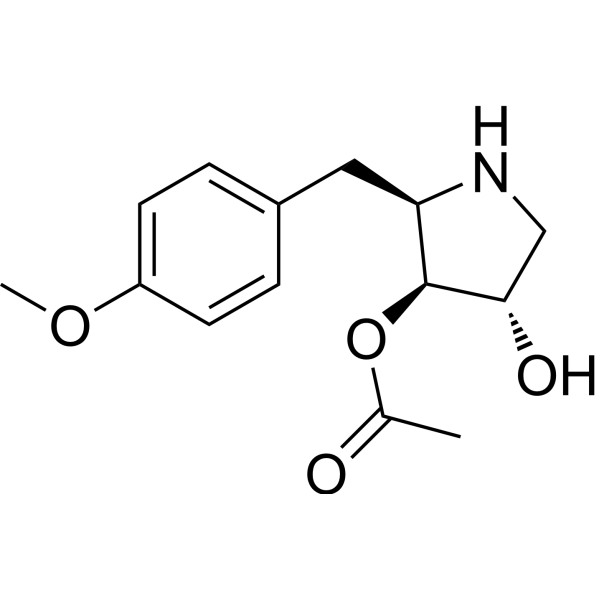
Anisomycin is a potent protein synthesis inhibitor which interferes with protein and DNA synthesis by inhibiting peptidyl transferase or the 80S ribosome system . Anisomycin is a JNK activator, which increases phospho-JNK . Anisomycin is a bacterial antibiotic .
loading...
    loading...
83
83 Cited Publications
Cat. No.: HY-K1057

Puromycin is an aminonucleoside antibiotic produced by Streptomyces alboniger. It inhibits protein synthesis by disrupting peptide transfer on ribosomes, causing premature chain termination during translation. It can kill most gram-positive bacteria and various animal or insect cells.

loading...
    loading...
76
76 Cited Publications
Cat. No.: HY-17412
CAS No.: 13614-98-7
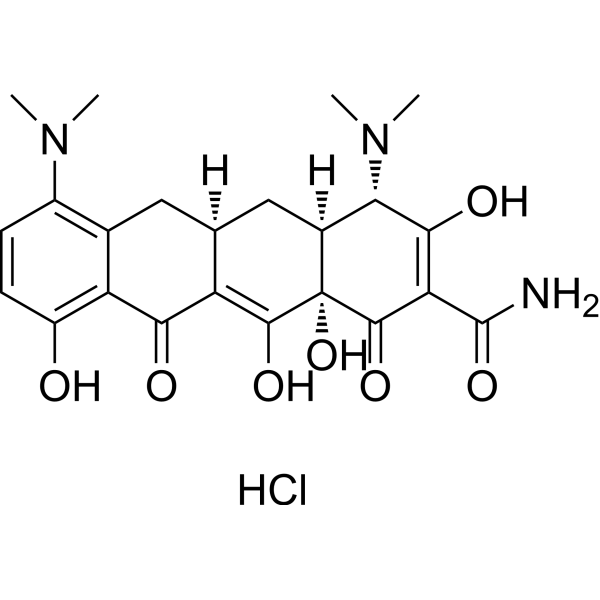
Minocycline hydrochloride is an orally active, potent and BBB-penetrated semi-synthetic tetracycline antibiotic. Minocycline hydrochloride is a hypoxia-inducible factor (HIF)-1α inhibitor. Minocycline hydrochloride shows anti-cancer, anti-inflammatory, and glutamate antagonist effects. Minocycline hydrochloride reduces glutamate neurotransmission and shows neuroprotective properties and antidepressant effects. Minocycline hydrochloride inhibits bacterial protein synthesis through binding with the 30S subunit of the bacterial ribosome, resulting in a bacteriostatic effect .
loading...
    loading...
76
76 Cited Publications
Cat. No.: HY-17412A
CAS No.: 10118-90-8
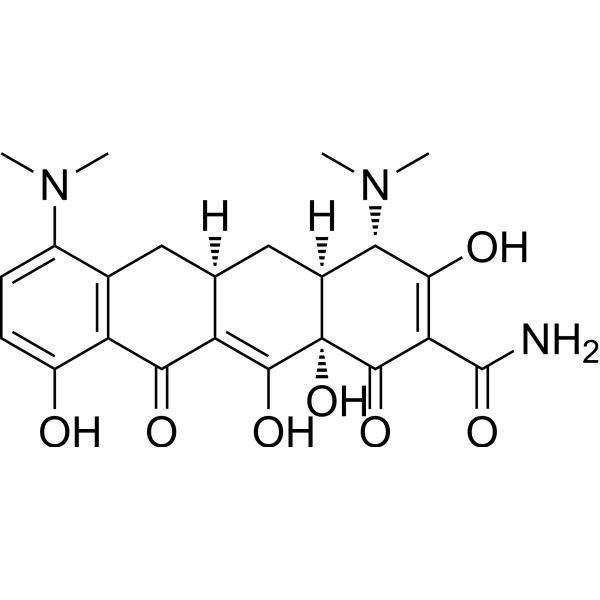
Minocycline is an orally active, potent and BBB-penetrated semi-synthetic tetracycline antibiotic. Minocycline is a hypoxia-inducible factor (HIF)-1α inhibitor. Minocycline shows anti-cancer, anti-inflammatory, and glutamate antagonist effects. Minocycline reduces glutamate neurotransmission and shows neuroprotective properties and antidepressant effects. Minocycline inhibits bacterial protein synthesis through binding with the 30S subunit of the bacterial ribosome, resulting in a bacteriostatic effect .
loading...
    loading...
20
20 Cited Publications
Cat. No.: HY-14855
CAS No.: 856866-72-3
Purity:  99.03%
Synonyms: TR 700; Torezolid; DA-7157
Target:  

Bacterial Antibiotic

Research Areas:  

Infection

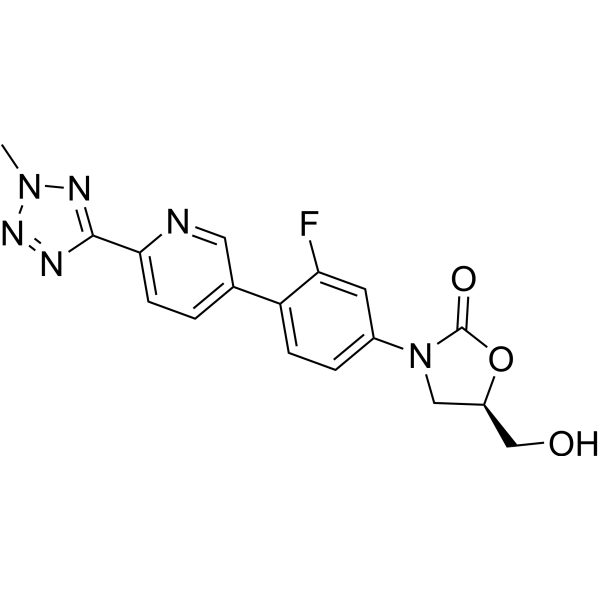
Tedizolid (TR 700; Torezolid; DA-7157) is a novel oxazolidinone, acting through inhibition of bacterial protein synthesis by binding to 23S ribosomal RNA (rRNA) of the 50S subunit of the ribosome.
loading...
    loading...
15
15 Cited Publications
Cat. No.: HY-103248
CAS No.: 606-58-6
Purity:  99.78%
Synonyms: Vengicide
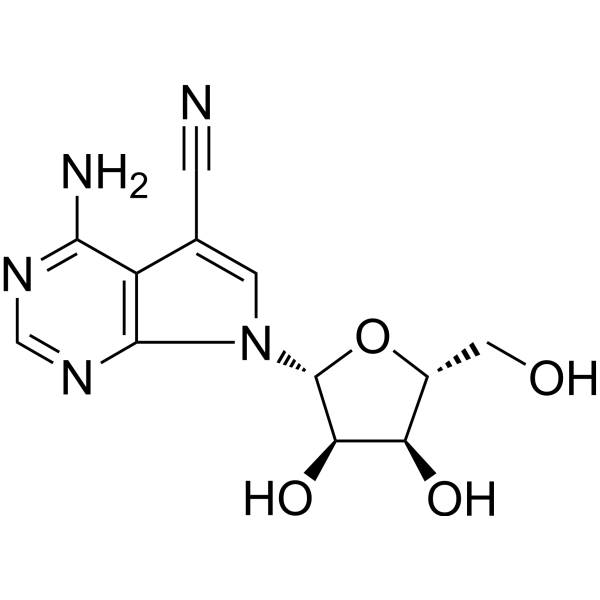
Toyocamycin (Vengicide) is an adenosine analog produced by Streptomyces diastatochromogenes, acts as an XBP1 inhibitor. Toyocamycin blocks RNA synthesis and ribosome function, and induces apoptosis. Toyocamycin affects IRE1α-XBP1 pathway, and inhibits XBP1 mRNA cleavage with an IC50 value of 80 nM with affecting IRE1α auto-phosphorylation. Toyocamycin specifically inhibits CDK9 with an IC50 value of 79 nM .
loading...
    loading...
11
11 Cited Publications
Cat. No.: HY-12695B
CAS No.: 207300-85-4
Purity:  ≥95.0%
Synonyms: GTP trisodium salt hydrate
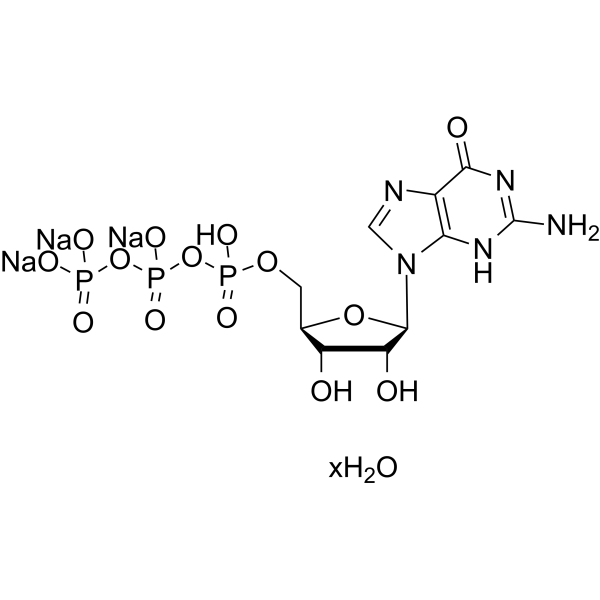
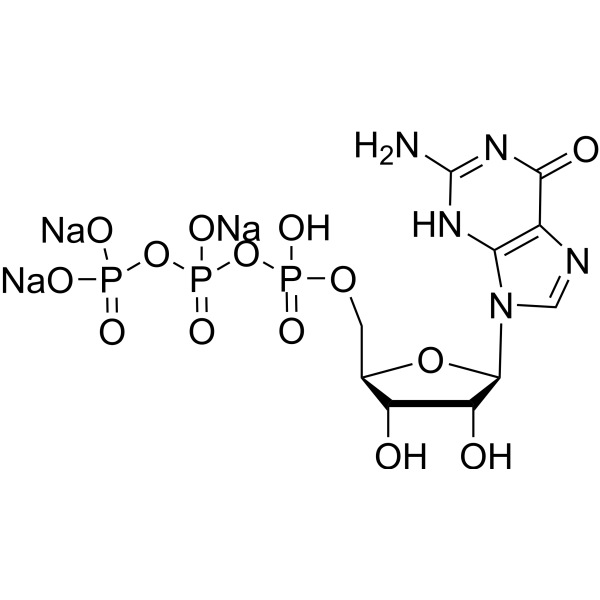
Guanosine triphosphate (GTP) trisodium salt hydrate is a critical nucleotide and regulator of cellular metabolism. Guanosine triphosphate trisodium salt hydrate promotes ribosomal DNA localization, pre-rRNA transcription and ribosome biogenesis by binding to RNA polymerase I and GPN proteins (GPN1/3). Guanosine triphosphate trisodium salt hydrate links MYC-dependent ribosome biogenesis to nucleotide sufficiency, acts as a metabolic gatekeeper supporting protein synthesis, DNA/RNA synthesis and cellular signal transduction, while also participating in the physiological activities of pancreatic β-cells and serving as an oxidative substrate for reactive oxygen species. In small cell lung cancer with high MYC expression, Guanosine triphosphate trisodium salt hydrate accumulates through the IMPDH-driven synthetic pathway, thereby affecting apoptosis and mitotic processes. Guanosine triphosphate trisodium salt hydrate is used in the research of small cell lung cancer, hepatoblastoma and cellular metabolism .
loading...
    loading...
11
11 Cited Publications
Cat. No.: HY-W010737
CAS No.: 56001-37-7
Synonyms: GTP disodium
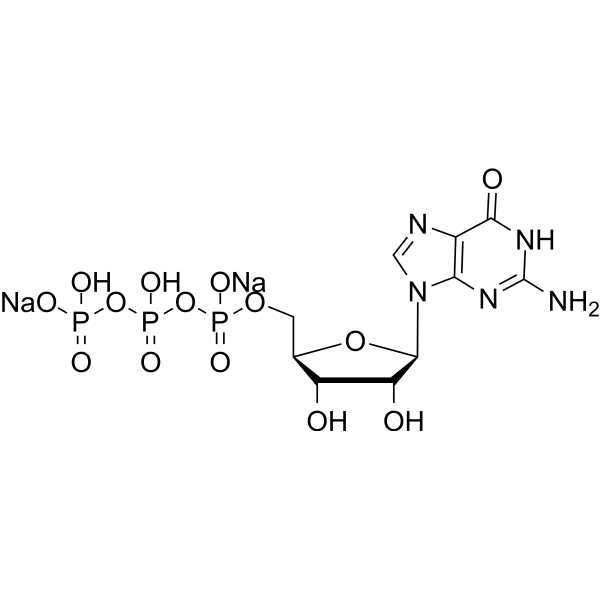
Guanosine triphosphate (GTP) disodium is a critical nucleotide and regulator of cellular metabolism. Guanosine triphosphate disodium promotes ribosomal DNA localization, pre-rRNA transcription and ribosome biogenesis by binding to RNA polymerase I and GPN proteins (GPN1/3). Guanosine triphosphate disodium links MYC-dependent ribosome biogenesis to nucleotide sufficiency, acts as a metabolic gatekeeper supporting protein synthesis, DNA/RNA synthesis and cellular signal transduction, while also participating in the physiological activities of pancreatic β-cells and serving as an oxidative substrate for reactive oxygen species. In small cell lung cancer with high MYC expression, Guanosine triphosphate disodium accumulates through the IMPDH-driven synthetic pathway, thereby affecting apoptosis and mitotic processes. Guanosine triphosphate disodium is used in the research of small cell lung cancer, hepatoblastoma and cellular metabolism .
loading...
    loading...
11
11 Cited Publications
Cat. No.: HY-B1777
CAS No.: 71-44-3
Synonyms: NSC 268508; Neuridine
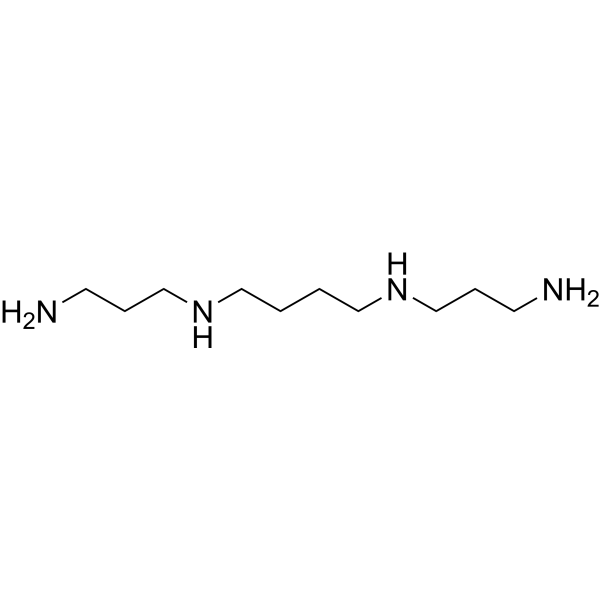
Spermine is a natural antioxidant and anti-inflammatory agent. Spermine is known to inhibit some bacterial cultures, especially strains of Staphylococcus aureus. Spermine can reversibly inhibits DNA synthetic response, mixed lymphocyte response and the induction of cytolytic lymphocyte response in primary cultures of murine spleen cells. Spermine is a polyamine nitric oxide donor that can provide nitric oxide to platelets and inhibit platelet activation to a certain extent concentration-dependently. Spermine occurs in mammalian tissues, plants, bacteria, ribosomes and bacteriophage. Spermine inhibits primary human embryo lung fibroblasts in vitro .
loading...
    loading...
11
11 Cited Publications
Cat. No.: HY-B1777A
CAS No.: 306-67-2
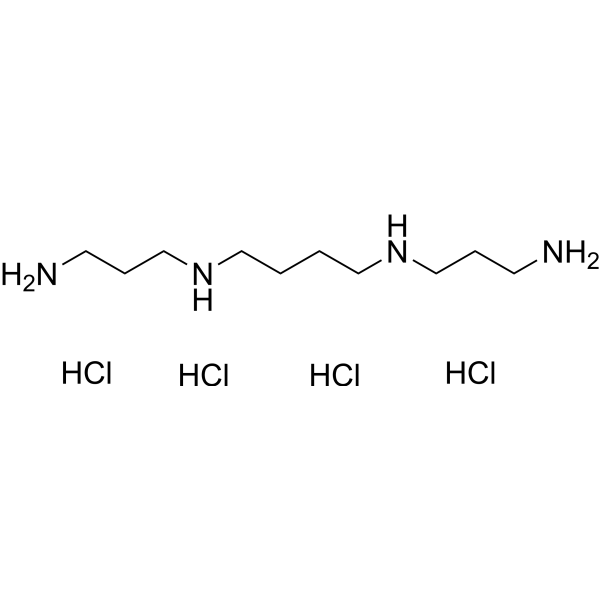
Spermine tetrahydrochloride is a polyamine nitric oxide donor that can provide nitric oxide to platelets and inhibit platelet activation to a certain extent concentration-dependently. Spermine tetrahydrochloride occurs in mammalian tissues, plants, bacteria, ribosomes and bacteriophage. Spermine tetrahydrochloride inhibits primary human embryo lung fibroblasts in vitro. Spermine is a natural antioxidant and anti-inflammatory agent. Spermine is known to inhibit some bacterial cultures, especially strains of Staphylococcus aureus. Spermine induces neurotoxicity in the striarum dose-dependently. Spermine can reversibly inhibits DNA synthetic response, mixed lymphocyte response and the induction of cytolytic lymphocyte response in primary cultures of murine spleen cells .
loading...
    loading...
9
9 Cited Publications
Cat. No.: HY-K1056

MCE G418 Selective Antibiotic, Sterile (50 mg/mL) is an aminoglycoside antibiotic produced by Micromonospora rhodorangea. It acts by binding to the 80S subunit of the bacterial ribosome, thus inhibiting protein synthesis in both prokaryotic and eukaryotic cells.

loading...
    loading...
8
8 Cited Publications
Cat. No.: HY-12695
CAS No.: 36051-31-7
Purity:  ≥95.0%
Synonyms: GTP trisodium
Guanosine triphosphate (GTP) trisodium is a critical nucleotide and regulator of cellular metabolism. Guanosine triphosphate trisodium promotes ribosomal DNA localization, pre-rRNA transcription and ribosome biogenesis by binding to RNA polymerase I and GPN proteins (GPN1/3). Guanosine triphosphate trisodium links MYC-dependent ribosome biogenesis to nucleotide sufficiency, acts as a metabolic gatekeeper supporting protein synthesis, DNA/RNA synthesis and cellular signal transduction, while also participating in the physiological activities of pancreatic β-cells and serving as an oxidative substrate for reactive oxygen species. In small cell lung cancer with high MYC expression, Guanosine triphosphate trisodium accumulates through the IMPDH-driven synthetic pathway, thereby affecting apoptosis and mitotic processes. Guanosine triphosphate trisodium is used in the research of small cell lung cancer, hepatoblastoma and cellular metabolism .
loading...
    loading...
7
7 Cited Publications
Cat. No.: HY-120088A
CAS No.: 1632250-50-0
Purity:  99.44%
Target:  

PCSK9

Research Areas:  

Cardiovascular Disease

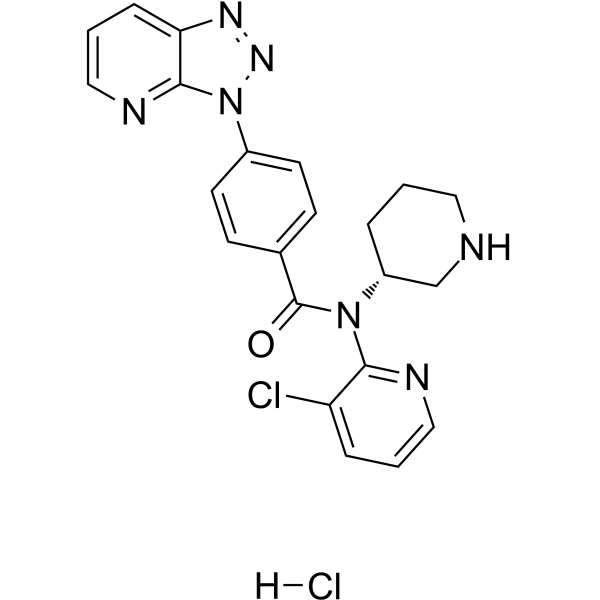
PF-06446846 hydrochloride is an orally active and highly selective inhibitor of translation of Proprotein convertase subtilisin/kexin type 9 (PCSK9). PF-06446846 hydrochloride inhibits PCSK9 by inducing the ribosome to stall around codon 34 .
loading...
    loading...
7
7 Cited Publications
Cat. No.: HY-B1327
CAS No.: 64-72-2
Synonyms: 7-Chlorotetracycline hydrochloride
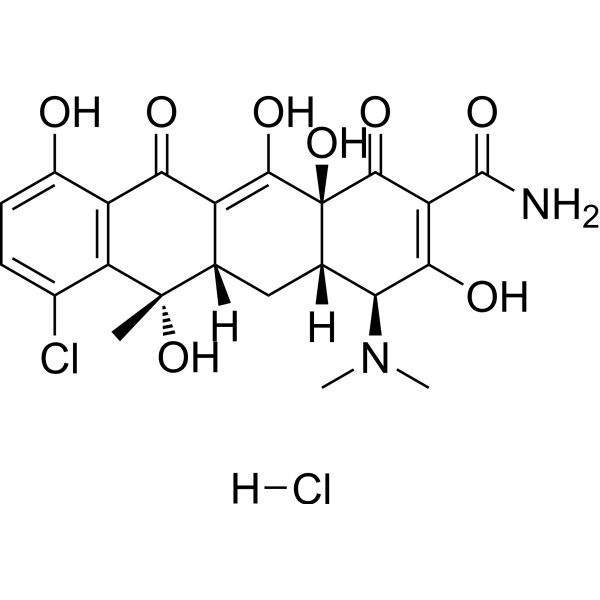
Chlortetracycline hydrochloride (7-Chlorotetracycline hydrochloride) is an orally active, effective and selectively methanogenic bacteria inhibitor with bactericidal effects. Chlortetracycline hydrochloride is also a antibiotic that acts by inhibiting bacterial protein synthesis. Additionally, Chlortetracycline hydrochloride is a specific and potent calcium ionophore antibiotic, inhibiting binding of aminoacyl-tRNA to ribosomes .
loading...
    loading...
7
7 Cited Publications
Cat. No.: HY-120088
CAS No.: 1632250-49-7
Target:  

PCSK9

Research Areas:  

Cardiovascular Disease

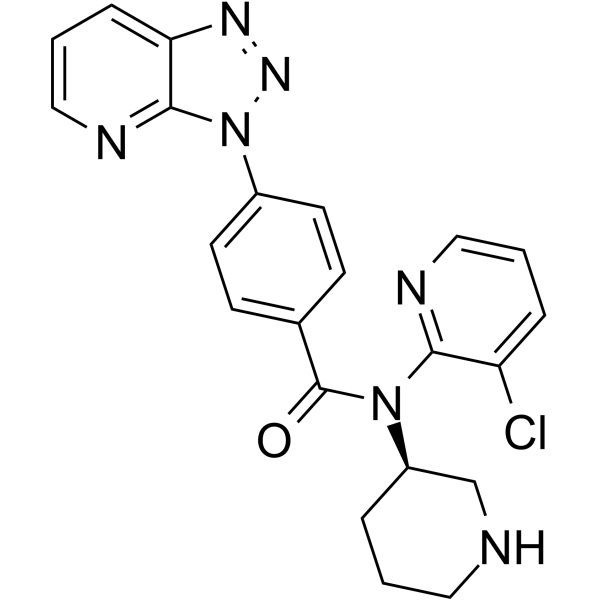
PF-06446846 is an orally active proprotein convertase subtilisin/kexin type 9 (PCSK9) inhibitor. PF-06446846 directly and selectively inhibits translation of PCSK9 by stalling the 80S ribosome in the proximity of codon region .
loading...
    loading...
7
7 Cited Publications
Cat. No.: HY-B0435
CAS No.: 80214-83-1
Synonyms: RU-28965
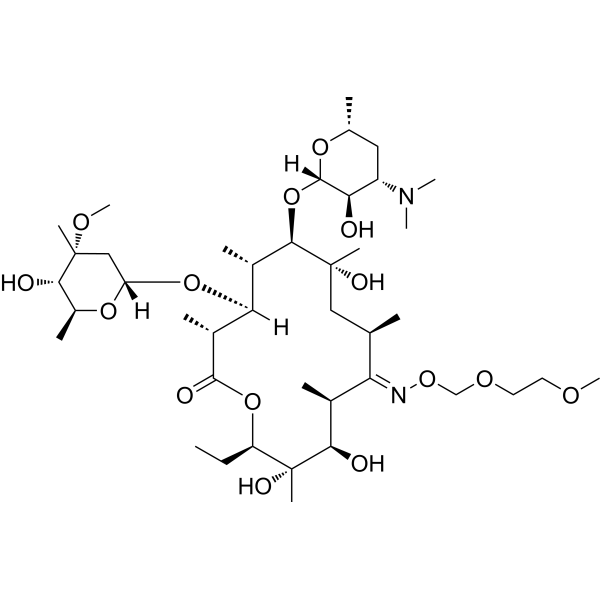
Roxithromycin (RU-28965) is an orally active semi-synthethic macrolide antibiotic. Roxithromycin inhibits protein biosynthesis in the elongation step by binding to 50S bacterial ribosome. Roxithromycin has antimicrobial, antiproliferative, anti-inflammatory, tumour vasculature inhibiting and lung injury ameliorating effects .
loading...
    loading...
6
6 Cited Publications
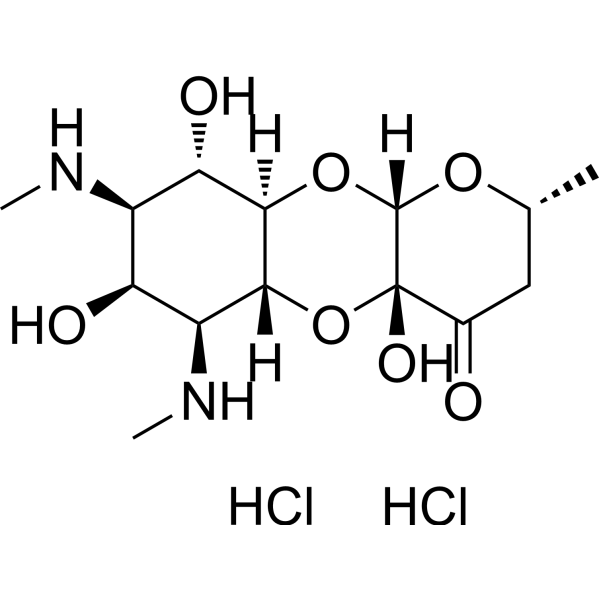
Cat. No.: HY-B0438
CAS No.: 21736-83-4
Spectinomycin dihydrochloride is a broad-spectrum antibiotic and inhibits the growth of a variety of gram-positive and gram-negative organisms. Spectinomycin dihydrochloride acts by selectively targeting to the bacterial ribosome and interrupting protein synthesis. Spectinomycin dihydrochloride is also a noncompetitive inhibitor of td intron RNA with an Ki value of 7.2 mM - .
loading...
    loading...
6
6 Cited Publications
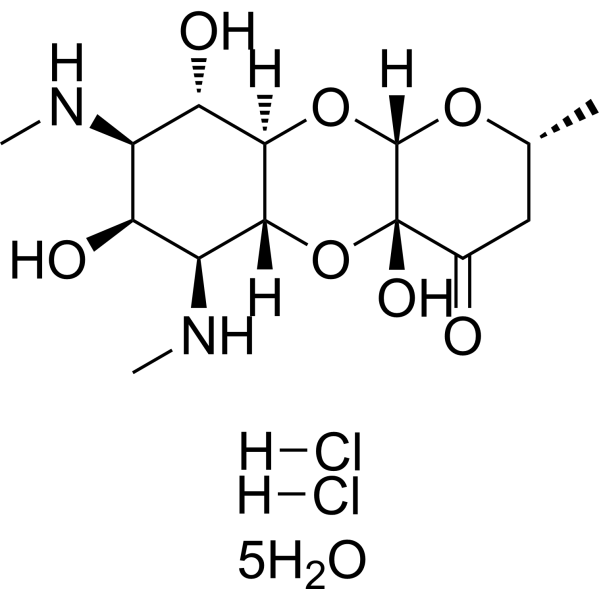
Cat. No.: HY-B1828A
CAS No.: 22189-32-8
Synonyms: Spectinomycin hydrochloride hydrate
Target:  

Bacterial Antibiotic

Research Areas:  

Infection

Spectinomycin dihydrochloride pentahydrate is a broad-spectrum antibiotic and inhibits the growth of a variety of gram-positive and gram-negative organisms. Spectinomycin dihydrochloride pentahydrate acts by selectively targeting to the bacterial ribosome and interrupting protein synthesis. Spectinomycin dihydrochloride pentahydrate is also a noncompetitive inhibitor of td intron RNA with an Ki value of 7.2 mM - .
loading...
    loading...
5
5 Cited Publications
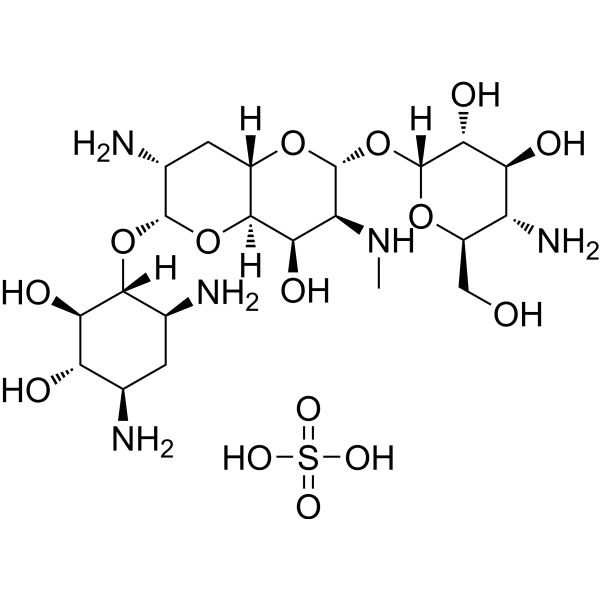
Cat. No.: HY-B1329
CAS No.: 65710-07-8
Synonyms: Nebramycin II sulfate
Apramycin (EBL 1003) sulfate is an orally active, acidic pH tolerant and aminoglycoside-modifying-enzymes-tolerant aminoglycoside antibiotic which inhibits protein biosynthesis by targeting the bacterial ribosome. Apramycin sulfate is a potential anti-drug-resistance antibiotic .
loading...
    loading...
5
5 Cited Publications
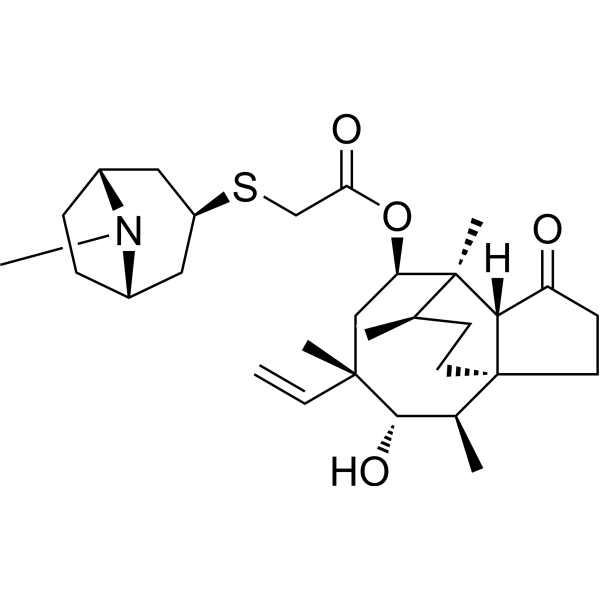
Cat. No.: HY-17010
CAS No.: 224452-66-8
Synonyms: SB-275833
Target:  

Bacterial Antibiotic

Research Areas:  

Infection Cancer

Retapamulin (SB-275833) is a topical antibiotic that binds Staphylococcus aureus and E. coli ribosomes with a Kd of 3 nM. Retapamulin can be used in researches of atopic dermatitis and prostate cancer .
loading...
    loading...

