231 Results for "

Spinach2-based SAM sensor

" in MedChemExpress (MCE) Product Catalog:
Products (231)

231 Results for "Spinach2-based SAM sensor" in MCE Product Catalog:
21
21 Publications Verification
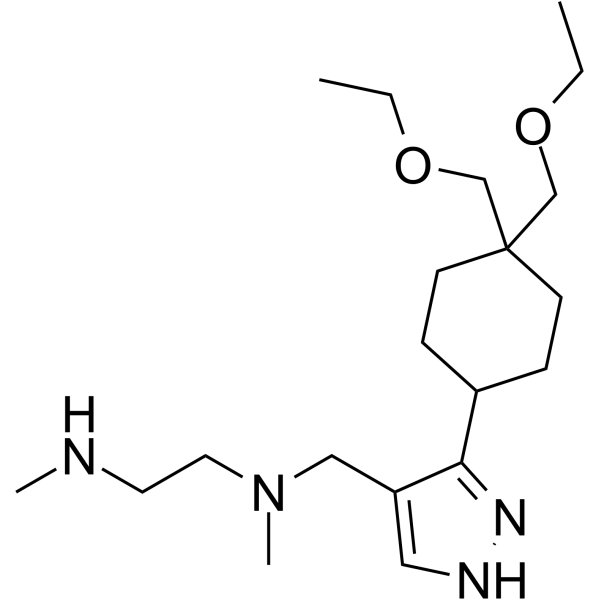
Cat. No.: HY-128717
CAS No.: 1629013-22-4
Purity:  99.19%
Synonyms: EPZ019997
Research Areas:  

Cancer

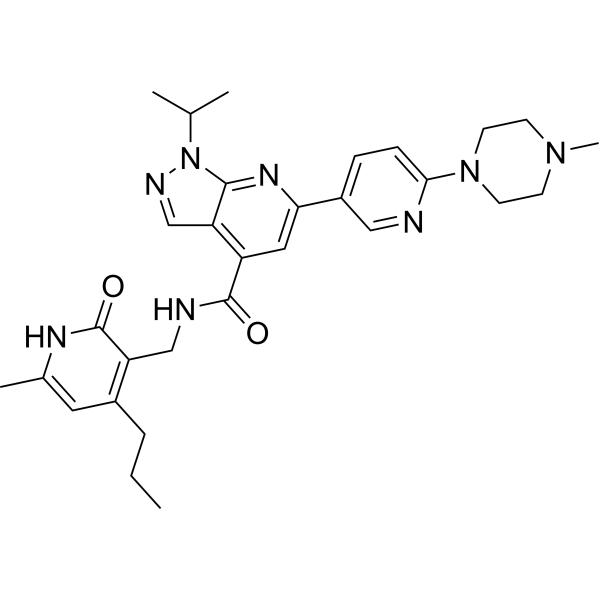
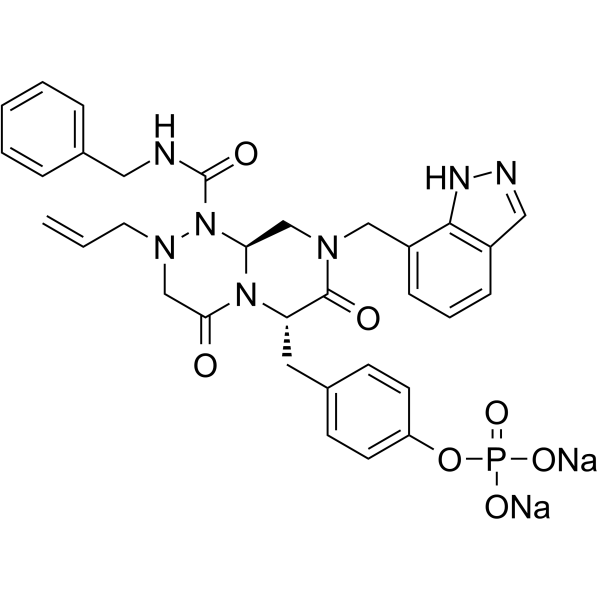
GSK3368715 (EPZ019997) is an orally active, reversible, and S-adenosyl-L-methionine (SAM) uncompetitive type I protein arginine methyltransferases (PRMTs) inhibitor (IC50=3.1 nM (PRMT1), 48 nM (PRMT3), 1148 nM (PRMT4), 5.7 nM (PRMT6), 1.7 nM (PRMT8)). GSK3368715 (EPZ019997) produces a shift in arginine methylation states, alters exon usage, and has strong anti-cancer activity .
loading...
    loading...
21
21 Publications Verification
Cat. No.: HY-128717A
CAS No.: 1628925-77-8
Purity:  99.96%
Synonyms: EPZ019997 dihydrochloride
Research Areas:  

Cancer

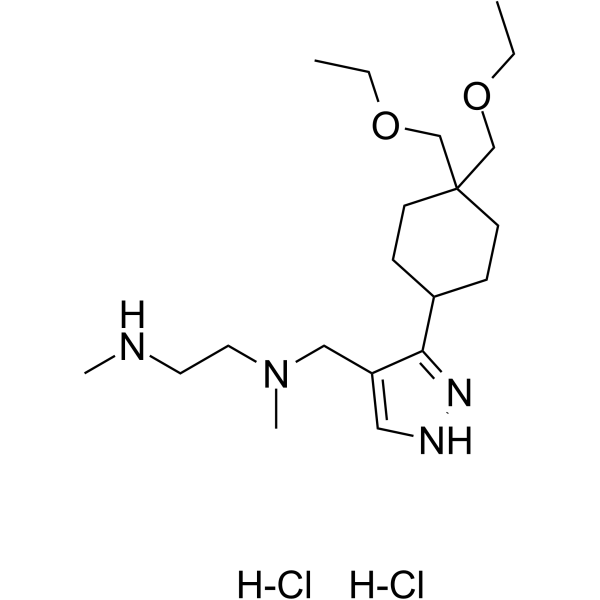
GSK3368715 dihydrochloride (EPZ019997 dihydrochloride) is an orally active, reversible, and S-adenosyl-L-methionine (SAM) uncompetitive type I protein arginine methyltransferases (PRMTs) inhibitor (IC50=3.1 nM (PRMT1), 48 nM (PRMT3), 1148 nM (PRMT4), 5.7 nM (PRMT6), 1.7 nM (PRMT8)). GSK3368715 dihydrochloride (EPZ019997 dihydrochloride) produces a shift in arginine methylation states, alters exon usage, and has strong anti-cancer activity .
loading...
    loading...
17
17 Cited Publications
Cat. No.: HY-15646
CAS No.: 1431612-23-5
Purity:  99.87%
Research Areas:  

Cancer

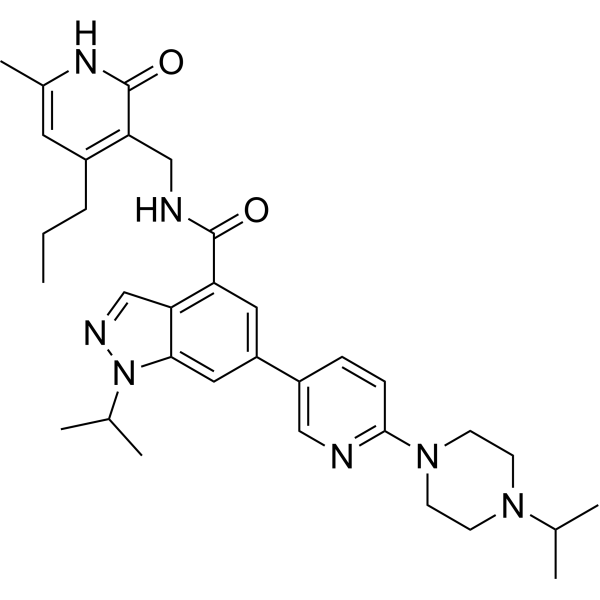
UNC1999, a chemical probe, is a SAM-competitive, potent and selective inhibitor of EZH2/1 with IC50s of <10 nM and 45 nM, repectively.
loading...
    loading...
11
11 Cited Publications
Cat. No.: HY-W074143
CAS No.: 36309-88-3
Synonyms: [Ru(DPP)3]Cl2
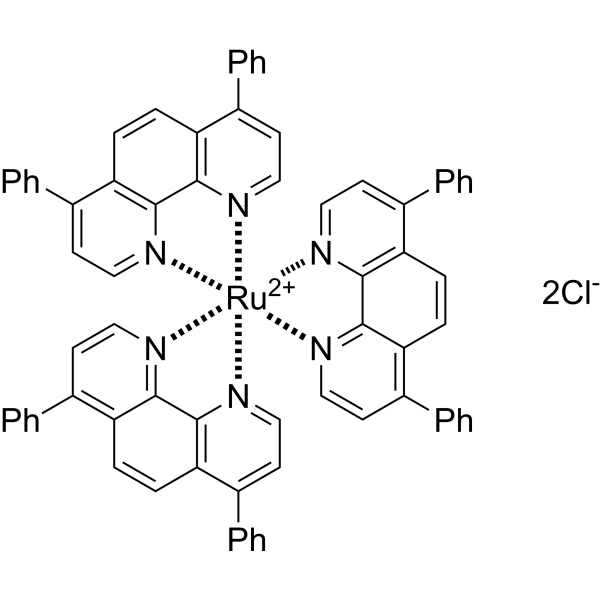
Tris(4,7-diphenyl-1,10-phenanthroline)ruthenium(II) dichloride ([Ru(dpp)3] 2+) is an electrochemiluminescent (ECL) probe and oxygen-sensitive sensor. Tris(4,7-diphenyl-1,10-phenanthroline)ruthenium(II) dichloride can be used to modify electrode surfaces for the detection of sulfates (S2O8 2-) and oxalates, based on electrochemical reactions that generate excited-state species, releasing photons through irreversible redox reactions. Tris(4,7-diphenyl-1,10-phenanthroline)ruthenium(II) dichloride utilizes the oxygen quenching of fluorescence mechanism, where fluorescence intensity reflects the metabolic rate of living microorganisms or oxygen levels within cells/tumors, allowing for real-time detection. Tris(4,7-diphenyl-1,10-phenanthroline)ruthenium(II) dichloride's main applications include microbial detection, antibacterial activity studies, and tumor microenvironment research [2].
loading...
    loading...
10
10 Cited Publications
Cat. No.: HY-13746
CAS No.: 149400-88-4
Synonyms: CGP 48664; SAM-486A
Target:  

Apoptosis

Research Areas:  

Cancer

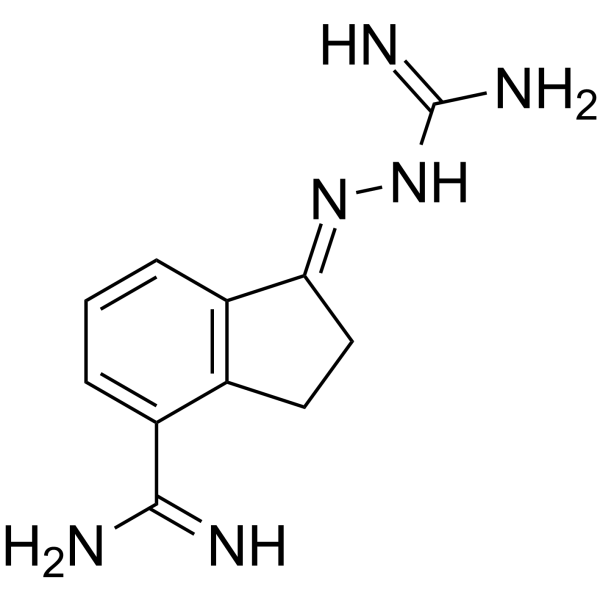
Sardomozide is an S-adenosylmethionine decarboxylase (SAMDC) inhibitor with an IC50 of 5 nM.
loading...
    loading...
10
10 Cited Publications
Cat. No.: HY-16938
CAS No.: 2457-80-9
Synonyms: 5'-(Methylthio)-5'-deoxyadenosine; 5'-Deoxy-5'-(methylthio)adenosine; 5'-S-Methyl-5'-thioadenosine
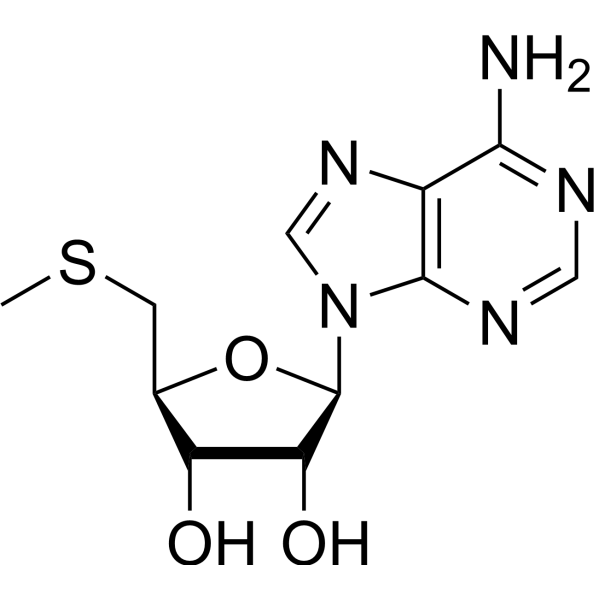
5'-Methylthioadenosine (5'-(Methylthio)-5'-deoxyadenosine) is a nucleoside generated from S-adenosylmethionine (SAM) during polyamine synthesis . 5'-Methylthioadenosine suppresses tumors by inhibiting tumor cell proliferation, invasion, and the induction of apoptosis while controlling the inflammatory micro-environments of tumor tissue. 5'-Methylthioadenosine and its associated materials have striking regulatory effects on tumorigenesis [2].
loading...
    loading...
9
9 Cited Publications
Cat. No.: HY-136144
CAS No.: 1391934-98-7
Purity:  98.46%
Research Areas:  

Cancer

FIDAS-5 is a potent and orally active methionine S-adenosyltransferase 2A (MAT2A) inhibitor with an IC50 of 2.1 μM. FIDAS-5 effectively competes against S-adenosylmethionine (SAM) for MAT2A binding. FIDAS-5 has anticancer activities .
loading...
    loading...
7
7 Cited Publications
Cat. No.: HY-138646
CAS No.: 86828-69-5
Synonyms: Poly(dA:dT) sodium
Research Areas:  

Inflammation/Immunology

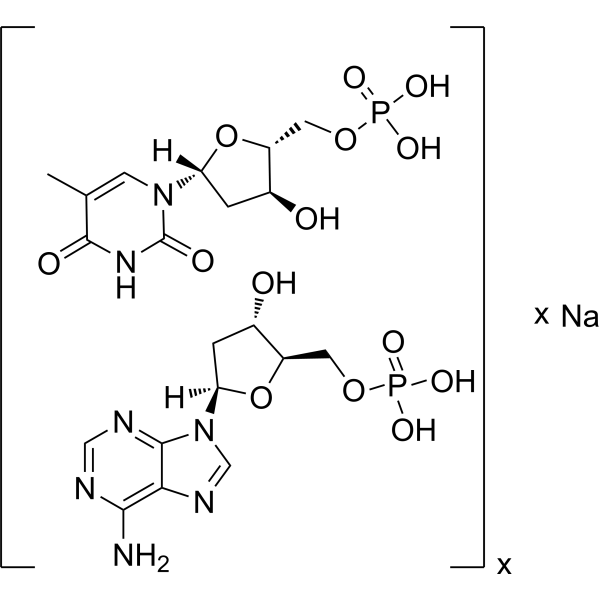
Poly(deoxyadenylic-thymidylic) acid (Poly(dA:dT)) sodium is a double-stranded DNA stimulant. Poly(deoxyadenylic-thymidylic) acid sodium is recognized by the intracellular DNA sensor DDX41 and activates the innate immune pathway via the adaptor protein STING, inducing the production of cytokines such as type I interferons. Poly(deoxyadenylic-thymidylic) acid sodium also serves as an in vitro transcription template for free RNA polymerase [2] .
loading...
    loading...
6
6 Cited Publications
Cat. No.: HY-N0667
CAS No.: 70-47-3
Synonyms: (-)-Asparagine; Asn; Asparamide
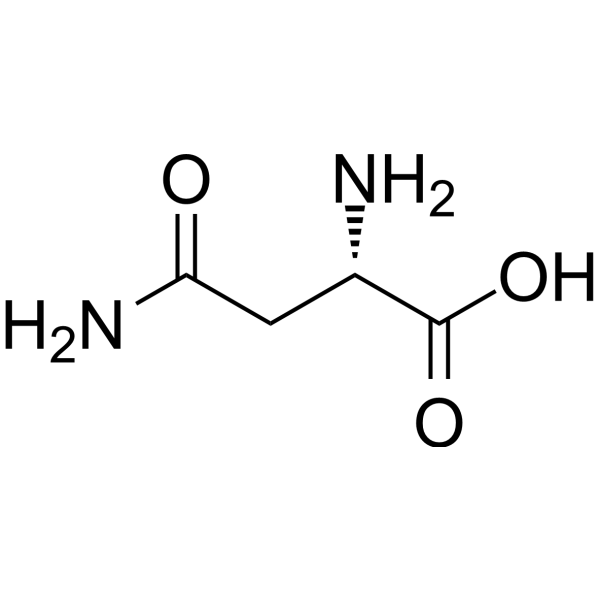
L-Asparagine is an essential amino acid for leukemic cells and a substrate for L-Asparaginase. L-Asparaginase is a potent anti-leukemic enzyme that promotes asparagine (Asn) and glutamine (Gln) depletion and inhibits protein biosynthesis in lymphoblasts. Removal of L-asparagine from plasma by L-Asparaginase results in inhibition of RNA and DNA synthesis and subsequent apoptosis. L-Asparaginase has cell-killing ability in vitro and in vivo, and selectively inhibits the growth of cancer cells with low asparagine synthetase (AASNS) expression. L-Asparagine can be used as a biomarker and sensor for the study of childhood acute lymphoblastic leukemia [2] .
loading...
    loading...
6
6 Cited Publications
Cat. No.: HY-W017443
CAS No.: 5794-13-8
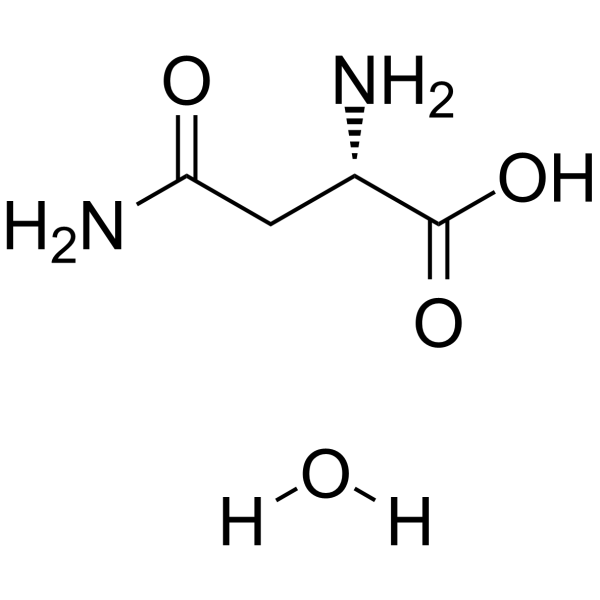
L-Asparagine monohydrate is an essential amino acid for leukemic cells and a substrate for L-Asparaginase. L-Asparaginase is a potent anti-leukemic enzyme that promotes asparagine (Asn) and glutamine (Gln) depletion and inhibits protein biosynthesis in lymphoblasts. Removal of L-asparagine from plasma by L-Asparaginase results in inhibition of RNA and DNA synthesis and subsequent apoptosis. L-Asparaginase has cell-killing ability in vitro and in vivo, and selectively inhibits the growth of cancer cells with low asparagine synthetase (AASNS) expression. L-Asparagine monohydrate can be used as a biomarker and sensor for the study of childhood acute lymphoblastic leukemia [2] .
loading...
    loading...
4
4 Cited Publications
Cat. No.: HY-B1306
CAS No.: 61-78-9
Synonyms: p-Aminohippuric acid
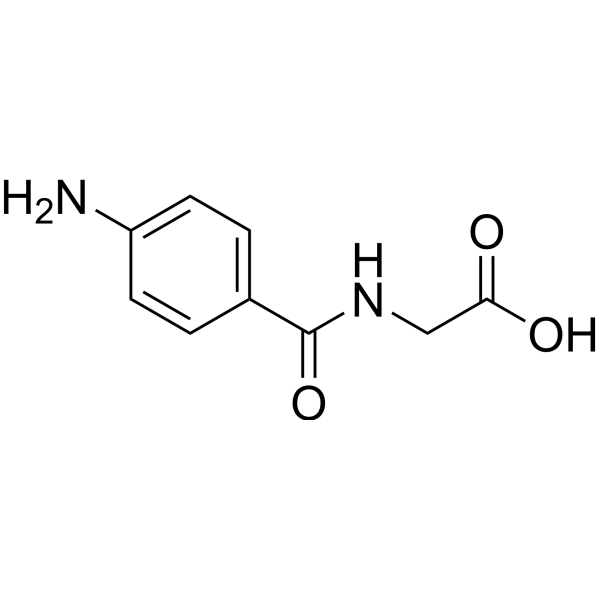
4-Aminohippuric acid (p-Aminohippuric acid) is a coordination ligand for metal ions (such as Cu 2+, Fe 3+, Hg 2+) and a functionalization reagent for nanomaterials. 4-Aminohippuric acid can coordinate with metal ions or modify the surface of materials such as carbon nanotubes and gold nanoparticles through amino and carboxyl groups. 4-Aminohippuric acid can form stable complexes with metal ions or participate in the synthesis of nanomaterials as a reducing agent/stabilizer, enriching metal ions or giving nanoparticles peroxidase-mimicking activity. 4-Aminohippuric acid can be used to construct highly sensitive electrochemical sensors or colorimetric sensors to detect and quantitatively analyze heavy metal ions such as copper, iron, and mercury in environmental water samples and biological samples. 4-Aminohippuric acid may also be a biomarker for attention-deficit/hyperactivity disorder (ADHD) [2] .
loading...
    loading...
3
3 Cited Publications
Cat. No.: HY-P0136
CAS No.: 125911-68-4
Target:  

AMPK

Research Areas:  

Metabolic Disease

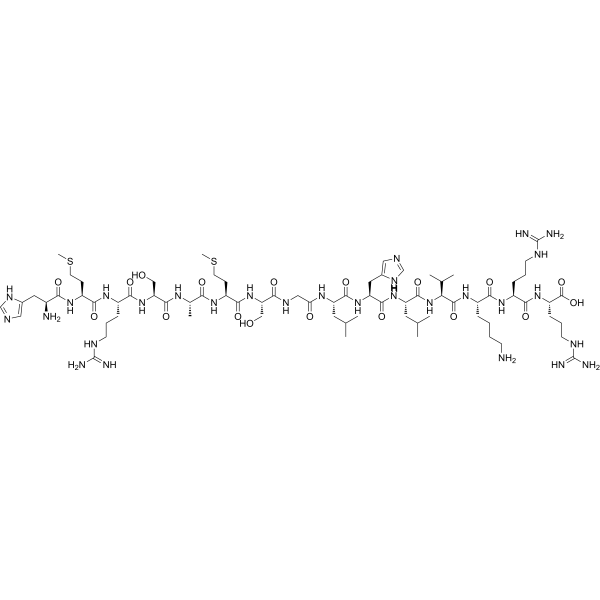
SAMS peptide is a specific substrate for the AMP-activated protein kinase (AMPK).
loading...
    loading...
3
3 Cited Publications
Cat. No.: HY-100846
CAS No.: 1913252-04-6
Purity:  98.14%
Research Areas:  

Cancer

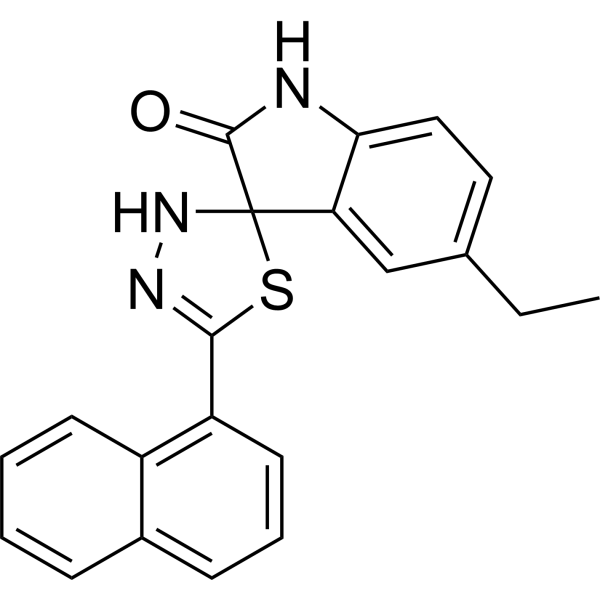
JQEZ5 is a potent and selective EZH2 lysine methyltransferase inhibitor. JQEZ5 SAM-competitively inhibits polycomb repressive complex 2 (PRC2) with an IC50 of 80 nM. JQEZ5 has anti-tumor effects .
loading...
    loading...
2
2 Cited Publications
Cat. No.: HY-154954
CAS No.: 352563-21-4
Purity:  99.13%
Synonyms: OGM; GPR68-IN-1; OGM-8345
Target:  

GPR68 Ferroptosis

Research Areas:  

Inflammation/Immunology Cancer

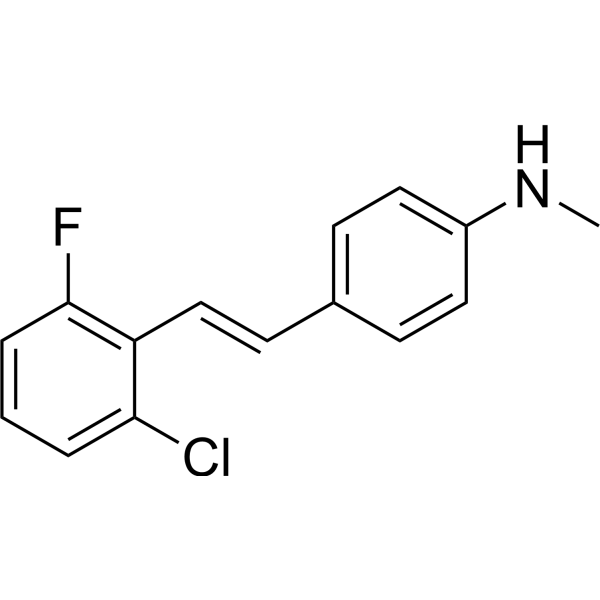
Ogremorphin (OGM) is a G protein coupled sensor GPR68 inhibitor with anti-inflammatory and anti-tumor activities. Ogremorphin can inhibit the migration of human melanoma cells and induce ferroptosis in glioblastoma cells [2] .
loading...
    loading...
2
2 Cited Publications
Cat. No.: HY-136541
CAS No.: 1144043-83-3
Purity:  99.80%
Synonyms: Wnt pathway inhibitor 2
Target:  

Wnt Apoptosis

Research Areas:  

Cancer

YB-0158 (Wnt pathway inhibitor 2) is a reverse-turn peptidomimetic and a potent colorectal cancer stem cell (CSC) targeting agent. YB-0158 disrupts Sam68-Src interactions and induces apoptosis in CRC cells. Anti-cancer activities .
loading...
    loading...
2
2 Cited Publications
Cat. No.: HY-14431
CAS No.: 925448-93-7
Purity:  98.84%
Synonyms: SAM-531; PF-05212365
Target:  

5-HT Receptor

Research Areas:  

Neurological Disease

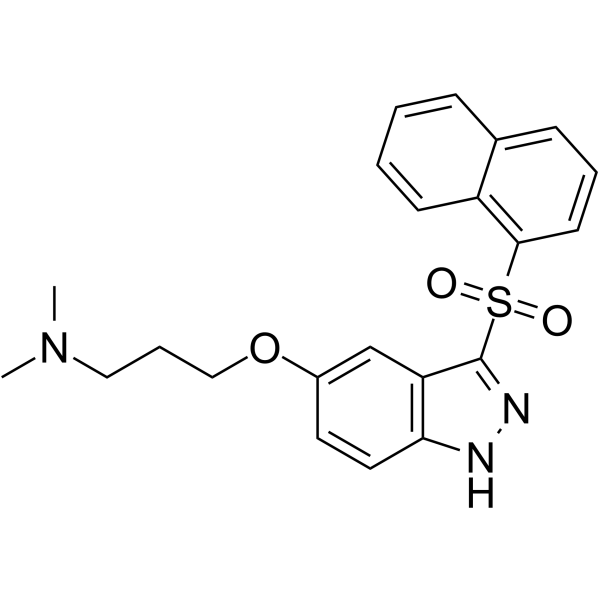
Cerlapirdine (SAM-531, PF-05212365) is a selective and potent full antagonist of the 5-hydroxytryptamine 6 (5-HT6) receptor. Cerlapirdine has the potential for researching the Alzheimer's disease .
loading...
    loading...
1
1 Cited Publications
Cat. No.: HY-D1563
CAS No.: 312961-83-4
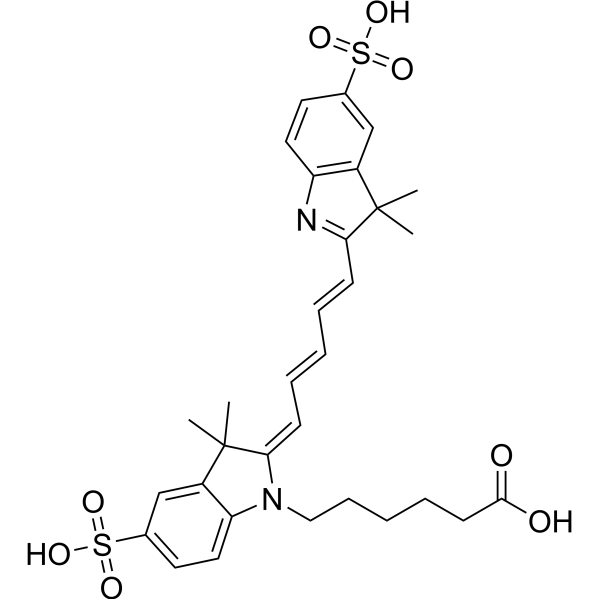
pH Receptor Probe is a pH-sensitive cyanine derivative and a environmental sensitive fluorophore. pH Receptor Probe has a pH-sensitive maximal absorption at 644 nm and emission at 664 nm. pH Receptor Probe has been used as a pH sensor of lysosomal compartments .
loading...
    loading...
1
1 Cited Publications
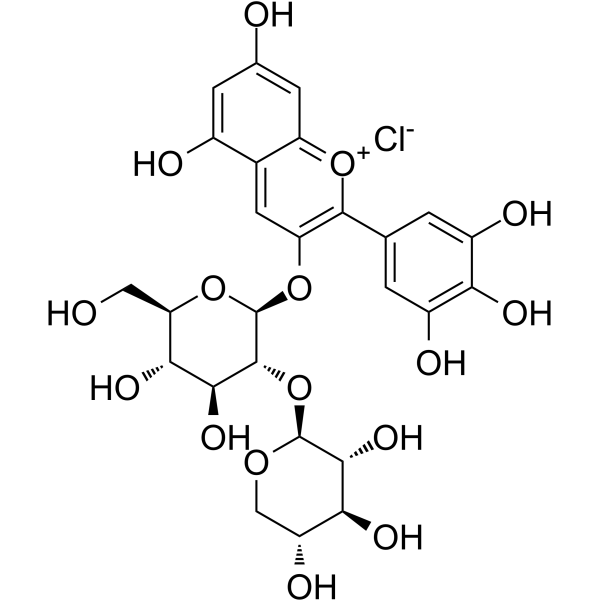
Cat. No.: HY-129143
CAS No.: 53158-73-9
Synonyms: Dp3‐SAM chloride
Category:  

Flavonoids 500 - Internal Server Error | MedChemExpress

Oops!

Sorry, Something went wrong on our server.
Our team has been notified and is working to fix the issue.