20 Results for "

abnormal cell growth

" in MedChemExpress (MCE) Product Catalog:
Products (20)

20 Results for "abnormal cell growth" in MCE Product Catalog:

7
7 Publications Verification
Cat. No.: HY-124653
CAS No.: 2133499-85-9
Purity:  99.70%
Synonyms: J2
Target:  

HSP

Research Areas:  

Cancer

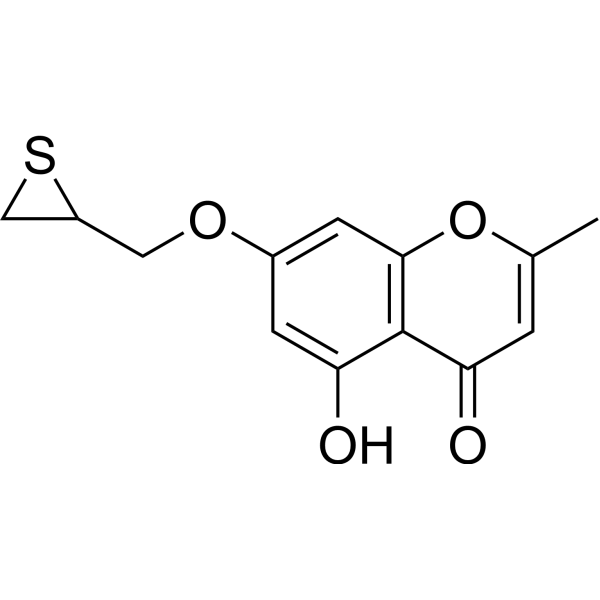
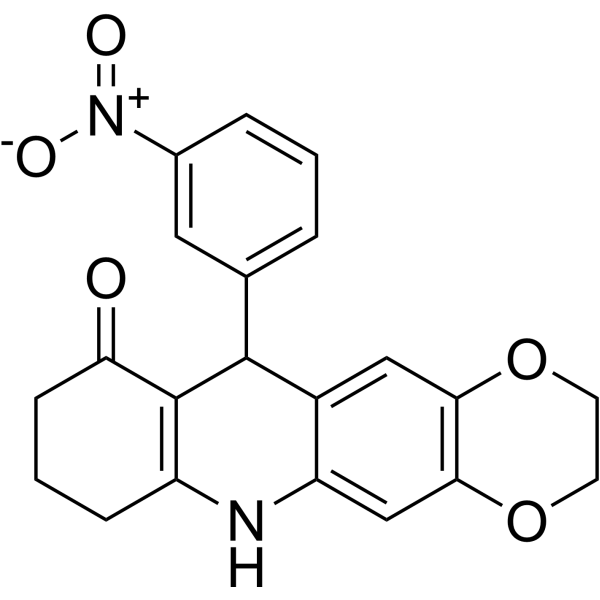
HSP27 inhibitor J2 (J2) is a HSP27 inhibitor, which significantly induces abnormal HSP27 dimer formation and inhibits a production of HSP27 giant polymers, thereby having an effect of inhibiting a chaperone function of the HSP27 and reducing a cell protection function thereof. HSP27 inhibitor J2 (J2) remarkably enhances the antiproliferative activity of 17-AAG and sensitizes cisplatin-induced lung cancer cell growth inhibition .
loading...
    loading...
5
5 Cited Publications
Cat. No.: HY-120821
CAS No.: 1839524-44-5
Purity:  99.17%
Synonyms: ES2
Target:  

Exosomes

Research Areas:  

Others

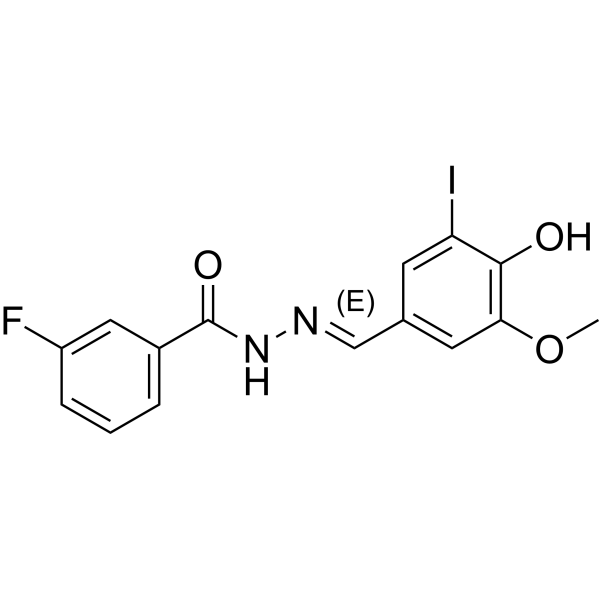
Endosidin-2 (ES2) is a selective inhibitor targeting the conserved exosome subunit EXO70. Endosidin-2 binds to the C-terminal domain of EXO70, inhibiting exocytosis and endosomal recycling, while promoting vacuolar trafficking in plant cells. Endosidin-2 interferes with the EXO70-mediated vesicle-to-plasma membrane anchoring process, leading to abnormal aggregation of auxin transporters (such as PIN2) in the cytoplasm and redirected to vacuolar degradation, while causing abnormal Golgi structure (such as cup-shaped or ring-shaped vesicles cisternae formation). Endosidin-2 can inhibit exocytosis in plant and mammalian cells and is mainly used to study the dynamic regulation of membrane trafficking (such as polar growth, vesicle sorting) .
loading...
    loading...
1
1 Cited Publications
Cat. No.: HY-16191
CAS No.: 1233948-35-0
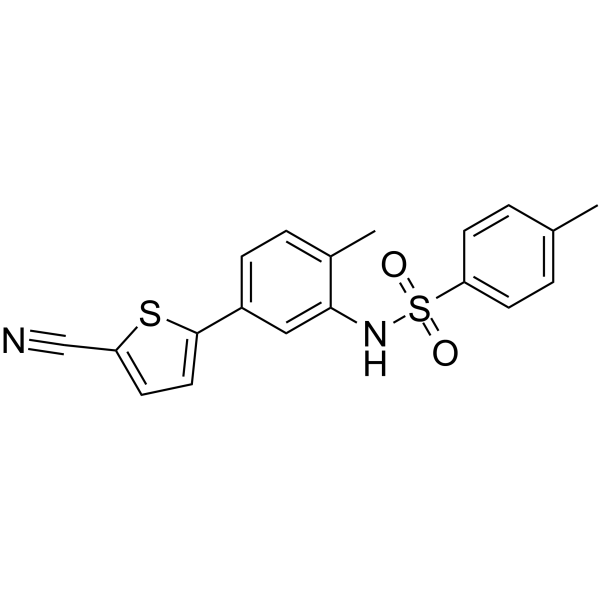
ELR510444 is an orally active tubulin inhibitor with an IC50 of 10 μM. ELR510444 binds to the colchicine-binding site on β-tubulin, inhibits tubulin assembly, depolymerizes microtubules and blocks HIF activity. ELR510444 induces cellular microtubule loss, abnormal mitotic spindle, mitotic arrest, apoptosis, morphological changes in tumor endothelial cells, and inhibits cancer cell proliferation, angiogenesis and tumor growth. ELR510444 can be used in research related to various cancers such as renal cell carcinoma .
loading...
    loading...
Cat. No.: HY-P9992
CAS No.: 2414550-93-7
Synonyms: BAY 2315497; PSMA-TTC
Target:  

PSMA Apoptosis

Research Areas:  

Cancer

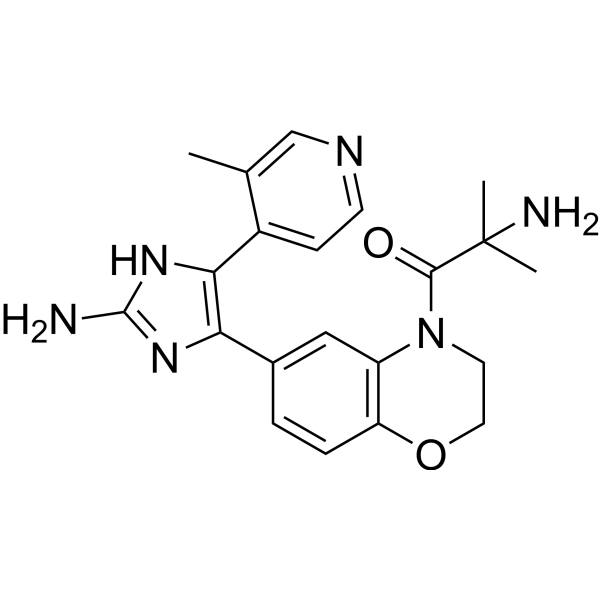
Peligifatamab is a PSMA-targeted α-radioimmunoconjugate with an EC50 of 1.2 nM against human targets. Peligifatamab induces DNA damage, DNA double-strand breaks, cell cycle arrest and apoptosis (Apoptosis) in PSMA-positive prostate cancer cells. Peligifatamab reduces cell viability in a manner dependent on cellular PSMA expression levels. Peligifatamab inhibits tumor growth and tumor-induced abnormal bone growth in prostate cancer bone metastasis models. Peligifatamab exhibits antitumor efficacy in subcutaneous prostate cancer models and xenograft models. Peligifatamab can be used for the research of metastatic castration-resistant prostate cancer .
loading...
    loading...
Cat. No.: HY-W099729
CAS No.: 70445-33-9
Target:  

Bacterial

Research Areas:  

Infection Inflammation/Immunology

Ethylhexylglycerin is an antibacterial agent. Ethylhexylglycerin can induce allergic contact dermatitis. Ethylhexylglycerin inhibits the growth of various bacteria, disrupts the integrity of bacterial cell membranes, and causes proton leakage, reduced ATP levels, morphological abnormalities, and DNA aggregation. Ethylhexylglycerin serves as a skin conditioning agent, deodorant active ingredient, and preservative synergist. Ethylhexylglycerin is applicable to research related to contact dermatitis and bacterial infections .
loading...
    loading...
Cat. No.: HY-157536
CAS No.: 2862851-15-6
Purity:  98.47%
Target:  

Bacterial

Research Areas:  

Infection Inflammation/Immunology

SMT-738 is a bacterial bactericide. SMT-738 targets the small molecules responsible for lipoprotein transport in Enterobacteriaceae, causing abnormal lipoprotein localization and bacterial cell death. SMT-738 inhibits the growth of E. coli and K. pneumoniae. SMT-738 reduces bacterial loads in mouse models of urinary tract infection, bloodstream infection, and pulmonary infection caused by Enterobacterales. SMT-738 can be used in the research of Enterobacteriaceae infections, urinary tract infections, bloodstream infections, and pneumonia .
loading...
    loading...
Cat. No.: HY-P990552A

Target:  

PAI-1 Integrin

Research Areas:  

Cancer

huATN-658 is an inhibitor that specifically targets the DIII domain of human urokinase plasminogen activator receptor (uPAR). huATN-658 neutralizes uPAR function by blocking the interaction between uPAR and integrins, without interfering with the binding of uPA or vitronectin to uPAR. huATN-658 inhibits the proliferation and invasion of breast cancer cells, slows the growth of primary breast tumors, reduces breast cancer-induced bone lesions and decreases osteoclast activity. huATN-658 also alters the gene expression of the TGF-β receptor complex signaling pathway. huATN-658 exerts synergistic anticancer effects when combined with Zoledronic Acid (HY-13777), and does not cause physiological or behavioral abnormalities in immunodeficient mice. huATN-658 can be used in research related to breast cancer, metastatic breast cancer and breast cancer-induced bone disease .
loading...
    loading...
Cat. No.: HY-161880
CAS No.: 2226938-19-6
Target:  

Wee1

Research Areas:  

Cancer

WEE1-IN-10 (compound 77) is a Wee1 kinase inhibitor. WEE1-IN-10 shows inhibitory activity on LOVO cell growth, with an IC50 of 0.524 μM. WEE1-IN-10 can be used for the research of diseases caused by abnormal activity of Wee1 .
loading...
    loading...
Cat. No.: HY-B0871
CAS No.: 84087-01-4
Research Areas:  

Others

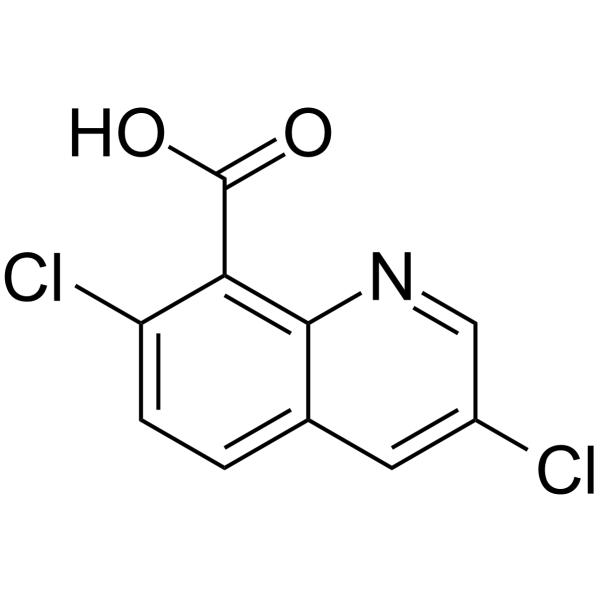
Quinclorac is a highly selective quinoline carboxylic acid synthetic auxin herbicide. Quinclorac weakly inhibits HPPD, accompanied by a transient decrease in carotenoids. Quinclorac upregulates ACC synthase (ACS), leading to the co-accumulation of ethylene and cyanide, while increasing the ABA/IAA ratio, which induces ROS burst, membrane lipid peroxidation (MDA) and lethal growth inhibition. Residual Quinclorac in soil can cause abnormal growth of subsequent tobacco crops. In calli of Phaseolus vulgaris, Quinclorac induces oxidative stress (increased MDA and decreased RGR), but cells after stepwise pressurized acclimation acquire a constitutive antioxidant state, which remains stable after de-acclimation and tolerates oxidative damage caused by Quinclorac. Quinclorac can be used in studies related to herbicide action mechanisms, bioremediation of soil residues, and adaptive responses of plant cells to oxidative stress .
loading...
    loading...
Cat. No.: HY-E70290
Synonyms: GALNT1
Research Areas:  

Cancer

N-Acetylgalactosaminyltransferase 1 (GALNT1) is a glycosyltransferase that initiates mucin-type O-glycosylation by transferring α-GalNAc from UDP-GalNAc to serine (Ser) or threonine (Thr) residues in proteins. Overexpression of N-Acetylgalactosaminyltransferase 1 in gastric cancer can promote abnormal O-glycosylation of CD44, thereby activating the Wnt/β-catenin signaling pathway and regulating the malignant behavior of gastric cancer cells. Additionally, N-Acetylgalactosaminyltransferase 1 plays a crucial role in cancer growth and metastasis by modifying the O-glycosylation of various glycoproteins, such as mucin (MUC1), osteopontin (OPN), matrix metalloproteinase-14 (MMP14), and integrin α3 .
loading...
    loading...
Cat. No.: HY-101837
CAS No.: 152459-94-4
Purity:  98.20%
Target:  

PDGFR

Research Areas:  

Inflammation/Immunology

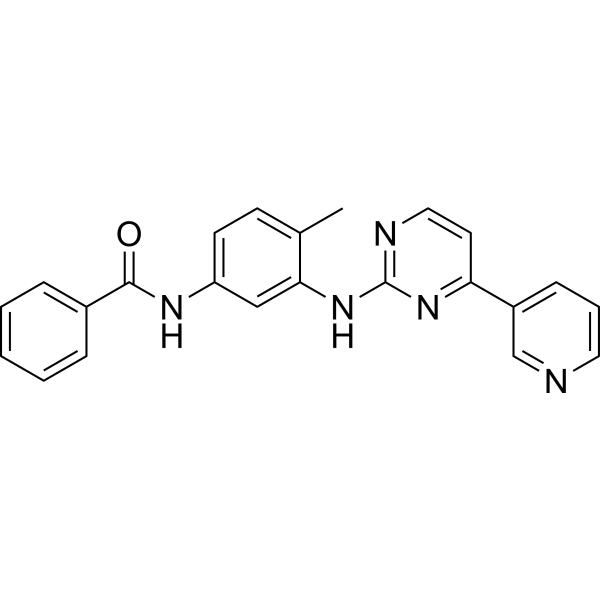
CGP 53716 is a potent protein tyrosine kinase inhibitor. CGP 53716 has selective activity of platelet-derived growth factor (PDGF) receptor. CGP 53716 can be used in the study of disease induced by abnormal cell proliferation induced by PDGF receptor activation .
loading...
    loading...
Cat. No.: HY-156088
CAS No.: 3053861-26-7
Research Areas:  

Cancer

SSE1806 is a derivative of podophyllotoxin (a natural antimitotic agent) and a microtubule/tubulin inhibitor with significant anticancer and antiproliferative activities. The GI50 of SSE1806 on cancer cell growth ranges from 1.29-21.15 μM. SSE1806 causes mitotic abnormalities and G2/M phase arrest, increases p53 expression, and inhibits colon cancer organoid growth. SSE1806 is able to overcome multidrug resistance in cell lines overexpressing MDR-1 .
loading...
    loading...
Cat. No.: HY-117051
CAS No.: 1046490-67-8
Target:  

HSP

Research Areas:  

Cancer

STA-2842 is an inhibitor of heat shock protein HSP90 with potential to inhibit autosomal dominant polycystic kidney disease (ADPKD). ADPKD is caused by inherited mutations in the PKD1 or PKD2 genes that abnormally activate multiple signaling proteins and pathways that regulate cell proliferation. STA-2842 can significantly reduce initial renal cyst formation and kidney growth in mice, and slow disease progression in mice with existing cysts.
loading...
    loading...
Cat. No.: HY-P10134
CAS No.: 335080-41-6
Target:  

Bacterial

Research Areas:  

Infection

Salivaricin B is a broad-spectrum bacteriocin produced by Lactobacillus M7. Salivaricin B reduces cell wall thickness, induces abnormal septum formation, and exerts rapid bactericidal activity against susceptible Gram-positive bacteria without disrupting cytoplasmic membrane integrity or dissipating membrane potential. Salivaricin B inhibits the growth of oral, upper respiratory tract and food-related Gram-positive pathogens, spoilage bacteria, lactobacilli, and SboB-non-producing Streptococcus salivarius strains. Its activity is strain-dependent, and it has no effect on Gram-negative bacteria. Salivaricin B can be used in studies related to bacterial infections .
loading...
    loading...
Cat. No.: HY-W714183
CAS No.: 29091-05-2
Dinitramine is a herbicide. Dinitramine activates the Erk/P38/JNK/MAPK pathway and inactivates the PI3k/Akt pathway in testicular cells. Dinitramine induces endoplasmic reticulum stress, dysregulation of calcium homeostasis in the cytoplasm and mitochondria, apoptosis, and downregulated expression of cell cycle genes in testicular cells. Dinitramine reduces the viability and proliferation capacity of testicular cells, and inhibits cell division by suppressing the synthesis of tubulin. Dinitramine induces abnormal heart development, inhibited angiogenesis, inflammatory responses, apoptosis, and impaired embryonic growth in zebrafish embryos .
loading...
    loading...
Cat. No.: HY-N21831
CAS No.: 489-21-4
Sarkomycin is a glutathione-targeting cytotoxic agent and antibacterial agent. Sarkomycin forms an addition product with glutathione, thereby reducing intracellular glutathione levels. Sarkomycin can induce cytoplasmic vacuolation, mitochondrial damage, cytoplasmic deformation, metaphase arrest, chromosomal abnormalities, nuclear degeneration, and nuclear fragmentation; it also modulates amino acid metabolism. Sarkomycin also inhibits anaerobic fermentation in affected cells in mice and inhibits cell growth in tissue culture, leading to the disappearance of mitotic cells, cell degeneration, and cell detachment from the glass surface. Sarkomycin can be used in research related to Yoshida ascites tumor, Ehrlich ascites tumor, Ehrlich carcinoma, and Yoshida rat sarcoma .
loading...
    loading...
Cat. No.: HY-N20748
CAS No.: 121817-37-6
Lansiumamide B is a cinnamamide alkaloid, Antifungal agent and Insecticide. Lansiumamide B is isolated from the seeds of Clausena lansium. Lansiumamide B inhibits the phosphorylation of p38 MAPK, and decreases the protein and mRNA levels of TNF-α. Lansiumamide B induces abnormal mycelial growth, cell content leakage and cell wall degradation in Rhizoctonia solani. Lansiumamide B causes the death of early 4th-instar larvae of Aedes albopictus. Lansiumamide B exhibits anticonvulsant effects in epileptic rat models. Lansiumamide B can be used in studies related to plant fungal diseases .
loading...
    loading...
Cat. No.: HY-L196
4,637 compounds

Protein Kinases (PTKs) are a class of phosphotransferases that phosphorylate proteins. Protein kinases participate in many signal transduction pathways including those involved with growth, differentiation, and cell division. Protein kinase not only plays an important role in the process of cell activation, but also its abnormal expression is closely related to the pathogenesis of many diseases. So far, the protein kinase family has become one of the most important drug targets. The most common drug targets include ALK, B-Raf, BCR-Abl, EGFR, and VEGFR.

MCE designs a unique collection of 4,637 bioactive compounds targeting protein kinases, which is an important tool for the development of drug targeting protein kinases.

Cat. No.: HY-B0871R
CAS No.: 84087-01-4
Quinclorac (Standard) is the analytical standard of Quinclorac (HY-B0871). This product is intended for research and analytical applications. Quinclorac is a highly selective quinoline carboxylic acid synthetic auxin herbicide. Quinclorac weakly inhibits HPPD, accompanied by a transient decrease in carotenoids. Quinclorac upregulates ACC synthase (ACS), leading to the co-accumulation of ethylene and cyanide, while increasing the ABA/IAA ratio, which induces ROS burst, membrane lipid peroxidation (MDA) and lethal growth inhibition. Residual Quinclorac in soil can cause abnormal growth of subsequent tobacco crops. In calli of Phaseolus vulgaris, Quinclorac induces oxidative stress (increased MDA and decreased RGR), but cells after stepwise pressurized acclimation acquire a constitutive antioxidant state, which remains stable after de-acclimation and tolerates oxidative damage caused by Quinclorac. Quinclorac can be used in studies related to herbicide action mechanisms, bioremediation of soil residues, and adaptive responses of plant cells to oxidative stress .
loading...
    loading...
Cat. No.: HY-B0871S
Quinclorac- 13C is the 13C-labeled Quinclorac (HY-B0871). Quinclorac is a highly selective quinoline carboxylic acid synthetic auxin herbicide. Quinclorac weakly inhibits HPPD, accompanied by a transient decrease in carotenoids. Quinclorac upregulates ACC synthase (ACS), leading to the co-accumulation of ethylene and cyanide, while increasing the ABA/IAA ratio, which induces ROS burst, membrane lipid peroxidation (MDA) and lethal growth inhibition. Residual Quinclorac in soil can cause abnormal growth of subsequent tobacco crops. In calli of Phaseolus vulgaris, Quinclorac induces oxidative stress (increased MDA and decreased RGR), but cells after stepwise pressurized acclimation acquire a constitutive antioxidant state, which remains stable after de-acclimation and tolerates oxidative damage caused by Quinclorac. Quinclorac can be used in studies related to herbicide action mechanisms, bioremediation of soil residues, and adaptive responses of plant cells to oxidative stress .
loading...
    loading...
  • 1

