9 Results for "

anorectic effects

" in MedChemExpress (MCE) Product Catalog:
Products (9)

9 Results for "anorectic effects" in MCE Product Catalog:

14
14 Publications Verification
Cat. No.: HY-Y0337
CAS No.: 52-90-4
Synonyms: Cysteine
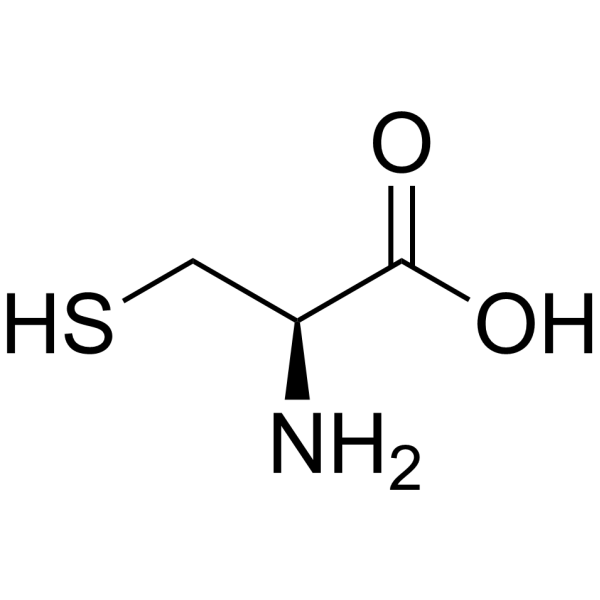
L-Cysteine (Cysteine) is an orally active conditionally essential amino acid with hypoglycemic effects, which acts as a precursor for biologically active molecules such as hydrogen sulphide (H2S), glutathione and taurine. L-Cysteine promotes the proliferation and differentiation of neural stem cells via the CBS/H2S pathway. L-Cysteine suppresses ghrelin and reduces appetite in rodents and humans. L-Cysteine can be used as an anorectic agent .
loading...
    loading...
1
1 Cited Publications
Cat. No.: HY-P0267
CAS No.: 121062-08-6
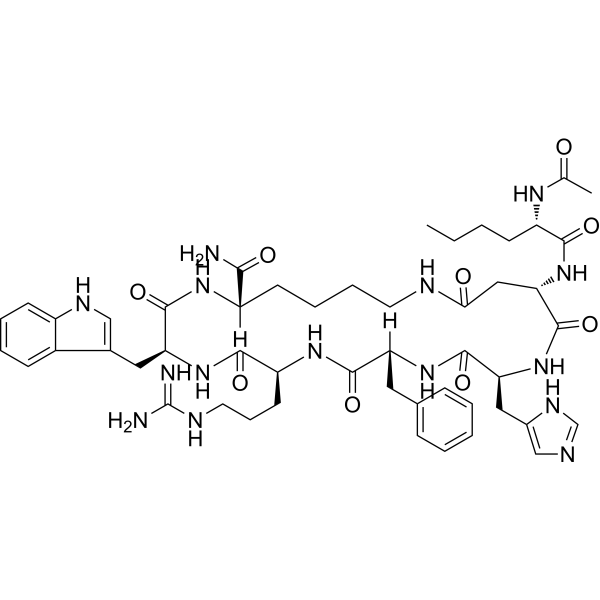
Melanotan (MT)-II is a melanocortin receptor agonist. Melanotan (MT)-II activates melanocortin receptor 3 and melanocortin receptor 4, and stimulates the release of central endogenous oxytocin. Melanotan (MT)-II reverses recognition memory impairment, increased anxiety levels and reduced exploratory tendency in zebrafish exposed to short-term high-fat diet. Melanotan (MT)-II improves impaired social behavior indicators in mouse models of autism spectrum disorder. Melanotan (MT)-II induces weight loss, reduces food intake and exerts anorectic effects. Melanotan (MT)-II increases intracavernous pressure and erectile activity in brown rats. Melanotan (MT)-II can be used in studies related to memory impairment, anxiety, reduced exploratory behavior, autism spectrum disorder, obesity and erectile dysfunction .
loading...
    loading...
Cat. No.: HY-P10927A
Synonyms: BRINP2-related peptide TFA
Target:  

PKA AP-1

Research Areas:  

Metabolic Disease

BRP (BRINP2-related peptide) TFA is a 12-peptide derived from BRINP2 that can cross the blood-brain barrier. BRP TFA induces the central activation of FOS in neuronal cells via the cAMP-PKA-CREB signaling pathway. BRP TFA exerts anorectic and anti-obesity effects without triggering nausea or aversive responses. The action of BRP TFA is independent of the leptin, GLP-1 receptor and melanocortin 4 receptor pathways. BRP TFA is applicable to obesity-related research .
loading...
    loading...
Cat. No.: HY-P10927
Synonyms: BRINP2-related peptide
Target:  

AP-1 PKA

Research Areas:  

Metabolic Disease

BRP is a 12-peptide derived from BRINP2 that can cross the blood-brain barrier. BRP induces the central activation of FOS in neuronal cells via the cAMP-PKA-CREB signaling pathway. BRP exerts anorectic and anti-obesity effects without triggering nausea or aversive responses. The action of BRP is independent of the leptin, GLP-1 receptor and melanocortin 4 receptor pathways. BRP is applicable to obesity-related research .
loading...
    loading...
Cat. No.: HY-W010448
CAS No.: 22884-10-2
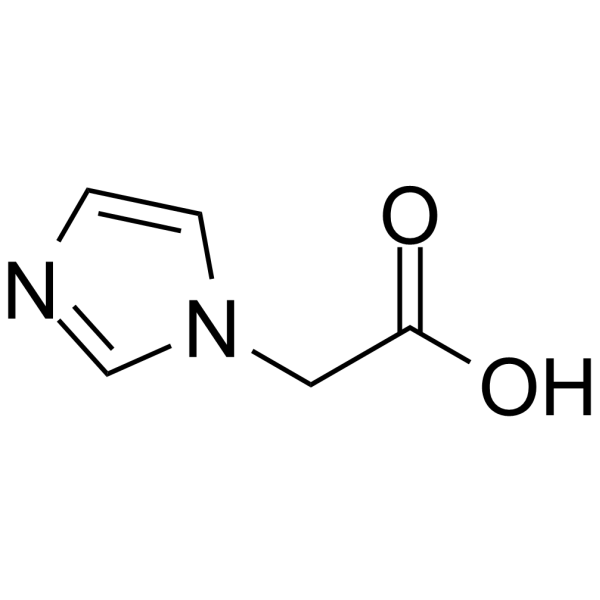
Imidazol-1-yl-acetic acid is a BRS-3 agonist that mediates anorectic effects through activation of orphan G protein-coupled receptors (Orphan GPCR) in peripheral tissues; it also serves as a green, water-soluble, recyclable bifunctional organocatalyst for transformations such as Biginelli multicomponent reactions and epoxide ring opening. Imidazol-1-yl-acetic acid is used in the study of obesity .
loading...
    loading...
Cat. No.: HY-15401
CAS No.: 428868-32-0
Target:  

5-HT Receptor

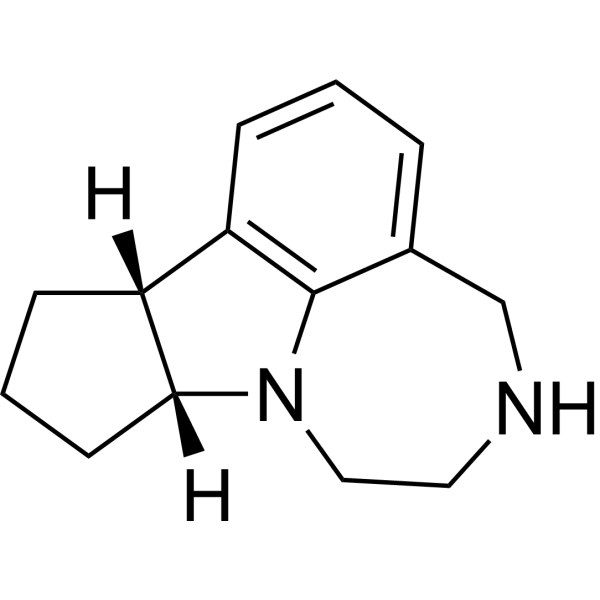
WAY 163909 is an orally active, blood-brain barrier permeable 5-HT2C receptor-selective agonist. WAY 163909 exhibits an EC50 of 8 nM and a Ki of 10.5 nM for h5-HT2C. Instead of triggering apoptosis, WAY 163909 induces anorectic, antipsychotic-like, antidepressant-like, anti-aggressive and anti-compulsive effects. WAY 163909 alleviates ketamine-induced hypothermia, but impairs sexual function at high doses. With rapid antidepressant-like properties, WAY 163909 can be used in research related to obesity, schizophrenia, depression, obsessive-compulsive disorder, and anesthesia-induced hypothermia .
loading...
    loading...
Cat. No.: HY-W010448R
CAS No.: 22884-10-2
Imidazol-1-yl-acetic acid (Standard) is the analytical standard of Imidazol-1-yl-acetic acid (HY-W010448). This product is intended for research and analytical applications. Imidazol-1-yl-acetic acid is a BRS-3 agonist that mediates anorectic effects through activation of orphan G protein-coupled receptors (Orphan GPCR) in peripheral tissues; it also serves as a green, water-soluble, recyclable bifunctional organocatalyst for transformations such as the Biginelli multicomponent reaction and epoxide ring opening. Imidazol-1-yl-acetic acid can be used for research on obesity .
loading...
    loading...
Cat. No.: HY-15401A
CAS No.: 428868-35-3
WAY 163909 hydrochloride is an orally active, blood-brain barrier permeable 5-HT2C receptor-selective agonist. WAY 163909 hydrochloride exhibits an EC50 of 8 nM and a Ki of 10.5 nM for h5-HT2C. Instead of triggering apoptosis, WAY 163909 hydrochloride induces anorectic, antipsychotic-like, antidepressant-like, anti-aggressive and anti-compulsive effects. WAY 163909 hydrochloride alleviates ketamine-induced hypothermia, but impairs sexual function at high doses. With rapid antidepressant-like properties, WAY 163909 hydrochloride can be used in research related to obesity, schizophrenia, depression, obsessive-compulsive disorder, and anesthesia-induced hypothermia .
loading...
    loading...
Cat. No.: HY-P0267A
CAS No.: 1036322-26-5
Melanotan (MT)-II acetate is a melanocortin receptor agonist. Melanotan (MT)-II acetate activates melanocortin receptor 3 and melanocortin receptor 4, and stimulates the release of central endogenous oxytocin. Melanotan (MT)-II acetate reverses recognition memory impairment, increased anxiety levels and reduced exploratory tendency in zebrafish exposed to short-term high-fat diet. Melanotan (MT)-II acetate improves impaired social behavior indicators in mouse models of autism spectrum disorder. Melanotan (MT)-II acetate induces weight loss, reduces food intake and exerts anorectic effects. Melanotan (MT)-II acetate increases intracavernous pressure and erectile activity in brown rats. Melanotan (MT)-II acetate can be used in studies related to memory impairment, anxiety, reduced exploratory behavior, autism spectrum disorder, obesity and erectile dysfunction .
loading...
    loading...

