65 Results for "

blue fluorescence

" in MedChemExpress (MCE) Product Catalog:
Products (65)

65 Results for "blue fluorescence" in MCE Product Catalog:

206
206 Publications Verification
Cat. No.: HY-D0079
CAS No.: 104821-25-2
Synonyms: Hydroethidine; PD-MY 003
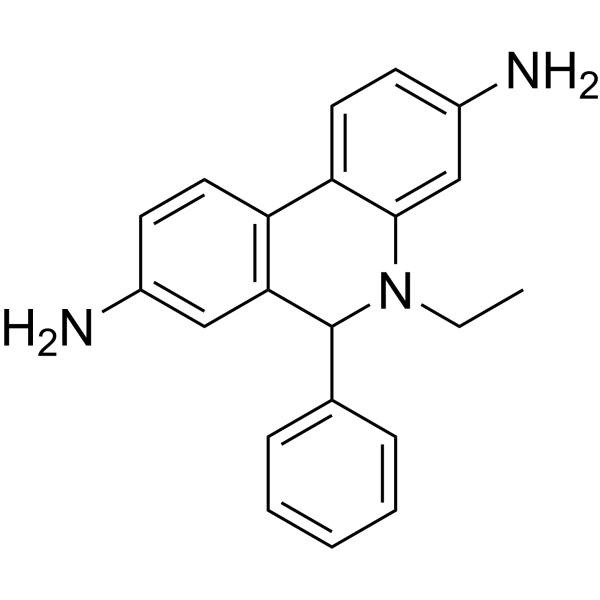
Dihydroethidium, also known as DHE, is a peroxide indicator. Dihydroethidium penetrates cell membranes to form a fluorescent protein complex with blue fluoresces. After entering the cells, Dihydroethidium is mainly localized in the cell membrane, cytoplasm and nucleus, and the staining effect is the strongest in the nucleus. Dihydroethidium produces inherent blue fluorescence with a maximum excitation wavelength of 370 nm and a maximum emission wavelength of 420 nm; after dehydrogenation, Dihydroethidium combines with RNA or DNA to produce red fluorescence with a maximum excitation wavelength of 300 nm and a maximum emission wavelength of 610 nm. 535 nm can also be used as the excitation wavelength for actual observation .
loading...
    loading...
139
139 Cited Publications
Cat. No.: HY-D0718
CAS No.: 7385-67-3
Synonyms: Nile blue A oxazone; Phenoxazone 9
Target:  

Fluorescent Dye

Research Areas:  

Others

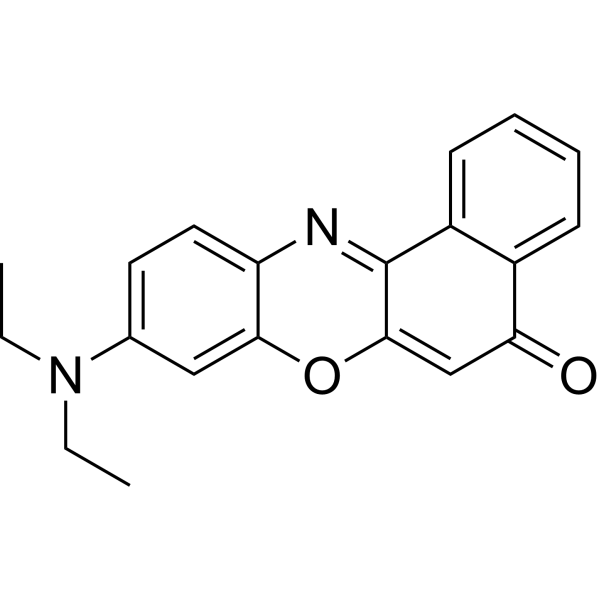
Nile red (Nile blue oxazone) is a lipophilic stain. Nile red has environment-sensitive fluorescence. Nile red is intensely fluorescent in a lipid-rich environment while it has minimal fluorescence in aqueous media. Nile red is an excellent vital stain for the detection of intracellular lipid droplets by fluorescence microscopy and flow cytof uorometry. Nile red stains intracellular lipid droplets red. The fluorescence wavelength is 543/598 nm .
loading...
    loading...
25
25 Cited Publications
Cat. No.: HY-15558
CAS No.: 23491-44-3
Purity:  99.11%
Synonyms: bisBenzimide H 33258; H 33258
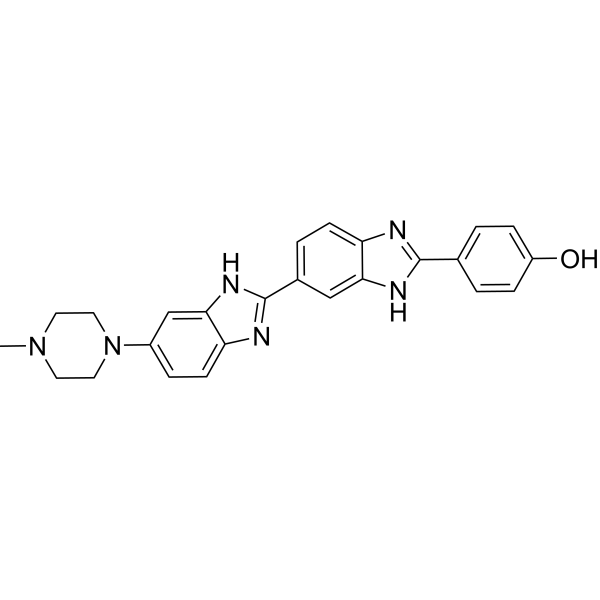
Hoechst 33258 is a blue to blue-green fluorescent live cell dye that can label DNA. Hoechst 33258 can specifically bind to the minor groove of DNA (and tends to bind to A/T-rich DNA), resulting in a significant increase in fluorescence intensity. Hoechst 33258 can cross the cell membrane and cause changes in DNA structure, such as G2/M phase arrest. Hoechst 33258 can bind to live or fixed cells, and the fluorescence intensity increases with increasing solution pH. As a DNA-specific probe, Hoechst 33258 can be used to detect DNA content, analyze cell cycle, etc. The excitation wavelength of Hoechst 33258 is 350-365 nm, and the emission wavelength is 460-490 nm .
loading...
    loading...
9
9 Cited Publications
Cat. No.: HY-D1462
CAS No.: 147963-22-2
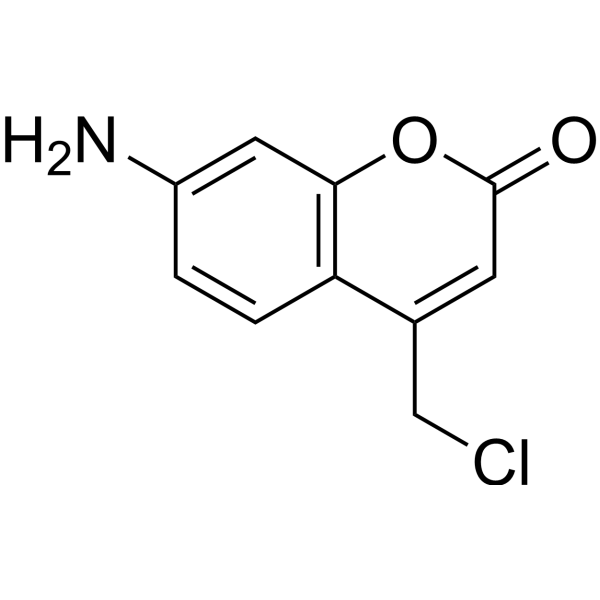
CellTracker Blue CMAC is a non-fluorescent cell membrane permeable dye. The chloromethyl groups of CellTracker Blue CMAC are enzymatically cleaved by intracellular glutathione (GSH) to generate a fluorescent product (blue fluorescence, Ex/Em: 360/460 nm). CellTracker Blue CMAC is suitable for long-term cell tracking (up to 72 hours) and cell proliferation studies, and can also quantify GSH levels .
loading...
    loading...
8
8 Cited Publications
Cat. No.: HY-119287
CAS No.: 109628-27-5
Purity:  99.50%
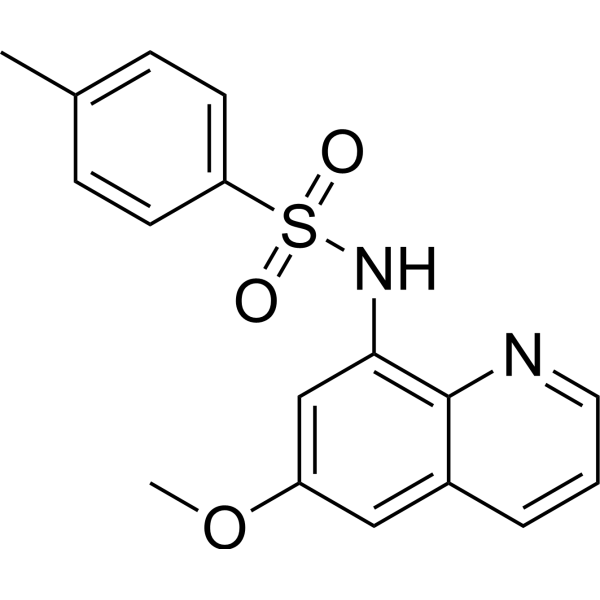
TSQ is a cytosolic zinc ion fluorescence probe that is membrane permeable and can be used for intracellular imaging of zinc proteins (λmax ~470 nm). TSQ can combine with Zn 2+ in the presence of Ca 2+ and Mg 2+ to produce blue fluorescence (Ex/Em = 334/495 nm) .
loading...
    loading...
2
2 Cited Publications
Cat. No.: HY-D0150
CAS No.: 107091-89-4
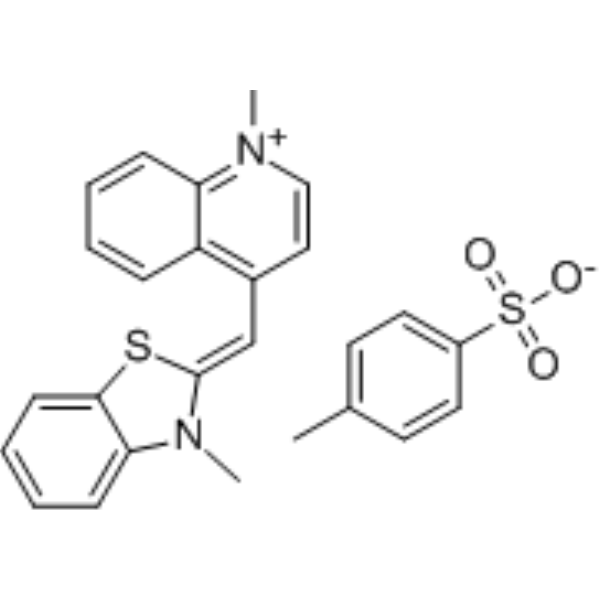
Thiazole Orange is an asymmetric anthocyanin dye that can be coupled with oligonucleotides (ONs) to prepare fluorescent hybridization probes. Thiazole Orange has been widely used in biomolecular detection and staining of DNA/ RNA in gels and can be used for reticulocyte analysis. Thiazole orange generates a significant fluorescence enhancement and high quantum yield when it binds with nucleic acids, especially RNA. Thiazole orange can permeate living cell membranes. Thiazole orange can use UV light for detection, but can also be detected with blue light. The excitation and emission of Thiazole orange are λex = 510 nm (488 nm and 470 nm also show strong excitation) and λem = 527 nm, respectively .
loading...
    loading...
2
2 Cited Publications
Cat. No.: HY-111956B
CAS No.: 2703746-41-0
Purity:  98.77%
Target:  

Fluorescent Dye

Research Areas:  

Cancer

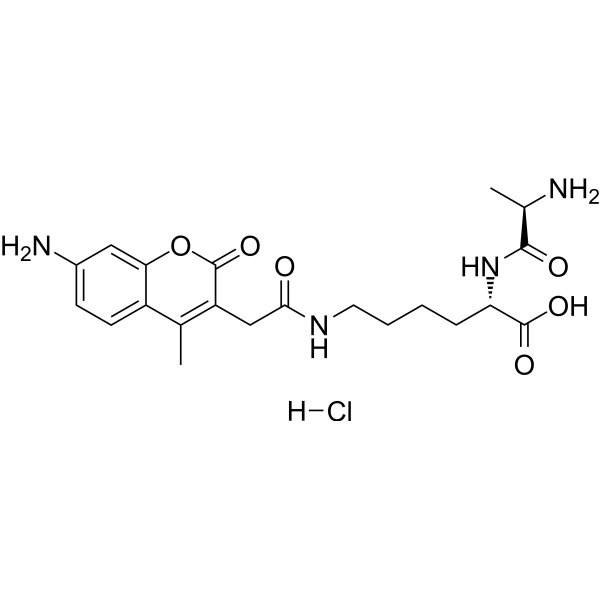
D-Ala-Lys-AMCA hydrochloride is a known proton-coupled oligopeptide transporter 1 (PEPT1) substrate that emits blue fluorescence. D-Ala-Lys-AMCA hydrochloride may be transported into liver cancer cells and Caco-2 cells based on fluorescence analysis. D-Ala-Lys-AMCA hydrochloride can be used for characterizing PEPT1-specific substrates or inhibitors (Ex/Em = 390/480 nm) .
loading...
    loading...
1
1 Cited Publications
Cat. No.: HY-D1416
CAS No.: 1287651-36-8
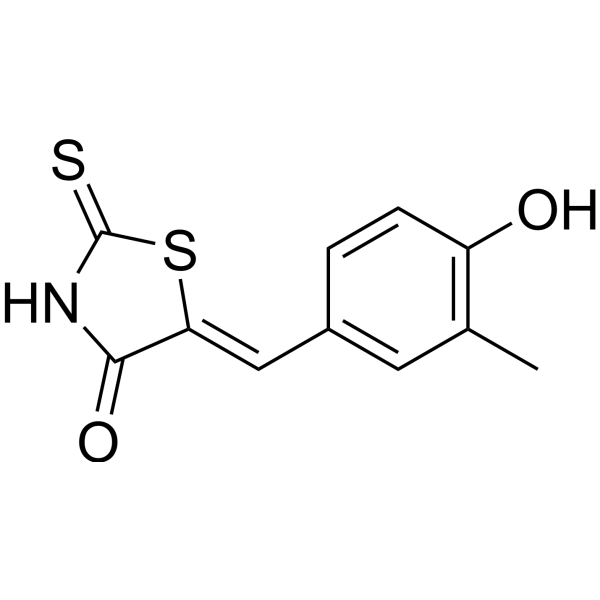
HMBR is an analogue with an additional methyl group on the aromatic ring and is non-fluorescent. HMBR conjugated with Y-FAST emits yellow fluorescence under blue light excitation (Ex= 419 nm; Em= 525–539 nm). HMBR is non-toxic to zebrafish embryos. HMBR has high cell permeability .
loading...
    loading...
1
1 Cited Publications
Cat. No.: HY-W127703
CAS No.: 65603-19-2
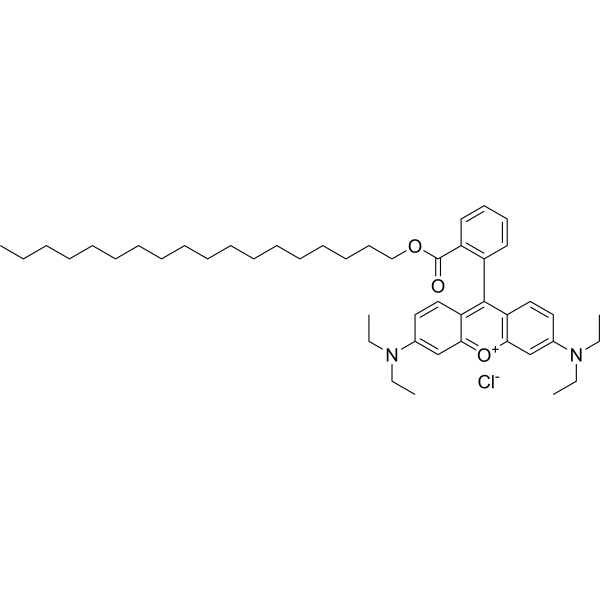
Octadecyl Rhodamine B chloride is an amphiphilic fluorescent probe with both membrane-binding ability and fluorescent properties, which easily forms aggregates in aqueous phase leading to self-quenching. Octadecyl Rhodamine B chloride can be used for cell membrane staining and further applied in membrane biology research. The maximum absorption/emission wavelengths of Octadecyl Rhodamine B chloride monomer in Triton X-100 are 565 nm/585 nm; the absorption peaks of aggregates in water are blue-shifted to 524 nm and 574 nm, with significantly quenched fluorescence .
loading...
    loading...
1
1 Cited Publications
Cat. No.: HY-103609
CAS No.: 129-00-0
Purity:  99.72%
Synonyms: Benzo[def]phenanthrene
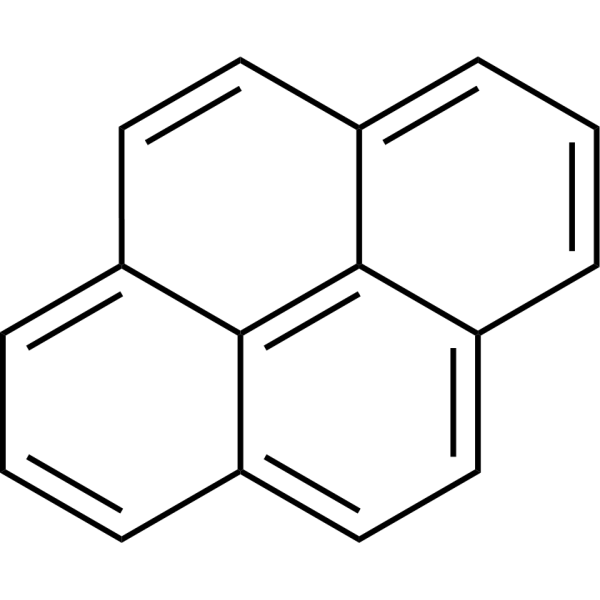
Pyrene is a polycyclic aromatic hydrocarbon (PAH) composed of four fused benzene rings. It has a distinct aromatic odor, produced by incomplete combustion of organic matter. Pyrene exhibits strong fluorescence, emitting in the blue region of the spectrum, making it useful as a probe for studying molecular interactions in solution and on surfaces. Pyrene is also used as a model compound for the study of PAHs in various environments and biological systems because of its ubiquity in these environments. However, long-term exposure to pyrene has been associated with potential health risks, including carcinogenicity and mutagenicity.
loading...
    loading...
1
1 Cited Publications
Cat. No.: HY-D1445
Synonyms: DND-160
Target:  

Fluorescent Dye

Research Areas:  

Metabolic Disease

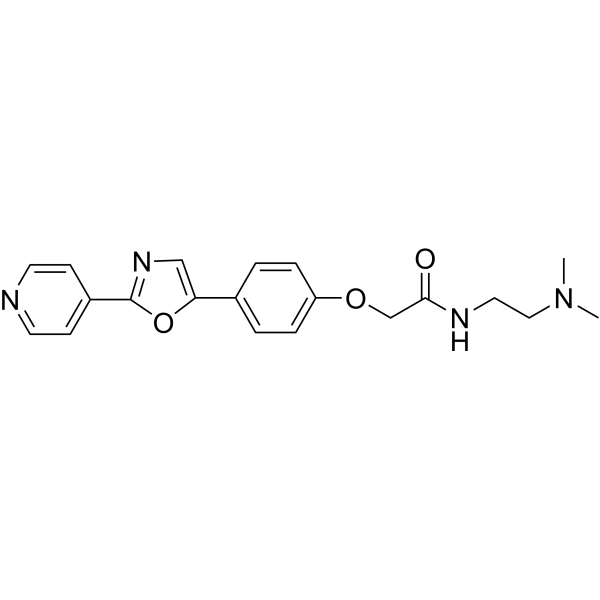
PDMPO, a lysosome pH indicator, is an excellent fluorescent acidotropic reagent for fluorescence imaging. PDMPO is a potent tool with which to study acidic organelles of live cells. PDMPO exhibits pH-dependent dual-excitation and dual-emission spectral peaks. PDMPO produces a blue fluorescence in weakly acidic organelles and shifts to yellow in more acidic lysosomes. (Abs=329 nm; Em=440/540 nm) .
loading...
    loading...
1
1 Cited Publications
Cat. No.: HY-124298
CAS No.: 168482-84-6
Purity:  99.00%
Target:  

Fluorescent Dye

Research Areas:  

Others

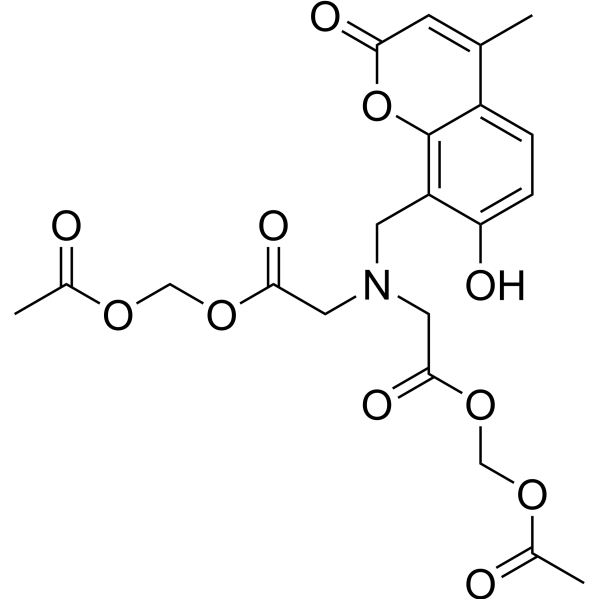
Calcein Blue AM is a cell staining agent. Calcein Blue AM serves as a substrate for intracellular esterases, which hydrolyze its acetoxymethyl (AM) ester group to convert the non-fluorescent reagent into fluorescent Calcein Blue. Calcein Blue AM passively penetrates the plasma membrane of both live and dead cells; it is converted into a polar fluorescent product and retained in the cytoplasm of live cells, whereas dead cells cannot retain the dye. Calcein Blue AM exhibits significant dye leakage, and its fluorescence intensity gradually decreases over time. Calcein Blue AM can be used for endpoint-based cell viability assays and short-term cell tracking experiments with a duration of no more than 4 hours.
loading...
    loading...
Cat. No.: HY-W751238
CAS No.: 931418-92-7
Synonyms: DMMB
Dimethyl methylene blue zinc chloride double salt (DMMB) is a cationic dye. Dimethyl methylene blue zinc chloride double salt competitively binds to the active site of the PANI-Benz-Ag nanocomposite with endotoxin, releasing DMMB and increasing the fluorescence intensity. Dimethyl methylene blue zinc chloride double salt can be used as a fluorescent probe for the detection of bacteria (such as E. Coli) endotoxin . Dimethyl methylene blue zinc chloride double salt can be used for the quantification of sulfated glycosaminoglycans .
loading...
    loading...
Cat. No.: HY-D1247
CAS No.: 63451-35-4
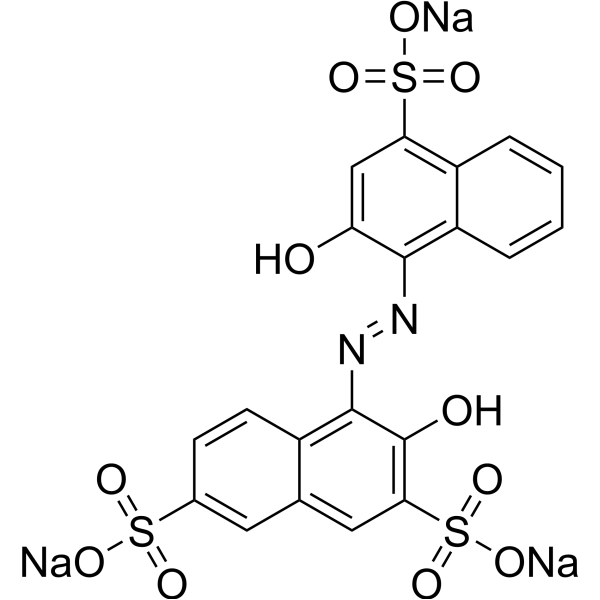
Hydroxynaphthol Blue is an azo dye and serves as a metal indicator. Hydroxynaphthol Blue binds to specific metal ions to form stable complexes with distinct color and fluorescence properties. Hydroxynaphthol Blue is used for the visual monitoring of isothermal nucleic acid amplification results. A visible color difference appears between positive and negative nucleic acid amplification reactions, allowing result discrimination by the naked eye without opening the reaction tube .
loading...
    loading...
Cat. No.: HY-D1085
CAS No.: 216309-02-3
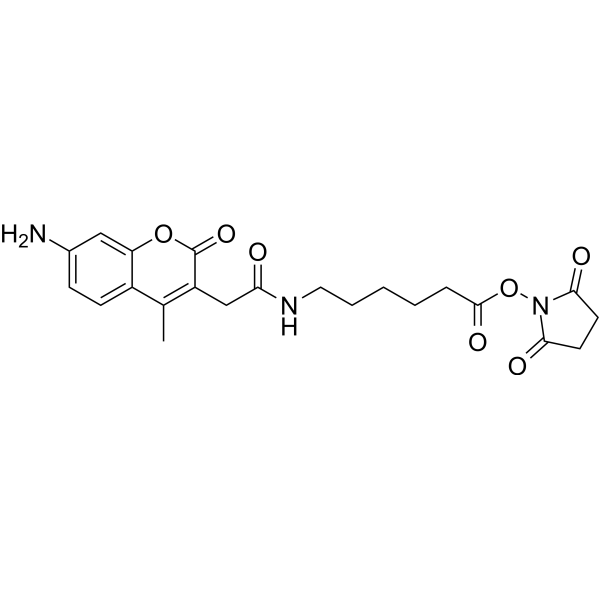
AMCA-X-SE is a coumarin derivative that generates fixed blue fluorescence and an NHS-activated ester that forms stable amide bonds with primary amine groups. It is used as a reactive dye for labeling amino groups of peptides, proteins, and oligonucleotides. Maximum excitation/emission wavelength: 354/442 nm .
loading...
    loading...
Cat. No.: HY-D0068
CAS No.: 139346-57-9
Synonyms: 7-Diethylaminocoumarin-3-carboxylic acid, SE
Target:  

Fluorescent Dye

Research Areas:  

Others

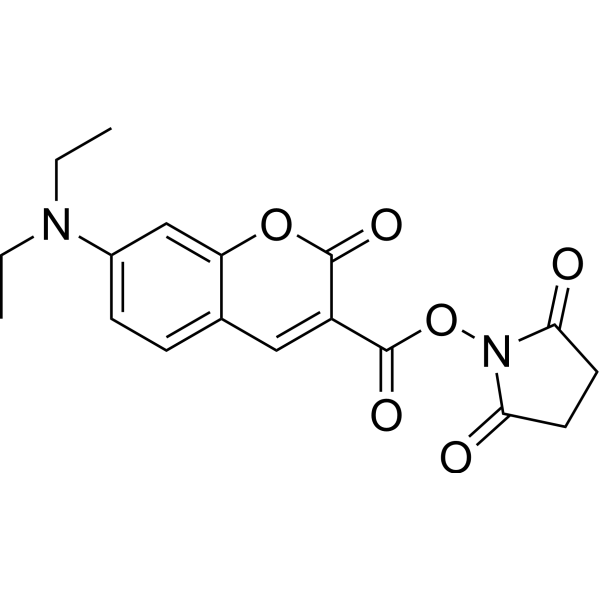
DEAC, SE (7-Diethylaminocoumarin-3-carboxy acid, SE) is an amine-reactive fluorescent succinimidyl ester (NHS ester) dye that is excitable by a 405 nm laser and emits blue fluorescence. DEAC, SE covalently couples with APTES, incorporates into organosilica colloids through co-condensation with TPM or other silane coupling agents, and can also be used for post-synthetic infiltration labeling of porous titanium dioxide protrusions and covalent binding with surface hydroxyl groups. DEAC, SE is used for fluorescent labeling of colloidal particles and confocal microscopy imaging studies .
loading...
    loading...
Cat. No.: HY-D0074
CAS No.: 70504-01-7
Target:  

Fluorescent Dye

Research Areas:  

Others

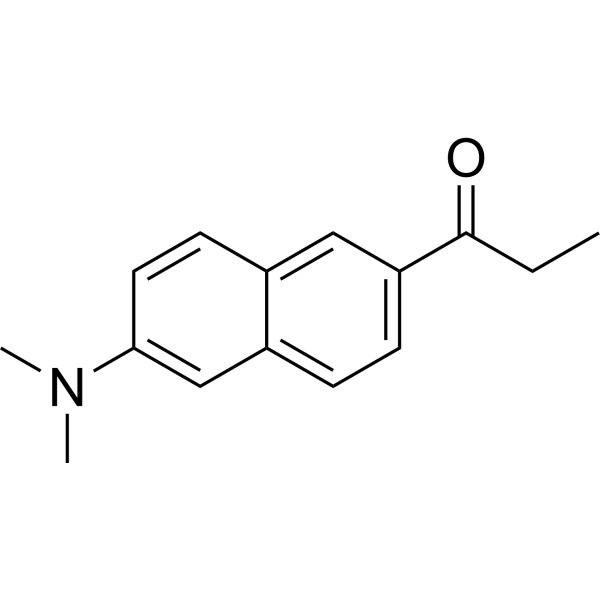
Prodan is an environment-sensitive fluorescent probe used to investigate the polarity, fluidity, and structure of lipid membranes. Prodan exhibits environment-dependent excitation/emission wavelengths, with its wavelength range covering Ex = 360-410 nm and Em = 430-530 nm when in solvents, bound to DNA, located in lipid bilayers, or associated with proteins. Prodan can interact with the major groove of DNA, regions of lipid bilayers, and hydrophobic pockets of proteins. During phase transitions, Prodan localizes to different regions of the bilayer: the emission minimum is 430-440 nm in the gel phase, while it shifts to 480-500 nm in the liquid-crystalline phase or interdigitated gel phase. When bound to rigid hydrophobic sites of proteins, the emission peak of Prodan undergoes a blue shift and its fluorescence intensity increases .
loading...
    loading...
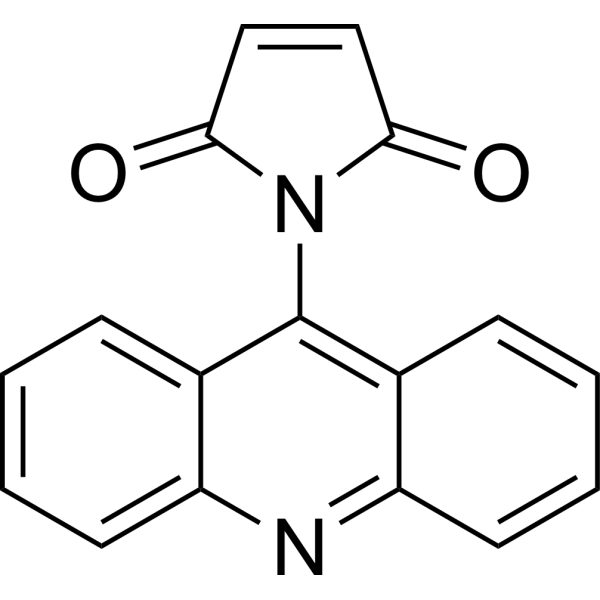
Cat. No.: HY-W011618
CAS No.: 49759-20-8
N-(9-Acridinyl)maleimide is a maleimide type fluorescent thiol reagent. N-(9-Acridinyl)maleimide shows no substantial fluorescence but its coupling products with thiol compounds exhibit strong blue fluorescence. N-(9-Acridinyl)maleimide is used for fluorometrical analysis of cysteine and glutathione .
loading...
    loading...
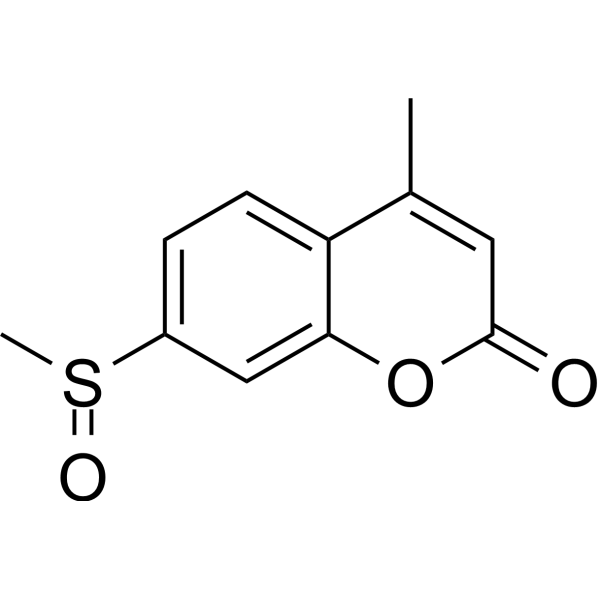
Cat. No.: HY-D1256
CAS No.: 2966537-39-1
Msr-blue is a first turn-on fluorescent probe for methionine sulfoxide reductase with a more than 100-fold fluorescence increment. Msr-blue is used for monitoring the enzyme activity in live cells (λex=340 nm, λem=440 nm) .
loading...
    loading...
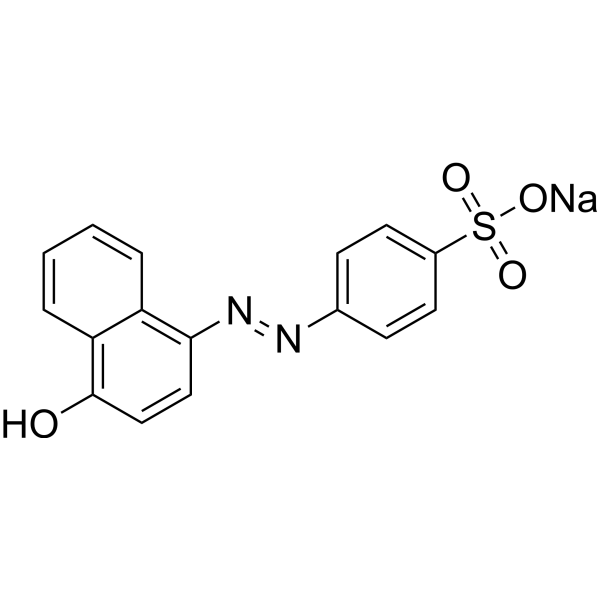
Cat. No.: HY-D0929
CAS No.: 523-44-4
Synonyms: α-Naphthol Orange
Target:  

Fluorescent Dye

Research Areas:  

Others

Orange I (α-Naphthol Orange) is an anionic azo dye that can form a complex with Methylene blue (HY-14536) and cause fluorescence quenching. The equilibrium constant of the complex of Orange I and Methylene blue is 79900 mol -1·dm 3. Orange I can change the absorption spectrum of itself and Methylene blue .
loading...
    loading...

