63 Results for "

bulk macroautophagy

" in MedChemExpress (MCE) Product Catalog:
Products (63)

63 Results for "bulk macroautophagy" in MCE Product Catalog:

18
18 Publications Verification
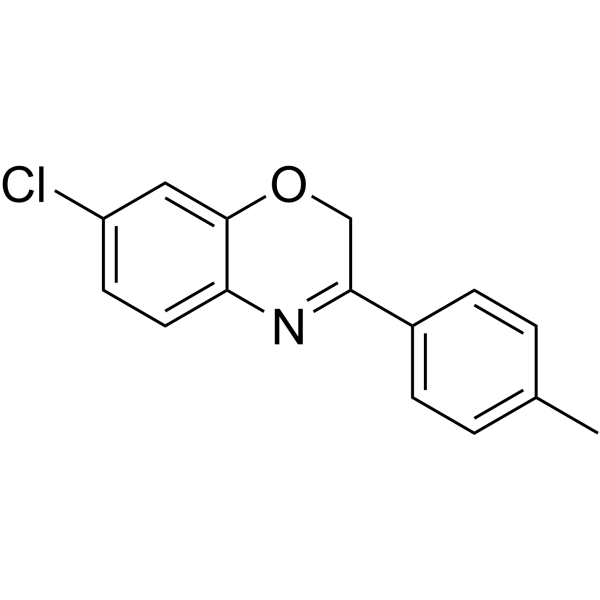
Cat. No.: HY-101106
CAS No.: 80306-38-3
Purity:  99.38%
Target:  

RAR/RXR

Research Areas:  

Neurological Disease Cancer

AR7 is an atypical RARA/RARα (retinoic acid receptor, alpha) antagonist. AR7 specifically activates chaperone-mediated-autophagy (CMA) activity without affecting macroautophagy .
loading...
    loading...
5
5 Cited Publications
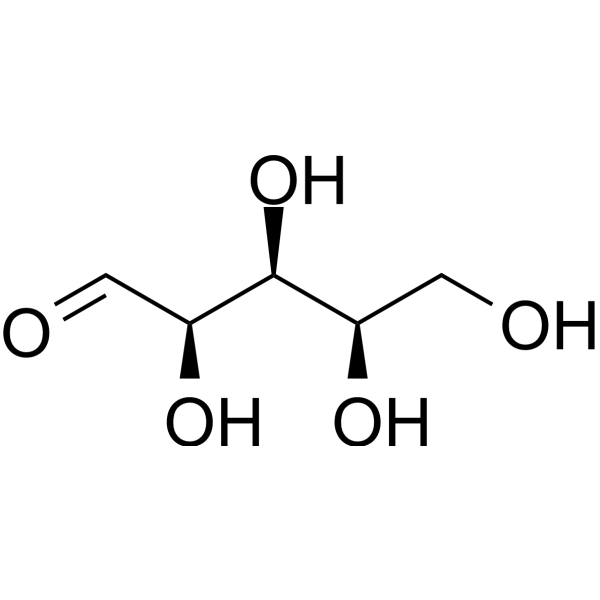
Cat. No.: HY-N0537
CAS No.: 58-86-6
Synonyms: D-(+)-Xylose; (+)-Xylose; Wood sugar
Xylose (D-(+)-Xylose) is a natural pentose sugar that is catalyzed by xylose isomerase to form xylulose, which is a key step in the anaerobic ethanol fermentation of Xylose. Xylose can be used by microorganisms to produce fuels, chemicals, and bulk industrial enzymes. Xylose provides the substances and energy for cells, as a carbon source for the biosynthesis of high-value chemicals and biofuel. Xylose can be used to fully explore lignocellulose resources and provide a new direction for microbia fermentation .
loading...
    loading...
4
4 Cited Publications
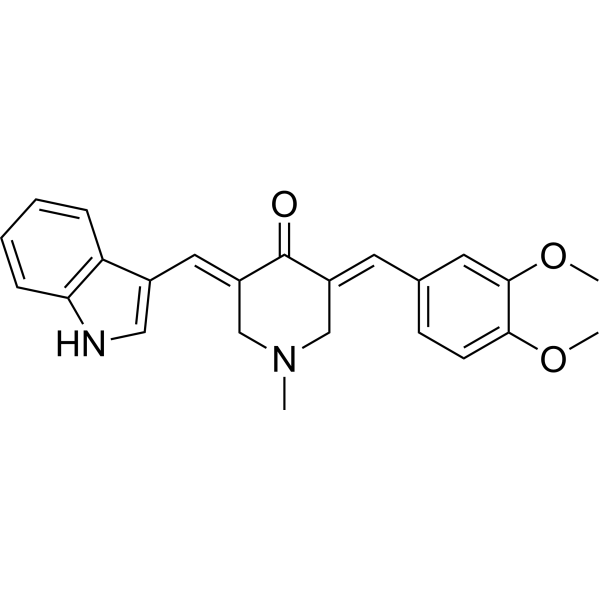
Cat. No.: HY-112698
CAS No.: 1370032-19-1
Purity:  99.14%
Research Areas:  

Cancer

CA-5f is a potent late-stage macroautophagy/autophagy inhibitor via inhibiting autophagosome-lysosome fusion. CA-5f increases LC3B-II (a marker to monitor autophagy) and SQSTM1 protein, and also increases ROS production. Anti-tumor activity .
loading...
    loading...
1
1 Cited Publications
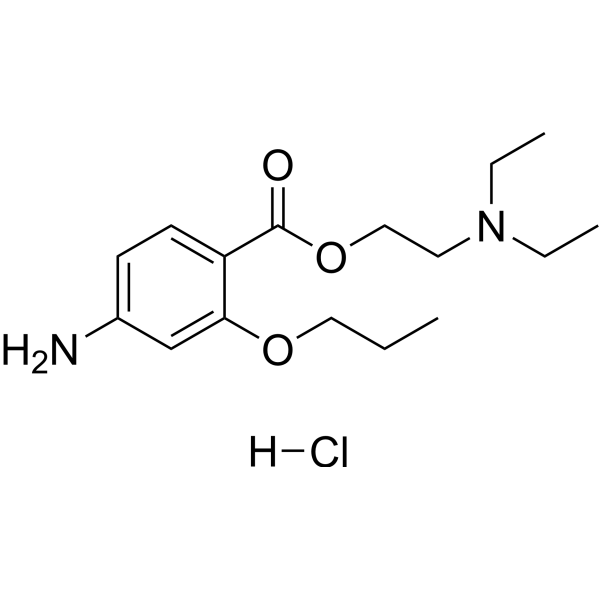
Cat. No.: HY-B1243
CAS No.: 550-83-4
Target:  

Sodium Channel

Research Areas:  

Neurological Disease

Propoxycaine hydrochloride is a voltage-gated sodium channel inhibitor. Propoxycaine hydrochloride delays monophasic A spike action potential recovery. Propoxycaine hydrochloride increases bulk lateral, rotational, and annular lipid fluidity in neuronal membrane lipid bilayers, with greater inner monolayer fluidization, and induces membrane protein clustering. Propoxycaine hydrochloride can be used for the research of pain .
loading...
    loading...
1
1 Cited Publications
Cat. No.: HY-N0537R
CAS No.: 58-86-6
Synonyms: D-(+)-Xylose (Standard); (+)-Xylose (Standard); Wood sugar (Standard)
Xylose (Standard) (D-(+)-Xylose (Standard)) is the analytical standard of Xylose (HY-N0537). This product is intended for research and analytical applications. Xylose (D-(+)-Xylose) is a natural pentose sugar that is catalyzed by xylose isomerase to form xylulose, which is a key step in the anaerobic ethanol fermentation of Xylose. Xylose can be used by microorganisms to produce fuels, chemicals, and bulk industrial enzymes. Xylose provides the substances and energy for cells, as a carbon source for the biosynthesis of high-value chemicals and biofuel. Xylose can be used to fully explore lignocellulose resources and provide a new direction for microbia fermentation.
loading...
    loading...
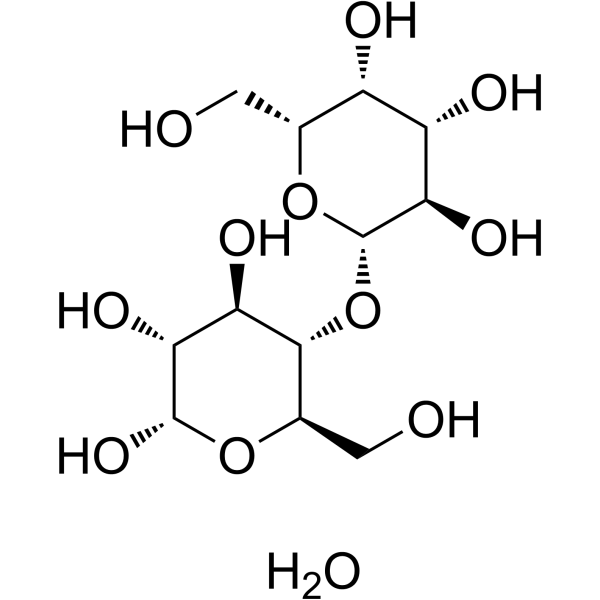
Cat. No.: HY-W087904
CAS No.: 5989-81-1
Synonyms: α-D-Lactose hydrate
α-Lactose hydrate (α-D-Lactose (hydrate)) is the primary carbohydrate in the milk of most mammals. α-Lactose hydrate consists of glucose and galactose and exists in two isomeric forms, α and β. α-Lactose hydrate has numerous applications in the food and pharmaceutical industries, such as serving as a bulking or agglomerating agent, and a diluent for pigments, flavors or enzymes .
loading...
    loading...
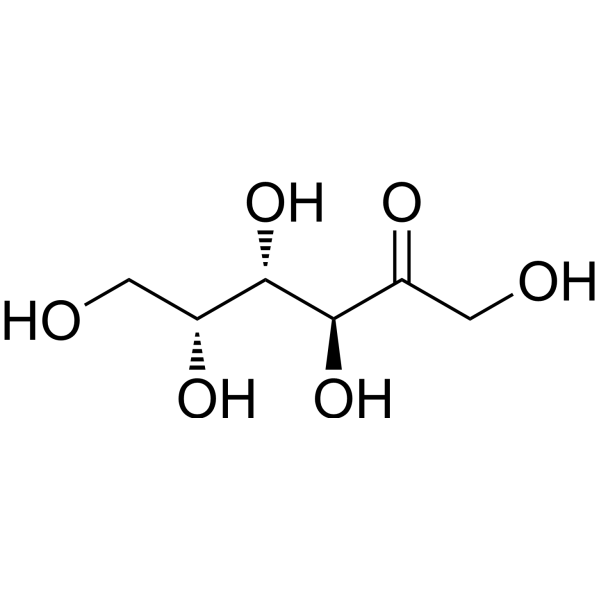
Cat. No.: HY-42680
CAS No.: 87-81-0
Synonyms: D-(-)-Tagatose
D-Tagatose (D-(-)-Tagatose) is a natural low-calorie rare sugar. D-Tagatose inhibits the activities of sucrase, maltase and intestinal disaccharidases, reduces the digestion of sucrose and starch, and blocks the absorption of sucrose, maltose and glucose. D-Tagatose promotes glucokinase activity and inhibits glycogen phosphorylase activity via tagatose-1-phosphate, regulates the synthesis and decomposition of hepatic glycogen, reduces postprandial and fasting blood glucose levels, and improves hyperinsulinemia. D-Tagatose regulates lipid profiles, stimulates GLP-1 secretion, and exhibits prebiotic effects. D-Tagatose is a bulking sweetener. D-Tagatose can be used in research related to diabetes, hyperlipidemia, dental caries, atherosclerosis and type 2 diabetes .
loading...
    loading...
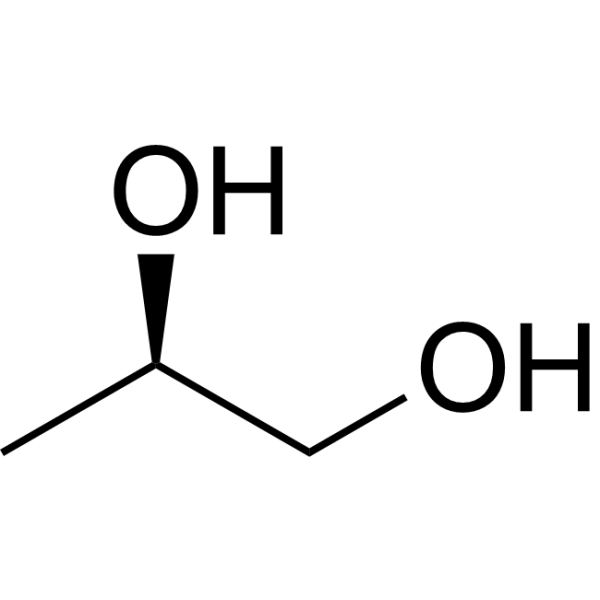
Cat. No.: HY-Z0031
CAS No.: 4254-14-2
(R)-(-)-1,2-Propanediol is the (R)-isomer of 1,2-Propanediol (HY-Y0921). 1,2-Propanediol is an important bulk chemical product .
loading...
    loading...
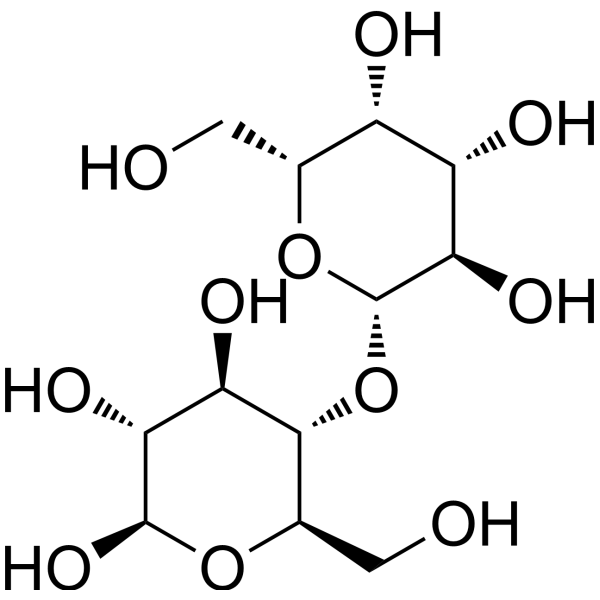
Cat. No.: HY-W150340
CAS No.: 5965-66-2
Research Areas:  

Cancer

β-Lactose is a disaccharide commonly found in milk and dairy products. It consists of two monosaccharides, glucose and galactose, linked by β-glycosidic bonds. β-Lactose has various applications in the food industry, especially as a sweetener and bulking agent. Furthermore, it can be used as a substrate for enzymes involved in lactose metabolism and as a model compound for studying carbohydrate-protein interactions.
loading...
    loading...
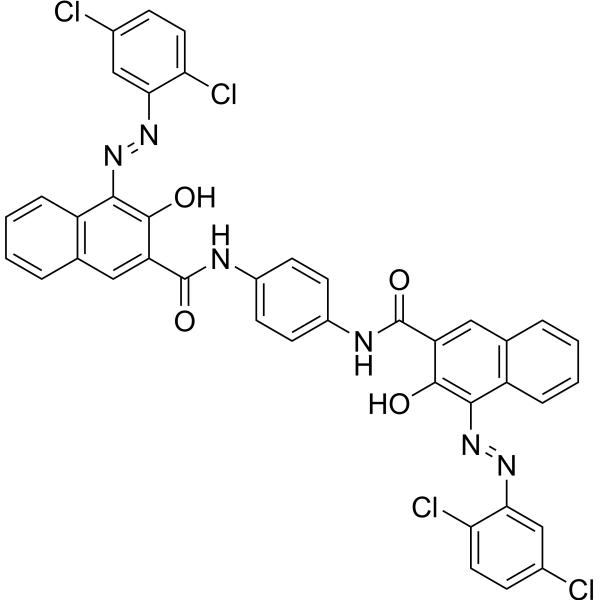
Cat. No.: HY-D0363
CAS No.: 3905-19-9
Pigment Red 166 is a commonly used commercial dye for bulk coloring of plastics and synthetic fibers and for surface coatings such as paints and inks.
loading...
    loading...
Cat. No.: HY-W489121
CAS No.: 774192-20-0
Target:  

p62 Autophagy AUTOTACs

Research Areas:  

Cancer

YTK-105 is a p62/ZZ binding domain ligand and Autophagy enhancer. YTK-105 activates p62-dependent selective macroautophagy. YTK-105 serves as an autophagy-targeting ligand (ATL) for synthesizing AUTOTAC degraders .
loading...
    loading...
Cat. No.: HY-W779019
CAS No.: 1262683-58-8
Synonyms: D-(+)-Xylose-13C5; (+)-Xylose-13C5; Wood sugar-13C5
Xylose- 13C5 (D-(+)-Xylose- 13C5) is 13C labeled Xylose. Xylose (D-(+)-Xylose) is a natural pentose sugar that is catalyzed by xylose isomerase to form xylulose, which is a key step in the anaerobic ethanol fermentation of Xylose. Xylose can be used by microorganisms to produce fuels, chemicals, and bulk industrial enzymes. Xylose provides the substances and energy for cells, as a carbon source for the biosynthesis of high-value chemicals and biofuel. Xylose can be used to fully explore lignocellulose resources and provide a new direction for microbia fermentation .
loading...
    loading...
Cat. No.: HY-D0278
CAS No.: 2786-76-7
Pigment Red 170 is a commonly used commercial dye for bulk coloring of plastics and synthetic fibers and for surface coatings such as paints and inks.
loading...
    loading...
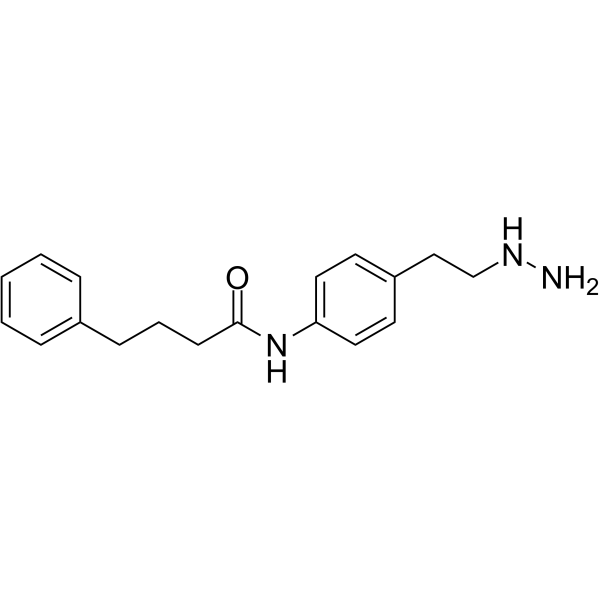
Cat. No.: HY-121095
CAS No.: 1591932-50-1
Target:  

Histone Demethylase

Research Areas:  

Neurological Disease Cancer

Bizine, a Phenelzine analogue, is a potent and selective LSD1 inhibitor, with a b>Ki of 59 nM. Bizine can modulate bulk histone methylation in cancer cells. Bizine shows neuroprotective effects .
loading...
    loading...
Cat. No.: HY-161742
CAS No.: 2410081-58-0
Target:  

AUTOTACs MetAP Autophagy p62

Research Areas:  

Cancer

Fumagilin-105 is an autophagy-targeting chimera (AUTOTAC) that degrades MetAP2 via p62-mediated macroautophagy in a ubiquitination-independent manner. Fumagilin-105 can inhibit the migration of tumor cells and induce programmed cell death. Fumagilin-105 has anti-tumor activity. (p62-ZZ ligand (HY-W489121); target-binding ligand (HY-B0751); linker (HY-W245803)) .
loading...
    loading...
Cat. No.: HY-W017508
CAS No.: 629-41-4
1,8-Octanediol is an aliphatic diol and also a monomer used in the synthesis of polyesters and polyurethanes. As a monomer, 1,8-Octanediol participates in the lipase-catalyzed bulk polycondensation with adipic acid for the synthesis of aliphatic polyesters. 1,8-Octanediol can be applied in relevant studies in fields such as material synthesis .
loading...
    loading...
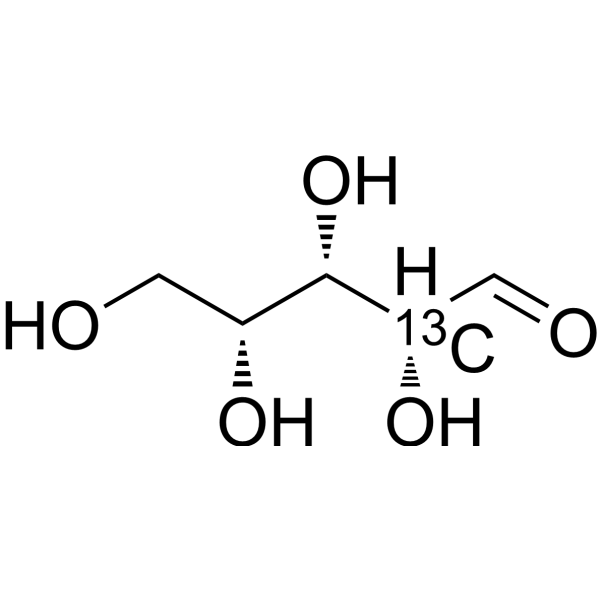
Cat. No.: HY-N0537S3
CAS No.: 131771-69-2
Synonyms: D-(+)-Xylose-2-13C; (+)-Xylose-2-13C; Wood sugar-2-13C
Xylose-2- 13C (D-(+)-Xylose-2- 13C) is the 13C labeled Xylose (HY-N0537). Xylose (D-(+)-Xylose) is a natural pentose sugar that is catalyzed by xylose isomerase to form xylulose, which is a key step in the anaerobic ethanol fermentation of Xylose. Xylose can be used by microorganisms to produce fuels, chemicals, and bulk industrial enzymes. Xylose provides the substances and energy for cells, as a carbon source for the biosynthesis of high-value chemicals and biofuel. Xylose can be used to fully explore lignocellulose resources and provide a new direction for microbia fermentation .
loading...
    loading...
Cat. No.: HY-161738
CAS No.: 2409959-99-3
Target:  

p62

Research Areas:  

Cancer

YOK-2204 is a ligand of p62-ZZ domain. YOK-2204 can activate p62-dependent selective macroautophagy. YOK-2204 can be used for AUTOTAC design .
loading...
    loading...
Cat. No.: HY-161737
CAS No.: 892572-23-5
Target:  

p62

Research Areas:  

Cancer

YT-8-8 is a ligand of p62-ZZ domain. YT-8-8 can activate p62-dependent selective macroautophagy. YT-8-8 can be used for AUTOTAC design .
loading...
    loading...
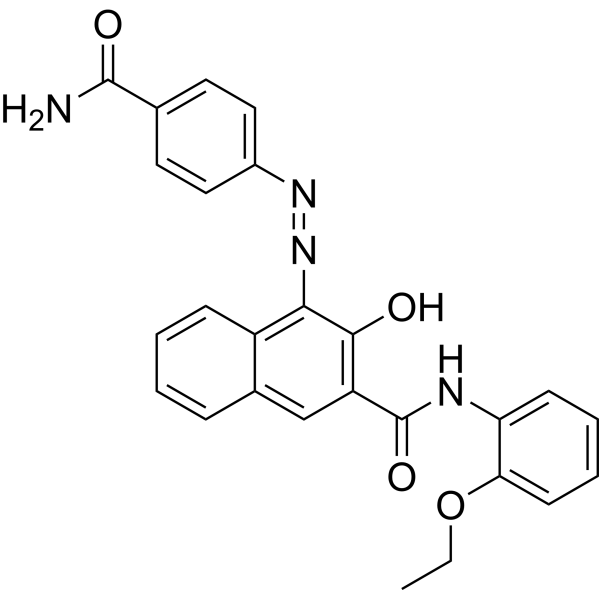
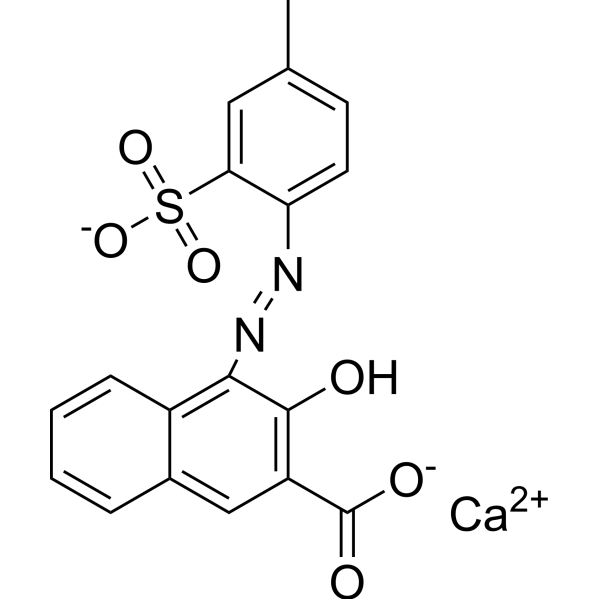
Cat. No.: HY-D0280
CAS No.: 5281-04-9
Pigment red 57-1 is a commonly used commercial dye for bulk coloring of plastics and synthetic fibers and for surface coatings such as paints and inks.
loading...
    loading...

