12 Results for "

calculi

" in MedChemExpress (MCE) Product Catalog:
Products (12)

12 Results for "calculi" in MCE Product Catalog:

1
1 Cited Publications
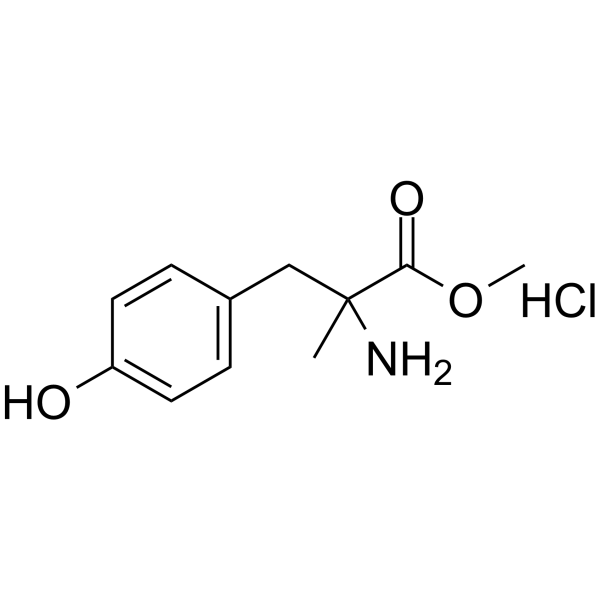
Cat. No.: HY-W013407
CAS No.: 7361-31-1
α-Methyltyrosine methyl ester hydrochloride is an orally active and competitive tyrosine hydroxylase inhibitor. α-Methyltyrosine methyl ester hydrochloride can inhibit the conversion of tyrosine to dopamine. α-Methyltyrosine methyl ester hydrochloride causes kidney damage and urethral calculi in rats. α-Methyltyrosine methyl ester hydrochloride can be used as a tool for sympathetic nervous system research .
loading...
    loading...
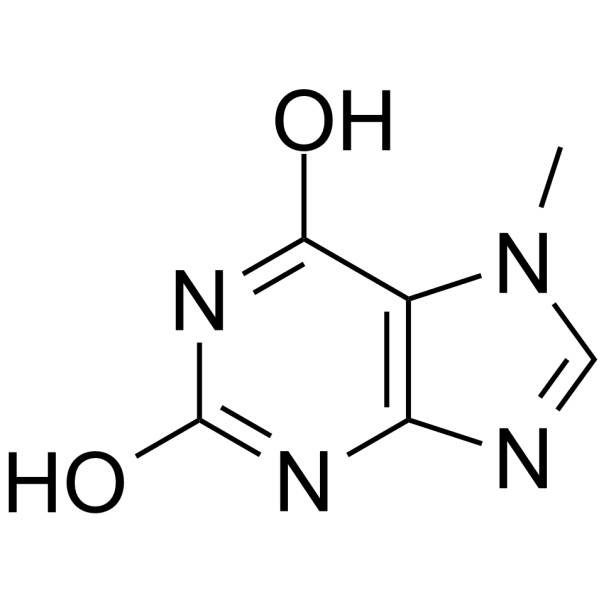
Cat. No.: HY-W017163
CAS No.: 552-62-5
7-Methylxanthine is an orally active methyl derivative of xanthine and a non-selective adenosine receptor antagonist. 7-Methylxanthine is also one of the purine components of human urinary calculi. 7-Methylxanthine has anti-myopia activity .
loading...
    loading...
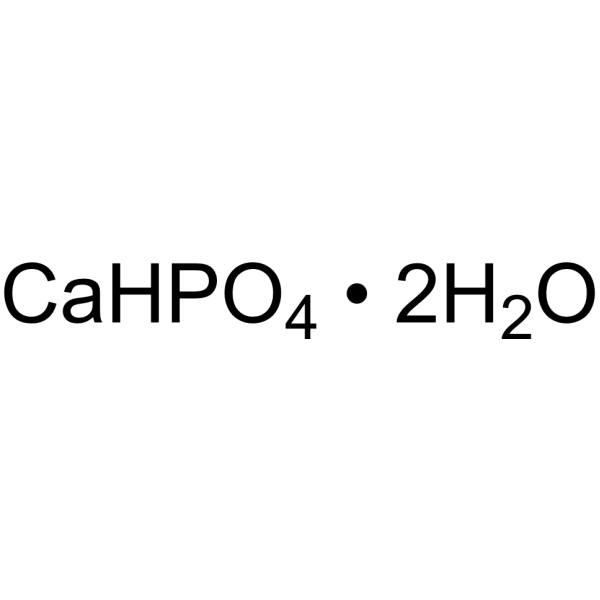
Cat. No.: HY-Y0708
CAS No.: 7789-77-7
Synonyms: Calcium phosphate dihydrate
Research Areas:  

Others

Calcium hydrogen phosphate dihydrate (Calcium phosphate dihydrate) can be found quite frequently in urinary calculi stones. Calcium hydrogen phosphate dihydrate can be used as an excipient, such as diluent, adsorbent. Pharmaceutical excipients, or pharmaceutical auxiliaries, refer to other chemical substances used in the pharmaceutical process other than pharmaceutical ingredients. Pharmaceutical excipients generally refer to inactive ingredients in pharmaceutical preparations, which can improve the stability, solubility and processability of pharmaceutical preparations. Pharmaceutical excipients also affect the absorption, distribution, metabolism, and elimination (ADME) processes of co-administered drugs .
loading...
    loading...
Cat. No.: HY-W017163S1
CAS No.: 1185878-99-2
7-Methylxanthine-d3 is deuterium labeled 7-Methylxanthine. 7-Methylxanthine, a methyl derivative of xanthine, is one of the purine components in urinary calculi .
loading...
    loading...
Cat. No.: HY-P10369
CAS No.: 103725-47-9
Betiatide, as a chelating agent for Technetium-99m ( 99mTc), is used to prepare 99mTc-MAG3 (mercaptoacetyltriglycine), a radiopharmaceutical for renal function imaging. Betiatide is used for the diagnosis of congenital and acquired abnormalities, renal failure, urinary tract obstructions, and calculi . Betiatide can be used for the synthesis/research of Radionuclide-Drug Conjugates (RDCs).
loading...
    loading...
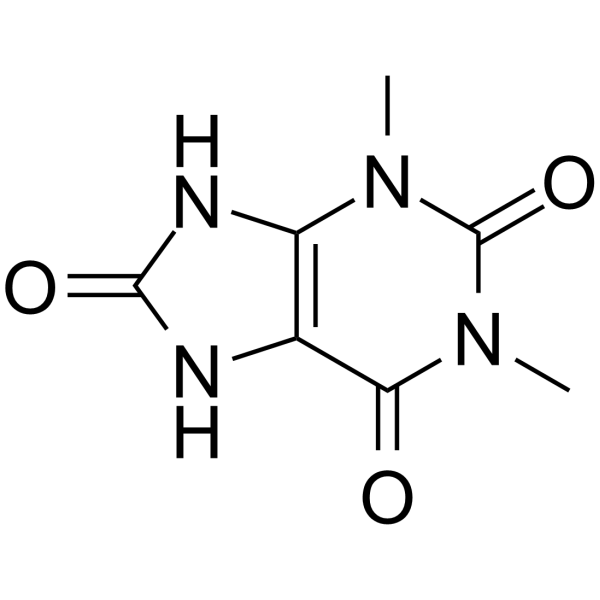
Cat. No.: HY-W014993
CAS No.: 944-73-0
1,3-Dimethyluric acid is a major metabolite of Theophylline (HY-B0809) in vivo. 1,3-Dimethyluric acid is an inhibitor of human organic anion transporter 1 (hOAT1) with an IC50 of 9.2 μM. 1,3-Dimethyluric acid inhibits hOAT1-mediated substrate uptake and transport through competitive binding. 1,3-Dimethyluric acid is also a component of urinary calculi. 1,3-Dimethyluric acid can be used in research on urolithiasis .
loading...
    loading...
Cat. No.: HY-W098559
CAS No.: 1121-07-9
Research Areas:  

Metabolic Disease

N-Methylsuccinimide is a versatile solvent and extractant. N-Methylsuccinimide possesses anti-calculiating activity. N-Methylsuccinimide can be used in calculi research. N-Methylsuccinimide is also used in organic synthesis, chemical engineering, and other fields .
loading...
    loading...
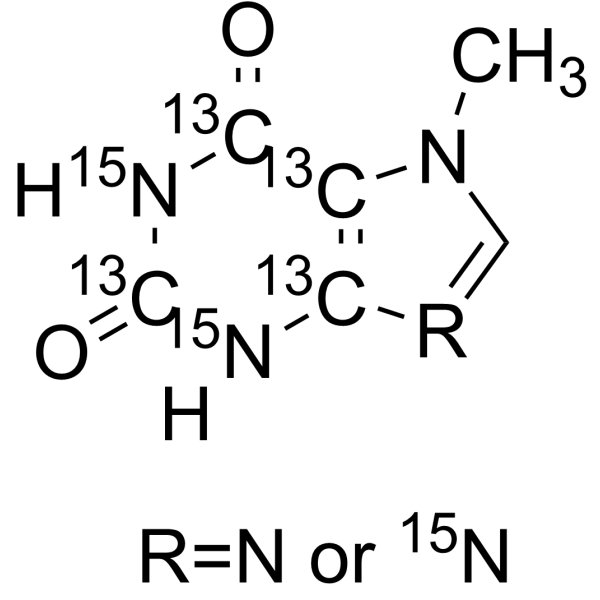
Cat. No.: HY-W017163S
7-Methylxanthine-2,4,5,6- 13C4, 1,3- 15N2 (with variable 15N labeling at N9) is the 13C and 15N labeled 7-Methylxanthine . 7-Methylxanthine, a methyl derivative of xanthine, is one of the purine components in urinary calculi .
loading...
    loading...
Cat. No.: HY-W017163R
CAS No.: 552-62-5
7-Methylxanthine (Standard) is the analytical standard of 7-Methylxanthine. This product is intended for research and analytical applications. 7-Methylxanthine is an orally active methyl derivative of xanthine and a non-selective adenosine receptor antagonist. 7-Methylxanthine is also one of the purine components of human urinary calculi. 7-Methylxanthine has anti-myopia activity .
loading...
    loading...
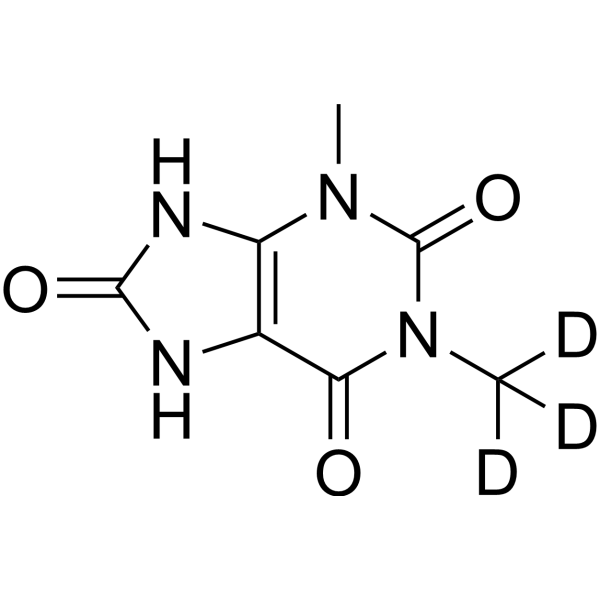
Cat. No.: HY-W014993S1
1,3-Dimethyluric acid-d3 is the deuterated-labeled 1,3-Dimethyluric acid (HY-W014993). 1,3-Dimethyluric acid is a major metabolite of Theophylline (HY-B0809) in vivo. 1,3-Dimethyluric acid is an inhibitor of human organic anion transporter 1 (hOAT1) with an IC50 of 9.2 μM. 1,3-Dimethyluric acid inhibits hOAT1-mediated substrate uptake and transport through competitive binding. 1,3-Dimethyluric acid is also a component of urinary calculi. 1,3-Dimethyluric acid can be used in research on urolithiasis .
loading...
    loading...
Cat. No.: HY-W014993R
CAS No.: 944-73-0
1,3-Dimethyluric acid Standard is the analytical standard of 1,3-Dimethyluric acid (HY-W014993). This product is intended for research and analytical applications. 1,3-Dimethyluric acid is a major metabolite of Theophylline (HY-B0809) in vivo. 1,3-Dimethyluric acid is an inhibitor of human organic anion transporter 1 (hOAT1) with an IC50 of 9.2 μM. 1,3-Dimethyluric acid inhibits hOAT1-mediated substrate uptake and transport through competitive binding. 1,3-Dimethyluric acid is also a component of urinary calculi. 1,3-Dimethyluric acid can be used in research on urolithiasis .
loading...
    loading...
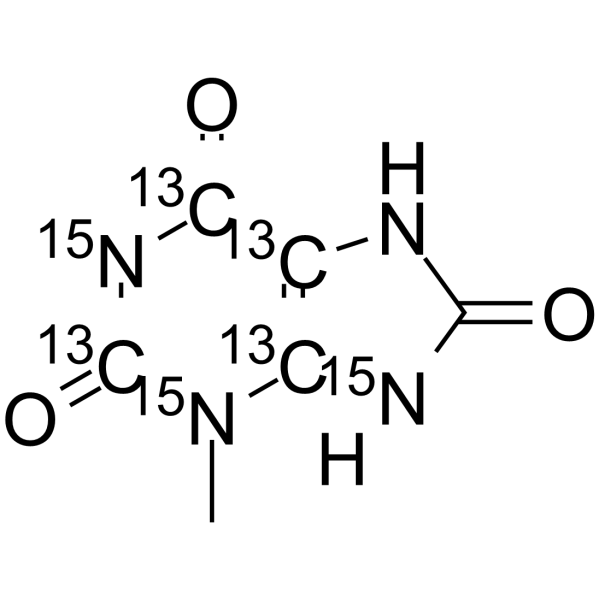
Cat. No.: HY-W014993S
CAS No.: 1173019-16-3
1,3-Dimethyluric acid- 13C4, 15N3 is the 15N and 13C-labeled 1,3-Dimethyluric acid (HY-W014993). 1,3-Dimethyluric acid is a major metabolite of Theophylline (HY-B0809) in vivo. 1,3-Dimethyluric acid is an inhibitor of human organic anion transporter 1 (hOAT1) with an IC50 of 9.2 μM. 1,3-Dimethyluric acid inhibits hOAT1-mediated substrate uptake and transport through competitive binding. 1,3-Dimethyluric acid is also a component of urinary calculi. 1,3-Dimethyluric acid can be used in research on urolithiasis .
loading...
    loading...
  • 1

