
42 Results for "

cellular accumulation

" in MedChemExpress (MCE) Product Catalog:
Products (42)

42 Results for "cellular accumulation" in MCE Product Catalog:

2
2 Cited Publications
Cat. No.: HY-123402
CAS No.: 264206-85-1
Purity:  99.19%
Target:  

LXR

Research Areas:  

Metabolic Disease

GSK3987 is a pan LXRα/β agonist with EC50s of 50 nM, 40 nM for LXRα-SRC1 and LXRβ-SRC1, respectively. GSK3987 increases the expression of ABCA1 and SREBP-1c. GSK3987 induces cellular cholesterol efflux and triglyceride accumulation .
loading...
    loading...
1
1 Cited Publications
Cat. No.: HY-116147
CAS No.: 1402830-75-4
Purity:  99.25%
Target:  

LPL Receptor Apoptosis

Research Areas:  

Cancer

Ceranib-2 is a potent and nonlipid ceramidase inhibitor that inhibits cellular ceramidase activity with an IC50 of 28 μM in SKOV3 cells. Ceranib-2 induces the accumulation of multiple ceramide species, decreases levels of sphingosine and sphingosine-1-phosphate (S1P), and induces cell apoptosis. Anticancer activity .
loading...
    loading...
1
1 Cited Publications
Cat. No.: HY-129139
CAS No.: 111613-04-8
Purity:  95.71%
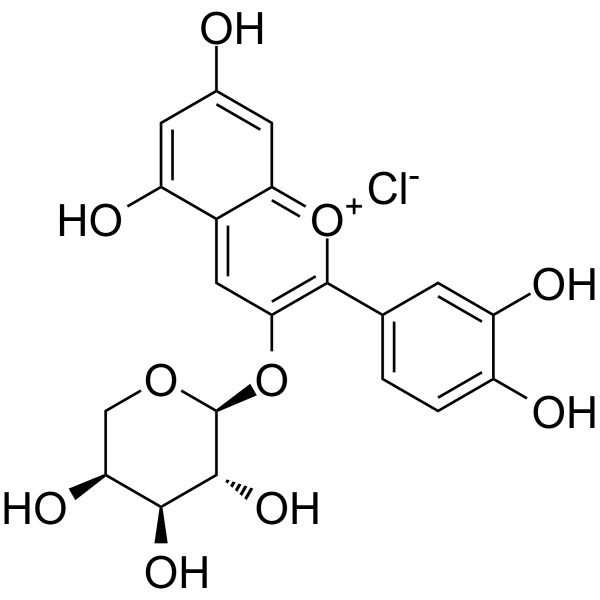
Cyanidin-3-O-arabinoside is a p38 MAPK phosphorylation inhibitor. Cyanidin-3-O-arabinoside reduces the expression of VDAC1, inhibits mtROS accumulation, reverses cellular senescence, blocks excessive mitochondrial calcium influx, reduces the formation of mitochondria-associated endoplasmic reticulum membranes, and suppresses the VDAC1-IP3R1 interaction. Cyanidin-3-O-arabinoside activates hair follicle stem cell proliferation and improves the condition of slowed hair growth. Cyanidin-3-O-arabinoside is applicable to research related to colon cancer and androgenetic alopecia .
loading...
    loading...
1
1 Cited Publications
Cat. No.: HY-P2750
CAS No.: 9025-26-7
Synonyms: CTSD
Cathepsin D (CTSD) is a lysosomal aspartic protease encoded by the CTSD gene. Cathepsin D regulates lysosomal protease activity. Loss of Cathepsin D leads to lysosomal dysfunction and the accumulation of various cellular proteins associated with neurodegenerative diseases. Cathepsin D is involved in breast cancer metastasis. Cathepsin D can be used in research on diseases such as breast cancer and stroke .
loading...
    loading...
1
1 Cited Publications
Cat. No.: HY-N3027
CAS No.: 117230-33-8
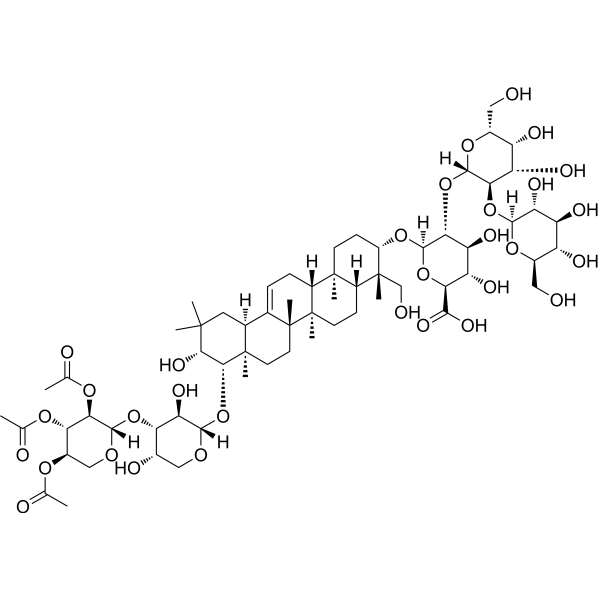
Soyasaponin Aa is a soyasaponin that can be found in soy. Soyasaponin Aa suppresses PPARγ transcriptional activity, reduces PPARγ and C/EBPα expression, inhibits adipocyte differentiation and lipid accumulation, and reduces adipogenic marker gene expression. Soyasaponin Aa reduces hydrogen peroxide-induced reactive oxygen species (ROS) production and malondialdehyde levels. Soyasaponin Aa exhibits cellular antioxidant activity. Soyasaponin Aa can be used for the research of obesity .
loading...
    loading...
Cat. No.: HY-P4052
CAS No.: 175175-23-2
Target:  

ROS Kinase

Research Areas:  

Neurological Disease

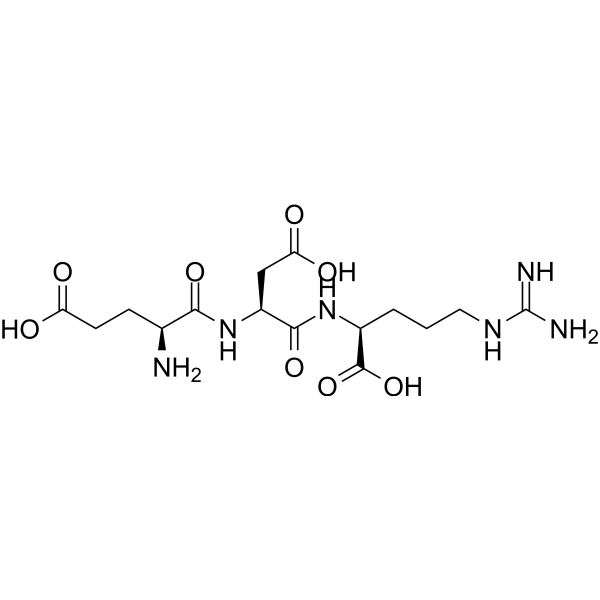
Pinealon is a 3-amino acid peptide and shows neuroprotective properties. Pinealon prevents reactive oxygen species (ROS) accumulation and suppresses the activation of ERK 1/2. Pinealon stimulates the functional activity of the main cellular elements of brain tissue, reduces the level of spontaneous cell death. Pinealon protects the rat offspring from prenatal hyperhomocysteinemia .
loading...
    loading...
Cat. No.: HY-N1967
CAS No.: 76474-56-1
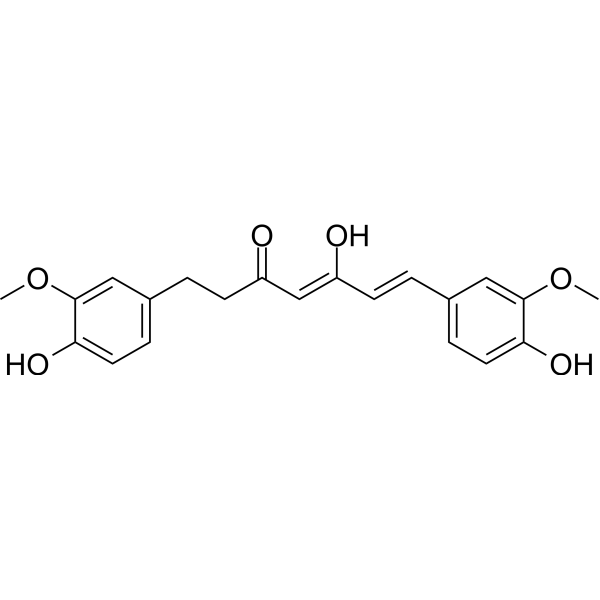
Dihydrocurcumin, a major metabolites of curcumin, reduces lipid accumulation and oxidative stress. Dihydrocurcumin regulates mRNA and protein expression levels of SREBP-1C, PNPLA3 and PPARα, increases protein expression levels of pAKT and PI3K, and reduced the levels of cellular NO and ROS via Nrf2 signaling pathways .
loading...
    loading...
Cat. No.: HY-112487
CAS No.: 78934-83-5
Purity:  99.35%
Target:  

Acyltransferase

Research Areas:  

Metabolic Disease

Sandoz 58-035 is a selective acyl-CoA:cholesterol acyltransferase (ACAT) inhibitor. Sandoz 58-035 inhibits this enzyme in intact cells and isolated microsomal fractions. Sandoz 58-035 blocks the esterification of exogenous vesicle-derived cholesterol and the incorporation of oleic acid into cellular cholesterol esters, reducing the formation and accumulation of cholesterol esters. Sandoz 58-035 causes a slight increase in cellular free cholesterol, and at high concentrations, it also causes a slight reduction in overall cellular protein synthesis. Sandoz 58-035 can be used in studies related to cellular cholesterol regulation .
loading...
    loading...
Cat. No.: HY-150602
CAS No.: 2761578-18-9
Purity:  99.87%
Target:  

Proteasome

Research Areas:  

Neurological Disease

20S Proteasome activator 1 is a potent 20S proteasome activator with EC200 values of 0.3 μM, 0.7 μM and 1.8 μM for trypsin-like site, chymotrypsin-like site and caspase-like site. 20S Proteasome activator 1 translates well in a cellular system, preventing the accumulation of the pathogenic A53T mutant of α-synuclein. 20S Proteasome activator 1 can be used for researching neurodegenerative diseases .
loading...
    loading...
Cat. No.: HY-P5287
CAS No.: 393781-65-2
Research Areas:  

Cancer

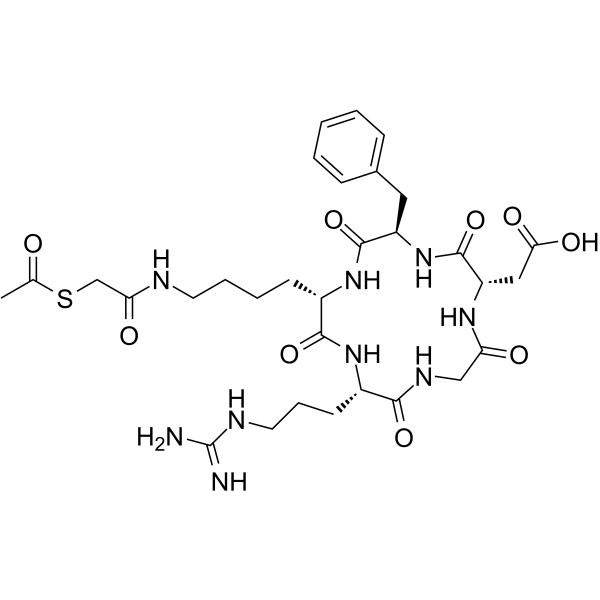
cRGDfK-thioacetyl ester is a selective αvβ3 integrin-binding peptide that mediates cellular uptake through integrins overexpressed on tumor cells. cRGDfK-thioacetyl ester is conjugated to maleimide-functionalized PLGA nanoparticles, which enhances nanoparticle uptake and improves accumulation and retention. cRGDfK-thioacetyl ester can be used in research related to tumor-targeted nanodelivery and cancer-targeted imaging .
loading...
    loading...
Cat. No.: HY-12929
CAS No.: 1629908-92-4
Purity:  99.86%
Synonyms: SU093
Target:  

Pim Apoptosis

Research Areas:  

Cancer

NSC756093 (SU093) is a GBP1:PIM1 interaction inhibitor. NSC756093 binds to GBP1-PIM1 with a Kd of 38 nM. NSC756093 suppresses proliferation, reduces migration, induces G1 phase cell-cycle arrest, and increases apoptotic cell death in ovarian cancer cells. NSC756093 reduces cellular proteasomal activity, induces accumulation of ubiquitinated proteins, and restrains tumor progression and lung metastasis in murine ovarian cancer xenograft models. NSC756093 increases sensitivity of prostate cancer cells to Docetaxel (HY-B0011) and sensitizes GBP1-overexpressing ovarian cancer cells to Paclitaxel (HY-B0015). NSC756093 can be used for the research of prostate cancer and ovarian cancer .
loading...
    loading...
Cat. No.: HY-W107409
CAS No.: 213473-00-8
Meridianin C is a marine natural product with anticancer activity. Meridianin C has significant inhibitory effects on four different human tongue cancer cells (YD-8, YD-10B, YD-38 and HSC-3). Meridianin C most strongly reduced the growth of YD-10B cells, the most aggressive and tumorigenic of the cell lines tested. Meridianin C also induced significant accumulation of large vesicles in YD-10B cells, validating its function through macrophagocytosis. Meridianin C reduces cellular levels of Dickkopf-related protein-3 (DKK-3), a known negative regulator of macrophagy. Meridianin C affects macrophagocytosis by downregulating DKK-3, thereby affecting cell proliferation .
loading...
    loading...
Cat. No.: HY-10277
CAS No.: 137215-12-4
Purity:  99.56%
Synonyms: SB-424323
Target:  

Thrombin

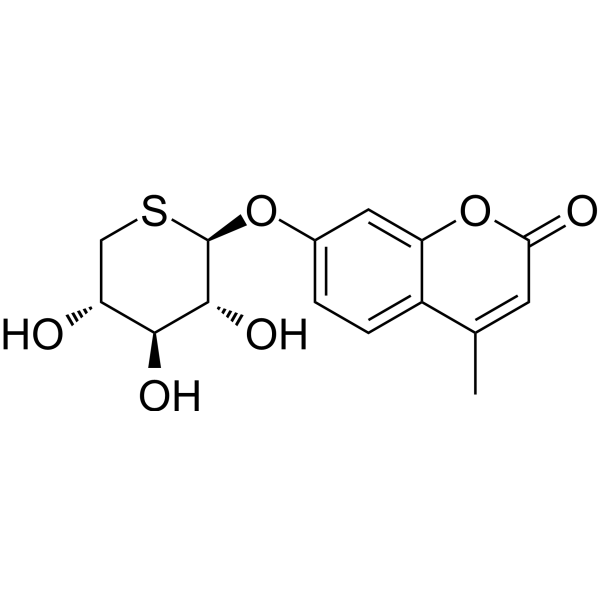
Odiparcil (SB-424323) is an orally active β-D-xyloside derivative. Odiparcil can effectively divert the synthesis of cellular glycosaminoglycans (GAG) into secreted soluble species and reduce GAG accumulation. Odiparcil shows antithrombin and antiplatelet activity. Odiparcil can be used for the researches of metabolic and cardiovascular disease, such as mucopolysaccharidoses (MPS) and thrombosis .
loading...
    loading...
Cat. No.: HY-168533
CAS No.: 2962103-54-2
Research Areas:  

Metabolic Disease

ZG-2305 is a potent, orally active and selective factor inhibiting hypoxia-inducible factor (FIH) inhibitor with Ki values of 79.6, 2786 nM for FIH, PHD2, respectively. ZG-2305 increases the expression of EGLN3 gene. ZG-2305 decreases the cellular triglycerides levels and reduces lipid accumulation. ZG-2305 has the potential for the research of obesity and fatty liver disease .
loading...
    loading...
Cat. No.: HY-P2483B
Target:  

Bacterial Proteasome

Octaarginine acetate is a cell-penetrating peptide and proteasome inhibitor. Octaarginine acetate exhibits mixed-type inhibition against 20S proteasome chymotrypsin-like, caspase-like, and trypsin-like activities, and inhibits 26S proteasome activity with decreased efficiency. Octaarginine acetate induces ubiquitin-conjugated protein accumulation, mediates HSPG-dependent cellular internalization via macropinocytosis, enhances liposomal cargo uptake and gene delivery. Octaarginine acetate can be used for the research of cervix carcinoma, collagen antibody-induced arthritis, and bacterial infections .
loading...
    loading...
Cat. No.: HY-P2483
CAS No.: 148796-86-5
Target:  

Proteasome Bacterial

Octaarginine is a cell-penetrating peptide and proteasome inhibitor. Octaarginine exhibits mixed-type inhibition against 20S proteasome chymotrypsin-like, caspase-like, and trypsin-like activities, and inhibits 26S proteasome activity with decreased efficiency. Octaarginine induces ubiquitin-conjugated protein accumulation, mediates HSPG-dependent cellular internalization via macropinocytosis, enhances liposomal cargo uptake and gene delivery. Octaarginine can be used for the research of cervix carcinoma, collagen antibody-induced arthritis, and bacterial infections .
loading...
    loading...
Cat. No.: HY-125209A
CAS No.: 2253744-57-7
Research Areas:  

Cancer

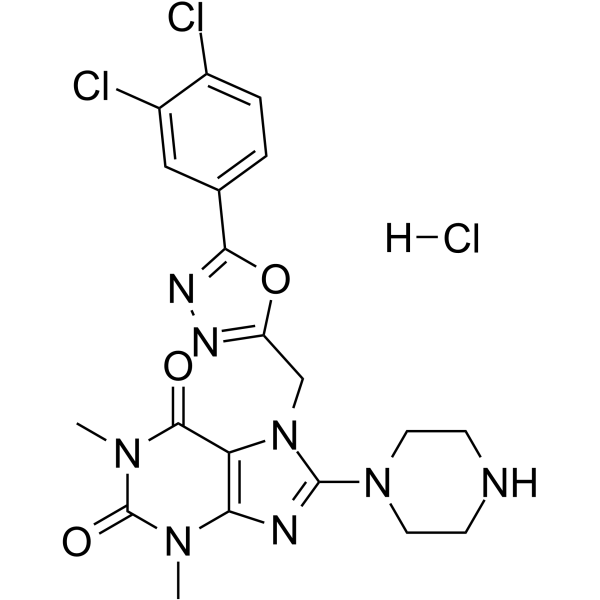
TH5427 hydrochloride is a NUDT5 inhibitor with a human target IC50 of 29 nM, ~690-fold selectivity over MTH1 in vitro, and selective functional inhibition over other NUDIX hydrolases including NUDT9 .TH5427 hydrochloride binds to the active site of NUDT5, blocking enzymatic activity related to ADP-ribose metabolism and PAR-derived ATP synthesis .TH5427 hydrochloride blocks progestin-dependent nuclear ATP synthesis, impairs progestin-induced chromatin remodeling, inhibits histone H1 displacement, disrupts progestin-dependent gene regulation, and abrogates progestin-dependent proliferation in breast cancer cells .TH5427 hydrochloride functions as a versatile probe to study nuclear ATP dynamics and ADP-ribose-related metabolism in cells .TH5427 hydrochloride engages NUDT5 at physiological temperatures, as demonstrated by Drug Affinity Responsive Target Stability (DARTS) assay .TH5427 hydrochloride stabilizes NUDT5 against thermal denaturation in cell lysates and intact cells, as shown by cellular thermal shift assay (CETSA) .TH5427 hydrochloride functionally inhibits NUDT5 activity, leading to downstream effects on oxidative DNA damage and DNA replication in triple-negative breast cancer (TNBC) cells .TH5427 hydrochloride suppresses proliferation of TNBC cells without inducing cell death or apoptosis, slows DNA replication in TNBC cells, promotes accumulation of oxidative DNA lesions, and triggers DNA damage response in TNBC cells .TH5427 hydrochloride suppresses growth of TNBC cells in vitro, inhibits growth of TNBC xenograft tumors in nude mice in vivo, and shows greater potency against TNBC cell lines compared to ER-positive and normal-like breast cell lines .TH5427 hydrochloride can be used for the research of breast cancer and triple-negative breast cancer .
loading...
    loading...
Cat. No.: HY-178192
mTORC1-IN-3 is a potent and selective mTORC1 inhibitor with an IC50 of 26.38 μM . mTORC1-IN-3 selectively inhibits the phosphorylation of mTORC1 substrates and does not without affect the phosphorylation of mTORC2 substrate. mTORC1-IN-3 can reduce cellular lipid accumulation and induce autophagy. mTORC1-IN-3 can be used for the researches of cancer, immunology, metabolic and neurological disease, such as diabetes and Alzheimer’s disease .
loading...
    loading...
Cat. No.: HY-P5287A
Research Areas:  

Cancer

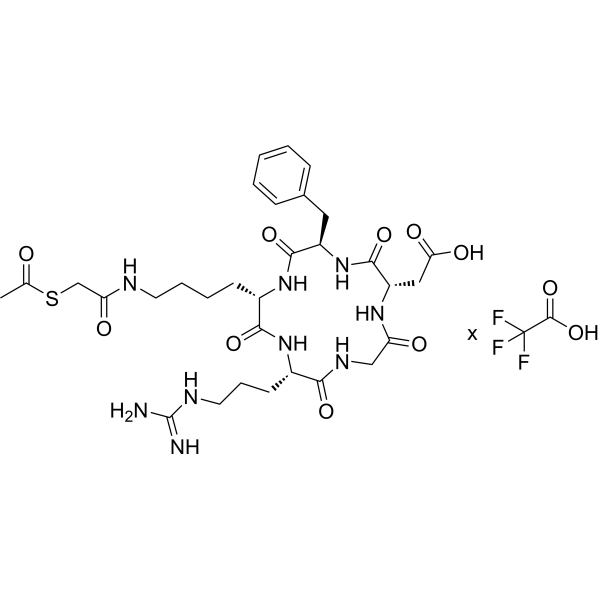
cRGDfK-thioacetyl ester TFA is a selective αvβ3 integrin-binding peptide that mediates cellular uptake through integrins overexpressed on tumor cells. cRGDfK-thioacetyl ester TFA is conjugated to maleimide-functionalized PLGA nanoparticles, which enhances nanoparticle uptake and improves accumulation and retention. cRGDfK-thioacetyl ester TFA can be used in research related to tumor-targeted nanodelivery and cancer-targeted imaging .
loading...
    loading...
Cat. No.: HY-175477
CAS No.: 2967648-29-7
Research Areas:  

Cancer

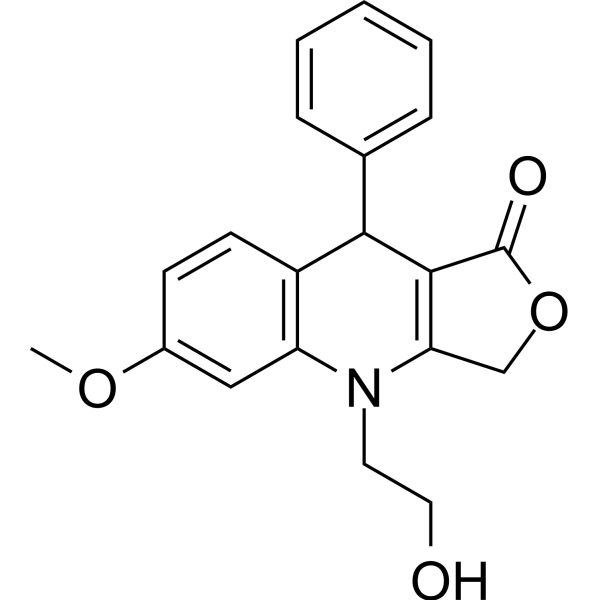
UNC9750 is an inositol phosphate multikinase (IPMK) inhibitor with IC50 values ​​of 31.6 and 374 nM for IPMK and IP6K2, respectively.. UNC9750 inhibits cellular accumulation of InsP5, the direct product of IPMK kinase activity, while having no effect on either InsP6 or InsP7 levels. UNC9750 has ≥ 75% inhibition of four kinases (DAPK1, DYRK1B, PDGFR, and KDR). UNC9750 can be used for the study of glioblastoma .
loading...
    loading...

