33 Results for "

cellular autophagy

" in MedChemExpress (MCE) Product Catalog:
Products (33)

33 Results for "cellular autophagy" in MCE Product Catalog:

74
74 Publications Verification
Cat. No.: HY-13323
CAS No.: 1138549-36-6
Purity:  99.49%
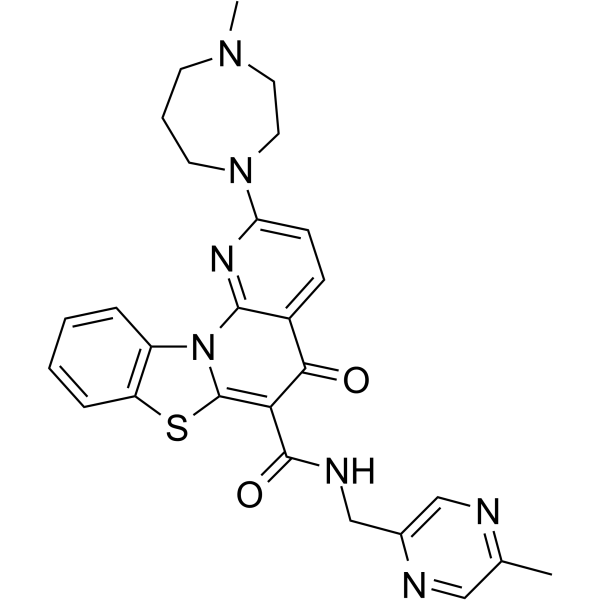
CX-5461 is a selective, orally active RNA polymerase I inhibitor. CX-5461 disrupts the formation of the SL1-rDNA complex, thereby blocking the transcription initiation of ribosomal RNA without altering the activity of RNA polymerase II, DNA replication, or protein translation processes. CX-5461 upregulates the expression of p21, MDM2, Sestrin1/2, and phosphorylated AMPKα, and reduces the level of phosphorylated Akt. CX-5461 induces G2/G2/M cell cycle arrest, Autophagy, Apoptosis, and cellular senescence, and activates CHK1, CHK2, and RPA. CX-5461 can be used in research related to osteosarcoma, cervical cancer, hematologic malignancies, high-grade serous ovarian cancer, and solid tumors .
loading...
    loading...
74
74 Publications Verification
Cat. No.: HY-13323A
Purity:  99.41%
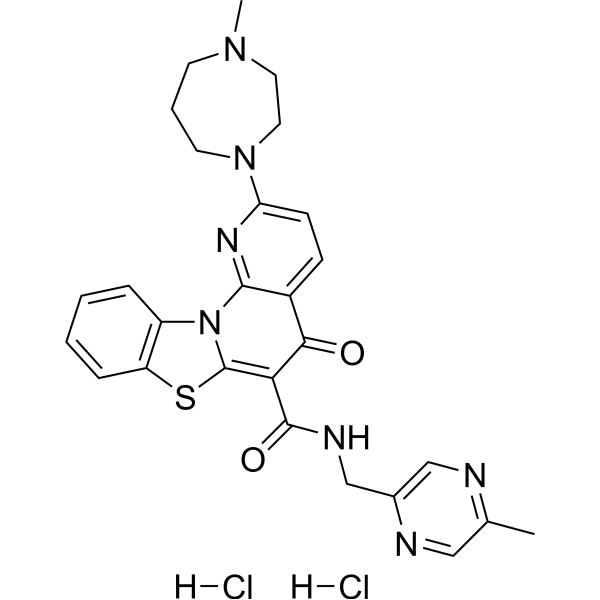
CX-5461 dihydrochloride is a selective, orally active RNA polymerase I inhibitor. CX-5461 dihydrochloride disrupts the formation of the SL1-rDNA complex, thereby blocking the transcription initiation of ribosomal RNA without altering the activity of RNA polymerase II, DNA replication, or protein translation processes. CX-5461 dihydrochloride upregulates the expression of p21, MDM2, Sestrin1/2, and phosphorylated AMPKα, and reduces the level of phosphorylated Akt. CX-5461 dihydrochloride induces G2/G2/M cell cycle arrest, Autophagy, Apoptosis, and cellular senescence, and activates CHK1, CHK2, and RPA. CX-5461 dihydrochloride can be used in research related to osteosarcoma, cervical cancer, hematologic malignancies, high-grade serous ovarian cancer, and solid tumors .
loading...
    loading...
2
2 Cited Publications
Cat. No.: HY-134238
CAS No.: 383907-10-6
Purity:  ≥99.0%
Cardiolipin (Heart, Bovine) sodium is a mitochondria-exclusive phospholipid that can be extracted from Bovine hear. Cardiolipin (Heart, Bovine) sodium can maintain mitochondrial function, regulate cellular metabolism and signaling and induce apoptosis and autophagy. Cardiolipin (Heart, Bovine) sodium can be coated on microtitre plates for ELISA assay. Cardiolipin (Heart, Bovine) sodium can be used for the researches of inflammation, immunology, cardiovascular and neurological disease .
loading...
    loading...
2
2 Cited Publications
Cat. No.: HY-10996A
CAS No.: 1784282-12-7
Purity:  99.65%
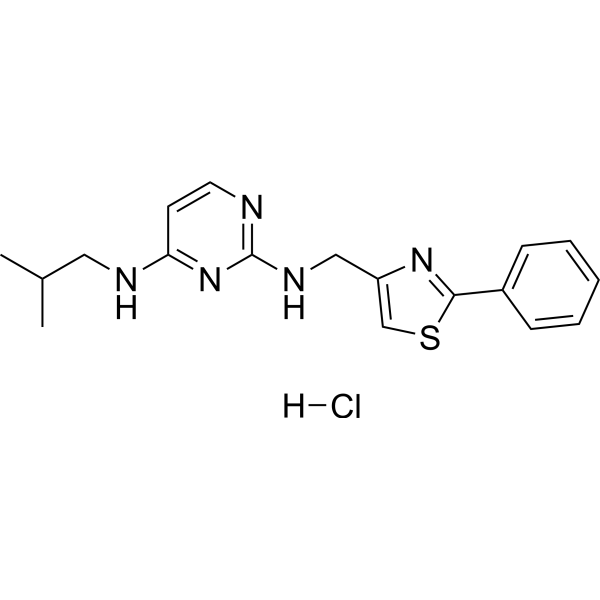
KHS101 is a blood-brain barrier-penetrant anticancer agent that primarily functions by inhibiting HSPD1 (IC50 = 14.4 μM) and TACC3 across different cellular backgrounds. KHS101 promotes the aggregation of HSPD1 with client proteins, destabilizes TACC3, and reduces the levels of TACC3, Aurora A and PLK1. KHS101 induces autophagy, apoptosis, cell cycle exit and neuronal differentiation; it suppresses cancer cell growth, motility, EMT and stemness; it also impairs mitochondrial bioenergetics and glycolysis in glioblastoma cells. KHS101 can be used in research related to glioblastoma multiforme and breast cancer .
loading...
    loading...
1
1 Cited Publications
Cat. No.: HY-134050
CAS No.: 2559703-06-7
Purity:  99.84%
Synonyms: Apt-1
Apostatin-1 (Apt-1) is a potent TRADD inhibitor. Apostatin-1 can bind with TRADD-N (KD=2.17 μM), disrupting its binding to both TRADD-C and TRAF2. Apostatin-1 modulates the ubiquitination of RIPK1 and beclin 1. Apostatin-1 blocks apoptosis and restores cellular homeostasis by activating autophagy in cells with accumulated mutant tau, α-synuclein, or huntingtin .
loading...
    loading...
1
1 Cited Publications
Cat. No.: HY-125927
CAS No.: 3868-33-5
Purity:  99.94%
Synonyms: 8-NH2-Ado
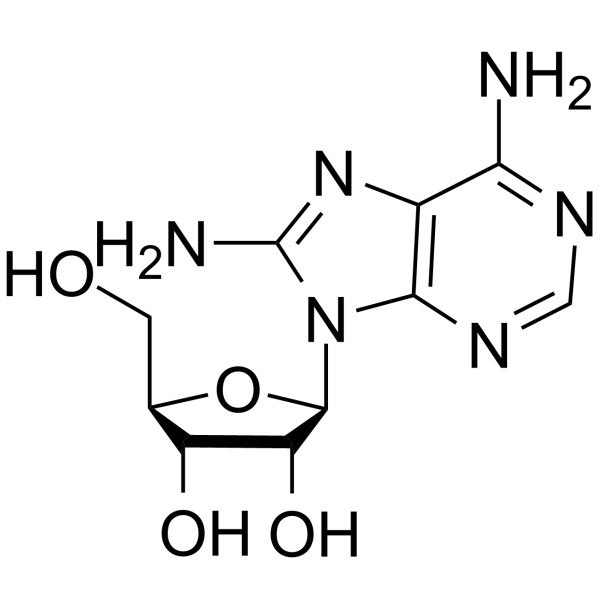
8-Aminoadenosine (8-NH2-Ado), a RNA-directed nucleoside analogue, reduces cellular ATP levels and inhibits mRNA synthesis. 8-Aminoadenosine blocks Akt/mTOR signaling and induces autophagy and apoptosis in a p53-independent manner. 8-Aminoadenosine has antitumor activity .
loading...
    loading...
Cat. No.: HY-100355
CAS No.: 2304-81-6
Purity:  99.95%
Synonyms: C18-Ceramide
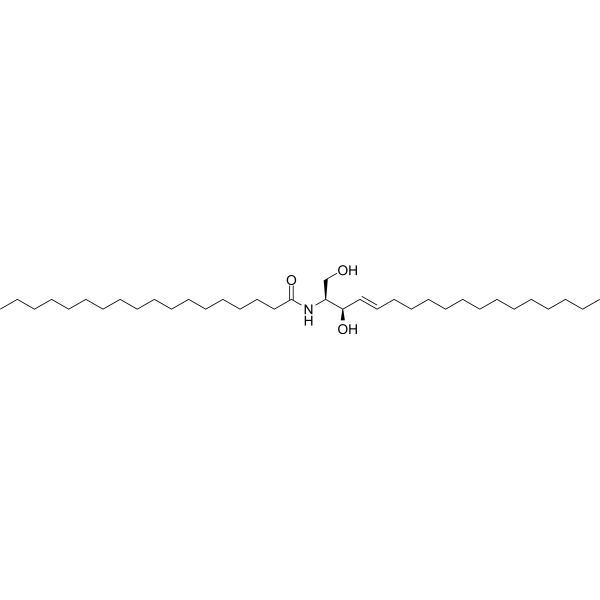
C18-Ceramide (d18:1/18:0) is a bioactive molecule with multiple functions in cells, not a traditional agonist or inhibitor targeting a single site. It can act on multiple cellular targets, such as proteins related to endoplasmic reticulum stress (e.g., ATF-4, XBP-1, CHOP), proteins in the PI3K/AKT signaling pathway, and SNARE complex proteins. It exerts activities like inducing cell death, promoting autophagy, and regulating exocytosis through mechanisms such as activating endoplasmic reticulum stress, inhibiting the PI3K/AKT signaling pathway, and affecting lipid raft - related functions. It can be used in research on the mechanism of neuronal injury in the field of neuroscience and in the treatment research of cancers such as glioma in the field of oncology .
loading...
    loading...
Cat. No.: HY-W782399
CAS No.: 17363-08-5
Synonyms: Sodium boranocarbonate
CORM-A1 (Sodium boranocarbonate) is a water-soluble carbon monoxide (CO) releasing molecule that facilitates the investigation of CO's impact on cellular systems. As CO is generated from heme degradation by the enzyme heme oxygenase, it serves as a crucial gaseous signaling mediator in mammalian cells. CORM-A1 not only exhibits anti-oxidant and anti-inflammatory properties but also regulates CO release in a manner dependent on pH and temperature, promoting mild vasorelaxation and hypotension. Furthermore, CORM-A1 has been shown to provide cytoprotection in primary cultures of astrocytes under oxidative stress while also enhancing autophagy due to its boron-containing composition.
loading...
    loading...
Cat. No.: HY-N0867
CAS No.: 54706-70-6
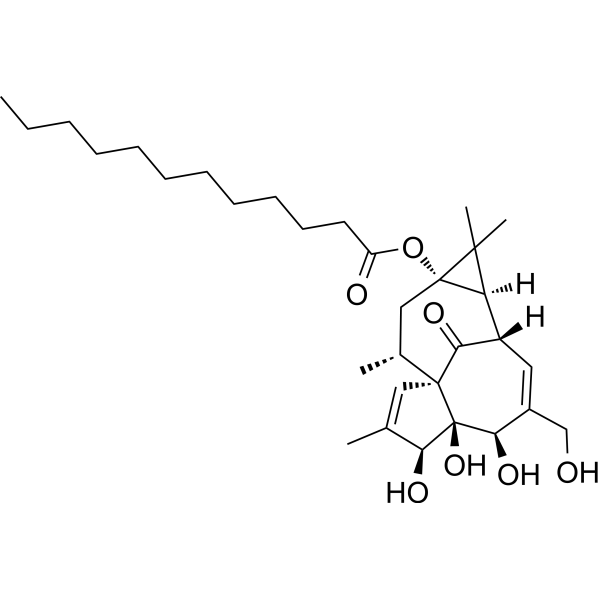
13-Oxyingenol-dodecanoate (13OD) is a tumor suppressor agent. 13-Oxyingenol-dodecanoate has anti-HIV-1 activity with EC50 value of 33.7 nM .13-Oxyingenol-dodecanoate can induce the expression of ULK1 to effect mitochondrial dysfunction and cellular autophagy. 13-Oxyingenol-dodecanoate also increases the expression of BAX and suppresses the expression of BCL-2 to effect apoptosis .
loading...
    loading...
Cat. No.: HY-131364
CAS No.: 2469975-55-9
Purity:  98.61%
Research Areas:  

Cancer

Nur77 modulator 1 is a good Nur77 binder (KD = 3.58 μM). Nur77 modulator 1 up-regulates Nur77 expression, mediates sub-cellular localization of Nur77, induces Nur77-dependent ER stress and autophagy, and results in cell apoptosis. Anti-hepatoma activity .
loading...
    loading...
Cat. No.: HY-150286
CAS No.: 919023-94-2
Target:  

Prion Protein

Research Areas:  

Neurological Disease

SM875 is a cellular prion protein (PrP) degrader (IC50: 7.87 μM). SM875 targets PrP folding intermediates and promotes its degradation through the autophagy-lysosomal pathway. SM875 only acts on nascent, immature PrP molecules and has no effect on mature PrP before synthesis. SM875 can inhibit prion replication and has potential in the study of neurodegenerative diseases (i.e., prion diseases) .
loading...
    loading...
Cat. No.: HY-125197
CAS No.: 2446154-91-0
Target:  

Autophagy

Research Areas:  

Inflammation/Immunology

BRD5631 is an autophagy enhancer, enhances autophagy through an mTOR-independent pathway. BRD5631 affects several cellular disease phenotypes previously linked to autophagy, including protein aggregation, cell survival, bacterial replication, and inflammatory cytokine production .
loading...
    loading...
Cat. No.: HY-178192
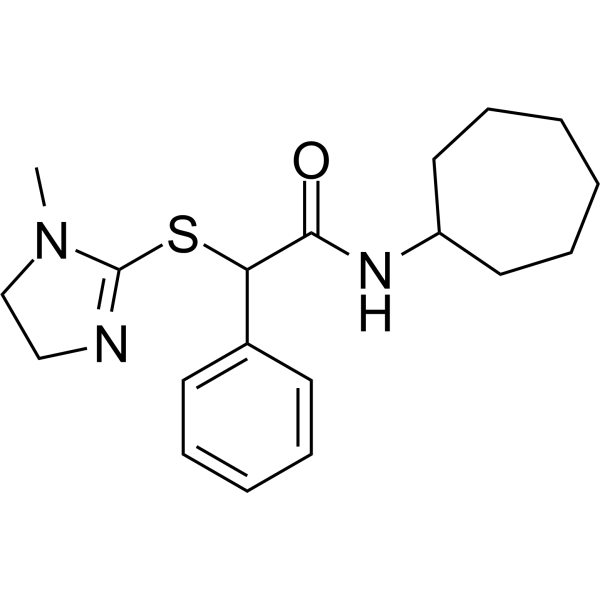
mTORC1-IN-3 is a potent and selective mTORC1 inhibitor with an IC50 of 26.38 μM . mTORC1-IN-3 selectively inhibits the phosphorylation of mTORC1 substrates and does not without affect the phosphorylation of mTORC2 substrate. mTORC1-IN-3 can reduce cellular lipid accumulation and induce autophagy. mTORC1-IN-3 can be used for the researches of cancer, immunology, metabolic and neurological disease, such as diabetes and Alzheimer’s disease .
loading...
    loading...
Cat. No.: HY-174292
CAS No.: 2376852-25-2
Target:  

p62 Autophagy

Research Areas:  

Cancer

YTK-1305 is a p62 ligand compound that promotes cellular autophagy .
loading...
    loading...
Cat. No.: HY-174157
CAS No.: 1290546-06-3
Target:  

Autophagy AMPK

AR493 is an autophagy activator acting on AMPK (adenosine monophosphate-activated protein kinase). AR493 regulates pathways related to cellular energy sensing and increases autophagy levels. AR493 is promising for research of aging-associated diseases (such as diabetes, neurodegenerative diseases) and autophagy regulation .
loading...
    loading...
Cat. No.: HY-147656
CAS No.: 3011778-39-2
Target:  

ATTECs NAMPT Autophagy

Research Areas:  

Cancer

NAMPT degrader-1 (Compound A3), an autophagosome-tethering compound (ATTEC), is an nicotinamide phosphoribosyltransferase (NAMPT) degrader with an IC50 of 0.023 μM. NAMPT degrader-1 significantly induces the degradation of NAMPT through the autophagy-lysosomal pathway and shows excellent cellular antitumor potency .
loading...
    loading...
Cat. No.: HY-161872
Target:  

Autophagy p62

Research Areas:  

Cancer

LC3in-C42 is a cell-active LC3A/B and autophagy covalent inhibitor. LC3in-C42 selectively inhibits the binding of P62 to LC3A/B in vitro and at the cellular level like D5 and can function on a lower concentration .
loading...
    loading...
Cat. No.: HY-10996
CAS No.: 1262770-73-9
KHS101 is a blood-brain barrier-penetrant anticancer agent that primarily functions by inhibiting HSPD1 (IC50 = 14.4 μM) and TACC3 across different cellular backgrounds. KHS101 promotes the aggregation of HSPD1 with client proteins, destabilizes TACC3, and reduces the levels of TACC3, Aurora A and PLK1. KHS101 induces autophagy, apoptosis, cell cycle exit and neuronal differentiation; it suppresses cancer cell growth, motility, EMT and stemness; it also impairs mitochondrial bioenergetics and glycolysis in glioblastoma cells. KHS101 can be used in research related to glioblastoma multiforme and breast cancer .
loading...
    loading...
Cat. No.: HY-13323R
CAS No.: 1138549-36-6
CX-5461 (Standard) is the analytical standard of CX-5461 (HY-13323). This product is intended for research and analytical applications. CX-5461 is a selective, orally active RNA polymerase I inhibitor. CX-5461 disrupts the formation of the SL1-rDNA complex, thereby blocking the transcription initiation of ribosomal RNA without altering the activity of RNA polymerase II, DNA replication, or protein translation processes. CX-5461 upregulates the expression of p21, MDM2, Sestrin1/2, and phosphorylated AMPKα, and reduces the level of phosphorylated Akt. CX-5461 induces G2/G2/M cell cycle arrest, Autophagy, Apoptosis, and cellular senescence, and activates CHK1, CHK2, and RPA. CX-5461 can be used in research related to osteosarcoma, cervical cancer, hematologic malignancies, high-grade serous ovarian cancer, and solid tumors .
loading...
    loading...
Cat. No.: HY-P10343
CAS No.: 125585-15-1
Target:  

Autophagy

Research Areas:  

Inflammation/Immunology

Soybean peptide QRPR is an agonist of Autophagy. Soybean peptide QRPR activates cellular autophagy by upregulating the expression and activity of PIK3, AKT, and mTOR. Soybean peptide QRPR can reduce the inflammatory response .
loading...
    loading...

