
138 Results for "

cellular membranes

" in MedChemExpress (MCE) Product Catalog:
Products (138)

138 Results for "cellular membranes" in MCE Product Catalog:

38
38 Publications Verification
Cat. No.: HY-141511
CAS No.: 874748-20-6
Purity:  97.74%
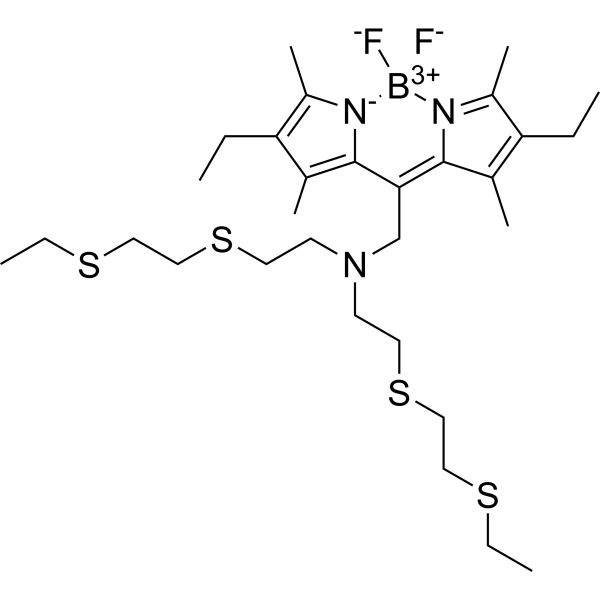
Coppersensor-1 (CS1) is a membrane-permeable fluorescent dye. Coppersensor-1 has a picomolar affinity for Cu + with high selectivity over competing cellular metalions. Coppersensor-1 as a probe, can selective and sensitive detection of copper(I) ions (Cu +) in biological samples, including live cells. Coppersensor-1 can be used for the research of imaging of severe diseases such as cancer, cardiovascular disorders and neurogenerative diseases .
loading...
    loading...
9
9 Cited Publications
Cat. No.: HY-101897
CAS No.: 108964-32-5
Purity:  99%
Synonyms: Fura-2 Acetoxymethyl ester
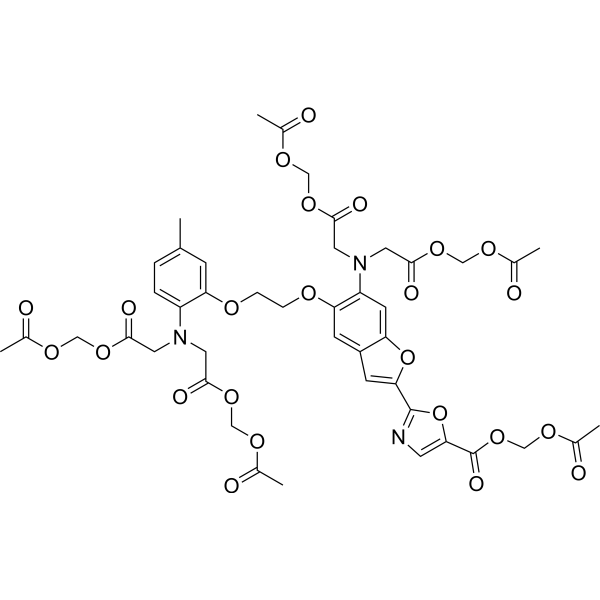
Fura-2 AM is a membrane permeable, intracellular, UV light-excitable and ratiometric fluorescent Ca 2+ (calcium ion) indicator. Fura-2 AM crosses cell membranes and is converted to Fura-2 (HY-D0110A) via cellular esterases. Fura-2 AM can be used to detect calcium in cells.
loading...
    loading...
8
8 Cited Publications
Cat. No.: HY-113596
CAS No.: 102029-73-2
Purity:  99.22%
Synonyms: Acetyl-CoA trisodium
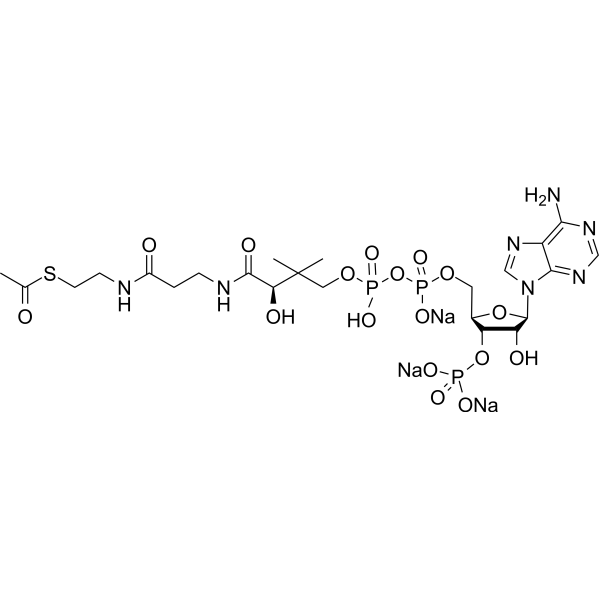
Acetyl-coenzyme A (Acetyl-CoA) trisodium is a membrane-impermeant central metabolic intermediate, participates in the TCA cycle and oxidative phosphorylation metabolism. Acetyl-coenzyme A trisodium, regulates various cellular mechanisms by providing (sole donor) acetyl groups to target amino acid residues for post-translational acetylation reactions of proteins. Acetyl Coenzyme A trisodium is also a key precursor of lipid synthesis .
loading...
    loading...
8
8 Cited Publications
Cat. No.: HY-113596A
CAS No.: 32140-51-5
Purity:  97%
Synonyms: Acetyl-CoA lithium
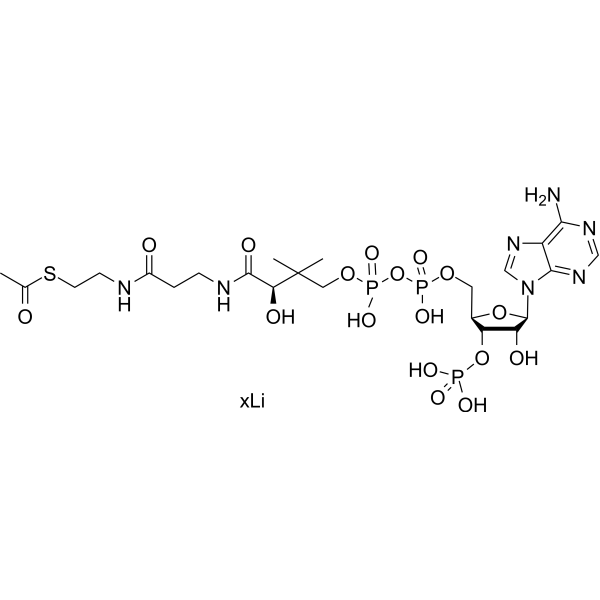
Acetyl-coenzyme A (Acetyl-CoA) lithium is a membrane-impermeant central metabolic intermediate, participates in the TCA cycle and oxidative phosphorylation metabolism. Acetyl-coenzyme A lithium, regulates various cellular mechanisms by providing (sole donor) acetyl groups to target amino acid residues for post-translational acetylation reactions of proteins. Acetyl Coenzyme A lithium is also a key precursor of lipid synthesis .
loading...
    loading...
7
7 Cited Publications
Cat. No.: HY-110082
CAS No.: 130-89-2
Quinine hydrochloride is an alkaloid extracted from cinchona bark and exhibits oral activity, acting as a potassium channel inhibitor. Quinine hydrochloride modulates the tolerance of red blood cells and presents dose-dependent toxicity and embryonic effects. Quinine hydrochloride is a typical hemolysin that directly lyses red blood cells, with cellular components of red blood cell membranes as its action targets. Quinine hydrochloride disrupts red blood cell membranes and induces hemolysis at high concentrations, while merely weakening the anti-hemolytic capacity of red blood cells at low concentrations. Quinine hydrochloride continuously reduces red blood cell tolerance after in vivo administration, and high doses can also alter blood cell counts. Quinine hydrochloride can be applied to researches related to red blood cell hemolysis, cancer and malaria .
loading...
    loading...
1
1 Cited Publications
Cat. No.: HY-P3029
CAS No.: 9001-84-7
Synonyms: PLA2
Phospholipase A2 (PLA2) is a calcium-dependent, heat-stable enzyme that catalyzes the hydrolysis of glycerophospholipids at the sn-2 position of cellular membranes, thereby releasing Arachidonic Acid (AA) (HY-109590). Phospholipase A2 is a key mediator in the biosynthesis of pro-inflammatory lipid mediators, critically involved in inflammatory processes. Phospholipase A2 can be used for cardiovascular and inflammatory diseases research .
loading...
    loading...
1
1 Cited Publications
Cat. No.: HY-N8015
CAS No.: 124-13-0
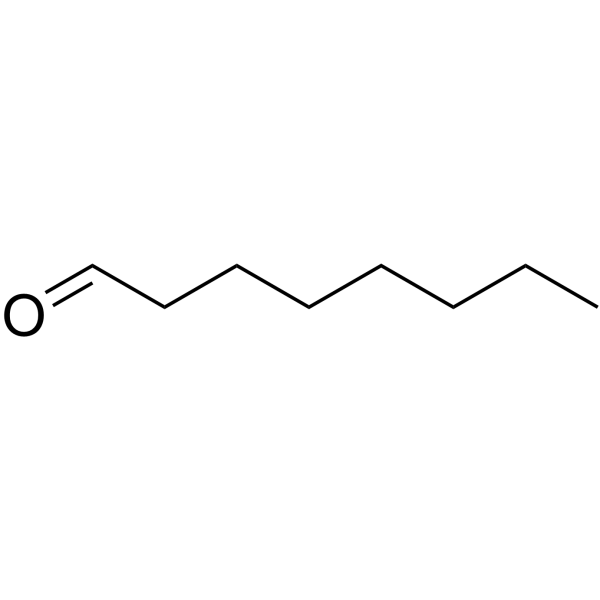
Octanal is a fragrant aldehyde with antioxidant and antibacterial activity. Its antifungal effect against G. citri-aurantii may be related to the disruption of cell membrane integrity and the leakage of cellular components. Additionally, Octanal exhibits cytotoxicity towards HeLa cells, with an IC50 value of 3.5 μg/mL .
loading...
    loading...
1
1 Cited Publications
Cat. No.: HY-D1694
CAS No.: 1064123-31-4
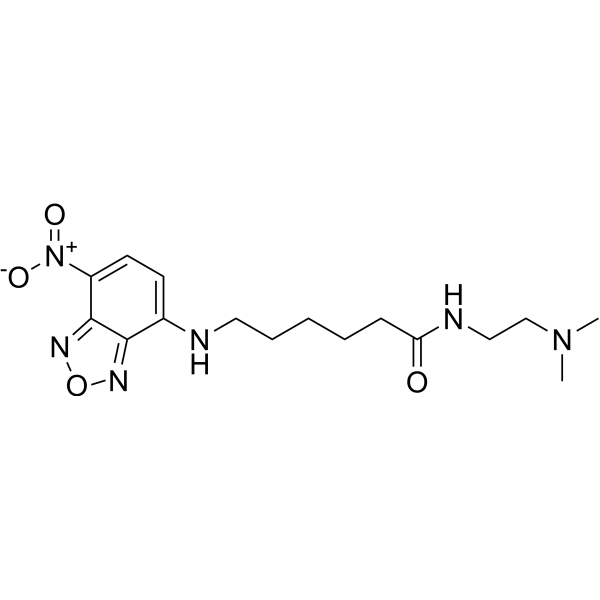
LysoTracker Yellow HCK 123 is a potent yellow membrane-permeable fluorescent probe. LysoTracker Yellow HCK 123 is a weakly basic amine that selectively accumulates in cellular compartments with low luminal pH .
loading...
    loading...
1
1 Cited Publications
Cat. No.: HY-157624
CAS No.: 96998-01-5
Purity:  ≥99.0%
Synonyms: 18:0-22:6 PE
Target:  

Liposome

Research Areas:  

Others

1-Stearoyl-2-docosahexaenoyl-sn-glycero-3-phosphoethanolamine (18:0-22:6 PE) is a lipid compound that can be used for liposome preparation. Liposomes are the main component of vesicles with concentric phospholipid bilayer membranes, which can be used to construct drug delivery systems for anti-cancer and anti-infection fields. Highly polar water-soluble loads can be captured in the internal aqueous space of liposomes, while lipophilic loads can be distributed into the lipid bilayer and become part of the lipid bilayer. Especially for the delivery of antisense oligonucleotides, it can overcome the problems of inefficient cellular uptake and rapid loss in the body.
loading...
    loading...
1
1 Cited Publications
Cat. No.: HY-129139
CAS No.: 111613-04-8
Purity:  95.71%
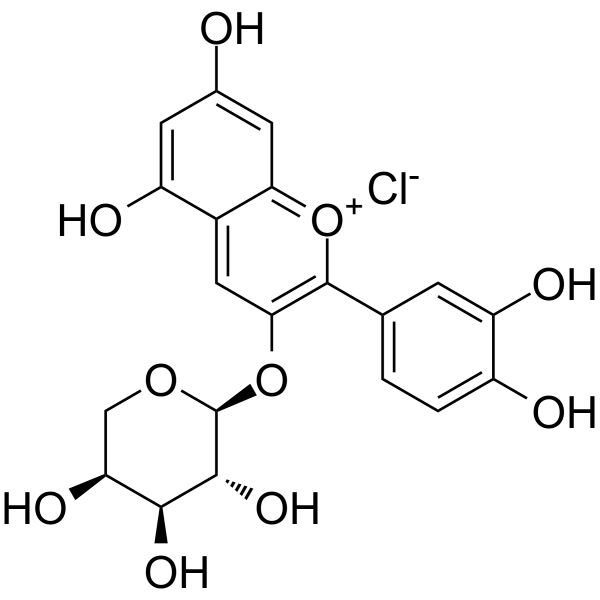
Cyanidin-3-O-arabinoside is a p38 MAPK phosphorylation inhibitor. Cyanidin-3-O-arabinoside reduces the expression of VDAC1, inhibits mtROS accumulation, reverses cellular senescence, blocks excessive mitochondrial calcium influx, reduces the formation of mitochondria-associated endoplasmic reticulum membranes, and suppresses the VDAC1-IP3R1 interaction. Cyanidin-3-O-arabinoside activates hair follicle stem cell proliferation and improves the condition of slowed hair growth. Cyanidin-3-O-arabinoside is applicable to research related to colon cancer and androgenetic alopecia .
loading...
    loading...
1
1 Cited Publications
Cat. No.: HY-W583868
CAS No.: 26662-94-2
Synonyms: 1,2-POPE; 16:0-18:1 PE
Target:  

Liposome

Research Areas:  

Others

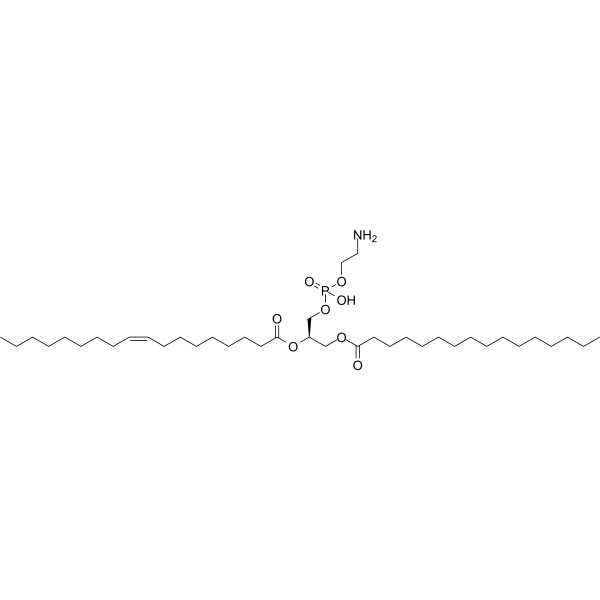
1-Palmitoyl-2-oleoyl-sn-glycero-3-PE (1,2-POPE; 16:0-18:1 PE) is a phosphatidylethanolamine (PE) lipid. 1-Palmitoyl-2-oleoyl-sn-glycero-3-PE can induce lipid bilayer to form a hexagonal phase (HII) structure in an acidic environment and promote membrane fusion. 1-Palmitoyl-2-oleoyl-sn-glycero-3-PE can enhance the endosomal escape ability of lipid nanoparticles (LNPs) and improve the cellular delivery efficiency of nucleic acid drugs such as mRNA. 1-Palmitoyl-2-oleoyl-sn-glycero-3-PE can be used for LNP carrier targeting of gene therapy and mRNA vaccines .
loading...
    loading...
1
1 Cited Publications
Cat. No.: HY-121970
CAS No.: 27031-00-1
iGP-1 is a cell-permeable, selective mixed inhibitor of mitochondrial sn-glycerol-3-phosphate dehydrogenase (mGPDH), with IC50s of 6.3 μM and 13.6 μM for rat mGPDH activity and H2O2 production, respectively. iGP-1 specifically blocks the mitochondrial component of the glycerophosphate shuttle without affecting cytosolic GPDH. iGP-1 not only inhibits cell proliferation and glutaminolysis, and enhances glycolysis, but also significantly alters key cellular physiological processes such as apoptosis, ROS production, HIF-1α stability and mitochondrial membrane potential. iGP-1 remains active in neutrophil cultures under both normoxic and hypoxic conditions, and serves as an ideal probe for glycerol-3-phosphate metabolic mechanisms. iGP-1 has been applied to studies on prostate cancer and related metabolic pathways .
loading...
    loading...
Cat. No.: HY-114293A
CAS No.: 75520-41-1
Synonyms: Acetyl-CoA trilithium
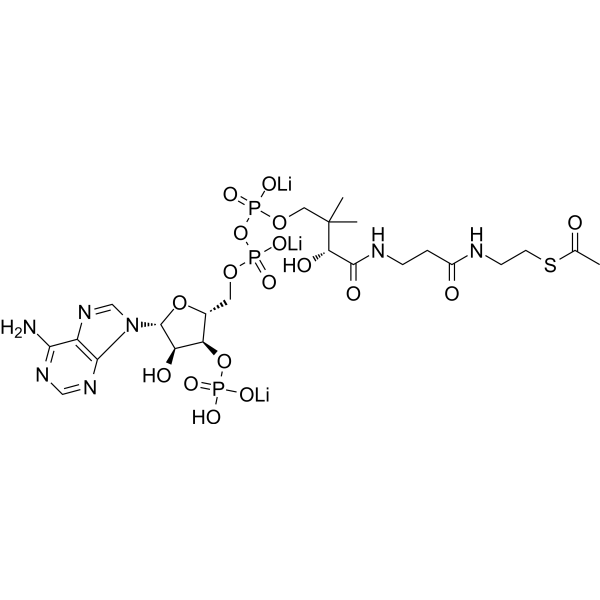
Acetyl-coenzyme A (Acetyl-CoA) trilithium is a membrane-impermeant central metabolic intermediate, participates in the TCA cycle and oxidative phosphorylation metabolism. Acetyl-coenzyme A trilithium regulates various cellular mechanisms by providing (sole donor) acetyl groups to target amino acid residues for post-translational acetylation reactions of proteins. Acetyl Coenzyme A trilithium is also a key precursor of lipid synthesis .
loading...
    loading...
Cat. No.: HY-P99853
CAS No.: 1393659-46-5
Synonyms: CR6261

Target:  

Influenza Virus

Research Areas:  

Infection

Diridavumab is a monoclonal anti-HA stalk antibody. Diridavumab stabilizes the prefusion HA structure and prevents pH-dependent fusion of cellular and viral membranes in endosomes. Diridavumab can be used in research of H2 influenza virus .
loading...
    loading...
Cat. No.: HY-114293
CAS No.: 72-89-9
Synonyms: Acetyl-CoA
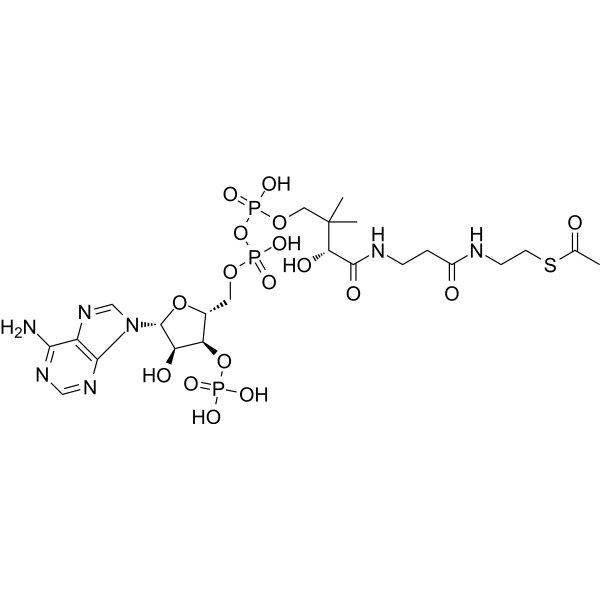
Acetyl-coenzyme A (Acetyl-CoA) is a membrane-impermeant central metabolic intermediate, participates in the TCA cycle and oxidative phosphorylation metabolism. Acetyl-coenzyme A, regulates various cellular mechanisms by providing (sole donor) acetyl groups to target amino acid residues for post-translational acetylation reactions of proteins. Acetyl Coenzyme A is also a key precursor of lipid synthesis .
loading...
    loading...
Cat. No.: HY-P4121
CAS No.: 1898254-09-5
Target:  

Potassium Channel

Research Areas:  

Inflammation/Immunology Cancer

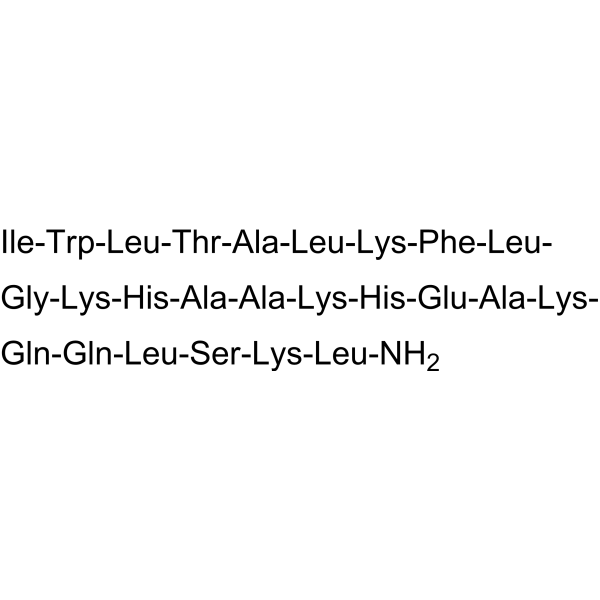
L17E is an attenuated cationic amphiphilic lytic (ACAL) peptide that can be used to deliver a variety of macromolecules, including proteins, antibodies, and DNA nanostructures. L17E inserts and cleaves the membrane structure through electrostatic interaction, enabling intracellular escape. The efficiency of L17E-mediated delivery is strongly correlated with the expression level of KCNN4 (the gene encoding the calcium-activated potassium channel KCa3.1). L17E also promotes the cellular uptake of macromolecules by inducing micropinocytosis. L17E can be further optimized and improved through dimerization strategies and in combination with other delivery systems, such as nuclear localization signal peptides and cell membrane-coated nanoparticles .
loading...
    loading...
Cat. No.: HY-139533
CAS No.: 383907-36-6
Purity:  ≥99.0%
Research Areas:  

Others

Phosphatidylinositols, soya, sodium salts is a mixture of phosphatidylinositols. Phosphoinositides are lipids involved in the vesicular transport of proteins and lipids between the different compartments of eukaryotic cells. They act by recruiting and/or activating effector proteins and thus are involved in regulating various cellular functions, such as vesicular budding, membrane fusion and cytoskeleton dynamics .
loading...
    loading...
Cat. No.: HY-128852
CAS No.: 14215-68-0
Purity:  ≥98.0%
N-Acetyl-D-galactosamine (GalNAc) is a terminal essential amino sugar derived from galactose and forms the antigens of blood group A in humans. N-Acetyl-D-galactosamine (GalNAc) interact with Soya bean agglutinin (SBA), hence decreasing the effects of SBA on cellular membrane permeability and tight junction protein expression in piglets . N-Acetyl-D-galactosamine (GalNAc) inhibits the hemagglutinating activity by the lectin .
loading...
    loading...
Cat. No.: HY-112747
CAS No.: 97281-51-1
Synonyms: LPI; PE (soy)
Target:  

Phospholipase

Research Areas:  

Infection

Soy PE (LPI) is the most abundant phospholipid in prokaryotes and the second most abundant found in the membrane of mammalian, plant, and yeast cells, comprising approximately 25% of total mammalian phospholipids. In the brain, phosphatidylethanolamine comprises almost half of the total phospholipids. It is synthesized mainly through the cytidine diphosphate-ethanolamine and phosphatidylserine decarboxylation pathways, which occur in the endoplasmic reticulum (ER) and mitochondrial membranes, respectively. It is a precursor in the synthesis of phosphatidylcholine and arachidonoyl ethanolamide and is a source of ethanolamine used in various cellular functions. In E.coli, phosphatidylethanolamine deficiency prevents proper assembly of lactose permease, suggesting a role as a lipid chaperone. It is a cofactor in the propagation of prions in vitro and can convert recombinant mammalian proteins into infectious molecules even in the absence of RNA. This product contains phosphatidylethanolamine molecular species with variable fatty acyl chain lengths at the sn-1 and sn-2 positions .
loading...
    loading...
Cat. No.: HY-114293S
Purity:  97.40%
Synonyms: Acetyl-CoA-13C2 lithium
Acetyl coenzyme A- 13C2 lithium is the 13C-labeled Acetyl coenzyme A (HY-114293). Acetyl-coenzyme A (Acetyl-CoA) is a membrane-impermeant central metabolic intermediate, participates in the TCA cycle and oxidative phosphorylation metabolism. Acetyl-coenzyme A, regulates various cellular mechanisms by providing (sole donor) acetyl groups to target amino acid residues for post-translational acetylation reactions of proteins. Acetyl Coenzyme A is also a key precursor of lipid synthesis .
loading...
    loading...

