381 Results for "

ceramides

" in MedChemExpress (MCE) Product Catalog:
Products (381)

381 Results for "ceramides" in MCE Product Catalog:

10
10 Publications Verification
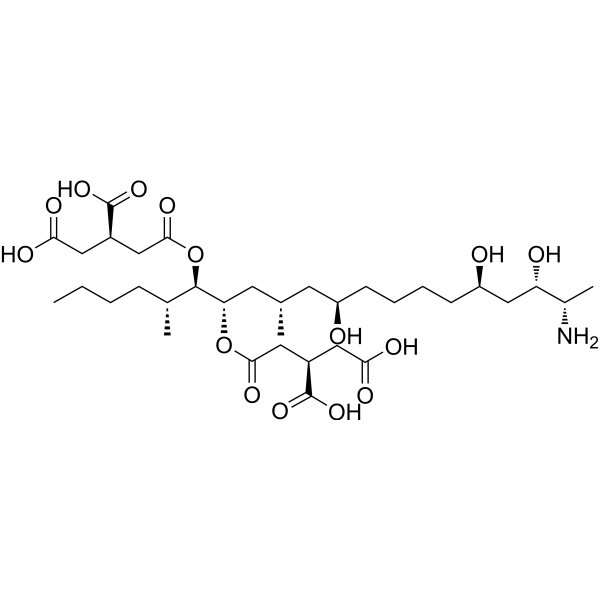
Cat. No.: HY-N6719
CAS No.: 116355-83-0
Fumonisin B1 is a mycotoxin produced from Fusarium moniliforme. Fumonisin B1 is a potent inhibitor of sphingosine N-acyltransferase (ceramide synthase) and disrupts de novo sphingolipid biosynthesis. Fumonisin B1 is the most abundant and toxic fumonisin .
loading...
    loading...
8
8 Cited Publications
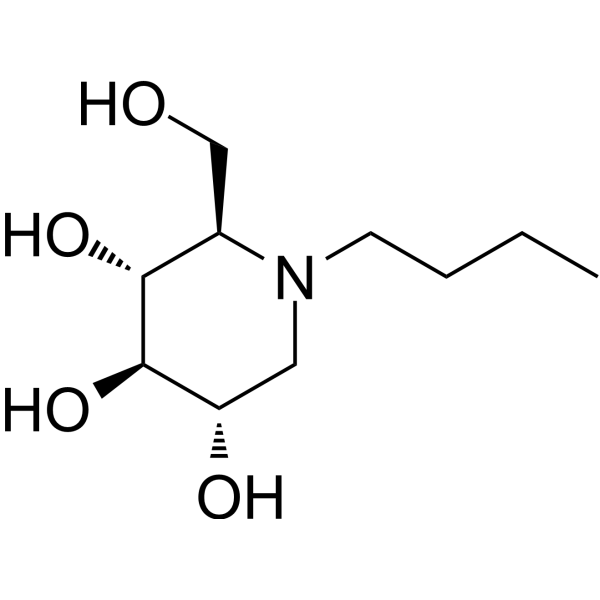
Cat. No.: HY-17020
CAS No.: 72599-27-0
Synonyms: N-Butyldeoxynojirimycin; NB-DNJ; OGT 918
Miglustat (N-Butyldeoxynojirimycin) is an orally active and reversible ceramide glucosyltransferase inhibitor. Miglustat can be used for the research of type I gaucher disease .
loading...
    loading...
8
8 Cited Publications
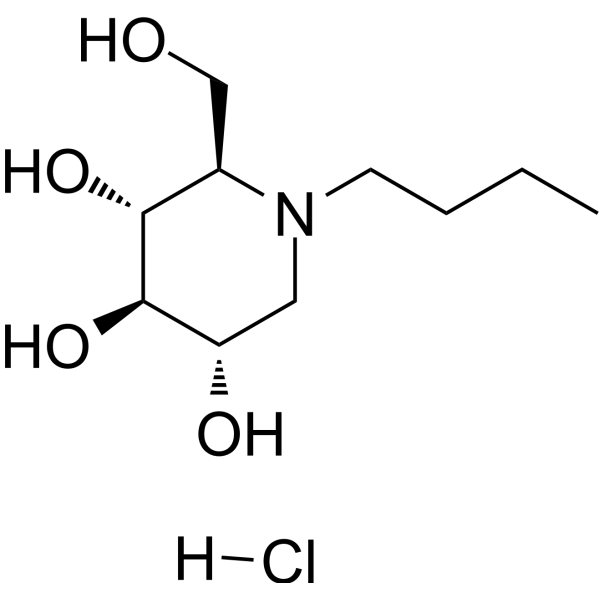
Cat. No.: HY-17020A
CAS No.: 210110-90-0
Synonyms: N-Butyldeoxynojirimycin hydrochloride; NB-DNJ hydrochloride; OGT 918 hydrochloride
Miglustat (N-Butyldeoxynojirimycin) hydrochloride is an orally active and reversible ceramide glucosyltransferase inhibitor, with blood-brain barrier permeability. Miglustat hydrochloride can be used for the research of type I gaucher disease .
loading...
    loading...
8
8 Cited Publications
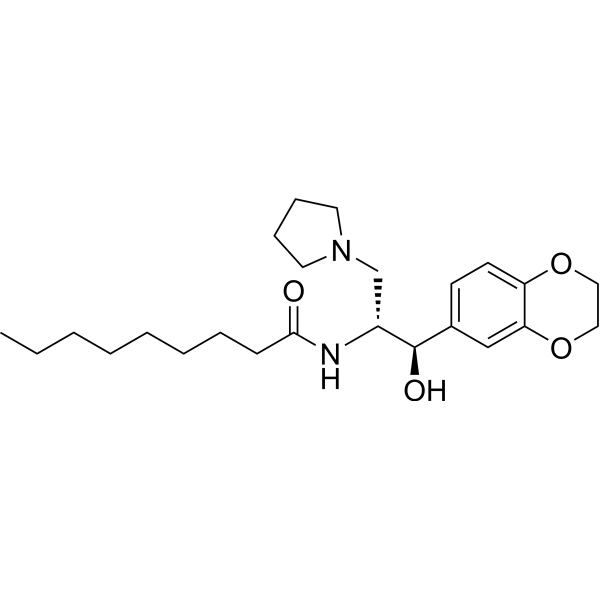
Cat. No.: HY-12744
CAS No.: 491833-30-8
Purity:  99.57%
Research Areas:  

Metabolic Disease Cancer

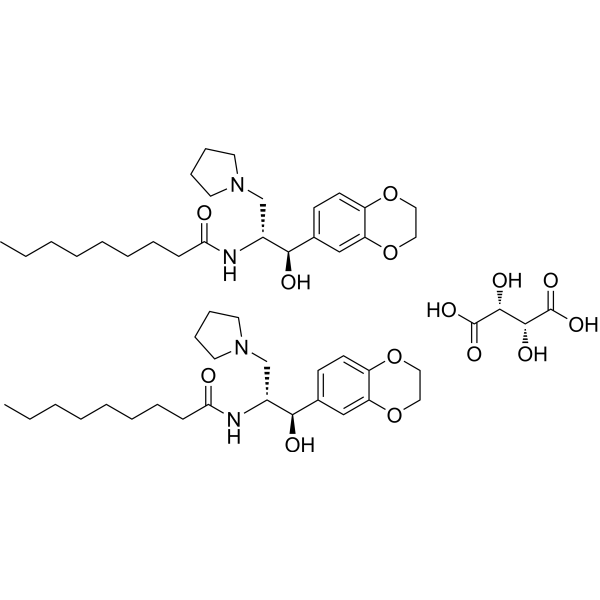
Genz-123346 free base is an orally available inhibitor of glucosylceramide synthase. Genz-123346 blocks the conversion of ceramide to glucosylceramide (GL1) and inhibits GM1 with an IC50 of 14 nM .
loading...
    loading...
8
8 Cited Publications
Cat. No.: HY-12744A
CAS No.: 943344-58-9
Research Areas:  

Metabolic Disease

Genz-123346 is a potent, orally available glucosylceramide synthase inhibitor. Genz-123346 blocks the conversion of ceramide to glucosylceramide (GL1) and inhibits GM1 with an IC50 value of 14 nM .
loading...
    loading...
8
8 Cited Publications
Cat. No.: HY-13822
CAS No.: 312636-16-1
Purity:  99.25%
SKI-II is an orally active dual-target inhibitor of SphK1/2 and DES1, with Ki values of 16 µM and 0.3 µM against SphK1 and DES1, respectively. SKI-II activates the PERK-Nrf2 antioxidant pathway by stabilizing Nrf2, and synergizes with Temozolomide (HY-17364) to induce oxidative/endoplasmic reticulum stress and cancer cell death under hypoxic conditions. In vivo, SKI-II inhibits SphK activity, promotes ceramide accumulation and apoptosis, and synergizes with Cisplatin (HY-17394) to reverse drug resistance via the ras/MAPK pathway. SKI-II reduces measles virus replication by inhibiting mTORC1 activity. SKI-II binds to VCP to induce M1 polarization, enhances host tolerance to Staphylococcus aureus infection, and exerts radioprotective effects through Nrf2 activation and accelerated DNA repair. SKI-II can be used in research related to glioblastoma, acute myeloid leukemia, gastric cancer, measles virus infection, Staphylococcus aureus infection, and acute radiation syndrome .
loading...
    loading...
7
7 Cited Publications
Cat. No.: HY-100354
CAS No.: 24696-26-2
Purity:  ≥98.0%
Synonyms: C16-Ceramide
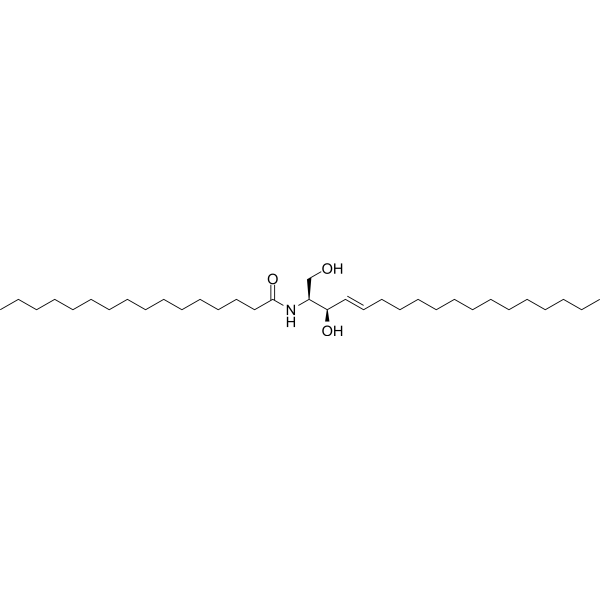
C16-Ceramide (d18:1/16:0) is a natural small molecule activating p53 through the direct and selective binding .
loading...
    loading...
6
6 Cited Publications
Cat. No.: HY-N9933
CAS No.: 25696-60-0
Synonyms: TβMCA
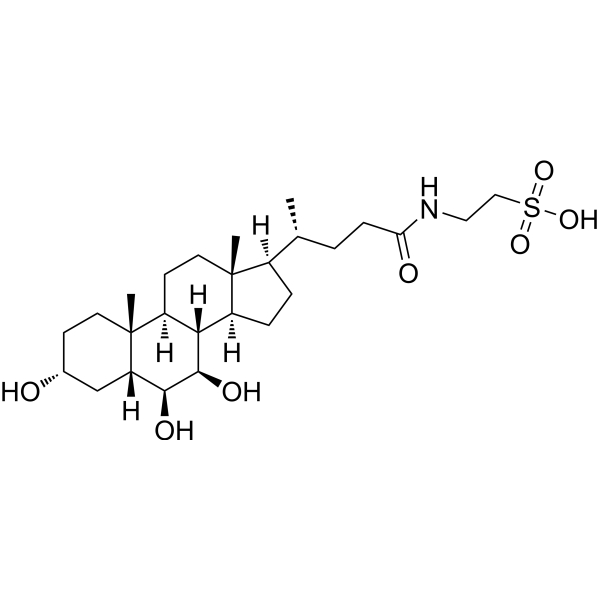
Tauro-β-muricholic acid (TβMCA) is an orally active trihydroxylated bile acid and a competitive, reversible FXR antagonist (IC50=40 μM). Tauro-β-muricholic acid inhibits bile acid-induced hepatocyte apoptosis by maintaining mitochondrial membrane potential, while simultaneously inhibiting intestinal FXR signaling, affecting bile acid synthesis, hepatic lipid metabolism, and insulin sensitivity. Accumulation of tauro-β-muricholic acid disrupts metabolic homeostasis, promoting cancer stem cell proliferation and tumor progression. The mechanisms of tauro-β-muricholic acid involve two aspects: first, inhibiting the translocation of the pro-apoptotic protein Bax to mitochondria and maintaining mitochondrial membrane potential (MMP); and second, blocking the FXR signaling pathway to regulate bile acid metabolism, reduce serum ceramide production, and downregulate the hepatic SREBP1C/CIDEA pathway. Tauro-β-muricholic acid possesses anti-hepatocyte apoptosis, bile acid homeostasis regulation, and liver fat accumulation reduction properties, and also functions as a biomarker, making it useful in the study of diseases such as bile acid metabolism disorders, non-alcoholic fatty liver disease, colorectal cancer, and liver fibrosis .
loading...
    loading...
5
5 Cited Publications
Cat. No.: HY-P1975
CAS No.: 127785-64-2
Synonyms: Basifungin
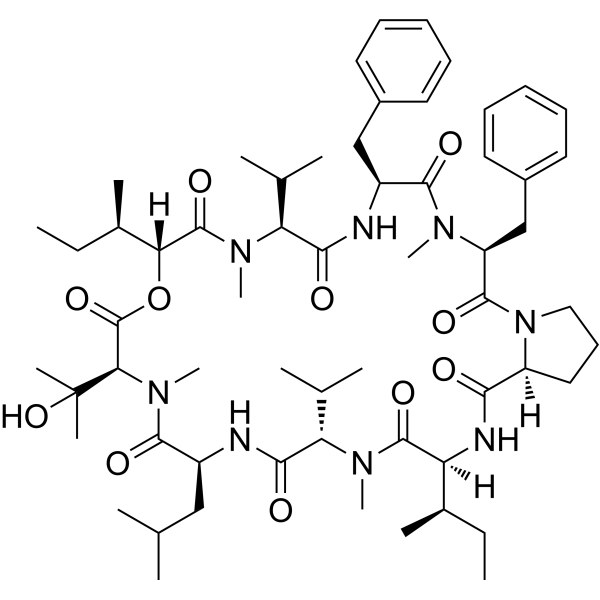
Aureobasidin A (Basifungin) is a cyclic peptide antibiotic with oral activity. Aureobasidin A is an inhibitor of inositol phosphorylated ceramide synthetase AUR1. Aureobasidin A has antifungal and antiparasitic activity .
loading...
    loading...
4
4 Cited Publications
Cat. No.: HY-19542
CAS No.: 124753-97-5
Synonyms: C6-Cer; N-Hexanoylsphingosine
Target:  

Apoptosis

Research Areas:  

Cancer

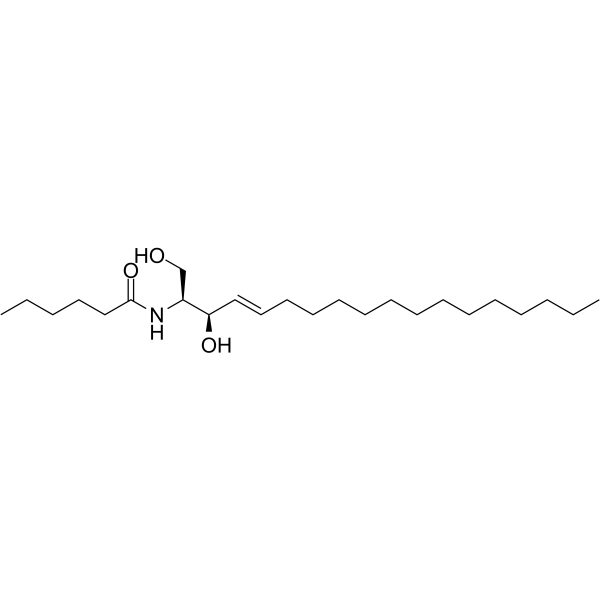
C6 Ceramide (C6-Cer) is a short-chain, cell-permeable ceramide pathway activator with anticancer activity. C6 Ceramide-mediated miR-29b expression participates in the progression of multiple myeloma through suppressing the proliferation, migration and angiogenesis of endothelial cells by targeting Akt signal pathway. C6 Ceramide exhibits multiple anti-cancer properties including cell cycle arrest, Apoptosis, inhibition of tumor growth and enhances the effects of chemotherapy in drug-resistant cancer cells. C6-ceramide can be used as an adjuvant for chemotherapeutic agents, to enhance anti-tumor effects .
loading...
    loading...
4
4 Cited Publications
Cat. No.: HY-124042
CAS No.: 756875-51-1
Purity:  99.27%
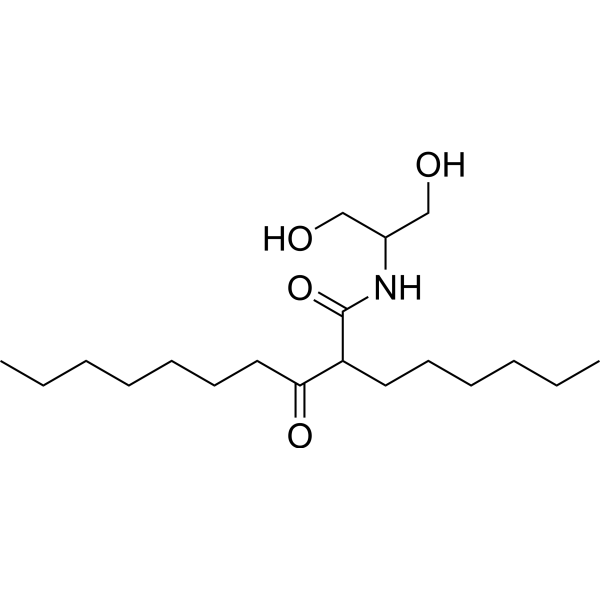
K6PC-5, a ceramide derivative, is a sphingosine kinase 1(SPHK1) activator and elicites a rapid transient increase in intracellular calcium levels. K6PC-5 has the potential for skin diseases involving abnormal keratinocyte, and neurodegeneration and virus infection research .
loading...
    loading...
3
3 Cited Publications
Cat. No.: HY-13945
CAS No.: 362003-83-6
Purity:  99.73%
Target:  

Apoptosis

Research Areas:  

Cancer

NVP 231 is a potent, specific, and reversible ceramide kinase (CerK) inhibitor(IC50=12 nM) that competitively inhibits binding of ceramide to CerK . NVP 231 induces cell apoptosis by increasing DNA fragmentation and caspase-3 and caspase-9 cleavage .
loading...
    loading...
2
2 Cited Publications
Cat. No.: HY-113679
CAS No.: 100403-19-8
Target:  

Telomerase

Research Areas:  

Metabolic Disease Endocrinology

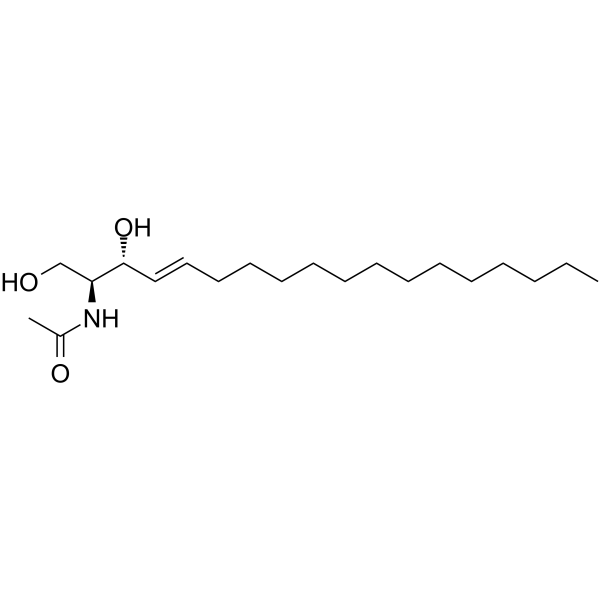
Ceramides Mixture is an endogenous ceramide and consists of hydroxy and non-hydroxy fatty acid-containing ceramides. Ceramides Mixture is a main lipid component of the permeability barrier in epidermis. Ceramides Mixture is involved in the regulation of growth inhibition, cell cycle arrest, and modulation of telomerase activity .
loading...
    loading...
2
2 Cited Publications
Cat. No.: HY-101180
CAS No.: 3102-57-6
Purity:  99.85%
Synonyms: Ceramide 2
C2 Ceramide (Ceramide 2) is the main lipid of the stratum corneum and a protein phosphatase 1 (PP1) activator. C2 Ceramide activates PP2A and ceramide-activated protein phosphatase (CAPP). C2 Ceramide induces cells differentiation, autophagy and apoptosis, inhibits mitochondrial respiratory chain complex III. C2 Ceramide is also a skin conditioning agent that protects the epidermal barrier from water loss .
loading...
    loading...
2
2 Cited Publications
Cat. No.: HY-131703
CAS No.: 2414349-93-0
Purity:  99.94%
Target:  

UGT

Research Areas:  

Metabolic Disease

UGT8-IN-1 is a brain penetrable and orally active inhibitor of ceramide galactosyltransferase enzyme (UGT8). UGT8-IN-1 can be used in the study for lysosomal storage disorders .
loading...
    loading...
2
2 Cited Publications
Cat. No.: HY-141866
CAS No.: 2415225-30-6
Purity:  99.21%
Target:  

Ceramidase

Research Areas:  

Neurological Disease

Acid Ceramidase-IN-1 is orally active and blood-brain barrier penetrant acid ceramidase (AC, ASAH-1) inhibitor (hAC IC50=0.166 μM). Acid Ceramidase-IN-1 reduces AC activity, accumulates ceramide species (Cer (d18:0/16:0), Cer (d18:1/16:0)), and decreases sphingosine levels. Acid Ceramidase-IN-1 can be used for the study of severe neurological lysosomal storage diseases (LSDs) such as Gaucher’s disease (GD) and Krabbe’s disease (KD) .
loading...
    loading...
1
1 Cited Publications
Cat. No.: HY-100353
CAS No.: 74713-60-3
Purity:  99.82%
Synonyms: N-Lauroyl-D-erythro-sphingosine; N-Laurylsphingosine
Target:  

Endogenous Metabolite

Research Areas:  

Metabolic Disease Cancer

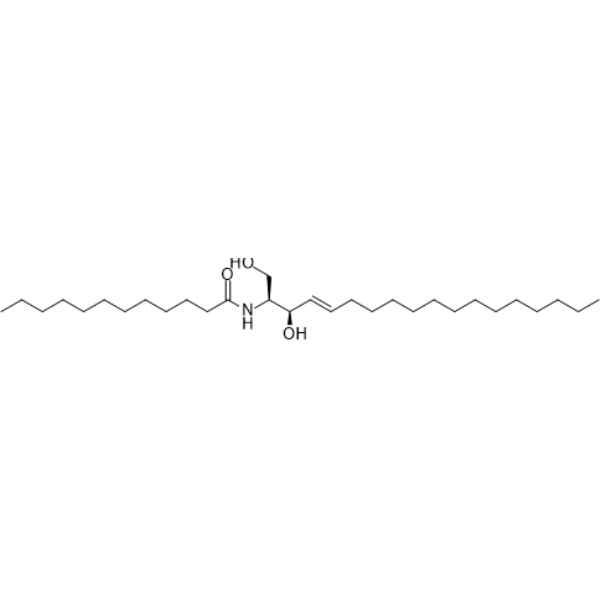
C12-Ceramide (N-Lauroyl-D-erythro-sphingosine), a naturally occurring ceramide, is formed by hydrolysis of C12 sphingomyelin. C12-Ceramide can enhance the Doxorubicin toxicity in MDA-MB-231 cells. C12-Ceramide also can be used to diagnose types A and B Niemann-Pick disease .
loading...
    loading...
1
1 Cited Publications
Cat. No.: HY-165781
CAS No.: 218608-43-6
Synonyms: C22:6 Ceramide
Target:  

Drug Derivative

Research Areas:  

Metabolic Disease

DHA Ceramide (C22:6 Ceramide) is an ester product.
loading...
    loading...
1
1 Cited Publications
Cat. No.: HY-D1612
CAS No.: 133867-53-5
Target:  

Fluorescent Dye

Research Areas:  

Others

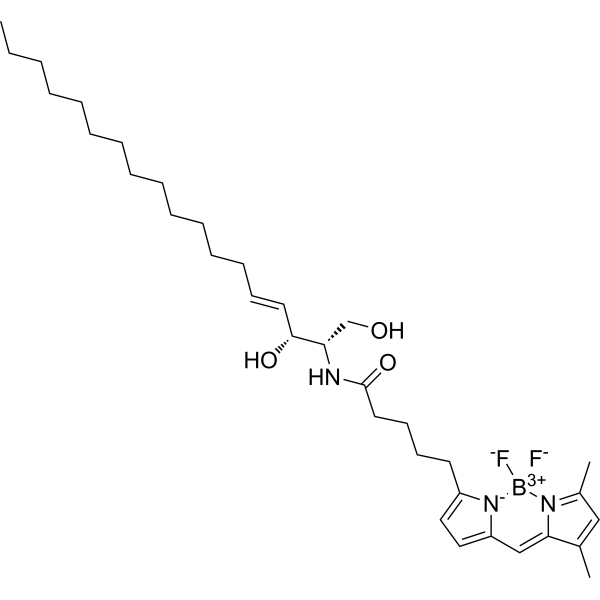
The Golgi apparatus is composed of flattened vesicles superimposed on each other by unit membranes. The flattened vesicles are round with expanded and perforated edges. The Golgi fluorescent probe is a BODIPY-labeled ceramide derivative, the synthesis of which occurs in the endoplasmic reticulum and can then be transported to the Golgi via ceramide transport protein (CERT) or vesicular translocation, allowing specific labeling of the dye . BODIPY Fl C5-Ceramide is a Golgi-specific green fluorescent dye, which can visualise individual cells . Ex/Em= 505 nm/512 nm.
loading...
    loading...
1
1 Cited Publications
Cat. No.: HY-129099
CAS No.: 31750-48-8
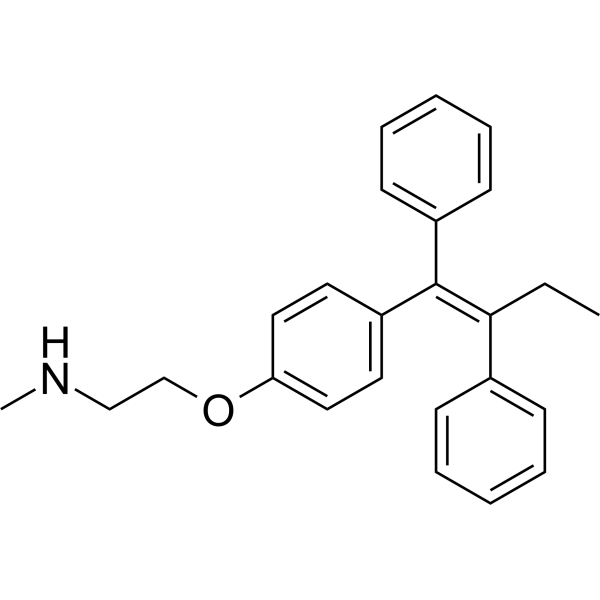
N-Desmethyltamoxifen is the major metabolite of tamoxifen in humans. N-Desmethyltamoxifen, a poor antiestrogen, is a ten-fold more potent protein kinase C (PKC) inhibitor than Tamoxifen. N-Desmethyltamoxifen is also a potent regulator of ceramide metabolism in human AML cells, limiting ceramide glycosylation, hydrolysis, and sphingosine phosphorylation .
loading...
    loading...

