


32 Results for "

deposits

" in MedChemExpress (MCE) Product Catalog:
Products (32)

32 Results for "deposits" in MCE Product Catalog:

1
1 Cited Publications
Cat. No.: HY-139066
CAS No.: 544-72-9
Purity:  ≥98.0%
Synonyms: Trichosanic acid
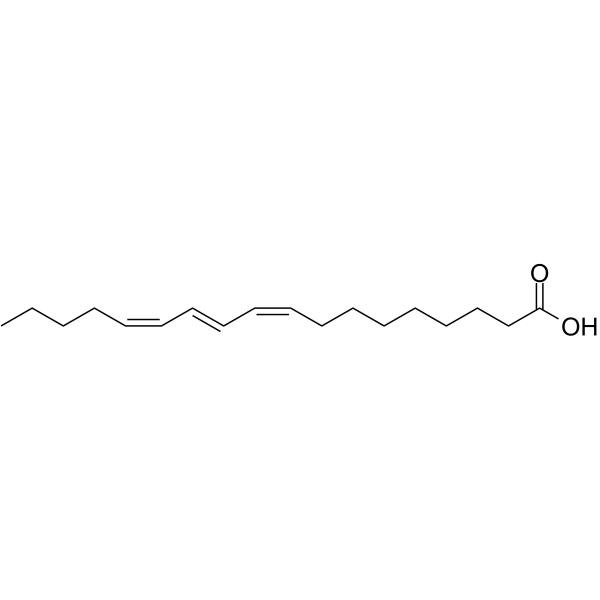
Punicic acid is a bioactive compound of pomegranate seed oil. Punicic acid is an isomer of conjugated α-linolenic acid and ω-5 polyunsaturated fatty acids. Punicic acid has anti-inflammatory and antioxidant activities and can inhibit the expression of inflammatory mediators such as tumor necrosis factor α (TNF-α). Punicic acid can also reduce the formation of β-amyloid deposits and hyperphosphorylation of tau by increasing the expression of GLUT4 protein and inhibiting the overactivation of calpain, and is used to prevent and treat neurodegenerative diseases. In addition, punicic acid also has breast cancer inhibitor properties that depend on lipid peroxidation and PKC pathways .
loading...
    loading...
1
1 Cited Publications
Cat. No.: HY-W013570
CAS No.: 208-96-8
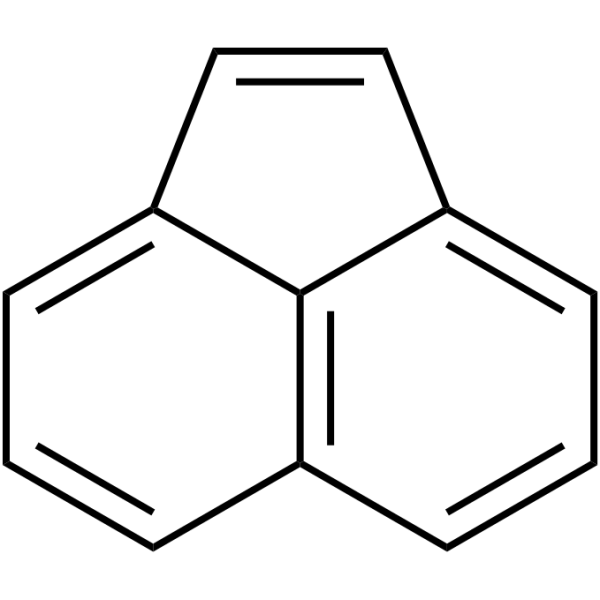
Acenaphthylene is a polycyclic aromatic hydrocarbon (PAH). PAHs are derived naturally from coal and tar deposits, and produced by incomplete combustion of organic matter .
loading...
    loading...
Cat. No.: HY-W015650
CAS No.: 19005-93-7
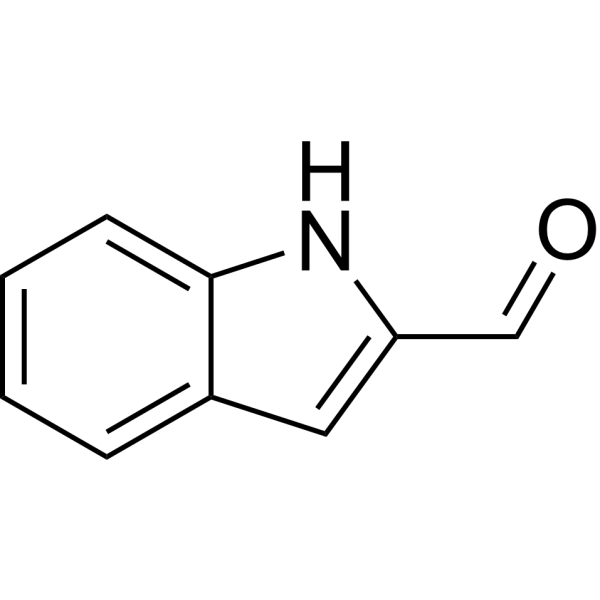
Indole-2-carbaldehyde is an indole derivative that can be used to reduce or remove localized fat deposits and/or tighten loose skin and soft tissues. Indole-2-carbaldehyde can be isolated from the fermentation broth of the coral symbiotic actinomycete Pseudonocardia sp. SCSIO 11457 and is used in cosmetic applications or pharmaceutical production .
loading...
    loading...
Cat. No.: HY-P10709
CAS No.: 847058-45-1
Target:  

Collagen

Research Areas:  

Cardiovascular Disease Cancer

CREKA peptide is a selective non-covalent binding agent targeting fibrin, type IV collagen, and fibronectin, often used as a targeting ligand to modify delivery carriers. CREKA peptide specifically recognizes fibrin, fibronectin, and type IV collagen that are excessively deposited in the tumor microenvironment or fibrotic tissue, mediating the targeted accumulation of the carrier at the lesion site and promoting drug internalization into target cells (such as cancer cells and activated hepatic stellate cells). CREKA peptide can enhance targeted delivery efficiency, increase drug concentration at the lesion site, and reduce systemic side effects .
loading...
    loading...
Cat. No.: HY-P99358
CAS No.: 1662664-56-3
Synonyms: GSK 2398852; Anti-Serum Amyloid P/SAP Reference Antibody (dezamizumab)

Target:  

Complement System

Research Areas:  

Inflammation/Immunology

Dezamizumab (GSK 2398852) is a fully humanized clonal IgG1 antibody against serum amyloid P component (SAP) with complement activation and amyloid clearance-inducing activities. Dezamizumab binds to SAP associated with amyloid deposits to form complexes that activate complement and mediate phagocytic clearance, triggering activation of the classical complement pathway. Dezamizumab can be used for the research of systemic amyloidosis .
loading...
    loading...
Cat. No.: HY-D1353
CAS No.: 1382764-52-4
LipidGreen 2 is a second generation small molecule probe for lipid imaging. LipidGreen 2 has a better fluorescence signal compared with the previous LipidGreen, and selectively stains neutral lipids in cells and fat deposits in live zebrafish .
loading...
    loading...
Cat. No.: HY-P99105
CAS No.: 2414866-63-8
Synonyms: CAEL-101

Research Areas:  

Neurological Disease

Anselamimab (CAEL-101) is a chimeric monoclonal antibody for systemic light chain (AL) amyloidosis. Anselamimab can promote phagocytic destruction and subsequent clearance of amyloid deposits. Anselamimab can be used in the research of amyloidosis .
loading...
    loading...
Cat. No.: HY-P99164
CAS No.: 2019133-28-7
Synonyms: LY3303560

Target:  

Tau Protein

Research Areas:  

Neurological Disease

Zagotenemab (LY3303560) is a humanized anti-tau antibody that selectively binds and neutralises tau deposits in the brain. Zagotenemab can be used in Alzheimer's disease research .
loading...
    loading...
Cat. No.: HY-P1173
CAS No.: 706785-93-5
Synonyms: Myristoylated L 803; GSK-3β Inhibitor XIII
Target:  

GSK-3 Amyloid-β

Research Areas:  

Neurological Disease

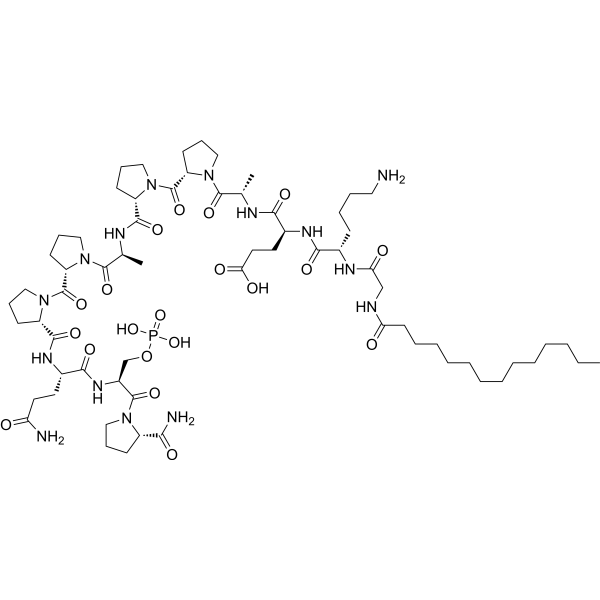
L803-mts (Myristoylated L 803) is a selective and substrate-competitive GSK-3 peptide inhibitor (IC50: 40 μM). L803-mts also reduces Aβ deposits and ameliorates cognitive deficits in 5XFAD mice. L803-mts shows antidepressive effect in the forced swimming test .
loading...
    loading...
Cat. No.: HY-P1047
CAS No.: 182912-74-9
Synonyms: [Pro18, Asp21] β-Amyloid (17-21)
Target:  

Amyloid-β

Research Areas:  

Neurological Disease

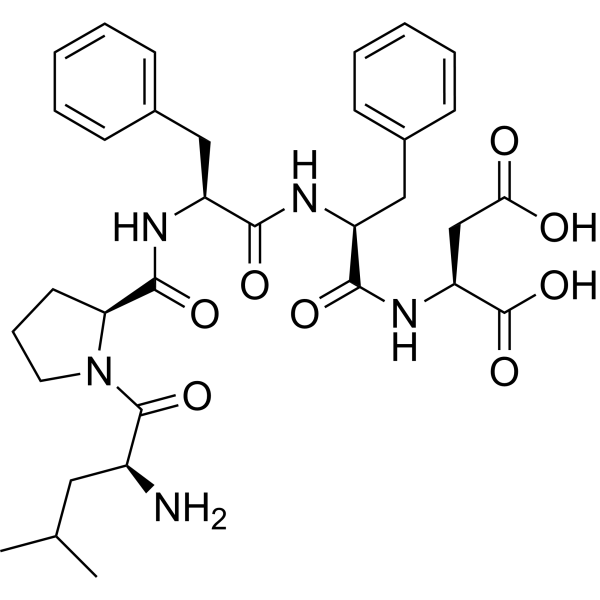
β-Sheet Breaker Peptide iAβ5 ([Pro18, Asp21] β-Amyloid (17-21)) is an amyloid fibril disaggregation inducer. β-Sheet Breaker Peptide iAβ5 inhibits fibril formation and disaggregates preformed fibrils by binding to the central hydrophobic region of Aβ (LVFFA) and disrupting the interactions between Aβ monomers/oligomers. β-Sheet Breaker Peptide iAβ5 reproducibly induces the disaggregation of fibrillar amyloid deposits in rat brain. β-Sheet Breaker Peptide iAβ5 prevents and reverses Aβ-induced neuronal shrinkage, reduces IL-1β-positive microglia surrounding Aβ deposits, and decreases the size of cerebral amyloid plaques. β-Sheet Breaker Peptide iAβ5 labeled with HBA enables blue quantitative detection under acidic conditions. β-Sheet Breaker Peptide iAβ5 is used in research related to Alzheimer's disease .
loading...
    loading...
Cat. No.: HY-P4767
CAS No.: 198328-30-2
Target:  

Amylin Receptor

Research Areas:  

Metabolic Disease

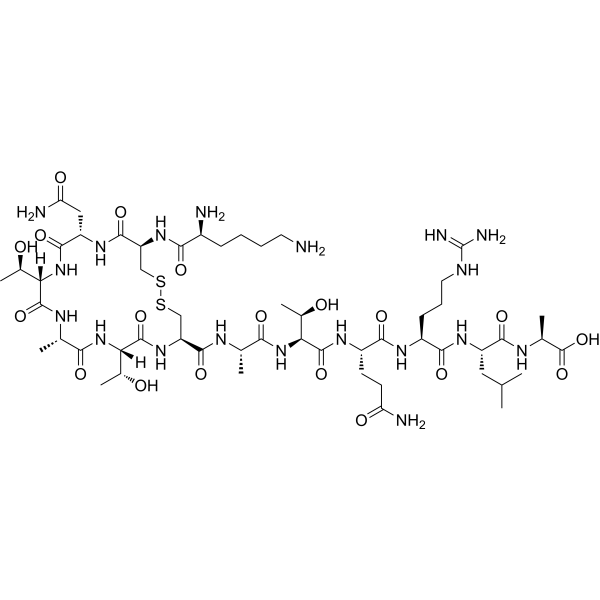
Amylin (1-13) (human) is a fragment and a residues within amyloid cores of Amylin (human IAPP). Amylin is a glucose-regulating hormone, deposits as amyloid fibrils in condition of type II diabetes (T2D). Amylin (1-13) (human) has no effect on firbl formation, as it cannot form fibrils by itself .
loading...
    loading...
Cat. No.: HY-P1387
CAS No.: 144409-98-3
Target:  

Amyloid-β Apoptosis

Research Areas:  

Neurological Disease

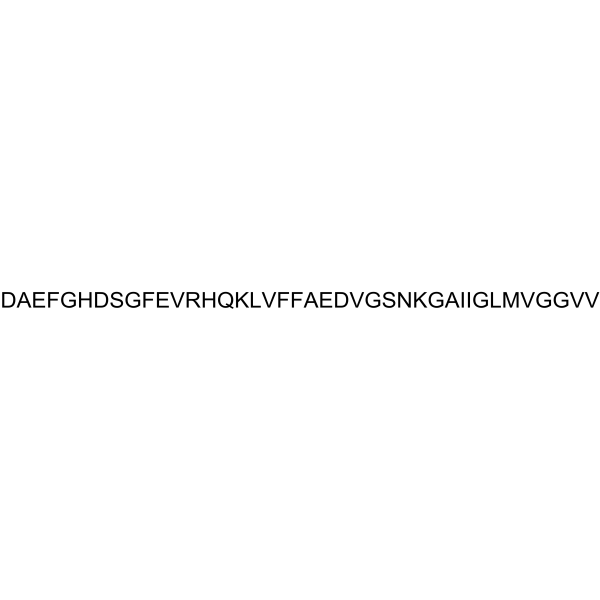
β-Amyloid (1-40) (rat) is a rat form of the amyloid β-peptide, which accumulates as an insoluble extracellular deposit around neurons, giving rise to the senile plaques associated with Alzheimer's disease (AD). β-Amyloid (1-40) (rat) increases 45Ca 2+ influx, induces neurodegeneration in the rat hippocampal neurons of the CA1 subfield. β-Amyloid (1-40) (rat) induces apoptosis. β-Amyloid (1-40) (rat) can be used for the research of Alzheimer's disease .
loading...
    loading...
Cat. No.: HY-W013570S
CAS No.: 93951-97-4
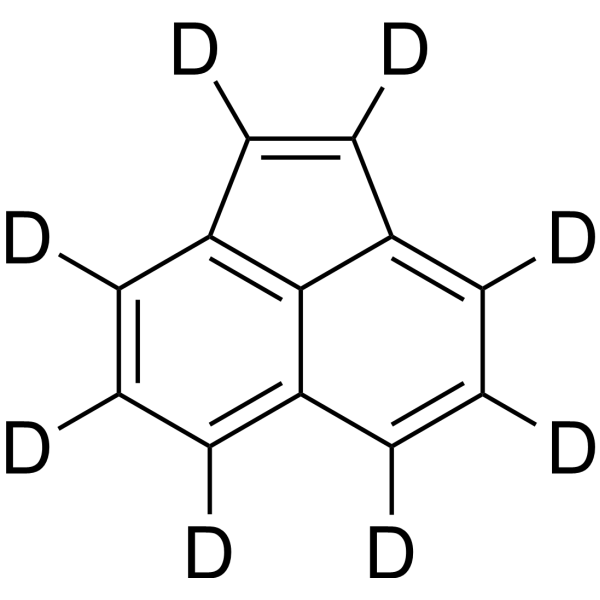
Synonyms: Acenaphthylene-d8
Acenaphthylene-d8 is the deuterium labeled Acenaphthylene . Acenaphthylene is a polycyclic aromatic hydrocarbon (PAH). PAHs are derived naturally from coal and tar deposits, and produced by incomplete combustion of organic matter .
loading...
    loading...
Cat. No.: HY-P3846
CAS No.: 1802086-22-1
Target:  

Amyloid-β

Research Areas:  

Neurological Disease

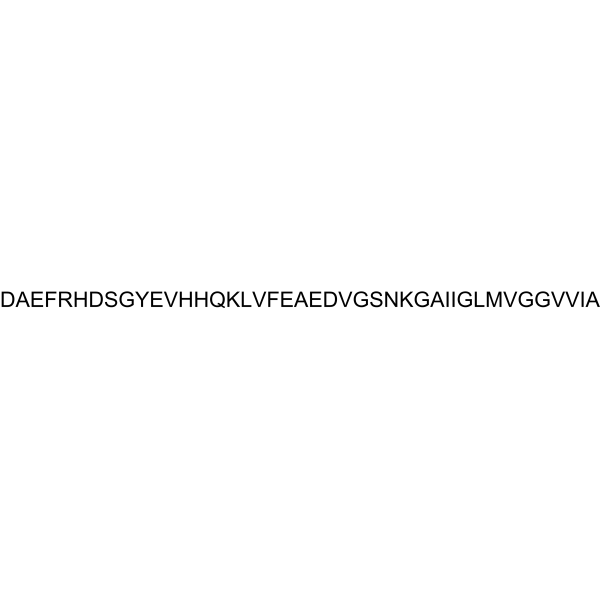
(Glu20)-Amyloid β-Protein (1-42) is a slower fibrillizing variant of amyloid β-protein (Aβ). The Glu20 mutation reduces the aggregation propensity of Aβ42 and prevents accumulation of the slowly fibrillizing peptide. Amyloid β-protein is the primary component of both vascular and parenchymal amyloid deposits in Alzheimer's disease .
loading...
    loading...
Cat. No.: HY-177739
CAS No.: 1590409-23-6
Research Areas:  

Inflammation/Immunology

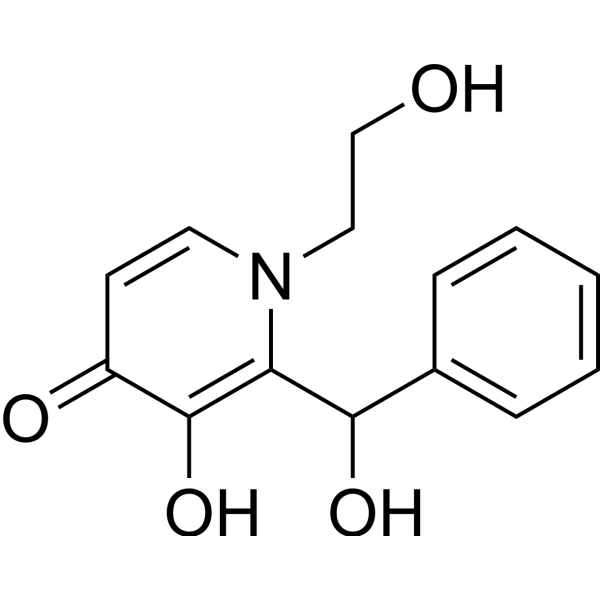
Antifibrotic agent 2 (Compound 636) is a polycyclic pyridinone derivative with antifibrotic activity. Antifibrotic agent 2 reduces the pathological accumulation of fibrosis-related proteins such as fibronectin and collagen, prevents excessive fibrous connective tissue from depositing in organs or tissues, and reverses or delays the remodeling of tissue fibrosisby regulating the abnormal proliferation and activation of fibroblasts. Antifibrotic agent 2 can be used for research on pulmonary fibrosis .
loading...
    loading...
Cat. No.: HY-100329
CAS No.: 189564-33-8
Target:  

Ferroptosis

Research Areas:  

Others

CGP 65015 is an oral iron chelator, which can mobilize iron deposits.
loading...
    loading...
Cat. No.: HY-148548
CAS No.: 1175142-38-7
Target:  

Amyloid-β

Research Areas:  

Neurological Disease

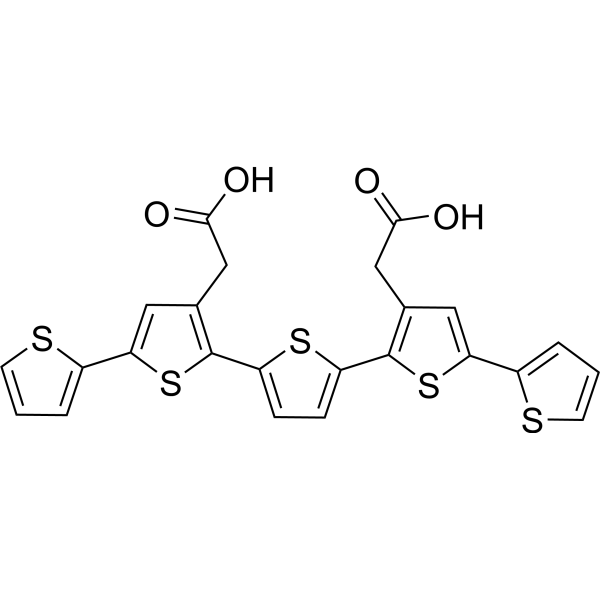
p-HTAA is a pentamer hydrogen thiophene acetic acid. p-HTAA specifically labels Aβ deposits in the mice living brain .
loading...
    loading...
Cat. No.: HY-W013570R
CAS No.: 208-96-8
Acenaphthylene (Standard) is the analytical standard of Acenaphthylene. This product is intended for research and analytical applications. Acenaphthylene is a polycyclic aromatic hydrocarbon (PAH). PAHs are derived naturally from coal and tar deposits, and produced by incomplete combustion of organic matter .
loading...
    loading...
Cat. No.: HY-P3858
CAS No.: 1802086-19-6
Target:  

Amyloid-β

Research Areas:  

Neurological Disease

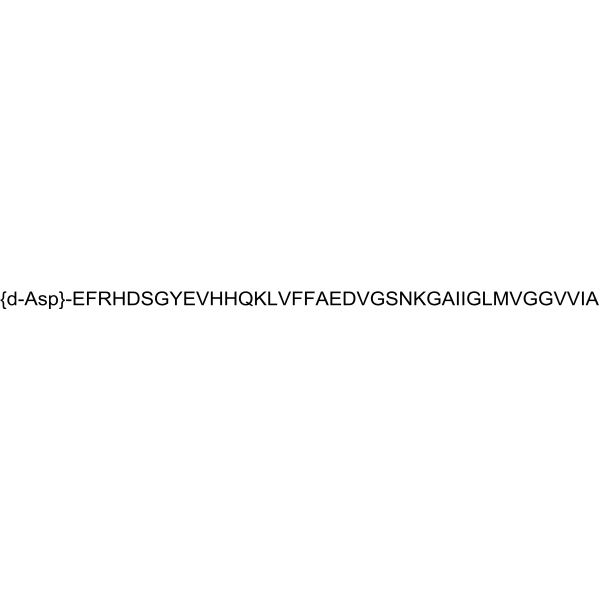
(D-Asp1)-Amyloid β-Protein (1-42) is a peptide fragment of amyloid β-protein (Aβ). Amyloid β-protein is the primary component of both vascular and parenchymal amyloid deposits in Alzheimer's disease .
loading...
    loading...
Cat. No.: HY-N10109A
CAS No.: 1352920-57-0
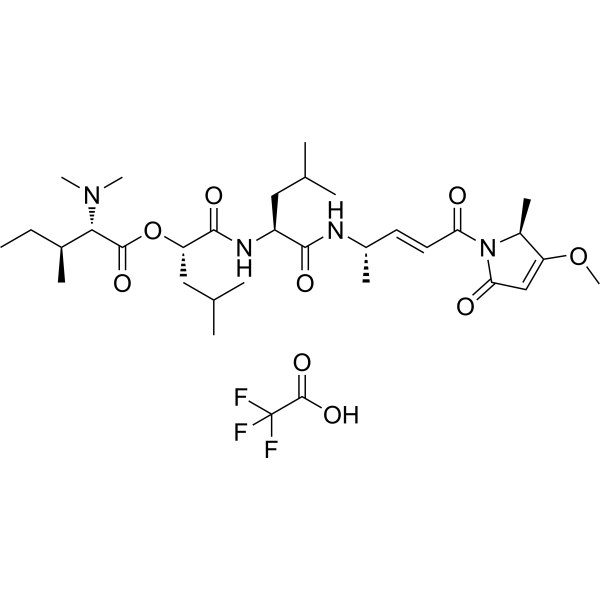
Gallinamide A TFA is a linearly depositing peptide and a potent inhibitor of cathepsin L (CatL) (IC50: 17.6 pM). Gallinamide A TFA inhibits SARS-CoV-2 infection by inhibiting CatL (EC50: 28 nM). Gallinamide A TFA also inhibits Plasmodium falciparum (IC50: 50 nM) .
loading...
    loading...

