35 Results for "

diuresis

" in MedChemExpress (MCE) Product Catalog:
Products (35)

35 Results for "diuresis" in MCE Product Catalog:

14
14 Publications Verification
Cat. No.: HY-18347A
CAS No.: 168626-94-6
Synonyms: YM 087
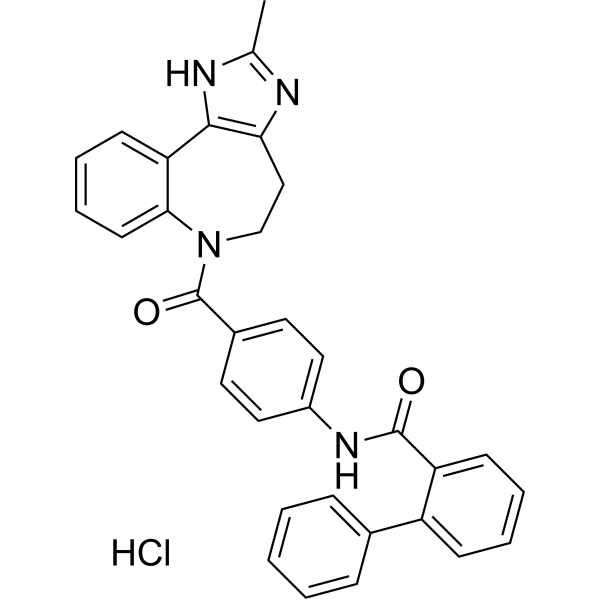
Conivaptan hydrochloride (YM 087) is an orally active dual vasopressin V1a/V2 receptor antagonist with Ki values of 0.48 nM and 3.04 nM for vasopressin V1a receptor and V2 receptor, respectively. Conivaptan hydrochloride competitively and reversibly blocks vasopressin-mediated antidiuresis, vasoconstriction, and cellular hypertrophy, while inhibiting CYP3A4. Conivaptan hydrochloride inhibits vasopressin-induced intracellular calcium, cAMP, and mitogen-activated kinase activation in vascular smooth muscle cells and cardiomyocytes. Conivaptan hydrochloride induces water diuresis while improving hemodynamics in heart failure models, reducing left ventricular end-diastolic pressure, vascular resistance, and organ weight. Conivaptan hydrochloride is used for research on hyponatremia and congestive heart failure .
loading...
    loading...
9
9 Cited Publications
Cat. No.: HY-N0436
CAS No.: 572-31-6
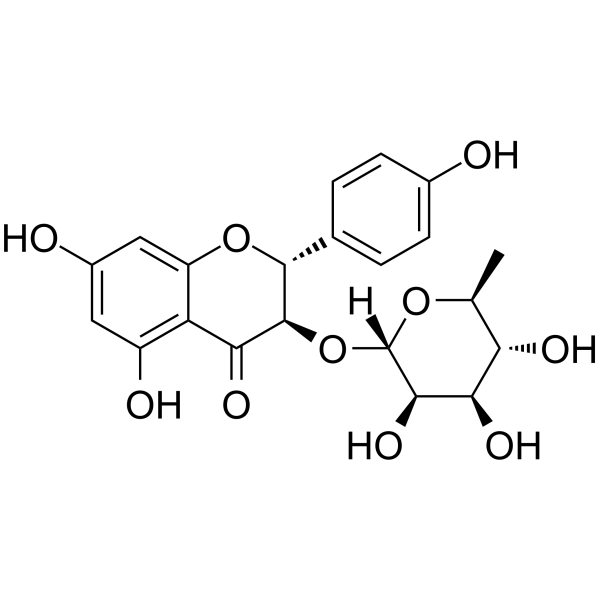
Engeletin is a flavanonol glycoside isolated from Smilax glabra Roxb. , inhibits NF-κB signaling-pathway activation, and possesses anti-inflammatory, analgesic, diuresis, detumescence, and antibiosis effects.
loading...
    loading...
3
3 Cited Publications
Cat. No.: HY-19057A
CAS No.: 130466-38-5
Synonyms: MK-467 hydrochloride; L-659066 hydrochloride
Target:  

Adrenergic Receptor

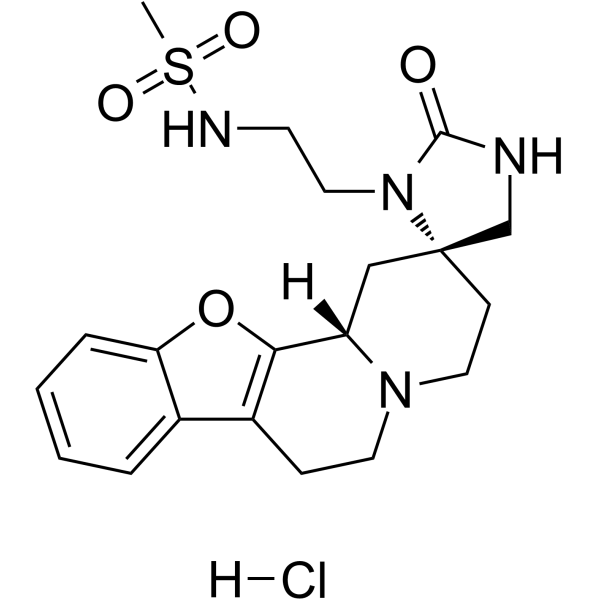
Vatinoxan hydrochloride (MK-467 hydrochloride) is a peripherally selective α2-Adrenoceptor antagonist. Vatinoxan hydrochloride blocks peripheral α2-adrenoceptor-mediated vasoconstriction, bradycardia, hyperglycemia, diuresis, lens opacity, and decreased intraocular pressure, delays pupil dilation, and maintains corneal thickness. Vatinoxan hydrochloride, when combined with Medetomidine (HY-17034)/benzodiazepines, reduces respiratory rate and increases pulse rate, cutaneous microcirculation, tissue oxygenation, peripheral heat loss, and cardiac index, while altering gastrointestinal perfusion and mean arterial pressure, without causing death, hypotension, or hypoglycemia, and blocks vasoconstriction of chelonian resistance arteries .
loading...
    loading...
3
3 Cited Publications
Cat. No.: HY-19057
CAS No.: 114914-42-0
Synonyms: MK-467; L-659066
Vatinoxan (MK-467) is a peripherally selective α2-Adrenoceptor antagonist. Vatinoxan blocks peripheral α2-adrenoceptor-mediated vasoconstriction, bradycardia, hyperglycemia, diuresis, lens opacity, and decreased intraocular pressure, delays pupil dilation, and maintains corneal thickness. Vatinoxan, when combined with Medetomidine (HY-17034)/benzodiazepines, reduces respiratory rate and increases pulse rate, cutaneous microcirculation, tissue oxygenation, peripheral heat loss, and cardiac index, while altering gastrointestinal perfusion and mean arterial pressure, without causing death, hypotension, or hypoglycemia, and blocks vasoconstriction of chelonian resistance arteries .
loading...
    loading...
Cat. No.: HY-P990951
CAS No.: 2845128-05-2
Synonyms: REGN-5381
Vixticibart (REGN-5381) is a fully human IgG4 monoclonal antibody and NPR1 agonist that targets NPR1. Vixticibart stabilizes the receptor in an activated conformation by binding to the N-terminal domain of NPR1, and enhances the activity of endogenous ligands ANP and BNP without blocking ligand binding when these ligands are present. Vixticibart exerts vasodilatory and hypotensive effects by inducing cGMP production, preferentially dilating venous vessels to reduce systolic and venous pressure, but does not induce diuresis and may trigger a compensatory increase in heart rate. Vixticibart produces a synergistic hypotensive effect when combined with angiotensin-converting enzyme inhibitors or angiotensin receptor blockers, and is currently mainly used in research related to heart failure and hypertension .
loading...
    loading...
Cat. No.: HY-108868
CAS No.: 492-18-2
Purity:  ≥80.0%
Synonyms: Salirgan; Salurin; Salyrgan
Research Areas:  

Metabolic Disease

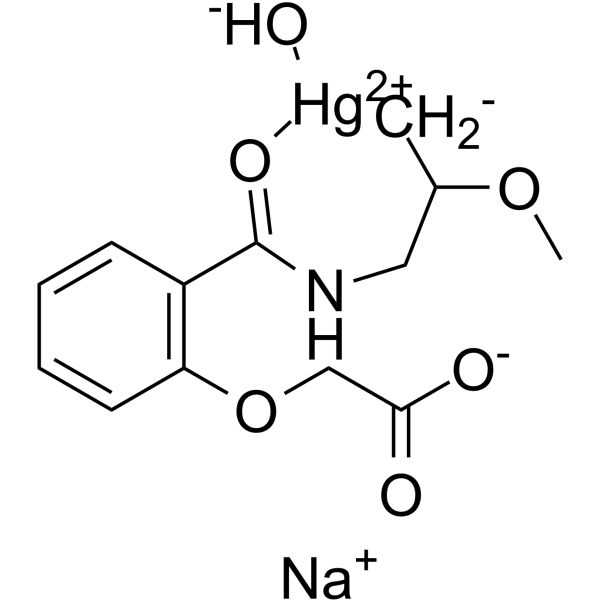
Mersalyl (Salirgan) is a potent vascular endothelial growth factor (VEGF) and hypoxia-inducible factor 1 (HIF-1) inducer. Mersalyl induces VEGF and ENO1 mRNA expression. Mersalyl shows diuresis effects .
loading...
    loading...
Cat. No.: HY-15195
CAS No.: 290815-26-8
Purity:  98.15%
Synonyms: Ro 67-0565; SPP-301
Target:  

Endothelin Receptor

Avosentan (Ro 67-0565; SPP-301) is an orally active endothelin (ETA) receptor antagonist. Avosentan can block the ETA receptor, thereby reducing vascular contraction and exerting a renal protective effect. Avosentan inhibits vascular contraction caused by ET-1 and alleviates the reduction in retinal and optic nerve head blood flow induced by it, lowering intraocular pressure in the glaucoma monkey model. Avosentan non-specifically blocks ETB receptors at high doses, inhibiting ETB-mediated diuresis and natriuresis, and may cause fluid retention. Avosentan can be used to reduce proteinuria with diabetic nephropathy, but induces significant fluid overload and congestive heart failure .
loading...
    loading...
Cat. No.: HY-106616
CAS No.: 55294-15-0
Purity:  99.57%
Synonyms: BAY-g 2821; Edrul
Target:  

Sodium Channel

Research Areas:  

Cardiovascular Disease

Muzolimine (BAY-g 282) is a slow and long lasting diuresis agent. Muzolimine produces a diuresis in the loop of Henle and also shows anti-hypertensive and natriuresis effects. Muzolimine can be used for the research of cardiovascular disease .
loading...
    loading...
Cat. No.: HY-N2499
CAS No.: 6754-16-1
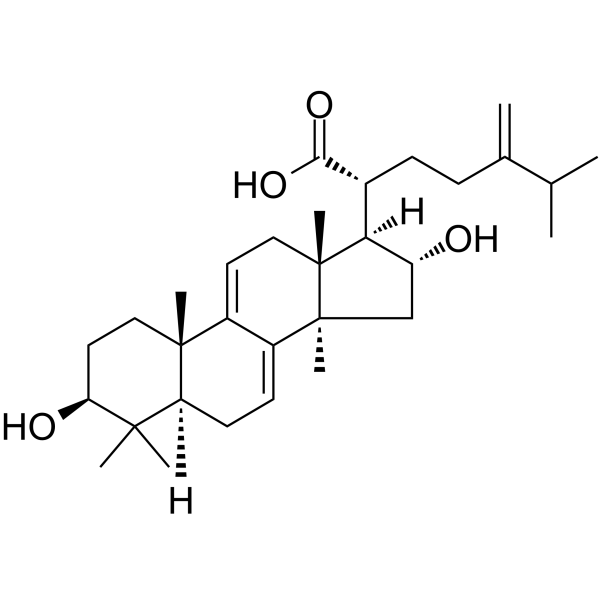
Dehydrotumulosic acid is one of the effective constituents of Poria cocos. Poria cocos, a popular Chinese medicinal herb of fungal origin, has been included in many combinations with other CM herbs for its traditionally claimed activities of inducing diuresis, excreting dampness, invigorating the spleen and tranquilizing the mind and its modern pharmacological use of modulating the immune system of the body .
loading...
    loading...
Cat. No.: HY-155642
CAS No.: 335394-78-0
Purity:  99.34%
Target:  

Urea Transporter

Research Areas:  

Metabolic Disease

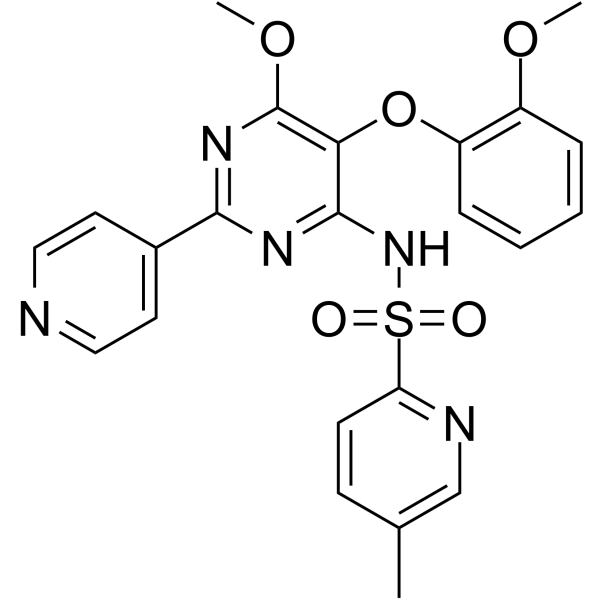
PU-48 is a blood-brain barrier-permeable urea transporter (UT) inhibitor with an IC50 of 0.32 μM against rat UT-A. By functionally inhibiting urea transporters (including UT-A subtypes) in the renal inner medullary collecting ducts, PU-48 induces urea-selective diuresis. PU-48 does not alter blood levels of sodium, potassium or chloride ions, nor does it affect the excretion of non-urea solutes. PU-48 shows no significant toxicity in cell or animal models and can be used in edema-related research .
loading...
    loading...
Cat. No.: HY-139037
CAS No.: 28128-41-8
Purity:  97.19%
Target:  

Endogenous Metabolite

Research Areas:  

Metabolic Disease

8-Aminoguanine is a endogenous purine. 8-Aminoguanine inhibits PNPase (purine nucleoside phosphorylase). 8-Aminoguanine induces diuresis/natriuresis/glucosuria .
loading...
    loading...
Cat. No.: HY-N8228
CAS No.: 2306139-04-6
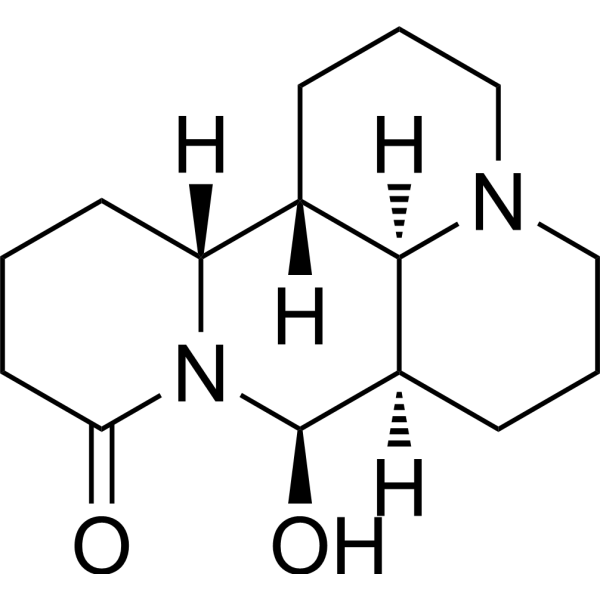
17-Hydroxyneomatrine, extracted from Sophora flavescens, can well inhibit the growth of human cervical carcinoma Hela cells, has the wide-range antibacterial, anti-allergy, anti-tumor, anti-arrhythmia, swelling-subsiding diuresis, immunizing, and biological regulation functions .
loading...
    loading...
Cat. No.: HY-18347
CAS No.: 210101-16-9
Synonyms: YM 087 free base
Conivaptan (YM 087 free base) is an orally active dual vasopressin V1a/V2 receptor antagonist with Ki values of 0.48 nM and 3.04 nM for vasopressin V1a receptor and V2 receptor, respectively. Conivaptan competitively and reversibly blocks vasopressin-mediated antidiuresis, vasoconstriction, and cellular hypertrophy, while inhibiting CYP3A4. Conivaptan inhibits vasopressin-induced intracellular calcium, cAMP, and mitogen-activated kinase activation in vascular smooth muscle cells and cardiomyocytes. Conivaptan induces water diuresis while improving hemodynamics in heart failure models, reducing left ventricular end-diastolic pressure, vascular resistance, and organ weight. Conivaptan is used for research on hyponatremia and congestive heart failure .
loading...
    loading...
Cat. No.: HY-124404
CAS No.: 82337-46-0
Purity:  ≥99.0%
12(R)-HETE is a CYP-dependent arachidonic acid metabolite that acts as a proinflammatory lipid mediator. 12 (R)-HETE widely exists in various tissues including the eye, skin and liver. In the cornea, 12(R)-HETE is metabolized via pathways such as β-oxidation into the precursor of 12(R)-HETrE. Without direct receptor binding, 12(R)-HETE indirectly activates AHR-mediated target gene transcription, while inhibiting the enzymatic activity of Na+,K+-ATPase and the intracellular calcium elevation induced by TP agonists. 12(R)-HETE also possesses multiple physiological effects such as chemotaxis, proangiogenesis, vasodilation, natriuresis, diuresis and intraocular pressure reduction, and can be widely used in studies related to psoriasis, inflammatory skin diseases and ocular inflammation .
loading...
    loading...
Cat. No.: HY-N9113
CAS No.: 5084-31-1
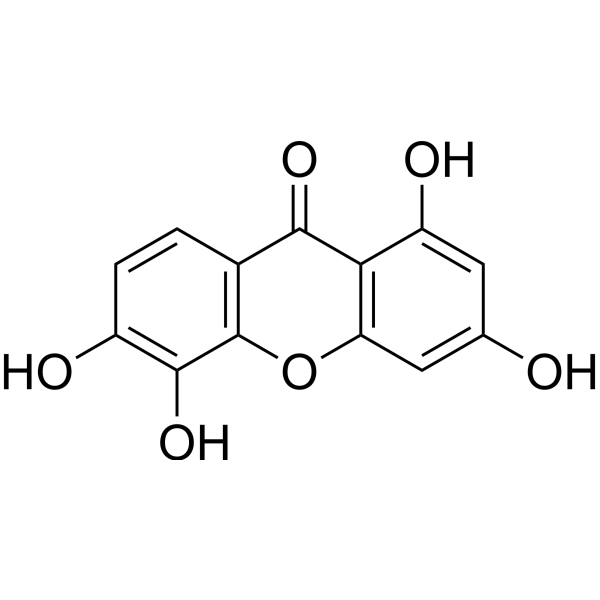
1,3,5,6-Tetrahydroxyxanthone is a natural xanthone that can be isolated from Garcinia achachairu Rusby (Clusiaceae) branches. 1,3,5,6-Tetrahydroxyxanthone induces diuresis and saluresis in normotensive and hypertensive rats .
loading...
    loading...
Cat. No.: HY-P11380
CAS No.: 454186-80-2
Capa-2 is a neuropeptide. Capa-2 activates calcium ion influx, stimulates the production of NO, activates soluble guanylate cyclase (sGC), increases intracellular cGMP, and drives ion and fluid secretion. Capa-2 can be used in studies of diuresis .
loading...
    loading...
Cat. No.: HY-19070
CAS No.: 115642-84-7
Target:  

Opioid Receptor

Research Areas:  

Cardiovascular Disease

BRL-52656 is a blood-brain barrier (BBB)-penetrable KOR receptor agonist that exhibits a biphasic effect. At low doses, BRL-52656 decreases blood pressure, whereas high doses have the opposite effect in spontaneously hypertensive rats. Additionally, BRL-52656 induces water diuresis by inhibiting the secretion of vasopressin (AVP) .
loading...
    loading...
Cat. No.: HY-W752502
CAS No.: 74639-40-0
Docarpamine is an orally active dopamine prodrug that can be hydroxylated in the small intestine and liver to form active dopamine. Docarpamine mainly activates D1-like receptors in peripheral blood vessels to lower blood pressure and heart rate in a state of spontaneous hypertension. Docarpamine exerts a pressor and tachycardic effect by activating D1-like receptors, vasopressin V1 receptors, and α-adrenergic receptors in normal blood pressure conditions. Docarpamine can be used for research on renal vascular dilation and diuresis .
loading...
    loading...
Cat. No.: HY-106616R
CAS No.: 55294-15-0
Synonyms: BAY-g 2821 (Standard); Edrul (Standard)
Muzolimine (Standard) is the analytical standard of Muzolimine. This product is intended for research and analytical applications. Muzolimine (BAY-g 282) is a slow and long lasting diuresis agent. Muzolimine produces a diuresis in the loop of Henle and also shows anti-hypertensive and natriuresis effects. Muzolimine can be used for the research of cardiovascular disease .
loading...
    loading...
Cat. No.: HY-111961
CAS No.: 1764-85-8
Research Areas:  

Metabolic Disease

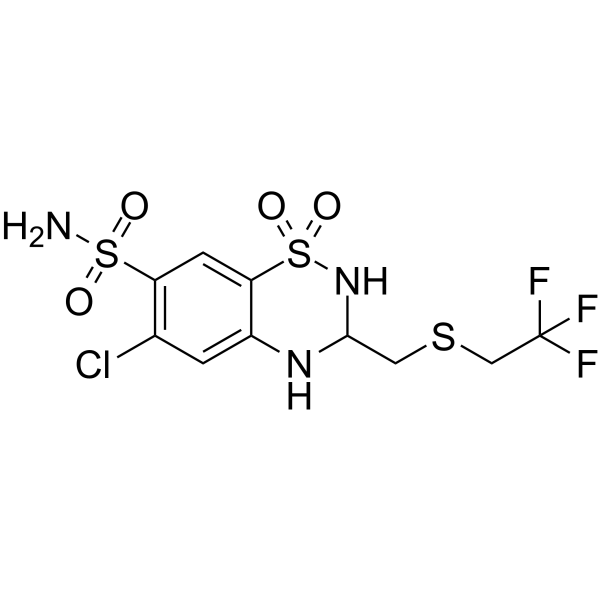
Epitizide, a benzothiadiazine, commonly found in combination Triamterene (HY-B0575), is used to produce diuresis .
loading...
    loading...

