4 Results for "

dyspnea

" in MedChemExpress (MCE) Product Catalog:
Products (4)

4 Results for "dyspnea" in MCE Product Catalog:

Cat. No.: HY-155458
CAS No.: 1201832-32-7
Target:  

PARP

Research Areas:  

Inflammation/Immunology Cancer

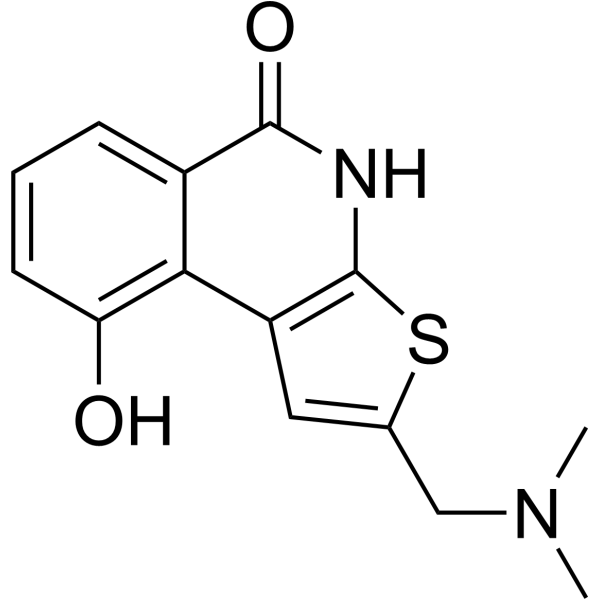
HYDAMTIQ is a PARP-1/2 inhibitor (IC50: 29-38 nM) with anticancer, anti-inflammatory, and ischemic protective effects. HYDAMTIQ inhibits pulmonary PARP activity, is effective against allergen-induced cough and dyspnea, and inhibits bronchial hyperresponsiveness to methacholine. HYDAMTIQ has broad-spectrum tumor suppressor effects, including ovarian and breast cancers, prostate and pancreatic tumors, and glioblastoma multiforme. HYDAMTIQ has demonstrated in vivo efficacy in animal models of cerebral ischemia, asthma, cancer, and more .
loading...
    loading...
Cat. No.: HY-12140
CAS No.: 334476-46-9
Synonyms: GW597599
Target:  

Neurokinin Receptor

Research Areas:  

Neurological Disease

Vestipitant (GW597599) is a neurokinin-1 receptor antagonist (pKi: 9.4, hNK1) with hypnotic effects and the ability to suppress primary insomnia. Vestipitant can effectively block substance P-mediated extracellular regulated kinase phosphorylation and relieve anxiety and possible depression induced by the agonist GR73632 (HY-P1192) in gerbils. Vestipitant can also improve functional dyspnea, anxiety, insomnia, irritable bowel disease, gastroesophageal reflux disease, tinnitus and antiemetic effects .
loading...
    loading...
Cat. No.: HY-165441
CAS No.: 94415-03-9
Research Areas:  

Inflammation/Immunology

R-836 is an orally active bronchodilator. R-836 is also a weak phosphodiesterase inhibitor. R-836 can reduce bronchoconstriction caused by antigens or platelet-activating factor. R-836 prevents asphyxiation or dyspnea .
loading...
    loading...
Cat. No.: HY-N21573
CAS No.: 34391-10-1
Milliamine A is an alkaloid ingenol ester derivative and a toxic substance that can be isolated from the dried roots of Euphorbia millii Ch. des Moulins. Milliamine A induces respiratory arrest caused by circulatory system damage, ptosis, diarrhea, weakened respiration, decreased body temperature, tremors, dyspnea, clonic-tonic convulsions, hemorrhage, and congestion of the lungs and spleen in mice .
loading...
    loading...

