
136 Results for "

gain

" in MedChemExpress (MCE) Product Catalog:
Products (136)

136 Results for "gain" in MCE Product Catalog:

18
18 Publications Verification
Cat. No.: HY-50903
CAS No.: 366789-02-8
Synonyms: BAY 59-7939
Target:  

Factor Xa

Research Areas:  

Cardiovascular Disease Cancer

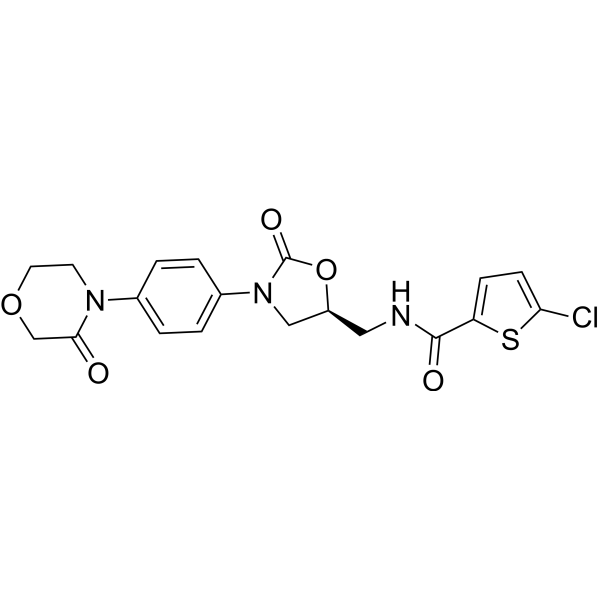
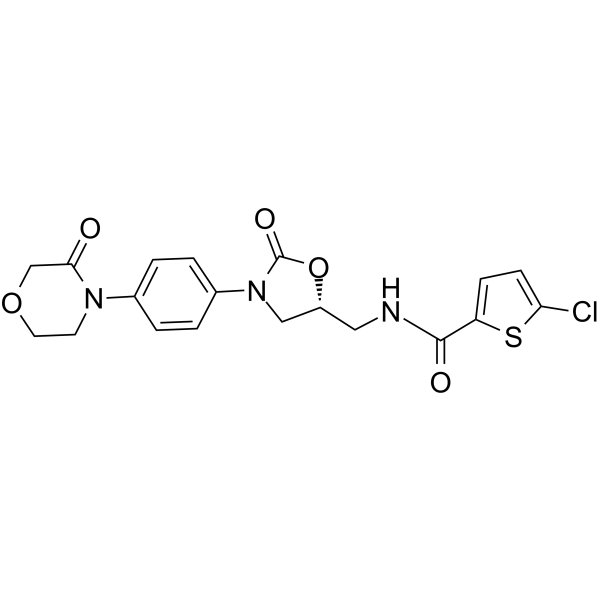
Rivaroxaban (BAY 59-7939) is a highly potent, selective and direct Factor Xa (FXa) inhibitor, achieving a strong gain in anti-FXa potency (IC50 0.7 nM; Ki 0.4 nM) .
loading...
    loading...
5
5 Cited Publications
Cat. No.: HY-130208
CAS No.: 51555-87-4
Purity:  99.97%
Synonyms: TDG
Target:  

Galectin

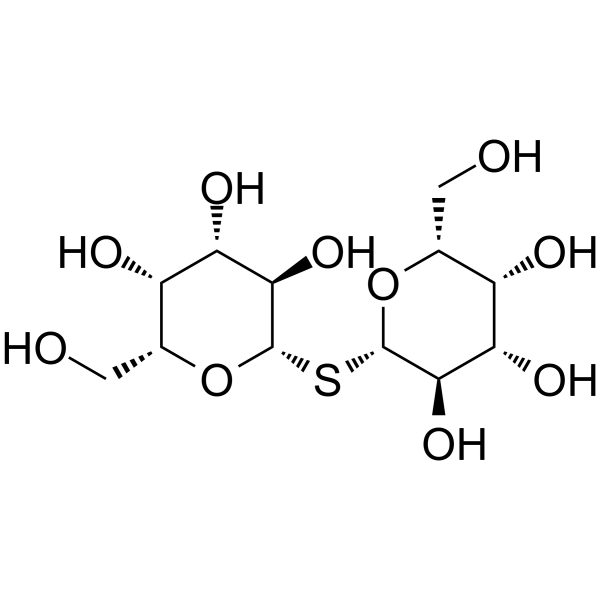
Thiodigalactoside (TDG) is an orally active and potent galectin (GAL) inhibitor with Kd values of 24 μM, 49 μM for GAL1 and GAL3, respectively . Thiodigalactoside, a non-metabolizable disaccharide, has anti-inflammatory and anti-cancer activity. Thiodigalactoside dramatically reduces body weight gain in diet-induced obese rats .
loading...
    loading...
3
3 Cited Publications
Cat. No.: HY-N8518
CAS No.: 63335-25-1
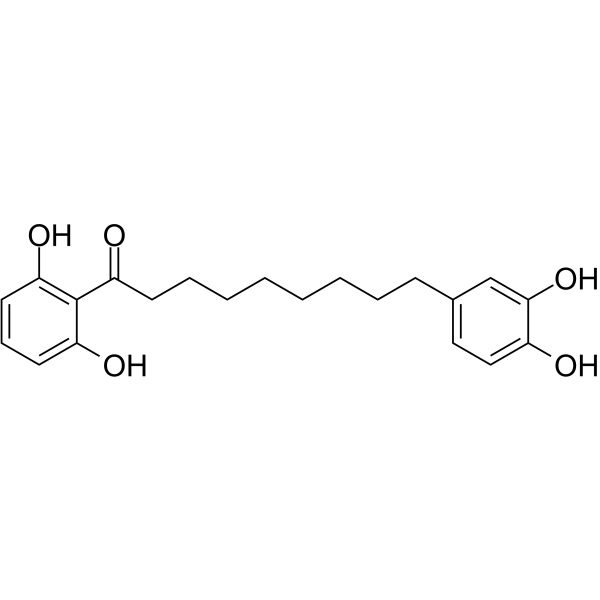
Malabaricone C is an orally active and noncompetitive sphingomyelin synthase (SMS) inhibitor with IC50 values of 3 μM and 1.5 μM for SMS 1 and SMS 2, respectively. Malabaricone C reduces body weight gain, improves glucose tolerance, and decreases lipid accumulation in the liver, showing significant prevention of high fat diet-induced fatty liver in mice. Malabaricone C has anti-inflammatory effects, which is found in the fruits of Myristica cinnamomea King. Malabaricone C is promising for research of obesity and immunological disorders caused due to hyper-activation of T-cells .
loading...
    loading...
3
3 Cited Publications
Cat. No.: HY-112726
CAS No.: 1478364-68-9
Purity:  98.79%
Synonyms: BI-1467335
Target:  

VAP-1 MMP

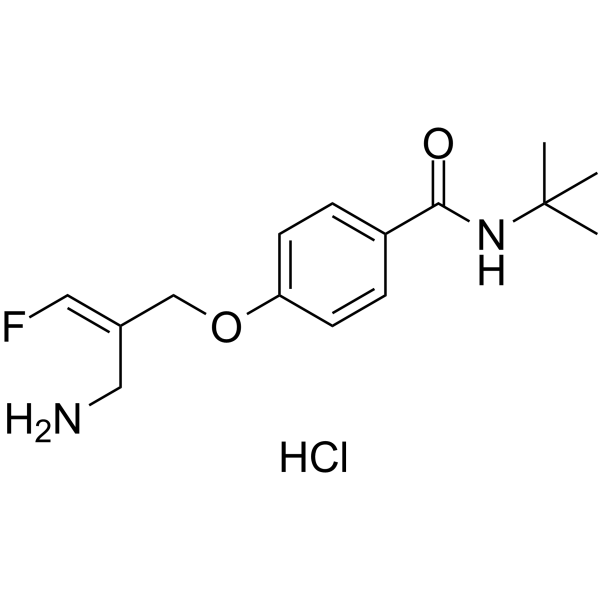
PXS-4728A is an orally active, selective VAP-1/SSAO inhibitor with an IC50 of 5 nM and a Ki of 175 nM. PXS-4728A inhibits the expression of MMP-9. It reduces cell rolling, adhesion and migration, decreases cell infiltration levels, pro-inflammatory cytokines, chemokines and collagen deposition, and improves pulmonary function. PXS-4728A reduces the formation and progression of atherosclerotic plaques, and decreases blood lipid and blood glucose levels as well as body weight gain. PXS-4728A can be used in research related to chronic obstructive pulmonary disease, cystic fibrosis, acute pulmonary inflammation, acute lung injury, bronchiolitis obliterans syndrome, rhinovirus-exacerbated asthma, sepsis, Klebsiella pneumoniae pulmonary infection and atherosclerosis .
loading...
    loading...
2
2 Cited Publications
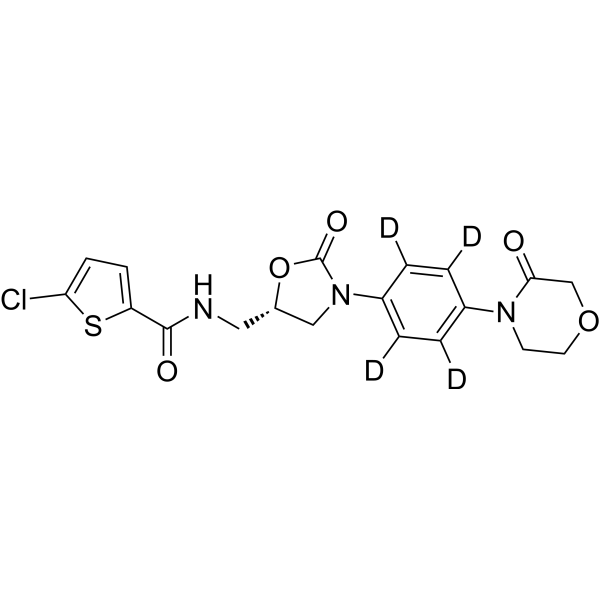
Cat. No.: HY-50903S
CAS No.: 1132681-38-9
Synonyms: BAY 59-7939-d4
Rivaroxaban-d4 (BAY 59-7939-d4) is a deuterium labeled Rivaroxaban. Rivaroxaban is a highly potent,selective and direct Factor Xa (FXa) inhibitor, achieving a strong gain in anti-FXa potency (IC50 0.7 nM; Ki 0.4 nM) .
loading...
    loading...
2
2 Cited Publications
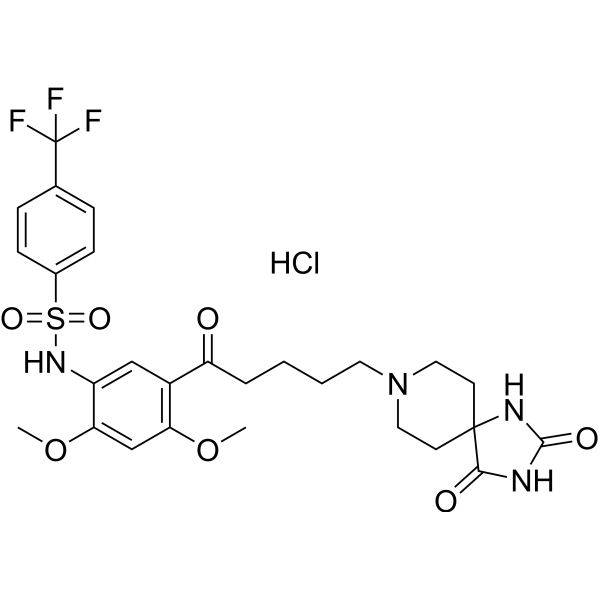
Cat. No.: HY-101365A
CAS No.: 187397-18-8
Purity:  99.33%
Target:  

5-HT Receptor

Research Areas:  

Neurological Disease

RS-102221 hydrochloride is a selective 5-HT2C receptor antagonist (Ki=10 nM). RS-102221 hydrochloride shows nearly 100-fold selectivity for the 5-HT2C receptor as compared to the 5-HT2A and 5-HT2B receptors. RS-102221 hydrochloride can promote the differentiation of new nerve cells. RS-102221 hydrochloride increases food-intake and weight-gain in rats .
loading...
    loading...
2
2 Cited Publications
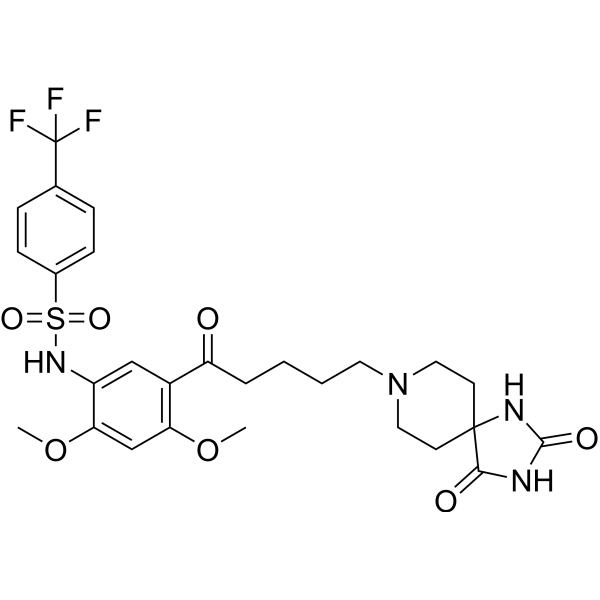
Cat. No.: HY-101365
CAS No.: 185376-97-0
Target:  

5-HT Receptor

Research Areas:  

Neurological Disease

RS-102221 is a selective 5-HT2C receptor antagonist (Ki=10 nM). RS-102221 shows nearly 100-fold selectivity for the 5-HT2C receptor as compared to the 5-HT2A and 5-HT2B receptors. RS-102221 can promote the differentiation of new nerve cells. RS-102221 increases food-intake and weight-gain in rats .
loading...
    loading...
2
2 Cited Publications
Cat. No.: HY-157189
CAS No.: 898211-21-7
Purity:  99.72%
Synonyms: GPR132 antagonist 1
Target:  

G2A (GPR132)

Research Areas:  

Metabolic Disease

NOX-6-18 (GPR132 antagonist 1) is a GPR132 antagonist with an IC50 of 15.17 nM against the human target. NOX-6-18 inhibits GPR132 activation via interaction with non-conserved residues, blocks activities induced by endogenous agonists and 9 (S)-HODE, and exhibits selectivity for other fatty acid-binding GPCRs. NOX-6-18 regulates macrophage reprogramming, alleviates inflammatory responses, downregulates inflammatory markers and signaling pathways, and reduces the degree of hepatic steatosis and hepatic triglyceride levels. NOX-6-18 regulates metabolic homeostasis, reduces weight gain, enhances glucose metabolism, improves glucose tolerance, decreases fasting blood glucose and insulin levels, and partially reverses reductions in energy expenditure and respiratory quotient. NOX-6-18 can be used in the research of type 2 diabetes .
loading...
    loading...
2
2 Cited Publications
Cat. No.: HY-B0279
CAS No.: 87333-19-5
Synonyms: HOE-498
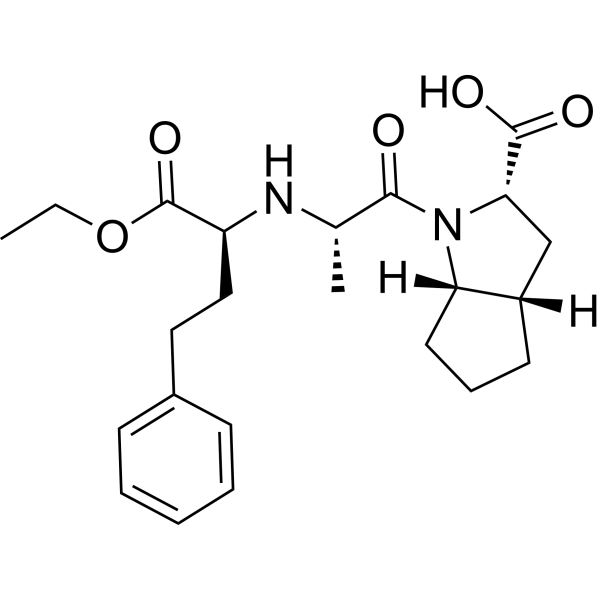
Ramipril (HOE-498) is an orally active angiotensin-converting enzyme (ACE) inhibitor with blood-brain barrier permeability, and it is metabolized in vivo to the active metabolite Ramiprilat (HY-A0115). Ramipril has antioxidant, vasoprotective, and anti-atherosclerotic effects. Ramipril reduces the degradation of angiotensin II and bradykinin, downregulates TGF-beta/CTGF/fibronectin/α-SMA, and inhibits pancreatic/cardiac fibrosis. Ramipril improves glucose tolerance and insulin secretion, and reduces weight gain/appetite. Ramipril sensitizes mast cells, enhances FcεRI histamine release/degranulation, aggravates IgE allergic reactions, and downregulates the bradykinin receptor. Ramipril improves vascular endothelial relaxation function in spontaneously hypertensive rats. Ramipril alleviates Oxaliplatin (HY-17371)-induced acute hyperalgesia in mice. Ramipril can be used in research related to diseases such as type 2 diabetes, rheumatoid arthritis, allergy, and hypertension .
loading...
    loading...
1
1 Cited Publications
Cat. No.: HY-W042416
CAS No.: 127-19-5
Synonyms: DMAc
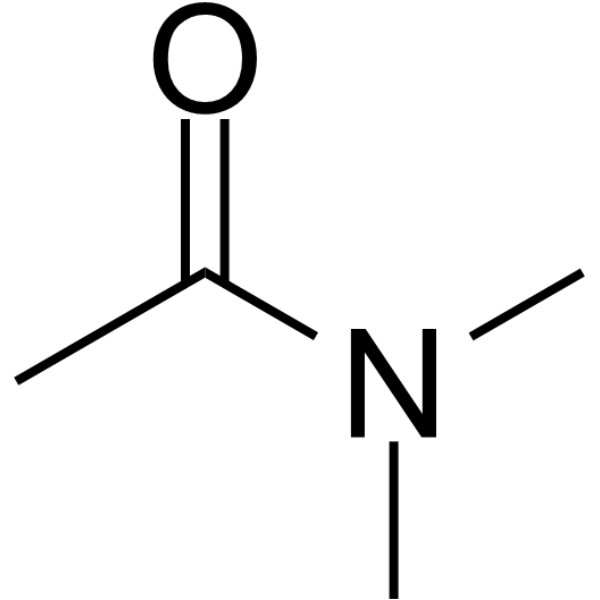
N,N-Dimethylacetamide (DMAc) is an organic solvent with blood-brain transmissibility and an FDA-approved drug excipient. N, N-dimethylacetamide exerts anti-inflammatory activity by inhibiting the NF-κB signaling pathway. N, N-dimethylacetamide can be used in studies of weight gain caused by a high-fat diet and neuroinflammation in Alzheimer's disease .
loading...
    loading...
1
1 Cited Publications
Cat. No.: HY-N0468
CAS No.: 63279-13-0
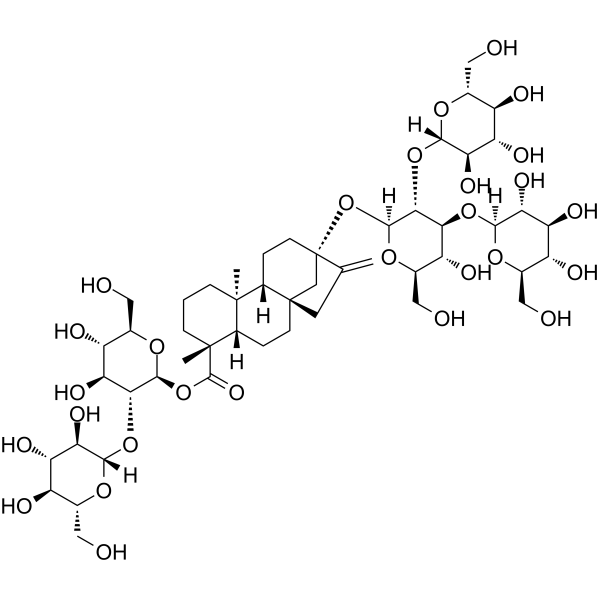
Rebaudioside D is an orally active sweetener that targets and activates FXR, modulates Acetyl-CoA Carboxylase, and inhibits 3-hydroxy-3-methylglutaryl-CoA reductase. Rebaudioside D regulates bile acid homeostasis and lipid metabolism, reduces the synthesis rates of fatty acids and cholesterol, and exerts multiple effects including anti-adipogenesis, hepatoprotection, anti-steatosis, gut microbiota modulation, enhancement of secondary bile acid metabolism, anti-endotoxin activity, regulation of bile acid transport, and inhibition of bile acid efflux. Rebaudioside D also reduces body weight gain, visceral fat accumulation, hepatic triglyceride and cholesterol accumulation, hepatic lipid peroxidation, and decreases the circulating level of lipopolysaccharide-binding protein. Rebaudioside D additionally enhances the secondary bile acid metabolic pathway of intestinal bacteria, upregulates the gene expression of ileal organic solute transporter α, and downregulates the gene expression of hepatic bile salt export pump. Rebaudioside D does not affect glucose homeostasis, alter total caloric intake or fecal energy excretion, induce weight gain, exacerbate obesity, promote hepatic steatosis, impair brown adipose tissue function, nor change skeletal muscle metabolism-related proteins. Rebaudioside D can be used in diet-induced obesity and obesity-related research .
loading...
    loading...
1
1 Cited Publications
Cat. No.: HY-120619
CAS No.: 186185-03-5
Purity:  99.08%
BMS-193885 is a selective neuropeptide Y1 receptor antagonist (Ki=3.3 nM) that competitively blocks the receptor to inhibit NPY-mediated appetite regulation signaling pathways, reduce food intake and inhibit weight gain. BMS-193885 has good blood-brain barrier penetration and is mainly used in the study of obesity and related metabolic diseases .
loading...
    loading...
1
1 Cited Publications
Cat. No.: HY-153617
CAS No.: 2451093-95-9
Purity:  99.05%
Target:  

FOXO

Research Areas:  

Metabolic Disease

FOXO1-IN-3 is a highly-selective and orally active FOXO1 inhibitor. FOXO1-IN-3 reduces hepatic glucose production in mice. FOXO1-IN-3 improves insulin sensitivity and glucose control in db/db mice without causing weight gain .
loading...
    loading...
1
1 Cited Publications
Cat. No.: HY-W105750
CAS No.: 1191-25-9
Synonyms: 6-HHA
6-Hydroxyhexanoic acid (6-HHA) is a bacterial effector molecule with metabolic and immunomodulatory activities. 6-Hydroxyhexanoic acid activates the JAK1-STAT1 signaling pathway, promotes phenotypic conversion of M2 macrophages to M1 macrophages, and exerts anti-tumor effects by regulating macrophage polarization. 6-Hydroxyhexanoic acid inhibits lipolysis in adipocytes mediated by Gαi family GPCR, and reduces high-fat diet-induced weight gain and obesity. 6-Hydroxyhexanoic acid can be used in studies related to pancreatic ductal adenocarcinoma, obesity, and insulin resistance .
loading...
    loading...
1
1 Cited Publications
Cat. No.: HY-76948
CAS No.: 865479-71-6
Target:  

Factor Xa

Research Areas:  

Cardiovascular Disease

5-R-Rivaroxaban is (R)-enantiomer of Rivaroxaban. Rivaroxaban (BAY 59-7939) is a highly potent and selective, direct Factor Xa (FXa) inhibitor, achieving a strong gain in anti-FXa potency (IC50 0.7 nM; Ki 0.4 nM).
loading...
    loading...
1
1 Cited Publications
Cat. No.: HY-121827
CAS No.: 611207-11-5
Purity:  99.83%
Target:  

Cannabinoid Receptor

Research Areas:  

Metabolic Disease

LH-21 is a potent in vivo neutral cannabinoid CB1 receptor antagonist. LH-21 reduces food intake and body weight gain in obese Zucker rats. , and displays efficacy as a feeding inhibitor .
loading...
    loading...
1
1 Cited Publications
Cat. No.: HY-W704574
CAS No.: 77102-28-4
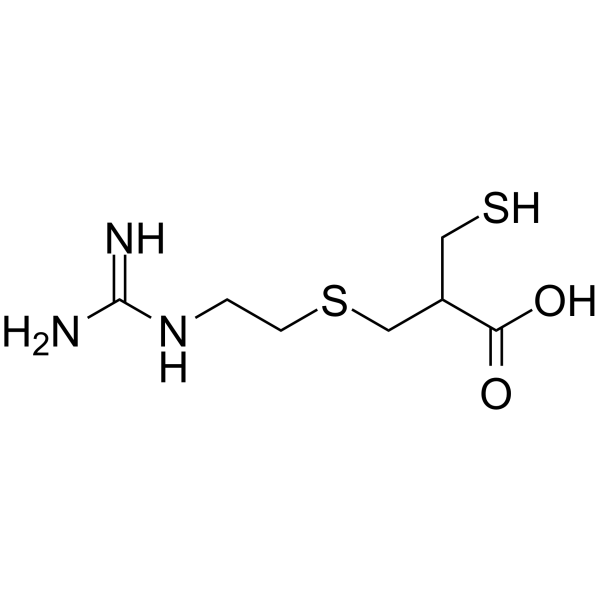
Mergetpa is a reversible Arg-carboxypeptidase inhibitor with high affinity. Mergetpa reduces B1R. Mergetpa blocks the overexpression of IL-1β protein and mRNA in glucose-fed rats. Mergetpa significantly increases the expression of IL-1β protein in the renal cortex. Mergetpa is used to block the conversion of kinins and B2 receptor antagonists into metabolites lacking the C-terminal arginine. Mergetpa inhibits the time-dependent enhancement of the response of isolated rabbit aorta to bradykinin. Mergetpa preserves the chemotactic activity of full-length SDF-1α on cells. Mergetpa reverses hyperglycemia, excessive weight gain, elevated levels of oxidative stress markers and overexpression of inflammatory markers in glucose-fed rats .
loading...
    loading...
Cat. No.: HY-P99116
CAS No.: 1607793-29-2
Synonyms: RG7716; RO-6867461
Faricimab, an overall good safety and tolerability profile, is a bispecific antibody targeting Angiopoietin-2 (Ang-2) and vascular endothelial growth factor-A (VEGF-A). Faricimab prevents retinal vascular leakage, cell death and inflammation in retinal ischemia/reperfusion (I/R) injury and sCNV mouse models. Faricimab demonstrates statistically superior visual acuity gains versus Ranibizumab (HY-P9951). Faricimab can be used for retinal diseases, such as age-related macular degeneration (w-AMD), diabetic macular edema (DME) and macular edema following retinal vein occlusion (RVO) .
loading...
    loading...
Cat. No.: HY-14401
CAS No.: 787583-71-5
Purity:  99.88%
Synonyms: CLTX-305; JTT-305; MK-5442
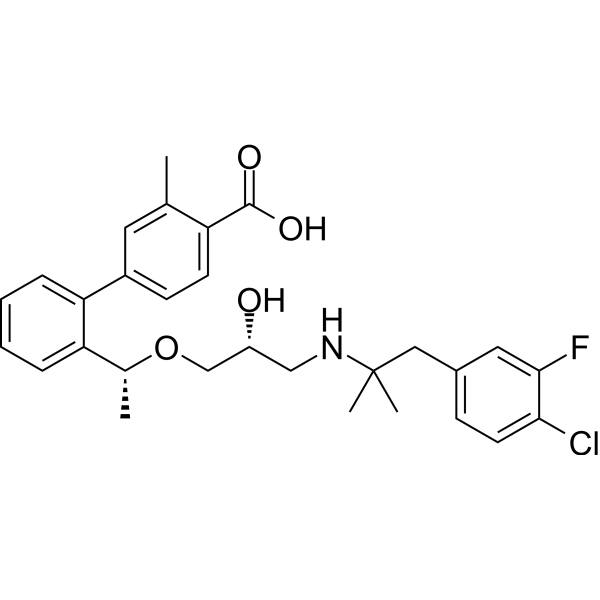
Encaleret (CLTX-305) is an orally active antagonist of the calcium-sensing receptor (CaSR), with an IC50 of 12 nM. Encaleret exerts its effect by inhibiting the excessive activity of functional gain-of-function CaSR variants, and can restore blood calcium levels, promote the secretion of parathyroid hormone, improve magnesium and phosphorus metabolism, and increase urinary calcium excretion. Encaleret can be used in the research of diseases such as osteoporosis and autosomal dominant hypocalcemia type 1 .
loading...
    loading...
Cat. No.: HY-118930
CAS No.: 455956-93-1
Purity:  99.02%
Target:  

Melanocortin Receptor

Research Areas:  

Metabolic Disease

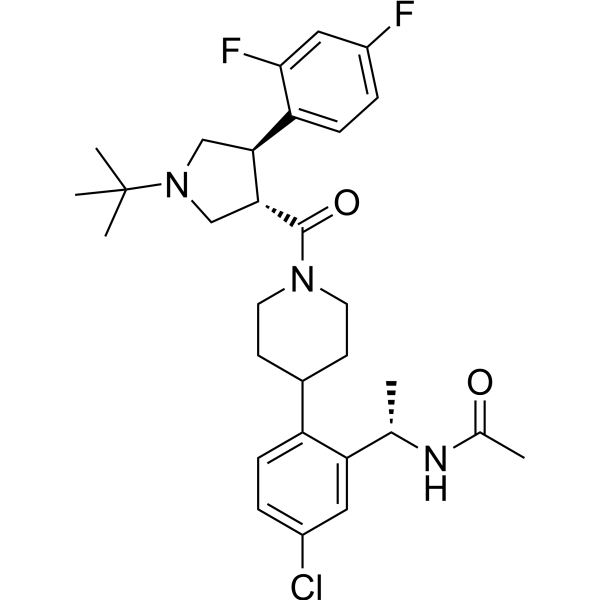
MK-0493 is an orally active melanocortin-4 receptor (MC4R) agonist. MK-0493 reduces food intake, suppresses weight gain, elevates blood pressure at high doses, and exhibits preclinical erectile regulatory activity. MK-0493 can be used in research related to obesity .
loading...
    loading...

