

25 Results for "

glucose intolerance

" in MedChemExpress (MCE) Product Catalog:
Products (25)

25 Results for "glucose intolerance" in MCE Product Catalog:

54
54 Publications Verification
Cat. No.: HY-B0445A
CAS No.: 20111-18-6
Synonyms: β-DPN sodium; β-NAD sodium; β-Nicotinamide Adenine Dinucleotide sodium
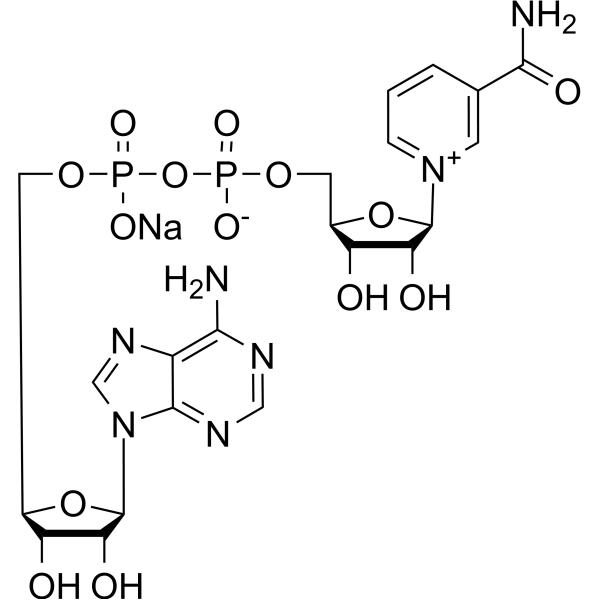
NAD sodium is an orally effective cofactor and homeostatic regulator. NAD sodium can be reduced to β-nicotinamide adenine dinucleotide (NADH) during coupling with reactions that oxidize organic substrates. NAD sodium can be converted to β-nicotinamide adenine dinucleotide (NADH) and passes to the inside of mitochondria, which indirectly generates ATP. NAD sodium can be used for the research of non-alcoholic fatty liver disease, obesity, and glucose intolerance .
loading...
    loading...
2
2 Cited Publications
Cat. No.: HY-117880
CAS No.: 1781244-77-6
Purity:  99.48%
Synonyms: CORT 125281
Research Areas:  

Metabolic Disease Endocrinology

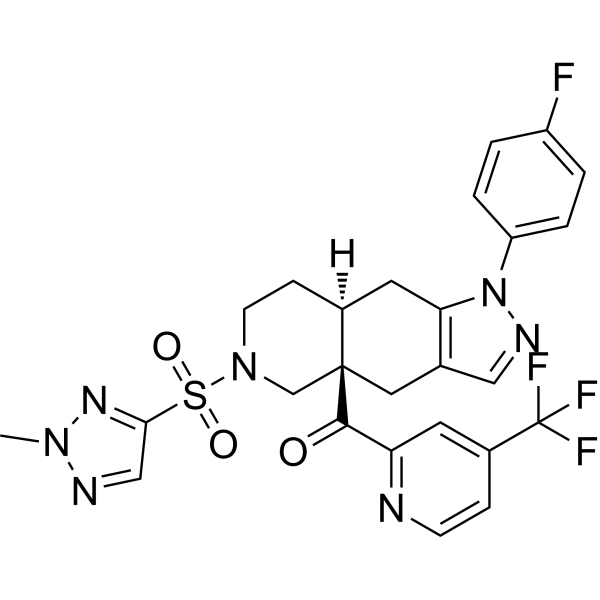
Exicorilant (CORT 125281) is a selective and oral active glucocorticoid receptor (GR) antagonist, with a Ki value of 7 nM . Exicorilant (CORT 125281) has potential to overcome adiposity, glucose intolerance and dyslipidaemia .
loading...
    loading...
1
1 Cited Publications
Cat. No.: HY-111469
CAS No.: 888213-72-7
Purity:  99.14%
Target:  

Phosphatase

Research Areas:  

Metabolic Disease

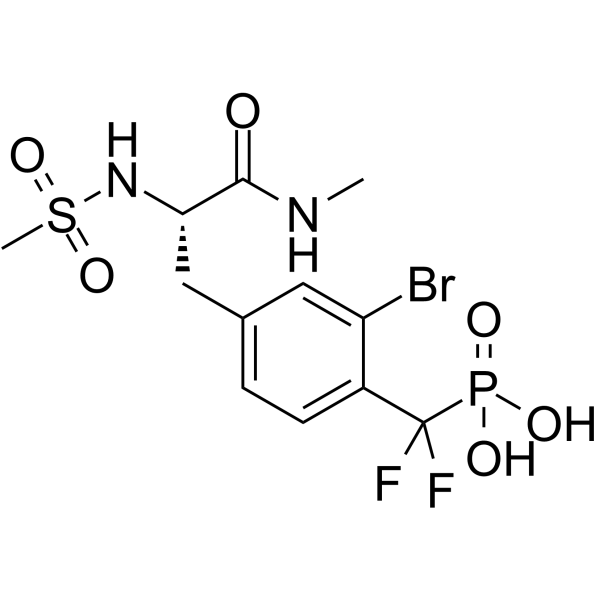
CPT-157633, a difluoro-phosphonomethyl phenylalanine derivative, and is a PTP1B inhibitor. CPT-157633 prevents binge drinking-induced glucose intolerance .
loading...
    loading...
Cat. No.: HY-W009417
CAS No.: 77-54-3
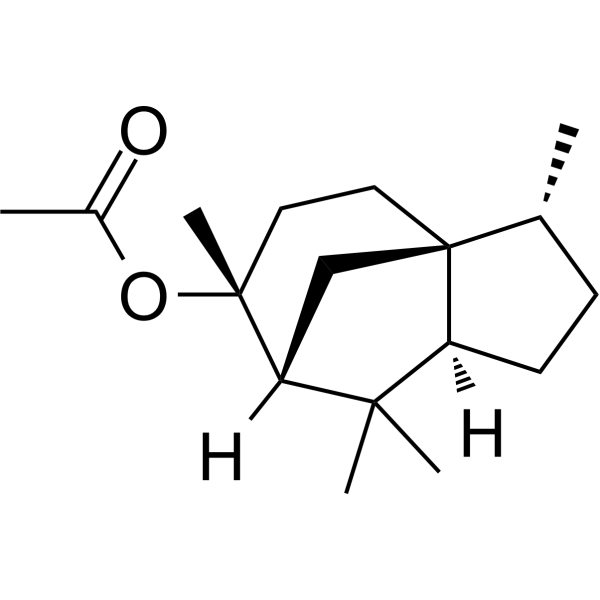
Cedryl acetate is an orally active α-glucosidase inhibitor with an IC50 of 94 μM against yeast α-glucosidase. Cedryl acetate reduces high-fat diet-induced body weight gain, visceral fat pad weight, adipocyte hypertrophy, hepatic lipid accumulation, glucose intolerance, insulin resistance and gluconeogenesis. Cedryl acetate can be used in the research of obesity and obesity-related metabolic syndrome .
loading...
    loading...
Cat. No.: HY-N7912
CAS No.: 35910-16-8
Synonyms: (2S)-Pterosin A
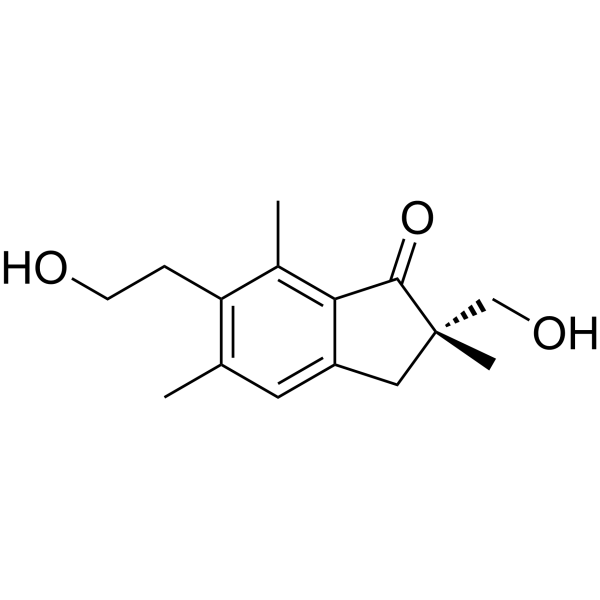
Pterosin A ((2S)-Pterosin A) is a sesquiterpene compound. Pterosin A is an orally active AMPK activator with anti-diabetic effect. Pterosin A can promote glucose uptake, increase serum insulin, and improve hyperglycemia and glucose intolerance. Pterosin A can prevent insulin-secreting cells death and reduce ROS production. Pterosin A can be used for the research of metabolic disease, such as diabetes .
loading...
    loading...
Cat. No.: HY-P5390A
Research Areas:  

Metabolic Disease

GIP, rat TFA is a bioactive peptide derived from rats. GIP, rat TFA inhibits GIP-mediated postprandial insulin release as well as GIP-promoted glucose uptake in the upper small intestine. GIP, rat TFA can be used in research related to insulin resistance, glucose intolerance, and type 2 diabetes .
loading...
    loading...
Cat. No.: HY-153815
CAS No.: 2784590-83-4
Purity:  98.01%
Synonyms: GLP-1 receptor agonist 11
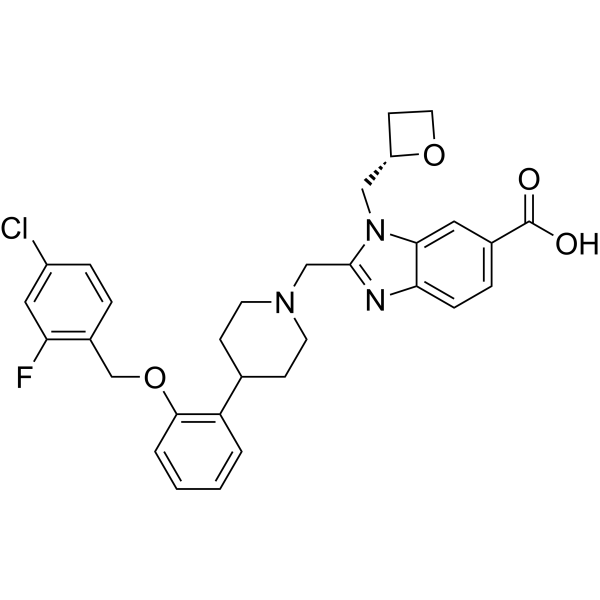
GLP-1 receptor agonist 11 is a GLP-1 receptor agonist .GLP-1 receptor agonist 11 activates the GLP-1 receptor .GLP-1 receptor agonist 11 can be used for the research of diabetes, non-alcoholic fatty liver disease, glucose intolerance, dyslipidemia, syndrome x, arteriosclerosis, hypertension, obesity, hepatic fibrosis, cirrhosis, somnolence, hyperglycemia, hyperlipidemia, atherosclerosis, hypertriglyceridemia, type 1 diabetes, type 2 diabetes, diabetic dyslipidemia .
loading...
    loading...
Cat. No.: HY-113512
CAS No.: 90780-52-2
Purity:  98.8%
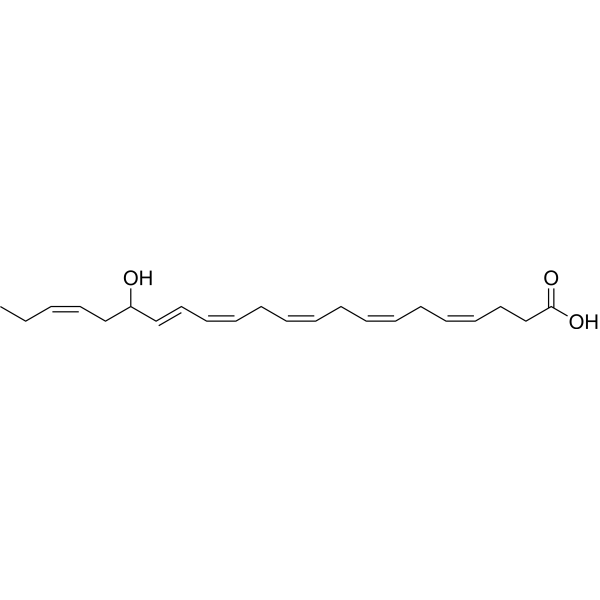
17-HDHA is a DHA-derived specialized pro-resolving mediator (SPM). 17-HDHA inhibits NF-κB activation by activating PPARγ and upregulating IκBα, targets FPR2 and Bcl-6, and also acts as a precursor of RvD1 and PD1. 17-HDHA inhibits pulmonary artery smooth muscle cell proliferation, regulates the expression of adiponectin, GLUT-4 and inflammatory cytokines, suppresses IgE production by B cells and promotes antibody secretion. 17-HDHA reduces adipose tissue inflammation, improves insulin sensitivity and glucose tolerance, alleviates pathological processes associated with pulmonary hypertension, and enhances antibody responses and virus neutralizing activity against influenza HA. 17-HDHA can be used in research related to obesity-associated inflammation, insulin resistance, glucose intolerance, pulmonary hypertension and influenza virus infection .
loading...
    loading...
Cat. No.: HY-134191
CAS No.: 1817737-04-4
Target:  

Cryptochrome

Research Areas:  

Metabolic Disease

Cryptochrome modulator 1 (Compound 50) is a cryptochrome modulator. Cryptochrome modulator 1 reduces glucose intolerance in diabetic mice .
loading...
    loading...
Cat. No.: HY-P3866
CAS No.: 14317-68-1
Target:  

Oxytocin Receptor

Research Areas:  

Metabolic Disease

[Asu1,6]-Oxytocin is an analog of oxytocin. [Asu1,6]-Oxytocin reverses insulin resistance and glucose intolerance prior to reduction of obesity. [Asu1,6]-Oxytocin has the potential for the research of obesity and diabetes .
loading...
    loading...
Cat. No.: HY-101292
CAS No.: 193012-35-0
Purity:  99.97%
Target:  

PPAR

Research Areas:  

Metabolic Disease

FK614 is an orally active, non-thiazolidinedione (TZD) type, and selective PPARγ modulator (SPPARM). FK614 functions as a PPARγ agonist with potent anti-diabetic activity in vivo. FK614 has different effects on the activation of PPARγ at each stage of adipocyte differentiation. FK614 can be used for the research of hyperglycemia, hypertriglyceridemia, glucose intolerance and type 2 diabetes .
loading...
    loading...
Cat. No.: HY-P5390
Research Areas:  

Metabolic Disease

GIP, rat is a bioactive peptide derived from rats. GIP, rat inhibits GIP-mediated postprandial insulin release as well as GIP-promoted glucose uptake in the upper small intestine. GIP, rat can be used in research related to insulin resistance, glucose intolerance, and type 2 diabetes .
loading...
    loading...
Cat. No.: HY-123765
CAS No.: 701232-94-2
Target:  

Acyltransferase

Research Areas:  

Metabolic Disease

JTT-553 is a DGAT1 inhibitor (IC50: 2.38 nM). JTT-553 reduces plasma concentrations of glucose, insulin, non-esterified fatty acids (NEFA), total cholesterol (TC), and hepatic triglycerides (TG). JTT-553 improves insulin-dependent glucose uptake and glucose intolerance in adipose tissue of DIO mice. JTT-553 reduces TNF-α mRNA levels and increases GLUT4 mRNA levels in adipose tissue of KK-Ay mice. JTT-553 improves adipose tissue insulin resistance and systemic glucose metabolism by reducing body weight. JTT-553 can be used in the study of obesity and type 2 diabetes mellitus (T2DM) .
loading...
    loading...
Cat. No.: HY-W009417R
CAS No.: 77-54-3
Cedryl acetate (Standard) is the analytical standard of Cedryl acetate. This product is intended for research and analytical applications. Cedryl acetate is an orally active α-glucosidase inhibitor with an IC50 of 94 μM against yeast α-glucosidase. Cedryl acetate reduces high-fat diet-induced body weight gain, visceral fat pad weight, adipocyte hypertrophy, hepatic lipid accumulation, glucose intolerance, insulin resistance and gluconeogenesis. Cedryl acetate can be used in the research of obesity and obesity-related metabolic syndrome .
loading...
    loading...
Cat. No.: HY-P11881
IUB288 is a stable and long-acting glucagon-modified peptide, as well as a highly selective Glucagon Receptor agonist. IUB288 stimulates the production of cAMP, increases the expression levels of FGF21 in plasma and liver, regulates bile acid metabolism, and inhibits the expression of hepatic HMGCR. IUB288 improves hypercholesterolemia, enhances insulin sensitivity, increases core body temperature, boosts energy expenditure, suppresses food intake, and can also induce hyperglycemia and glucose intolerance. IUB288 is applicable to the research of diet-induced obesity, type 2 diabetes, and obesity-related glucose intolerance .
loading...
    loading...
Cat. No.: HY-N8250
CAS No.: 928205-59-8
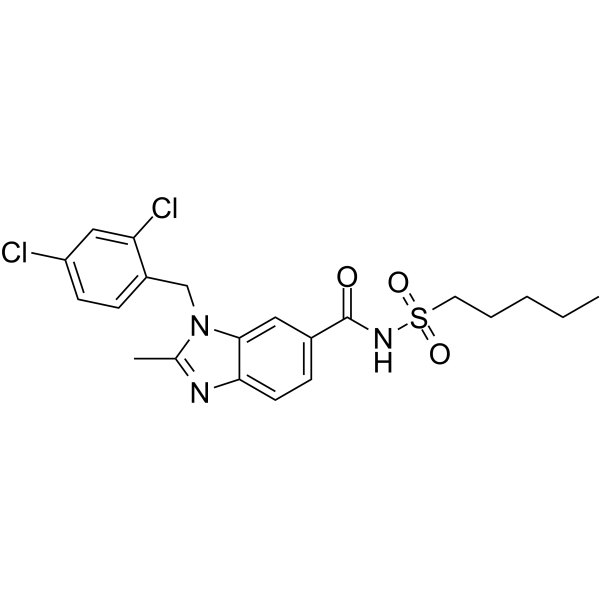
cis-THSG is a selective and orally active DNA topoisomerase II inhibitor with no activity against DNA topoisomerase I. cis-THSG suppresses transcription of PEPCK. cis-THSG reduces blood glucose levels, ameliorates glucose intolerance, and alleviates insulin resistance in high fat diet-induced diabetic male CF-1 mice. cis-THSG can be used for the research of type 2 diabetes mellitus .
loading...
    loading...
Cat. No.: HY-111469R
CAS No.: 888213-72-7
Research Areas:  

Metabolic Disease

CPT-157633 (Standard) is the analytical standard of CPT-157633 (HY-111469). This product is intended for research and analytical applications. CPT-157633, a difluoro-phosphonomethyl phenylalanine derivative, and is a PTP1B inhibitor. CPT-157633 prevents binge drinKing-induced glucose intolerance .
loading...
    loading...
Cat. No.: HY-P11880
Target:  

GCGR

Research Areas:  

Metabolic Disease

LY3324954 is a long-acting, highly selective glucagon receptor (GCGR) agonist. LY3324954 stimulates cAMP production via the hepatic GCGR signaling pathway and induces acute blood glucose elevation, while promoting FGF21 expression in the liver and plasma. LY3324954 reduces body weight and abdominal fat mass, increases energy expenditure, and effectively improves lipid homeostasis, insulin sensitivity, and glucose intolerance. LY3324954 can be used in obesity-related research .
loading...
    loading...
Cat. No.: HY-182280
Target:  

Insulin Receptor

Research Areas:  

Metabolic Disease

BDM71230 is an orally active inducer of insulin-degrading enzyme (IDE), with an EC50 of 1.9 μM against human IDE. BDM71230 binds to the interface of IDE dimers and enhances the catalytic activity of IDE via steric effects. BDM71230 can potentiate the hydrolytic effect of IDE on insulin and slightly attenuate the hypoglycemic effect of insulin. BDM71230 serves as a pharmacological tool for investigating IDE function and is applicable to studies related to glucose intolerance .
loading...
    loading...
Cat. No.: HY-183489
CAS No.: 1357266-44-4
TAAR1-agonist-4 is a TAAR1 agonist and oral hypoglycemic agent with an EC50 of 0.0046 μM for TAAR1. TAAR1-agonist-4 alleviates antipsychotic-related metabolic side effects, improves negative and cognitive symptoms, and reduces drug abuse behaviors. TAAR1-agonist-4 is applicable to research on schizophrenia, acute manic episodes associated with bipolar disorder, and glucose intolerance .
loading...
    loading...

