1969 Results for "

glutamic acid codon

" in MedChemExpress (MCE) Product Catalog:
Products (1969)

1969 Results for "glutamic acid codon" in MCE Product Catalog:

43
43 Cited Publications
Cat. No.: HY-P0014
CAS No.: 204656-20-2
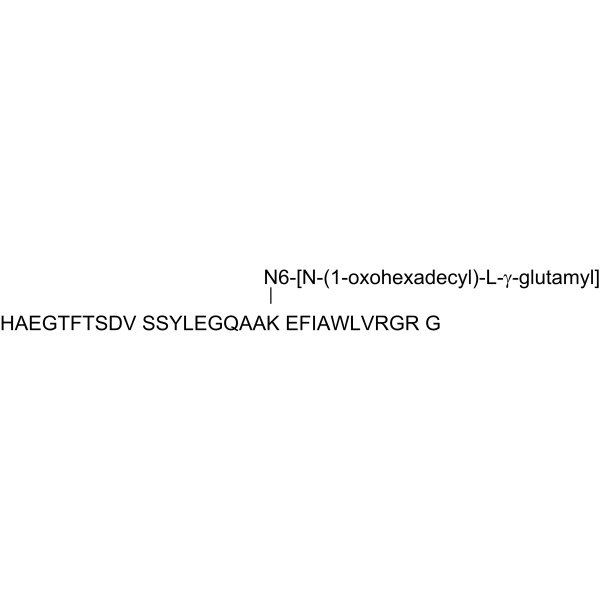
Liraglutide is a glucagon-like peptide-1 (GLP-1) receptor agonist used clinically to treat type 2 diabetes mellitus.
loading...
    loading...
43
43 Cited Publications
Cat. No.: HY-P0014B
Target:  

GLP Receptor

Research Areas:  

Metabolic Disease

Liraglutide (TFA) is an agonist of glucagon-like peptide 1 receptor (GLP-1). Liraglutide (TFA) can activate GLP-1, leading to the release of insulin in the presence of increased glucose concentration. Liraglutide (TFA) also reduces glucagon secretion in a glucose-dependent manner. Liraglutide (TFA) can be studied in research on type 2 diabetes .
loading...
    loading...
33
33 Cited Publications
Cat. No.: HY-N0390
CAS No.: 56-85-9
Synonyms: L-glutamic acid 5-amide
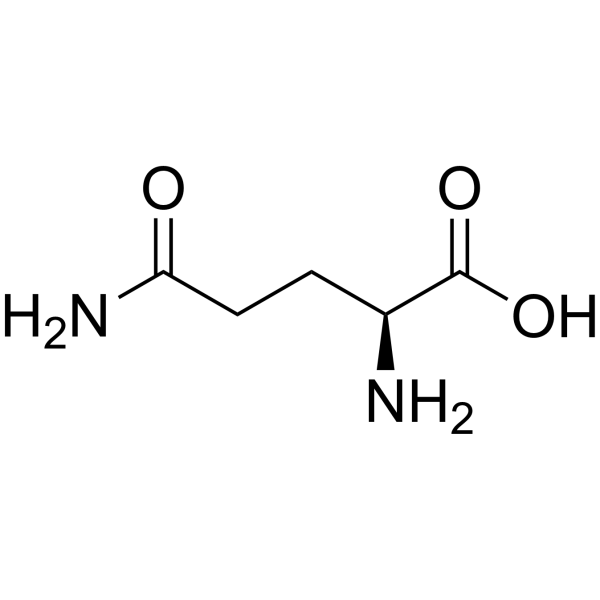
L-Glutamine (L-Glutamic acid 5-amide) is a non-essential amino acid present abundantly throughout the body and involved in many metabolic processes. L-Glutamine provides a source of carbons for oxidation in some cells .
loading...
    loading...
20
20 Cited Publications
Cat. No.: HY-14608
CAS No.: 56-86-0
Purity:  99.81%
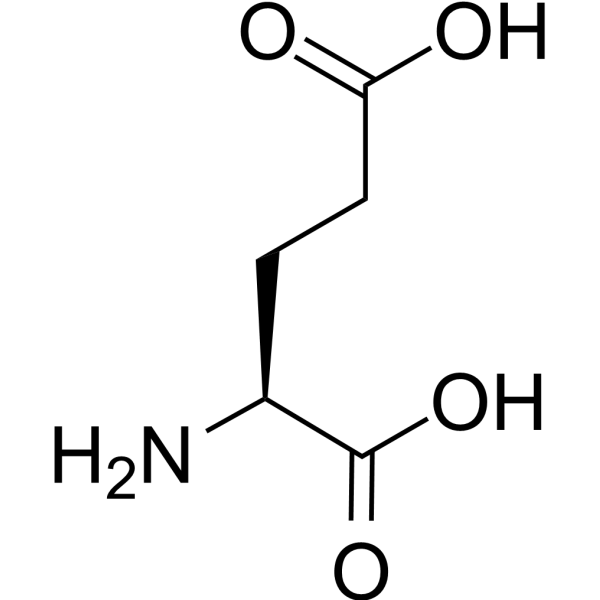
L-Glutamic acid is an excitatory amino acid neurotransmitter that acts as an agonist for all subtypes of glutamate receptors (metabolic rhodophylline, NMDA, and AMPA). L-Glutamic acid has an agonist effect on the release of DA from dopaminergic nerve endings. L-Glutamic acid can be used in the study of neurological diseases. L-Glutamic acid acts at ionotropic and metabotropic glutamate receptors .
loading...
    loading...
19
19 Cited Publications
Cat. No.: HY-14608A
CAS No.: 142-47-2
Purity:  ≥98.0%
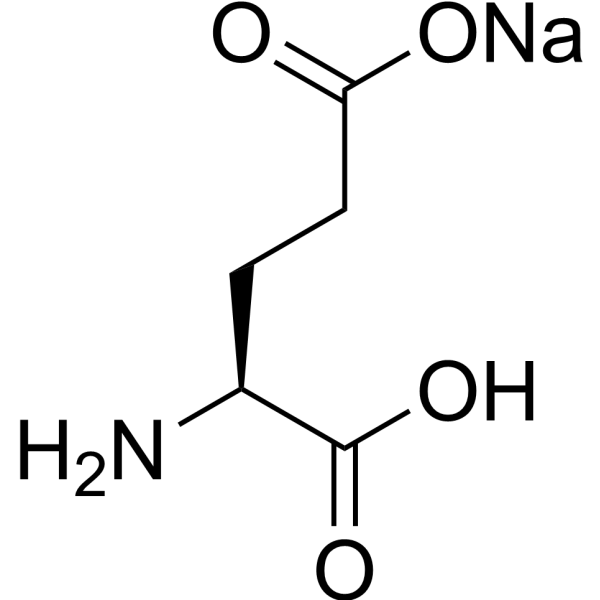
L-Glutamic acid monosodium salt is an excitatory amino acid neurotransmitter that acts as an agonist for all subtypes of glutamate receptors (metabolic rhodophylline, NMDA, and AMPA). L-Glutamic acid monosodium salt has an agonist effect on the release of DA from dopaminergic nerve endings. L-Glutamic acid monosodium salt can be used in the study of neurological diseases. L-Glutamic acid monosodium salt acts at ionotropic and metabotropic glutamate receptors .
loading...
    loading...
18
18 Cited Publications
Cat. No.: HY-W337739
CAS No.: 19473-49-5
Synonyms: Monopotassium L-glutamate
Research Areas:  

Others

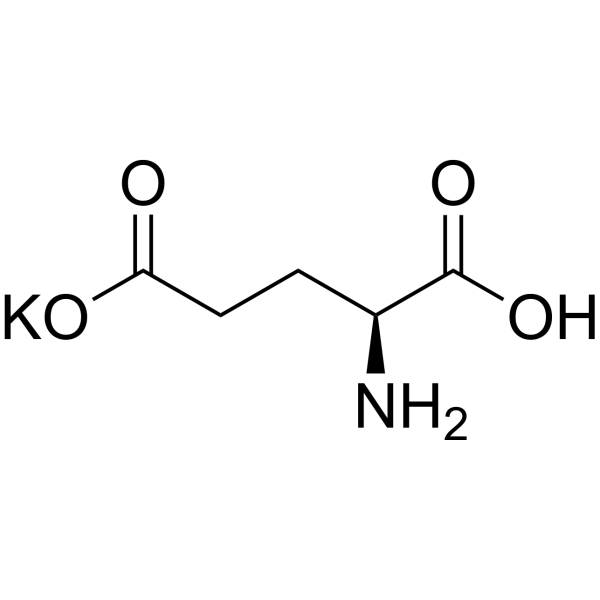
L-Glutamic acid monopotassium salt is a food additive and flavor enhancer that can reduce the harmful effects of lithium .
loading...
    loading...
17
17 Cited Publications
Cat. No.: HY-W419700
CAS No.: 7558-63-6
L-Glutamic acid ammonium is an excitatory amino acid neurotransmitter that acts as an agonist for all subtypes of glutamate receptors (metabolic rhodophylline, NMDA, and AMPA). L-Glutamic acid ammonium has an agonist effect on the release of DA from dopaminergic nerve endings. L-Glutamic acid can be used in the study of neurological diseases. L-Glutamic acid ammonium acts at ionotropic and?metabotropic glutamate receptors .
loading...
    loading...
17
17 Cited Publications
Cat. No.: HY-W016319
CAS No.: 138-15-8
Research Areas:  

Others

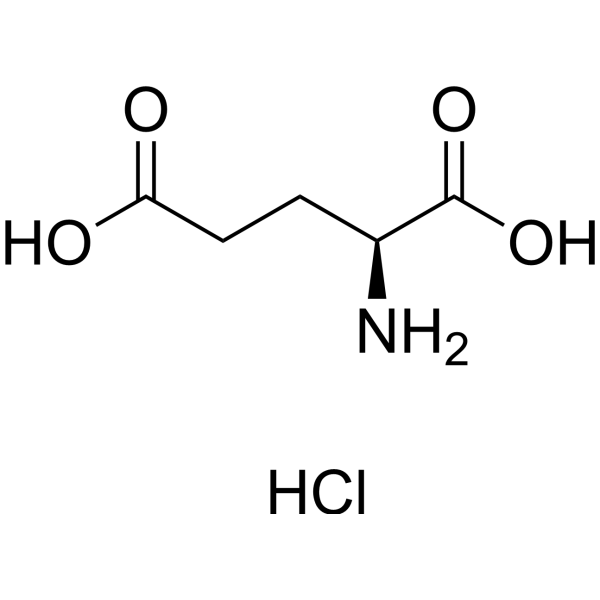
(S)-2-aminopentanedioic acid hydrochloride is a glutamic acid derivative .
loading...
    loading...
13
13 Cited Publications
Cat. No.: HY-N0390S1
CAS No.: 184161-19-1
Synonyms: L-glutamic acid 5-amide-13C5
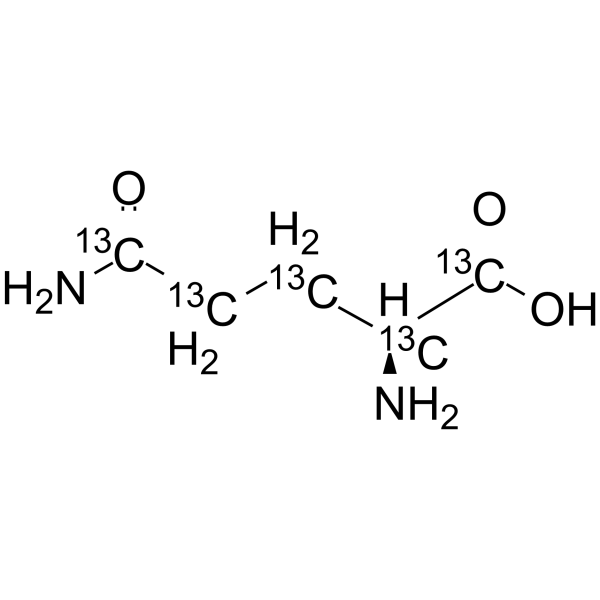
L-Glutamine- 13C5 is the 13C-labeled L-Glutamine (HY-N0390). L-Glutamine is an orally active nutritional agent and cellular metabolism regulator. L-Glutamine is taken up in a Na +-dependent manner and targets multiple key molecules including glutaminase, mTORC1, NF-κB, STAT-3 and HIF-1α. L-Glutamine enhances glutaminolytic catabolism, drives the conversion of glutamate to α-ketoglutarate, thereby regulating gene expression, integrating metabolic signals, mediating glutamine flux and maintaining redox homeostasis. L-Glutamine also promotes cell proliferation, osteogenic differentiation and fracture healing, exerts neuroprotective and cardioprotective effects, and inhibits osteoarthritis. L-Glutamine can be applied to research related to osteoporosis, osteoarthritis, ischemic stroke and acute cantharidin-induced cardiotoxicity .
loading...
    loading...
12
12 Cited Publications
Cat. No.: HY-101444A
CAS No.: 100929-99-5
Purity:  99.89%
Synonyms: MC-207,110 dihydrochloride; Phe-Arg-β-naphthylamide dihydrochloride
Target:  

Bacterial

Research Areas:  

Infection

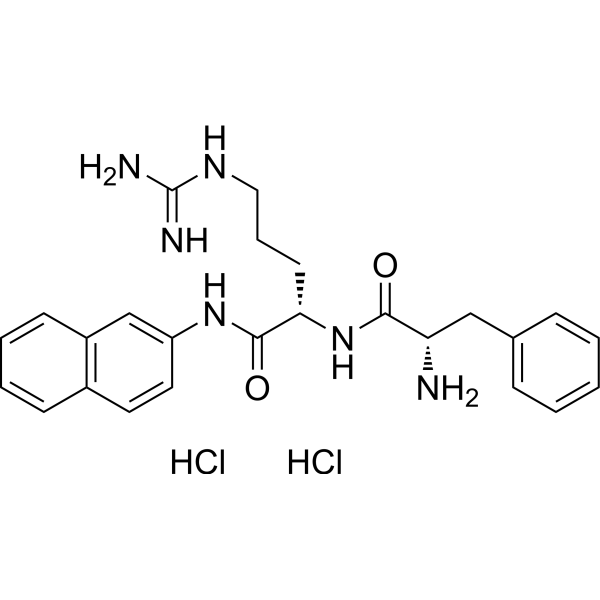
PAβN dihydrochloride (MC-207110 dihydrochloride) is an efflux pump inhibitor.
loading...
    loading...
10
10 Cited Publications
Cat. No.: HY-N0473A
CAS No.: 69847-45-6
Research Areas:  

Others Cancer

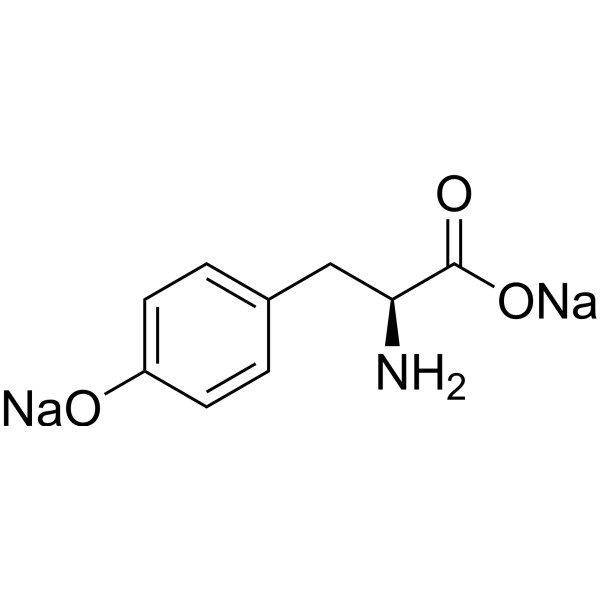
L-Tyrosine (disodium) is a tyrosine derivative .
loading...
    loading...
7
7 Cited Publications
Cat. No.: HY-W011391A
CAS No.: 7300-59-6
Research Areas:  

Others

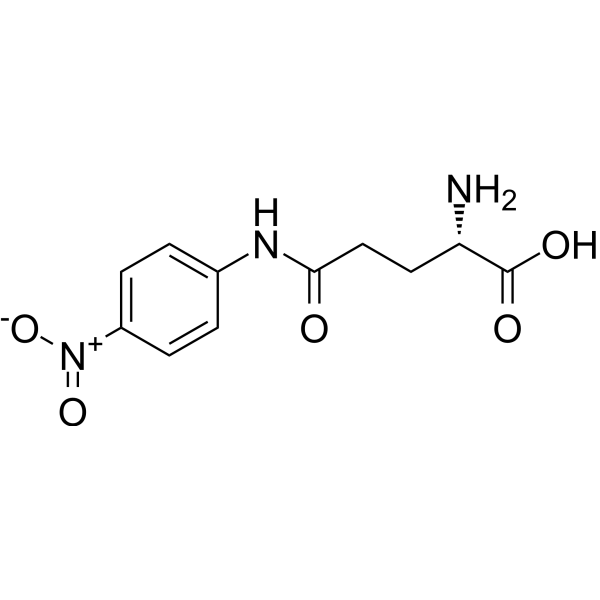
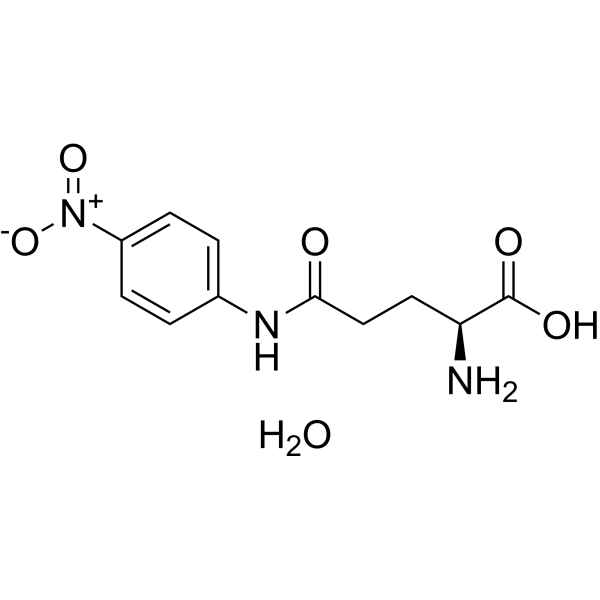
L-γ-Glutamyl-p-nitroanilide Monohydrate is a glutamic acid derivative .
loading...
    loading...
7
7 Cited Publications
Cat. No.: HY-120088A
CAS No.: 1632250-50-0
Purity:  99.44%
Target:  

PCSK9

Research Areas:  

Cardiovascular Disease

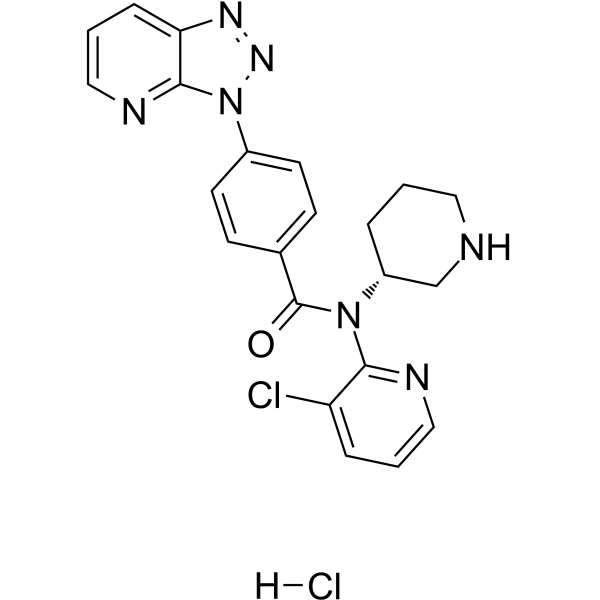
PF-06446846 hydrochloride is an orally active and highly selective inhibitor of translation of Proprotein convertase subtilisin/kexin type 9 (PCSK9). PF-06446846 hydrochloride inhibits PCSK9 by inducing the ribosome to stall around codon 34 .
loading...
    loading...
7
7 Cited Publications
Cat. No.: HY-120088
CAS No.: 1632250-49-7
Target:  

PCSK9

Research Areas:  

Cardiovascular Disease

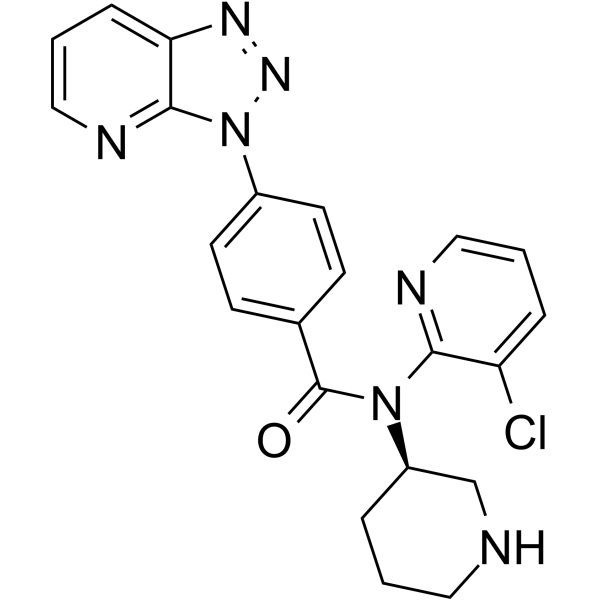
PF-06446846 is an orally active proprotein convertase subtilisin/kexin type 9 (PCSK9) inhibitor. PF-06446846 directly and selectively inhibits translation of PCSK9 by stalling the 80S ribosome in the proximity of codon region .
loading...
    loading...
7
7 Cited Publications
Cat. No.: HY-W345421
CAS No.: 122864-94-2
Research Areas:  

Others

L-γ-Glutamyl-p-nitroanilide (hydrate) is aglutamic acid derivatives.
loading...
    loading...
6
6 Cited Publications
Cat. No.: HY-15121
CAS No.: 3081-61-6
Purity:  99.67%
Synonyms: L-glutamic acid γ-ethyl amide; Nγ-Ethyl-L-glutamine
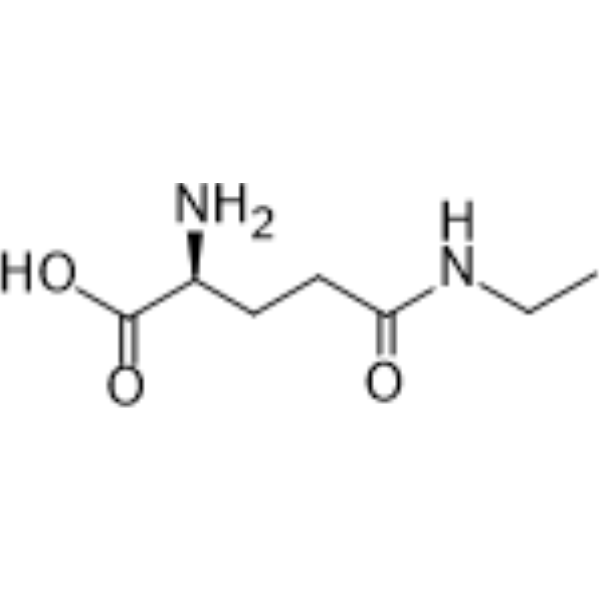
L-Theanine (L-Glutamic Acid γ-ethyl amide) is a non-protein amino acid contained in green tea leaves, which blocks the binding of L-glutamic acid to glutamate receptors in the brain, and with neuroprotective, anticancer and anti-oxidative activities. L-Theanine can pass through the blood–brain barrier and is orally active .
loading...
    loading...
6
6 Cited Publications
Cat. No.: HY-W009203
CAS No.: 30925-07-6
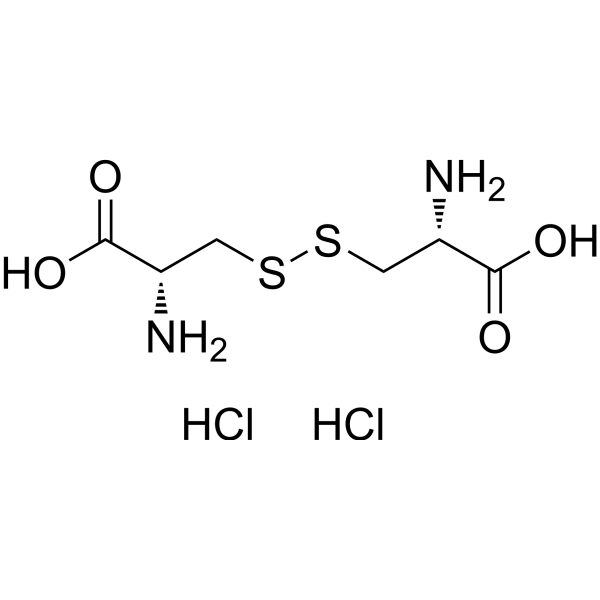
L-Cystine dihydrochloride is the dihydrochloride salt form of L-Cystine (HY-N0394). L-Cystine dihydrochloride elevates Nrf2 protein expression and activates Nrf2 transcription factor. L-cystine dihydrochloride reduces ROS generation and protects against oxidant- or Doxorubicin (HY-15142A)-induced apoptosis. L-Cystine dihydrochloride combined with L-theanine (HY-15121) enhances the production of antigen-specific IgG by increasing glutathione (GSH) levels and T helper 2 (Th2) mediated responses in mice. L-Cystine dihydrochloride is promising for research of cystinuria and kidney stones
loading...
    loading...
5
5 Cited Publications
Cat. No.: HY-W142119
CAS No.: 2792-66-7
Target:  

Ser/Thr Protease

Research Areas:  

Neurological Disease

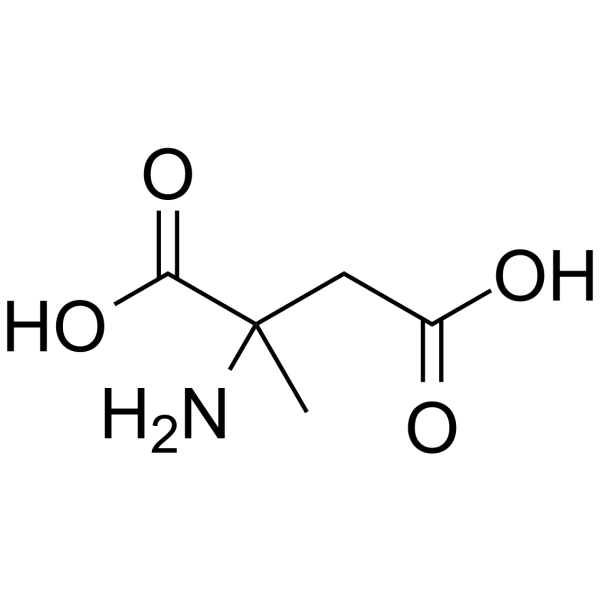
α-Methyl-DL-aspartic acid is a specific inhibitor of argininosuccinate synthase (ASS), and also is the rate-limiting enzyme for the recycling of 1-citrulline to 1-arginine .
loading...
    loading...
4
4 Cited Publications
Cat. No.: HY-P3462
CAS No.: 1415456-99-3
Target:  

CGRP Receptor

Research Areas:  

Metabolic Disease

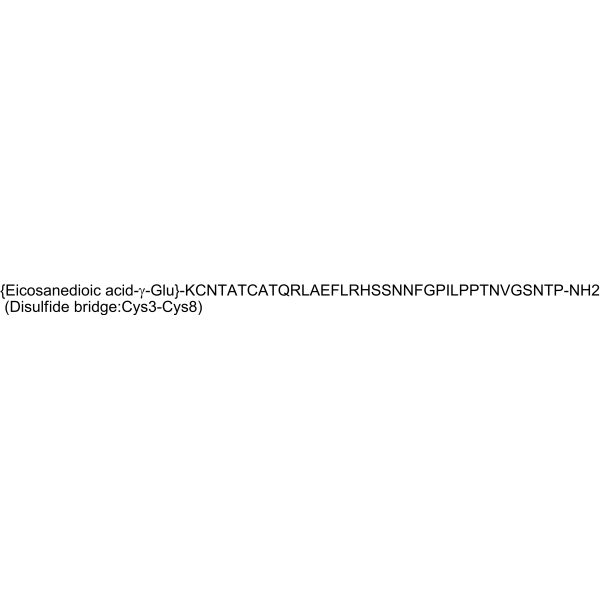
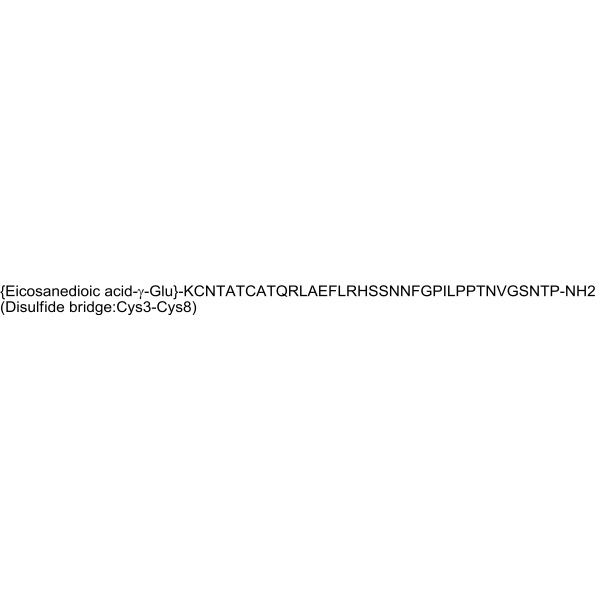
Cagrilintide is an investigational novel long-acting acylated amylin analogue, acts as nonselective amylin receptors (AMYR) and calcitonin G protein-coupled receptor (CTR) agonist. Cagrilintide induces significant weight loss and reduces food intake. Cagrilintide has the potential for the research of obesity .
loading...
    loading...
4
4 Cited Publications
Cat. No.: HY-P3462A
Target:  

CGRP Receptor

Research Areas:  

Metabolic Disease

Cagrilintide acetate is a non-selective AMYR/CTR agonist and long-acting acylated amylase analogue. Cagrilintide acetate causes a reduction in food intake and significant weight loss in a dose-dependent manner. Cagrilintide acetate can be used in obesity studies .
loading...
    loading...

