39 Results for "

healthy cells

" in MedChemExpress (MCE) Product Catalog:
Products (39)

39 Results for "healthy cells" in MCE Product Catalog:

104
104 Publications Verification
Cat. No.: HY-114153
CAS No.: 1303420-67-8
Purity:  99.79%
Target:  

c-Fms

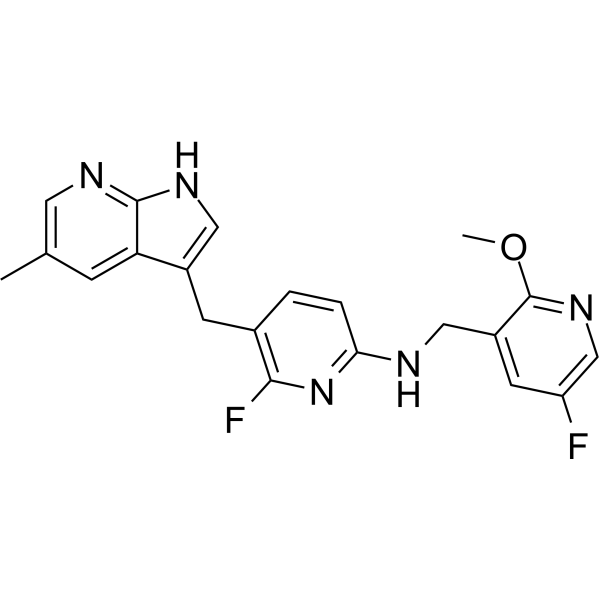
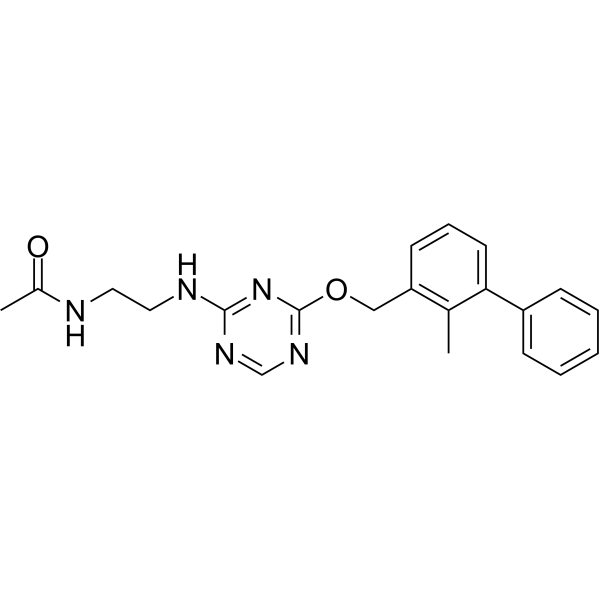
PLX5622 is a highly selective brain penetrant and orally active CSF1R inhibitor (IC50=0.016 μM; Ki=5.9 nM). PLX5622 allows for extended and specific microglial cells elimination, preceding and during pathology development. PLX5622 is an ideal choose for microglia function research in healthy or diseased states. PLX5622 has been verified by MedChemExpress, which demonstrates desirable microglia depletion efficiency in mice. PLX5622 is predominantly administered via ad libitum diets with a dose of 1200 ppm .
loading...
    loading...
18
18 Cited Publications
Cat. No.: HY-103311
CAS No.: 11103-72-3
Purity:  ≥97.0%
Synonyms: Ammoniated ruthenium oxychloride
Target:  

Calcium Channel

Research Areas:  

Cardiovascular Disease

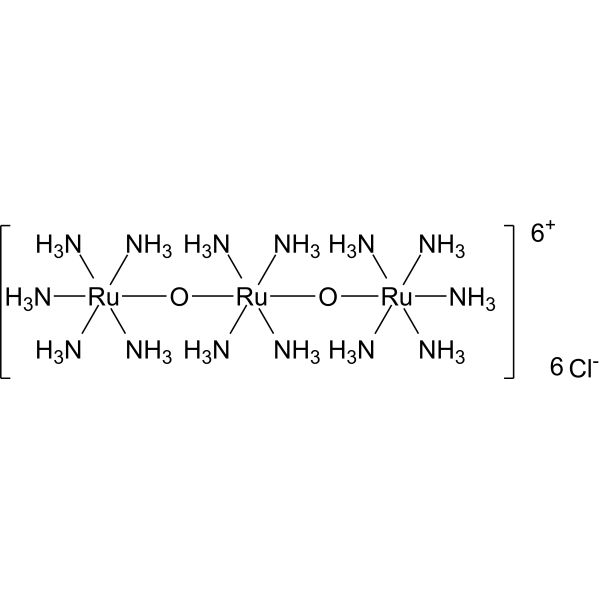
Ruthenium red (Ammoniated ruthenium oxychloride) is a polycationic dye widely used for electron microscopy (EM) of cells, tissues and vegetative bacteria. Ruthenium red strongly reacts with phospholipids and fatty acids and binds to acidic mucopolysaccharides. Ruthenium red is a L-type calcium current (ICa) blocker. When using Ruthenium Red to stain plant tissue sections affected by pathogens, the breakdown of mucilaginous substances by the pathogens prevents them from taking up the stain, whereas the cell walls of healthy tissue stain red .
loading...
    loading...
2
2 Cited Publications
Cat. No.: HY-16782
CAS No.: 945614-12-0
Synonyms: ARRY-614
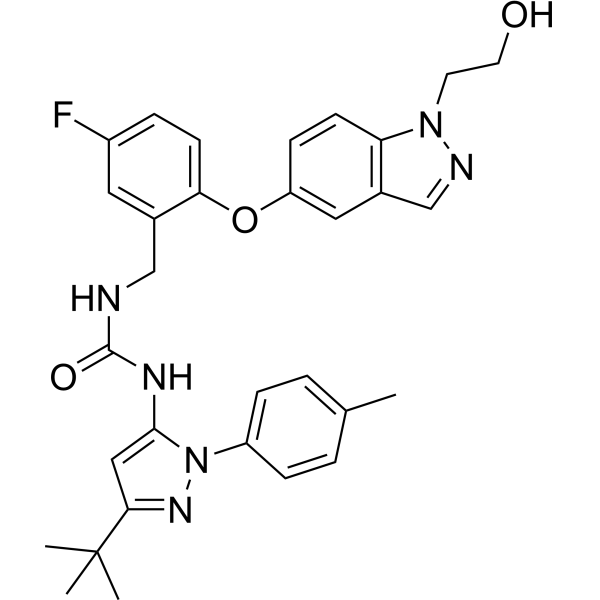
Pexmetinib (ARRY-614) is an orally active dual Tie-2 and p38 MAPK inhibitor. Pexmetinib binds to Tie-2 and p38 MAPK in a "DFG-out" conformation, attenuates the phosphorylation of p38, inhibits STAT3 activation, reduces the promoter-binding activity of NFATc1, and decreases the expression of MMPs. Pexmetinib inhibits leukemia cell proliferation, abrogates TNF-α-mediated myelosuppression of healthy hematopoietic stem cells, stimulates hematopoiesis in primary myelodysplastic syndrome (MDS) samples, inhibits RANKL-induced osteoclast formation and bone resorption, and suppresses migration, invasion and induced osteolysis of breast cancer cells. Pexmetinib can be used in research related to myelodysplastic syndrome, acute myeloid leukemia and breast cancer-induced osteolysis .
loading...
    loading...
1
1 Cited Publications
Cat. No.: HY-B1953
CAS No.: 111988-49-9
Research Areas:  

Infection

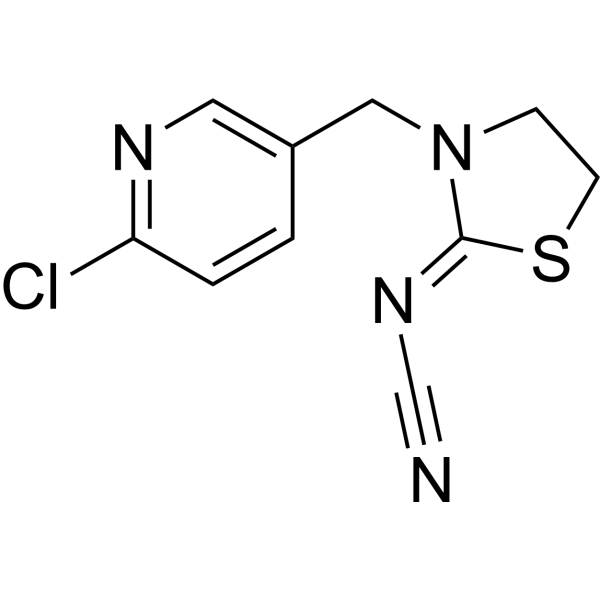
Thiacloprid is an orally active neurotoxic insecticide and also a nAChR agonist. Thiacloprid reduces the viability of healthy cells, depletes reduced glutathione, and increases MDA levels, thereby inducing cytotoxicity and oxidative stress damage. In practical applications, Thiacloprid has lower acute toxicity to honeybees than other compounds of the same class such as Imidacloprid (HY-B0838), but it still significantly impairs the learning and memory function, immune capacity and survival status of honeybees. Thiacloprid induces intestinal microbial dysbiosis and reduces survival rate in middle-aged honeybees, increases the risk of premature collapse in bumblebee colonies, and significantly decreases the final colony weight and reproductive output. Thiacloprid is used in broad-spectrum agricultural pest control, often alone or in combination with Deltamethrin (HY-B1971), and meets the pest management needs of various crops including potatoes, cabbages, various fruits and vegetables, and nuts .
loading...
    loading...
1
1 Cited Publications
Cat. No.: HY-139781
CAS No.: 2767424-13-3
Purity:  98.01%
Target:  

PD-1/PD-L1 Apoptosis

Research Areas:  

Cancer

PD-L1-IN-1 (Compound 10) is a potent PD-L1 inhibitor with an IC50 of 115 nM. PD-L1-IN-1 strongly binds with the PD-L1 protein and challenged it in a co-culture of PD-L1 expressing cancer cells and peripheral blood mononuclear cells enhanced antitumor immune activity of the latter. PD-L1-IN-1 significantly exhibits low cytotoxicity in healthy cells .
loading...
    loading...
Cat. No.: HY-P991488

Target:  

Interleukin Related

Research Areas:  

Inflammation/Immunology

BI-765423 is a selective monoclonal antibody inhibitor targeting IL-11. BI-765423 blocks IL-11-mediated signaling, inhibits fibroblast activation, and can extend the healthy lifespan of mammals, counteract cellular senescence in human cells, and alleviate inflammatory aging-related pathological processes. BI-765423 is primarily used in research on fibrotic diseases such as idiopathic pulmonary fibrosis (IPF) .
loading...
    loading...
Cat. No.: HY-140696C
CAS No.: 9004-74-4
Synonyms: mPEG20000-Hydroxy; Polyethylene glycol monomethyl ether 20000
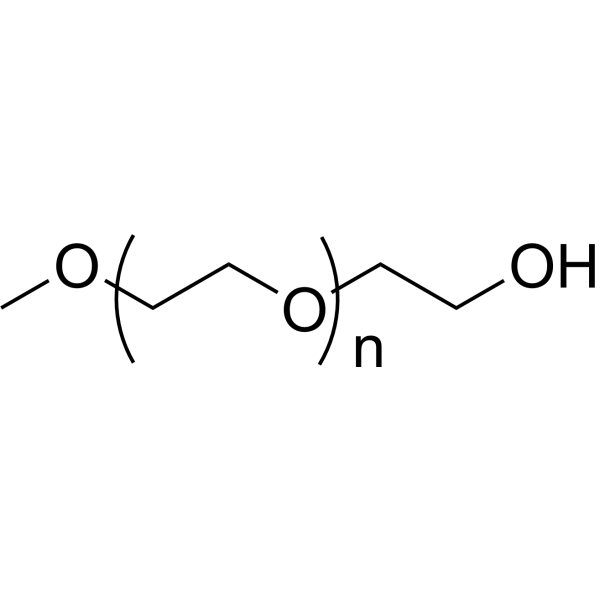
m-PEG20000-OH (mPEG20000-Hydroxy; Polyethylene glycol monomethyl ether 20000) can be used as a macroinitiator to participate in the synthesis of amphiphilic block copolymers. Nanoscale micelles can be prepared by using amphiphilic block copolymers to deliver active drugs. Paclitaxel (HY-B0015), a hydrophobic anticancer agent encapsulated in micelles, has stronger activity in killing cancer cells than free Paclitaxel. And it preferentially accumulates in tumor tissue with only limited distribution in healthy organs .
loading...
    loading...
Cat. No.: HY-135276
CAS No.: 1655508-14-7
Target:  

MicroRNA Apoptosis

Research Areas:  

Cancer

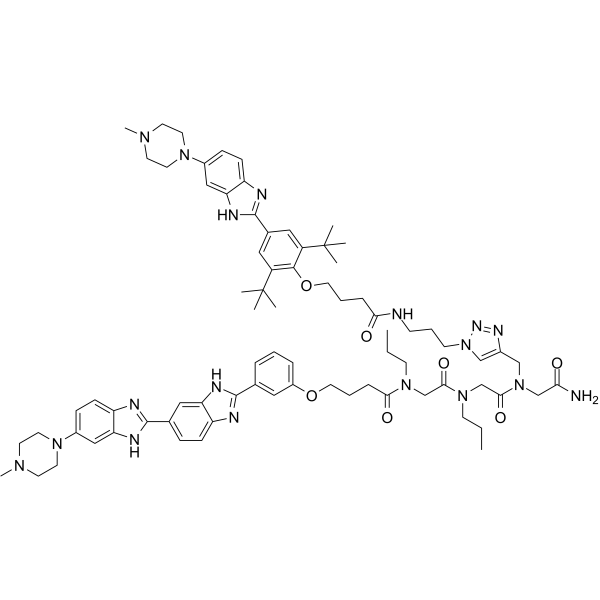
Targaprimir-96 is a potent inhibitor of microRNA-96 (miR-96) processing. Targaprimir-96 selectively modulates miR-96 production in cancer cells and triggers apoptosis. Targaprimir-96 binds primary miR-96 (pri-miR-96) with low nanomolar affinity. Targaprimir-96 directly engages pri-miR-96 in breast cancer cells and is ineffective on healthy breast cells .
loading...
    loading...
Cat. No.: HY-160602
CAS No.: 2361497-72-3
Research Areas:  

Metabolic Disease

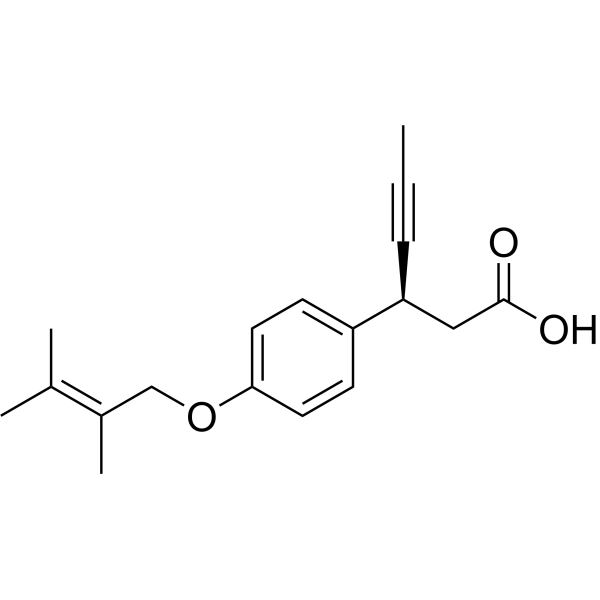
CPL207280 is an orally active GPR40/FFA1 agonist with an antidiabetic effect. CPL207280 can effectively enhance glucose-stimulated insulin secretion and improve glucose tolerance in MIN6 pancreatic β-cells as well as in healthy Wistar Han rats and diabetic rat models. CPL207280 can be used for the research of type 2 diabetes .
loading...
    loading...
Cat. No.: HY-159771
CAS No.: 3095069-75-0
Target:  

FAP

Research Areas:  

Cancer

FAP6-19 is a fibroblast activation protein (FAP) targeting radioligand with a Kd of 18.2 nM. FAP6-19 selectively delivers therapeutic radioactive nuclides (such as 177Lu) to the tumor site by targeting the overexpressed FAP protein in the tumor microenvironment, achieving precise killing of cancer cells while minimizing radiation damage to healthy tissues. FAP6-19 exhibits extremely high total cellular uptake and good intracellular retention ability in HT1080 cells. After being labeled with 111In, FAP6-19 produced extremely high tumor/kidney and tumor/liver dose ratios in the mouse model with 4T1 tumors. FAP6-19 can be used in the research of solid tumors expressing FAP.
loading...
    loading...
Cat. No.: HY-B1953R
CAS No.: 111988-49-9
Research Areas:  

Infection

Thiacloprid (Standard) is the analytical standard of Thiacloprid. This product is intended for research and analytical applications. Thiacloprid is an orally active neurotoxic insecticide and also a nAChR agonist. Thiacloprid reduces the viability of healthy cells, depletes reduced glutathione, and increases MDA levels, thereby inducing cytotoxicity and oxidative stress damage. In practical applications, Thiacloprid has lower acute toxicity to honeybees than other compounds of the same class such as Imidacloprid (HY-B0838), but it still significantly impairs the learning and memory function, immune capacity and survival status of honeybees. Thiacloprid induces intestinal microbial dysbiosis and reduces survival rate in middle-aged honeybees, increases the risk of premature collapse in bumblebee colonies, and significantly decreases the final colony weight and reproductive output. Thiacloprid is used in broad-spectrum agricultural pest control, often alone or in combination with Deltamethrin (HY-B1971), and meets the pest management needs of various crops including potatoes, cabbages, various fruits and vegetables, and nuts .
loading...
    loading...
Cat. No.: HY-158195
CAS No.: 1262887-77-3
Purity:  99.55%
Target:  

Apoptosis

Research Areas:  

Cancer

DPP23 exerts antitumor activity through ROS-mediated apoptosis in cancer cells, but does not play a role in healthy cells. DPP23 can up-regulate the expression of ATF4 .
loading...
    loading...
Cat. No.: HY-147875
CAS No.: 2470019-41-9
Target:  

Aldose Reductase

Research Areas:  

Metabolic Disease

Aldose reductase-IN-6 (Compound 3) is a competitive aldose reductase (AR) inhibitor with an IC50 of 3.164 μM and a Ki of 0.018 μM. Aldose reductase-IN-6 exhibits no cytotoxicity against healthy cells .
loading...
    loading...
Cat. No.: HY-168335
Research Areas:  

Others

hDHODH-IN-16 (Compound 3t) is a human dihydroorotate dehydrogenase (hDHODH) inhibitor, with an IC50 of 0.11 μM. hDHODH-IN-16 shows very low cytotoxicity to healthy HaCaT cells, with an IC50 value greater than 200 µM .
loading...
    loading...
Cat. No.: HY-143291
Target:  

Cholinesterase (ChE)

Research Areas:  

Neurological Disease

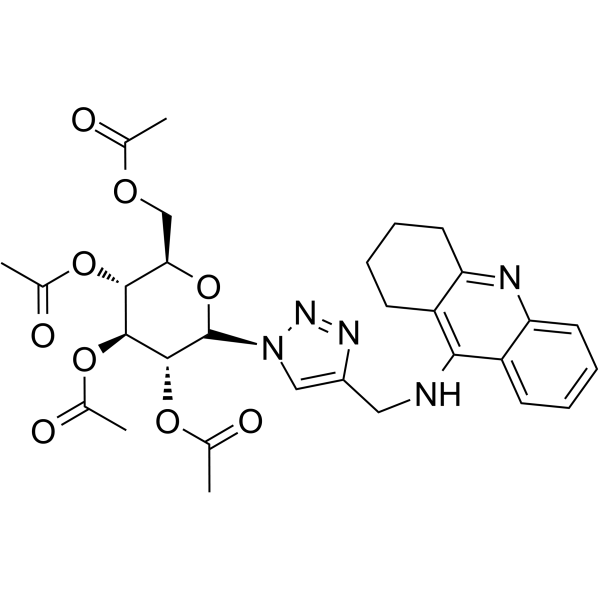
AChE-IN-9 is a Tacrine (HY-111338) glycoconjugate tethered with acetylated β-Glucose. AChE-IN-9 is also an AChE inhibitor with an IC50 value of 0.4 μM, with lower hepatotoxicity on healthy cells. Tacrine is used in Alzheimer's research .
loading...
    loading...
Cat. No.: HY-151897
CAS No.: 3035173-63-5
Target:  

HDAC

Research Areas:  

Cancer

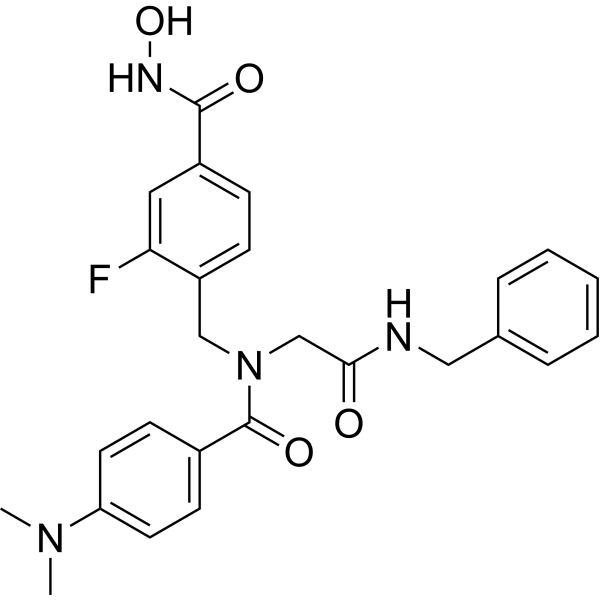
HDAC-IN-49 is a potent unselective HDAC (HDAC) inhibitor with IC50s of 13 nM, 14 nM, 21 nM, 1880 nM, and 10 nM for HDAC1, HDAC2, HDAC3, HDAC4, and HDAC6. HDAC-IN-49 demonstrates prominent antileukemic activity with low cytotoxic activity toward healthy cells .
loading...
    loading...
Cat. No.: HY-162418
CAS No.: 3034304-89-4
Target:  

Bacterial Fungal

Research Areas:  

Infection

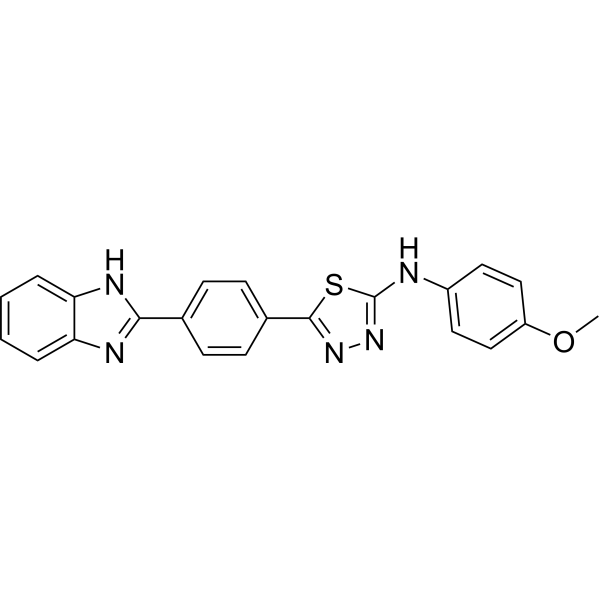
Antibacterial agent 203 (Compound 5h) has antibacterial and antifungal activity. Antibacterial agent 203 has potent antifungal activity against C. albicans, with a MIC of 3.90 μg/mL. Antibacterial agent 203 has antimicrobial activity on healthy mouse fibroblast cells (L929), with an IC50 of 75.96 μM .
loading...
    loading...
Cat. No.: HY-135276A
Target:  

MicroRNA Apoptosis

Research Areas:  

Cancer

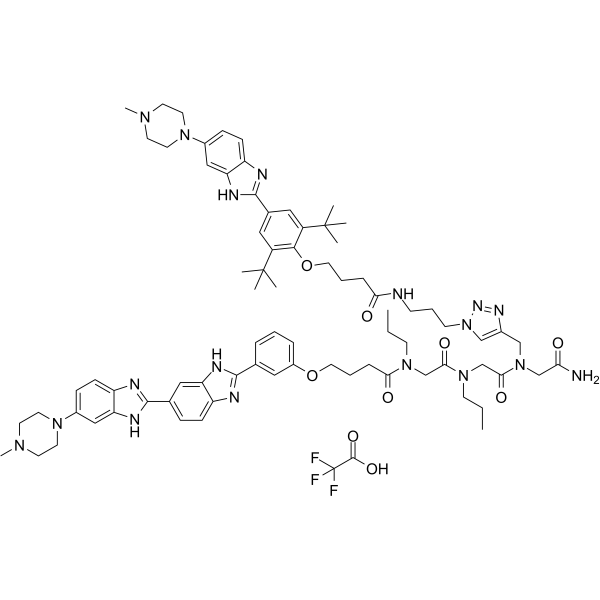
Targaprimir-96 TFA is a potent inhibitor of microRNA-96 (miR-96) processing. Targaprimir-96 TFA selectively modulates miR-96 production in cancer cells and triggers apoptosis. Targaprimir-96 TFA binds primary miR-96 (pri-miR-96) with low nanomolar affinity. Targaprimir-96 TFA directly engages pri-miR-96 in breast cancer cells and is ineffective on healthy breast cells .
loading...
    loading...
Cat. No.: HY-162342
CAS No.: 3033693-30-7
Target:  

Topoisomerase

Research Areas:  

Cancer

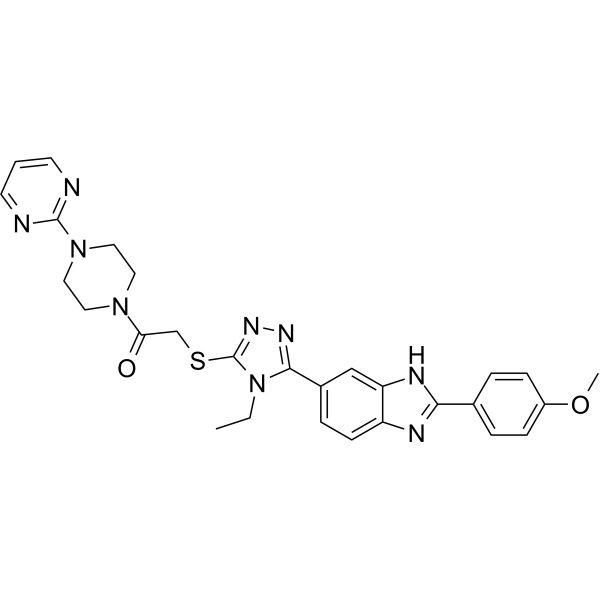
Topoisomerase I inhibitor 14 (Compound 4h) is an inhibitor for Topoisomerase I. Topoisomerase I inhibitor 14 inhibits proliferation of A549 and C6 with IC50s of 4.56 μM and 13.17 μM, without significant toxicity in healthy cells NIH3T3 (IC50 is 74.44 μM), which exhibits anticancer potency .
loading...
    loading...
Cat. No.: HY-P991425
Research Areas:  

Cardiovascular Disease Cancer

AT-1413 is a monoclonal antibody targeting CD43s that recognizes a unique sialylated CD43 epitope spanning amino acid residues 133-165. AT1413 induces antibody-dependent cell-mediated cytotoxicity (ADCC) and complement-dependent cytotoxicity (CDC) in AML cells, with EC50 values of 1.1 nM and 12.4 nM, respectively. AT-1413 binds to a variety of cancer cells, shows weak binding to non-malignant myeloid cells and endothelial cells, and does not bind to healthy lymphoid cells or normal non-hematopoietic cells. AT1413 clears CD43s-expressing leukemic blasts in vivo without affecting non-malignant myeloid cells. AT-1413 can be used in research related to acute myeloid leukemia, myelodysplastic syndrome, melanoma, and breast cancer .
loading...
    loading...

