


42 Results for "

human dendritic cells

" in MedChemExpress (MCE) Product Catalog:
Products (42)

42 Results for "human dendritic cells" in MCE Product Catalog:

19
19 Publications Verification
Cat. No.: HY-P1846
CAS No.: 219127-21-6
Target:  

Notch

Research Areas:  

Cancer

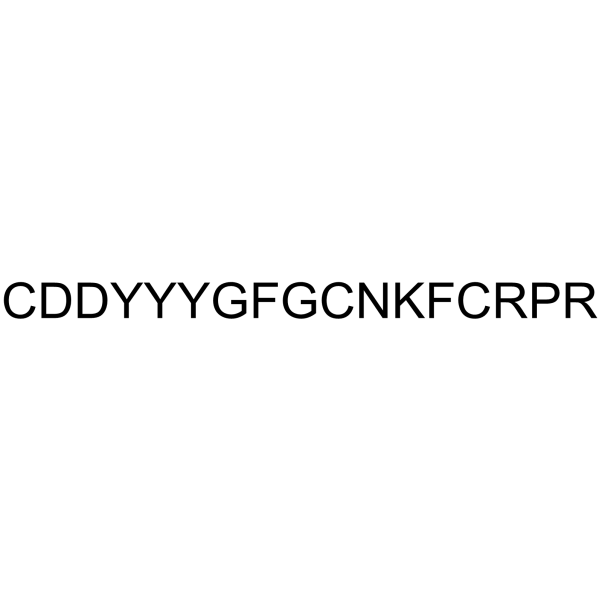
Jagged-1 (188-204) is a fragment of the Jagged-1 (JAG-1) protein with Notch agonist activity. JAG-1 is a Notch ligand highly expressed in cultured and primary multiple myeloma (MM) cells. JAG-1 induces maturation of monocyte-derived human dendritic cells .
loading...
    loading...
19
19 Publications Verification
Cat. No.: HY-P1846A
Target:  

Notch

Research Areas:  

Cancer

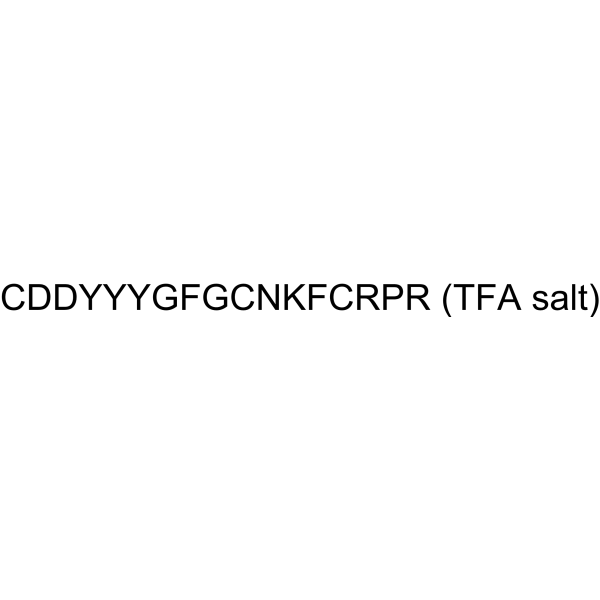
Jagged-1 (188-204) TFA is a fragment of the Jagged-1 (JAG-1) protein with Notch agonist activity. JAG-1 is a Notch ligand highly expressed in cultured and primary multiple myeloma (MM) cells. JAG-1 induces maturation of monocyte-derived human dendritic cells .
loading...
    loading...
1
1 Cited Publications
Cat. No.: HY-N0819
CAS No.: 89412-79-3
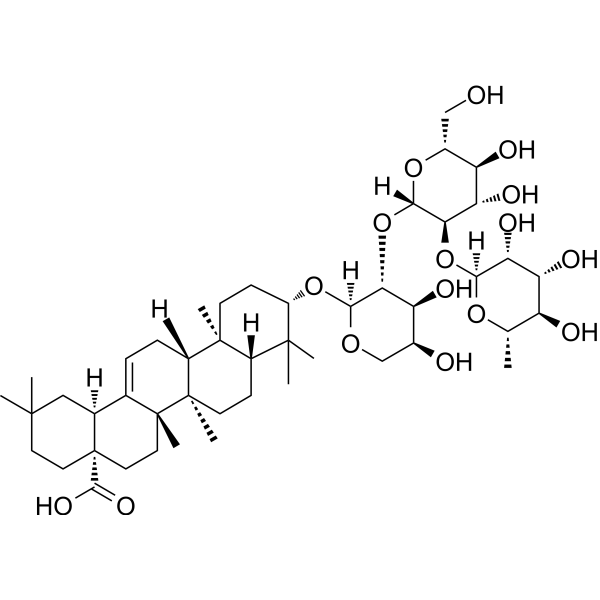
Raddeanin A is an oleanane-type triterpenoid saponin with oral activity. Raddeanin A inhibits SRC, mTOR, JNK, VEGFR2, NLRP3 inflammasome, Wnt/β-catenin, Wee1, PI3K/AKT signaling pathway, MAPK/ERK signaling pathway, AR-FL, AR-Vs, and downregulates the expression of p-PI3K and p-AKT. Raddeanin A inhibits osteoclast formation, bone resorption, osteolysis, cancer cell invasion, migration, proliferation, angiogenesis and epithelial-mesenchymal transition, while induces apoptosis, cell cycle arrest, ROS production, immunogenic cell death and dendritic cell maturation. Raddeanin A improves blood-retinal barrier function, alleviates inflammation, regulates the tumor microenvironment, and enhances the activity of anti-PD-1 antibody. Raddeanin A is applicable to the research of breast cancer-associated osteolysis, human osteosarcoma, colorectal cancer, glioblastoma, Alzheimer's disease, cholangiocarcinoma, melanoma, non-small cell lung cancer, castration-resistant prostate cancer and multiple myeloma .
loading...
    loading...
1
1 Cited Publications
Cat. No.: HY-P99121

Target:  

Integrin

Research Areas:  

Inflammation/Immunology Cancer

Anti-Mouse/Human CD11b Antibody (M1/70) is an anti-mouse CD11b IgG2b monoclonal antibody. Anti-Mouse/Human CD11b Antibody (M1/70) can significantly inhibit the adhesion between dendritic cells (DCs) and platelets. Anti-Mouse/Human CD11b Antibody (M1/70) can kill ovarian cancer cells and inhibit their migration. Anti-Mouse/Human CD11b Antibody (M1/70) can alleviate renal fibrosis and inflammation. Anti-Mouse/Human CD11b Antibody (M1/70) can be used for researches on inflammation conditions and cancer such as ischemia-reperfusion injury (IRI), thrombotic inflammatory conditions and ovarian cancer .
loading...
    loading...
Cat. No.: HY-P99234
CAS No.: 2234335-84-1
Synonyms: IMGN632 Antibody; G4723A
Research Areas:  

Cancer

Pivekimab (IMGN632 Antibody) is a human IgG1 monoclonal antibody that targets interleukin-3 (IL-3) and CD123. Pivekimab is used to synthesize pivekimab sunirine (IMGN632), a CD123-directed antibody-active molecule conjugate (ADC). Pivekimab is used in the study of blastic plasmacytoid dendritic cell neoplasm (BPDCN) .
loading...
    loading...
Cat. No.: HY-N15135
CAS No.: 9040-27-1
Arabinoxylan Medium viscosity is an orally active Dectin-1 splice variant modulator, glucose absorption inhibitor, and chyme viscosity enhancer. Arabinoxylan Medium viscosity inhibits particulate β-glucan-induced Dectin-1A activation and mildly suppresses Dectin-1B activation. In human dendritic cells stimulated with particulate β-glucan, Arabinoxylan Medium viscosity reduces the production of IL-10 and TNF-α, and increases the production of IL-4 and IL-23. Arabinoxylan Medium viscosity also supports antifungal immune responses without activating TLR2, TLR4 or TLR5, and does not induce cytokine production when used to stimulate human dendritic cells alone. Arabinoxylan Medium viscosity increases small intestinal chyme viscosity, gets degraded in the large intestine to produce short-chain fatty acids, reduces glucose absorption and insulin response, and improves glucose homeostasis. Arabinoxylan Medium viscosity supports microbial fermentation and the growth of beneficial microbiota in the gastrointestinal tract, prevents bile acid reabsorption, and delays starch digestion. Arabinoxylan Medium viscosity can be used in research related to type 2 diabetes, impaired glucose tolerance, and metabolic syndrome .
loading...
    loading...
Cat. No.: HY-P990068
CAS No.: 2643331-31-9
Synonyms: SRF617

Target:  

NTPDase

Research Areas:  

Inflammation/Immunology Cancer

Perenostobart (SRF617) is a human IgG4 antibody with inhibitory activity against CD39 ATPase. Perenostobart inhibits CD39-mediated hydrolysis of extracellular ATP to AMP, with IC50 values of 1.9 nM (HEK293 OE cells), 0.7 nM (MOLP-8 cells), and 1.2 nM (RBC-lysed whole blood). Perenostobart enhances CD4 + T-cell proliferation, promotes dendritic cell maturation, and boosts inflammasome activation in macrophages in the presence of ATP. Perenostobart demonstrates significant single-agent anti-tumor efficacy in MOLP-8 and H520 xenograft models. Perenostobart can be used for the study of cancer .
loading...
    loading...
Cat. No.: HY-148511
CAS No.: 147063-80-7
Synonyms: CMP-001
Vidutolimod (CMP-001) is a virus-like particle containing a TLR9 activator . Vidutolimod induces human peripheral blood mononuclear cells to secrete IFNα, and upregulates the gene expression of CXCL10, PDL1, IDO and CD80. Vidutolimod activates TLR9, which in turn triggers plasmacytoid dendritic cell activation, production of IFNγ and TNFα, induction of CXCL10, and recruitment of antitumor T cells. Vidutolimod causes influenza-like symptoms, hypotension and tumor regression, and its activity depends on the presence of anti-Qβ antibodies. Vidutolimod modulates monocyte function, promotes CD4 T cell proliferation, and activates multiple immune cell types in an environment with anti-Qβ antibodies. Vidutolimod prolongs the survival of tumor-bearing mice. Vidutolimod is used in research related to advanced melanoma, head and neck squamous cell carcinoma, and advanced non-small cell lung cancer .
loading...
    loading...
Cat. No.: HY-154830
CAS No.: 108273-88-7
Purity:  ≥99.0%
Synonyms: 1-Nonadecanoyl-2-hydroxy-sn-glycero-3-phosphocholine; 19:0 Lyso PC
Research Areas:  

Inflammation/Immunology

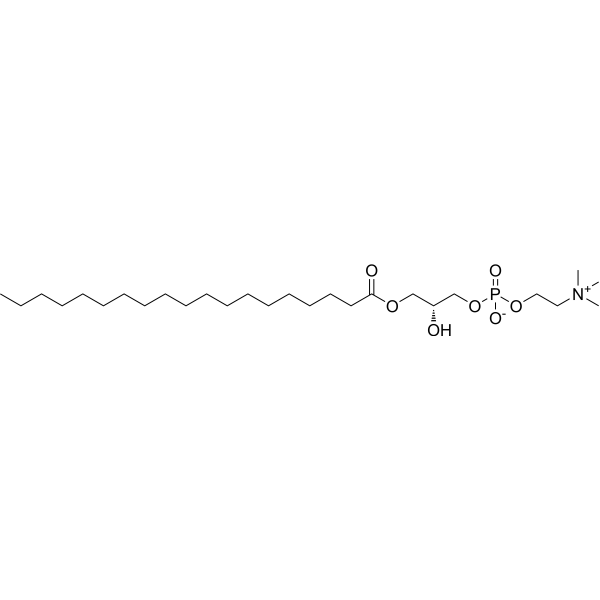
Lysophosphatidylcholine C19:0 (19:0 Lyso PC) is a lysophosphatidylcholine with a fully saturated C19 acyl chain. When combined with LPS (HY-D1056), Lysophosphatidylcholine C19:0 induces the secretion of IL-1β by human monocyte-derived dendritic cells. Lysophosphatidylcholine C19:0 reduces the viability of monocyte-derived dendritic cells .
loading...
    loading...
Cat. No.: HY-162735
Target:  

GPR65

Research Areas:  

Inflammation/Immunology

BRD5080 is a GPR65 agonist. BRD5080 activates GPR65 to enhance the cAMP signaling pathway, reduce the expression of inflammatory cytokines and chemokines in dendritic cells, enhance the activity of human wild-type, mouse wild-type, and human GPR65 I231L variant receptors in a pH-dependent manner, and mediate the recruitment of Gαs protein. BRD5080 can be used in the research of inflammatory bowel disease .
loading...
    loading...
Cat. No.: HY-P990670
CAS No.: 2935496-38-9
Synonyms: Eltivutabart
Target:  

NTPDase

Research Areas:  

Inflammation/Immunology

TTX-030 (Eltivutabart) is a monoclonal antibody that allosterically inhibits CD39 ectonucleotidase activity, preventing the conversion of ATP to AMP. TTX-030 acts as a non-competitive allosteric CD39 ATPase inhibitor, binding to an N-terminal epitope distant from the active site and blocking nucleotide hydrolysis. TTX-030 has an IC50 of 0.20 nM, a Kd of 1.5 nM, and a Ki of 0.5 nM for human CD39. TTX-030 enhances CD4 + and CD8 + T cell proliferation, Th1 cytokine production, T cell function, dendritic cell maturation, and inflammasome activation. TTX-030 can be used in research on human B cell lymphoma and cancer .
loading...
    loading...
Cat. No.: HY-P991193

Target:  

TNF Receptor

Research Areas:  

Cancer

NGM-438 is a humanized monoclonal antibody antagonist of LAIR1, with a Ka of 0.26 nM for human LAIR1 and 4.28 nM for cynomolgus monkey LAIR1. NGM-438 blocks the binding of LAIR1 to its Collagen ligand and antagonizes the Collagen-induced LAIR1 signaling pathway. NGM-438 reverses FcγR signaling inhibition in myeloid cells, induces dendritic cells to secrete TNFα, promotes T cell proliferation, and triggers myeloid inflammation and allogeneic T cell responses. NGM-438 sensitizes refractory mouse lung cancer to PD-1 blockade, increases the content of intratumoral CD8 + T cells and the expression of inflammatory genes. NGM-438 is applicable to research related to solid tumors, refractory solid tumors and non-small cell lung cancer .
loading...
    loading...
Cat. No.: HY-124609
CAS No.: 2071209-49-7
Purity:  99.39%
Research Areas:  

Neurological Disease

CAD031 is an orally active AMPK/ACC1 signaling pathway activator and a derivative of the Alzheimer's disease (AD) targeted agent J147 (HY-13779) (more active than J147 in human neural stem cell assays). CAD031 can cross the blood-brain barrier, activate AMPK and inhibit ACC1, thereby increasing ac-CoA levels, improving mitochondrial function and reducing free fatty acid synthesis. CAD031 has neuroprotective, neurogenesis-promoting and memory-improving activities and can be used in the study of Alzheimer's disease and aging-related neurodegenerative diseases. CAD031 effectively enhances the memory of mice, improves dendritic structure, and stimulates cell division in the germinal zone of the brain of elderly mice .
loading...
    loading...
Cat. No.: HY-P2114
CAS No.: 173959-12-1
Target:  

Inhibitory Antibodies

Research Areas:  

Cancer

IT9302 is a synthetic IL-10 agonist with the activity of inducing tolerogenic dendritic cells. IT9302 is able to mimic multiple effects of IL-10, including downregulating the antigen presentation machinery and increasing the sensitivity of tumor cells to natural killer cell-mediated lysis. IT9302 can also hinder the response of human monocytes to differentiation factors and reduce the antigen presentation and co-stimulatory capacity of dendritic cells. Dendritic cells treated with IT9302 showed a weakened ability to stimulate T cell proliferation and interferon-γ production. IT9302 exerts its effects through mechanisms that are partially different from IL-10, involving STAT3 inactivation and regulation of the NF-κB intracellular pathway. IT9302-treated dendritic cells showed enhanced expression of membrane-bound TGF-β, associated with the effective induction of foxp3+ regulatory T cells .
loading...
    loading...
Cat. No.: HY-108661A
Purity:  97.4%
Target:  

P2Y Receptor

Research Areas:  

Inflammation/Immunology

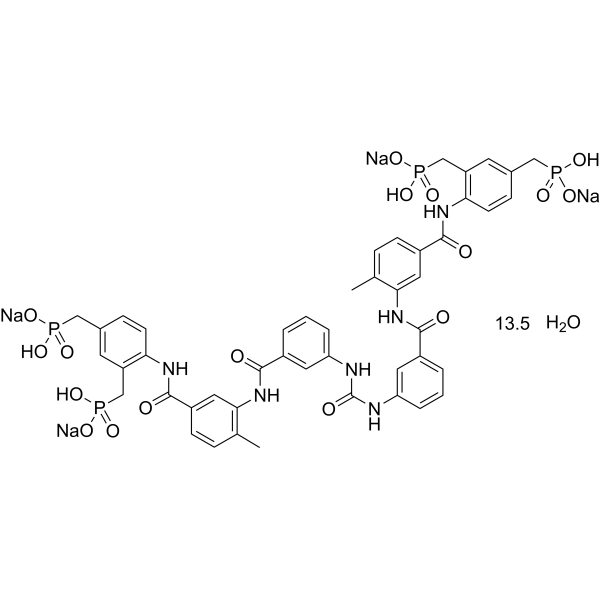
NF546 (hydrate) is a selective non-nucleotide P2Y11 agonist with a pEC50 of 6.27. NF546 (hydrate) stimulates release of interleukin-8 from human monocyte-derived dendritic cells .
loading...
    loading...
Cat. No.: HY-145491
CAS No.: 578008-43-2
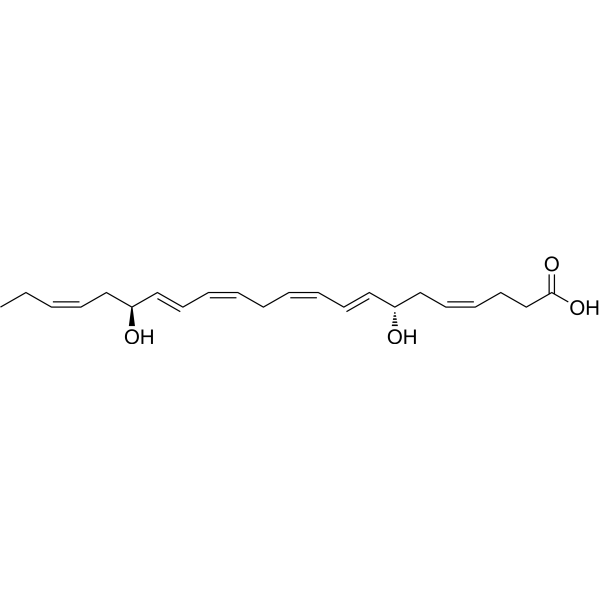
Resolvin D5 is an anti-inflammatory and analgesic agent produced in M2 macrophages. Resolvin D5 alleviates Paclitaxel (HY-B0015)-induced mechanical allodynia and inflammatory pain by activating the GPR32 receptor, with gender specificity (effective only in male mice) and independence from TRPV1 or TRPA1 channels. Resolvin D5 attenuates LPS-induced ERK phosphorylation and NF-κB nuclear translocation, downregulates proinflammatory mediators such as IL-6 and CCL5, inhibits Th17 cell differentiation and osteoclastogenesis, promotes regulatory T cell differentiation, and shows no cytotoxicity to human monocytes. The level of Resolvin D5 is elevated in arthritic SKG mice, but Resolvin D5 has no effect on dendritic cell differentiation or M1 macrophage polarization, nor does it prevent ZyA-induced arthritis progression. Resolvin D5 is suitable for research related to chemotherapy-induced peripheral neuropathy, inflammatory pain and rheumatoid arthritis .
loading...
    loading...
Cat. No.: HY-P991525
CAS No.: 2923542-55-4

Target:  

Fc Receptor (FcR)

Research Areas:  

Cancer

2141-V11 is an Fc-engineered agonistic antibody against human CD40 with selectively enhanced binding affinity for human FcγRIIB. 2141-V11 drives CD40 multimerization and agonistic signal transduction, activates dendritic cells, promotes antigen cross-presentation and CD8 + T cell priming, induces tertiary lymphoid structure formation, increases leukocyte infiltration, and mediates local and abscopal anti-tumor effects, systemic immune activation and immune memory. 2141-V11 exhibits extremely low systemic toxicity upon intratumoral or intravesical administration, with no dose-limiting toxicity observed at the tested intratumoral doses, whereas high-dose systemic administration induces thrombocytopenia and elevated transaminases. 2141-V11 can be used in research related to breast cancer, melanoma, BCG-unresponsive non-muscle invasive bladder cancer, and recurrent malignant glioma .
loading...
    loading...
Cat. No.: HY-108661
CAS No.: 1006028-37-0
Target:  

P2Y Receptor

Research Areas:  

Inflammation/Immunology

NF546 is a selective non-nucleotide P2Y11 agonist with a pEC50 of 6.27. NF546 stimulates release of interleukin-8 from human monocyte-derived dendritic cells .
loading...
    loading...
Cat. No.: HY-14750
CAS No.: 872178-65-9
Synonyms: ROB-803
Rabeximod (ROB-803), an anti-rheumatic compound, impairs the differentiation and function of human pro-inflammatory dendritic cells and macrophages via downregulating TLR2 and TLR4 stimulation. Rabeximod (ROB-803) is used for rheumatoid arthritis (RA) research .
loading...
    loading...
Cat. No.: HY-178672
CAS No.: 400806-46-4
Synonyms: Anti-Reverse cap analog; m2 7,3′O GpppG
Target:  

DNA/RNA Synthesis

Research Areas:  

Infection Cancer

ARCA (Anti-Reverse cap analog; m2 7,3'OGpppG) is a 5′-cap analog. ARCA carries a methyl group at the 3'-OH position of m7G, which ensures that the cap is ligated to the 5' end of mRNA in the correct orientation during in vitro transcription and prevents reverse ligation. ARCA enhances the translation efficiency and stability of mRNA. In human immature dendritic cells, both the translation efficiency and total protein expression of ARCA-capped mRNA are higher than those of conventional m7GpppG-capped mRNA. ARCA can be used in research related to cancer, infectious diseases and mRNA vaccines .
loading...
    loading...

