
13 Results for "

ischemic disorders

" in MedChemExpress (MCE) Product Catalog:
Products (13)

13 Results for "ischemic disorders" in MCE Product Catalog:

59
59 Publications Verification
Cat. No.: HY-108841
CAS No.: 143090-92-0
Purity:  99.40%
Synonyms: Kineret; Anakinra
Raleukin (Kineret) is a recombinant, nonglycosylated human interleukin-1 receptor (IL-1R) antagonist. Raleukin significantly reduces neutrophil accumulation in blood vessels and brain infarct volume as well as improves motor coordination performance in ischemic stroke mice model. Anakinra can be used to study chronic inflammatory disorders like rheumatoid arthritis and cardiovascular recurrence post-myocardial infarction .
loading...
    loading...
2
2 Cited Publications
Cat. No.: HY-B0762
CAS No.: 5080-50-2
Synonyms: O-Acetyl-L-carnitine chloride; ALCAR chloride
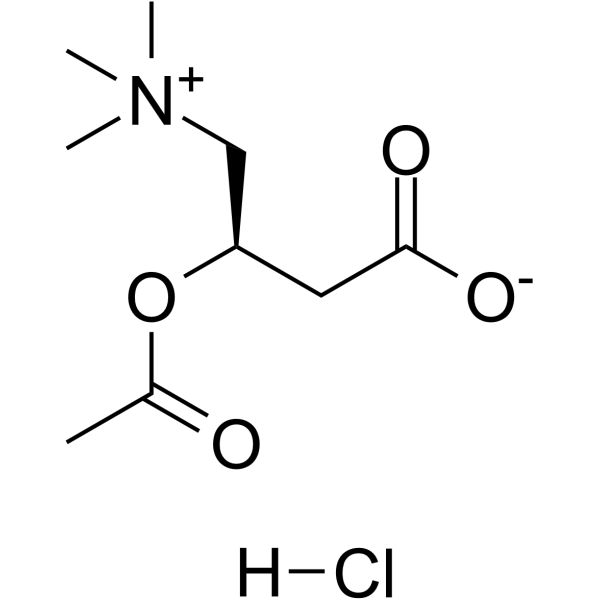
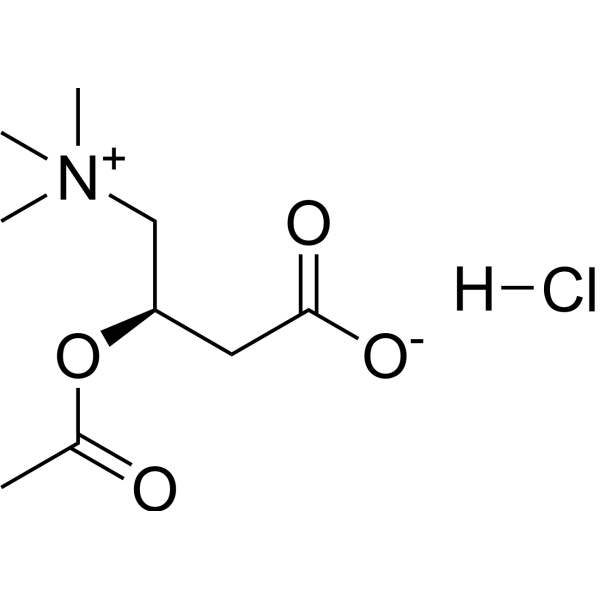
Acetyl-L-carnitine (O-Acetyl-L-carnitine; ALCAR) chloride is an orally active mitochondrial energy metabolism regulator and neuroprotectant that can penetrate the blood-brain barrier. Acetyl-L-carnitine chloride selectively enters cells and the brain through the organic cation transporter OCTN2. Acetyl-L-carnitine chloride can participate in fatty acid β-oxidation, promote acetylcholine synthesis, regulate mitochondrial function and inhibit oxidative stress as an acetyl donor. Acetyl-L-carnitine chloride exerts its activity by enhancing energy metabolism, protecting neurons and improving synaptic plasticity. Acetyl-L-carnitine chloride is mainly used in the study of neurodegenerative diseases and metabolic disorder-related diseases such as neonatal hypoxic-ischemic brain damage, Alzheimer's disease, and depression .
loading...
    loading...
2
2 Cited Publications
Cat. No.: HY-113218
CAS No.: 3040-38-8
Purity:  ≥98.0%
Synonyms: O-Acetyl-L-carnitine; ALCAR
Target:  

Caspase Apoptosis

Acetyl-L-carnitine (O-Acetyl-L-carnitine; ALCAR) is an orally active mitochondrial energy metabolism regulator and neuroprotectant that can penetrate the blood-brain barrier. Acetyl-L-carnitine selectively enters cells and the brain through the organic cation transporter OCTN2. Acetyl-L-carnitine can participate in fatty acid β-oxidation, promote acetylcholine synthesis, regulate mitochondrial function and inhibit oxidative stress as an acetyl donor. Acetyl-L-carnitine exerts its activity by enhancing energy metabolism, protecting neurons and improving synaptic plasticity. Acetyl-L-carnitine is mainly used in the study of neurodegenerative diseases and metabolic disorder-related diseases such as neonatal hypoxic-ischemic brain damage, Alzheimer's disease, and depression .
loading...
    loading...
Cat. No.: HY-B0762S
CAS No.: 1334532-17-0
Synonyms: O-Acetyl-L-carnitine-d3 hydrochloride
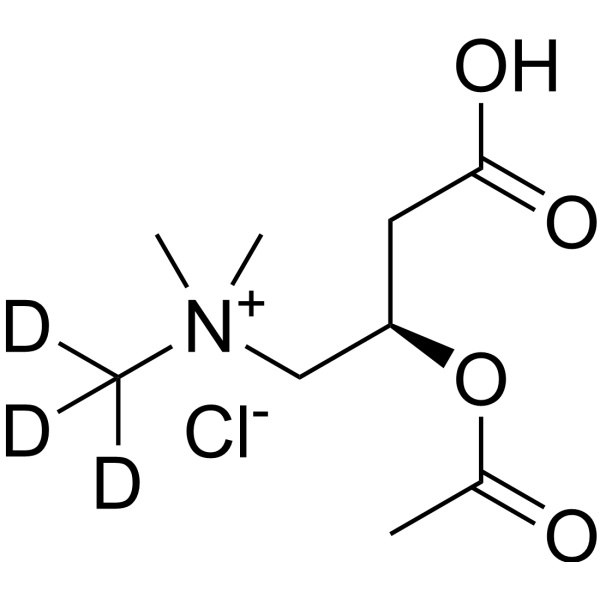
Acetyl-L-carnitine-d3 (O-Acetyl-L-carnitine-d3) hydrochloride is the deuterium labeled Acetyl-L-carnitine hydrochloride (HY-B0762). Acetyl-L-carnitine (O-Acetyl-L-carnitine; ALCAR) hydrochloride is an orally active mitochondrial energy metabolism regulator and neuroprotectant that can penetrate the blood-brain barrier. Acetyl-L-carnitine hydrochloride selectively enters cells and the brain through the organic cation transporter OCTN2. Acetyl-L-carnitine hydrochloride can participate in fatty acid β-oxidation, promote acetylcholine synthesis, regulate mitochondrial function and inhibit oxidative stress as an acetyl donor. Acetyl-L-carnitine hydrochloride exerts its activity by enhancing energy metabolism, protecting neurons and improving synaptic plasticity. Acetyl-L-carnitine hydrochloride is mainly used in the study of neurodegenerative diseases and metabolic disorder-related diseases such as neonatal hypoxic-ischemic brain damage, Alzheimer's disease, and depression .
loading...
    loading...
Cat. No.: HY-B0762S1
CAS No.: 362049-62-5
Synonyms: O-Acetyl-L-carnitine-d3-1 hydrochloride
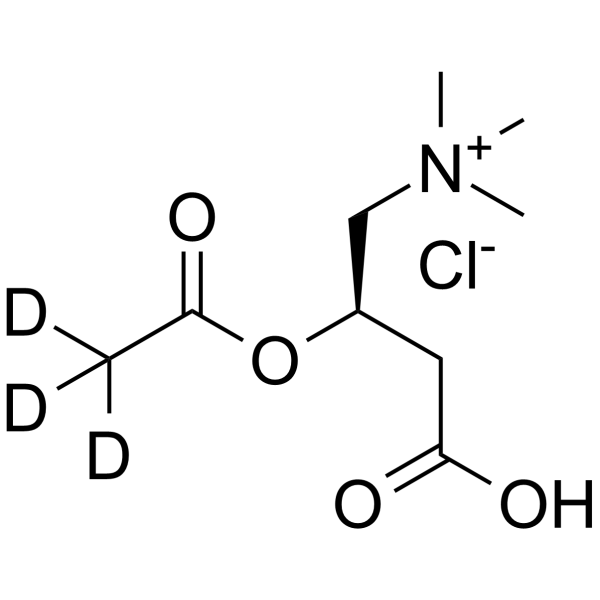
Acetyl-L-carnitine-d3-1 (O-Acetyl-L-carnitine-d3-1) hydrochloride is the deuterium labeled Acetyl-L-carnitine hydrochloride (HY-B0762). Acetyl-L-carnitine (O-Acetyl-L-carnitine; ALCAR) hydrochloride is an orally active mitochondrial energy metabolism regulator and neuroprotectant that can penetrate the blood-brain barrier. Acetyl-L-carnitine hydrochloride selectively enters cells and the brain through the organic cation transporter OCTN2. Acetyl-L-carnitine hydrochloride can participate in fatty acid β-oxidation, promote acetylcholine synthesis, regulate mitochondrial function and inhibit oxidative stress as an acetyl donor. Acetyl-L-carnitine hydrochloride exerts its activity by enhancing energy metabolism, protecting neurons and improving synaptic plasticity. Acetyl-L-carnitine hydrochloride is mainly used in the study of neurodegenerative diseases and metabolic disorder-related diseases such as neonatal hypoxic-ischemic brain damage, Alzheimer's disease, and depression .
loading...
    loading...
Cat. No.: HY-143721
CAS No.: 2671028-06-9
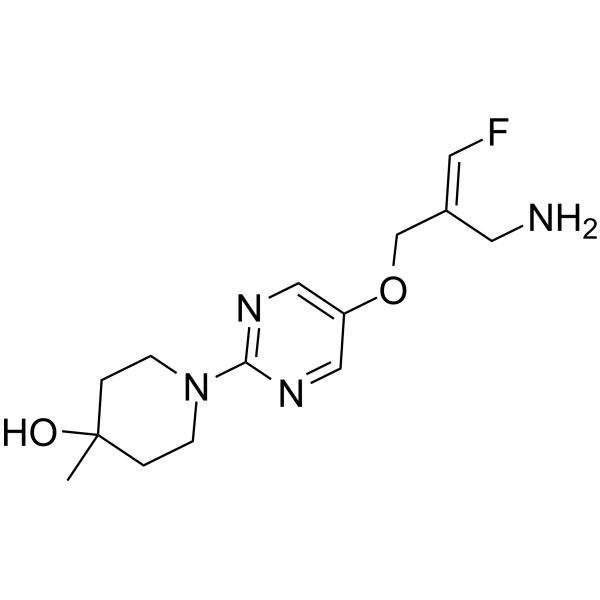
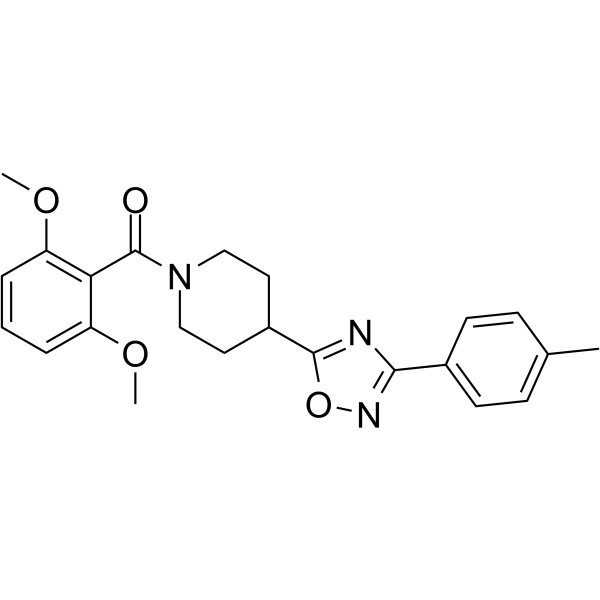
SSAO inhibitor-2 is a selective semicarbazide-sensitive amine oxidase (SSAO/VAP-1) inhibitor with an IC50 of < 10 nM. SSAO inhibitor-2 can be used for the research of inflammation diseases, diabetes and diabetes-related diseases, mental disorders, pain-related diseases, ischemic diseases, vascular diseases, ocular diseases, fibrosis, neuroinflammatory diseases, cancer, and tissue transplant rejection .
loading...
    loading...
Cat. No.: HY-139331
CAS No.: 858557-69-4
Purity:  99.13%
20S Proteasome-IN-1 is a 26S proteasome inhibitor extracted from patent WO2006128196A2 compound 2. 20S Proteasome-IN-1 has the potential for cancer, immune-related disorders, inflammation, ischemic conditions, neurodegenerative disorders and other diseases research .
loading...
    loading...
Cat. No.: HY-B0762R
CAS No.: 5080-50-2
Synonyms: O-Acetyl-L-carnitine chloride (Standard); ALCAR chloride (Standard)
Acetyl-L-carnitine chloride (Standard) is the analytical standard of Acetyl-L-carnitine chloride. This product is intended for research and analytical applications. Acetyl-L-carnitine (O-Acetyl-L-carnitine; ALCAR) chloride is an orally active mitochondrial energy metabolism regulator and neuroprotectant that can penetrate the blood-brain barrier. Acetyl-L-carnitine chloride selectively enters cells and the brain through the organic cation transporter OCTN2. Acetyl-L-carnitine chloride can participate in fatty acid β-oxidation, promote acetylcholine synthesis, regulate mitochondrial function and inhibit oxidative stress as an acetyl donor. Acetyl-L-carnitine chloride exerts its activity by enhancing energy metabolism, protecting neurons and improving synaptic plasticity. Acetyl-L-carnitine chloride is mainly used in the study of neurodegenerative diseases and metabolic disorder-related diseases such as neonatal hypoxic-ischemic brain damage, Alzheimer's disease, and depression .
loading...
    loading...
Cat. No.: HY-W765177
Synonyms: O-Acetyl-L-carnitine chloride-13C3; ALCAR chloride-13C3
Acetyl-L-carnitine chloride- 13C3 (O-Acetyl-L-carnitine chloride- 13C3) is the 13C-labeled Acetyl-L-carnitine chloride (HY-B0762). Acetyl-L-carnitine (O-Acetyl-L-carnitine; ALCAR) chloride is an orally active mitochondrial energy metabolism regulator and neuroprotectant that can penetrate the blood-brain barrier. Acetyl-L-carnitine chloride selectively enters cells and the brain through the organic cation transporter OCTN2. Acetyl-L-carnitine chloride can participate in fatty acid β-oxidation, promote acetylcholine synthesis, regulate mitochondrial function and inhibit oxidative stress as an acetyl donor. Acetyl-L-carnitine chloride exerts its activity by enhancing energy metabolism, protecting neurons and improving synaptic plasticity. Acetyl-L-carnitine chloride is mainly used in the study of neurodegenerative diseases and metabolic disorder-related diseases such as neonatal hypoxic-ischemic brain damage, Alzheimer's disease, and depression .
loading...
    loading...
Cat. No.: HY-137148A
CAS No.: 81166-34-9
Synonyms: (Rac)-[(Dihydroindenyl)oxy]acetic acid
Target:  

Chloride Channel

Research Areas:  

Neurological Disease Cancer

(Rac)-DIOA ((Rac)-[(Dihydroindenyl) oxy]acetic acid) is the racemate of DIOA (HY-137148), which inhibits acid-sensitive outwardly rectifying (ASOR) and volume-sensitive outwardly rectifying (VSOR) anion channel currents, and classically inhibits K +-Cl - cotransporters (KCC). (Rac)-DIOA can be used to study mechanisms related to ischemic cerebrovascular disease, neurological diseases, tumor acidosis microenvironment, and cell volume disorders .
loading...
    loading...
Cat. No.: HY-184103
CAS No.: 378230-75-2
Synonyms: Ethylenedicysteine deoxyglucose
ECDG is a small-molecule compound dependent on α-ketoglutarate/Fe 2+ that participates in the biosynthesis of echinocandins. ECDG is involved in the targeted transport of glucose, and can be used for PET imaging after labeling with radioactive atoms. ECDG increases blood glucose levels in rats, undergoes cellular uptake mediated by D-glucose, localizes in ischemic viable myocardial tissue, and accumulates in the synovial space of rheumatoid arthritis. ECDG can be used in research related to candidiasis, glucose metabolism disorders, fungal infections, myocardial ischemia and rheumatoid arthritis .
loading...
    loading...
Cat. No.: HY-L088
3,738 compounds

Angiogenesis is the physiological process through which new blood vessels are formed from pre-existing vessels. It occurs in various physiological processes e.g. embryonic development, menstrual cycle, exercise and wound healing etc. Angiogenesis is regulated by both endogenous activators and inhibitors. Some key activators of angiogenesis include vascular endothelial growth factor (VEGF), basic fibroblast growth factor (bFGF), angiogenin, TGF-β, etc. whereas angiogenesis inhibitors are angiostatin, endostatin, interferon, platelet factor 4, etc. The loss of balance between these opposing signals leads to life threatening diseases like cancer, cardiovascular and ischemic diseases etc. which are thus controlled by exogenous angiogenesis activators (for cardiovascular/ischemic disorders) and inhibitors (for cancer).

MCE offers a unique collection of 3,738 compounds with validated angiogenesis targets modulating properties. MCE angiogenesis-related compound library is an effective tool for angiogenesis research and discovery of angiogenesis-related drugs.

Cat. No.: HY-167151
CAS No.: 2107327-36-4
PaPE-1 is a pathway-preferential estrogen receptor (ER) agonist that preferentially activates ER non-nuclear-initiated signaling while minimally activating nuclear-initiated signaling. PaPE-1 exhibits Ki values of 10 μM and 25 μM for human ERα and ERβ, respectively. The relatively low ER affinity and rapid receptor dissociation of PaPE-1 facilitate the triggering of non-nuclear mTOR/MAPK/AKT signaling, while reducing the recruitment of ERα to chromatin and sustained nuclear ER-dependent transcription. PaPE-1 is suitable for research related to non-nuclear ER signaling, metabolic disorders, ischemic brain injury, Alzheimer's disease, and ER-positive breast cancer .
loading...
    loading...
  • 1

