4 Results for "

latency transition

" in MedChemExpress (MCE) Product Catalog:
Products (4)

4 Results for "latency transition" in MCE Product Catalog:

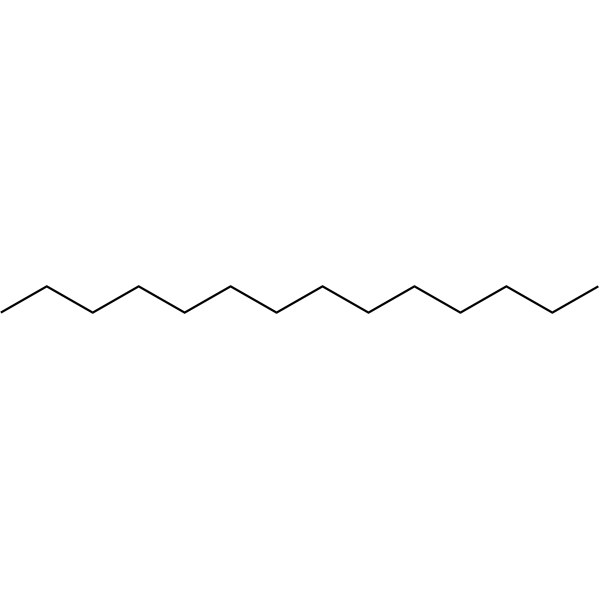
Cat. No.: HY-W094846
CAS No.: 629-59-4
Synonyms: n-Tetradecane
Tetradecane (n-Tetradecane) is a low-temperature phase change material with a phase change temperature of 5°C and a latent heat of phase change of 220 J/g. Tetradecane undergoes solid-liquid phase transition around 5°C, and achieves temperature regulation by absorbing or releasing latent heat .
loading...
    loading...
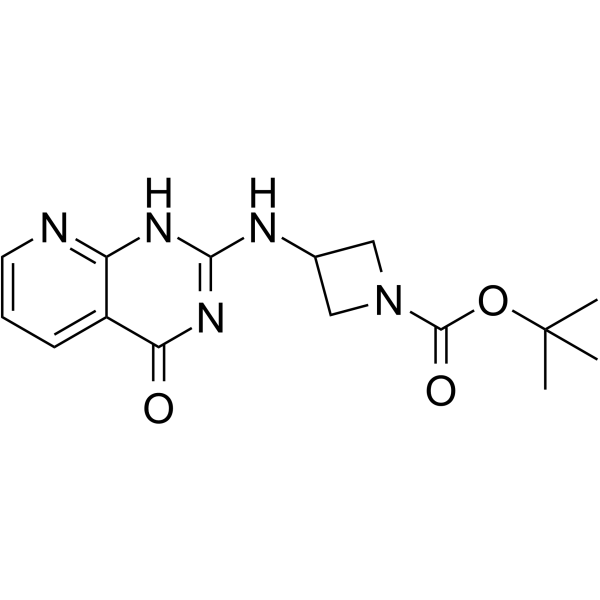
Cat. No.: HY-117724
CAS No.: 1418747-15-5
Purity:  98.03%
Target:  

PAI-1

Research Areas:  

Cardiovascular Disease

AZ3976 is a potent plasminogen activator inhibitor type 1 (PAI-1) inhibitor with an IC50 value of 26 μM in an enzymatic chromogenic assay. AZ3976 is active with an IC50 of 16 μM in a plasma clot lysis assay. AZ3976 does not bind to active PAI-1 but bound reversibly to latent PAI-1. AZ3976 inhibits PAI-1 by enhancing the latency transition of active PAI-1. AZ3976 displays profibrinolytic activities in a human plasma clot lysis assay .
loading...
    loading...
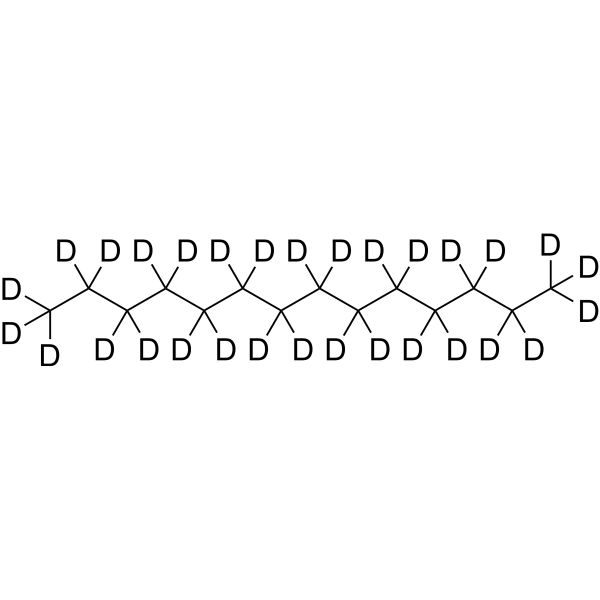
Cat. No.: HY-W094846S
CAS No.: 204244-81-5
Synonyms: n-Tetradecane-d30
Tetradecane-d30 (n-Tetradecane-d30) is the deuterium labeled Tetradecane (HY-W094846). Tetradecane (n-Tetradecane) is a low-temperature phase change material with a phase change temperature of 5°C and a latent heat of phase change of 220 J/g. Tetradecane undergoes solid-liquid phase transition around 5°C, and achieves temperature regulation by absorbing or releasing latent heat .
loading...
    loading...
Cat. No.: HY-W094846R
CAS No.: 629-59-4
Synonyms: n-Tetradecane (Standard)
Research Areas:  

Others

Tetradecane (n-Tetradecane) Standard is the analytical standard of Tetradecane (HY-W094846). This product is intended for research and analytical applications. Tetradecane (n-Tetradecane) is a low-temperature phase change material with a phase change temperature of 5°C and a latent heat of phase change of 220 J/g. Tetradecane undergoes solid-liquid phase transition around 5°C, and achieves temperature regulation by absorbing or releasing latent heat.
loading...
    loading...

