101 Results for "

limiters

" in MedChemExpress (MCE) Product Catalog:
Products (101)

101 Results for "limiters" in MCE Product Catalog:

881
881 Publications Verification
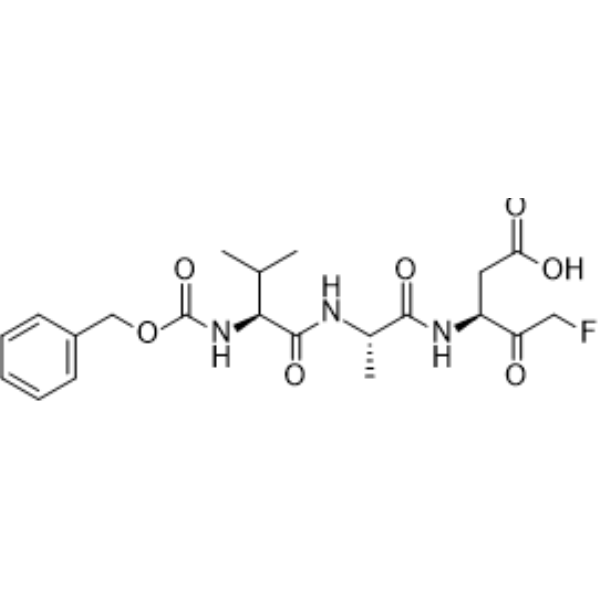
Cat. No.: HY-16658B
CAS No.: 161401-82-7
Synonyms: Z-VAD(OH)-FMK
Z-VAD-FMK is a pan-caspase inhibitor and also an ICE-like protease inhibitor, which inhibits apoptosis by preventing the processing of CPP32 to its active form. Z-VAD-FMK sensitivity varies primarily due to differential expression of receptor-interacting protein 1 (RIP1). Z-VAD-FMK limits the cryopreservation-induced apoptosis by reducing caspase-3 activity of in vitro produced bovine embryos. Z-VAD-FMK is immunosuppressive in vitro and inhibits T cell proliferation without blocking the processing of caspase-8 and caspase-3. Z-VAD-FMK leads to a decrease in intracellular glutathione (GSH) with a concomitant increase in reactive oxygen species (ROS) levels in activated T cells. Z-VAD-FMK is due to oxidative stress via the depletion of GSH. Z-VAD-FMK can be used for the study of acute pancreatitis .
loading...
    loading...
22
22 Cited Publications
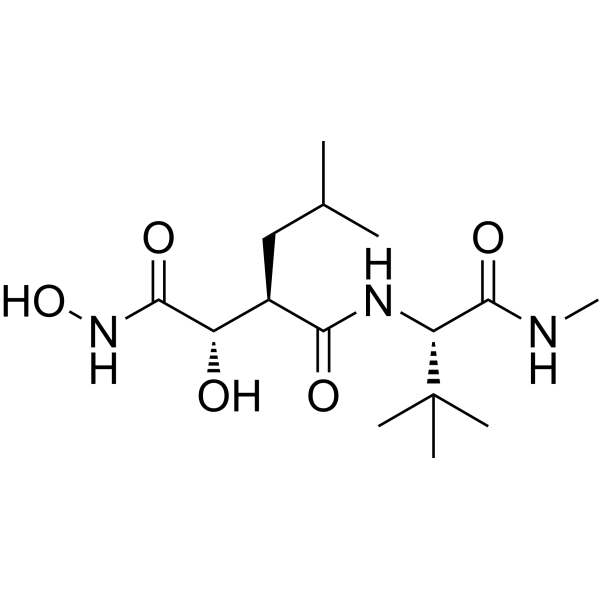
Cat. No.: HY-12169
CAS No.: 154039-60-8
Purity:  99.81%
Synonyms: BB2516; TA2516
Target:  

MMP

Research Areas:  

Cancer

Marimastat (BB2516) is a broad spectrum and orally bioavailable inhibitor of MMPs, with potent activity against MMP-9 (IC50=3 nM), MMP-1 (IC50=5 nM), MMP-2 (IC50=6 nM), MMP-14 (IC50=9 nM) and MMP-7 (IC50=13 nM), used in the treatment of cancer. Marimastat (BB2516) is an angiogenesis and metastasis inhibitor, which limits the growth and production of blood vessels. As an antimetatstatic agent it prevents malignant cells from breaching the basement membranes .
loading...
    loading...
6
6 Cited Publications
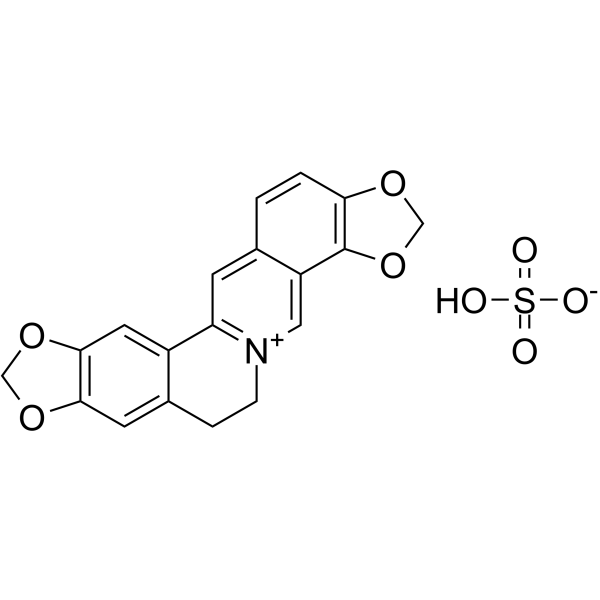
Cat. No.: HY-N0430A
CAS No.: 1198398-71-8
Coptisine Sulfate is an orally active and brain-penetrant alkaloid found in Coptis chinensis. Coptisine Sulfate is a reversible, uncompetitive IDO inhibitor with a Ki of 5.8 μM and an IC50 of 6.3 μM. Coptisine Sulfate suppresses neuroinflammation, reduces Aβ plaque burden and shows neuroprotective activity. Coptisine Sulfate shows anti-inflammation activity by blocking NF-κB, MAPK, and PI3K/Akt activation. Coptisine Sulfate inhibits cancer cells proliferation, induces DNA damage, G2/M phase cell cycle arrest, apoptosis, ROS production and mitochondrial dysfunction. Coptisine Sulfate inhibits Rho/ROCK pathway activation, reduces arrhythmia, limits cardiac injury marker release, reduces infarct size, and preserves cardiac function in rat myocardial ischemia/reperfusion models. Coptisine Sulfate downregulates HMGCR and upregulates LDLR and CYP7A1 to modulate cholesterol metabolism, reduces abnormal serum lipid levels, and promotes fecal bile acid excretion. Coptisine Sulfate be used for the research of cancer, hypercholesterolemia, Alzheimer’s disease, inflammatory disorders and cardiovascular disease .
loading...
    loading...
5
5 Cited Publications
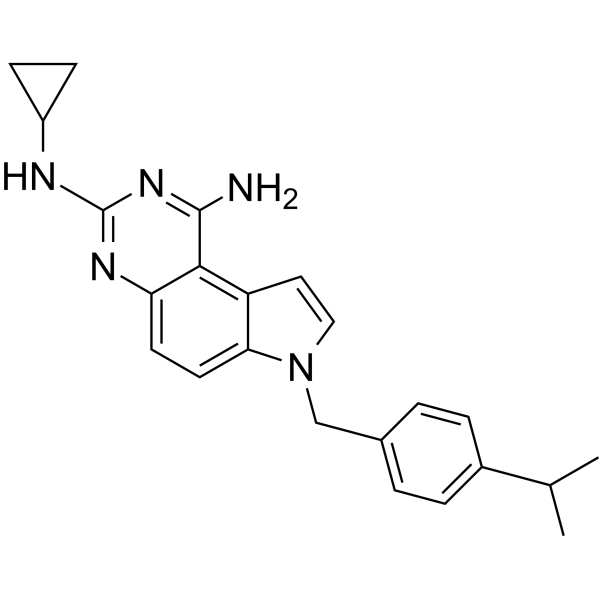
Cat. No.: HY-14993
CAS No.: 245520-69-8
Purity:  99.74%
SCH79797 is a highly potent, selective nonpeptide protease activated receptor 1 (PAR1) antagonist. SCH79797 inhibits binding of a high-affinity thrombin receptor-activating peptide to PAR1 with an IC50 of 70 nM and a Ki of 35 nM. SCH79797 inhibits thrombin-induced platelet aggregation with an IC50 of 3 μM. SCH79797 has antiproliferative and pro-apoptotic effects, and limits myocardial ischemia/reperfusion injury in rat hearts. SCH79797 also potently prevents PAR1 activation in vascular smooth muscle cells, endothelial cells, and astrocytes .
loading...
    loading...
5
5 Cited Publications
Cat. No.: HY-14994
CAS No.: 1216720-69-2
Purity:  99.91%
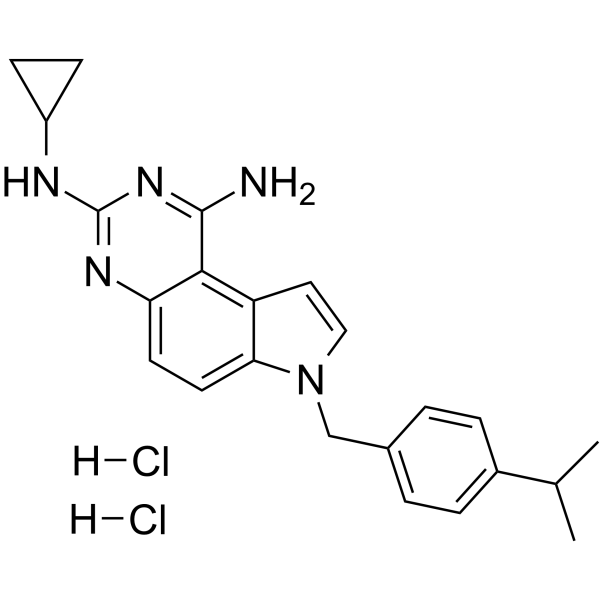
SCH79797 dihydrochloride is a highly potent, selective nonpeptide protease activated receptor 1 (PAR1) antagonist. SCH79797 dihydrochloride inhibits binding of a high-affinity thrombin receptor-activating peptide to PAR1 with an IC50 of 70 nM and a Ki of 35 nM. SCH79797 dihydrochloride inhibits thrombin-induced platelet aggregation with an IC50 of 3 μM. SCH79797 dihydrochloride has antiproliferative and pro-apoptotic effects, and limits myocardial ischemia/reperfusion injury in rat hearts. SCH79797 dihydrochloride also potently prevents PAR1 activation in vascular smooth muscle cells, endothelial cells, and astrocytes .
loading...
    loading...
3
3 Cited Publications
Cat. No.: HY-B1238
CAS No.: 54-80-8
Synonyms: (±)-Pronethalo
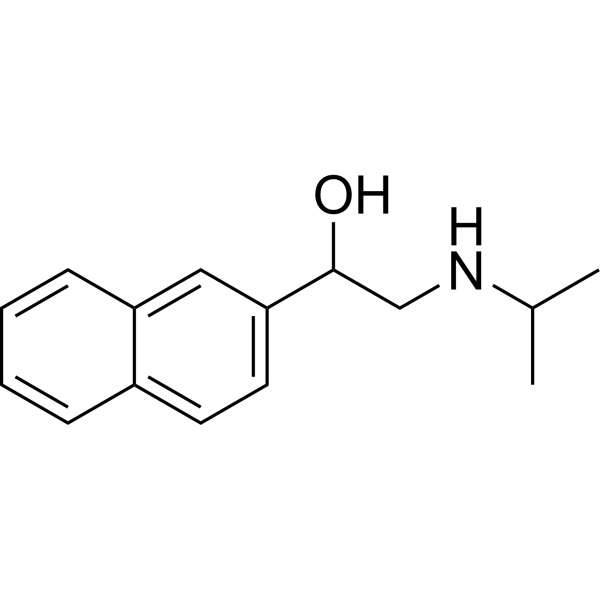
Pronethalol ((±)-Pronethalo) is a non-selective β-adrenergic antagonist. Pronethalol is a potent inhibitor of Sox2 expression. Pronethalol protects against and to reverse Digitalis-induced ventricular arrhythmias and limits the cerebral arteriovenous malformation (AVMs) .
loading...
    loading...
3
3 Cited Publications
Cat. No.: HY-109086
CAS No.: 1142363-52-7
Purity:  98.80%
Synonyms: JNJ-40346527; JNJ-527
Target:  

c-Fms

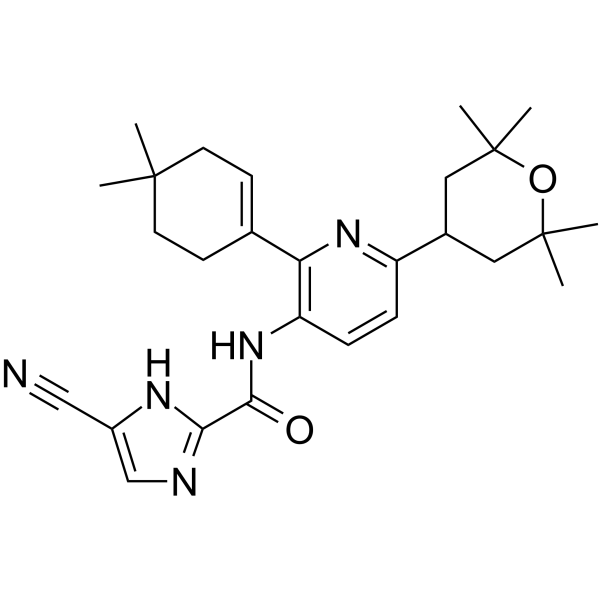
Edicotinib (JNJ-40346527) is a potent, selective, brain penetrant and orally active colony-stimulating factor-1 receptor (CSF-1R) inhibitor with an IC50 of 3.2 nM. Edicotinib exhibits less inhibitory effects on KIT and FLT3 with IC50 values of 20 nM and 190 nM, respectively . Edicotinib limits microglial expansion and attenuates microglial proliferation and neurodegeneration in mice. Edicotinib has the potential for Alzheimer’s disease and rheumatoid arthritis research .
loading...
    loading...
3
3 Cited Publications
Cat. No.: HY-128879A
CAS No.: 1281681-33-1
Purity:  98.01%
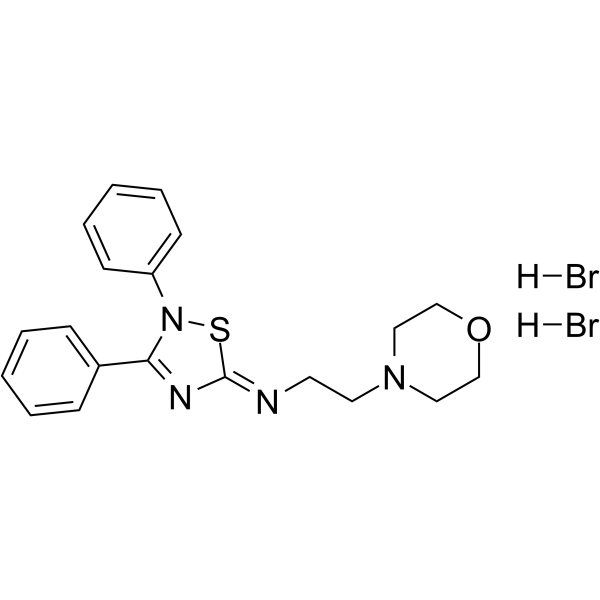
VP3.15 dihydrobromide is a highly potent, orally bioavailable, and CNS-penetrant PDE7-GSK3 dual inhibitor, with IC50 values of 1.59 μM and 0.88 μM against PDE7 and GSK3, respectively . VP3.15 dihydrobromide elevates intracellular cAMP levels, suppresses immune responses, enhances remyelination, limits excessive tau phosphorylation, and alleviates neuroinflammation and neuronal loss. VP3.15 dihydrobromide promotes oligodendrocyte precursor cell differentiation, improves in vivo remyelination, inhibits autoimmune encephalomyelitis, and mitigates germinal matrix-intraventricular hemorrhage-related brain injury, cerebral atrophy, ventricular enlargement, and cognitive impairment. VP3.15 dihydrobromide can be used in research related to multiple sclerosis and germinal matrix-intraventricular hemorrhage .
loading...
    loading...
2
2 Cited Publications
Cat. No.: HY-N0113
CAS No.: 539-15-1
Synonyms: Ordenina; Peyocactine
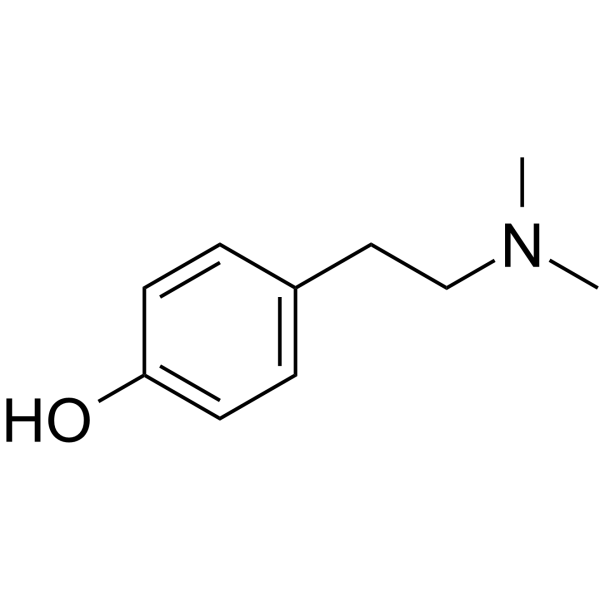
Hordenine (Ordenina; Peyocactine) is a multifunctional alkaloid with oral activity and blood-brain barrier penetration. Hordenine inhibits LPS-induced phosphorylation of p38, JNK, ERK1/2, p65, IκB, and AKT, prevents p65 nuclear translocation, and suppresses inflammatory cytokines and mediators. Hordenine promotes M2 macrophage polarization, restores blood-milk barrier integrity, alleviates oxidative stress by reducing ROS and MDA, and attenuates LPS-induced lung injury and pulmonary edema. Hordenine inhibits cAMP production, CREB phosphorylation, and MITF expression, thereby suppressing melanin synthesis in melanocytes and reconstructed epidermis. Hordenine activates the Wnt/β-catenin signaling pathway, promotes dermal papilla cell proliferation and hair shaft elongation, and accelerates hair regeneration. Hordenine activates DRD2, acts as a D3R partial agonist, α2A-AR full agonist, and 5-HT2A-R antagonist, and inhibits SERT and DAT. Hordenine inhibits α-synuclein accumulation and ameliorates motor deficits in Parkinson's disease models. Hordenine limits alcohol intake, reduces relapse drinking behavior, and modulates alcohol-induced conditioned place preference. Hordenine can be used for research on mastitis, skin pigmentation, acute lung injury, foodborne diseases, hair loss, Parkinson's disease, bacterial infections, and alcohol use disorder .
loading...
    loading...
2
2 Cited Publications
Cat. No.: HY-157395
CAS No.: 2361327-06-0
Purity:  98.59%
Target:  

Pyruvate Kinase

Research Areas:  

Cancer

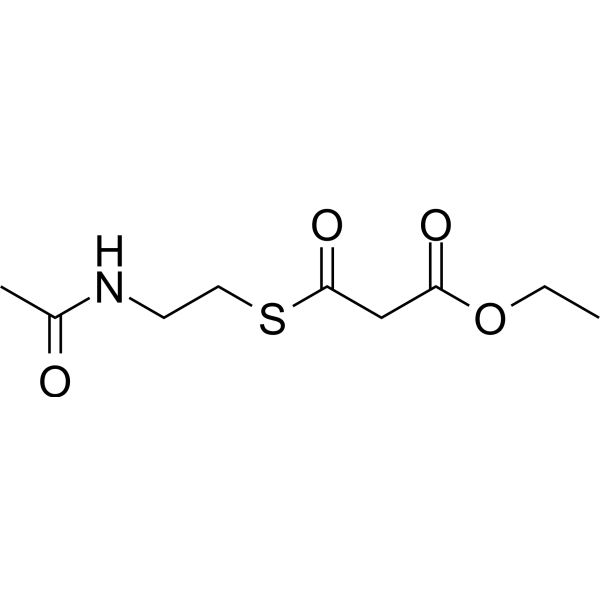
malonyl-NAC increases cellular propylation, resulting in reduced endogenous GAPDH activity. malonyl-NAC increases GAPDH malonylation in cells and inhibits pyruvate kinase activity. In addition, malonyl-NAC limits the metabolism and proliferation of a highly glycolytic kidney cancer cell line harboring a tricarboxylic acid cycle mutation .
loading...
    loading...
2
2 Cited Publications
Cat. No.: HY-N0113B
CAS No.: 6027-23-2
Synonyms: Ordenina hydrochloride; Peyocactine hydrochloride
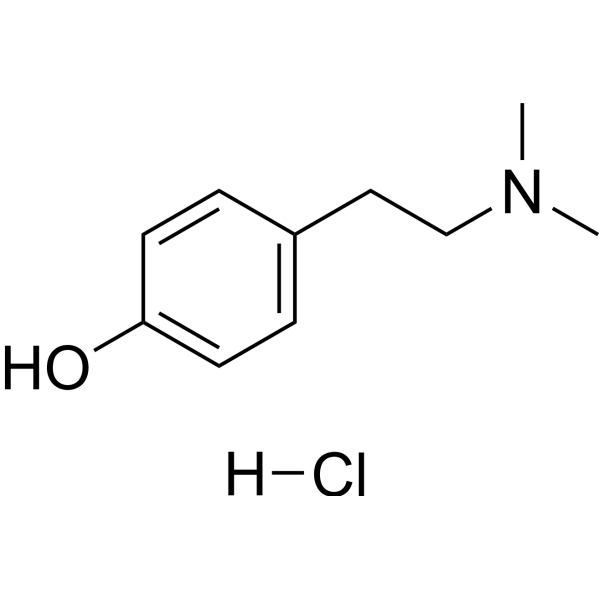
Hordenine hydrochloride (Ordenina hydrochloride; Peyocactine hydrochloride) is a multifunctional alkaloid with oral activity and blood-brain barrier penetration. Hordenine hydrochloride inhibits LPS-induced phosphorylation of p38, JNK, ERK1/2, p65, IκB, and AKT, prevents p65 nuclear translocation, and suppresses inflammatory cytokines and mediators. Hordenine hydrochloride promotes M2 macrophage polarization, restores blood-milk barrier integrity, alleviates oxidative stress by reducing ROS and MDA, and attenuates LPS-induced lung injury and pulmonary edema. Hordenine hydrochloride inhibits cAMP production, CREB phosphorylation, and MITF expression, thereby suppressing melanin synthesis in melanocytes and reconstructed epidermis. Hordenine hydrochloride activates the Wnt/β-catenin signaling pathway, promotes dermal papilla cell proliferation and hair shaft elongation, and accelerates hair regeneration. Hordenine hydrochloride activates DRD2, acts as a D3R partial agonist, α2A-AR full agonist, and 5-HT2A-R antagonist, and inhibits SERT and DAT. Hordenine hydrochloride inhibits α-synuclein accumulation and ameliorates motor deficits in Parkinson's disease models. Hordenine hydrochloride limits alcohol intake, reduces relapse drinking behavior, and modulates alcohol-induced conditioned place preference. Hordenine hydrochloride can be used for research on mastitis, skin pigmentation, acute lung injury, foodborne diseases, hair loss, Parkinson's disease, bacterial infections, and alcohol use disorder .
loading...
    loading...
1
1 Cited Publications
Cat. No.: HY-131146
CAS No.: 43056-63-9
Purity:  99.89%
Synonyms: 3-Amino-5-morpholinomethyl-2-oxazolidone
Target:  

Drug Metabolite

Research Areas:  

Infection

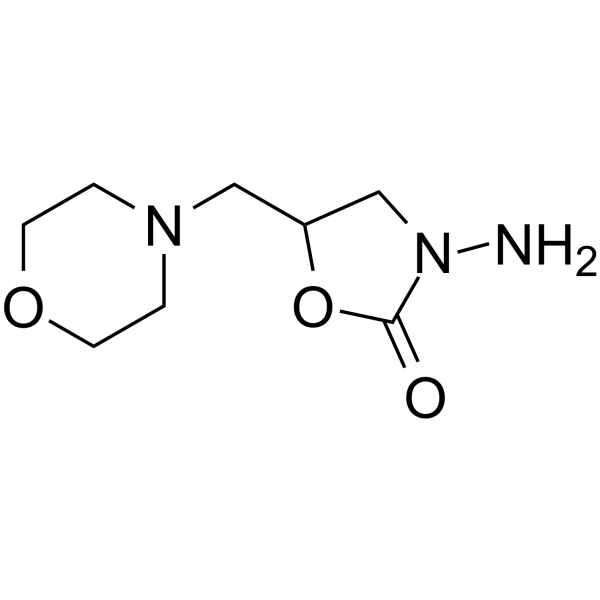
AMOZ is a carcinogenic metabolite of Furaltadone (HY-B1148A), which forms stable tissue residues by covalently binding to proteins as a hapten. AMOZ can be coupled with carrier proteins (such as BSA/OVA) to induce immune response and is released after acid hydrolysis. AMOZ residues can be detected by competitive ELISA method, and the detection limit in the monoclonal antibody 2E5.1 test is as low as 0.16 μg/kg (shrimp sample). AMOZ can be used as a typical marker to monitor drug residues in animal-derived foods in the field of food safety[1][2].
loading...
    loading...
1
1 Cited Publications
Cat. No.: HY-W017186
CAS No.: 18962-05-5
Research Areas:  

Cancer

ALDH1A3-IN-3 is a potent inhibitor of ALDH1A3, with an IC50 of 0.26 μM. ALDH1A3-IN-3 is also a good ALDH3A1 substrate which limits its application as a selective inhibitor. ALDH1A3-IN-3 can be used for the research of prostate cancer .
loading...
    loading...
1
1 Cited Publications
Cat. No.: HY-B1838
CAS No.: 3337-71-1
Target:  

Herbicide

Research Areas:  

Others

Asulam is a herbicide with control activity against wild oats. Asulam can be used for bulb production in spinach, tulips, daffodils and lilies. Maximum residue limits (MRLs) for Asulam were evaluated in spinach. The review of Asulam took into account its endocrine disrupting properties .
loading...
    loading...
Cat. No.: HY-147080
CAS No.: 1491144-00-3
Purity:  98.53%
Synonyms: ARC1905
Target:  

Complement System

Research Areas:  

Others

Avacincaptad pegol (ARC1905) sodium is a 40KDa PEG-conjugated aptamer. Avacincaptad pegol sodium targets complement factor 5 (C5), inhibits the cleavage of C5 into C5a and C5b, limits inflammatory stimulation and complement membrane attack complex (MAC), and is used to study age-related macular degeneration (AMD). Avacincaptad pegol sodium limits irregular cell apoptosis by targeting downstream factors in the complement cascade while preserving the early steps of the complement system .
loading...
    loading...
Cat. No.: HY-171135
Research Areas:  

Cancer

Cetuximab MMAE is an antibody-drug conjugate (ADC) targeting EGFR, formed by the random conjugation of the Cetuximab (HY-P9905) antibody and VcMMAE (HY-15575) via reduced interchain cysteines. Cetuximab MMAE binds to EGFR, blocks ligand interactions, inhibits downstream signal transduction, mediates receptor internalization, and delivers MMAE to induce G2/M phase cell cycle arrest, inhibit microtubule polymerization, interfere with mitosis, and exert radiosensitizing effects. Cetuximab MMAE limits the toxicity of free MMAE to EGFR-expressing cells and circumvents EGFR resistance mechanisms. Cetuximab MMAE is applicable to research related to EGFR + tumors .
loading...
    loading...
Cat. No.: HY-B1657A
CAS No.: 92134-98-0
Target:  

Sodium Channel

Research Areas:  

Neurological Disease

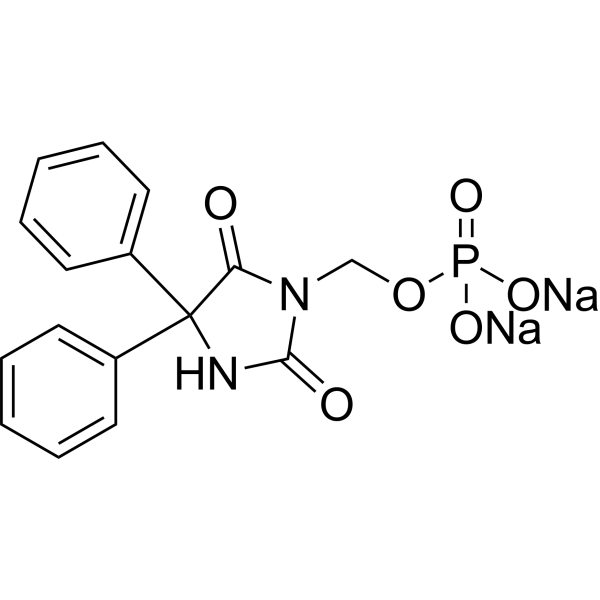
Fosphenytoin sodium is a phenytoin proagent with similar anticonvulsant properties. Its main mechanism is to block frequency-dependent, use-dependent and voltage-dependent neuronal sodium channels, and therefore limit repetitive firing of action potentials.
loading...
    loading...
Cat. No.: HY-N3387
CAS No.: 30508-27-1
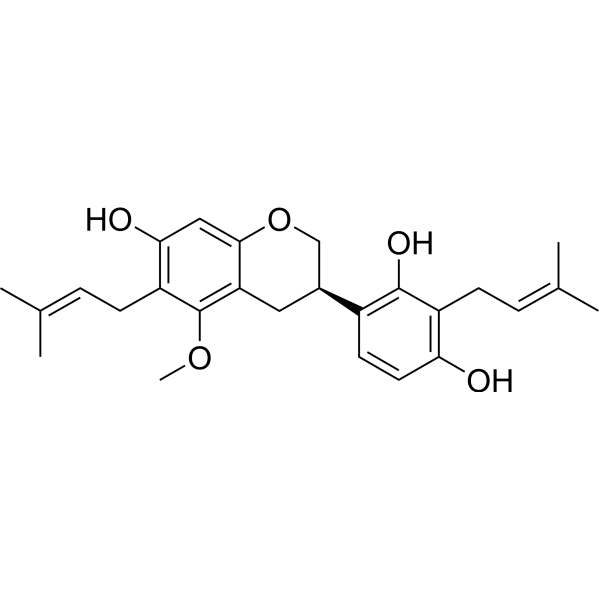
Licoricidin (LCD) is isolated from Glycyrrhiza uralensis Fisch, possesses anti-cancer activities. Licoricidin (LCD) inhibit SW480 cells (IC50=7.2 μM) by inducing cycle arrest, apoptosis and autophagy, and is a potential chemopreventive or chemotherapeutic agent against colorectal cancer . Licoricidin (LCD) inhibits Lung Metastasis by inhibition of tumor angiogenesis and lymphangiogenesis as well as changes in the local microenvironment of tumor tissues the anticarcinogenic effect . Licoricidin enhanced gemcitabine-induced cytotoxicity in Osteosarcoma (OS) cells by inactivation of the Akt and NF-κB pathways in vitro and in vivo . Licoricidin blocks UVA-induced photoaging via ROS scavenging, limits the activity of MMP-1, it can be considered as an active ingredient in new topically applied anti-ageing formulations .
loading...
    loading...
Cat. No.: HY-P1123
CAS No.: 87272-20-6
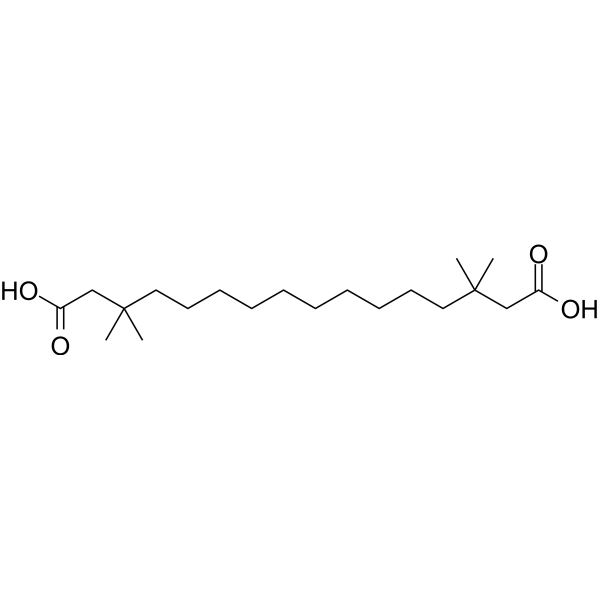
MEDICA16 is an orally active acetyl-CoA carboxylase and ATP-citrate lyase inhibitor. MEDICA16 limits the acetyl-CoA supply for acetyl-CoA carboxylase, inhibits acetyl-CoA carboxylase activity, exerts citrate-competitive inhibitory effects on ATP-citrate lyase, and reduces hepatic AMPK activity. MEDICA16 can be used in research related to insulin resistance, hyperlipidemia, and obesity .
loading...
    loading...
Cat. No.: HY-W110910
CAS No.: 1787-61-7
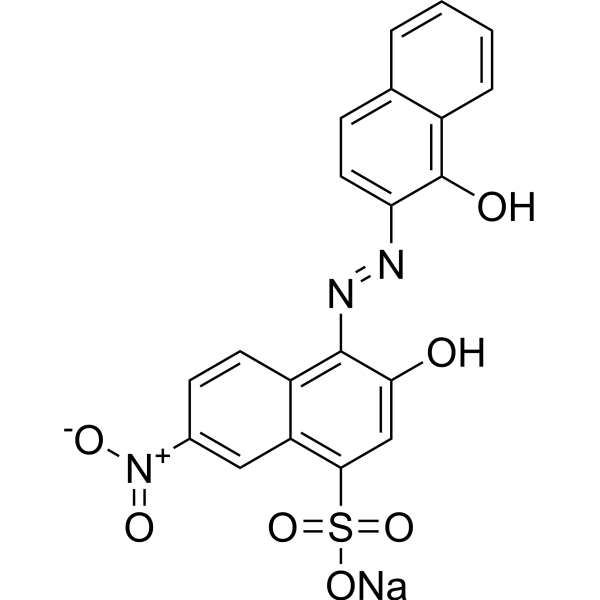
Eriochrome black T, Indicator is a complexing agent for metal ions (e.g., Ca 2+, Mg 2+) and is used as an indicator in complexometric titrations. Eriochrome black T, Indicator forms colored complexes with metal ions through covalent coordination bonds, and indicates the endpoint of the titration by color change. Eriochrome black T, Indicator can be used as an anionic azo dye in photocatalytic degradation studies to evaluate the performance of photocatalysts. The reaction solution of Eriochrome black T, Indicator combined with Mg 2+ is initially purple. During loop-mediated isothermal amplification (LAMP), the color changes from purple to sky blue due to the consumption of Mg 2+ by the formation of magnesium pyrophosphate, indicating a positive reaction. The optimal concentration of Eriochrome black T, Indicator in LAMP is 60 μM, and the detection limit for Mycobacterium tuberculosis is 1 pg DNA/reaction .
loading...
    loading...

