112 Results for "

locomotor

" in MedChemExpress (MCE) Product Catalog:
Products (112)

112 Results for "locomotor" in MCE Product Catalog:

14
14 Publications Verification
Cat. No.: HY-10895
CAS No.: 249889-64-3
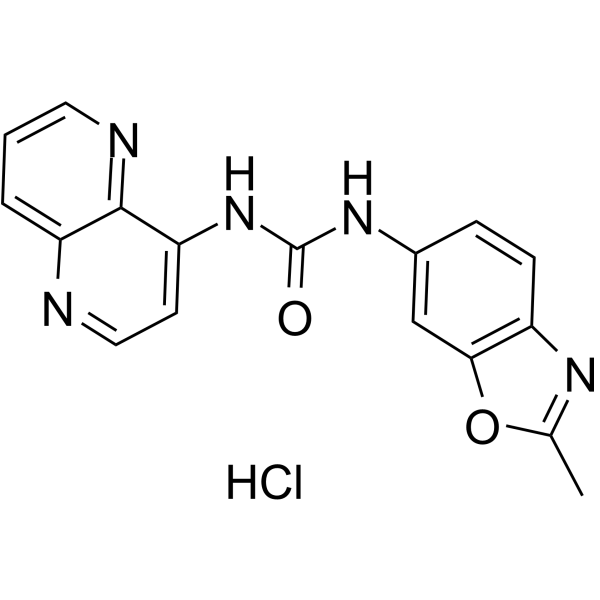
Synonyms: SB 334867A
SB-334867 (SB 334867A) is an excellent,selective and blood-brain barrier permeable orexin-1 (OX1) receptor antagonist, shows selectivity over OX2 (pKb=7.4), 100-fold over 5-HT2B, 5-HT2C with pKi values of 5.4 and 5.3, respectively . SB-334867 reduces ethanol consumption and inhibits the acquisition of morphine-induced sensitization to locomotor activity in vivo .
loading...
    loading...
14
14 Publications Verification
Cat. No.: HY-10895A
CAS No.: 792173-99-0
Purity:  99.88%
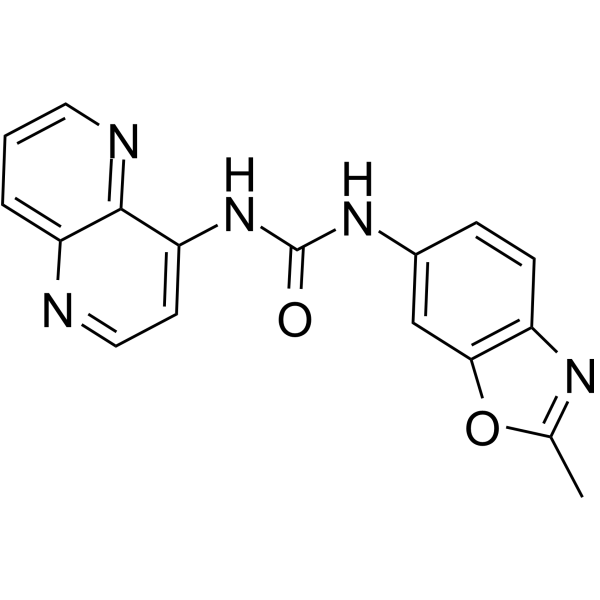
Synonyms: SB334867A free base
SB-334867 free base (SB334867A free base) is an excellent, selective and blood–brain barrier permeable orexin-1 (OX1) receptor antagonist, shows selectivity over OX2 (pKb=7.4), 100-fold over 5-HT2B, 5-HT2C with pKi values of 5.4 and 5.3, respectively . SB-334867 reduces ethanol consumption and inhibits the acquisition of morphine-induced sensitization to locomotor activity in vivo .
loading...
    loading...
8
8 Cited Publications
Cat. No.: HY-14197
CAS No.: 17780-72-2
Purity:  99.76%
Synonyms: M&B 9302
Clorgyline (M&B 9302) is a selective, irreversible monoamine oxidase A (MAO-A) inhibitor that can cross the blood-brain barrier and exhibits activity against the 5-HT Receptor at very high doses. Clorgyline regulates monoamine neurotransmitter levels, the release of dopamine and acetylcholine, the uptake and effects of Tyramine (HY-W007606), noradrenergic function, circadian locomotor activity rhythms, feeding behavior, and body weight. Clorgyline induces tumor-suppressive transcriptional programs, secretory differentiation, androgen signaling regulation, Bcl-2 expression, and radioprotective effects in non-malignant cells. Clorgyline is used in the research of high-grade prostate cancer, Huntington's disease, major affective disorder, radiation-induced normal tissue toxicity, and obesity .
loading...
    loading...
8
8 Cited Publications
Cat. No.: HY-14197A
CAS No.: 17780-75-5
Purity:  99.92%
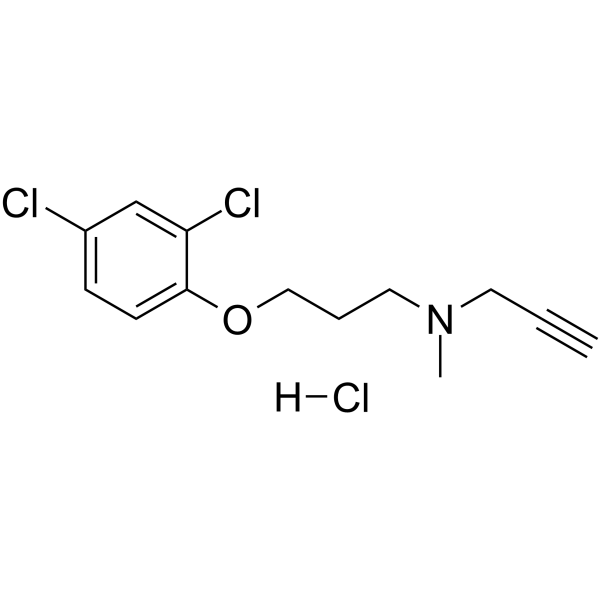
Synonyms: M&B 9302 hydrochloride
Clorgyline hydrochloride (M&B 9302 hydrochloride) is a selective, irreversible monoamine oxidase A (MAO-A) inhibitor that can cross the blood-brain barrier and exhibits activity against the 5-HT Receptor at very high doses. Clorgyline hydrochloride regulates monoamine neurotransmitter levels, the release of dopamine and acetylcholine, the uptake and effects of Tyramine (HY-W007606), noradrenergic function, circadian locomotor activity rhythms, feeding behavior, and body weight. Clorgyline hydrochloride induces tumor-suppressive transcriptional programs, secretory differentiation, androgen signaling regulation, Bcl-2 expression, and radioprotective effects in non-malignant cells. Clorgyline hydrochloride is used in the research of high-grade prostate cancer, Huntington's disease, major affective disorder, radiation-induced normal tissue toxicity, and obesity .
loading...
    loading...
6
6 Cited Publications
Cat. No.: HY-B1337
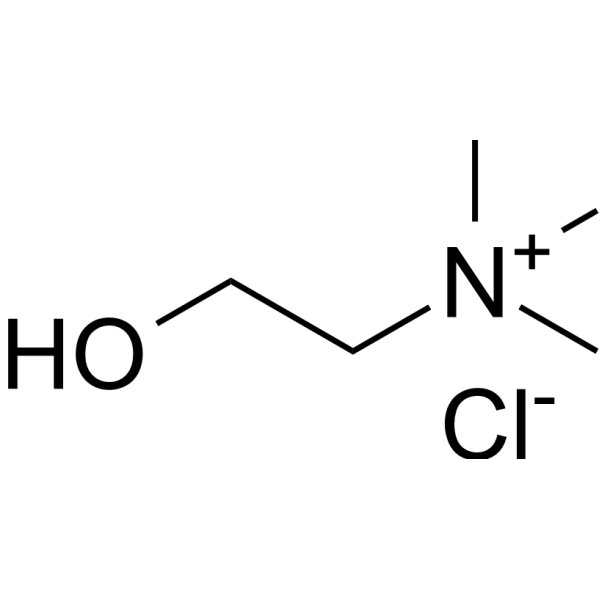
CAS No.: 67-48-1
Choline chloride is an orally active methylxanthine derivative. Choline chloride exhibits weak antihistaminic and anticholinergic activities and potentiates the effects of histamine and acetylcholine. Choline chloride relaxes bronchial smooth muscle, dilates coronary and peripheral blood vessels, increases urine output and electrolyte excretion, stimulates locomotor activity in the central nervous system, and induces transient hypotension following a pressor phase. Choline chloride modulates sleep architecture by increasing wakefulness time and reducing slow-wave sleep, without altering the frequency or severity of nocturnal hypoxemia, apnea, or hypopnea events. Choline chloride is used in studies of bronchospasm, nocturnal asthma, and chronic asthma .
loading...
    loading...
6
6 Cited Publications
Cat. No.: HY-B1718
CAS No.: 4499-40-5
Synonyms: Oxtriphylline
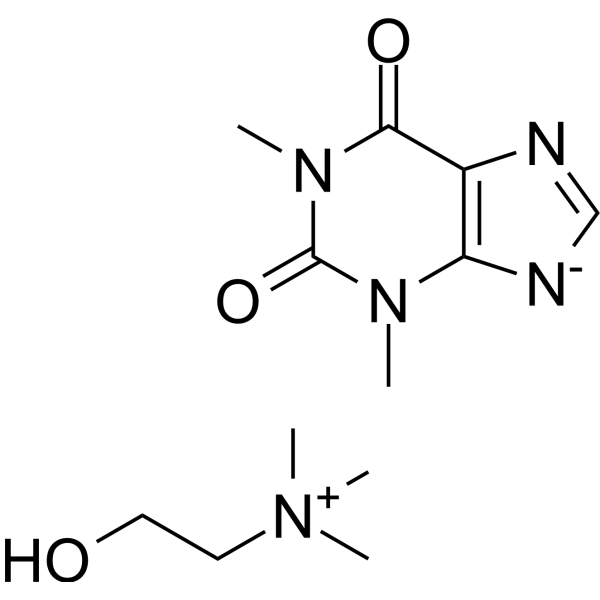
Choline theophyllinate (Oxtriphylline) is an orally active methylxanthine derivative. Choline theophyllinate exhibits weak antihistaminic and anticholinergic activities and potentiates the effects of histamine and acetylcholine. Choline theophyllinate relaxes bronchial smooth muscle, dilates coronary and peripheral blood vessels, increases urine output and electrolyte excretion, stimulates locomotor activity in the central nervous system, and induces transient hypotension following a pressor phase. It modulates sleep architecture by increasing wakefulness time and reducing slow-wave sleep, without altering the frequency or severity of nocturnal hypoxemia, apnea, or hypopnea events. Choline theophyllinate is used in studies of bronchospasm, nocturnal asthma, and chronic asthma .
loading...
    loading...
5
5 Cited Publications
Cat. No.: HY-117771
CAS No.: 1848233-58-8
Purity:  99.30%
Target:  

DAGL

DO34 is a selective DAGL inhibitor, with an IC50 of 6 nM for DAGLα conversion of SAG to 2-AG. DO34 blocks de novo 2-AG synthesis, and suppresses tonic CB1 receptor activation. DO34 blocks depolarization-induced suppression of excitation and inhibition in the cerebellum and hippocampus. DO34 regulates feeding behavior and locomotor activity in mice. DO34 abolishes AM251-mediated enhancement of parallel fiber-evoked excitatory postsynaptic currents in cerebellar slices from MAGL global knockout mice. DO34 can be used for the research of energy balance disorder and neuroinflammation .
loading...
    loading...
3
3 Cited Publications
Cat. No.: HY-B1337S1
CAS No.: 61037-86-3
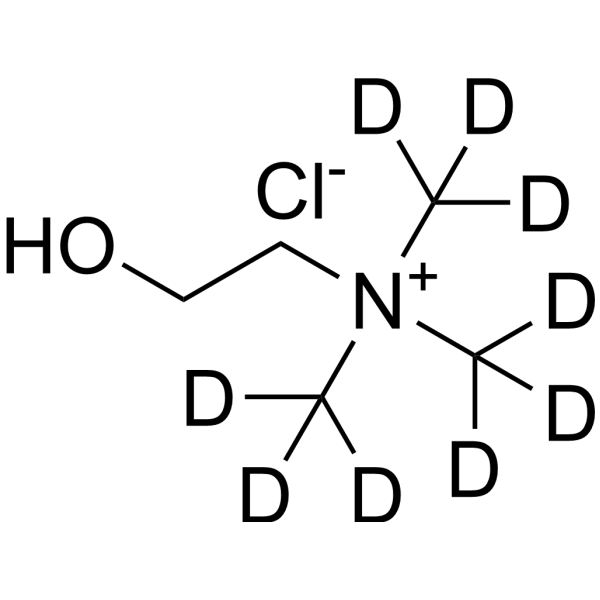
Choline-d9 chloride is the d9-labeled Choline chloride (HY-B1337). Choline chloride is an orally active methylxanthine derivative. Choline chloride exhibits weak antihistaminic and anticholinergic activities and potentiates the effects of histamine and acetylcholine. Choline chloride relaxes bronchial smooth muscle, dilates coronary and peripheral blood vessels, increases urine output and electrolyte excretion, stimulates locomotor activity in the central nervous system, and induces transient hypotension following a pressor phase. Choline chloride modulates sleep architecture by increasing wakefulness time and reducing slow-wave sleep, without altering the frequency or severity of nocturnal hypoxemia, apnea, or hypopnea events. Choline chloride is used in studies of bronchospasm, nocturnal asthma, and chronic asthma .
loading...
    loading...
3
3 Cited Publications
Cat. No.: HY-B1002
CAS No.: 14698-29-4
Research Areas:  

Infection

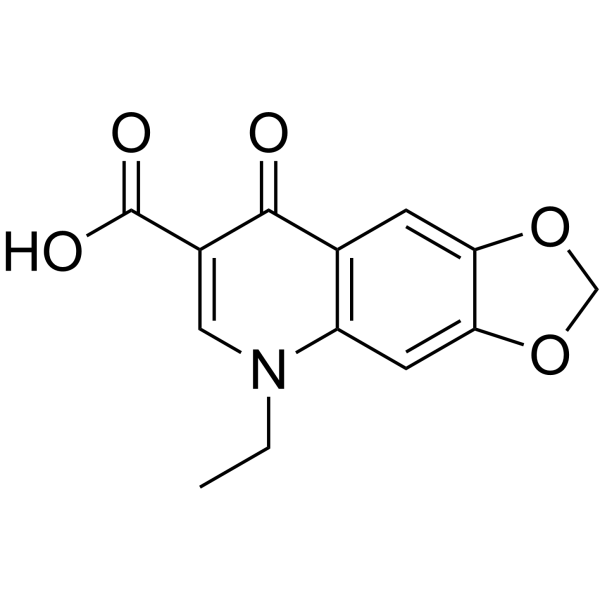
Oxolinic acid is an antibiotic against both Gram-negative and Gram-positive bacteria. Oxolinic acid can be used for the research of acute and chronic urinary tract infections. Oxolinic acid is a DNA/RNA synthesis inhibitor. Oxolinic acid acts a dopamine uptake inhibitor and stimulants locomotor effect in mice .
loading...
    loading...
3
3 Cited Publications
Cat. No.: HY-103430A
CAS No.: 99295-33-7
Purity:  99.82%
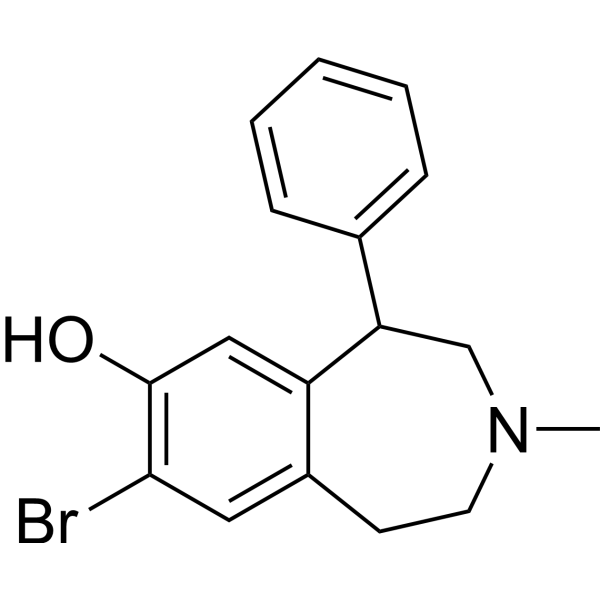
SKF-83566 is an orally active, blood-brain barrier-permeable D1/D5 dopamine receptor antagonist with a Ki value of approximately 0.4-0.56 nM. SKF-83566 modulates locomotor behavior and spatial memory by blocking D1 receptors and inhibits glioblastoma progression by targeting the DRD1/c-Myc/UHRF1 pathway. SKF-83566 acts as an inhibitor of the dopamine transporter (DAT) and adenylyl cyclase 2 (AC2). SKF-83566 competitively binds to DAT to inhibit dopamine reuptake and non-competitively inhibits AC2 activity, thereby reducing cAMP accumulation. SKF-83566 is used in research areas such as dopaminergic system mechanisms, learning and memory, targeted intervention for glioblastoma, AC2 pathophysiology, antiparasitic drug screening, and synaptic plasticity (the "gating effect") .
loading...
    loading...
2
2 Cited Publications
Cat. No.: HY-W011689
CAS No.: 793-24-8
Research Areas:  

Others

6PPD is a rubber antioxidant that scavenges ozone and forms nitro radicals. Exposure to 6PPD reduces the hatching rate, impairs spontaneous locomotor activity, shortens body length and causes malformations in zebrafish embryos. 6PPD also induces oxidative stress in zebrafish embryos .
loading...
    loading...
2
2 Cited Publications
Cat. No.: HY-15451
CAS No.: 1048973-47-2
Purity:  99.26%
Synonyms: BZO-HEXOXIZID
Target:  

Cannabinoid Receptor

Research Areas:  

Neurological Disease

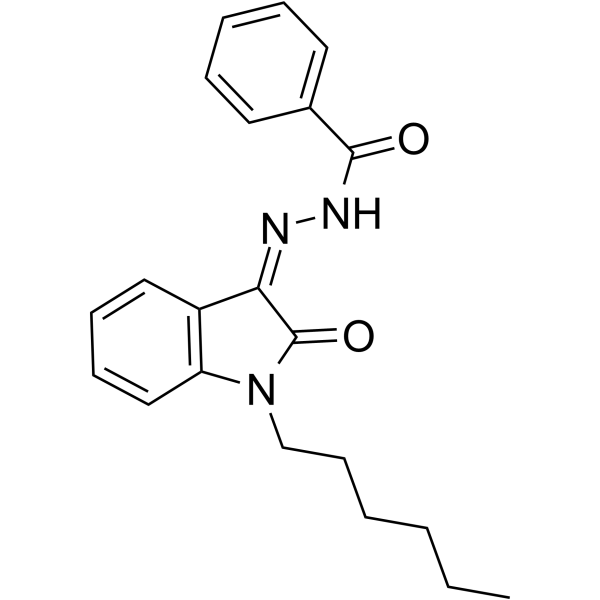
MDA 19 is a potent and selective agonist of human cannabinoid receptor 2 (CB2), with a Ki of 43.3 nM. MDA 19 has antiallodynic effects in a rat model of neuropathic pain and does not affect rat locomotor activity .
loading...
    loading...
2
2 Cited Publications
Cat. No.: HY-B1337S4
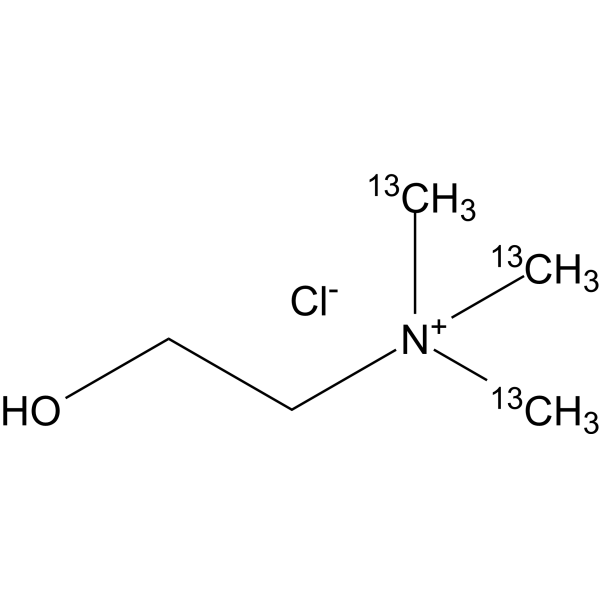
Choline Chloride- 13C3 is the 13C-labeled Choline chloride (HY-B1337). Choline chloride is an orally active methylxanthine derivative. Choline chloride exhibits weak antihistaminic and anticholinergic activities and potentiates the effects of histamine and acetylcholine. Choline chloride relaxes bronchial smooth muscle, dilates coronary and peripheral blood vessels, increases urine output and electrolyte excretion, stimulates locomotor activity in the central nervous system, and induces transient hypotension following a pressor phase. Choline chloride modulates sleep architecture by increasing wakefulness time and reducing slow-wave sleep, without altering the frequency or severity of nocturnal hypoxemia, apnea, or hypopnea events. Choline chloride is used in studies of bronchospasm, nocturnal asthma, and chronic asthma .
loading...
    loading...
1
1 Cited Publications
Cat. No.: HY-A0277
CAS No.: 94361-06-5
Research Areas:  

Others

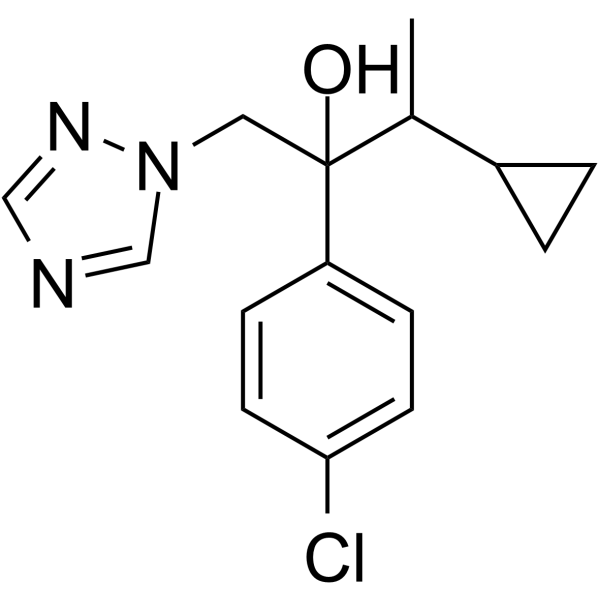
Cyproconazole is a triazole fungicide used to protect crops, fruits and vegetables against a wide range of fungal pathogens. Cyproconazole can cause hepatocellular adenomas and carcinomas in CD-1 mice. Cyproconazole also exhibits low toxicity to zebrafish embryos and affects locomotor activity .
loading...
    loading...
1
1 Cited Publications
Cat. No.: HY-B1337S
CAS No.: 285979-70-6
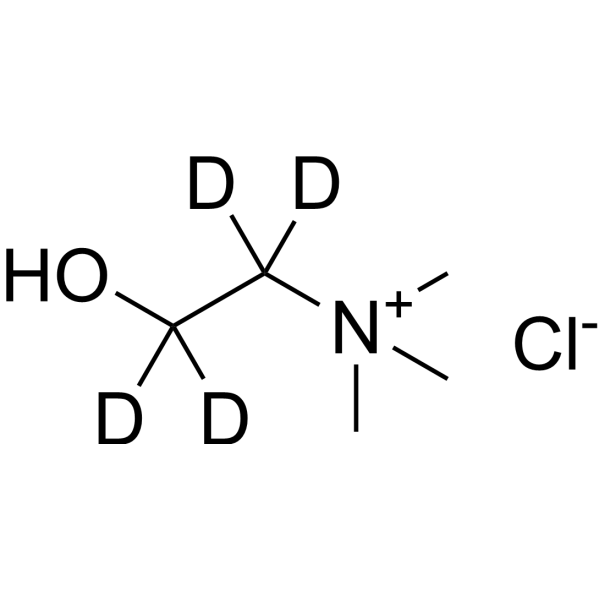
Choline-d4 chloride is the d4-labeled Choline chloride (HY-B1337). Choline chloride is an orally active methylxanthine derivative. Choline chloride exhibits weak antihistaminic and anticholinergic activities and potentiates the effects of histamine and acetylcholine. Choline chloride relaxes bronchial smooth muscle, dilates coronary and peripheral blood vessels, increases urine output and electrolyte excretion, stimulates locomotor activity in the central nervous system, and induces transient hypotension following a pressor phase. Choline chloride modulates sleep architecture by increasing wakefulness time and reducing slow-wave sleep, without altering the frequency or severity of nocturnal hypoxemia, apnea, or hypopnea events. Choline chloride is used in studies of bronchospasm, nocturnal asthma, and chronic asthma .
loading...
    loading...
1
1 Cited Publications
Cat. No.: HY-P1215A
Target:  

Melanocortin Receptor

Research Areas:  

Neurological Disease

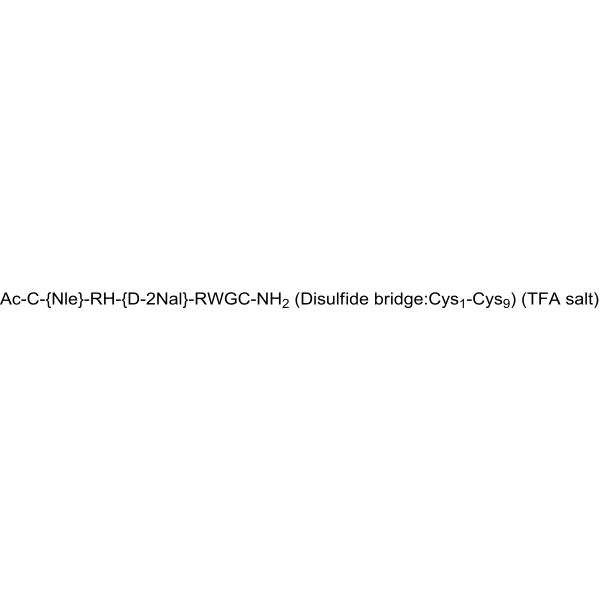
HS024 TFA is a peptide antagonist of melanocortin receptors with high affinity for the human melanocortin-4 receptor (MC4R). HS024 TFA blocks α-MSH (HY-P0252)-induced cAMP accumulation and MC4 receptor signaling. HS024 TFA induces dose-dependent feeding stimulation without affecting anxiety-related behavior or locomotor activity. HS024 TFA can be used in research related to MC4 receptor-mediated diseases, such as eating disorders .
loading...
    loading...
1
1 Cited Publications
Cat. No.: HY-P1329A
Target:  

Opioid Receptor

Research Areas:  

Neurological Disease

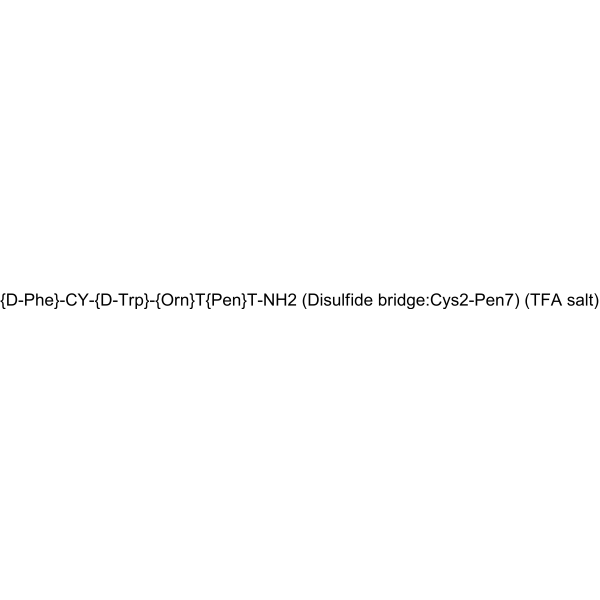
CTOP TFA is a potent and highly selective μ-opioid receptor antagonist. CTOP TFA antagonizes the acute analgesic effect and hypermotility. CTOP TFA enhances extracellular dopamine levels in the nucleus accumbens. CTOP TFA dose-dependently enhances locomotor activity .
loading...
    loading...
Cat. No.: HY-W013150
CAS No.: 82626-01-5
Target:  

GABA Receptor

Research Areas:  

Neurological Disease

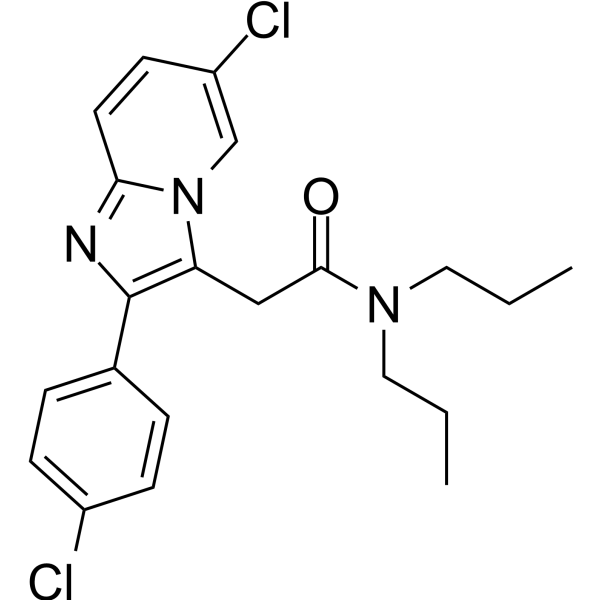
Alpidem, an anxiolytic agent, is an orally active and brain-penetrant GABAA receptor ligand, binds to α1β2γ2 subunit-containing GABAA receptors (IC50 of 17 nM) over α5β2γ2 subunit-containing GABAA receptors (IC50 of >10 μM). Alpidem modulates calcium-induced mitochondrial permeability transition, induces glutathione depletion and hepatocyte necrosis, potentiates TNF-α toxicity, inhibits marble-burying and locomotor activity, enhances stressed rodent feeding behavior, and exerts anticonvulsant effects. Alpidem can be used for the research of anxiety, anxiety disorders, and convulsions .
loading...
    loading...
Cat. No.: HY-B1337S5
CAS No.: 202190-49-6
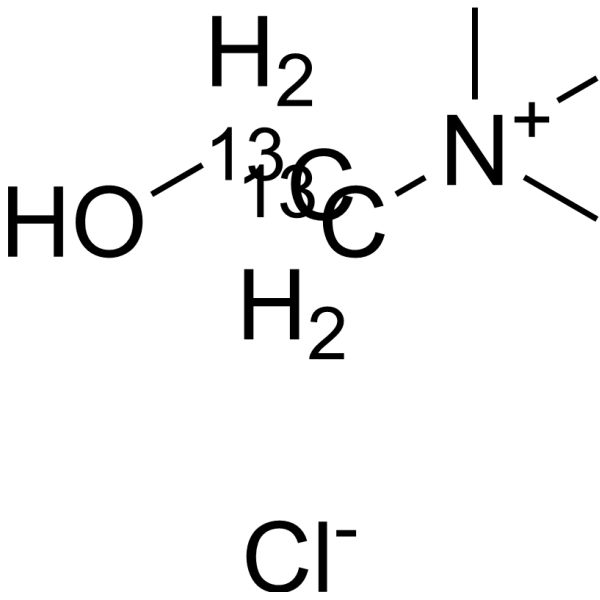
Choline- 13C2 chloride is the 13C-labeled Choline chloride (HY-B1337). Choline chloride is an orally active methylxanthine derivative. Choline chloride exhibits weak antihistaminic and anticholinergic activities and potentiates the effects of histamine and acetylcholine. Choline chloride relaxes bronchial smooth muscle, dilates coronary and peripheral blood vessels, increases urine output and electrolyte excretion, stimulates locomotor activity in the central nervous system, and induces transient hypotension following a pressor phase. Choline chloride modulates sleep architecture by increasing wakefulness time and reducing slow-wave sleep, without altering the frequency or severity of nocturnal hypoxemia, apnea, or hypopnea events. Choline chloride is used in studies of bronchospasm, nocturnal asthma, and chronic asthma .
loading...
    loading...
Cat. No.: HY-175188
CAS No.: 2404652-82-8
Synonyms: BPN-0027490
Target:  

Myosin

Research Areas:  

Neurological Disease

MT-110 (BPN-0027490) is a non-muscle myosin NMIIB-selective inhibitor with high brain penetration and favorable safety profile. MT-110 specifically disrupts NMIIB-dependent actin dynamics in dendritic spines, while it exerts no significant adverse effects on cardiac myosin II and cardiac functions (such as cardiac output and heart rate) at tested concentrations. A single administration of MT-110 produces long-lasting (sustained for several weeks) blockade of methamphetamine motivation associated with environmental cues. MT-110 exhibits extremely high specificity, with no interference with cocaine motivation, hippocampus-dependent memory, fear memory, or locomotor and anxiety-like behaviors. MT-110 serves as a valuable tool compound for investigating the mechanisms of methamphetamine use disorder .
loading...
    loading...

