
58 Results for "

lymph node cell

" in MedChemExpress (MCE) Product Catalog:
Products (58)

58 Results for "lymph node cell" in MCE Product Catalog:

2
2 Cited Publications
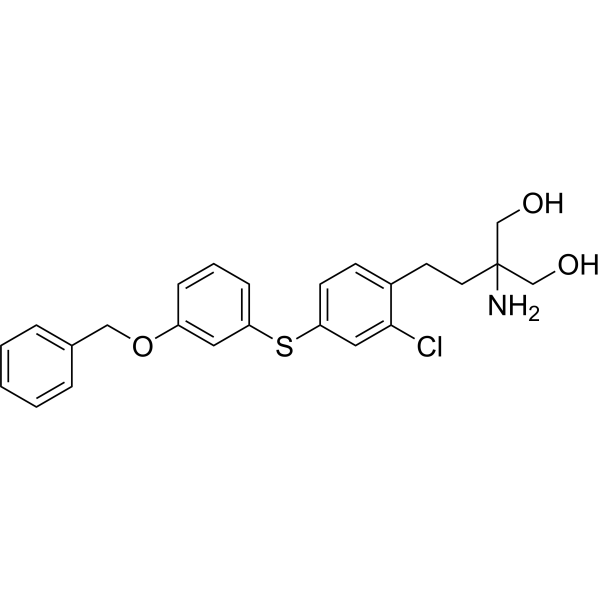
Cat. No.: HY-109038
CAS No.: 509092-16-4
Synonyms: KRP-203 free base
Mocravimod (KRP-203 free base) is a sphingosine-1-phosphate receptor (S1PR) modulator that blocks the signal required by T cells to egress from lymph nodes and other lymphoid organs. Mocravimod preferentially binds to S1PR1 over S1PR2 and S1PR3 in cardiomyocytes. Mocravimod significantly lowered the concentration of reactive oxygen species (ROS), prevented mitochondrial permeability transition pore opening, boosted mitochondrial membrane potential (MMP), and increased phosphorylation of AKT, EKR, GSK-3β, JAK2, and STAT3. Mocravimod retains T cell effector function. Mocravimod can be used for the study of acute myelogenous leukemia, diabetes and Myocardial Ischemia-Reperfusion Injury (MIRI) .
loading...
    loading...
2
2 Cited Publications
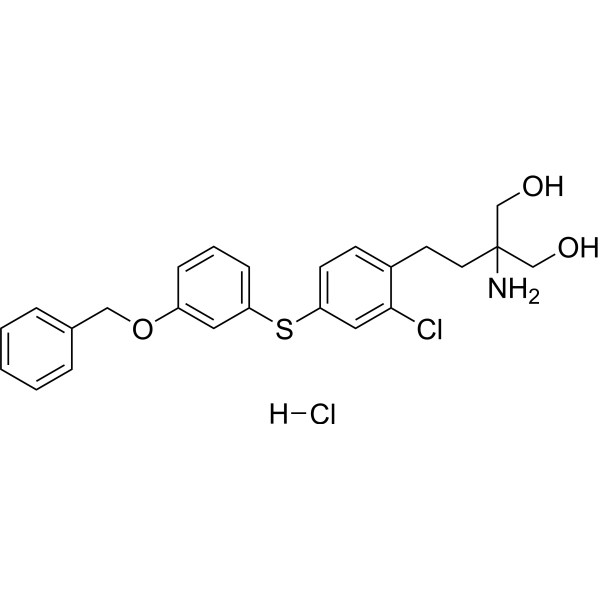
Cat. No.: HY-13660
CAS No.: 509088-69-1
Purity:  99.68%
Synonyms: KRP-203
Mocravimod (hydrochloride) is an orally active sphingosine-1-phosphate receptor (S1PR) modulator that blocks the signal required by T cells to egress from lymph nodes and other lymphoid organs. Mocravimod (hydrochloride) preferentially binds to S1PR1 over S1PR2 and S1PR3 in cardiomyocytes. Mocravimod (hydrochloride) significantly lowered the concentration of reactive oxygen species (ROS), prevented mitochondrial permeability transition pore opening, boosted mitochondrial membrane potential (MMP), and increased phosphorylation of AKT, EKR, GSK-3β, JAK2, and STAT3. Mocravimod (hydrochloride) retains T cell effector function. Mocravimod (hydrochloride) can be used for the study of acute myelogenous leukemia, diabetes and Myocardial Ischemia-Reperfusion Injury (MIRI) .
loading...
    loading...
2
2 Cited Publications
Cat. No.: HY-K0310

MCE Mouse CD8+ Cells Positive Selection Kit is designed for the isolation of CD8+ cells from single cell suspensions of mouse spleen cells, lymph nodes or other tissues.

loading...
    loading...
2
2 Cited Publications
Cat. No.: HY-P73094
Purity:  ≥ 90%, as determined by reducing SDS-PAGE.
Synonyms: ERBB2; P185erbB2; Prev. NGL; V-Erb-B2 Avian Erythroblastic Leukemia Viral Oncogene Homolog 2 (Neuro/Glioblastoma Derived Oncogene Homolog); HER2; V-Erb-B2 Erythroblastic Leukemia Viral Oncogene Homolog 2, Neuro/Glioblastoma Derived Oncogene Homolog; NEU; V-Erb-B2 Avian Erythroblastic Leukemia Viral Oncoprotein 2 Isoform C; Receptor Tyrosine-Protein Kinase ErbB-2; V-Erb-B2 Avian Erythroblastic Leukemia Viral Oncoprotein 2; Proto-Oncogene C-ErbB-2; Neuroblastoma/Glioblastoma Derived Oncogene Homolog; Proto-Oncogene Neu; Receptor Tyrosine-Protein Kinase ErbB-2 Variant; P185(ErbB2); Truncated HER2 Splice Variant P100; C-ERB-2; Receptor Protein-Tyrosine Kinase; C-ERB2; Metastatic lymph node Gene 19; MLN-19; Alternative Protein ERBB2; HER-2; C-Erb B2/Neu Protein; CD340; CD340 Antigen; V-Erb-B2 Avian Erythroblastic Leukemia Viral Oncogene Homolog 2; HER-2/Neu; Tyrosine Kinase-Type cell Surface Receptor HER2; Herstatin; Neuro/Glioblastoma Derived Oncogene Homolog; VSCN2; Human Epidermal Growth Factor Receptor 2; MLN19; Metastatic lymph node Gene 19 Protein; TKR1; Erb-B2 Receptor Tyrosine Kinase 2; MLN 19
Species:  
Human
Source:  
HEK293
loading...
    loading...
1
1 Cited Publications
Cat. No.: HY-K0306

MCE Mouse CD3+ T Cells Negative Selection Kit is designed for the isolation of CD3+ T cells from single cell suspensions of mouse spleen cells and lymph nodes.

loading...
    loading...
1
1 Cited Publications
Cat. No.: HY-K0307

MCE Mouse CD4+ T Cells Negative Selection Kit is designed for the isolation of CD4+ T cells from single cell suspensions of mouse spleen cells and lymph nodes.

loading...
    loading...
1
1 Cited Publications
Cat. No.: HY-P80658
Synonyms: CD340; HER2; MLN19; NEU; NGL; ERBB2; Receptor tyrosine-protein kinase erbB-2; Metastatic lymph node gene 19 protein; Proto-oncogene Neu; Proto-oncogene c-ErbB-2; Tyrosine kinase-type cell surface receptor HER2; p185erbB2; MLN 19

Host:  

Mouse

Application:  

WB, IHC-F, IHC-P, ICC/IF

Reactivity:  

Human, Mouse, Rat

loading...
    loading...
Cat. No.: HY-159649
CAS No.: 2618418-12-3
Research Areas:  

Inflammation/Immunology Cancer

BMS-986408 is an orally active inhibitor of DGKα and DGKζ, with IC50 values of 0.0003 μM and 0.002 μM, respectively. BMS-986408 activates intratumoral T cell responses, enhances the priming and expansion of tumor-reactive T cells in tumor-draining lymph nodes, and functions as an immunostimulant. BMS-986408 can be used in the research of tumors .
loading...
    loading...
Cat. No.: HY-NP137
NP-PE (Phycoerythrin) is a complex formed by 4-Hydroxy-3-nitrophenylacetyl (NP, a hapten) with Phycoerythrin (PE, a carrier protein). NP-PE (Phycoerythrin) can induce the formation of specific immune complexes and mediate the targeted encounter and activation of B cells with antigens. NP-PE (Phycoerythrin) can be used to study the mechanisms by which B cells capture and transport immune complexes in lymph nodes .
loading...
    loading...
Cat. No.: HY-108894
CAS No.: 722492-56-0
Purity:  95.00%
Ferumoxytol is an FDA-approved ultrasmall superparamagnetic iron oxide preparation and iron replacement agent that exerts selective activity against leukemia cells with low ferroportin expression. Ferumoxytol increases intracellular iron levels, induces reactive oxygen species (ROS) production via the Fenton reaction, and triggers oxidative stress and cell death. Ferumoxytol reduces disease burden in mouse models and patient-derived leukemia models. As an MRI contrast agent, Ferumoxytol enables imaging of vascular lesions, tumors and lymph nodes. Ferumoxytol can be used in research related to acute myeloid leukemia and blast-phase chronic myeloid leukemia .
loading...
    loading...
Cat. No.: HY-P99806
CAS No.: 499212-74-7
Synonyms: ACA-11; CLN-IgG; CLNH-11

Target:  

Inhibitory Antibodies

Research Areas:  

Cancer

Pritumumab is a natural human IgG1kappa mAb originally isolated from a regional draining lymph node of a patient with cervical carcinoma. Pritumumab recognizes vimentin expressing on the cell surface of the malignant tumor. Pritumumab can be used for glioblastoma research .
loading...
    loading...
Cat. No.: HY-P990150

Target:  

Interleukin Related

Research Areas:  

Inflammation/Immunology

Anti-Mouse TSLP Antibody (28F12) is an anti-mouse TSLP IgG2a monoclonal antibody. Anti-Mouse TSLP Antibody (28F12) weakens skin inflammation and allergic reactions by reducing Treg cells and lymph node cells. Anti-Mouse TSLP Antibody (28F12) can be used for research on allergic conditions .
loading...
    loading...
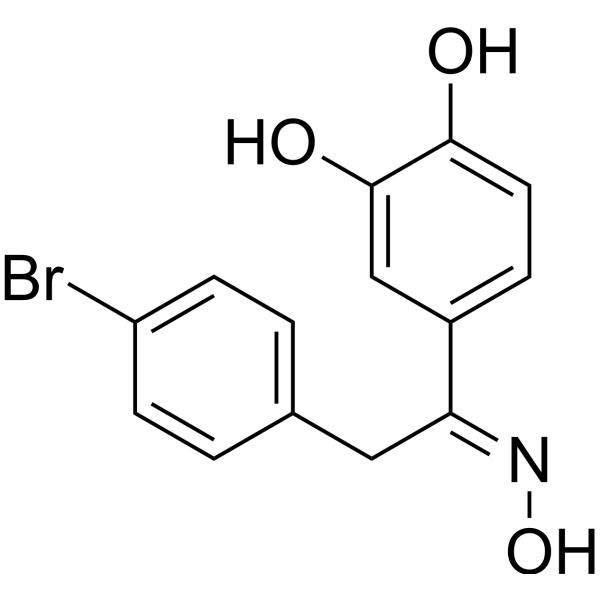
Cat. No.: HY-156520
CAS No.: 1224571-03-2
Target:  

Apoptosis

Research Areas:  

Inflammation/Immunology

Immunosuppressant-1 (Compound 31) inhibits anti-CD3/anti-CD28 co-stimulated T-cell proliferation. Immunosuppressant-1 has immunosuppressive activity, and induces apoptosis by activating caspase-3 and PARP in activated lymph node cells .
loading...
    loading...
Cat. No.: HY-118487A
CAS No.: 940061-39-2
Target:  

Endogenous Metabolite

Research Areas:  

Cancer

OB-24 free base is a compound that potently and selectively inhibits heme oxygenase 1 (HO-1) and has the potential to inhibit advanced prostate cancer. OB-24 significantly reduces protein carbonylation and the formation of reactive oxygen species by selectively inhibiting HO-1 activity in prostate cancer cells. OB-24 significantly inhibited cell proliferation in vitro and inhibited tumor growth and lymph node and lung metastasis in vivo. OB-24 exhibits powerful synergy when used in combination with Taxol .
loading...
    loading...
Cat. No.: HY-P991547
CAS No.: 922534-56-3

Target:  

CD20 Apoptosis

Research Areas:  

Inflammation/Immunology Cancer

Anti-CD20 Antibody (mAb 1.5.3) is a fully human IgG1 anti-CD20 antibody. Anti-CD20 Antibody (mAb 1.5.3) evokes enhanced pro-apoptotic activity in vitro. Anti-CD20 Antibody (mAb 1.5.3) mediated both complement-dependent cytotoxicity and antibody-dependent cellular cytotoxicity. Anti-CD20 Antibody (mAb 1.5.3) demonstrates enhanced anti-tumor activity in various tumor xenograft models. Anti-CD20 Antibody (mAb 1.5.3) produces a superior B-cell depletion profile in lymph node organs and bone marrow in a primate pharmacodynamic model. Anti-CD20 Antibody (mAb 1.5.3) can be studied in research for B-cell maglignancies .
loading...
    loading...
Cat. No.: HY-114906
CAS No.: 388086-13-3
Target:  

Sirtuin

Research Areas:  

Cancer

SIRT1/2/3-IN-2 (compound 9) is a potent SIRT inhibitor, with inhibition rates of 27%, 72%, and 71% targeting SIRT1, SIRT2, and SIRT3, respectively, at 200 μM. SIRT3 is a potential tumor suppressor or promoter, and its increased transcription may be associated with lymph node-positive breast cancer and oral squamous cell carcinoma .
loading...
    loading...
Cat. No.: HY-159753
Research Areas:  

Inflammation/Immunology

HS105 is a vaccine adjuvant and a key component in vaccines. Adjuvants can be divided into immunostimulants and delivery systems. Adjuvants can not only enhance the intensity and durability of immune responses, but also affect the type of immune responses. On the one hand, immunostimulants promote the production of antigen signals and co-stimulatory signals by targeting Toll-like receptors (TLRs) and other pattern recognition receptors (PRRs), leading to the maturation and activation of antigen presenting cells (APCs), thereby enhancing adaptive immune responses; on the other hand, delivery systems are carrier materials that promote antigen delivery by prolonging the bioavailability of loaded antigens and targeting antigens to lymph nodes or APCs. Several common adjuvants include: saponins, TLRs agonists, polysaccharides, nanoparticles, cytokines, and mucosal adjuvants .
loading...
    loading...
Cat. No.: HY-K0308

MCE Mouse CD4+ Cells Positive Selection Kit is designed for the isolation of CD4+ cells from single cell suspensions of mouse spleen cells, lymph nodes or other tissues.

loading...
    loading...
Cat. No.: HY-K0309

MCE Mouse CD8+ T Cells Negative Selection Kit is designed for the isolation of CD8+ T cells from single cell suspensions of mouse spleen cells and lymph nodes.

loading...
    loading...
Cat. No.: HY-182960
CAS No.: 749262-82-6
KRP-203 monophosphate is a monophosphate of KRP-203 (HY-13660). KRP-203 is an orally active sphingosine-1-phosphate receptor (S1PR) modulator that blocks the signal required by T cells to egress from lymph nodes and other lymphoid organs .
loading...
    loading...

