16 Results for "

massive

" in MedChemExpress (MCE) Product Catalog:
Products (16)

16 Results for "massive" in MCE Product Catalog:

1
1 Cited Publications
Cat. No.: HY-155994
CAS No.: 3036457-38-9
Purity:  99.90%
Target:  

PROTACs PIKfyve Autophagy

Research Areas:  

Cancer

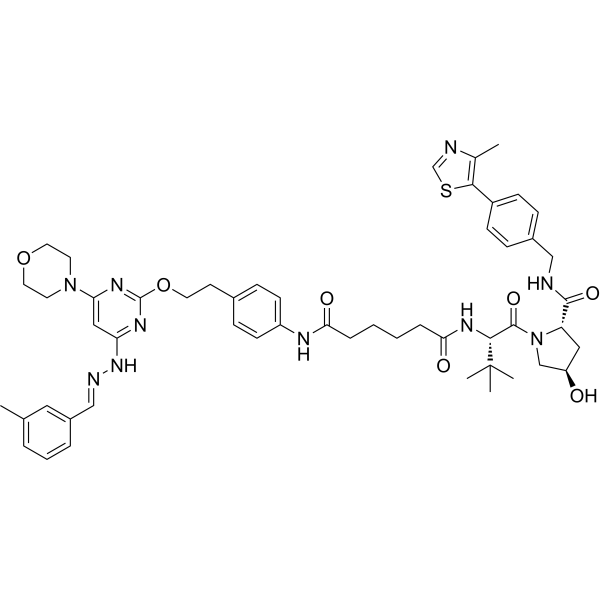
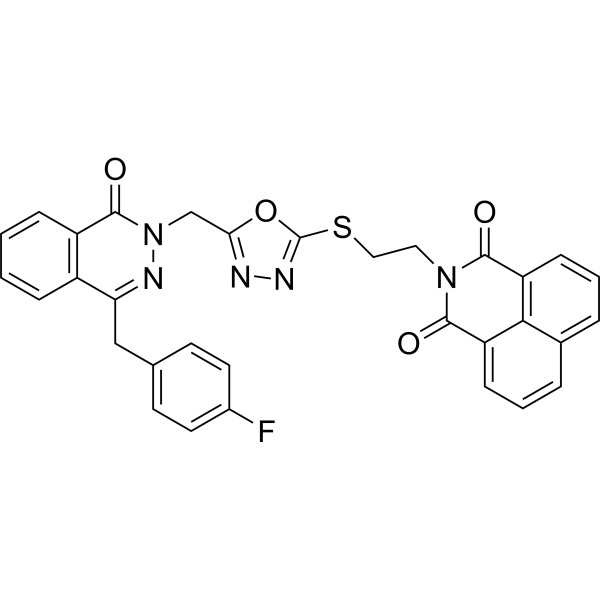
PIK5-12d is a PROTAC PIKfyve degrader (DC50 = 1.48 nM). PIK5-12d induces massive cytoplasmic vacuolization and blocks autophagic flux in multiple prostate cancer cells. PIK5-12d inhibits prostate cancer cell proliferation. PIK5-12d significantly suppresses tumor proliferation in mice bearing LTL-331R human prostate cancer PDX tumors. PIK5-12d can be used for the study of prostate cancer .
loading...
    loading...
Cat. No.: HY-N6723
CAS No.: 116355-84-1
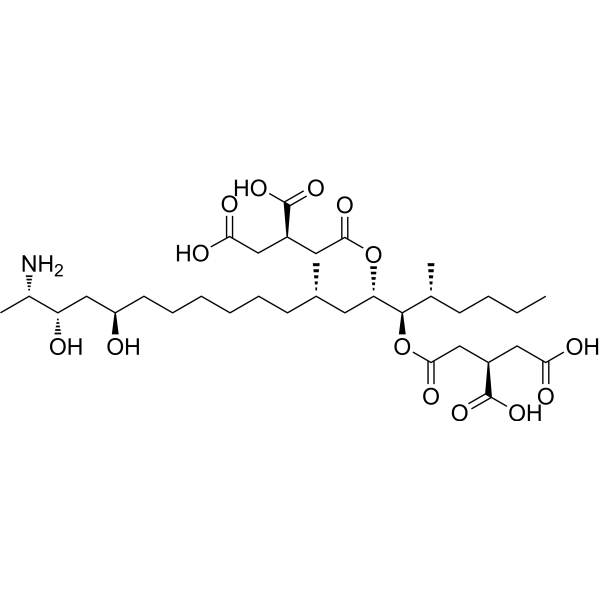
Fumonisin B2 is a selective ceramide synthase inhibitor and carcinogenic mycotoxin with toxicity comparable to that of Fumonisin B1 (HY-N6719). Fumonisin B2 inhibits de novo sphingolipid biosynthesis by blocking the amide bond formation between fatty acids and dihydrosphingosine, which leads to a massive intracellular accumulation of free dihydrosphingosine, altered sphingosine levels, subsequent inhibition of cell proliferation, and induction of cell death. Fumonisin B2 is used to investigate the pathogenesis of diseases associated with Fusarium verticillioides contamination, including equine leukoencephalomalacia, porcine pulmonary edema syndrome, human esophageal cancer, and rat hepatocellular carcinoma .
loading...
    loading...
Cat. No.: HY-122895A
CAS No.: 2285446-67-3
Purity:  98.09%
Target:  

PDI Apoptosis

Research Areas:  

Cancer

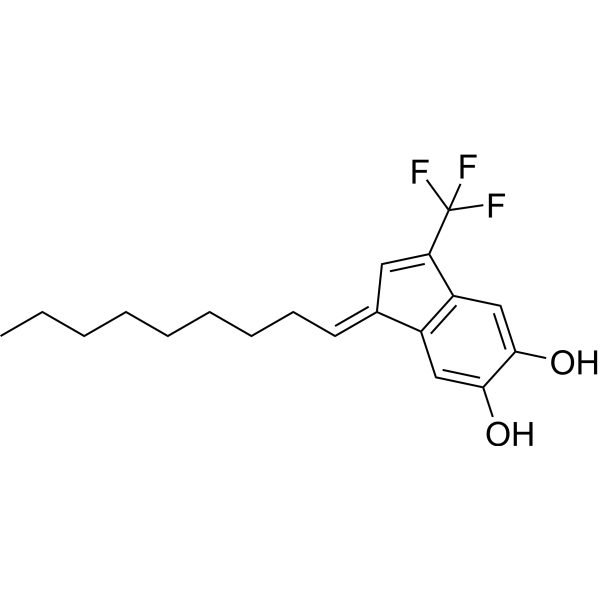
(E/Z)-E64FC26 is a mixture of the stereoisomers E-E64FC26 and Z-E64FC26, in which E-E64FC26 is the active component and acts as a potent PDI inhibitor. The IC50 values of E64FC26 (E-E64FC26) for PDIA1, PDIA3, PDIA4, TXNDC5, and PDIA6 are 0.6, 4.8, 33.1, 12.1, and 5.7 μM, respectively. By inhibiting PDI, (E/Z)-E64FC26 causes massive intracellular accumulation of misfolded polyubiquitinated proteins, thereby triggering strong endoplasmic reticulum stress and oxidative stress responses, which in turn induce apoptosis. (E/Z)-E64FC26 is used in research on multiple myeloma, ovarian cancer, and breast cancer .
loading...
    loading...
Cat. No.: HY-175381
CAS No.: 3058911-16-0
DeFer-2 is a Ferritin PROTAC degrader with a Kd value of 17.1 μM. DeFer-2 recruits the VHL E3 ligase to induce targeted degradation of ferritin via the ubiquitin-proteasome system, triggers iron overload stress in cancer cells, and further activates caspase 3-GSDME-mediated pyroptosis through massive ROS production. DeFer-2 can be used for research related to melanoma .
loading...
    loading...
Cat. No.: HY-Y0785
CAS No.: 107-22-2
Glyoxal (40% w/w in water) is an α-oxoaldehyde that inhibits Aldose Reductase, Glutathione Reductase, and NADPH synthase. Glyoxal (40% w/w in water) exhibits cytotoxicity, triggers oxidative stress, induces ROS accumulation, lipid peroxidation, mitochondrial membrane potential collapse, DNA damage, apoptosis, and massive production of advanced glycation end products (AGEs). Glyoxal (40% w/w in water) depletes glutathione and activates MAPK phosphorylation. It has lower toxicity as a fixative than paraformaldehyde (PFA) and serves as a precursor for the synthesis of oxalates and dietary carcinogens. Glyoxal (40% w/w in water) is suitable for research related to calcium oxalate kidney stones, diabetes, atherosclerosis, cardiovascular diseases, retinopathy, and cataracts .
loading...
    loading...
Cat. No.: HY-P3095
CAS No.: 65988-34-3
Synonyms: α-LTX
Target:  

Endogenous Metabolite

Research Areas:  

Neurological Disease

α‑Latrotoxin (α-LTX) is a neurotoxin found in the genus Latrodectus. α-Latrotoxin binds to presynaptic receptors such as neurexin and latrophilin-1, inserts into the cell membrane to form non-selective cation channels, and induces massive exocytosis of neurotransmitters and hormones through dual mechanisms of receptor dependence and pore formation, triggering calcium signaling disturbances and electrophysiological alterations. α-Latrotoxin can be used in research related to synaptic vesicle exocytosis and neurotransmitter release .
loading...
    loading...
Cat. No.: HY-149348
CAS No.: 3052259-89-6
Research Areas:  

Cancer

DiPT-4 is a dual TOP1/PARP1 inhibitor that induces massive DNA double-strand breaks (DSBs), cell cycle arrest, and apoptosis in cancer cells. DiPT-4 has the potential to overcome cancer drug resistance .
loading...
    loading...
Cat. No.: HY-116037A
CAS No.: 126761-43-1
Purity:  ≥98.0%
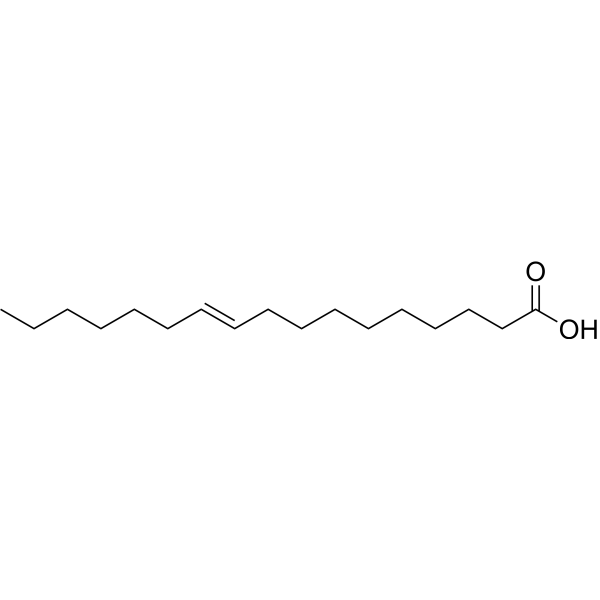
trans-10-Heptadecenoic acid is a trans-fatty acid. trans-10-Heptadecenoic acid synthesizes polyhydroxy-chain alkanoates under the action of 2, 4-dienyl-CoA reductase and Delta3, Delta2-enyl-CoA isomerase. In the absence of 2, 4-dienyl-CoA reductase, trans-10-Heptadecenoic acid is degraded by enyl-CoA hydratase II of the multifunctional enzyme (MFE). trans-10-Heptadecenoic acid leads to massive intracellular carbon outflow through reductase dependent and direct MFE dependent pathways .
loading...
    loading...
Cat. No.: HY-P1142
CAS No.: 195262-56-7
Target:  

Apoptosis

Research Areas:  

Others

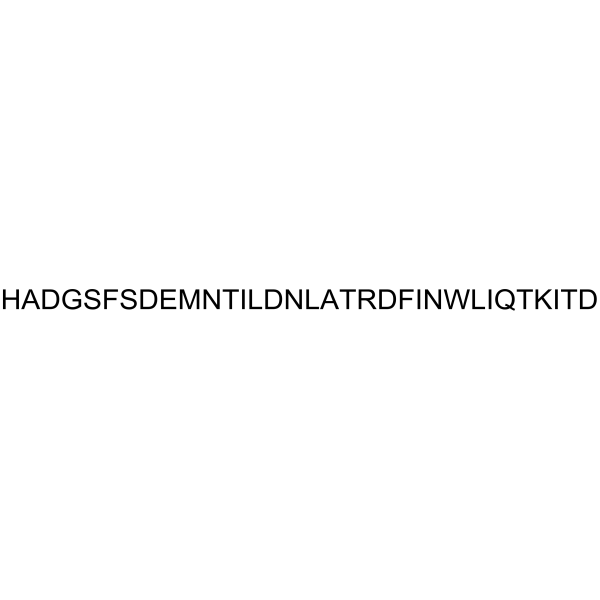
GLP-2(rat) is an intestinal growth factor. GLP-2(rat) stimulates cell proliferation and inhibits apoptosis. GLP-2(rat) enhances mucosal mass and function in residual small intestine after massive small bowel resection (MSBR) .
loading...
    loading...
Cat. No.: HY-162311
CAS No.: 2767204-90-8
Research Areas:  

Cancer

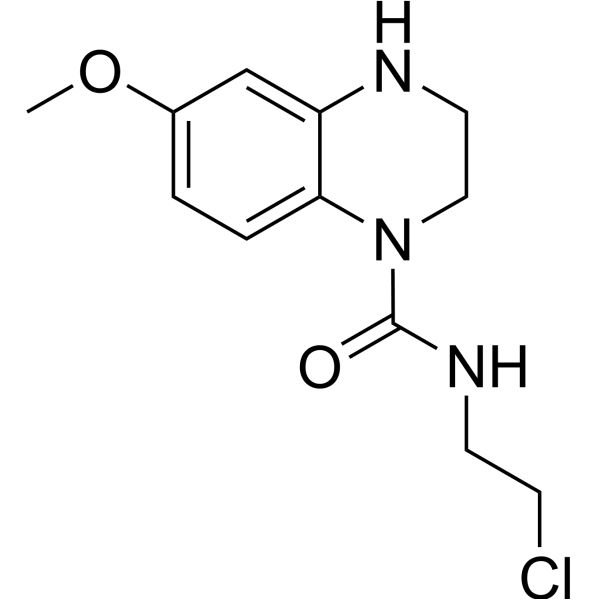
Anticancer agent 194 (compound 10p) is a ferroptosis and autophagy inducer. Anticancer agent 194 arrests colon cancer cell cycle at G2/M phase, but can't induce cell apoptosis. Anticancer agent 194 independently triggeres cell ferroptosis and autophagy through the massive accumulation of ROS .
loading...
    loading...
Cat. No.: HY-P1142A
Target:  

Apoptosis

Research Areas:  

Others

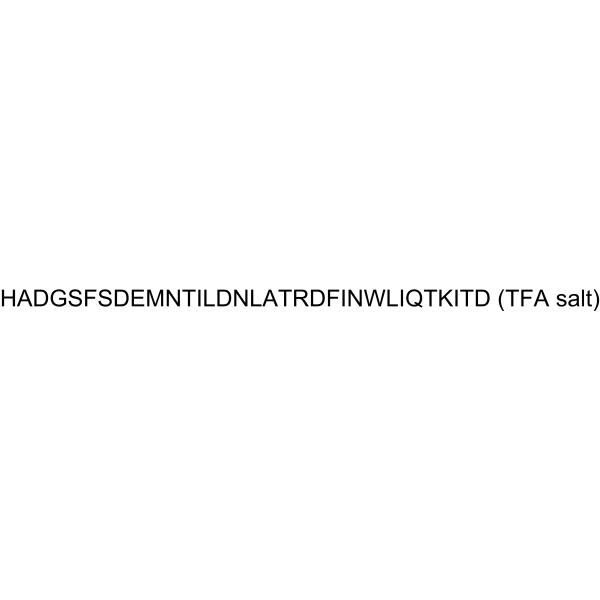
GLP-2(rat) TFA is an intestinal growth factor. GLP-2(rat) TFA stimulates cell proliferation and inhibits apoptosis. GLP-2(rat) TFA enhances mucosal mass and function in residual small intestine after massive small bowel resection (MSBR) .
loading...
    loading...
Cat. No.: HY-P5172
Target:  

Sodium Channel

Research Areas:  

Neurological Disease

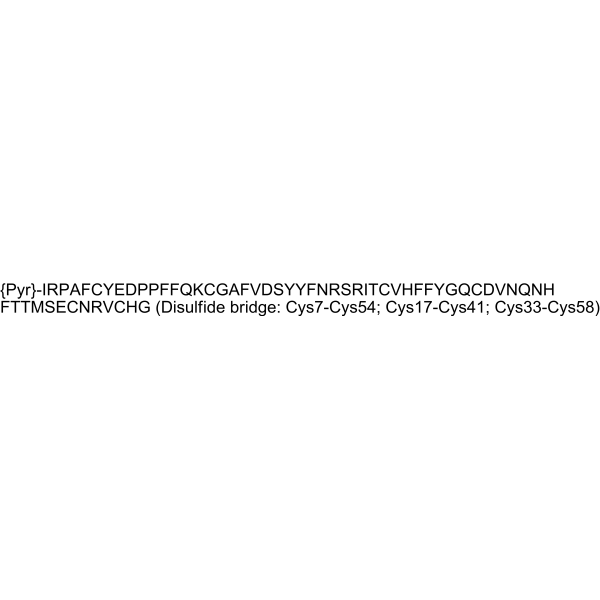
MitTx-alpha is a subunit of MitTx. MitTx is a potent, persistent, and selective agonist for acid-sensing ion channels (ASICs). MitTx is highly selective for the ASIC1 subtype at neutral pH; under more acidic conditions (pH<6.5), MitTx massively potentiates (>100-fold) proton-evoked activation of ASIC2a channels .
loading...
    loading...
Cat. No.: HY-P1142S
Research Areas:  

Others

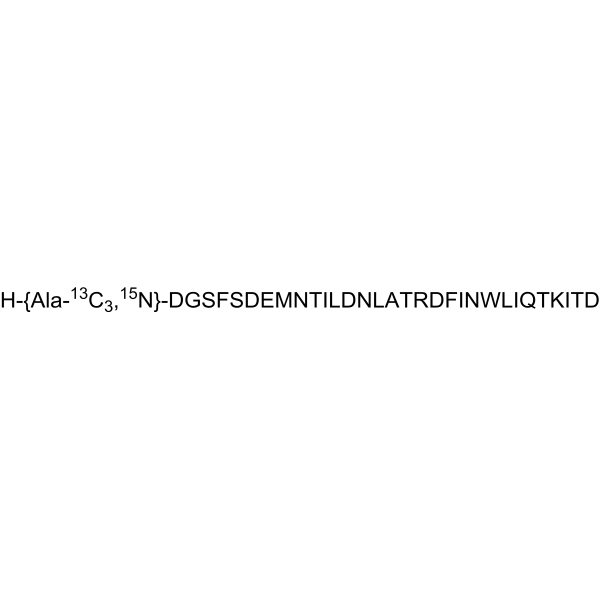
GLP-2(rat) (Ala- 13C3, 15N) is 13C and 15N labeled GLP-2(rat) (HY-P1142). GLP-2(rat) is an intestinal growth factor. GLP-2(rat) stimulates cell proliferation and inhibits apoptosis. GLP-2(rat) enhances mucosal mass and function in residual small intestine after massive small bowel resection (MSBR).
loading...
    loading...
Cat. No.: HY-P1142S1
Research Areas:  

Others

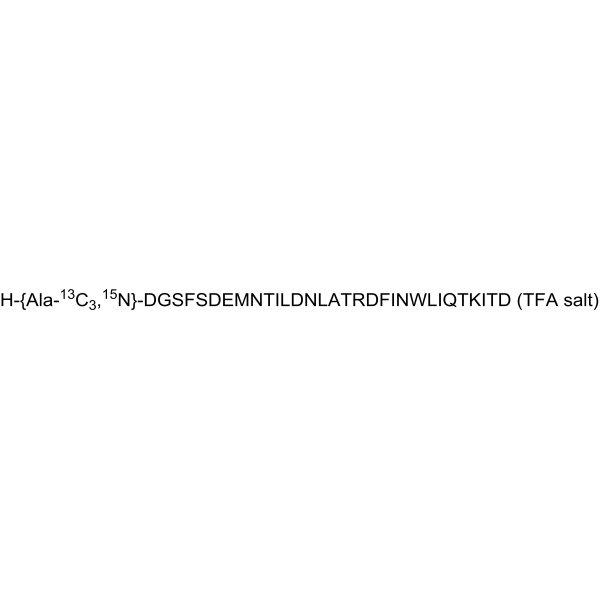
GLP-2(rat) (Ala- 13C3, 15N) TFA is 13C and 15N labeled GLP-2(rat) (HY-P1142). GLP-2(rat) is an intestinal growth factor. GLP-2(rat) stimulates cell proliferation and inhibits apoptosis. GLP-2(rat) enhances mucosal mass and function in residual small intestine after massive small bowel resection (MSBR).
loading...
    loading...
Cat. No.: HY-184665
CAS No.: 1638811-35-4
Target:  

Drug Derivative

Research Areas:  

Cancer

Dedimethyl MitoCur-1 is a mitochondria-targeted curcuminoid derived from MitoCur-1 (HY-150228) with anticancer activity. MitoCur-1 induces massive reactive oxygen species production in cancer cells, reduces mitochondrial membrane potential, and triggers cell cycle arrest and apoptosis. Meanwhile, MitoCur-1 inhibits the phosphorylation of Akt and STAT3, enhances ERK phosphorylation, and upregulates the expression of the pro-apoptotic protein BNIP3. Dedimethyl MitoCur-1 can be used in research related to breast cancer, cervical cancer, prostate cancer, and neuroblastoma .
loading...
    loading...
Cat. No.: HY-LD002
100 billion compounds

The discovery of hit molecule is a cornerstone of drug development. Among the diverse tools available, DNA-encoded libraries have emerged a revolutionary platform for high-throughput screening. Compared with traditional HTS, DEL features shorter screening processes, lower costs, simpler assays, and larger library capacities.

DEL Construction utilizes split-and-pool synthesis, a combinatorial chemistry approach that involves iterative splitting, reaction, and pooling. This strategy enables rapid, exponential assembly of fragments in minimal steps without the need for individual compound synthesis andassoicicated isolation or purification steps, thus greatly reducing overall costs. The technology enables simultaneous affinity screeningof massive compound collections to target proteins in a single step. By coupling chemical structures with unique DNA barcodes, each compound is tagged with a distinct DNA sequence for convenient tracking and decoding.DELs readily enable the construction and efficient screening of libraries containing millions to billions of compounds. As a result, DEL screening combines the dual advantages of high efficiency and low cost, making DEL a transformative technology in modern drug discovery.

The DEL kit consists of 50 independent libraries with a total scale of 100 billion compounds. It is constructed through stepwise combinatorial chemistry strategies involving 2-, 3-, and 4-round synthesis. By employing diverse scaffolds and flexible linking strategies, it encompasses various ring systems, linear frameworks, and heterocyclic structures. Screening can be achieved solely through affinity, independent of target-specific activity detection methods. This library is suitable for DEL screening against a wide range of targets.

  • 1

