
68 Results for "

membrane permeabilization

" in MedChemExpress (MCE) Product Catalog:
Products (68)

68 Results for "membrane permeabilization" in MCE Product Catalog:

22
22 Publications Verification
Cat. No.: HY-129905
CAS No.: 6491-83-4
Purity:  98.92%
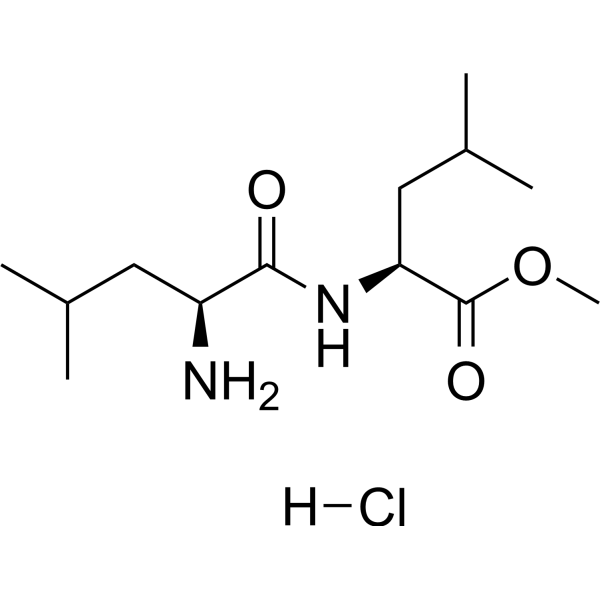
Synonyms: LLOMe hydrochloride; Leu-Leu methyl ester hydrochloride; H-Leu-Leu-OMe hydrochloride
L-Leucyl-L-Leucine methyl ester (LLOMe; Leu-Leu methyl ester; H-Leu-Leu-OMe) hydrochloride is a lysosomal disrupting agent and apoptosis inducer that, through receptor-mediated endocytosis and lysosomal dipeptidyl peptidase I conversion, induces caspase activation, lysosomal membrane permeabilization, and DNA fragmentation, and requires cathepsin C to exert membrane-lytic activity, thereby selectively killing natural killer cells. L-Leucyl-L-Leucine methyl ester hydrochloride can be used for research related to lysosomal function and apoptosis .
loading...
    loading...
22
22 Publications Verification
Cat. No.: HY-129905A
CAS No.: 16689-14-8
Purity:  99.69%
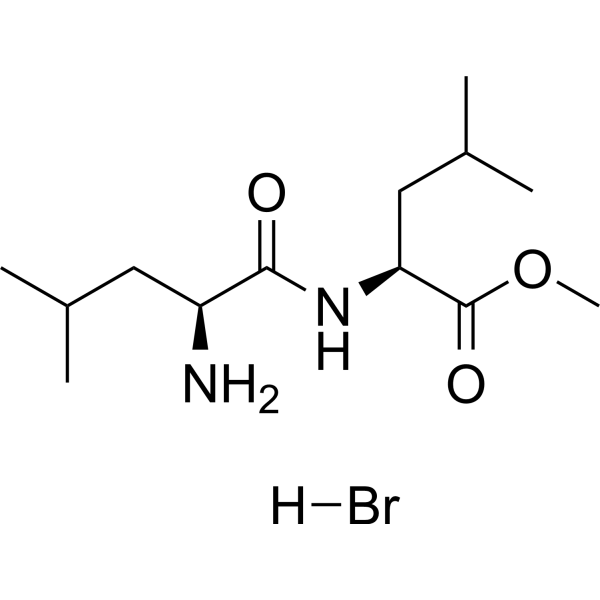
Synonyms: LLOMe hydrobromide; Leu-Leu methyl ester hydrobromide; H-Leu-Leu-OMe hydrobromide
L-Leucyl-L-Leucine methyl ester (LLOMe; Leu-Leu methyl ester; H-Leu-Leu-OMe) hydrobromide is a lysosomal disrupting agent and apoptosis inducer that, through receptor-mediated endocytosis and lysosomal dipeptidyl peptidase I conversion, induces caspase activation, lysosomal membrane permeabilization, and DNA fragmentation, and requires cathepsin C to exert membrane-lytic activity, thereby selectively killing natural killer cells. L-Leucyl-L-Leucine methyl ester hydrobromide can be used for research related to lysosomal function and apoptosis .
loading...
    loading...
4
4 Cited Publications
Cat. No.: HY-120079
CAS No.: 1592908-16-1
Purity:  99.00%
Target:  

Bcl-2 Family Apoptosis

Research Areas:  

Cancer

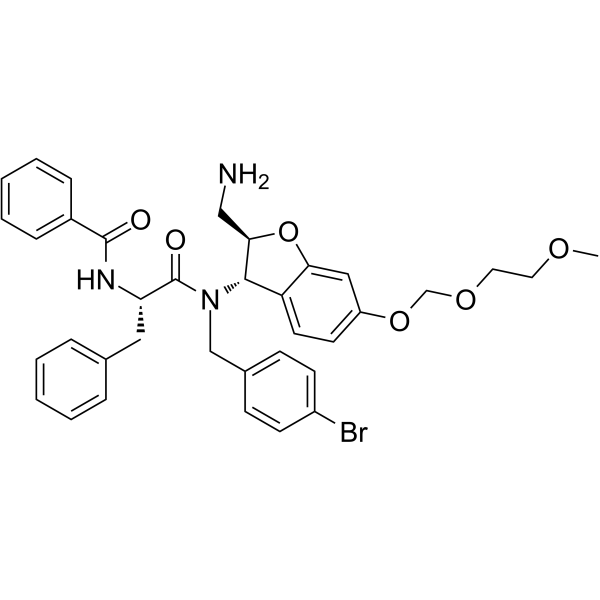
MSN-125 is a potent Bax and Bak oligomerization inhibitor. MSN-125 prevents mitochondrial outer membrane permeabilization (MOMP) with an IC50 of 4 μM. MSN-125 potently inhibits Bax/Bak-mediated apoptosis in HCT-116, BMK Cells, and primary cortical neurons, protects primary neurons against glutamate excitotoxicity .
loading...
    loading...
3
3 Cited Publications
Cat. No.: HY-106783
CAS No.: 86408-36-8
Purity:  99.82%
Target:  

Bacterial Antibiotic

Research Areas:  

Infection

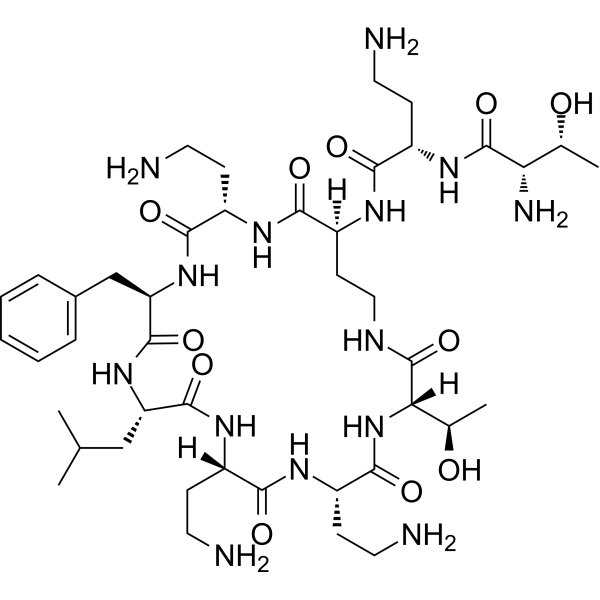
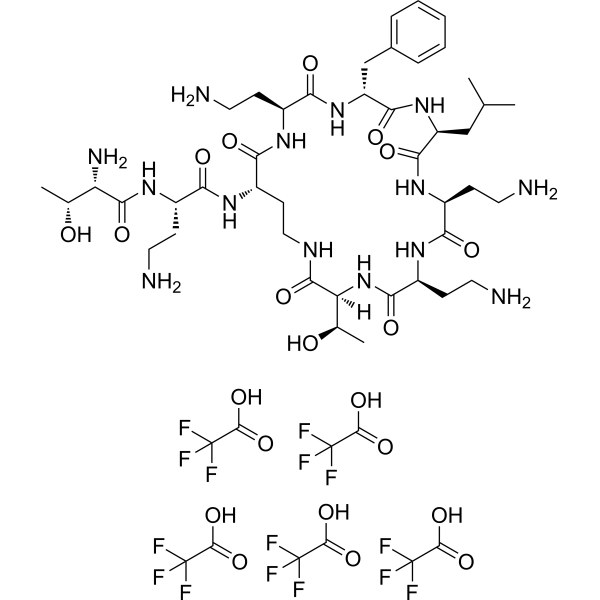
Polymyxin B nonapeptide is a cyclic peptide obtained from Polymyxin B by proteolytic removal of its terminal amino acyl residue. Polymyxin B nonapeptide is less toxic, lacks bactericidal activity, and retains its ability to render gram-negative bacteria susceptible to several antibiotics by permeabilizing their outer membranes .
loading...
    loading...
3
3 Cited Publications
Cat. No.: HY-135416
CAS No.: 98072-47-0
Streptolysin O is a cholesterol-targeting, thiol-activated pore-forming toxin. Streptolysin O binds to cholesterol via its C-terminal domain 4, oligomerizes to form arc-shaped or ring-shaped structures, inserts amphipathic helices into the lipid bilayer, and forms transmembrane β-barrel pores, resulting in cell permeabilization. Streptolysin O enables controllable cell membrane permeabilization, fluorescent probe delivery, and exogenous molecule uptake .
loading...
    loading...
3
3 Cited Publications
Cat. No.: HY-106783A
CAS No.: 2220175-42-6
Purity:  99.79%
Target:  

Bacterial Antibiotic

Research Areas:  

Infection

Polymyxin B nonapeptide TFA is a cyclic peptide obtained from Polymyxin B by proteolytic removal of its terminal amino acyl residue. Polymyxin B nonapeptide TFA is less toxic, lacks bactericidal activity, and retains its ability to render gram-negative bacteria susceptible to several antibiotics by permeabilizing their outer membranes .
loading...
    loading...
1
1 Cited Publications
Cat. No.: HY-P2460
CAS No.: 172485-26-6
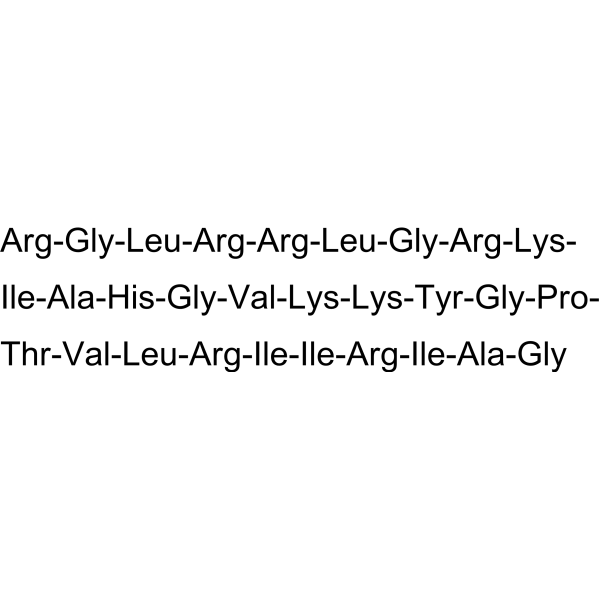
SMAP‑29 is a cathelicidin antimicrobial peptide with LPS‑binding and anti‑inflammatory properties. SMAP‑29 exerts broad‑spectrum antimicrobial activity against bacteria, fungi and multidrug‑resistant isolates. SMAP‑29 kills pathogens by permeabilizing bacterial membranes, inducing depolarization and cell lysis, and also inhibits inflammatory cytokines while reducing lethality in septic shock and pneumonia models. SMAP-29 can be used for research on bacterial infections, drug-resistant infections, septic shock .
loading...
    loading...
1
1 Cited Publications
Cat. No.: HY-107720
CAS No.: 866914-87-6
Purity:  99.02%
Target:  

NO Synthase Autophagy PERK

ARL 17477 is a blood-brain barrier-penetrant selective neuronal nitric oxide synthase (nNOS) inhibitor with an IC50 of 1 μM. ARL 17477 reduces nitric oxide production and activates TFEB and lysosomal biogenesis, induces lysosomal membrane permeabilization, but inhibits autophagy-lysosomal function, autophagic flux, protein aggregate clearance, and proliferation. ARL 17477 induces ERK hyperphosphorylation and slight AKT inhibition. ARL 17477 exhibits NOS1 -independent anticancer activity against multiple cancer cells. ARL 17477 inhibits xenograft tumor growth in vivo. ARL 17477 can be used in research on colon cancer, non-small cell lung cancer, osteosarcoma, pancreatic cancer, arterial occlusion, and pain .
loading...
    loading...
1
1 Cited Publications
Cat. No.: HY-135416A
CAS No.: 98072-47-0
Purity:  ≥96.0%
Recombinant Streptolysin O is a cholesterol-targeting, thiol-activated pore-forming toxin. Recombinant Streptolysin O binds to cholesterol via its C-terminal domain 4, oligomerizes to form arc-shaped or ring-shaped structures, inserts amphipathic helices into the lipid bilayer, and forms transmembrane β-barrel pores, resulting in cell permeabilization. Recombinant Streptolysin O enables controllable cell membrane permeabilization, fluorescent probe delivery, and exogenous molecule uptake .
loading...
    loading...
Cat. No.: HY-P991669
Synonyms: AML-01

Target:  

Caspase Apoptosis

Research Areas:  

Cancer

IGN523 is an anti-CD98 antibody (hCD98, KD = 0.55 nM). IGN523 induces antibody-dependent cell-mediated cytotoxicity (ADCC) activity, lysosomal membrane permeabilization, and inhibition of essential amino acid transport, ultimately leading to caspase-3 and caspase-7-mediated apoptosis of tumor cells. IGN523 inhibits tumor growth in multiple tumor xenograft models. IGN523 is useful in the research of non-small cell lung cancer (NSCLC), acute myeloid leukemia (AML), and other cancers. .
loading...
    loading...
Cat. No.: HY-170422
CAS No.: 1246303-07-0
Synonyms: Lysyl-DOPG
Target:  

Bacterial

Research Areas:  

Infection

18:1 Lysyl PG (Lysyl-DOPG) is a cationic phospholipid contains a lysine group and a DOPG. 18:1 Lysyl PG inhibits cationic antimicrobial peptide-induced membrane permeabilization. 18:1 Lysyl PG can be used for the research of infection .
loading...
    loading...
Cat. No.: HY-P5589
CAS No.: 131463-18-8
Synonyms: PlnA
Plantaricin A is an antimicrobial peptide that can be derived from Lactobacillus plantarum. Plantaricin A has a synergistic effect with Ciprofloxacin. Plantaricin A shows anti-microbial activity. Plantaricin A increases the membrane potential of S. aureus and the level of intracellular ROS. Plantaricin A inhibits the function of the efflux pump by binding it and altering the structure of MepA, NorA, and LmrS. Plantaricin A significantly relieves inflammation, and promotes wound healing. Plantaricin A permeabilizes cancerous rat pituitary cells [1][2].
loading...
    loading...
Cat. No.: HY-124421
CAS No.: 260443-89-8
Purity:  99.04%
Synonyms: NSC-703786
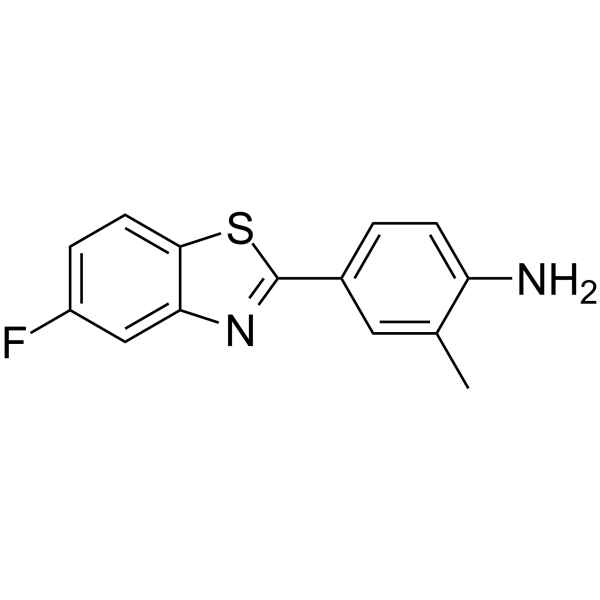
5F-203 (NSC-703786) is an aryl hydrocarbon receptor (AhR) agonist and the active moiety of the water-soluble benzothiazole prodrug Phortress (HY-103223). 5F-203 binds to cytosolic AhR and induces CYP1A1 and CYP1B1 expression. 5F-203 activates AhR signaling to induce DNA damage, cell cycle arrest, apoptosis, caspase-3/-7 activation, lysosomal membrane permeabilization, and Cathepsin B release. 5F-203 induces CYGB and pro-apoptotic protein expression and NAG-1 mRNA/protein induction through RNA stabilization. 5F-203 is used in research related to cancers such as triple-negative breast cancer and colorectal cancer .
loading...
    loading...
Cat. No.: HY-D0920
CAS No.: 166196-17-4
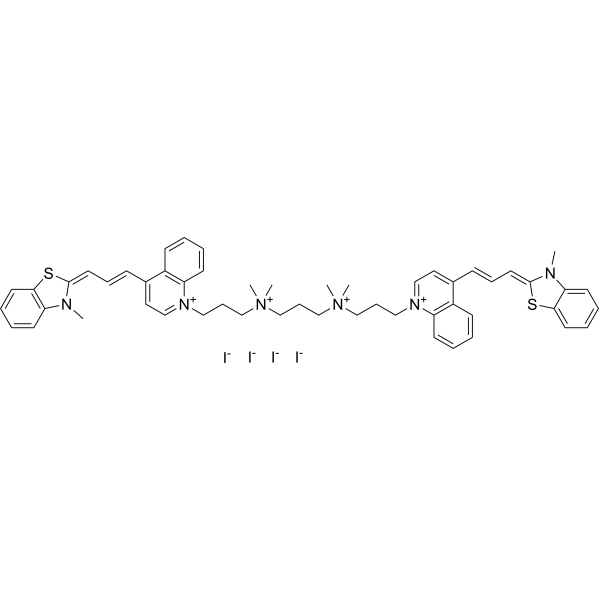
TOTO-3 is a cyanine nucleic acid intercalating fluorescent probe that binds to both RNA and DNA (Ex=642 nm, Em=660 nm). TOTO-3 cannot enter intact cells, but can penetrate cells with permeabilized plasma membranes, staining cytoplasmic RNA and nucleoli to distinguish intact cells from damaged ones. TOTO-3 is taken up by macrophages in an ultrasound-independent manner. TOTO-3 accumulates in tumor cells via ultrasound-mediated enhancement of plasma membrane permeability. TOTO-3 supports optical imaging for real-time assessment of plasma membrane integrity, nucleic acid detection, and monitoring of ultrasound-mediated intracellular delivery processes. TOTO-3 is applicable to studies related to rectal cancer .
loading...
    loading...
Cat. No.: HY-129746
CAS No.: 1630743-73-5
Purity:  99.20%
Target:  

Apoptosis

Research Areas:  

Cancer

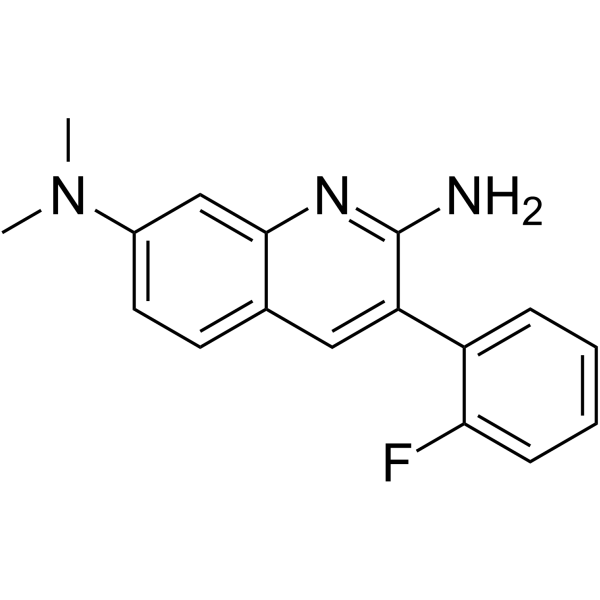
Arylquin 1, a prostate-apoptosis-response-4 (Par-4) secretagogue, targets vimentin to induce Par-4 secretion. Arylquin 1 induces non-apoptotic cell death in cancer cells through the induction of lysosomal membrane permeabilization (LMP) .
loading...
    loading...
Cat. No.: HY-P4118
CAS No.: 952754-66-4
Synonyms: Penetrating analog
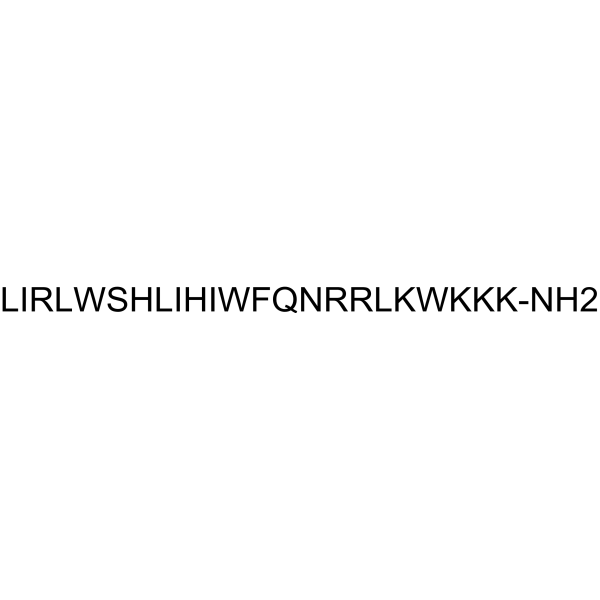
EB1 peptide (Penetrating analog) is an endosomolytic agent and siRNA delivery agent. EB1 peptide forms an amphipathic alpha helix upon protonation in early-late endosomes, drives endosomal membrane permeabilization, and enables endocytosed siRNA escape into the cytosol. EB1 peptide facilitates biologically active siRNA cellular uptake and targeted gene silencing. EB1 peptide forms complexes with siRNA. EB1 peptide can be used for drug delivery research .
loading...
    loading...
Cat. No.: HY-D1005I
CAS No.: 9003-11-6
Poloxamer L61 is a non-ionic triblock copolymer surfactant. Poloxamer L61 effectively achieves intracellular molecular delivery to cancer cells during photoacoustic molecular delivery, and maintains cell viability by promoting cell membrane resealing, thus avoiding irreversible damage caused by laser-induced membrane permeabilization. Poloxamer L61 is a key component of SP1017, a compound related to gene therapy, which regulates the interaction between DNA and extracellular matrix as well as cellular uptake, and significantly enhances the distribution and bioavailability of plasmid DNA in skeletal muscle. Poloxamer L61 can be used in studies on local or systemic therapeutic protein production .
loading...
    loading...
Cat. No.: HY-79602
CAS No.: 70-55-3
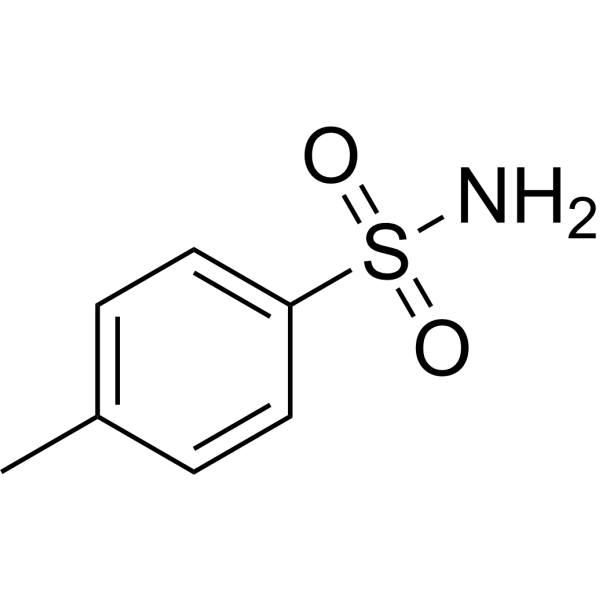
p-Toluenesulfonamide is a small-molecule anticancer agent and plasticizer. p-Toluenesulfonamide exerts antitumor activity by inducing lysosomal membrane permeabilization, cathepsin B release and lysosome-mediated cell death. p-Toluenesulfonamide modulates cholesterol distribution in lipid rafts of tumor cell membranes and the Akt/mTOR/p70S6K pathway. p-Toluenesulfonamide shows activity against various cancers including hepatocellular carcinoma, non-small cell lung cancer and tongue squamous cell carcinoma; intrapleural injection effectively reduces malignant pleural effusion without causing pleural adhesion. p-Toluenesulfonamide is also the main degradation product of the disinfectant Chloramine-T (HY-B0959) in water. p-Toluenesulfonamide facilitates the localization of fluorescent probes to the endoplasmic reticulum. p-Toluenesulfonamide can be used in cancer-related research .
loading...
    loading...
Cat. No.: HY-P2302
CAS No.: 136661-76-2
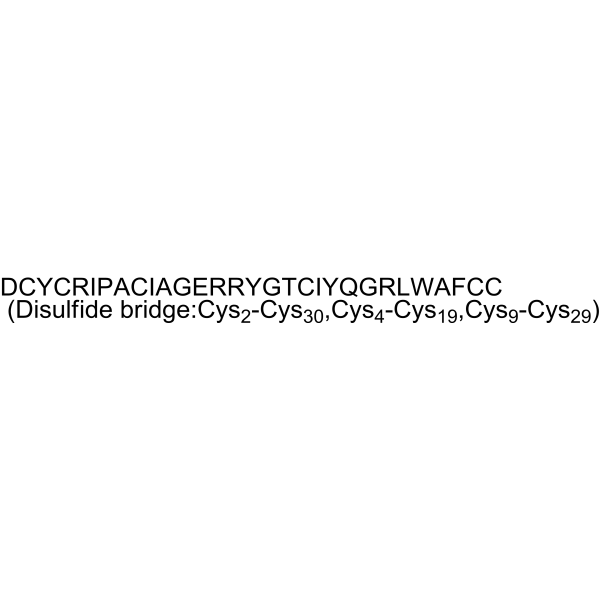
Defensin HNP-3 human is an α-defensin stored in the azurophilic granules of human neutrophils. Defensin HNP-3 human exerts broad-spectrum bactericidal, antifungal and antiviral activities mainly by forming bacterial membrane pores, and acts as a chemoattractant for monocytes and T cells. Defensin HNP-3 human maintains epithelial integrity to support periodontal tissue homeostasis, and exerts concentration-dependent effects on epithelial cell proliferation, adhesion and bacterial adhesion. Defensin HNP-3 human targets solid tumors and leukemia by inducing single-strand DNA breaks and membrane permeabilization in tumor cells via electrostatic binding and pore formation. Defensin HNP-3 human is abundant in human tongue squamous cell carcinoma and neutrophils infiltrating oral squamous cell carcinoma. Defensin HNP-3 human can be applied to research related to periodontitis and human tongue squamous cell carcinoma .
loading...
    loading...
Cat. No.: HY-129461
CAS No.: 6493-73-8
Synonyms: DTS
Dibenzyl trisulfide (DTS) is an active ingredient that can be isolated from Petiveria alliacea L.. Dibenzyl trisulfide inhibits cell proliferation and migration. Dibenzyl trisulfide decreased the mRNA and protein expression of BAK-1 and LTA. Dibenzyl trisulfide induces lysosomal membrane permeabilization and cathepsin B release .
loading...
    loading...

