18 Results for "

metabolic reprogramming

" in MedChemExpress (MCE) Product Catalog:
Products (18)

18 Results for "metabolic reprogramming" in MCE Product Catalog:
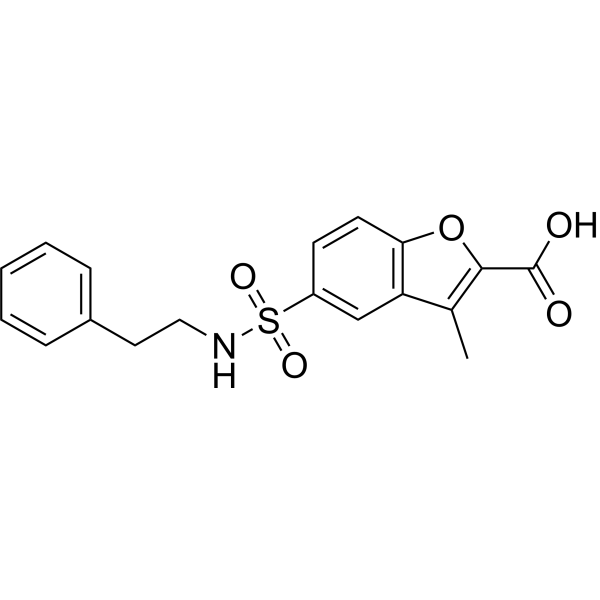
2
2 Cited Publications
Cat. No.: HY-157189
CAS No.: 898211-21-7
Purity:  99.72%
Synonyms: GPR132 antagonist 1
Target:  

G2A (GPR132)

Research Areas:  

Metabolic Disease

NOX-6-18 (GPR132 antagonist 1) is a GPR132 antagonist with an IC50 of 15.17 nM against the human target. NOX-6-18 inhibits GPR132 activation via interaction with non-conserved residues, blocks activities induced by endogenous agonists and 9 (S)-HODE, and exhibits selectivity for other fatty acid-binding GPCRs. NOX-6-18 regulates macrophage reprogramming, alleviates inflammatory responses, downregulates inflammatory markers and signaling pathways, and reduces the degree of hepatic steatosis and hepatic triglyceride levels. NOX-6-18 regulates metabolic homeostasis, reduces weight gain, enhances glucose metabolism, improves glucose tolerance, decreases fasting blood glucose and insulin levels, and partially reverses reductions in energy expenditure and respiratory quotient. NOX-6-18 can be used in the research of type 2 diabetes .
loading...
    loading...
1
1 Cited Publications
Cat. No.: HY-N9447
CAS No.: 79595-97-4
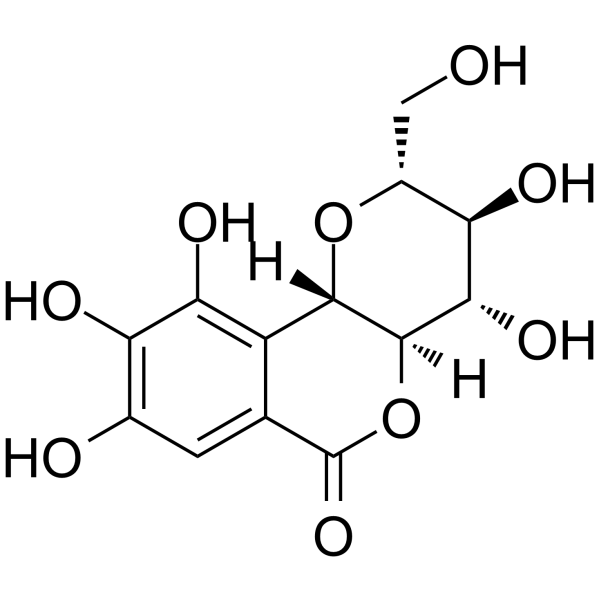
Norbergenin is a polyphenolic isocoumarin derivative. Norbergenin acts as a non-competitive inhibitor of bovine adrenal tyrosine hydroxylase (TH) with a Ki value of 69.6 μM. Norbergenin inhibits lipopolysaccharide-induced inflammatory responses in macrophages by suppressing the activation of NF-κB, MAPK and STAT3, as well as blocking metabolic reprogramming . Norbergenin inhibits aluminum chloride-induced oxidative stress and apoptosis and restores neurocognitive parameters. Norbergenin scavenges ROS through multiple mechanisms and protects cell membranes from lipid peroxidation damage. Norbergenin can be used in research related to Alzheimer's disease, peptic ulcer and arthritis .
loading...
    loading...
Cat. No.: HY-178159
CAS No.: 2244341-81-7
Target:  

RNA MTase

Research Areas:  

Inflammation/Immunology

SA91-0178 is a METTL1 inhibitor. SA91-0178 inhibits m 7G methylation of RNA, reduces SARM1 stability, mitigates NAD + depletion and metabolic reprogramming in macrophages. SA91-0178 demonstrates excellent protective efficacy against multiple organ injury in cecal ligation and puncture (CLP)-induced and ischemia/reperfusion (I/R)-induced mice. SA91-0178 can be used for the study of systemic inflammatory diseases .
loading...
    loading...
Cat. No.: HY-167832
CAS No.: 2059104-90-2
PT109 is an orally active, blood-brain barrier permeable multi-kinase inhibitor. By inhibiting PTBP1, PT109 promotes the switch of pyruvate kinase isoform from PKM2 to PKM1, thereby effectively inhibiting the proliferation and migration of glioblastoma multiforme and inducing its reprogramming into oligodendrocytes. PT109 also targets and regulates key signaling molecules such as JNK, SGK1, GSK3β to exert neuroprotective effects including promoting neurogenesis, inducing synapse formation and alleviating neuroinflammation. In Alzheimer's disease models, PT109 exhibits significant efficacy in improving spatial learning ability, along with excellent in vivo pharmacokinetic properties. PT109 can be used to investigate metabolic reprogramming of glioblastoma multiforme and neuroprotective mechanisms of Alzheimer's disease .
loading...
    loading...
Cat. No.: HY-W722277A
LCC-12 formate is a mitochondria-targeted Copper 2+ -selective binder and metabolic/epigenetic reprogramming agent. LCC-12 formate inhibits NAD (H) redox cycling and reduces the NAD (H) pool. LCC-12 formate downregulates the expression of inflammatory genes and improves outcomes in mouse models of bacterial sepsis, endotoxemia, and SARS-CoV-2 infection. LCC-12 formate can be used in research related to acute inflammation, endotoxemia, sepsis, and SARS-CoV-2 infection .
loading...
    loading...
Cat. No.: HY-W015466
CAS No.: 96-81-1
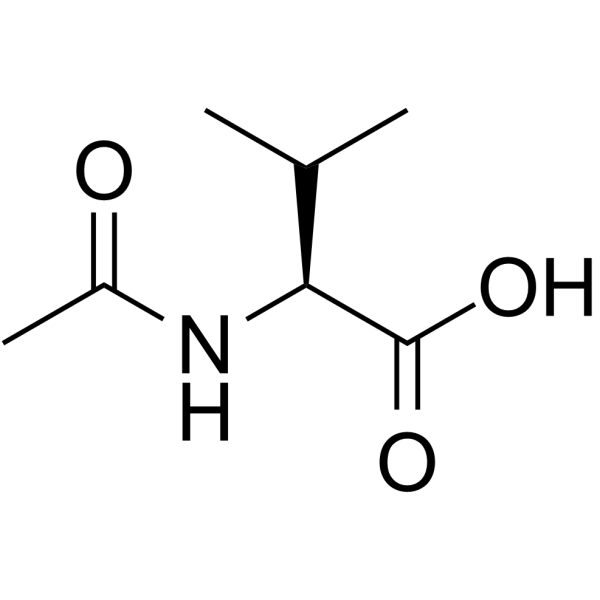
Acetylvaline is a class of amino acid derivative metabolites. The expression abundance of Acetylvaline is upregulated under heat stress conditions; it participates in the regulation of amino acid biosynthesis, cysteine and methionine metabolic pathways, and mediates the physiological processes of antioxidant defense and energy metabolism reprogramming in Magallana sikamea. Acetylvaline can be released from acetylvalyl-RNA of Turnip Yellow Mosaic Virus (TYMV) by N‑acylaminoacyl‑tRNA hydrolase. Acetylvaline can be used in metabolism-related research .
loading...
    loading...
Cat. No.: HY-173624
CAS No.: 160488-11-9
TE-11 is a MIF tautomerase inhibitor with an IC50 of 5.63 μM. TE-11 ameliorates CD-like colitis, reduces MIF-induced eosinophil and neutrophil migration, and prevents M1 polarization and associated metabolic reprogramming .
loading...
    loading...
Cat. No.: HY-149352
Target:  

Thymidylate Synthase

Research Areas:  

Cancer

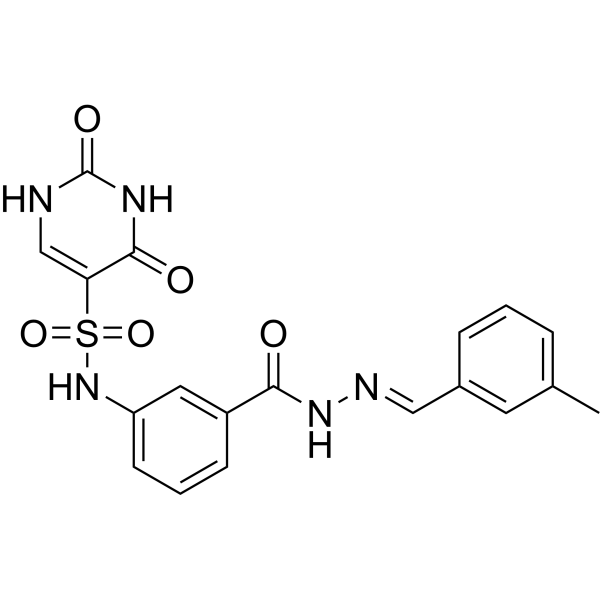
DG1 (Compound 8Nc) is a Thymidylate Synthase (TS) inhibitor that affects cancer angiogenesis and metabolic reprogramming in NSCLC cells. DG1 can effectively inhibit the expression of CD26, ET-1, FGF-1 and EGF. DG1 also effectively inhibits the proliferation of cancer tissue in the A549 xenograft mouse model .
loading...
    loading...
Cat. No.: HY-W015466S
CAS No.: 355808-21-8
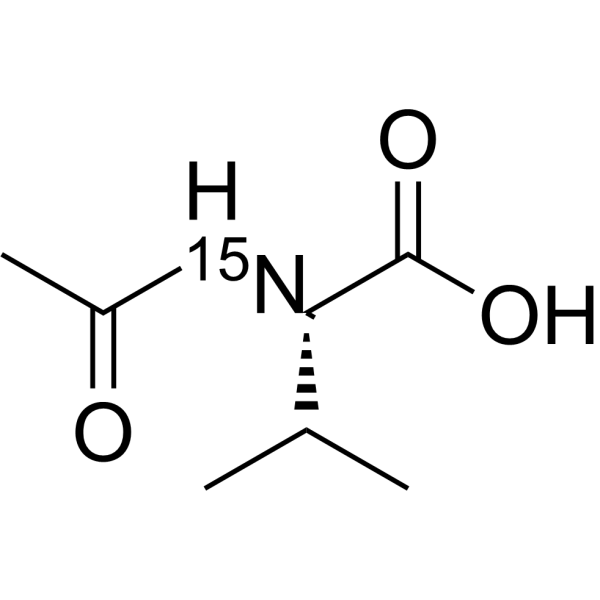
Acetylvaline- 15N is the 15N-labeled Acetylvaline (HY-W015466). Acetylvaline is a class of amino acid derivative metabolites. The expression abundance of Acetylvaline is upregulated under heat stress conditions; it participates in the regulation of amino acid biosynthesis, cysteine and methionine metabolic pathways, and mediates the physiological processes of antioxidant defense and energy metabolism reprogramming in Magallana sikamea. Acetylvaline can be released from acetylvalyl-RNA of Turnip Yellow Mosaic Virus (TYMV) by N‑acylaminoacyl‑tRNA hydrolase. Acetylvaline can be used in metabolism-related research .
loading...
    loading...
Cat. No.: HY-W015466S1
Acetylvaline- 13C2 is the 13C-labeled Acetylvaline (HY-W015466). Acetylvaline is a class of amino acid derivative metabolites. The expression abundance of Acetylvaline is upregulated under heat stress conditions; it participates in the regulation of amino acid biosynthesis, cysteine and methionine metabolic pathways, and mediates the physiological processes of antioxidant defense and energy metabolism reprogramming in Magallana sikamea. Acetylvaline can be released from acetylvalyl-RNA of Turnip Yellow Mosaic Virus (TYMV) by N‑acylaminoacyl‑tRNA hydrolase. Acetylvaline can be used in metabolism-related research .
loading...
    loading...
Cat. No.: HY-W015466R
CAS No.: 96-81-1
Acetylvaline (Standard) is the analytical standard of Acetylvaline (HY-W015466). This product is intended for research and analytical applications. Acetylvaline is a class of amino acid derivative metabolites. The expression abundance of Acetylvaline is upregulated under heat stress conditions; it participates in the regulation of amino acid biosynthesis, cysteine and methionine metabolic pathways, and mediates the physiological processes of antioxidant defense and energy metabolism reprogramming in Magallana sikamea. Acetylvaline can be released from acetylvalyl-RNA of Turnip Yellow Mosaic Virus (TYMV) by N‑acylaminoacyl‑tRNA hydrolase. Acetylvaline can be used in metabolism-related research .
loading...
    loading...
Cat. No.: HY-N0272R
CAS No.: 39432-56-9
Category:  

Lignans 500 - Internal Server Error | MedChemExpress

Oops!

Sorry, Something went wrong on our server.
Our team has been notified and is working to fix the issue.