40 Results for "

microbial cell membrane

" in MedChemExpress (MCE) Product Catalog:
Products (40)

40 Results for "microbial cell membrane" in MCE Product Catalog:

13
13 Publications Verification
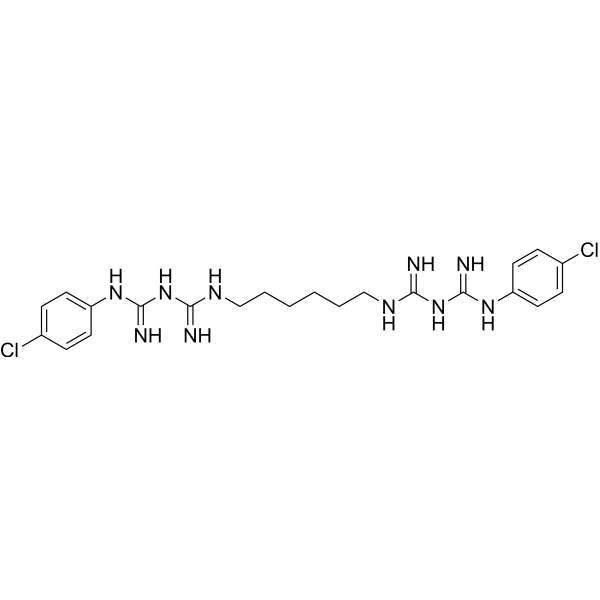
Cat. No.: HY-B1248
CAS No.: 55-56-1
Chlorhexidine is a orally active cationic antimicrobial agent that targets microbial cell membranes. Chlorhexidine binds to cell membrane phospholipids non-specifically, destroys membrane structure and induces leakage of cell contents. Chlorhexidine has broad-spectrum bactericidal activity against both Gram-positive and Gram-negative bacteria. Chlorhexidine can interfere with membrane permeability, cause protein precipitation and energy metabolism disorders, such as rapid inhibition of microbial growth and induction of cell death (necrosis or apoptosis) .
loading...
    loading...
13
13 Publications Verification
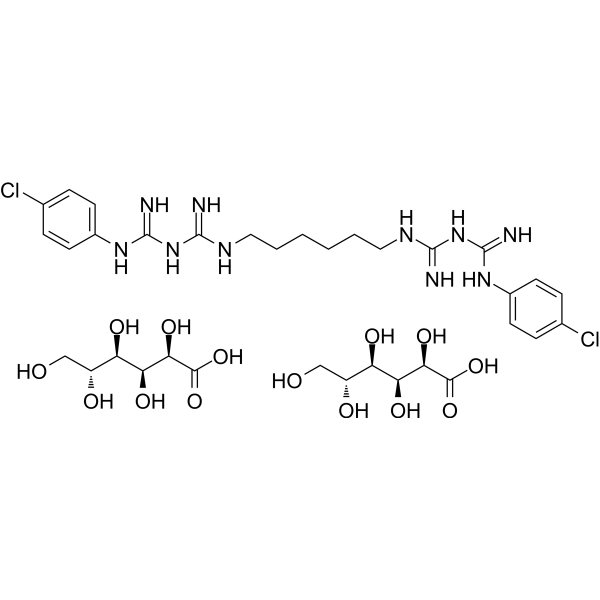
Cat. No.: HY-B0608
CAS No.: 18472-51-0
Chlorhexidine digluconate (20% in water) is a orally active cationic antimicrobial agent that targets microbial cell membranes. Chlorhexidine digluconate (20% in water) binds to cell membrane phospholipids non-specifically, destroys membrane structure and induces leakage of cell contents. Chlorhexidine digluconate (20% in water) has broad-spectrum bactericidal activity against both Gram-positive and Gram-negative bacteria. Chlorhexidine digluconate (20% in water) can interfere with membrane permeability, cause protein precipitation and energy metabolism disorders, such as rapid inhibition of microbial growth and induction of cell death (necrosis or apoptosis) .
loading...
    loading...
13
13 Publications Verification
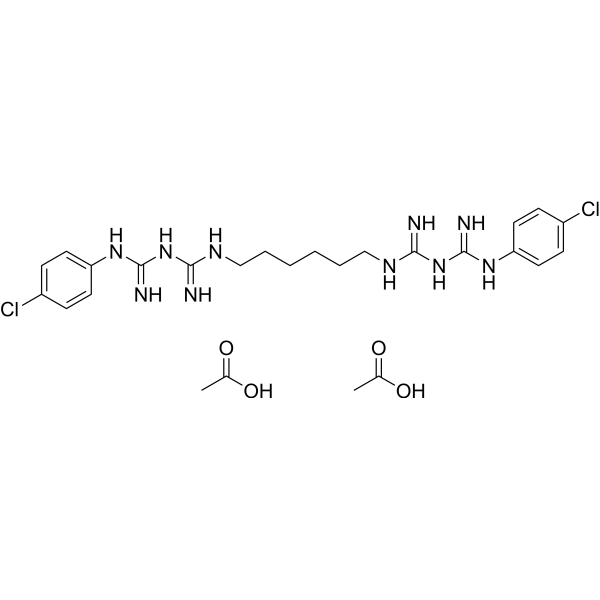
Cat. No.: HY-W013699
CAS No.: 56-95-1
Chlorhexidine diacetate is a orally active cationic antimicrobial agent that targets microbial cell membranes. Chlorhexidine diacetate binds to cell membrane phospholipids non-specifically, destroys membrane structure and induces leakage of cell contents. Chlorhexidine diacetate has broad-spectrum bactericidal activity against both Gram-positive and Gram-negative bacteria. Chlorhexidine diacetate can interfere with membrane permeability, cause protein precipitation and energy metabolism disorders, such as rapid inhibition of microbial growth and induction of cell death (necrosis or apoptosis) .
loading...
    loading...
13
13 Publications Verification
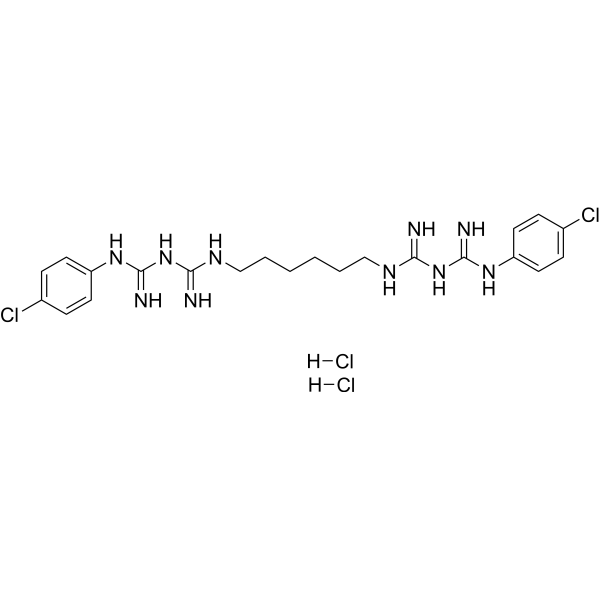
Cat. No.: HY-B1145
CAS No.: 3697-42-5
Chlorhexidine dihydrochloride is a orally active cationic antimicrobial agent that targets microbial cell membranes. Chlorhexidine dihydrochloride binds to cell membrane phospholipids non-specifically, destroys membrane structure and induces leakage of cell contents. Chlorhexidine dihydrochloride has broad-spectrum bactericidal activity against both Gram-positive and Gram-negative bacteria. Chlorhexidine dihydrochloride can interfere with membrane permeability, cause protein precipitation and energy metabolism disorders, such as rapid inhibition of microbial growth and induction of cell death (necrosis or apoptosis) .
loading...
    loading...
2
2 Cited Publications
Cat. No.: HY-12638
CAS No.: 97-23-4
Purity:  98.55%
Synonyms: DDM
Research Areas:  

Infection

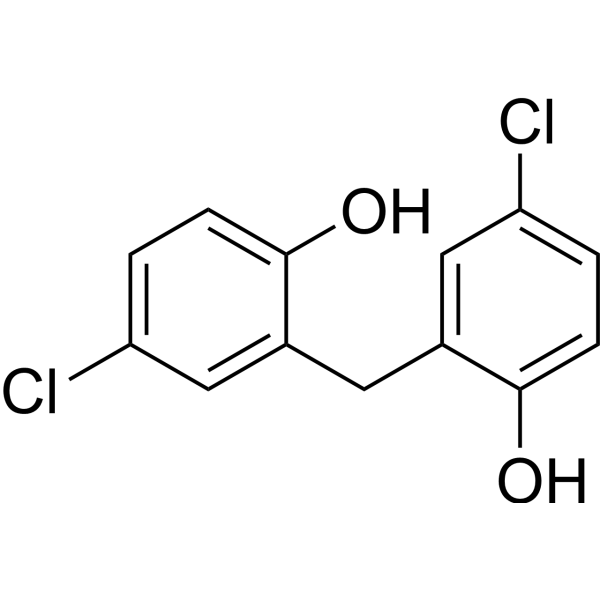
Dichlorophen is a chlorophenol antimicrobial agent that can destroy the integrity of microbial cell membranes and interfere with the activity of metabolic enzymes. Dichlorophen can covalently bind to the thiol groups of microbial proteins and has broad-spectrum antibacterial, antifungal and anthelmintic activity. Dichlorophen can be used as an antimicrobial agent in the study of drug-resistant bacterial infections .
loading...
    loading...
1
1 Cited Publications
Cat. No.: HY-127032
CAS No.: 75345-27-6
Purity:  ≥99.0%
Synonyms: Polidronium chloride
Research Areas:  

Infection

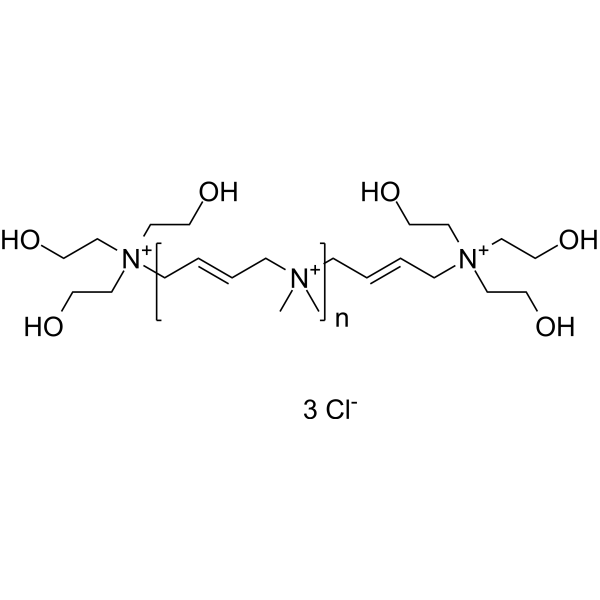
Polyquaternium-1 (Polidronium chloride; PQ-1) is an antimicrobial preservative and an activator of NF-κB. Polyquaternium-1 targets bacterial cell membranes, commonly used in ophthalmic surgery. Polyquaternium-1 adsorbs to the surface of microbial membranes through its polycationic properties, destroying membrane integrity and inducing potassium ion leakage, leading to bacterial death. Polyquaternium-1 exerts antimicrobial effects at a concentration of 0.001% and has low toxicity to mammalian cells. Polyquaternium-1 can be used to prepare products such as glaucoma eye drops (Travoprost preparations containing PQ-1), artificial tears, and contact lens solutions to reduce the ocular surface toxicity of traditional preservatives such as benzalkonium chloride (HY-B2232) .
loading...
    loading...
1
1 Cited Publications
Cat. No.: HY-N7719
CAS No.: 475-54-7
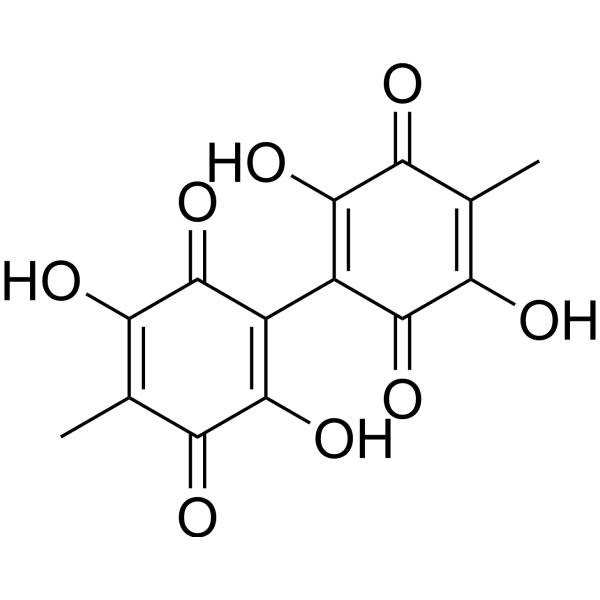
Oosporein is a microbial metabolite and a red crystalline toxin produced by various fungi. Oosporein can promote the reproduction of fungi in host bodies by inhibiting insect immunity, and possesses multiple activities such as antibacterial, antiviral (HSV), and insecticidal effects. Oosporein can inhibit plant growth. In addition, Oosporein can also induce apoptosis, cell membrane damage, oxidative stress, and mitochondrial damage. Oosporein has certain antitumor activity .
loading...
    loading...
1
1 Cited Publications
Cat. No.: HY-D0852A
CAS No.: 13718-26-8
Synonyms: Sodium vanadate(V), 99%
Sodium metavanadate, 99% (Sodium vanadate (V), 99%) is an orally active phosphate structural analog and protein tyrosine phosphatase (PTPases) inhibitor. Sodium metavanadate, 99% mimics phosphate to interfere with phosphoprotein reactions, inhibits GAPDH, Na +/K +-ATPase and microbial membrane ATPase, and acts as a terminal electron acceptor for anaerobic respiration. Sodium metavanadate, 99% induces ROS production, G2/M phase arrest, mitochondrial membrane potential loss and apoptosis in breast cancer cells, and reduces tumor volume in tumor-bearing mice. Sodium metavanadate, 99% also exhibits oral insulin-sensitizing and metabolic regulatory activities, and reduces plasmodium parasitemia levels. Sodium metavanadate, 99% can be used in studies related to cadmium exposure-induced metabolic syndrome, plasmodium infection, breast cancer and type 1 diabetes .
loading...
    loading...
Cat. No.: HY-W017766
CAS No.: 32289-58-0
Synonyms: PHMB
Research Areas:  

Infection

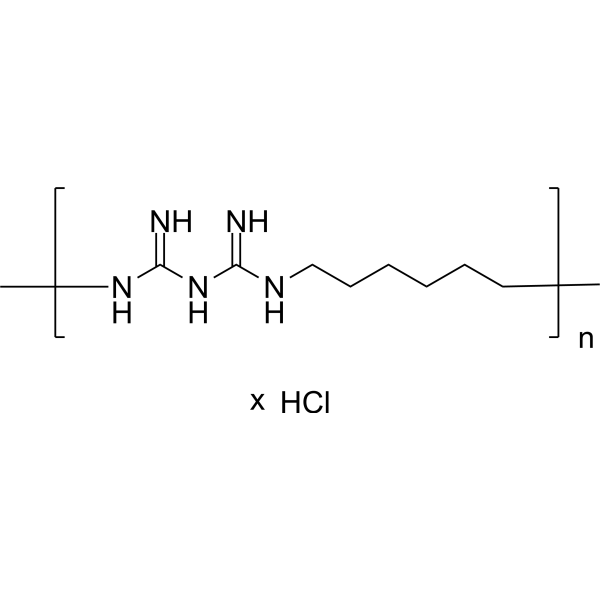
Poly(hexamethylenebiguanide) hydrochloride (PHMB) is an antimicrobial and antiviral agent. Poly(hexamethylenebiguanide) hydrochloride is active against both Gram-positive and Gram-negative bacteria. Poly(hexamethylenebiguanide) hydrochloride works by adsorbing to the surface of cellulose, which can damage microbial cell membranes and interfere with metabolism. Poly(hexamethylenebiguanide) hydrochloride is widely used in medical, clothing and household textiles, and cosmetic fields .
loading...
    loading...
Cat. No.: HY-108004
CAS No.: 38146-42-8
Purity:  ≥95.0%
Synonyms: Septefril; Decametoxin
Target:  

Bacterial Fungal

Research Areas:  

Infection

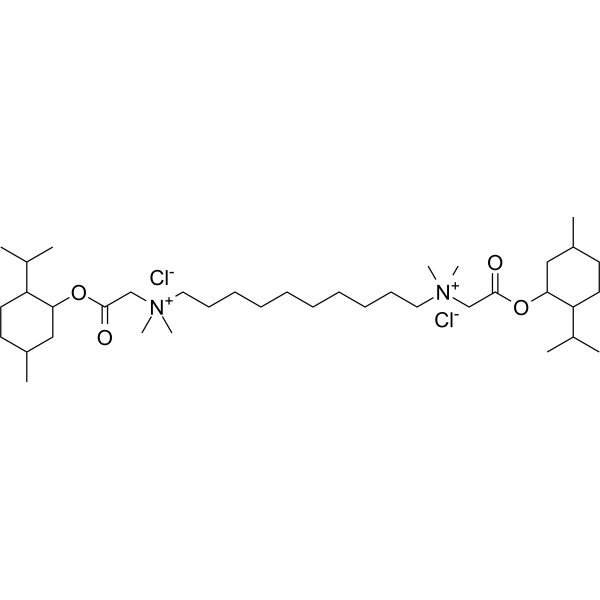
Decamethoxine (Septefril) is a cationic gemini surfactant. Decamethoxine exhibits strong bactericidal and fungicidal effects. Decamethoxine modifies the permeability of the microbial cell membrane, resulting in the destruction and death of diverse microorganisms .
loading...
    loading...
Cat. No.: HY-P5589
CAS No.: 131463-18-8
Synonyms: PlnA
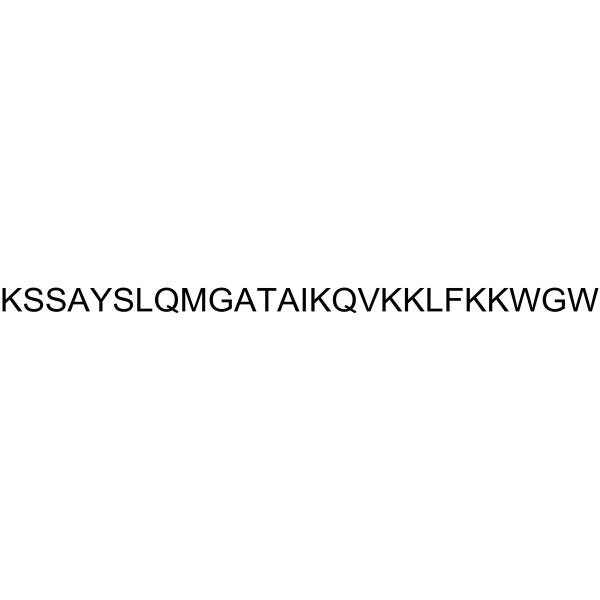
Plantaricin A is an antimicrobial peptide that can be derived from Lactobacillus plantarum. Plantaricin A has a synergistic effect with Ciprofloxacin. Plantaricin A shows anti-microbial activity. Plantaricin A increases the membrane potential of S. aureus and the level of intracellular ROS. Plantaricin A inhibits the function of the efflux pump by binding it and altering the structure of MepA, NorA, and LmrS. Plantaricin A significantly relieves inflammation, and promotes wound healing. Plantaricin A permeabilizes cancerous rat pituitary cells [1][2].
loading...
    loading...
Cat. No.: HY-W016473
CAS No.: 828-51-3
Adamantane-carboxylic acid is a compound with inhibitory activity against microorganisms. Although its specific target has not been clearly defined, it can inhibit Gram-positive bacteria and some Gram-negative bacteria. It forms a 1-monoacylglycerol derivative through a direct reaction with glycidol, and exerts its antibacterial effect by mechanisms such as altering the permeability of the bacterial cell membrane. This compound can be used in the research of antibacterial agents in the food and cosmetic industries to reduce harmful microbial flora and extend the shelf life of products .
loading...
    loading...
Cat. No.: HY-P3512
CAS No.: 257277-05-7
Synonyms: IB-367
Target:  

Bacterial Fungal Parasite

Research Areas:  

Infection Cancer

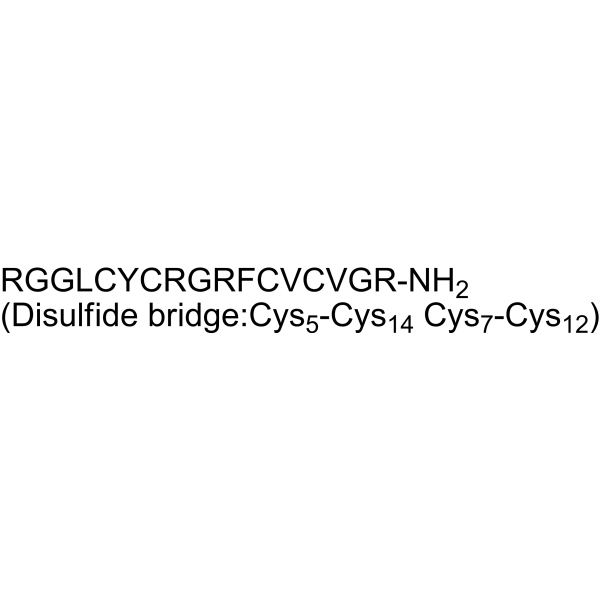
Iseganan is an anti-microbial peptide that is active against both Gram-positive and Gram-negative bacteria and fungi. Iseganan kills a broad-spectrum of bacteria and fungi by attaching to and destroying the integrity of the lipid cell membranes. Iseganan can be used for oral mucositis research .
loading...
    loading...
Cat. No.: HY-B1145S
CAS No.: 2012598-75-1
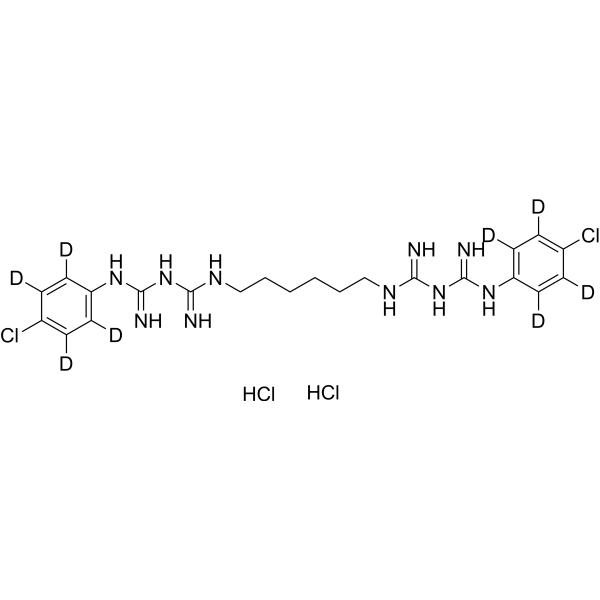
Chlorhexidine-d8 (dihydrochloride) is the deuterium labeled Chlorhexidine dihydrochloride (HY-B1145). Chlorhexidine dihydrochloride is a orally active cationic antimicrobial agent that targets microbial cell membranes. Chlorhexidine dihydrochloride binds to cell membrane phospholipids non-specifically, destroys membrane structure and induces leakage of cell contents. Chlorhexidine dihydrochloride has broad-spectrum bactericidal activity against both Gram-positive and Gram-negative bacteria. Chlorhexidine dihydrochloride can interfere with membrane permeability, cause protein precipitation and energy metabolism disorders, such as rapid inhibition of microbial growth and induction of cell death (necrosis or apoptosis) .
loading...
    loading...
Cat. No.: HY-B1248R
CAS No.: 55-56-1
Chlorhexidine (Standard) is the analytical standard of Chlorhexidine (HY-B1248). This product is intended for research and analytical applications. Chlorhexidine is a orally active cationic antimicrobial agent that targets microbial cell membranes. Chlorhexidine binds to cell membrane phospholipids non-specifically, destroys membrane structure and induces leakage of cell contents. Chlorhexidine has broad-spectrum bactericidal activity against both Gram-positive and Gram-negative bacteria. Chlorhexidine can interfere with membrane permeability, cause protein precipitation and energy metabolism disorders, such as rapid inhibition of microbial growth and induction of cell death (necrosis or apoptosis) .
loading...
    loading...
Cat. No.: HY-103658
CAS No.: 15809-19-5
Synonyms: Miramistin
Research Areas:  

Infection

Myramistin (Miramistin) is a cationic surfactant and disinfectant preservative. Myramistin exhibits high bactericidal activity against Staphylococcus aureus and Escherichia coli, shows lower activity against yeasts and fungi, and is active against HIV, measles virus, mumps virus, as well as influenza viruses of the H3N2 and H5N1 subtypes. Myramistin adsorbs to the negatively charged microbial cell membrane, leading to increased membrane permeability and disruption of membrane integrity, which ultimately results in leakage of intracellular contents, enzyme inactivation, and the death of bacteria/fungi/enveloped viruses .
loading...
    loading...
Cat. No.: HY-N7719R
CAS No.: 475-54-7
Oosporein (Standard) is the analytical standard of Oosporein (HY-N7719). This product is intended for research and analytical applications. Oosporein is a microbial metabolite and a red crystalline toxin produced by various fungi. Oosporein can promote the reproduction of fungi in host bodies by inhibiting insect immunity, and possesses multiple activities such as antibacterial, antiviral (HSV), and insecticidal effects. Oosporein can inhibit plant growth. In addition, Oosporein can also induce apoptosis, cell membrane damage, oxidative stress, and mitochondrial damage. Oosporein has certain antitumor activity .
loading...
    loading...
Cat. No.: HY-B1580
CAS No.: 4075-81-4
Synonyms: Propionic acid calcium
Calcium propionate (Propionic acid calcium) is a calcium salt of Propionic acid with oral activity, which can be hydrolyzed into propionate and calcium ions. Calcium propionate elevates intracellular ROS levels in tumor cells, depletes GSH, reduces mitochondrial membrane potential, and thereby induces tumor cell apoptosis. In mouse colitis models, Calcium propionate modulates inflammatory factors such as IFN-γ, calprotectin, and Pglyrp3, ameliorating intestinal inflammation and metabolic disorders. In ruminants, Calcium propionate serves as a gluconeogenic precursor, regulating rumen fermentation and microbial diversity; in high-fat diet rats, it alters gut microbiota composition and affects blood biochemical parameters. Calcium propionate is commonly used as a food and feed additive, and is also used in research related to hypocalcemia, dyslipidemia, colitis, and lung cancer .
loading...
    loading...
Cat. No.: HY-W097929
CAS No.: 87-40-1
Synonyms: 2,4,6-Trichloroanisole
Tyrene (2,4,6-Trichloroanisole) is an off-flavor compound, cyclic nucleotide-gated (CNG) channel inhibitor, and olfactory transduction attenuator. Tyrene is formed by microbial O-methylation of 2,4,6-trichlorophenol. Tyrene inhibits channel activity in olfactory receptor cells by partitioning into the plasma membrane lipid bilayer, and also suppresses odorant- and cAMP-induced currents in individual olfactory receptor cells. Tyrene causes cork taint in wine. Tyrene also produces off-flavors in potato chips, dried fruits, coffee, and drinking water .
loading...
    loading...
Cat. No.: HY-B1248A
CAS No.: 206986-79-0
Research Areas:  

Infection

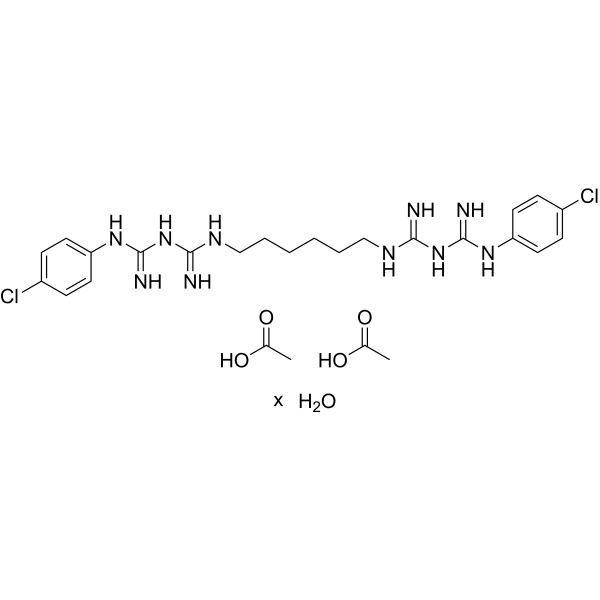
Chlorhexidine acetate hydrate is a orally active cationic antimicrobial agent that targets microbial cell membranes. Chlorhexidine acetate hydrate binds to cell membrane phospholipids non-specifically, destroys membrane structure and induces leakage of cell contents. Chlorhexidine acetate hydrate has broad-spectrum bactericidal activity against both Gram-positive and Gram-negative bacteria. Chlorhexidine acetate hydrate can interfere with membrane permeability, cause protein precipitation and energy metabolism disorders, such as rapid inhibition of microbial growth and induction of cell death (necrosis or apoptosis) .
loading...
    loading...

