10 Results for "

microglial polarization

" in MedChemExpress (MCE) Product Catalog:
Products (10)

10 Results for "microglial polarization" in MCE Product Catalog:

6
6 Publications Verification
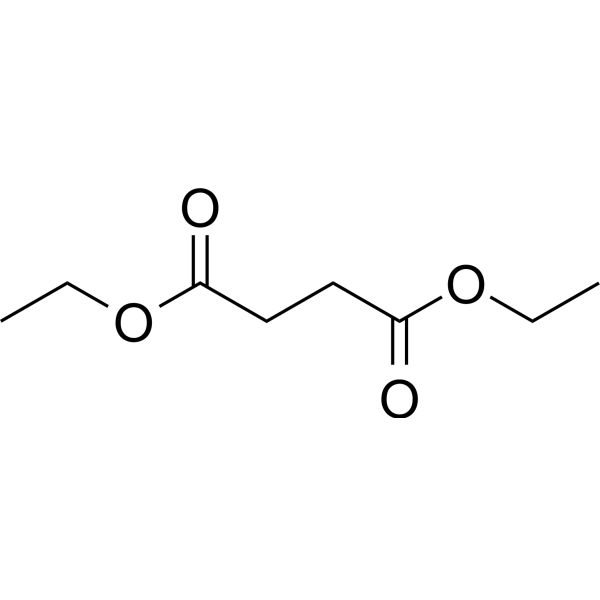
Cat. No.: HY-Y0836
CAS No.: 123-25-1
Synonyms: Diethyl Butanedioate
Diethyl succinate (Diethyl Butanedioate) can be utilized at physiological pH, allowing it to penetrate biological membranes and integrate into the cells of tissue cultures, where it is metabolized via the tricarboxylic acid cycle. Diethyl succinate modulates the polarization and activation of microglial cells by reducing mitochondrial fission and the levels of reactive oxygen species (ROS), thereby exerting an inflammatory protective effect in primary microglial cells. Furthermore, Diethyl succinate is non-toxic and can be used in flavorings and seasonings .
loading...
    loading...
2
2 Cited Publications
Cat. No.: HY-101318
CAS No.: 72786-10-8
Purity:  98.0%
Synonyms: β-FNA hydrochloride
β-Funaltrexamine (β-FNA) hydrochloride is a blood-brain barrier-permeable, selective and irreversible μ-opioid receptor antagonist with immunomodulatory, anti-inflammatory and neuroprotective activities. β-Funaltrexamine hydrochloride inhibits p38 MAPK and TLR4 signaling by blocking μ-opioid receptors, and reduces the transcriptional activities of NF-κB, AP-1, CREB and Stat. Furthermore, β-Funaltrexamine hydrochloride inhibits iNOS activation and pro-inflammatory microglial polarization, converting microglia to an anti-inflammatory phenotype, thereby downregulating neuroinflammation and ameliorating neuronal degeneration. β-Funaltrexamine hydrochloride is widely applicable to research related to stroke, cerebral ischemia/reperfusion injury and neurodegenerative diseases .
loading...
    loading...
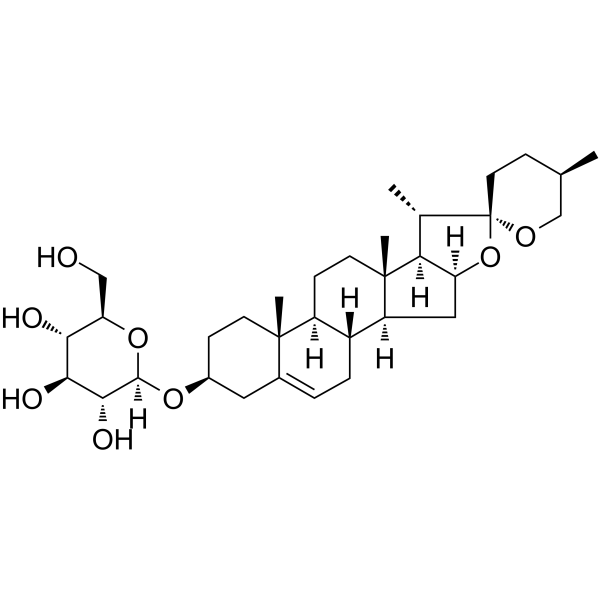
Cat. No.: HY-N0730
CAS No.: 14144-06-0
Diosgenin glucoside, a saponin compound extracted from Trillium tschonoskii, provides neuroprotection by regulating microglial M1 polarization. Diosgenin glucoside protects against spinal cord injury by regulating autophagy and alleviating apoptosis .
loading...
    loading...
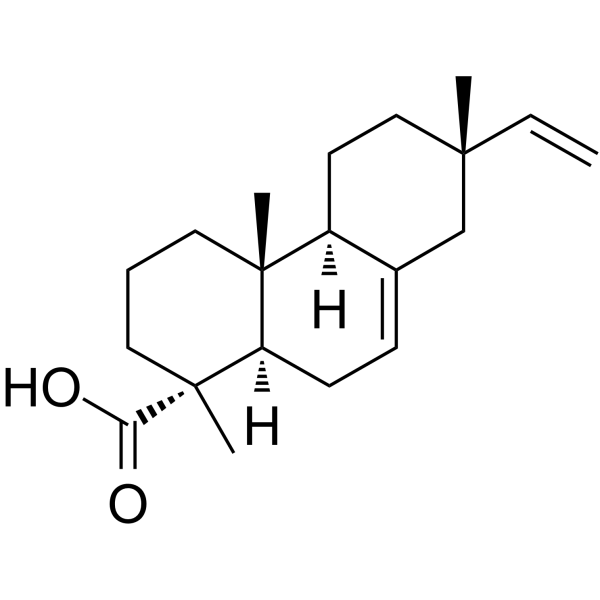
Cat. No.: HY-N3463
CAS No.: 5835-26-7
Isopimaric acid is a coniferous tree defense compound. Isopimaric acid binds to AKT and inhibits mTOR phosphorylation, thereby regulating the AKT/mTOR pathway. Isopimaric acid inhibits oxidative stress, inflammation, microglial migration, apoptosis, autophagic flux, ornithine decarboxylase activity, breast cancer proliferation and metastasis, and fungal spore germination. Isopimaric acid also induces M2 microglial polarization, mitochondrial damage, ROS accumulation, starvation-induced colon cancer cell apoptosis, and breast cancer cell cycle arrest. Isopimaric acid activates potassium channels, regulates sodium channels and calcium channels, reduces myocardial excitability, and improves arrhythmia. Isopimaric acid acts as an oxidative substrate for CYP6BW1/3, down-regulates PINK1/Parkin, and regulates calcium homeostasis, oxidative phosphorylation, EMT, and the Wnt pathway. Isopimaric acid exhibits activity against drug-resistant Staphylococcus aureus, repels feeding, and promotes the growth of rice seedlings. Isopimaric acid is suitable for research related to epilepsy, tumors, drug-resistant bacterial infections, atrial fibrillation, hypertension, hyperlipidemia, pulmonary tuberculosis, etc .
loading...
    loading...
Cat. No.: HY-N15190
CAS No.: 74061-79-3
Sesaminol is an orally active antioxidant. Sesaminol induces G1 phase arrest and inhibits cancer cell growth by binding to ANT2, inhibiting mTORC1, and promoting cyclin D1 degradation; it also activates Nrf2/NQO1, inhibits ROS- and neurotoxin-induced apoptosis (apoptosis), reduces α-synuclein (α-synuclein) and Aβ oligomerization/fibril formation, and promotes M2 microglial polarization. Sesaminol can be used in research on cancer, Parkinson's disease, obesity, Alzheimer's disease, colitis, cognitive decline, and liver diseases .
loading...
    loading...
Cat. No.: HY-N0730R
CAS No.: 14144-06-0
Diosgenin glucoside (Standard) is the analytical standard of Diosgenin glucoside. This product is intended for research and analytical applications. Diosgenin glucoside, a saponin compound extracted from Trillium tschonoskii, provides neuroprotection by regulating microglial M1 polarization. Diosgenin glucoside protects against spinal cord injury by regulating autophagy and alleviating apoptosis .
loading...
    loading...
Cat. No.: HY-Y0836R
CAS No.: 123-25-1
Synonyms: Diethyl Butanedioate (Standard)
Diethyl succinate (Standard) is the analytical standard of Diethyl succinate. This product is intended for research and analytical applications. Diethyl succinate (Diethyl Butanedioate) can be utilized at physiological pH, allowing it to penetrate biological membranes and integrate into the cells of tissue cultures, where it is metabolized via the tricarboxylic acid cycle. Diethyl succinate modulates the polarization and activation of microglial cells by reducing mitochondrial fission and the levels of reactive oxygen species (ROS), thereby exerting an inflammatory protective effect in primary microglial cells. Furthermore, Diethyl succinate is non-toxic and can be used in flavorings and seasonings .
loading...
    loading...
Cat. No.: HY-N21887
CAS No.: 105214-48-0
Gypenoside LVI is an orally active dammarane-type triterpenoid compound found in Gynostemma pentaphyllum. Gypenoside LVI inhibits ERK and JNK phosphorylation, the NLRP3 inflammasome, and modulates M1 to M2 microglial polarization. Gypenoside LVI downregulates PCSK9 expression through a SREBP-independent pathway. Gypenoside LVI promotes cholesterol efflux via ABCG1 and SRB1, upregulates LXRα-mediated reverse cholesterol transport, and attenuates foam cell formation by reducing lipid accumulation and cholesterol uptake. Gypenoside LVI inhibits IL-6 and IL-1β secretion, reduces oxidative stress, neuroinflammation, microglial and astrocyte activation, and inhibits LPS-induced microglial proliferation. Gypenoside LVI can be used for research on atherosclerosis, hypercholesterolemia, depression, and non-small cell lung cancer .
loading...
    loading...
Cat. No.: HY-167201
CAS No.: 633278-53-2
Synonyms: 2ccPA18:1
Target:  

Collagen

2ccPA (2ccPA18:1) is a metabolically stabilized carba analog of cyclic phosphatidic acid (cPA). 2ccPA inhibits autotaxin (ATX)‑mediated lysophosphatidic acid (LPA) production, suppresses extracellular matrix biosynthesis and elevates intracellular cAMP in fibrogenic skin fibroblasts. 2ccPA protects oligodendrocytes from mitochondrial‑driven apoptosis, suppresses neuroinflammation and demyelination, modulates microglial polarization and promotes rapid‑platelet/fibrin‑dependent hemostasis and subsequent fibrinolytic transition following brain injury .
loading...
    loading...
Cat. No.: HY-160938
CAS No.: 72782-05-9
Synonyms: β-FNA
β-Funaltrexamine (β-FNA) is a blood-brain barrier-permeable, selective and irreversible μ-opioid receptor antagonist with immunomodulatory, anti-inflammatory and neuroprotective activities. β-Funaltrexamine inhibits p38 MAPK and TLR4 signaling by blocking μ-opioid receptors, and reduces the transcriptional activities of NF-κB, AP-1, CREB and Stat. Furthermore, β-Funaltrexamine inhibits iNOS activation and pro-inflammatory microglial polarization, converting microglia to an anti-inflammatory phenotype, thereby downregulating neuroinflammation and ameliorating neuronal degeneration. β-Funaltrexamine is widely applicable to research related to stroke, cerebral ischemia/reperfusion injury and neurodegenerative diseases .
loading...
    loading...

