35 Results for "

mitochondrial morphology

" in MedChemExpress (MCE) Product Catalog:
Products (35)

35 Results for "mitochondrial morphology" in MCE Product Catalog:

1
1 Cited Publications
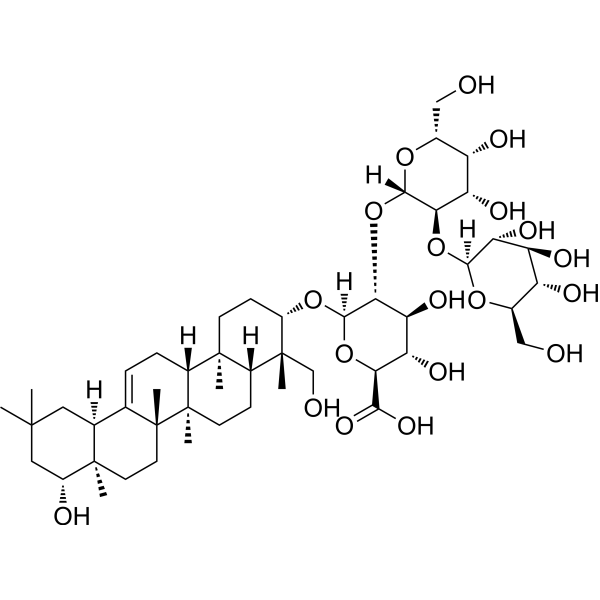
Cat. No.: HY-N0309
CAS No.: 114590-20-4
Soyasaponin Ba is a soyasaponin that can be isolated from Phaseolus vulgaris, acts as an aldose reductase inhibitor (ARI). Soyasaponin Ba activates Akt/GSK3β/β-catenin signaling pathway, reduces lipid accumulation, lowers ROS generation, improves mitochondrial membrane potential, ATP levels, and morphology, and inhibits apoptosis. Soyasaponin Ba can be used for the research of lipid accumulation and secondary diabetic complications .
loading...
    loading...
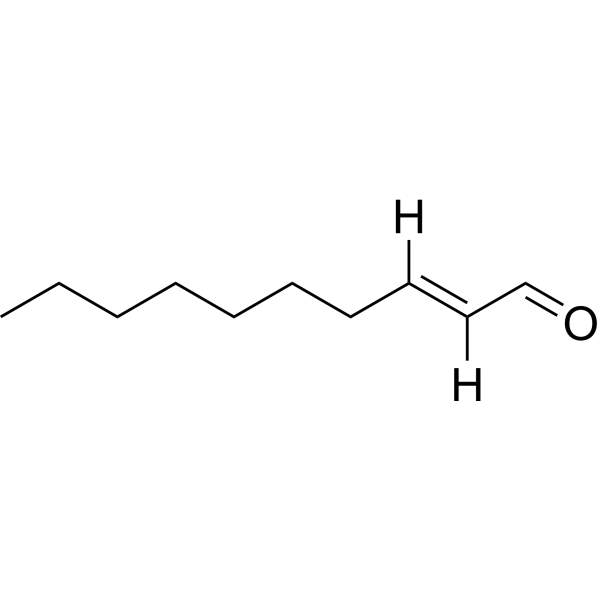
Cat. No.: HY-W015551
CAS No.: 3913-81-3
Synonyms: (E)-Dec-2-enal
trans-2-Decenal ((E)-Dec-2-enal) acts as a urease inhibitor and antibacterial agent against Helicobacter pylori, with an IC50 of 9.484 μg/mL against Helicobacter pylori urease. trans-2-Decenal reduces the urease activity of Helicobacter pylori, and possesses antibacterial, bactericidal, anti-biofilm and anti-migratory activities. It alters the morphology of Helicobacter pylori, induces bacterial rupture, inhibits biofilm formation, reduces the number of mature biofilms and impairs the migratory capacity of Helicobacter pylori. trans-2-Decenal disrupts the cell wall integrity of Phytophthora capsici, damages membrane integrity and permeability, triggers intracellular reactive oxygen species (ROS) accumulation, decreases glutathione levels and disrupts the mitochondrial membrane potential of Phytophthora capsici. trans-2-Decenal is applicable to studies related to Helicobacter pylori and plant diseases induced by and Phytophthora capsici .
loading...
    loading...
Cat. No.: HY-174374
CAS No.: 3076446-44-8
Target:  

Topoisomerase

Research Areas:  

Cardiovascular Disease

Topobexin is a TOP2B-selective inhibitor with IC50 values of 0.19 μM and 4.8 μM for TOP2B and TOP2A (DNA decatenation assay). Topobexin binds to non-homologous residues in the obex pocket and targets the ATPase domain of TOP2B. Topobexin prevents anthracycline-induced DNA double-strand break formation, apoptotic signaling mediated by caspase 3/7, 8 and 9, cardiomyocyte morphological changes, mitochondrial depolarization/loss, left ventricular systolic dysfunction, extracellular matrix remodeling, fibrotic alterations, and increases in plasma cardiac troponin T and BNP. Topobexin does not impair the antiproliferative effects of anthracyclines in cancer cells, exhibits no intrinsic cytotoxicity in cardiomyocytes, and is well tolerated in rabbits. Topobexin can be used in studies related to anthracycline-induced cardiotoxicity .
loading...
    loading...
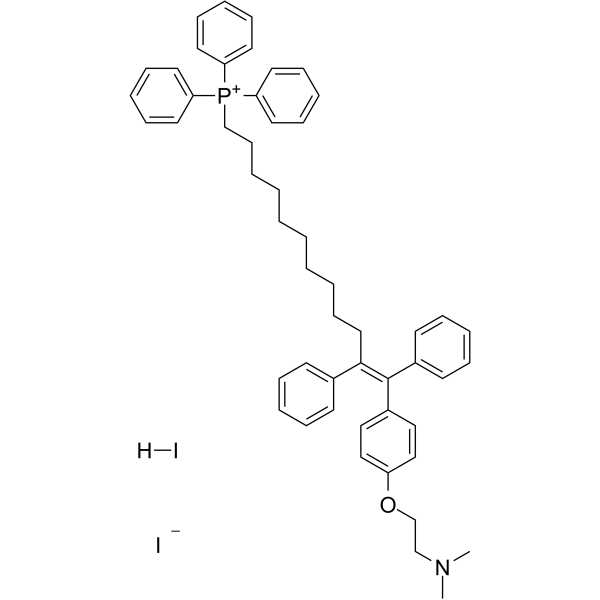
Cat. No.: HY-126222A
CAS No.: 1634624-74-0
Research Areas:  

Cancer

MitoTam iodide, hydriodide is a Tamoxifen derivative , an electron transport chain (ETC) inhibitor, spreduces mitochondrial membrane potential in senescent cells and affects mitochondrial morphology . MitoTam iodide, hydriodide is an effective anticancer agent, suppresses respiratory complexes (CI-respiration) and disrupts respiratory supercomplexes (SCs) formation in breast cancer cells . MitoTam iodide, hydriodide causes apoptosis .
loading...
    loading...
Cat. No.: HY-W002199
CAS No.: 647-42-7
Synonyms: 6:2 FTOH; 1H,1H,2H,2H-Perfluoro-1-octanol; 2-(Perfluorohexyl)ethanol
6:2 Fluorotelomer alcohol (6:2 FTOH) is an orally active, blood-brain barrier-permeable modulator of cyclin D1 and ETS1. 6:2 Fluorotelomer alcohol downregulates cyclin D1 expression, upregulates ETS1 via the TNF-α/ERK 1/2 pathway, impairs mitochondrial membrane potential and respiratory function, increases reactive oxygen species levels, disrupts calcium homeostasis and activates endoplasmic reticulum stress markers, and induces cell proliferation inhibition and endothelial-mesenchymal transition. Furthermore, 6:2 Fluorotelomer alcohol induces morphological abnormalities in zebrafish embryos and liver developmental damage, while disrupting the brain immune microenvironment in mice, causing systemic toxicity and delayed pup maturation in CD-1 mice. 6:2 Fluorotelomer alcohol also induces cortical neuron apoptosis, glial cell activation, synaptic abnormalities, colonic barrier damage, intestinal dysbiosis and autism spectrum disorder-like symptoms in mice. 6:2 Fluorotelomer alcohol shows no mutagenic, clastogenic, primary skin/eye irritation or skin sensitizing effects, exhibits no selective reproductive toxicity in CD-1 mice, and is classified as GHS Category 4 for acute oral toxicity. 6:2 Fluorotelomer alcohol can be used in studies of neurodevelopmental disorders and autism spectrum disorders .
loading...
    loading...
Cat. No.: HY-177204
DSPE-PEG2000-WLSEAGPVVTVRALRGTGSW is a polypeptide targeting tenascin-X (Tenascin-X) that can be conjugated with liposomes and exosomes. DSPE-PEG2000-WLSEAGPVVTVRALRGTGSW specifically binds to Tenascin-X on the surface of cardiomyocytes, mediates receptor-dependent uptake of nanocarriers, enhances targeted drug delivery of cargo to cardiomyocytes, and increases drug accumulation in cardiac tissue. DSPE-PEG2000-WLSEAGPVVTVRALRGTGSW protects cardiomyocytes treated with LPS, alleviates oxidative stress, repairs mitochondrial function, inhibits ferroptosis and apoptosis, and downregulates the secretion of pro-inflammatory cytokines at the same time. DSPE-PEG2000-WLSEAGPVVTVRALRGTGSW improves cardiac injury and pathological morphology in mice with sepsis-induced cardiomyopathy, restores GPX4 expression, and promotes the internalization of cardiomyocyte-derived exosomes, making it suitable for related research on sepsis-induced cardiomyopathy, myocardial ischemia-reperfusion injury, and other conditions .
loading...
    loading...
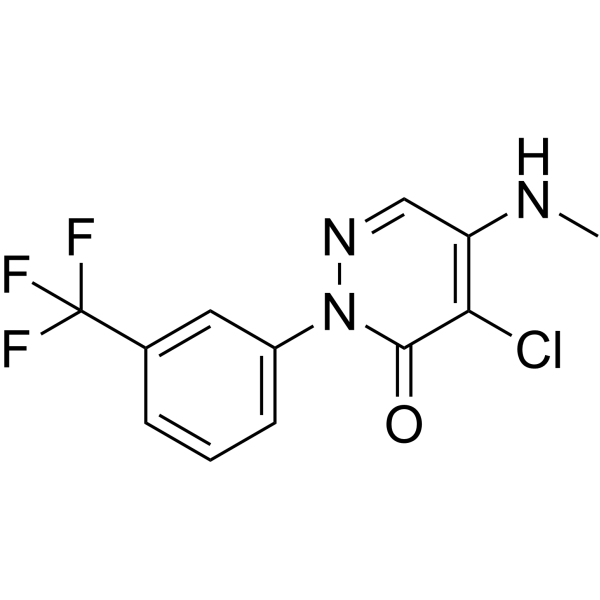
Cat. No.: HY-114849
CAS No.: 27314-13-2
Purity:  99.94%
Synonyms: SAN 9789
Norflurazon (SAN 9789) is a pre-emergence Herbicide. Norflurazon non-competitively inhibits phytoene desaturase by competing with the enzyme cofactor and disrupts carotenoid biosynthesis, thereby leading to chlorophyll photodegradation and chlorosis. Norflurazon inhibits MGDG synthase, CDP-choline phosphotransferase, Omega-3 FAD7 desaturase, and PG delta-3-trans desaturase, and activates LysoPC-acyltransferase and Omega-3 FAD3 desaturase. Norflurazon inhibits photosynthetic membrane organization, mitochondrial respiration, ATP production, PI3K signaling, and ERK1/2 phosphorylation. Norflurazon activates MAPK P38 phosphorylation and ER stress signaling. Norflurazon induces morphological malformations and cardiovascular effects in zebrafish embryos .
loading...
    loading...
Cat. No.: HY-126222
CAS No.: 1634624-73-9
Research Areas:  

Cancer

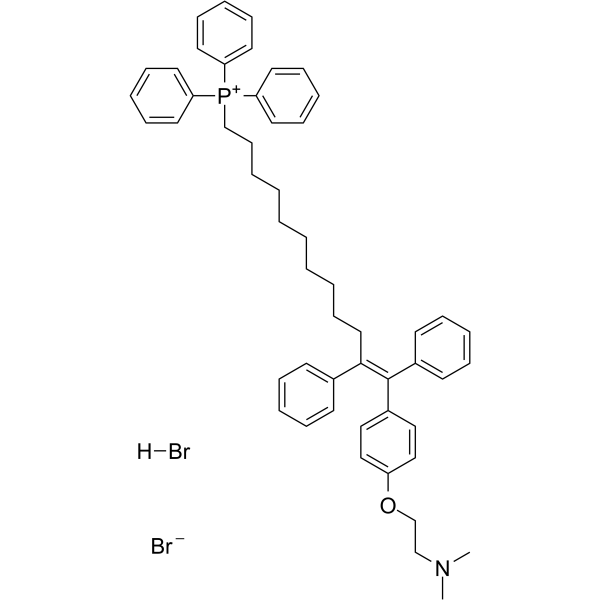
MitoTam bromide, hydrobromide, a Tamoxifen derivative , is an electron transport chain (ETC) inhibitor. MitoTam bromide, hydrobromide reduces mitochondrial membrane potential in senescent cells and affects mitochondrial morphology . MitoTam bromide, hydrobromide is an effective anticancer agent, suppresses respiratory complexes (CI-respiration) and disrupts respiratory supercomplexes (SCs) formation in breast cancer cells .
loading...
    loading...
Cat. No.: HY-162422
Research Areas:  

Cancer

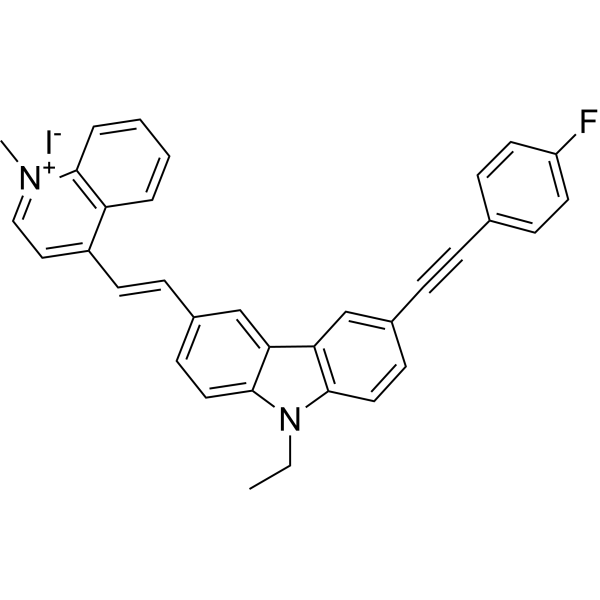
Mito-DK is a small-molecule fluorescent dye with the capability of crosstalk-free response to polarity and mtDNA as well as mitochondrial morphology. Mito-DK has high photostability, low cytotoxicity, and good mitochondria-targeting properties. Mito-DK can be used for real-time tracking and multidimensional assessing of mitochondria-related pyroptosis in cancer cells .
loading...
    loading...
Cat. No.: HY-115507
CAS No.: 1332290-68-2
NMac1 is an orally active Nm23/NDPK activator. NMac1 directly binds to Nm23-H1 and activates the NDPK activity of recombinant Nm23-H1 with an EC50 of 10.7 uM. NMac1 induces AMPK activation and inhibits mTOR and ERK, leading to mitochondrial OXPHOS dysregulation and suppressing mitochondrial ROS production, which in turn induces mitochondrial dysfunction in MDA-MB-231 cells. NMac1 inhibits Complex I activity and suppresses changes in morphology and actin cytoskeleton organization following Rac1 activation in MDA-MB-231 cells. NMac1 inhibits tumor invasion, migration and metastasis. NMac1 is useful for studying metastatic tumors, such as breast cancer. NMac1 can be isolated from the ginger cassumunar Roxb .
loading...
    loading...
Cat. No.: HY-126222B
Synonyms: MitoTax iodide, hydriodide
Research Areas:  

Cancer

(E/Z)-MitoTam (iodide, hydriodide) (MitoTam (iodide, hydriodide)) is the E/Z mixture of MitoTam iodide, hydriodide. MitoTam iodide, hydriodide is a Tamoxifen derivative , an electron transport chain (ETC) inhibitor, spreduces mitochondrial membrane potential in senescent cells and affects mitochondrial morphology . MitoTam iodide, hydriodide is an effective anticancer agent, suppresses respiratory complexes (CI-respiration) and disrupts respiratory supercomplexes (SCs) formation in breast cancer cells . MitoTam iodide, hydriodide causes apoptosis .
loading...
    loading...
Cat. No.: HY-P10371
CAS No.: 1505523-99-8
Synonyms: txCD47
PKHB1 (txCD47) is a CD47 agonist and Thrombospondin-1 peptide mimetic. PKHB1 activates CD47 and triggers Caspase-independent, calcium-dependent cell death via mitochondrial alterations, ROS production, endoplasmic reticulum morphological changes, and dissipation of mitochondrial membrane potential. PKHB1 induces the exposure of Calreticulin, HSP70, and HSP90, thereby driving immunogenic cell death. PKHB1 promotes intratumoral CD8 + T cell infiltration and inhibits breast tumorigenesis. PKHB1 reduces HSV-1 levels and alleviates the severity of herpes simplex keratitis. PKHB1 can be used in research related to breast cancer, herpes simplex keratitis, and T-cell acute lymphoblastic leukemia .
loading...
    loading...
Cat. No.: HY-163337
CAS No.: 3020687-94-6
Target:  

Fungal

Research Areas:  

Infection

Antifungal agent 92 (Compound 21) is a potent antifungal agent with an EC50 of 4.4 μM against Sclerotinia sclerotiorum. Antifungal agent 92 can induce abnormal mitochondrial morphology, loss of mitochondrial membrane potential, and reactive oxygen species (ROS) accumulation in Sclerotinia sclerotiorum. Antifungal agent 92 is a moderate promiscuous inhibitor of mitochondrial complexes II and III .
loading...
    loading...
Cat. No.: HY-168260
Target:  

Apoptosis Ferroptosis MMP

Research Areas:  

Cancer

CQ-Mito is a Coumarin-Quinazolinone (CQ)-based derivative that targets mitochondria and exhibits profound phototherapeutic performances with an Phototoxic Index (PI) value of 167. CQ-Mito causes cell death by both apoptosis and ferroptosis. CQ-Mito mediates mitochondrial dysfunction, including mitochondrial morphology changed and the loss of MMP. CQ-Mito can efficiently inhibit the tumor growth in organoid tumor models .
loading...
    loading...
Cat. No.: HY-170565
CAS No.: 3041166-70-2
Target:  

Mitophagy Apoptosis

Research Areas:  

Cancer

CHD-1 is a a hypoxia-activated antitumor prodrug. CHD-1 impairs mitochondrial morphology and membrane potential in hypoxic tumor cells, further triggering excessive mitophagy and inducing apoptosis. CHD-1 inhibits the growth of hypoxic tumor cells in vitro and the growth of HeLa xenograft in vivo .
loading...
    loading...
Cat. No.: HY-179287
SDH-IN-42 (Compound D28) is a SDH (IC50: 5.38 μg/mL) inhibitor and antifungal agent. SDH-IN-42 exerts antifungal activity against R. solani by disrupting mycelial morphology, increasing cell membrane permeability, inducing the production and accumulation of ROS, and impairing mitochondrial function .
loading...
    loading...
Cat. No.: HY-P10247
CAS No.: 201293-38-1
Research Areas:  

Neurological Disease

Amyloid precursor C-terminal peptide is cleaved from the C-terminus of Amyloid Precursor Protein (APP). Amyloid precursor C-terminal peptide accumulation causes mitochondrial morphology alteration and basal mitophagy failure, which indicates that amyloid precursor protein C-terminal peptide may correspond to an etiological trigger of Alzheimer’s disease (AD) pathology .
loading...
    loading...
Cat. No.: HY-N0309R
CAS No.: 114590-20-4
Soyasaponin Ba (Standard) is the analytical standard of Soyasaponin Ba (HY-N0309). Soyasaponin Ba is a soyasaponin that can be isolated from Phaseolus vulgaris, acts as an aldose reductase inhibitor (ARI). Soyasaponin Ba activates Akt/GSK3β/β-catenin signaling pathway, reduces lipid accumulation, lowers ROS generation, improves mitochondrial membrane potential, ATP levels, and morphology, and inhibits apoptosis. Soyasaponin Ba can be used for the research of lipid accumulation and secondary diabetic complications .
loading...
    loading...
Cat. No.: HY-172777
CAS No.: 3052432-15-9
SDH-IN-25 is a succinate dehydrogenase (SDH) inhibitor (IC50 = 4.82 mg/L). SDH-IN-25 exhibited broad-spectrum and potent antifungal activity. SDH-IN-25 mimics the interaction pattern of commercial fungicide Fluxapyroxad (HY-135549) through binding to SDH amino acid residues (TRP173, TYR58, and ARG43). SDH-IN-25 can induce hyphal morphology, interfere with respiratory metabolism by binding to complex II, generate reactive oxygen species (ROS), and affect mitochondrial membrane potential (MMP) in mycelia. SDH-IN-25 can be studied in research for agricultural disease control .
loading...
    loading...
Cat. No.: HY-114849R
CAS No.: 27314-13-2
Synonyms: SAN 9789 (Standard)
Norflurazon (Standard) (SAN 9789 (Standard)) is the analytical standard of Norflurazon (HY-114849). This product is intended for research and analytical applications. Norflurazon (SAN 9789) is a pre-emergence Herbicide. Norflurazon non-competitively inhibits phytoene desaturase by competing with the enzyme cofactor and disrupts carotenoid biosynthesis, thereby leading to chlorophyll photodegradation and chlorosis. Norflurazon inhibits MGDG synthase, CDP-choline phosphotransferase, Omega-3 FAD7 desaturase, and PG delta-3-trans desaturase, and activates LysoPC-acyltransferase and Omega-3 FAD3 desaturase. Norflurazon inhibits photosynthetic membrane organization, mitochondrial respiration, ATP production, PI3K signaling, and ERK1/2 phosphorylation. Norflurazon activates MAPK P38 phosphorylation and ER stress signaling. Norflurazon induces morphological malformations and cardiovascular effects in zebrafish embryos .
loading...
    loading...

