
93 Results for "

molecular interaction

" in MedChemExpress (MCE) Product Catalog:
Products (93)

93 Results for "molecular interaction" in MCE Product Catalog:

26
26 Publications Verification
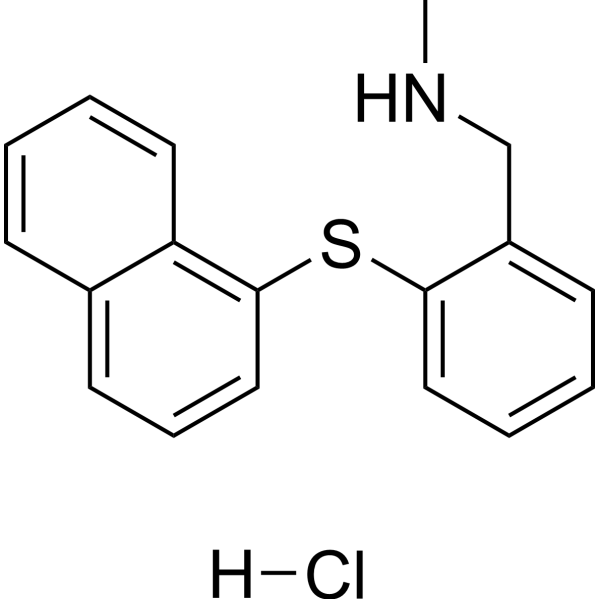
Cat. No.: HY-12836A
CAS No.: 2070014-98-9
Purity:  99.76%
Target:  

IFNAR

Research Areas:  

Inflammation/Immunology

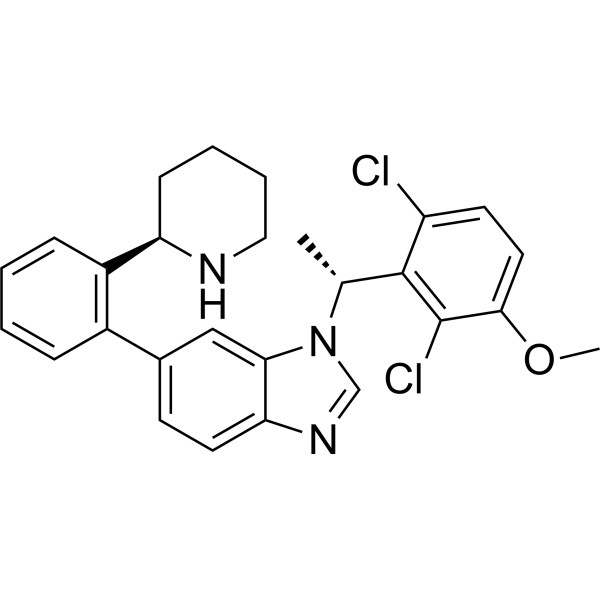
IFN alpha-IFNAR-IN-1 hydrochloride is a nonpeptidic, low-molecular-weight inhibitor of the interaction between IFN-α and IFNAR. IFN alpha-IFNAR-IN-1 hydrochloride inhibits modified Vaccinia virus ankara (MVA)-induced IFN-α responses in murine bone-marrow-derived, Flt3- L-differentiated pDC cultures (BM-pDCs) (IC50=2-8 μM) .
loading...
    loading...
26
26 Publications Verification
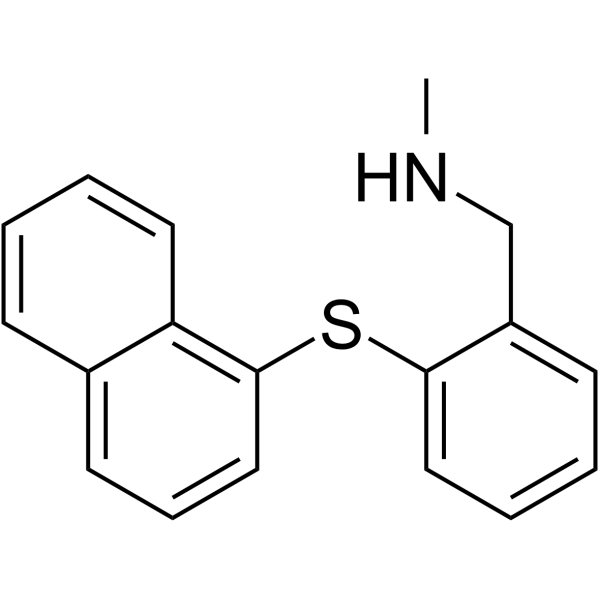
Cat. No.: HY-12836
CAS No.: 844882-93-5
Target:  

IFNAR

Research Areas:  

Inflammation/Immunology

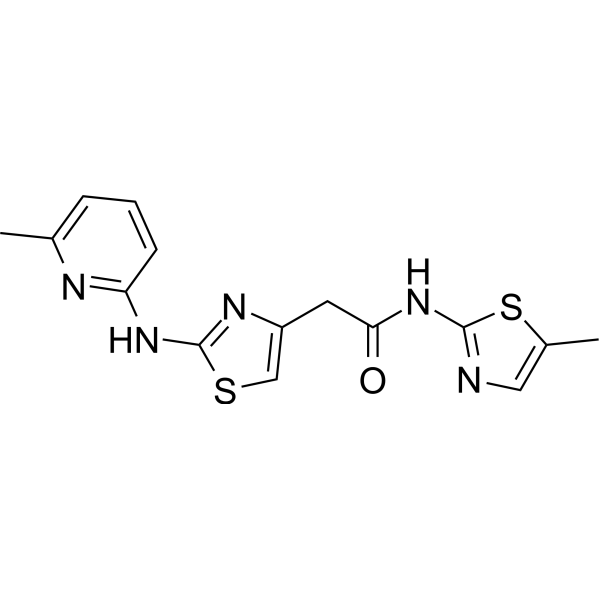
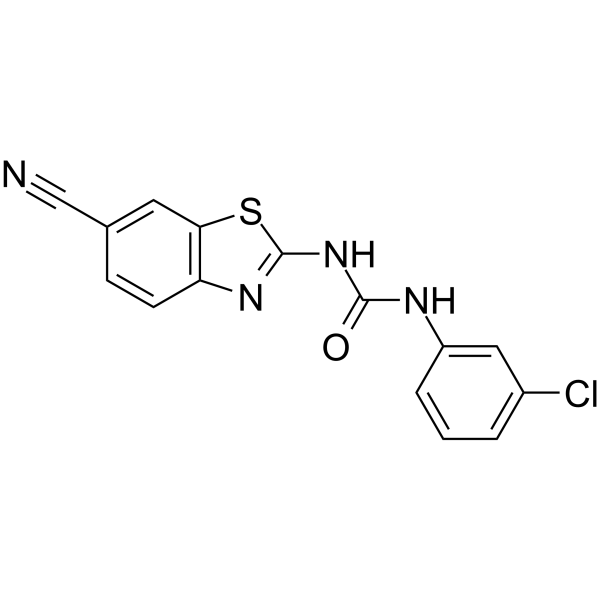
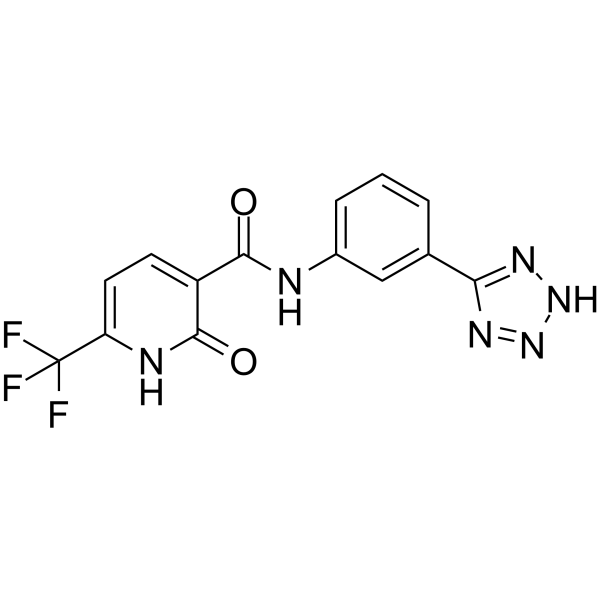
IFN alpha-IFNAR-IN-1 is a nonpeptidic, low-molecular-weight inhibitor of the interaction between IFN-α and IFNAR. IFN alpha-IFNAR-IN-1 inhibits modified Vaccinia virus ankara (MVA)-induced IFN-α responses in murine bone-marrow-derived, Flt3- L-differentiated pDC cultures (BM-pDCs) (IC50=2-8 μM) .
loading...
    loading...
8
8 Cited Publications
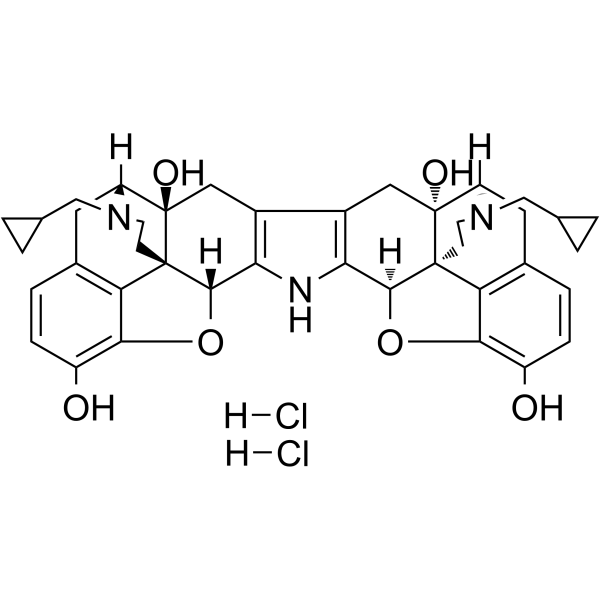
Cat. No.: HY-100903
CAS No.: 113158-34-2
Purity:  98.91%
Synonyms: nor-Binaltorphimine dihydrochloride; nor-BNI dihydrochloride
Target:  

Opioid Receptor

Research Areas:  

Neurological Disease

Norbinaltorphimine dihydrochloride (nor-Binaltorphimine dihydrochloride; nor-BNI dihydrochloride) is a selective, long-acting competitive antagonist of the κ-opioid receptor. Norbinaltorphimine dihydrochloride blocks κ-opioid receptor-mediated analgesic effects, and inhibits butorphanol-induced changes in κ-opioid receptor binding kinetics, desensitization and down-regulation. Norbinaltorphimine dihydrochloride suppresses specific opioid withdrawal symptoms, precipitates withdrawal behaviors in butorphanol-dependent rats, and serves as a molecular probe for studying κ-opioid receptor-agonist interactions. Norbinaltorphimine dihydrochloride is applicable to research related to neurological disorders such as pain .
loading...
    loading...
8
8 Cited Publications
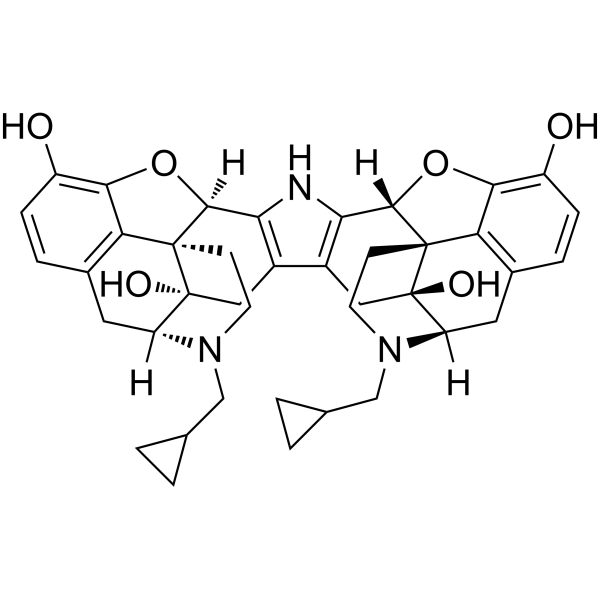
Cat. No.: HY-117040
CAS No.: 105618-26-6
Purity:  98.70%
Synonyms: Norbinaltorphimine; NorBNI
Target:  

Opioid Receptor

Research Areas:  

Neurological Disease

nor-Binaltorphimine (Norbinaltorphimine; NorBNI) is a selective, long-acting competitive antagonist of the κ-opioid receptor. nor-Binaltorphimine blocks κ-opioid receptor-mediated analgesic effects, and inhibits butorphanol-induced changes in κ-opioid receptor binding kinetics, desensitization and down-regulation. nor-Binaltorphimine suppresses specific opioid withdrawal symptoms, precipitates withdrawal behaviors in butorphanol-dependent rats, and serves as a molecular probe for studying κ-opioid receptor-agonist interactions. nor-Binaltorphimine is applicable to research related to neurological disorders such as pain .
loading...
    loading...
2
2 Cited Publications
Cat. No.: HY-144981
CAS No.: 1226443-41-9
Purity:  98.10%
Target:  

CDK Molecular Glues

Research Areas:  

Cancer

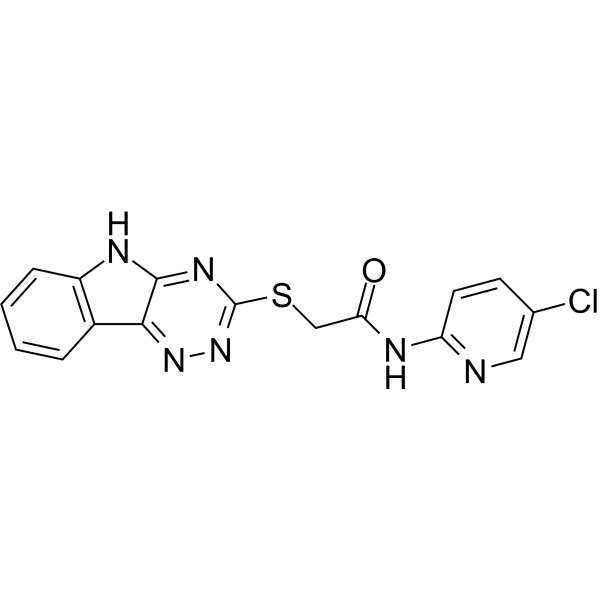
HQ461 is a molecular glue that promotes CDK12-DDB1 interaction to trigger cyclin K degradation. HQ461-mediated degradation of cyclin K impairs CDK12 function, resulting in decreased CDK12 substrate phosphorylation, downregulation of DNA damage response genes, and cell death .
loading...
    loading...
1
1 Cited Publications
Cat. No.: HY-103609
CAS No.: 129-00-0
Purity:  99.72%
Synonyms: Benzo[def]phenanthrene
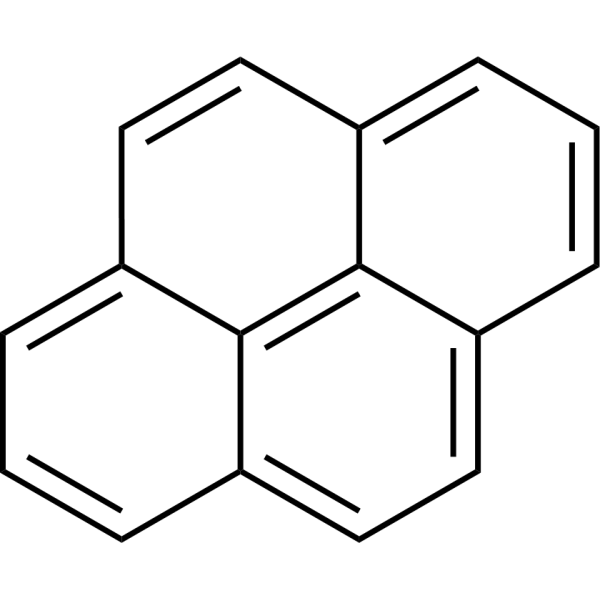
Pyrene is a polycyclic aromatic hydrocarbon (PAH) composed of four fused benzene rings. It has a distinct aromatic odor, produced by incomplete combustion of organic matter. Pyrene exhibits strong fluorescence, emitting in the blue region of the spectrum, making it useful as a probe for studying molecular interactions in solution and on surfaces. Pyrene is also used as a model compound for the study of PAHs in various environments and biological systems because of its ubiquity in these environments. However, long-term exposure to pyrene has been associated with potential health risks, including carcinogenicity and mutagenicity.
loading...
    loading...
1
1 Cited Publications
Cat. No.: HY-144971
CAS No.: 296771-07-8
Purity:  99.76%
Target:  

Molecular Glues CDK

Research Areas:  

Cancer

dCeMM2 (Compound 2) is a molecular glue-type degrader that targets cyclin K. dCeMM2 induces ubiquitination and degradation of cyclin K by prompting an interaction of CDK12-cyclin K with a CRL4B ligase complex .
loading...
    loading...
1
1 Cited Publications
Cat. No.: HY-NP132A
Recombinant humanized type III collagen (MW 55900) is a type III collagen with a molecular weight of 55900 Da. Recombinant humanized type III collagen has various biological functions, such as promoting skin extracellular matrix regeneration and improving the cell microenvironment. Recombinant humanized type III collagen inhibits the proliferation, migration, and invasion of breast cancer cells. Type III collagen functions in cell adhesion, migration, proliferation and differentiation through its interaction with integrins .
loading...
    loading...
Cat. No.: HY-W020780
CAS No.: 724722-89-8
Synonyms: mPEG5000-Maleimide
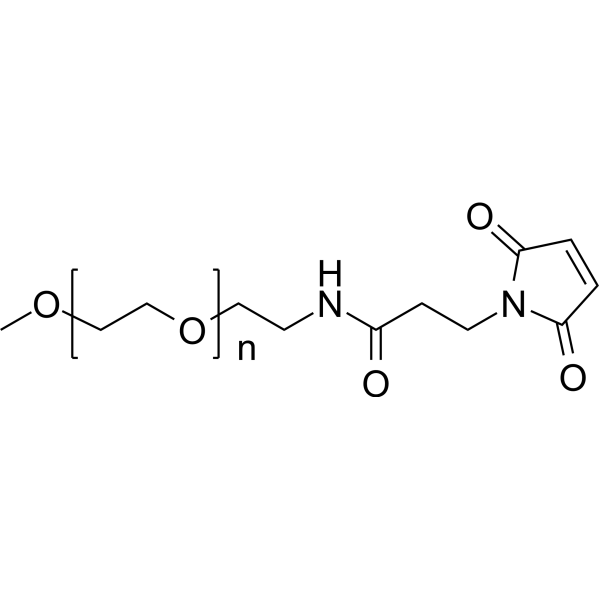
mPEG5000-Mal (mPEG5000-Maleimide) is a PEG-derived selective covalent binding agent for sulfhydryl groups (RSGs), which can form irreversible thioether bonds with sulfhydryl groups under near-neutral conditions via the maleimide group. The mechanism of action of mPEG5000-Mal can be divided into two categories: firstly, as an enzyme modifier, it binds to target proteins through hydrophobic interactions, hydrogen bonds, and van der Waals forces, altering the protein's secondary structure; secondly, as a nanoparticle surface modifier, it covalently binds to sulfhydryl groups on the surface of red blood cells, changing the surface properties and morphology of the red blood cells, leading to their phagocytosis by macrophages of the reticuloendothelial system. mPEG5000-Mal can react with free cysteine in proteins, increasing the apparent molecular weight of the modified protein by 10-15 kDa for detection purposes. mPEG5000-Mal can enhance the thermal stability and catalytic activity of enzymes, and improve the macrophage targeting of nanoparticles, enabling targeted drug delivery. mPEG5000-Mal can be applied in enzyme engineering research in the food industry and in oncology, assisting radiotherapy by inhibiting tumor-associated macrophage infiltration and enhancing anti-tumor immune responses .
loading...
    loading...
Cat. No.: HY-170430
CAS No.: 3055558-98-7
Research Areas:  

Cancer

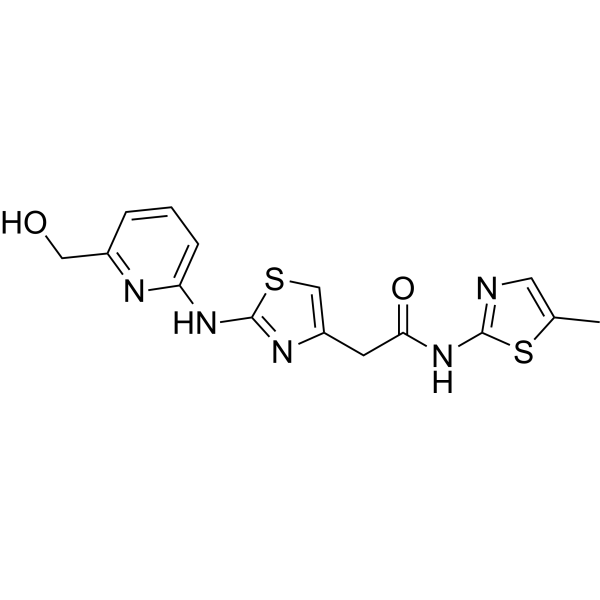
HGC652 is a molecular glue degrader targeting TRIM21 with a TRIM21-dependent nuclear membrane disruption effect. HGC652 binds to the PRY-SPRY domain of TRIM21 with high affinity (Ka=0.061 μM), mediates the interaction between TRIM21 and NUP98, and redirects E3 ligase activity. By triggering the polyubiquitination and proteasomal degradation of nucleoporins (such as NUP155 and GLE1), HGC652 disrupts nuclear membrane integrity, alters nuclear morphology, induces genomic instability, and thereby induces cancer cell death .
loading...
    loading...
Cat. No.: HY-145942
CAS No.: 26680-54-6
Purity:  99.69%
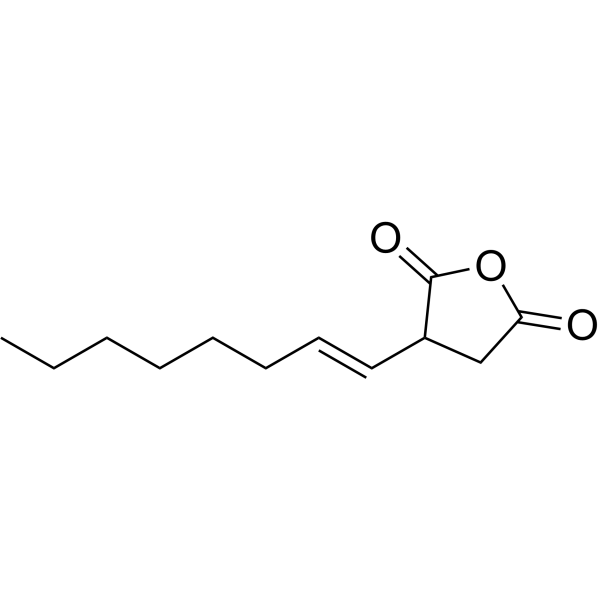
Octenyl succinic anhydride is a versatile chemical intermediate. Octenyl succinic anhydride can undergo esterification with polysaccharides such as starch and Inulin (HY-N7075). Octenyl succinic anhydride affects the intermolecular interactions on the outer surfaces of two starch granules by altering the molecular surface structure. Octenyl succinic anhydride modifies the properties of polysaccharides. Octenyl succinic anhydride can be used for starch esterification to produce OS-starch, an amphiphilic hydrocolloid .
loading...
    loading...
Cat. No.: HY-100897
CAS No.: 57821-29-1
Synonyms: Vessel due F
Target:  

Thrombin

Research Areas:  

Cardiovascular Disease

Sulodexide is a mixture of glycosaminoglycans available in soft capsule form for oral administration. It is composed of low molecular weight heparin (80%) and dermatan sulfate (20%). Sulodexide exhibits antithrombotic activity through interaction with antithrombin III (AT III) and heparin cofactor II (HC II), and inhibition of thrombin formation. Sulodexide exhibits profibrinolytic activity through release of tissue plasminogen activator (tPA). Sulodexide exhibits endothelial protective and anti-inflammatory effect, ameliorates chronic venous disease . Sulodexide is a glycosaminoglycan mixture available in soft gelatin capsule form for oral administration.
loading...
    loading...
Cat. No.: HY-W440896
Target:  

Liposome

Research Areas:  

Others

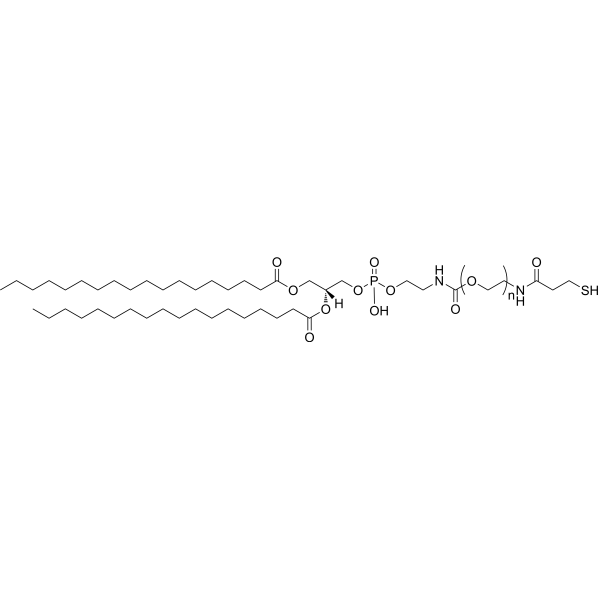
DSPE-PEG2000-SH is an amphiphilic thiol-functionalized DSPE-PEG molecule. DSPE-PEG2000-SH inserts into extracellular vesicle (EV) bilayer membranes via hydrophobic interactions, displaying surface thiol groups to form EV-SH crosslinkers.DSPE-PEG2000-SH enables crosslinking of EV-SH with 8-arm PEG-norbornene via thiol-ene photochemistry to construct hydrogels, with hydrogel mechanical properties tunable via PEG segment molecular weight variation.DSPE-PEG2000-SH can be used to encapsulate agents for drug delivery system, such as mRNA vaccine .
loading...
    loading...
Cat. No.: HY-139662
CAS No.: 2387821-46-5
Purity:  99.73%
Research Areas:  

Cancer

HB007 is a SUMO1 molecular glue degrader targeting CAPRIN1 and FBXO42. HB007 selectively binds CAPRIN1 to induce CAPRIN1-FBXO42 interaction, recruits SUMO1 to the CAPRIN1-CUL1-FBXO42 E3 ligase complex, and drives SUMO1 ubiquitination and degradation without affecting SUMO2/3. HB007 induces TCF4 deSUMOylation and proteasomal degradation to inhibit StarD7 transcriptional activity, reduces StarD7 mRNA and protein levels, and triggers ER stress and ROS production. HB007 can be used for the research of brain cancer, breast cancer, colon cancer, lung cancer .
loading...
    loading...
Cat. No.: HY-148523
CAS No.: 2750644-31-4
Purity:  99.51%
Target:  

Molecular Glues CDK

Research Areas:  

Cancer

HQ005 is a potent CCNK degrader with an DC50 value of 0.041 µM. HQ005 is a molecular-glue degrader that mediates interactions between target proteins and components of the ubiquitin-proteasome system to cause selective protein degradation .
loading...
    loading...
Cat. No.: HY-Y0537B
CAS No.: 7447-40-7
Potassium chloride, for molecular biology is potassium chloride that can be used in molecular biology. Potassium chloride, for molecular biology affects the stability of biological membranes by disrupting the electrostatic interactions between proteins and lipids. Potassium chloride, for molecular biology affects the solubility of myofibrillar proteins and the integrity of mitochondria. Potassium chloride, for molecular biology is commonly used in homogenization buffers and protein extraction procedures .
loading...
    loading...
Cat. No.: HY-153193
CAS No.: 2765539-59-9
Research Areas:  

Metabolic Disease

LSN3160440 is an allosteric modulator of GLP-1R, which acts as a protein–protein interaction (PPI) stabilizer or molecular glue to assist in the adhesion of inactive GLP-1 (9-36) NH2 on GLP-1R .
loading...
    loading...
Cat. No.: HY-144984
CAS No.: 2763260-30-4
Purity:  99.51%
Research Areas:  

Cancer

NRX-1933 is a molecular glue (molecular glue) that enhances the interaction between β-catenin and β-TrCP. NRX-1933 promotes the ubiquitination and subsequent degradation of mutant β-catenin. NRX-1933 can be applied to tumor research involving aberrant activation of the Wnt/β-catenin signaling pathway .
loading...
    loading...
Cat. No.: HY-138155
CAS No.: 730960-98-2
Purity:  99.90%
Target:  

DNA/RNA Synthesis

Research Areas:  

Cancer

NSC15520 is a small molecular inhibitor of Replication Protein A (RPA). NSC15520 specifically recognizes the RPA N-terminal DNA binding domain (DBD), and blocks the interaction of RPA with p53 or RAD9. NSC15520 also inhibtis helix destabilization of a duplex DNA (dsDNA) oligonucleotide, involves in DNA replication, DNA repair, DNA recombination, and DNA damage response signaling .
loading...
    loading...
Cat. No.: HY-100897A
CAS No.: 57821-29-1
Target:  

Thrombin

Research Areas:  

Cardiovascular Disease

Sulodexide solution is a mixture of glycosaminoglycans that can be administered by injection. It is composed of low molecular weight heparin (80%) and dermatan sulfate (20%). Sulodexide exhibits antithrombotic activity through interaction with antithrombin III (AT III) and heparin cofactor II (HC II), and inhibition of thrombin formation. Sulodexide exhibits profibrinolytic activity through release of tissue plasminogen activator (tPA). Sulodexide exhibits endothelial protective and anti-inflammatory effect, ameliorates chronic venous disease.
loading...
    loading...

