25 Results for "

neuronal firing

" in MedChemExpress (MCE) Product Catalog:
Products (25)

25 Results for "neuronal firing" in MCE Product Catalog:

2
2 Cited Publications
Cat. No.: HY-107648
CAS No.: 55-45-8
Purity:  99.81%
Target:  

mAChR

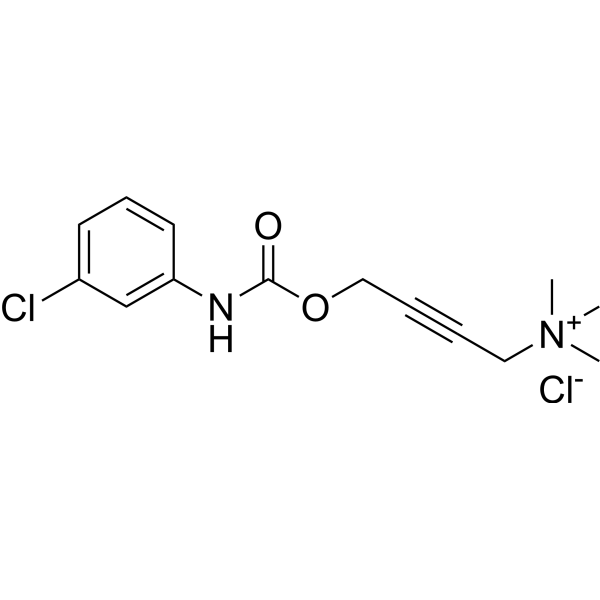
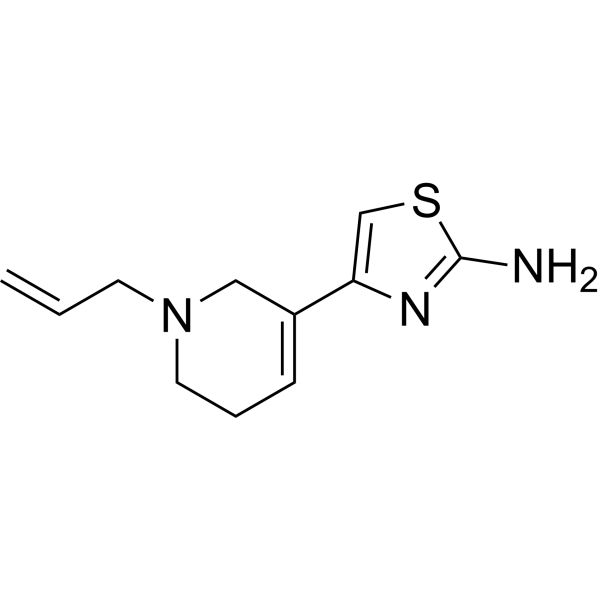
McN-A-343 is a selective M1 muscarinic agonist that stimulates muscarinic transmission in sympathetic ganglia. McN-A-343 produces a significant inhibitory effect on Muscarine (HY-121404)-evoked catecholamine secretion from the isolated perfused rat adrenal gland. McN-A-343 is involved in the regulation of neuronal firing and activates enteroendocrine L cells to release glucagon-like peptide 1 (GLP-1) and modulates the secretion of α-melanocyte stimulating hormone (α-MSH) from the pituitary gland in the central nervous system. McN-A-343 reduces colonic inflammation and oxidative stress in Acetic acid (HY-Y0319)-induced ulcerative colitis (UC) mice. McN-A-343 can be used for the study of ulcerative colitis .
loading...
    loading...
2
2 Cited Publications
Cat. No.: HY-148502
CAS No.: 2926782-31-0
Purity:  98.61%
Target:  

mAChR

Research Areas:  

Neurological Disease

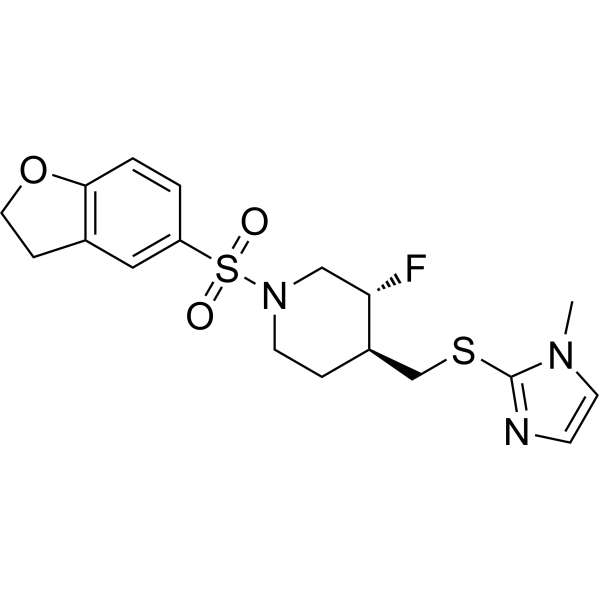
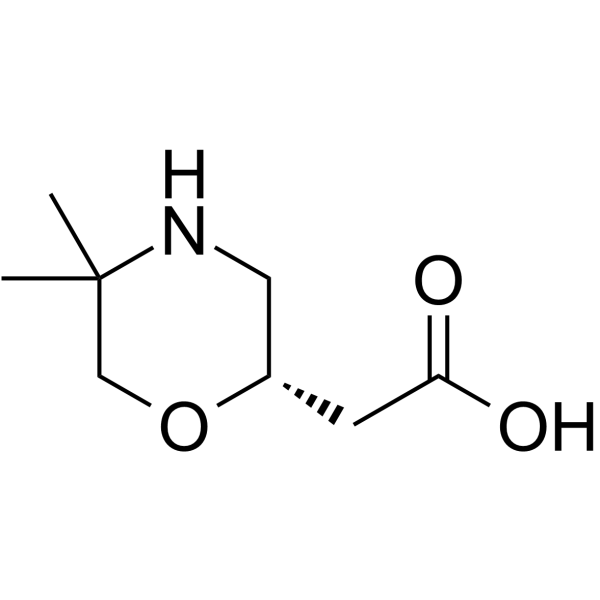
VU6019650 is a potent and selective orthosteric antagonist of M5 mAChR (IC50=36 nM), can be used for opioid use disorder (OUD) relief. VU6019650 can cross blood brain barrier, potentially modulates the mesolimbic dopaminergic reward circuitry. VU6019650 blocks Oxotremorine M iodide (HY-101372A) induced increases of neuronal firing rates of midbrain dopamine neurons in the ventral tegmental area (VTA) .
loading...
    loading...
Cat. No.: HY-B1657A
CAS No.: 92134-98-0
Target:  

Sodium Channel

Research Areas:  

Neurological Disease

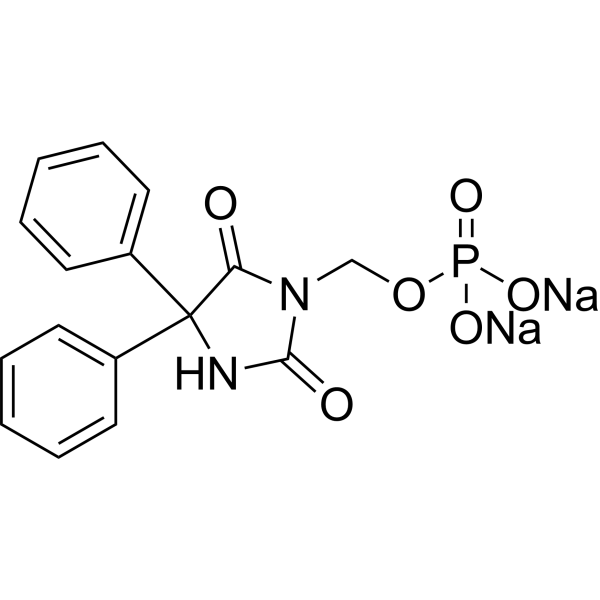
Fosphenytoin sodium is a phenytoin proagent with similar anticonvulsant properties. Its main mechanism is to block frequency-dependent, use-dependent and voltage-dependent neuronal sodium channels, and therefore limit repetitive firing of action potentials.
loading...
    loading...
Cat. No.: HY-110023
CAS No.: 60525-15-7
Purity:  98.27%
Target:  

Serotonin Transporter

Research Areas:  

Neurological Disease

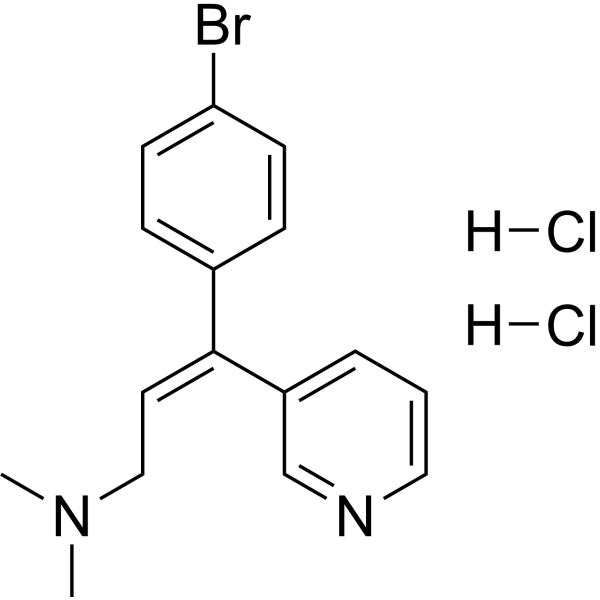
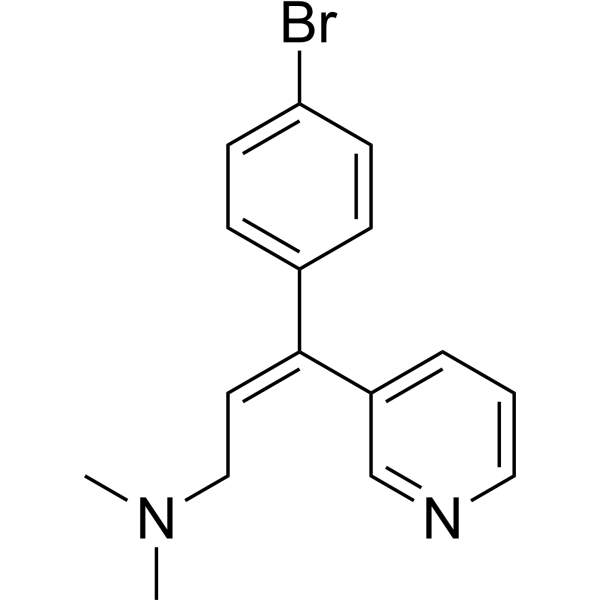
Zimelidine dihydrochloride is an orally active selective serotonin reuptake inhibitor. Zimelidine dihydrochloride competitively inhibits central 5-HT uptake and desensitizes 5-HT autoreceptors in dorsal raphe nucleus. Zimelidine dihydrochloride time-dependently modulates 5-HT neuronal firing and hippocampal CA3 responses. Zimelidine dihydrochloride strengthens central serotonergic neurotransmission and produces related behavioral changes. Zimelidine dihydrochloride exerts anxiolytic, analgesic, feeding-suppressive and tolerance-attenuating effects. Zimelidine dihydrochloride is used for the study of depressive disorders and analgesic tolerance .
loading...
    loading...
Cat. No.: HY-12783A
CAS No.: 733717-87-8
Purity:  ≥98.0%
Target:  

GABA Receptor

Research Areas:  

Neurological Disease

SCH 50911 is a selective, orally active, blood-brain barrier permeable GABA-B receptor (GABA-B Receptor) antagonist with an IC50 of 1.1 μM in rats. SCH 50911 blocks baclofen-induced antitussive effects, regulates neuronal firing and GABA release. SCH 50911 promotes spontaneous seizures during withdrawal in ethanol-dependent rats, alters reward-related neurotransmission, and reduces or suppresses lever responding and self-administration behaviors of alcohol and sucrose in rats. SCH 50911 is applicable to research related to ethanol withdrawal syndrome, absence epilepsy and alcohol use disorder .
loading...
    loading...
Cat. No.: HY-W101673
CAS No.: 2416-95-7
Dipropofol is a dimeric derivative of Propofol (HY-B0649) with antioxidant and antibacterial activities. Dipropofol terminates free radical chain reactions, scavenges DPPH free radicals and inhibits lipid peroxidation. Dipropofol protects cells from death induced by glutamate, Aβ(25-35) and buthionine sulfoximine, and increases the survival rate of mice exposed to oxygen. Dipropofol selectively activates tonic GABAA currents, hyperpolarizes resting membrane potential, reduces action potential firing, and alleviates the severity of seizures induced by Kainic acid. Dipropofol can be used in the research of Gram-positive bacterial infections, Alzheimer's disease, cerebral ischemia-related neuronal injury, oxygen toxicity and temporal lobe epilepsy .
loading...
    loading...
Cat. No.: HY-100908
CAS No.: 1016-47-3
Purity:  96.44%
Synonyms: N10-Acetyltryptamine; Nb-Acetyltryptamine; Nω-Acetyltryptamine
Target:  

Melatonin Receptor

Research Areas:  

Others

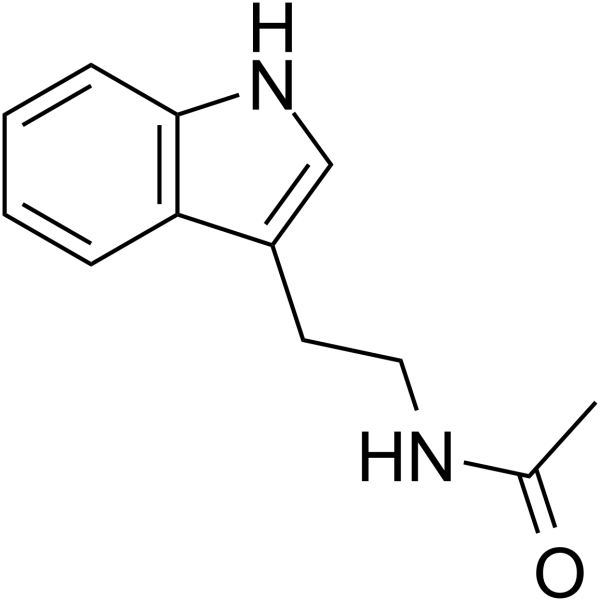
N-Acetyltryptamine (N10-Acetyltryptamine) is a mixed agonist-antagonist of the melatonin receptor. N-Acetyltryptamine inhibits acetylserotonin methyltransferase, blocks the conversion of N-acetylserotonin to melatonin, and inhibits neuronal firing activity in suprachiasmatic nucleus neurons. N-Acetyltryptamine is a physiological constituent of mammalian blood. N-Acetyltryptamine is a metabolite of tryptamine in Bacillus cereus .
loading...
    loading...
Cat. No.: HY-P10979
CAS No.: 116786-35-7
Research Areas:  

Neurological Disease

Buccalin is a neuropeptide that colocalizes with small molecule cardioactive peptides in neuronal B15. When exogenously applied to the ARC neuromuscular junction, Buccalin reduces the amplitude of muscle contraction induced by motor neuron firing and acts only presynaptically. Buccalin has no effect on the rate of muscle relaxation and reduces motor neuron-induced ARC excitatory junction potentials without affecting contraction produced by direct acetylcholine action on the muscle .
loading...
    loading...
Cat. No.: HY-118835
CAS No.: 56775-88-3
Target:  

Serotonin Transporter

Research Areas:  

Neurological Disease

Zimelidine is an orally active selective serotonin reuptake inhibitor. Zimelidine competitively inhibits central 5-HT uptake and desensitizes 5-HT autoreceptors in dorsal raphe nucleus. Zimelidine time-dependently modulates 5-HT neuronal firing and hippocampal CA3 responses. Zimelidine strengthens central serotonergic neurotransmission and produces related behavioral changes. Zimelidine exerts anxiolytic, analgesic, feeding-suppressive and tolerance-attenuating effects. Zimelidine is used for the study of depressive disorders and analgesic tolerance .
loading...
    loading...
Cat. No.: HY-118461
CAS No.: 108351-91-3
Target:  

Dopamine Receptor

Research Areas:  

Neurological Disease

PD 120697 is an orally active dopamine (DA) agonist. PD 120697 inhibits striatal DA synthesis, DA neuronal firing, spontaneous locomotor activity, and reverses Reserpine (HY-N0480)-induced depression .
loading...
    loading...
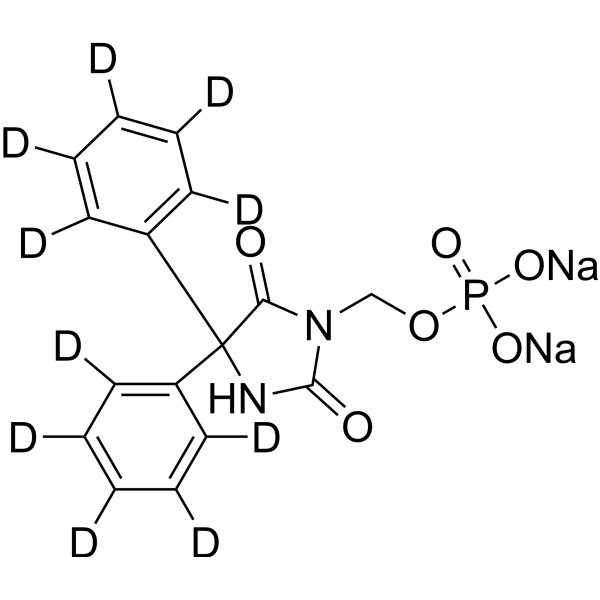
Cat. No.: HY-B1657AS
Fosphenytoin-d10 (disodium) is deuterium labeled Fosphenytoin (disodium). Fosphenytoin sodium is a phenytoin proagent with similar anticonvulsant properties. Its main mechanism is to block frequency-dependent, use-dependent and voltage-dependent neuronal sodium channels, and therefore limit repetitive firing of action potentials.
loading...
    loading...
Cat. No.: HY-14856
CAS No.: 223445-75-8
Synonyms: PD 0200390
Target:  

Calcium Channel

Research Areas:  

Neurological Disease

Atagabalin (PD 0200390) is a Voltage-gated Calcium channel α2δ subunit binder with an IC50 of 22 nM. Atagabalin regulates neurotransmitter release by inhibiting calcium influx at high neuronal firing rates. Atagabalin can be used in research related to sleep disorders .
loading...
    loading...
Cat. No.: HY-B1657AR
CAS No.: 92134-98-0
Research Areas:  

Neurological Disease

Fosphenytoin (disodium) (Standard) is the analytical standard of Fosphenytoin (disodium). This product is intended for research and analytical applications. Fosphenytoin sodium is a phenytoin proagent with similar anticonvulsant properties. Its main mechanism is to block frequency-dependent, use-dependent and voltage-dependent neuronal sodium channels, and therefore limit repetitive firing of action potentials.
loading...
    loading...
Cat. No.: HY-10955
CAS No.: 918333-06-9
Target:  

Calcium Channel

Research Areas:  

Neurological Disease

TTA-P1 is a potent state-independent compound inhibiting human T-type calcium channel. T-type calcium channels play a role in diverse physiological responses including neuronal burst firing, hormone secretion, and cell growth. TTA-P1 has the potential for the research of absence epilepsy .
loading...
    loading...
Cat. No.: HY-100481
CAS No.: 139088-45-2
Synonyms: RPR101048
Research Areas:  

Neurological Disease

RP 72540 is a selective CCK-B receptor antagonist, with IC50 values of 2.4, 1.2, and 3.8 nM for CCK-B receptors in the guinea pig cerebral cortex, rat cerebral cortex, and mouse brain, respectively. RP 72540 effectively inhibits CCK-8-induced neuronal firing and dose-dependently inhibits gastric acid secretion, making it potentially valuable in studies of acid secretion. RP 72540 is an important tool for investigating the physiological functions of CCK B receptors .
loading...
    loading...
Cat. No.: HY-100908R
CAS No.: 1016-47-3
Synonyms: N10-Acetyltryptamine (Standard); Nb-Acetyltryptamine (Standard); Nω-Acetyltryptamine (Standard)
Research Areas:  

Others

N-Acetyltryptamine (Standard) (N10-Acetyltryptamine (Standard); Nb-Acetyltryptamine (Standard); Nω-Acetyltryptamine (Standard)) is the analytical standard of N-Acetyltryptamine (HY-100908). This product is intended for research and analytical applications. N-Acetyltryptamine (N10-Acetyltryptamine) is a mixed agonist-antagonist of the melatonin receptor. N-Acetyltryptamine inhibits acetylserotonin methyltransferase, blocks the conversion of N-acetylserotonin to melatonin, and inhibits neuronal firing activity in suprachiasmatic nucleus neurons. N-Acetyltryptamine is a physiological constituent of mammalian blood. N-Acetyltryptamine is a metabolite of tryptamine in Bacillus cereus .
loading...
    loading...
Cat. No.: HY-12783
CAS No.: 160415-07-6
Target:  

GABA Receptor

Research Areas:  

Neurological Disease

SCH 50911 dihydrochloride is a selective, orally active, blood-brain barrier permeable GABA-B receptor (GABA-B Receptor) antagonist with an IC50 of 1.1 μM in rats. SCH 50911 dihydrochloride blocks baclofen-induced antitussive effects, regulates neuronal firing and GABA release. SCH 50911 dihydrochloride promotes spontaneous seizures during withdrawal in ethanol-dependent rats, alters reward-related neurotransmission, and reduces or suppresses lever responding and self-administration behaviors of alcohol and sucrose in rats. SCH 50911 dihydrochloride is applicable to research related to ethanol withdrawal syndrome, absence epilepsy and alcohol use disorder .
loading...
    loading...
Cat. No.: HY-110023R
CAS No.: 60525-15-7
Zimelidine dihydrochloride (Standard) is the analytical standard of Zimelidine dihydrochloride (HY-110023). This product is intended for research and analytical applications. Zimelidine dihydrochloride is an orally active selective serotonin reuptake inhibitor. Zimelidine dihydrochloride competitively inhibits central 5-HT uptake and desensitizes 5-HT autoreceptors in dorsal raphe nucleus. Zimelidine dihydrochloride time-dependently modulates 5-HT neuronal firing and hippocampal CA3 responses. Zimelidine dihydrochloride strengthens central serotonergic neurotransmission and produces related behavioral changes. Zimelidine dihydrochloride exerts anxiolytic, analgesic, feeding-suppressive and tolerance-attenuating effects. Zimelidine dihydrochloride is used for the study of depressive disorders and analgesic tolerance .
loading...
    loading...
Cat. No.: HY-118835S
CAS No.: 1185239-75-1
Zimeldine-d6 is the deuterium labeled Zimeldine (HY-118835) . Zimelidine is an orally active selective serotonin reuptake inhibitor. Zimelidine competitively inhibits central 5-HT uptake and desensitizes 5-HT autoreceptors in dorsal raphe nucleus. Zimelidine time-dependently modulates 5-HT neuronal firing and hippocampal CA3 responses. Zimelidine strengthens central serotonergic neurotransmission and produces related behavioral changes. Zimelidine exerts anxiolytic, analgesic, feeding-suppressive and tolerance-attenuating effects. Zimelidine is used for the study of depressive disorders and analgesic tolerance .
loading...
    loading...
Cat. No.: HY-W101673R
CAS No.: 2416-95-7
Research Areas:  

Others

Dipropofol (Standard) is the analytical standard of Dipropofol. This product is intended for research and analytical applications. Dipropofol is a dimeric derivative of Propofol (HY-B0649) with antioxidant and antibacterial activities. Dipropofol terminates free radical chain reactions, scavenges DPPH free radicals and inhibits lipid peroxidation. Dipropofol protects cells from death induced by glutamate, Aβ(25-35) and buthionine sulfoximine, and increases the survival rate of mice exposed to oxygen. Dipropofol selectively activates tonic GABAA currents, hyperpolarizes resting membrane potential, reduces action potential firing, and alleviates the severity of seizures induced by Kainic acid. Dipropofol can be used in the research of Gram-positive bacterial infections, Alzheimer's disease, cerebral ischemia-related neuronal injury, oxygen toxicity and temporal lobe epilepsy .
loading...
    loading...

