7 Results for "

nucleic acid samples

" in MedChemExpress (MCE) Product Catalog:
Products (7)

7 Results for "nucleic acid samples" in MCE Product Catalog:

Cat. No.: HY-D0856
CAS No.: 6976-37-0
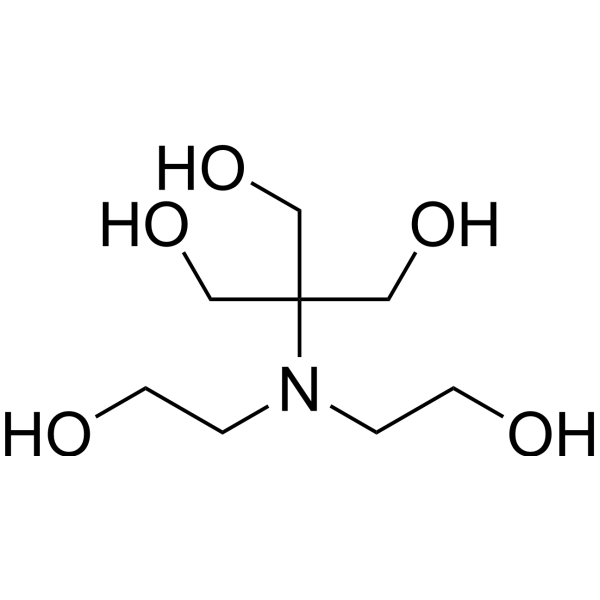
Bis-Tris is an amine buffer suitable for protein and nucleic acid systems with a pH buffer range of 5.8-7.2. Bis-Tris can also be mixed with HEPES and cacodylic acid buffer to create a pH 8 environment and monitor fluorescence emission intensity at 305 nm. Gels formulated with Bis-Tris also avoid protein degradation in samples prepared at higher pH (pH 8.5) .
loading...
    loading...
Cat. No.: HY-W105681
CAS No.: 124763-51-5
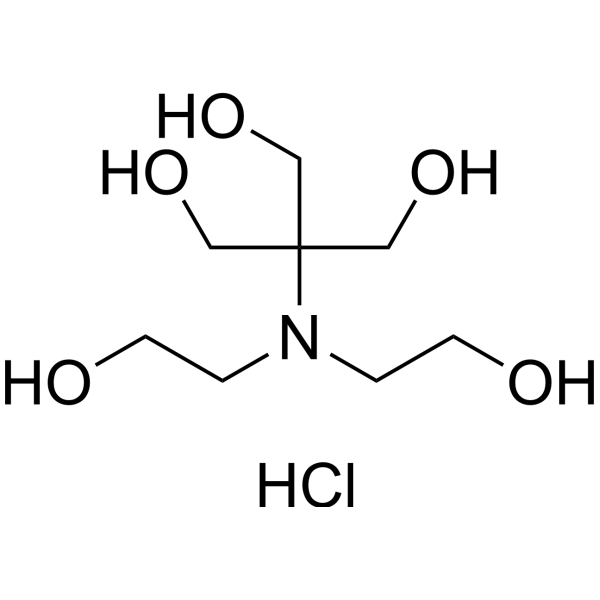
Bis-Tris hydrochloride is an amine buffer suitable for protein and nucleic acid systems with a pH buffer range of 5.8-7.2. Bis-Tris hydrochloride can also be mixed with HEPES and cacodylic acid buffer to create a pH 8 environment and monitor fluorescence emission intensity at 305 nm. Gels formulated with Bis-Tris also avoid protein degradation in samples prepared at higher pH (pH 8.5) .
loading...
    loading...
Cat. No.: HY-W090065
CAS No.: 93324-65-3
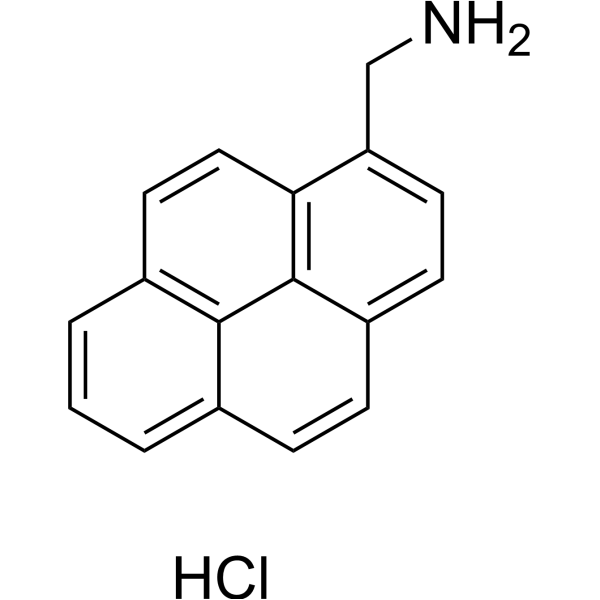
Synonyms: 1-Pyrenemethylamine hydrochloride
Pyren-1-ylmethanamine hydrochloride, Pyren-1-ylmethanamine hydrochloride is commonly used as a fluorescent probe in biochemistry and molecular biology to detect and study nucleic acids, proteins and other biomolecules, moreover, it has been used in analytical chemistry Among them, for the detection of heavy metals and other pollutants in environmental samples, the pyrene group in the molecule exhibits strong fluorescence properties, which makes it useful as a sensitive and selective detector in various applications.
loading...
    loading...
Cat. No.: HY-D0856R
CAS No.: 6976-37-0
Bis-Tris (Standard) is the analytical standard of Bis-Tris. This product is intended for research and analytical applications. Bis-Tris is an amine buffer suitable for protein and nucleic acid systems with a pH buffer range of 5.8-7.2. Bis-Tris can also be mixed with HEPES and cacodylic acid buffer to create a pH 8 environment and monitor fluorescence emission intensity at 305 nm. Gels formulated with Bis-Tris also avoid protein degradation in samples prepared at higher pH (pH 8.5) .
loading...
    loading...
Cat. No.: HY-D0856S1
Bis-Tris-d14 is the deuterium labeled Bis-Tris (HY-D0856). Bis-Tris is an amine buffer suitable for protein and nucleic acid systems with a pH buffer range of 5.8-7.2. Bis-Tris can also be mixed with HEPES and cacodylic acid buffer to create a pH 8 environment and monitor fluorescence emission intensity at 305 nm. Gels formulated with Bis-Tris also avoid protein degradation in samples prepared at higher pH (pH 8.5) .
loading...
    loading...
Cat. No.: HY-K0223

MCE Hydroxyl Magnetic beads (200 nm, 10 mg/mL) can rapidly isolate nucleic acids from biological samples, which is conducive to the automation and high throughput extraction of nucleic acids.

loading...
    loading...
Cat. No.: HY-KD1004A
Multiplex immunohistochemistry is also known as Tyramide Signal Amplification (TSA, Tyramide dignal amplification). It has been used for more than 20 years as an enzymatic assay for high-density in situ labelling of target proteins or nucleic acids by horseradish peroxidase (HRP). The method is based on multiple cis-immunostaining with tyramide signal amplification, which allows the detection of multiple target sites in cell or tissue samples in situ, and elucidation of their interaction mechanism through the study of the combination and positional relationship of these target sites.
loading...
    loading...

