75 Results for "

phase II

" in MedChemExpress (MCE) Product Catalog:
Products (75)

75 Results for "phase II" in MCE Product Catalog:

5
5 Cited Publications
Cat. No.: HY-105930
CAS No.: 135558-11-1
Purity:  ≥98.0%
Synonyms: D-19466
Research Areas:  

Cancer

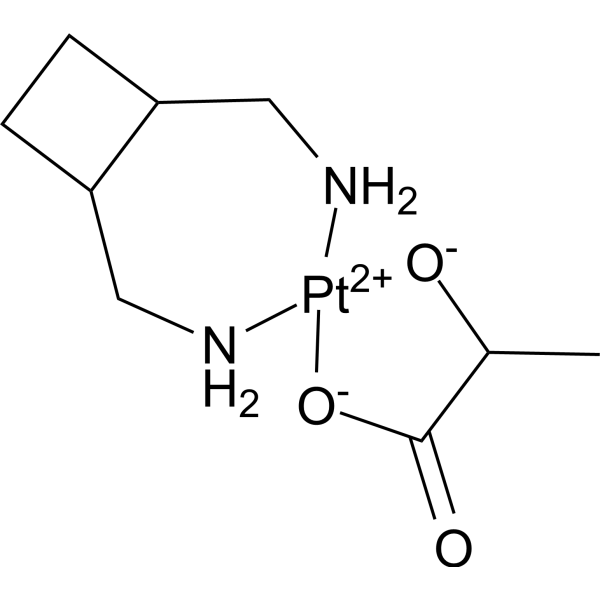
Lobaplatin (D-19466) is a diastereometric mixture of platinum(II) complexe. Lobaplatin arrests cell cycle at G1 and G2/M phase. Lobaplatin induces apoptosis by increasing expressions of caspase and Bax, decreasing expression of Bcl-2. Lobaplatin can be used for research of cancer .
loading...
    loading...
3
3 Cited Publications
Cat. No.: HY-N0202
CAS No.: 73069-14-4
Synonyms: Asterolide
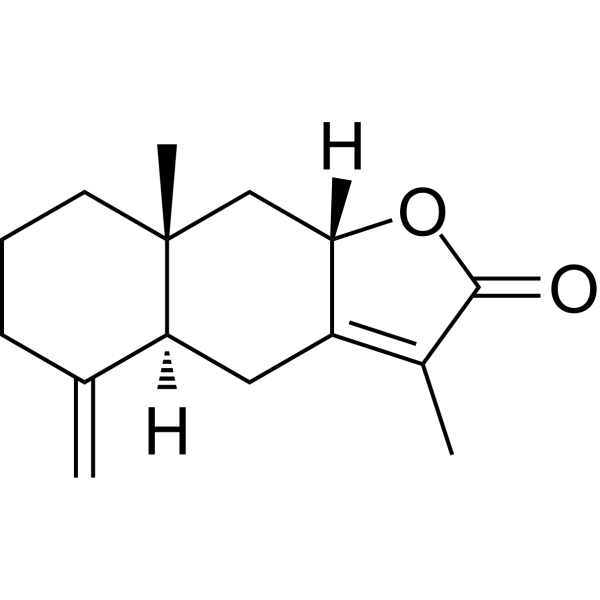
Atractylenolide II (Asterolide) is a sesquiterpenoid compound. Atractylenolide II can induce G1 phase cell cycle arrest and apoptosis in B16 melanoma cells. Atractylenolide II is an orally effective anticancer agent that can exert anti-melanoma effects by inhibiting the STAT3 signaling pathway. In addition, Atractylenolide II has been shown to ameliorate myocardial fibrosis, oxidative stress, and neuroprotective activity .
loading...
    loading...
3
3 Cited Publications
Cat. No.: HY-13721
CAS No.: 81267-65-4
Purity:  99.89%
Synonyms: Idronoxil; Dehydroequol; Haginin E
Research Areas:  

Cancer

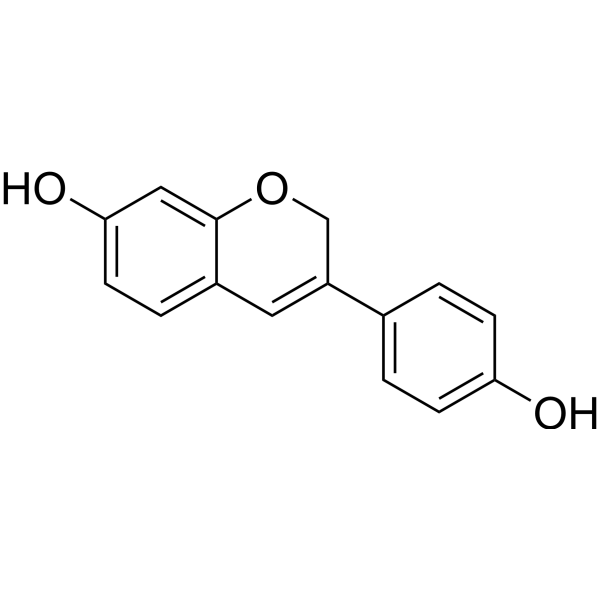
Phenoxodiol (Idronoxil), a synthetic analog of Genestein, activates the mitochondrial caspase system, inhibits XIAP (an apoptosis inhibitor), and sensitizes the cancer cells to Fas-mediated apoptosis. Phenoxodiol also inhibits DNA topoisomerase II by stabilizing the cleavable complex. Phenoxodiol induces cell cycle arrest in the G1/S phase of the cell cycle and upregulates p21 WAF1 via a p53 independent manner .
loading...
    loading...
2
2 Cited Publications
Cat. No.: HY-13755A
CAS No.: 142825-10-3
Purity:  99.48%
Synonyms: L-Sulforaphane
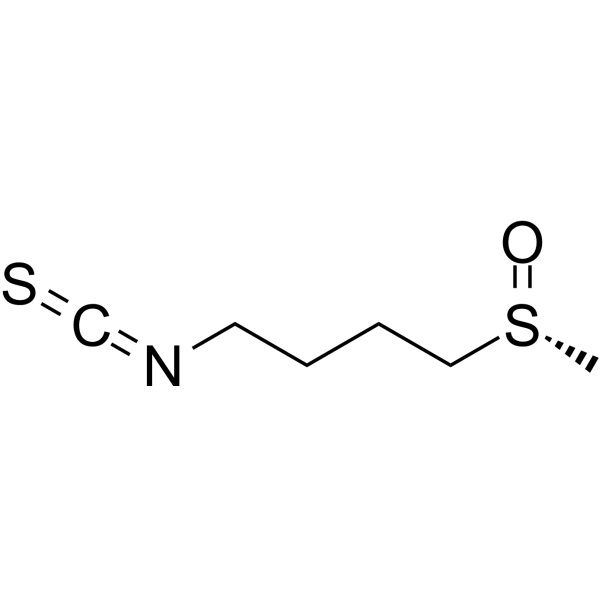
(R)-Sulforaphane (L-Sulforaphane) is a orally active, potent inducer of the Keap1/Nrf2/ARE pathway, exhibiting antioxidant and anticancer activities. (R)-Sulforaphane primarily functions by upregulating phase II detoxifying enzymes in cells, aiding in the removal of carcinogens and combating oxidative stress. (R)-Sulforaphane is capable of modulating gene expression, influencing various signaling pathways, including Nrf2, NF-κB, and AP-1. (R)-Sulforaphane can be used in studies of tumor biology, antioxidant defense mechanisms, as well as inflammation and immune responses .
loading...
    loading...
2
2 Cited Publications
Cat. No.: HY-N12445
CAS No.: 19254-30-9
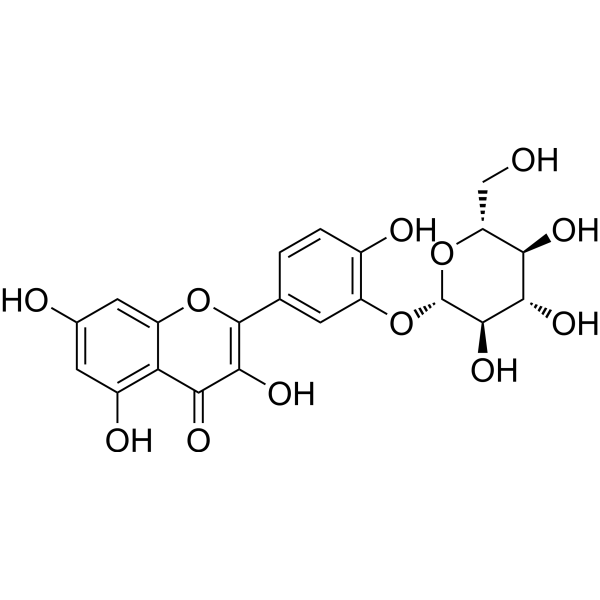
Quercetin-3'-O-glucoside is an orally active flavonoid glycoside. Quercetin-3'-O-glucoside reduces liver glucose-6-phosphatase activity, alters serum insulin and glucose levels, and regulates the activities of antioxidant enzymes in the liver and kidney. Quercetin-3'-O-glucoside inhibits DNA topoisomerase II, induces S-phase cell cycle arrest and caspase-3-mediated apoptosis in hepatocellular carcinoma cells. Quercetin-3'-O-glucoside selectively inhibits EGFR-mediated signaling pathways targeting AKT, ERK1/2, FAK and MEK1/2. Quercetin-3'-O-glucoside inhibits growth factor-induced migration and invasion in pancreatic cancer cells. Quercetin-3'-O-glucoside exerts free radical scavenging effects. Quercetin-3'-O-glucoside is applicable to research related to pancreatic cancer, diabetes, hepatocellular carcinoma and malignant tumors .
loading...
    loading...
Cat. No.: HY-142240
CAS No.: 2209104-84-5
Synonyms: HSK16149
Target:  

Calcium Channel

Research Areas:  

Neurological Disease

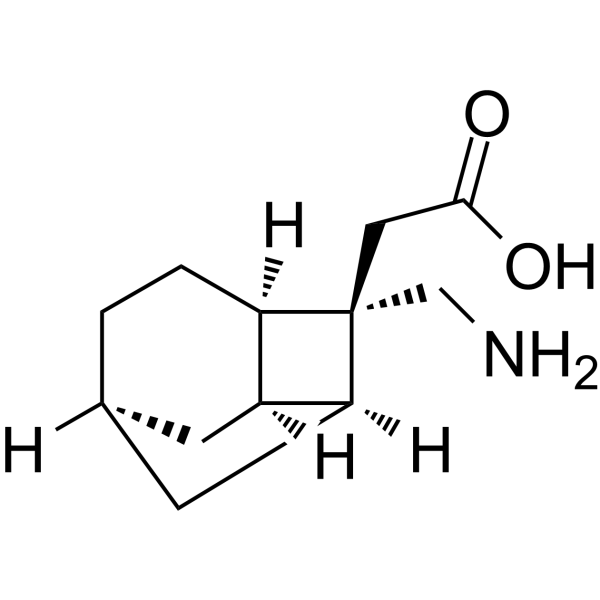
Crisugabalin is an orally active, selective ligand for the α2δ subunit of voltage-gated calcium channels, with a target IC50 of 3.96 nM in rats. Crisugabalin inhibits the binding of [ 3H]gabapentin to the α2δ subunit, reduces calcium influx, decreases neuronal excitability, and impairs nociceptive transmission. Crisugabalin alleviates mechanical allodynia, neuropathic pain and inflammatory pain in rats, and reduces phase II pain behaviors. Crisugabalin can be used in research related to chronic pain, neuropathic pain, diabetic neuropathy, fibromyalgia, inflammatory pain, diabetic peripheral neuropathy and postherpetic neuralgia.
loading...
    loading...
Cat. No.: HY-151027S
CAS No.: 2687960-87-6
Purity:  95.1%
Synonyms: ADT-G-d4
Androsterone glucuronide-d4 (ADT-G-d4) is the deuterated-labeled Androsterone glucuronide (HY-113104). Androsterone glucuronide (ADT-G) is a major phase II glucuronidated metabolite of androgens (such as testosterone and dihydrotestosterone) in the human body and can be found in urine. Androsterone glucuronide levels can reflect the absorption and hepatic metabolism of testosterone. Androsterone glucuronide can be used in research on hirsutism, polycystic ovary syndrome, and moderate acne .
loading...
    loading...
Cat. No.: HY-137967
CAS No.: 38482-81-4
Purity:  ≥98.0%
Synonyms: Genistein 7-O-glucuronide
Target:  

Drug Metabolite

Research Areas:  

Metabolic Disease

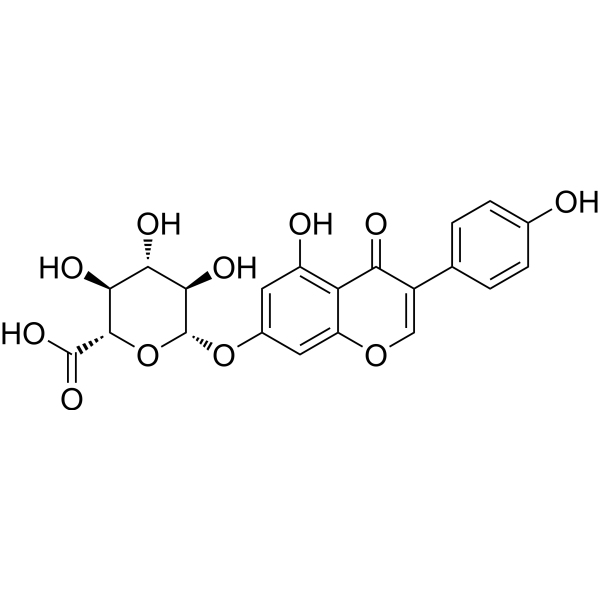
Genistein 7-β-D-Glucuronide (Genistein 7-O-glucuronide) is the primary phase II metabolite of Genistein (HY-14596) in human and rat hepatocytes. Genistein 7-β-D-Glucuronide undergoes distinct deconjugation in different functional assays. Genistein 7-β-D-Glucuronide is produced via hepatic microsomal glucuronidation and shows a mild age-related increase in intrinsic clearance in male F344 rats. Genistein 7-β-D-Glucuronide can be used for research on metabolism .
loading...
    loading...
Cat. No.: HY-P2961
CAS No.: 50812-37-8
Research Areas:  

Cancer

Glutathione S-transferase is a phase II metabolic enzyme composed of three superfamilies: cytosolic, mitochondrial, and microsomal. Glutathione S-transferase possesses multiple catalytic activities, including catalytic detoxification and thiol transfer, as well as molecular chaperone functions. The Glutathione S-transferase isoform GSTP1 is highly expressed in malignant tumors and serves as a tumor biomarker .
loading...
    loading...
Cat. No.: HY-161501
Research Areas:  

Cancer

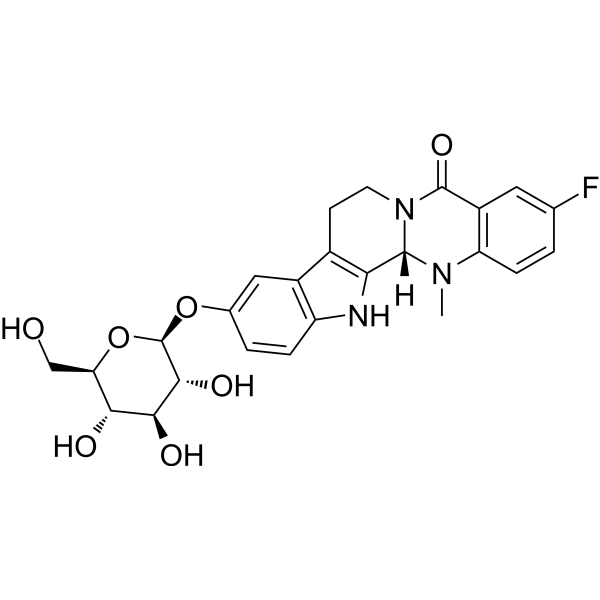
3-Fluoro-evodiamine glucose (Compound 8) is an evodiamine-glucose conjugate. 3-Fluoro-evodiamine glucose activates the expression of glucose transporter 1 (GLUT1), and inhibits topoisomerase I/II. 3-Fluoro-evodiamine glucose induces apoptosis and arrests the cell cycle at G2/M phase. 3-Fluoro-evodiamine glucose exhibits antitumor efficacy in vivo and in vitro, without significant toxicity .
loading...
    loading...
Cat. No.: HY-N1902R
CAS No.: 156-38-7
4-Hydroxyphenylacetic acid (Standard) is the analytical standard of 4-Hydroxyphenylacetic acid. This product is intended for research and analytical applications. 4-hydroxyphenylacetic acid, a major microbiota-derived metabolite of polyphenols, is involved in the antioxidative action. 4-hydroxyphenylacetic acid induces expression of Nrf2 . IC50 & Target:Nrf2 In Vivo: 4-Hydroxyphenylacetic acid (6, 12, or 25 mg/kg) increases Nrf2 translocation to the nucleus and enhances the activity of phase II and antioxidant enzymes. The protein levels of nuclear Nrf2 are increased by 170% and 230% in pre-treated 12 and 25 mg/kg 4-Hydroxyphenylacetic acid groups, respectively, compared with the control group.The 4-Hydroxyphenylacetic acid pretreatment at a final dose of 25 mg/kg markedly and selectively up-regulated the target genes of phase II enzymes and resulted in higher up-regulation than that of the control group by 270%, 400%, and 500% or UGT1A1, UGT1A9, and SULT2A1, respectively. 4-Hydroxyphenylacetic acid also suppresses the expression of CYP2E1 .
loading...
    loading...
Cat. No.: HY-W721119
CAS No.: 129244-98-0
7-Methylsulfinylheptyl isothiocyanate is an activator for MAPK signaling pathway, which downregulates the melanogenesis related proteins and suppresses the melanin synthesis in B16-F1 cells. 7-Methylsulfinylheptyl isothiocyanate induces autophagy. 7-Methylsulfinylheptyl isothiocyanate is an inducer for phase II enzyme, which exhibits chemoprotective effect against carcinogen. 7-Methylsulfinylheptyl isothiocyanate can be used as cosmetic ingredient for skin whitening and anti-inflammation .
loading...
    loading...
Cat. No.: HY-130046
CAS No.: 547-81-9
Purity:  99.04%
Synonyms: 16-epi-Estriol; 16β,17β-Estriol
Target:  

UGT Bacterial

Research Areas:  

Infection Inflammation/Immunology

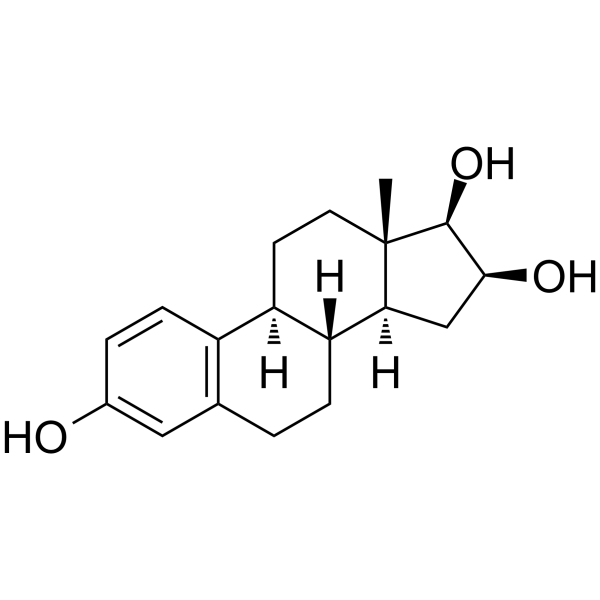
16-Epiestriol (16-epi-Estriol; 16β,17β-Estriol) is a natural stereoisomer of estriol and an anti-inflammatory agent that targets UGT. The Ki values of 16-Epiestriol against human UGT1A10 and UGT2B7 are 98.1 μM and 162 μM, respectively. As a glucuronidation substrate, 16-Epiestriol can be modified at the 3-OH, 16-OH and 17-OH sites by various UGT enzymes; in liver microsomes, the modification mainly occurs at the 16-OH and 17-OH sites, while reactions take place at all three sites in intestinal microsomes. 16-Epiestriol acts on the phase II inflammatory process by blocking edema mediated by prostaglandins and leukocyte infiltration. It lacks glycogenic activity or any effect on blood glucose levels, and serves as an important candidate molecule in the research of inflammatory diseases .
loading...
    loading...
Cat. No.: HY-115772
CAS No.: 20525-20-6
Target:  

Quinone Reductase

Research Areas:  

Cancer

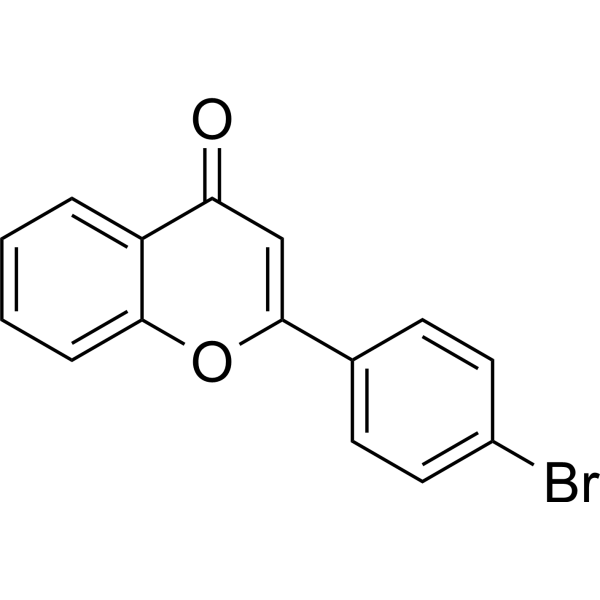
4′-Bromoflavone, a cancer chemopreventive agent, is a potent phase II detoxification enzymes inducer .
loading...
    loading...
Cat. No.: HY-179152
Target:  

Apoptosis Topoisomerase

Research Areas:  

Cancer

Apoptosis inducer 54 is an apoptosis inducer that interacts with topoisomerase II-DNA. Apoptosis inducer 54 induces cell cycle arrest at the S phase in cancer cells. Apoptosis inducer 54 significantly induces early and late apoptosis in A549 cells. Topoisomerase I-IN-20 can be used for the research of lung cancer and colon cancer .
loading...
    loading...
Cat. No.: HY-126121
CAS No.: 51146-55-5
Synonyms: (±)-2-Hydroxy Ibuprofen
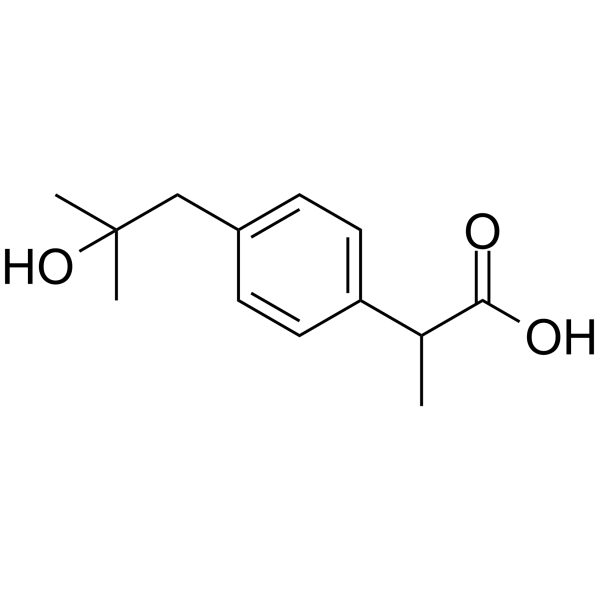
2-Hydroxy Ibuprofen ((±)-2-Hydroxy Ibuprofen) is a major oxidative metabolite of Ibuprofen (HY-78131) . 2-Hydroxy Ibuprofen undergoes phase II metabolism, forming a β-1-O-acyl glucuronide conjugate at the carboxyl group of its propionic acid side chain. 2-Hydroxy Ibuprofen can be used for metabolism-related research .
loading...
    loading...
Cat. No.: HY-N6802
CAS No.: 66069-55-4
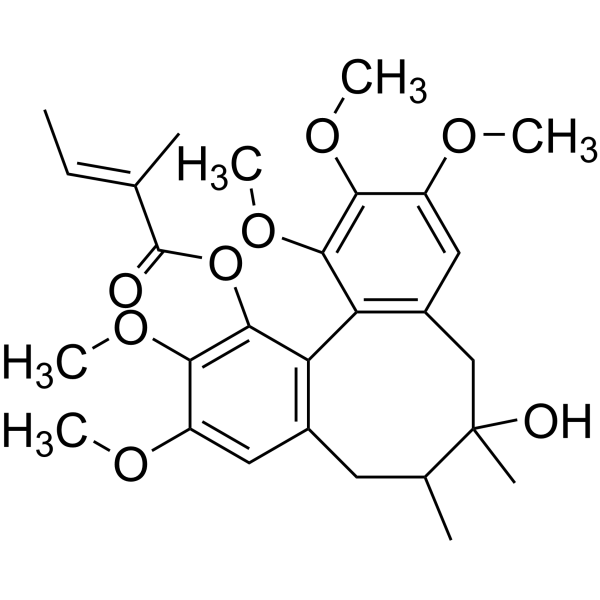
Tigloylgomisin H is a lignan isolated from the fruits of S. chinensis, can induce quinone reductase (QR) activity in Hepa1c1c7 mouse hepatocarcinoma cells. Tigloylgomisin H functions as a monofunctional inducer that specifically upregulates phase II detoxification enzyme NQO1 through the NF-E2-related factor 2 (Nrf2)-ARE pathway, thus represents a potential liver cancer prevention agent .
loading...
    loading...
Cat. No.: HY-14955A
CAS No.: 347870-26-2
Synonyms: (Rac)-MB06322; (Rac)-CS-917
Target:  

Others

Research Areas:  

Others

(Rac)-Managlinat dialanetil ((Rac)-MB06322) is a compound for the inhibition of type 2 diabetes that is in Phase II clinical trials and works by inhibiting gluconeogenesis.
loading...
    loading...
Cat. No.: HY-E70659
Target:  

CDK

Research Areas:  

Cancer

CDK12/CycK Recombinant Human Active Protein Kinase is a cyclin-dependent kinase that phosphorylates the C-terminal domain (CTD) of RNA polymerase II (Pol II), thereby regulating different phases of the transcription cycle from transcription initiation to elongation and termination .
loading...
    loading...
Cat. No.: HY-172338
Synonyms: CHZ-N-Glc
Target:  

Endogenous Metabolite

Research Areas:  

Others

Chlorzoxazone-N-glucuronide is a phase II metabolite of the skeletal muscle relaxant – Chlorzoxazone. Chlorzoxazone-N-glucuronide can be synthesized via glucuronidation of chlorozoxazone by UGT1A9 .
loading...
    loading...

