102 Results for "

polyP granules

" in MedChemExpress (MCE) Product Catalog:
Products (102)

102 Results for "polyP granules" in MCE Product Catalog:

183
183 Publications Verification
Cat. No.: HY-B0011
CAS No.: 114977-28-5
Synonyms: RP-56976
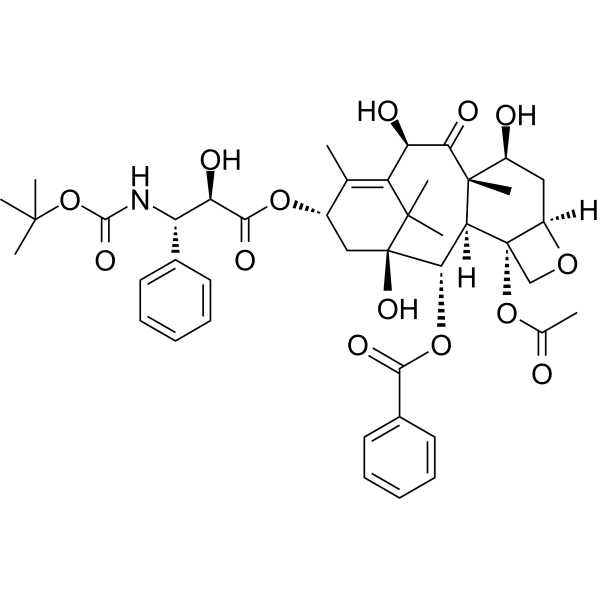
Docetaxel (RP-56976) is an orally active tubulin stabilizer with antitumor activity. Docetaxel is a P-glycoprotein substrate and is metabolized by CYP3A to inactive products. Docetaxel binds tubulin, promotes tubulin polymerization, and inhibits microtubule depolymerization. Docetaxel induces aberrant mitosis followed by necrotic-like cell death at low concentrations, and induces G2/M mitotic arrest and drives apoptosis at high concentrations. Docetaxel induces renal injury/renal alterations, sex-dependent granule toxicity/uptake, low cardiac delivery, and decreased hepatic SOD/increased catalase/hepatotoxicity. Docetaxel can be used in cancer-related research .
loading...
    loading...
183
183 Publications Verification
Cat. No.: HY-B0011A
CAS No.: 148408-66-6
Synonyms: RP-56976 Trihydrate
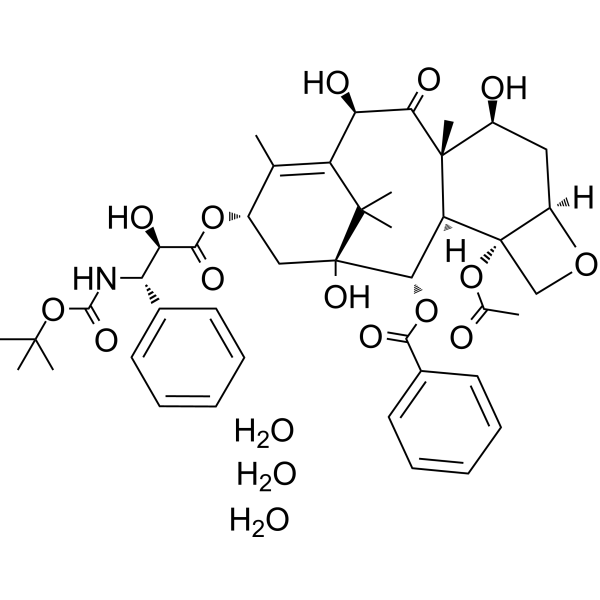
Docetaxel Trihydrate (RP-56976 Trihydrate) is an orally active tubulin stabilizer with antitumor activity. Docetaxel Trihydrate is a P-glycoprotein substrate and is metabolized by CYP3A to inactive products. Docetaxel Trihydrate binds tubulin, promotes tubulin polymerization, and inhibits microtubule depolymerization. Docetaxel Trihydrate induces aberrant mitosis followed by necrotic-like cell death at low concentrations, and induces G2/M mitotic arrest and drives apoptosis at high concentrations. Docetaxel Trihydrate induces renal injury/renal alterations, sex-dependent granule toxicity/uptake, low cardiac delivery, and decreased hepatic SOD/increased catalase/hepatotoxicity. Docetaxel Trihydrate can be used in cancer-related research .
loading...
    loading...
10
10 Cited Publications
Cat. No.: HY-162288
CAS No.: 3036029-72-5
Target:  

DNA/RNA Synthesis

Research Areas:  

Cancer

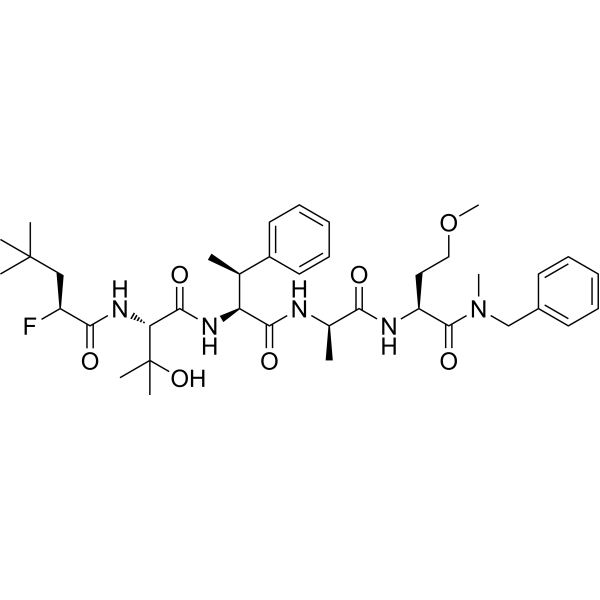
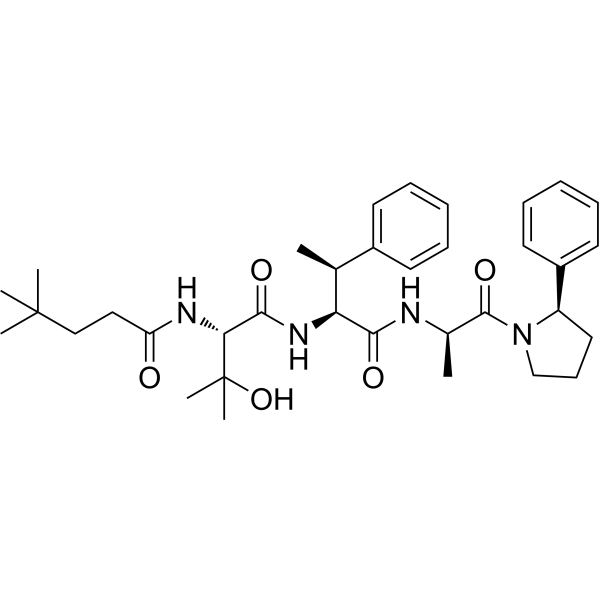
FAZ-3532 is a G3BP inhibitor (Kd = 0.54 μM) which binds to the NTF2L nsP3 binding pocket in G3BP1. FAZ-3532 disrupts the co-condensation of RNA, G3BP1, and caprin 1. FAZ-3532 inhibits G3BP-driven stress granule formation. FAZ-3532 can be studied as a powerful tool to probe the biology of stress granules and a promising interventions designed to modulate stress granule formation .
loading...
    loading...
6
6 Cited Publications
Cat. No.: HY-112680A
CAS No.: 2444713-88-4
Purity:  99.49%
Target:  

G-quadruplex

Research Areas:  

Neurological Disease

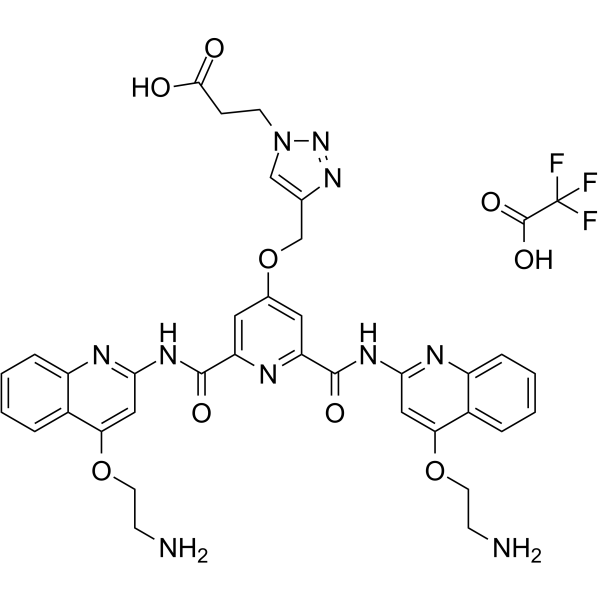
Carboxy pyridostatin trifluoroacetate salt is a G-quadruplex ligand. Carboxy pyridostatin trifluoroacetate salt has a highly molecular specificity to RNA on DNA G4s and reduces ATF-5 protein. Carboxy pyridostatin trifluoroacetate salt reduces cell proliferation and hinders stress granule (SG) formation .
loading...
    loading...
6
6 Cited Publications
Cat. No.: HY-112680
CAS No.: 1417638-60-8
Target:  

G-quadruplex

Research Areas:  

Neurological Disease

Carboxypyridostatin is a G-quadruplex ligand. Carboxypyridostatin has a highly molecular specificity to RNA on DNA G4s and reduces ATF-5 protein. Carboxypyridostatin reduces cell proliferation and hinders stress granule (SG) formation .
loading...
    loading...
3
3 Cited Publications
Cat. No.: HY-162289
CAS No.: 3036029-78-1
Target:  

DNA/RNA Synthesis

Research Areas:  

Neurological Disease Cancer

FAZ-3780 is an inhibitor that binds to the NTF2L domain of G3BP1/2. FAZ-3780 binds to the NTF2L nsP3 of G3BP1 with high affinity, with a Kd of 0.15 μM and a Pep-FRET IC50 of 0.7 μM. FAZ-3780 targets the protein-protein interaction domain of G3BP1/2, and specifically inhibits the co-condensation of G3BP1, caprin 1 and RNA in vitro. FAZ-3780 inhibits stress granule formation and disassembles pre-formed stress granules. FAZ-3780 can be used in studies related to cancer and neurodegenerative diseases .
loading...
    loading...
3
3 Cited Publications
Cat. No.: HY-B0327
CAS No.: 57381-26-7
Synonyms: Dicloguamine
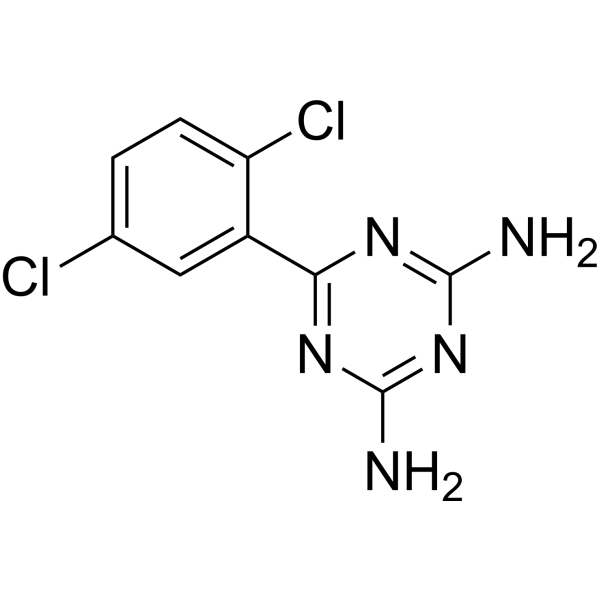
Irsogladine (Dicloguamine) is an orally active gastric mucosal protective agent. Irsogladine inhibits breast cancer recurrence and lung metastasis in nude mice . Irsogladine inhibits the transcriptional activities of NF-κB and AP-1, suppresses the activities of PDE and PDE4 to elevate intracellular cAMP levels, and activates TRPV1 and KATP channels. Irsogladine enhances iNOS expression, NO production, and the activation of cAMP-responsive elements. Irsogladine inhibits the development and progression of intestinal polyps in Apc-mutant mice. Irsogladine alleviates oxidative stress, increases gastric mucosal blood flow, and stimulates the production of endogenous prostaglandins. Irsogladine promotes insulin secretion in MIN6 cells. Irsogladine inhibits tumor angiogenesis, cancer cell proliferation, and the production of proinflammatory cytokines. Irsogladine exerts protective effects on astrocytes in ethanol/hydrochloric acid-induced gastric ulcers in mice. Irsogladine prevents colitis in IL-10 gene-deficient mice by reducing the production of IL-12 and IL-23. Irsogladine upregulates gap junction intercellular communication in pancreatic cancer cells via the PKA pathway. Irsogladine is applicable to research related to breast cancer, intestinal polyposis, gastric ulcer, spontaneous colitis, glioma, liver cancer, and pancreatic cancer [5][6] .
loading...
    loading...
2
2 Cited Publications
Cat. No.: HY-W040045
CAS No.: 18466-51-8
Synonyms: Pelargonidin-3-O-glucoside chloride
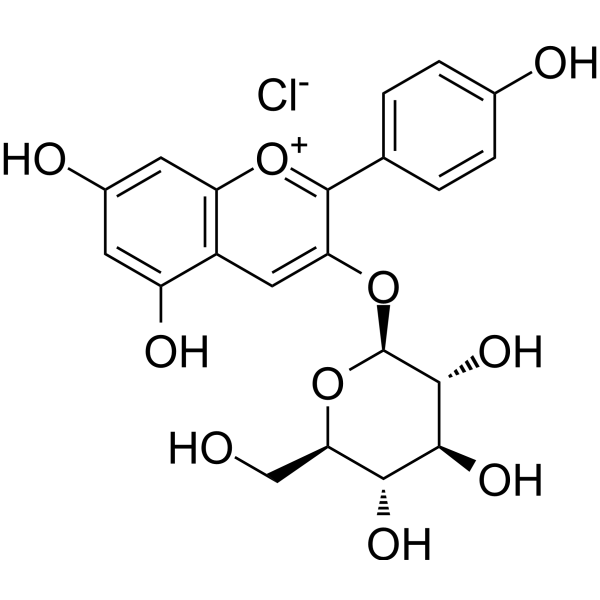
Callistephin (Pelargonidin 3-O-glucoside) chloride is an anthocyanin. Callistephin chloride regulates the expression of inflammatory (reducing iNOS/TNF-α/COX-2) and apoptosis-related proteins by inhibiting p38 phosphorylation, and enhances the protective effect of Isoflurane (HY-A0134) on microglial cell damage. Callistephin chloride significantly reduces ROS levels, eliminates DPPH free radicals, protects retinal pigment epithelial cells, and inhibits lipid peroxidation. Callistephin chloride can alleviate glutamate excitotoxicity, reduce neuronal apoptosis, and protect cerebellar granule neurons. Callistephin chloride can inhibit the proliferation and metastasis of breast cancer cells by inducing apoptosis .
loading...
    loading...
1
1 Cited Publications
Cat. No.: HY-131649
CAS No.: 15533-09-2
Purity:  99.32%
Target:  

DNA/RNA Synthesis

Research Areas:  

Cancer

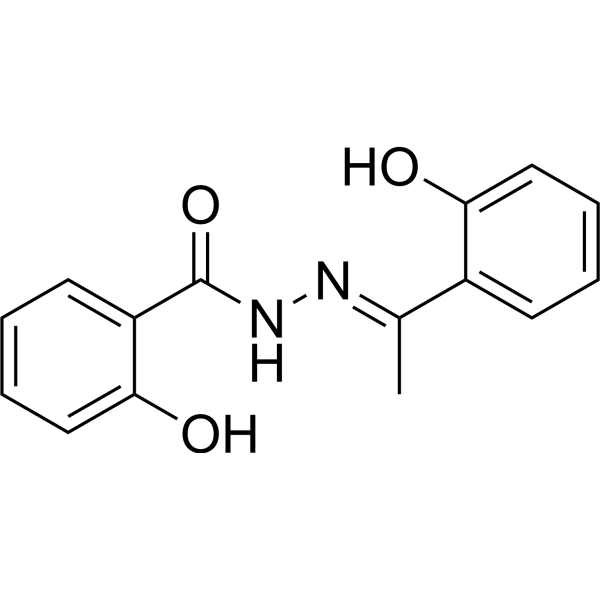
Compound C108 is a G3BP2 inhibitor. Compound C108 also targeted stress granule-associated proteins and Gtpase-activating protein (SH3 domain) binding protein 2. Compound C108 potently inhibits esophageal squamous cell carcinoma (ESCC) cell metastasis .
loading...
    loading...
1
1 Cited Publications
Cat. No.: HY-N1976
CAS No.: 225110-25-8
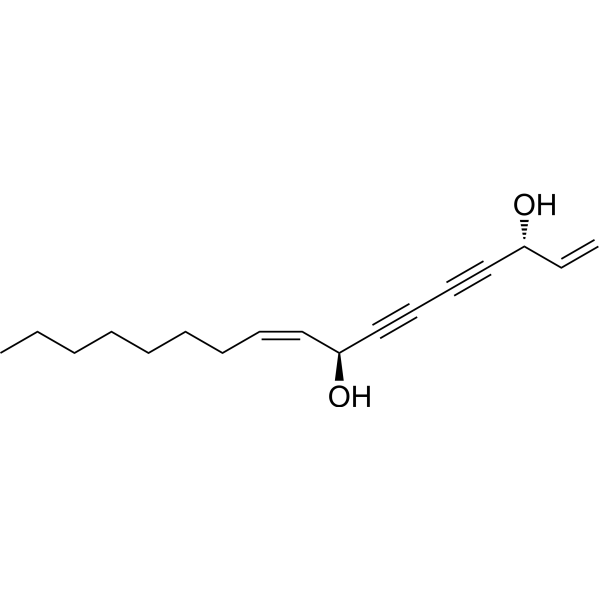
Synonyms: (3R,8S)-Falcarindiol; 3(R),8(S),9(Z)-Falcarindiol
(+)-(3R,8S)-Falcarindiol ((3R,8S)-Falcarindiol; 3 (R),8 (S),9 (Z)-Falcarindiol) is an orally active polyacetylene anti-mycobacterial agent. (+)-(3R,8S)-Falcarindiol exhibits antibacterial activity against Gram-positive bacteria, Gram-negative bacteria and mycobacteria. Co-administration of (+)-(3R,8S)-Falcarindiol with (3R)-falcarinol alters the composition of gut microbiota, reduces colonic tumor lesions and slows down polyp growth. (+)-(3R,8S)-Falcarindiol can be used in research related to tuberculosis and colorectal cancer .
loading...
    loading...
1
1 Cited Publications
Cat. No.: HY-12093
CAS No.: 1025716-81-7
Target:  

MMP

Research Areas:  

Inflammation/Immunology

MMP408 is a selective and orally effective inhibitor of MMP-12 with IC50 values for human, mouse and rat MMP-12 of 2 nM, 160 nM and 3 μM respectively. MMP408 exhibits IC50 value for human MMP-13 of 120 nM, and its activity against other MMPs is weak. MMP408 can alleviate inflammation, fibrosis and tissue remodeling by inhibiting MMP-12. MMP408 can be used in the research of chronic obstructive pulmonary disease and chronic sinusitis with nasal polyps .
loading...
    loading...
Cat. No.: HY-P991028
CAS No.: 2892667-02-4
Synonyms: AZD0486; TNB-486

Research Areas:  

Cancer

Surovatamig (AZD0486; TNB-486) is a fully human anti-CD19/CD3 IgG4 bispecific antibody. Surovatamig triggers T cell activation, releases cytotoxic granules, and induces T cell-dependent cellular cytotoxicity and tumor cell lysis. Surovatamig can reduces release of pro-inflammatory cytokines including IL-2, IFNγ, TNF. Surovatamig can be used for the research of cancer, such as B cell non-Hodgkin lymphoma .
loading...
    loading...
Cat. No.: HY-P990774
CAS No.: 2768386-15-6
Synonyms: ASP-7266; TRAB-1; UPB-101

Target:  

Interleukin Related

Research Areas:  

Inflammation/Immunology

Verekitug (ASP-7266; TRAB-1; UPB-101) is a human monoclonal antibody targeting the thymic stromal lymphopoietin receptor (TSLPR), with a mean half-life of approximately 20 days. At doses of Verekitug ≥100 mg, complete and sustained TSLPR-specific occupancy is achieved, and the antibody does not bind to IL-7Rα. By inhibiting TSLP-driven inflammatory responses, Verekitug blocks TSLP-induced cell proliferation and TARC expression, while reducing fractional exhaled NO levels, blood eosinophil counts, and levels of IL-5 and IgE. Verekitug significantly improves scores for nasal polyps, nasal congestion and olfactory dysfunction, with favorable safety and good tolerability; potential adverse reactions include headache, upper respiratory tract infection, sinusitis and nasopharyngitis. Verekitug is used in relevant studies on asthma, chronic rhinosinusitis with nasal polyps and chronic obstructive pulmonary disease .
loading...
    loading...
Cat. No.: HY-119674A
CAS No.: 5979-01-1
Purity:  ≥98.0%
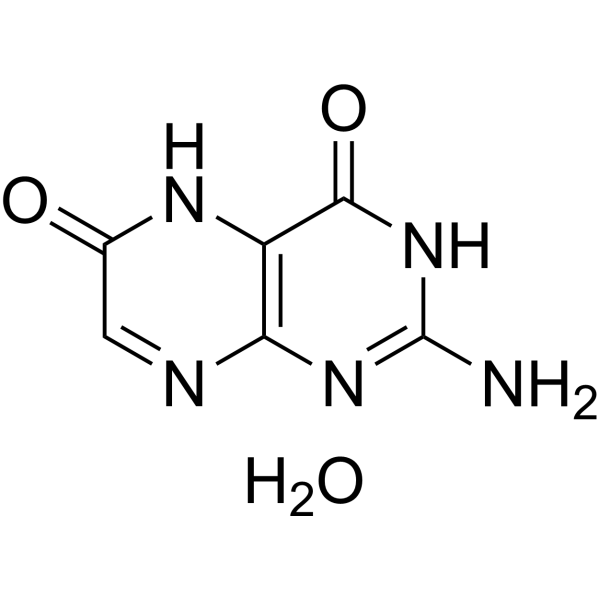
Xanthopterin hydrate, an unconjugated pteridine compound, is the main component of the yellow granule in the Oriental hornet bear wings, produces a characteristic excitation/emission maximum at 386/456 nm . Xanthopterin hydrate(XPT) causes renal growth and hypertrophy in rat . Xanthopterin hydrate inhibits RNA synthesis .
loading...
    loading...
Cat. No.: HY-145942
CAS No.: 26680-54-6
Purity:  99.69%
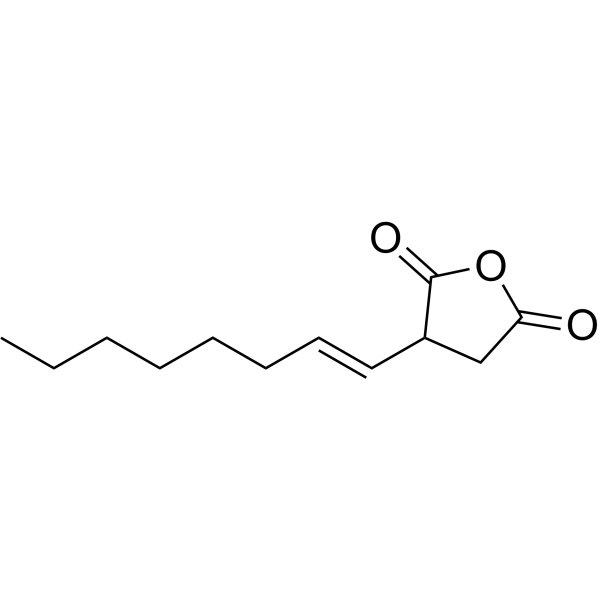
Octenyl succinic anhydride is a versatile chemical intermediate. Octenyl succinic anhydride can undergo esterification with polysaccharides such as starch and Inulin (HY-N7075). Octenyl succinic anhydride affects the intermolecular interactions on the outer surfaces of two starch granules by altering the molecular surface structure. Octenyl succinic anhydride modifies the properties of polysaccharides. Octenyl succinic anhydride can be used for starch esterification to produce OS-starch, an amphiphilic hydrocolloid .
loading...
    loading...
Cat. No.: HY-123630
CAS No.: 25956-17-6
Purity:  98.01%
Synonyms: FD&C RED NO. 40; CI 16035
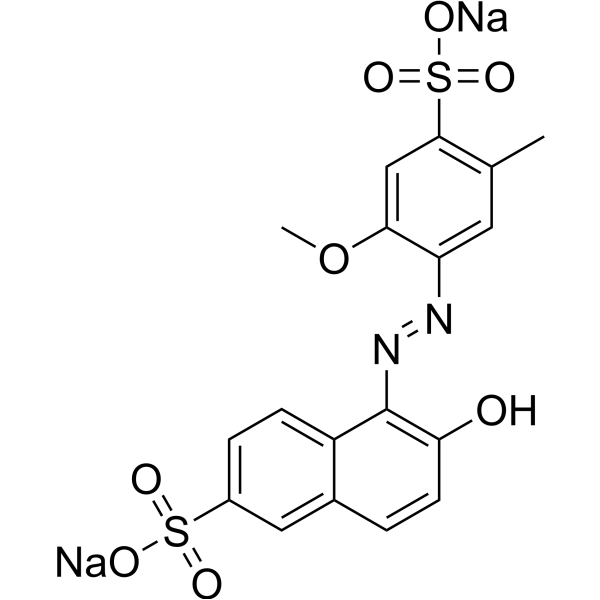
Allura Red AC is a food colorant, appearing as a deep red water-soluble powder or granules, used in various applications such as beverages, syrups, candies, and cereals. Allura Red AC can statically quench the intrinsic fluorescence of HSA. Additionally, Allura Red AC is a 5-hydroxytryptamine (5-HT) pathway-associated pro-inflammatory agent, capable of exacerbating experimental colitis. Allura Red AC holds potential for research in inflammatory bowel disease (IBD), intestinal barrier function, and food additive safety .
loading...
    loading...
Cat. No.: HY-B1620D
CAS No.: 9003-39-8
Synonyms: PVP K25; Polyvidone K25; Povidone K25
Polyvinylpyrrolidone K25 is a multifunctional synthetic polymer. Polyvinylpyrrolidone K25 is a versatile excipient for both conventional formulations and novel controlled or targeted delivery systems. Polyvinylpyrrolidone K25 is a preferable binder for granules and tablets .
loading...
    loading...
Cat. No.: HY-D2348A
ACE TFA is a low-background, photostable fluorophore with nanomolar binding affinity for the Okra RNA aptamer. ACE TFA enables clear visualization of mRNA in live bacteria and mammalian cells, including tracking the trafficking of mRNA to stress granules and dual-color super-resolution imaging of RNA in live cells. (Ex=488 nm, Em=555 nm) .
loading...
    loading...
Cat. No.: HY-107582
CAS No.: 1354359-53-7
Purity:  99.54%
Research Areas:  

Cancer

JW480 is a selective KIAA1363/AADACL1 inhibitor with oral activity, featuring IC50 values of 12 nM against human KIAA1363, 20 nM against mouse KIAA1363. JW480 blocks lipid deacetylase activity to restrain HAG metabolism and lowers retinyl ester hydrolase function in hepatic stellate cells. JW480 reduces MAGE lipid levels and inhibits migration, invasion, survival and tumor growth of prostate cancer cells. JW480 lowers PKCδ phosphorylation, facilitates HAGP accumulation, diminishes platelet aggregation, dense granule secretion and Ca 2+ flux, delays arterial thrombosis and prolongs tail bleeding time in rats. JW480 can be used for the study of prostate cancer and thrombosis .
loading...
    loading...
Cat. No.: HY-P2879
CAS No.: 9026-00-0
Target:  

Endogenous Metabolite

Research Areas:  

Metabolic Disease

Cholesterol esterase, Pseudomonas is an enzyme that hydrolyzes cholesterol ester to cholesterol and free fatty acid in the intestinal lumen. Cholesterol synthesized in the acinar cells and is stored in zymogen granules. Cholesterol esterase is also known as bile salt-stimulated lipase and carboxy ester lipasea, acts function for acceleration of cholesterol absorption .
loading...
    loading...

