20 Results for "

preeclampsia

" in MedChemExpress (MCE) Product Catalog:
Products (20)

20 Results for "preeclampsia" in MCE Product Catalog:

90
90 Publications Verification
Cat. No.: HY-18729A
CAS No.: 51298-62-5
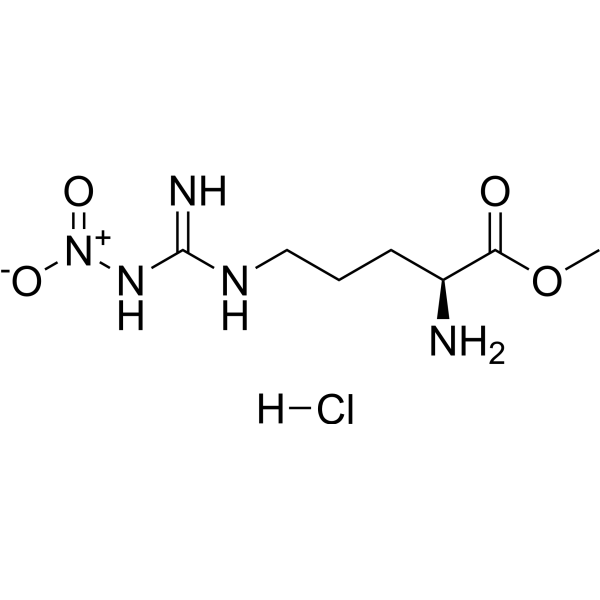
Synonyms: NG-Nitroarginine methyl ester hydrochloride
Target:  

NO Synthase

Research Areas:  

Infection Neurological Disease Cancer

L-NAME hydrochloride inhibits NOS with an IC50 of 70 μM. L-NAME is a precursor to NOS inhibitor L-NOARG which has an IC50 value of 1.4 μM. L-NAME hydrochloride requires hydrolysis of the methyl ester by cellular esterases to become a fully functional inhibitor. L-NAME hydrochloride can be used to induce hypertension and preeclampsia models.
loading...
    loading...
1
1 Cited Publications
Cat. No.: HY-113381
CAS No.: 600-15-7
Purity:  ≥98.0%
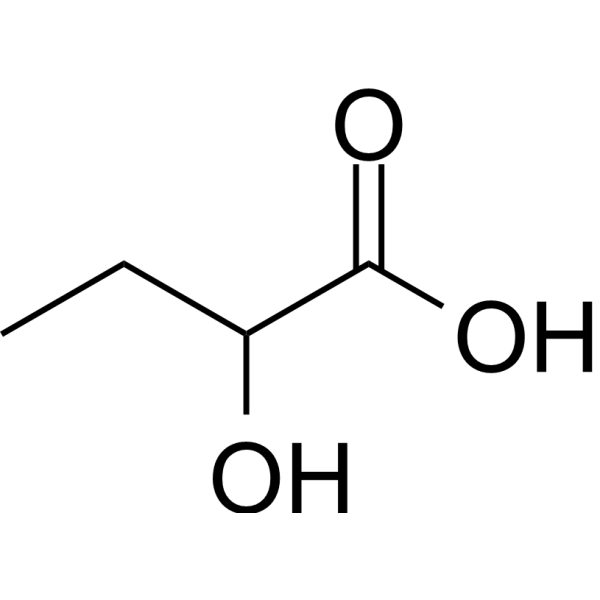
Synonyms: α-Hydroxybutyric acid
2-Hydroxybutyric acid (α-Hydroxybutyric acid ) is converted from 2-Aminobutyric acid, with 2-oxobutyric acid as an intermediate metabolite . 2-Hydroxybutyric acid is a potential biomarker for type 2 diabetes and preeclampsia . 2-Hydroxybutyric acid prevents the acetaminophen (AP)-induced liver injury .
loading...
    loading...
1
1 Cited Publications
Cat. No.: HY-W012790
CAS No.: 5094-24-6
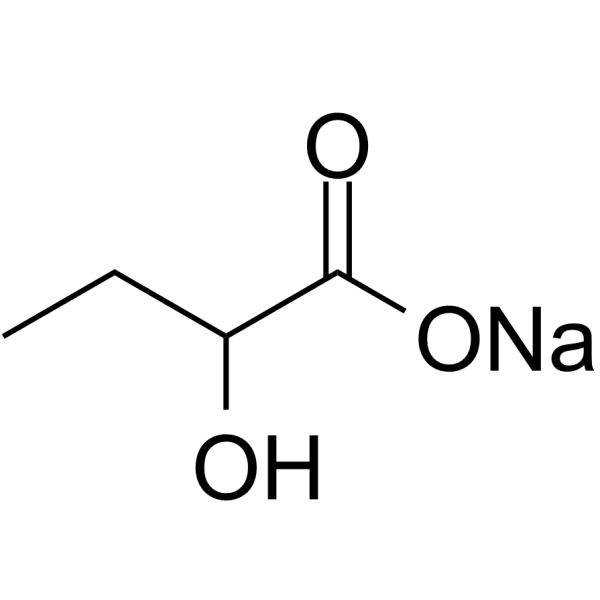
Synonyms: 2-Hydroxybutyric acid sodium
Sodium 2-hydroxybutanoate (2-Hydroxybutyric acid sodium) is converted from 2-Aminobutyric acid, with 2-oxobutyric acid as an intermediate metabolite . Sodium 2-hydroxybutanoate is a potential biomarker for type 2 diabetes and preeclampsia . Sodium 2-hydroxybutanoate prevents the acetaminophen (AP)-induced liver injury .
loading...
    loading...
1
1 Cited Publications
Cat. No.: HY-P10387
Research Areas:  

Cancer

RSM3 is a METTL3-METTL14 complex inhibitor with a Kd of 3.10 μM for the METTL3-METTL14 complex. RSM3 reduces the m 6A modification level of SLC31A1 and the global RNA methylation level. RSM3 upregulates programmed cell death-related genes, enhances cell apoptosis, inhibits pro-cancer signals and suppresses tumor growth. RSM3 is applicable to the research of preeclampsia and cancer .
loading...
    loading...
1
1 Cited Publications
Cat. No.: HY-P10387A
Target:  

METTL3 Apoptosis

Research Areas:  

Cancer

RSM3 TFA is a METTL3-METTL14 complex inhibitor with a Kd of 3.10 μM for the METTL3-METTL14 complex. RSM3 TFA reduces the m 6A modification level of SLC31A1 and the global RNA methylation level. RSM3 TFA upregulates programmed cell death-related genes, enhances cell apoptosis, inhibits pro-cancer signals and suppresses tumor growth. RSM3 TFA is applicable to the research of preeclampsia and cancer .
loading...
    loading...
Cat. No.: HY-Y1267
CAS No.: 7487-88-9
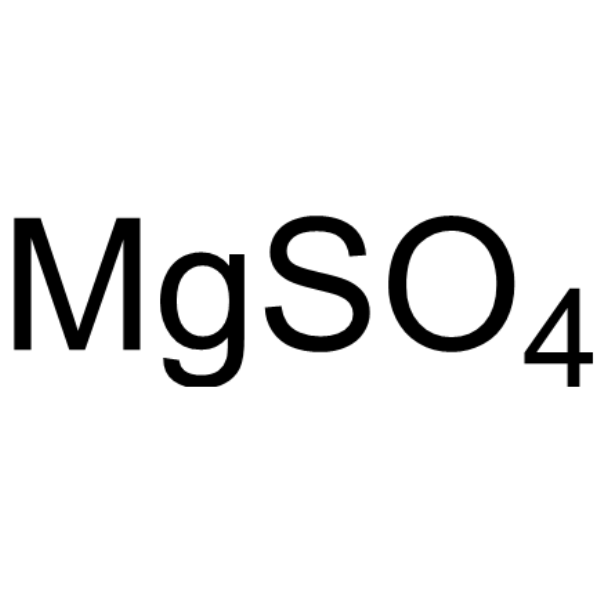
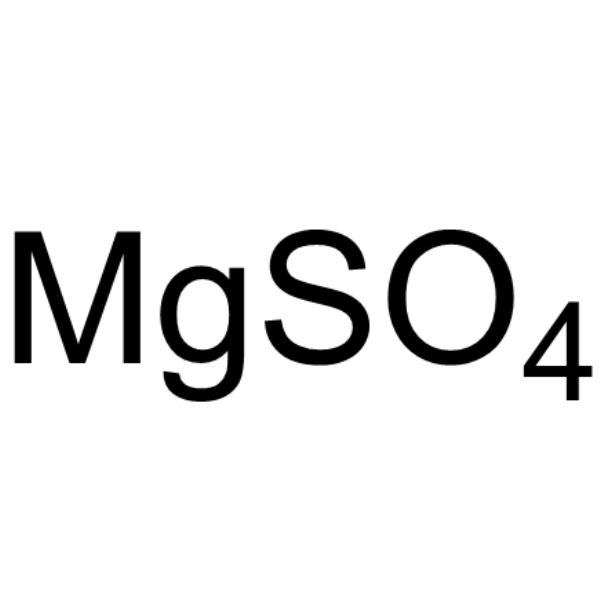
Magnesium sulfate is a calcium antagonist and a potent L-type calcium channel inhibitor, as well as a tocolytic. Magnesium sulfate has anti-inflammatory, anticonvulsant, vasodilatory, and neuroprotective effects. Magnesium sulfate can be used in the research of diseases such as preeclampsia/eclampsia .
loading...
    loading...
Cat. No.: HY-W094475C
CAS No.: 10034-99-8
Synonyms: Epsom salts, for cell culture
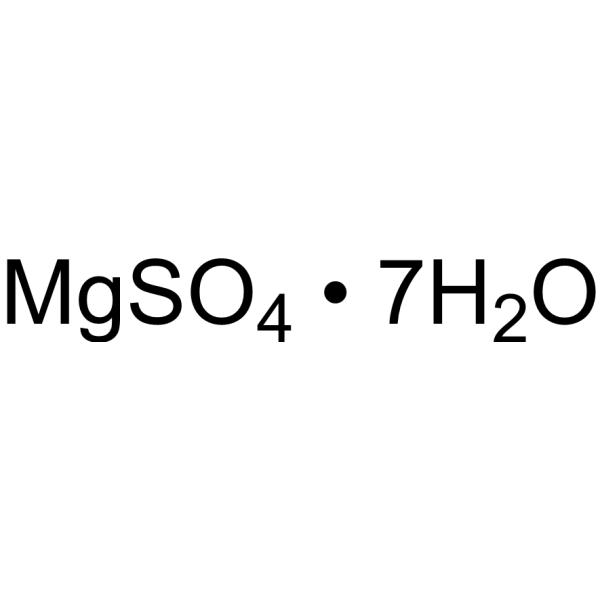
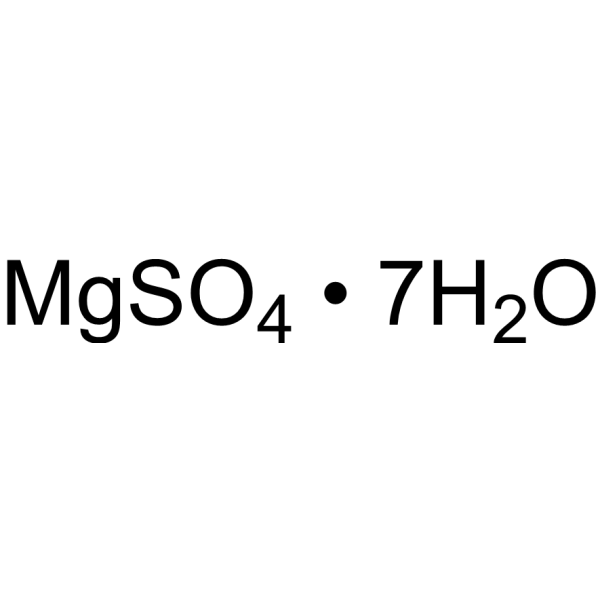
Magnesium sulfate heptahydrate, for cell culture (Epsom salts, for cell culture) is a hydrate of magnesium sulfate (HY-Y1267) suitable for cell culture applications. Magnesium sulfate is a calcium antagonist and a potent L-type calcium channel inhibitor, as well as a tocolytic. Magnesium sulfate has anti-inflammatory, anticonvulsant, vasodilatory, and neuroprotective effects. Magnesium sulfate can be used in the research of diseases such as preeclampsia/eclampsia .
loading...
    loading...
Cat. No.: HY-Y1267D
CAS No.: 7487-88-9
Magnesium sulfate, for cell culture is a bioreagent. Magnesium sulfate is a calcium antagonist and a potent L-type calcium channel inhibitor, as well as a tocolytic. Magnesium sulfate has anti-inflammatory, anticonvulsant, vasodilatory, and neuroprotective effects. Magnesium sulfate can be used in the research of diseases such as preeclampsia/eclampsia .
loading...
    loading...
Cat. No.: HY-18729
CAS No.: 50903-99-6
Synonyms: NG-Nitroarginine methyl ester
Target:  

NO Synthase

Research Areas:  

Cancer

L-NAME inhibits NOS with an IC50 of 70 μM. L-NAME is a precursor to NOS inhibitor L-NOARG which has an IC50 value of 1.4 μM. L-NAME requires hydrolysis of the methyl ester by cellular esterases to become a fully functional inhibitor. L-NAME can be used to induce hypertension and preeclampsia models.
loading...
    loading...
Cat. No.: HY-N7065
CAS No.: 7327-87-9
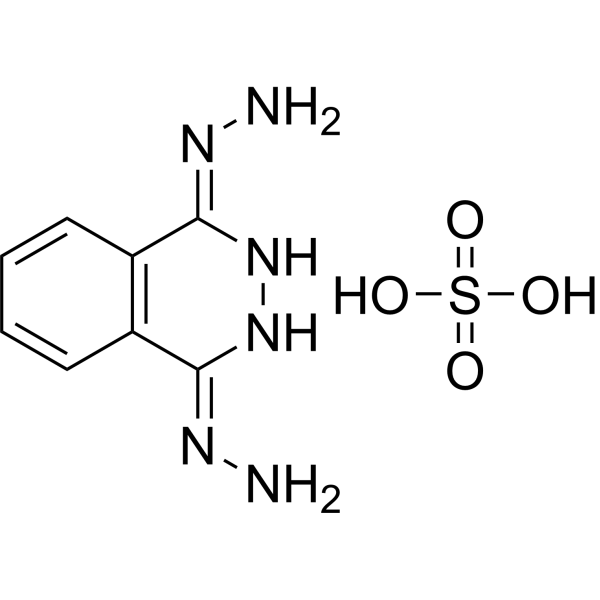
Dihydralazine sulfate is an antihypertensive hydrazine derivative and also a low-potency genotoxic agent. Dihydralazine sulfate is a direct-acting mutagen with a mixed gene mutation mechanism, which induces DNA fragmentation in the lung, kidney and spleen of mice, and induces sister chromatid exchange in mouse bone marrow cells. Dihydralazine sulfate specifically kills DNA repair-deficient bacteria. Dihydralazine sulfate is a vasodilator and antihypertensive agent that reduces systemic vascular resistance, increases cardiac output and heart rate, thereby lowering blood pressure. Dihydralazine sulfate can be used in research related to hypertension and severe early-onset preeclampsia .
loading...
    loading...
Cat. No.: HY-146696
CAS No.: 2418576-06-2
Purity:  ≥98.0%
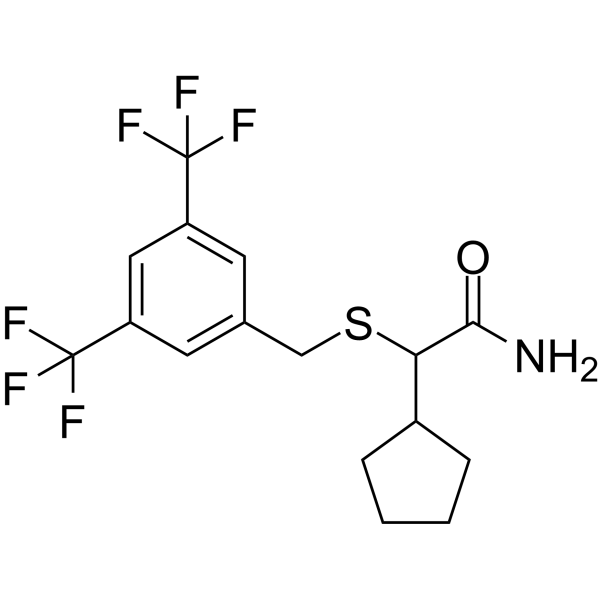
mEH-IN-1 (Compound 62) is a potent microsomal epoxide hydrolase (mEH) inhibitor with the IC50 of 2.2 nM. The mEH is a mammalian α/β-fold hydrolase enzyme, expressed in almost all tissues, hydrolyzes a wide range of epoxide containing molecules. The mEH is mainly localized in the endoplasmic reticulum (ER) of eukaryotic cells. mEH-IN-1 can be used for the research of preeclampsia, hypercholanemia and cancer .
loading...
    loading...
Cat. No.: HY-W012790S
CAS No.: 1219798-97-6
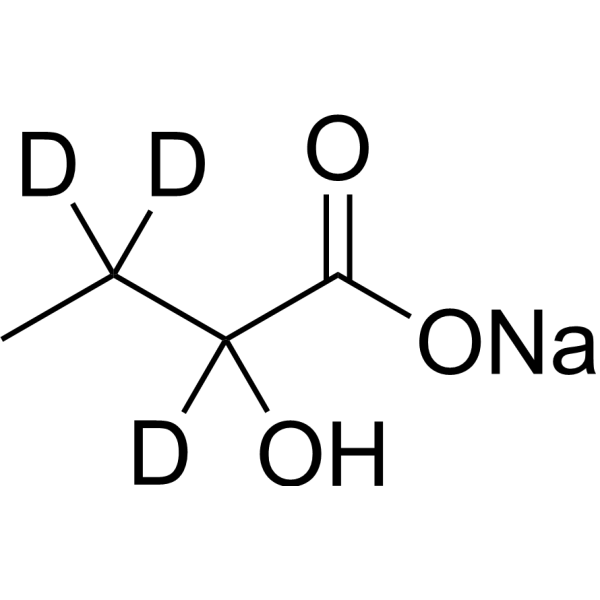
Sodium 2-hydroxybutanoate-d3 is the deuterium labeled Sodium 2-hydroxybutanoate . Sodium 2-hydroxybutanoate (2-Hydroxybutyric acid sodium) is converted from 2-Aminobutyric acid, with 2-oxobutyric acid as an intermediate metabolite . Sodium 2-hydroxybutanoate is a potential biomarker for type 2 diabetes and preeclampsia . Sodium 2-hydroxybutanoate prevents the acetaminophen (AP)-induced liver injury .
loading...
    loading...
Cat. No.: HY-W094477D
CAS No.: 10034-99-8
Synonyms: Epsom salts, for molecular biology
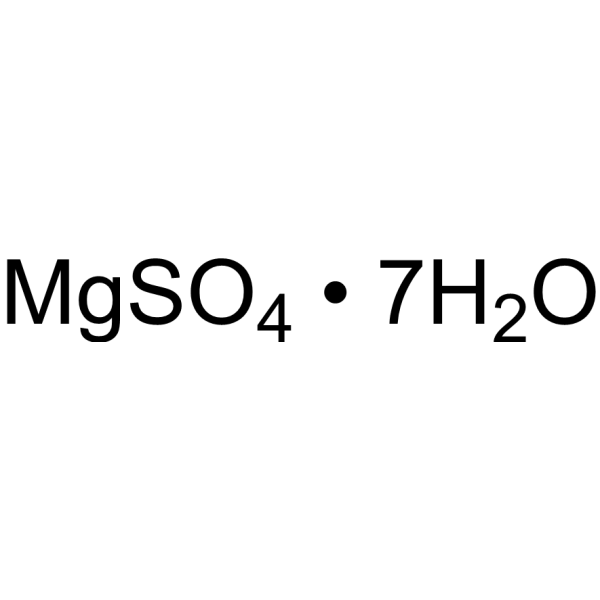
Magnesium sulfate heptahydrate (for molecular biology) is a molecular biology-grade form of Magnesium sulfate (HY-Y1267). Magnesium sulfate is a calcium antagonist and a potent L-type calcium channel inhibitor, as well as a uterine contraction inhibitor. Magnesium sulfate has anti-inflammatory, anticonvulsant, vasodilatory, and neuroprotective effects. Magnesium sulfate can be used in research on diseases such as preeclampsia/eclampsia .
loading...
    loading...
Cat. No.: HY-W094475D
CAS No.: 10034-99-8
Synonyms: Epsom salts, meets analytical specification of Ph. Eur. BP USP FCC
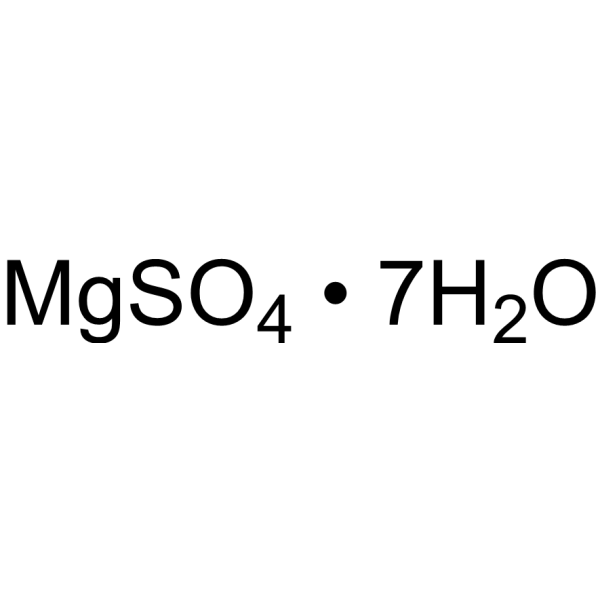
Magnesium sulfate heptahydrate, meets analytical specification of Ph. Eur. BP USP FCC (Magnesium sulfate heptahydrate, meets analytical specification of Ph. Eur. BP USP FCC) is a hydrate of Magnesium sulfate (HY-Y1267) suitable for cell culture. Magnesium sulfate is a calcium antagonist and a potent L-type calcium channel inhibitor, as well as a uterine contraction inhibitor. Magnesium sulfate has anti-inflammatory, anticonvulsant, vasodilatory, and neuroprotective effects. Magnesium sulfate can be used in research on diseases such as preeclampsia/eclampsia .
loading...
    loading...
Cat. No.: HY-W094475E
CAS No.: 10034-99-8
Synonyms: Epsom salts (Pharmaceutical primary standard, USP)
Magnesium sulfate heptahydrate, United States Pharmacopeia (USP) Reference Standard (Epsom salts (Pharmaceutical primary standard, USP)) is a reference standard for Magnesium sulfate (HY-Y1267). Magnesium sulfate is a calcium antagonist and a potent L-type calcium channel inhibitor, as well as a tocolytic. Magnesium sulfate has anti-inflammatory, anticonvulsant, vasodilatory, and neuroprotective effects. Magnesium sulfate can be used in the research of diseases such as preeclampsia/eclampsia .
loading...
    loading...
Cat. No.: HY-152014S
CAS No.: 2692624-00-1
Stearoylcarnitine-d3-1 (hydrochloride) is deuterium labeled Stearoylcarnitine. Stearoylcarnitine, a fatty ester lipid molecule, is a human endogenous metabolite. Stearoylcarnitine acts as a metabolomics biomarker for early-onset-preeclampsia and late-onset-preeclampsia .
loading...
    loading...
Cat. No.: HY-W012790R
CAS No.: 5094-24-6
Sodium 2-hydroxybutanoate is an endogenous metabolite. Sodium 2-hydroxybutanoate (2-Hydroxybutyric acid sodium) is converted from 2-Aminobutyric acid, with 2-oxobutyric acid as an intermediate metabolite . Sodium 2-hydroxybutanoate is a potential biomarker for type 2 diabetes and preeclampsia . Sodium 2-hydroxybutanoate prevents the acetaminophen (AP)-induced liver injury .
loading...
    loading...
Cat. No.: HY-174783
Target:  

mRNA

Research Areas:  

Cancer

Human ACVR2A mRNA encodes the human activin A receptor type 2A (ACVR2A) protein, a member of the TGFB family. ACVR2A mediates signaling by forming heterodimeric complexes with various combinations of type I and type II receptors and ligands in a cell-specific manner. It may be associated with susceptibility to preeclampsia, a pregnancy-related disease which can result in maternal and fetal morbidity and mortality.
loading...
    loading...
Cat. No.: HY-187871
CAS No.: 2854332-29-7
Grexenetant (compound I) is a NK-3 receptor antagonist. Grexenetant can be used in the research of diseases mediated by NK-3 receptors, such as depression, anxiety, psychosis, schizophrenia, psychotic disorders, bipolar disorder, cognitive impairment, Parkinson's disease, Alzheimer's disease, attention deficit hyperactivity disorder, pain, convulsions, obesity, inflammatory diseases, vomiting, preeclampsia, airway-related diseases, reproductive disorders, sex hormone-dependent diseases, gynecological diseases, and menopausal syndrome .
loading...
    loading...
Cat. No.: HY-N7065R
CAS No.: 7327-87-9
Dihydralazine sulfate (Standard) is the analytical standard of Dihydralazine sulfate (HY-N7065). This product is intended for research and analytical applications. Dihydralazine sulfate is an antihypertensive hydrazine derivative and also a low-potency genotoxic agent. Dihydralazine sulfate is a direct-acting mutagen with a mixed gene mutation mechanism, which induces DNA fragmentation in the lung, kidney and spleen of mice, and induces sister chromatid exchange in mouse bone marrow cells. Dihydralazine sulfate specifically kills DNA repair-deficient bacteria. Dihydralazine sulfate is a vasodilator and antihypertensive agent that reduces systemic vascular resistance, increases cardiac output and heart rate, thereby lowering blood pressure. Dihydralazine sulfate can be used in research related to hypertension and severe early-onset preeclampsia .
loading...
    loading...
  • 1

