2 Results for "

proton affinity

" in MedChemExpress (MCE) Product Catalog:
Products (2)

2 Results for "proton affinity" in MCE Product Catalog:

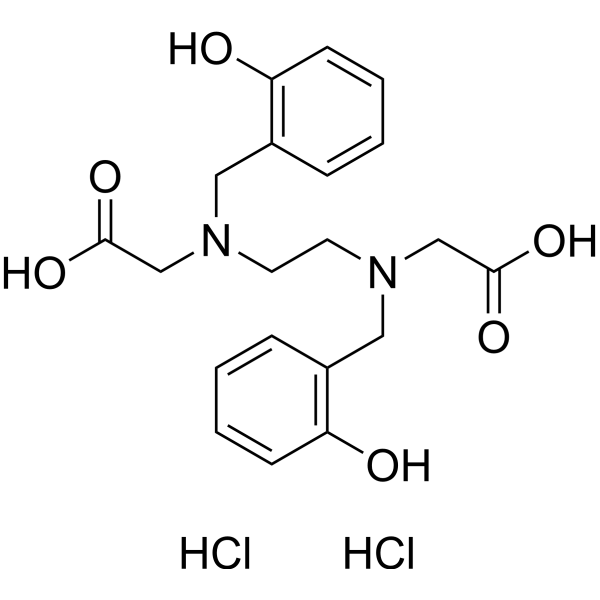
Cat. No.: HY-W035520
CAS No.: 35369-53-0
HBED dihydrochloride is an iron-chelating antioxidant. HBED dihydrochloride chelates ferrous iron, promotes its oxidation to ferric iron, and blocks superoxide-driven ferric iron reduction, preventing Haber-Weiss/Fenton hydroxyl radical production. HBED dihydrochloride donates H/electrons, undergoes protonation, reduces radical cations, and forms phenoxyl radicals. HBED dihydrochloride exerts cytoprotective effects against peroxide-induced lung fibroblast injury. HBED dihydrochloride crosses the blood-brain barrier and mitochondrial membrane, exhibits iron affinity/selectivity, and induces iron clearance in iron-loaded monkeys. HBED dihydrochloride reduces hippocampal AQP4, microgliosis, oxidative stress, cerebral edema, and hippocampal swelling, and improves motor function/recovery after traumatic brain injury. HBED dihydrochloride can be used in research on iron overload and traumatic brain injury (TBI) .
loading...
    loading...
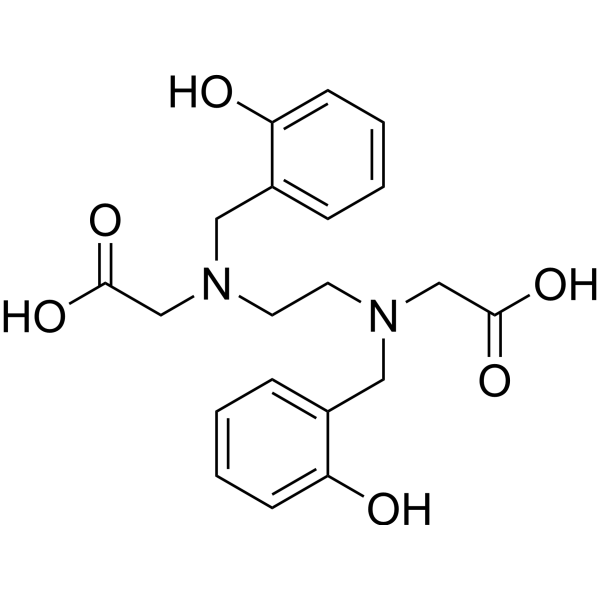
Cat. No.: HY-114837
CAS No.: 35998-29-9
Purity:  98.00%
HBED is an iron-chelating antioxidant. HBED chelates ferrous iron, promotes its oxidation to ferric iron, and blocks superoxide-driven ferric iron reduction, preventing Haber-Weiss/Fenton hydroxyl radical production. HBED donates H/electrons, undergoes protonation, reduces radical cations, and forms phenoxyl radicals. HBED exerts cytoprotective effects against peroxide-induced lung fibroblast injury. HBED crosses the blood-brain barrier and mitochondrial membrane, exhibits iron affinity/selectivity, and induces iron clearance in iron-loaded monkeys. HBED reduces hippocampal AQP4, microgliosis, oxidative stress, cerebral edema, and hippocampal swelling, and improves motor function/recovery after traumatic brain injury. HBED can be used in research on iron overload and traumatic brain injury (TBI) .
loading...
    loading...

