1092 Results for "

pseudoplastic flow behavior

" in MedChemExpress (MCE) Product Catalog:
Products (1092)

1092 Results for "pseudoplastic flow behavior" in MCE Product Catalog:

172
172 Publications Verification
Cat. No.: HY-D0815
CAS No.: 25535-16-4
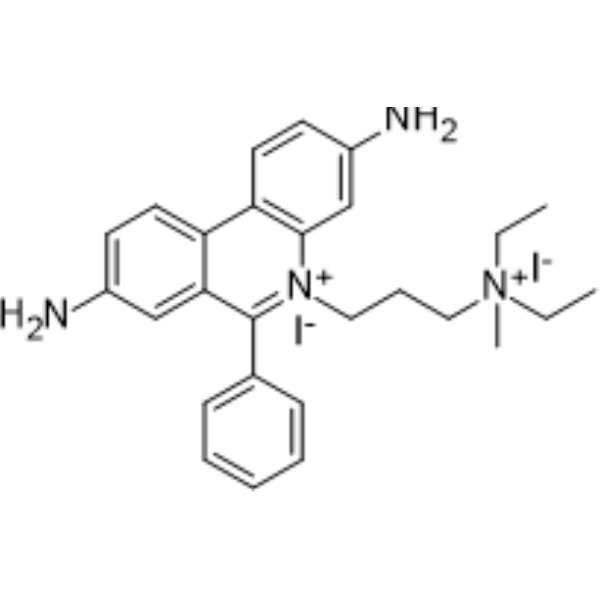
Propidium Iodide (PI) is a nuclear staining agent that stains DNA. Propidium Iodide is an analogue of ethidine bromide that emits red fluorescence upon embedding in double-stranded DNA. Propidium Iodide cannot pass through living cell membranes, but it can pass through damaged cell membranes to stain the nucleus. Propidium Iodide has a fluorescence wavelength of 493/617 nm and a wavelength of 536/635 nm after Mosaic with DNA. Propidium Iodide is commonly used in the detection of apoptosis (apoptosis) or necrosis (necrosis), and is often used in flow cytometry analysis.
loading...
    loading...
139
139 Cited Publications
Cat. No.: HY-D0718
CAS No.: 7385-67-3
Synonyms: Nile Blue A oxazone; Phenoxazone 9
Target:  

Fluorescent Dye

Research Areas:  

Others

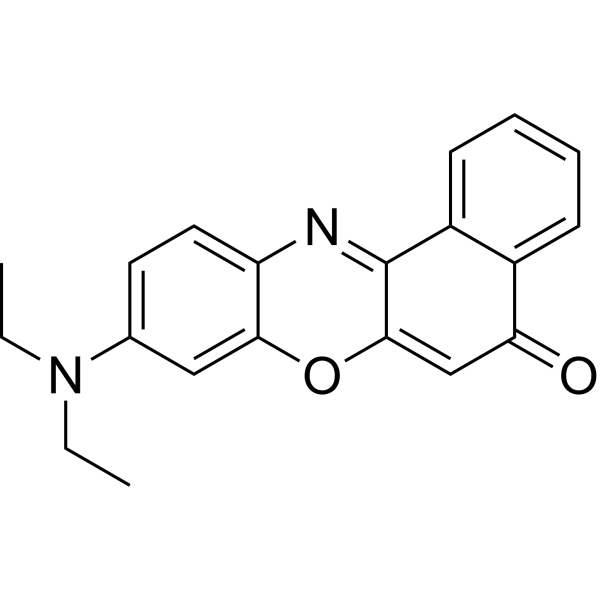
Nile red (Nile blue oxazone) is a lipophilic stain. Nile red has environment-sensitive fluorescence. Nile red is intensely fluorescent in a lipid-rich environment while it has minimal fluorescence in aqueous media. Nile red is an excellent vital stain for the detection of intracellular lipid droplets by fluorescence microscopy and flow cytof uorometry. Nile red stains intracellular lipid droplets red. The fluorescence wavelength is 543/598 nm .
loading...
    loading...
130
130 Cited Publications
Cat. No.: HY-D0938
CAS No.: 150347-59-4
Synonyms: CFSE; 5(6)-Carboxyfluorescein diacetate succinimidyl ester; 5(6)-CFDA N-succinmidyl ester
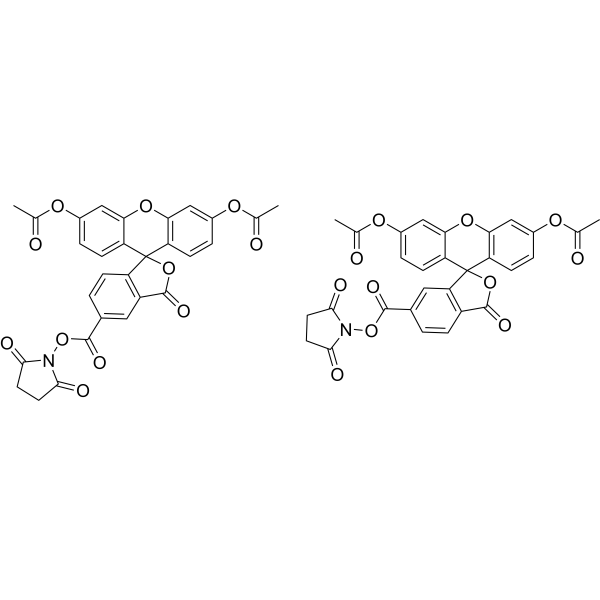
CFDA-SE is a fluorescent dye that can penetrate the cell membrane. It can react with the free amine group in the cytoskeleton protein inside the cell, and finally form a protein complex with fluorescence. After entering the cell, CFDA-SE locates in the cell membrane, cytoplasm and nucleus, and the fluorescence staining is strongest in the nucleus . CFDA-SE dye can be uniformly inherited by the cells with cell division and proliferation, and its attenuation is proportional to the number of cell divisions. This phenomenon can be detected and analyzed by flow cytometry under the excitation light of 488 nm, and can be used to detect the proliferation of cells .
loading...
    loading...
86
86 Cited Publications
Cat. No.: HY-116215
CAS No.: 186689-07-6
Purity:  99.74%
Target:  

Fluorescent Dye

Research Areas:  

Others

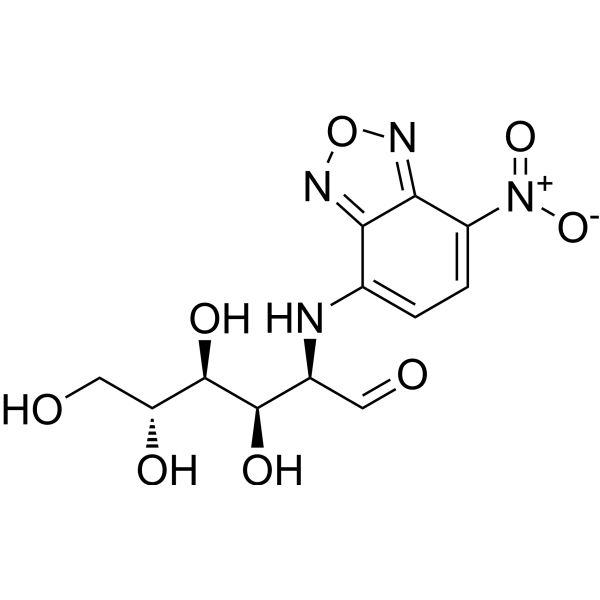
2-NBDG is a fluorescently-labeled deoxyglucose analog that is used primarily to directly monitor glucose uptake by living cells and tissues. It is also used as a topical contrast reagent for the detection of neoplasia. 2-NBDG can be used in real-time confocal, high-resolution, or wide-field fluorescence microscopy as well as in flow cytometry. The probe can be excited by the Argon laser at 488 nm to give the environment-sensitive fluorescence. It has lower photostability than the rhodamine-based fluorescent probes.
loading...
    loading...
85
85 Cited Publications
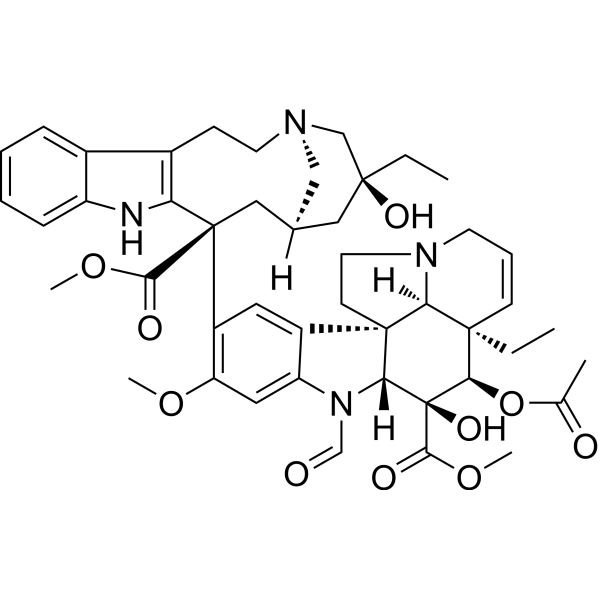
Cat. No.: HY-N0488A
CAS No.: 57-22-7
Synonyms: Leurocristine; NSC-67574; 22-Oxovincaleukoblastine
Vincristine (Leurocristine; NSC-67574; 22-Oxovincaleukoblastine) is a microtubule inhibitor that disrupts microtubule polymerization by binding to β-tubulin (with a Ki of 85 nM in bovine), arrests the cell cycle and induces apoptosis. Vincristine inhibits cell replication, tumor blood flow and the proliferation of various cancer cells, while triggering effects such as oxidative stress, inflammation, calcium overload, epithelial-mesenchymal transition and peripheral neuropathic pain. Vincristine upregulates the expression of various transporters and nuclear receptors, and enriches gastric cancer stem-like cells. Vincristine is used in research related to various tumors including acute lymphoblastic leukemia, lymphoma, melanoma, gastric cancer, solid tumors and sarcomas .
loading...
    loading...
85
85 Cited Publications
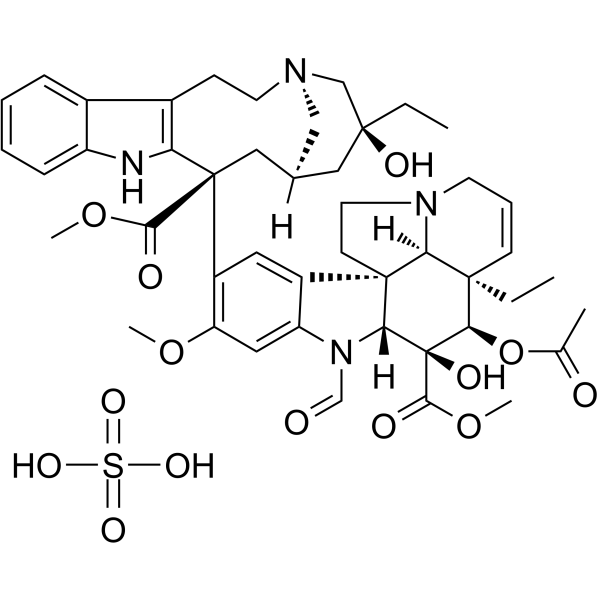
Cat. No.: HY-N0488
CAS No.: 2068-78-2
Synonyms: Leurocristine sulfate; NSC-67574 sulfate; 22-Oxovincaleukoblastine sulfate
Vincristine (Leurocristine; NSC-67574; 22-Oxovincaleukoblastine) sulfate is a microtubule inhibitor that disrupts microtubule polymerization by binding to β-tubulin (with a Ki of 85 nM in bovine), arrests the cell cycle and induces apoptosis. Vincristine sulfate inhibits cell replication, tumor blood flow and the proliferation of various cancer cells, while triggering effects such as oxidative stress, inflammation, calcium overload, epithelial-mesenchymal transition and peripheral neuropathic pain. Vincristine sulfate upregulates the expression of various transporters and nuclear receptors, and enriches gastric cancer stem-like cells. Vincristine sulfate is used in research related to various tumors including acute lymphoblastic leukemia, lymphoma, melanoma, gastric cancer, solid tumors and sarcomas .
loading...
    loading...
60
60 Cited Publications
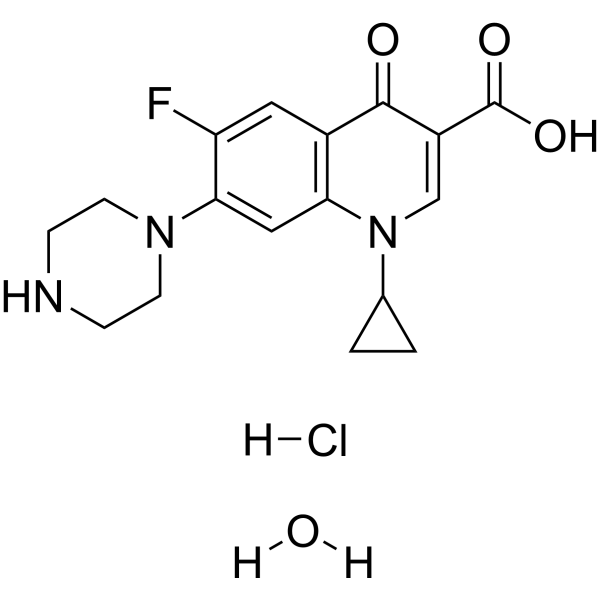
Cat. No.: HY-B0356B
CAS No.: 86393-32-0
Synonyms: Bay-09867 hydrochloride monohydrate
Ciprofloxacin (Bay-09867) hydrochloride monohydrate is an orally active, blood-brain barrier permeable fluoroquinolone antibacterial agent. Ciprofloxacin hydrochloride monohydrate exerts bactericidal effects primarily by inhibiting topoisomerase II and IV. Ciprofloxacin hydrochloride monohydrate inhibits the proliferation of human dental pulp stem cells and chondrocytes from young rats, and also activates the Akt signaling pathway and upregulates markers such as β-catenin and Nanog to maintain the morphological characteristics of stem cells. Ciprofloxacin hydrochloride monohydrate induces significant neurotoxicity and tissue damage, including reducing serotonin and glutathione levels in the brain, inducing oxidative stress and depression-like behaviors, and causing articular cartilage damage. Ciprofloxacin hydrochloride monohydrate can be applied to research related to infections of necrotic young permanent teeth and neurotoxicity .
loading...
    loading...
60
60 Cited Publications
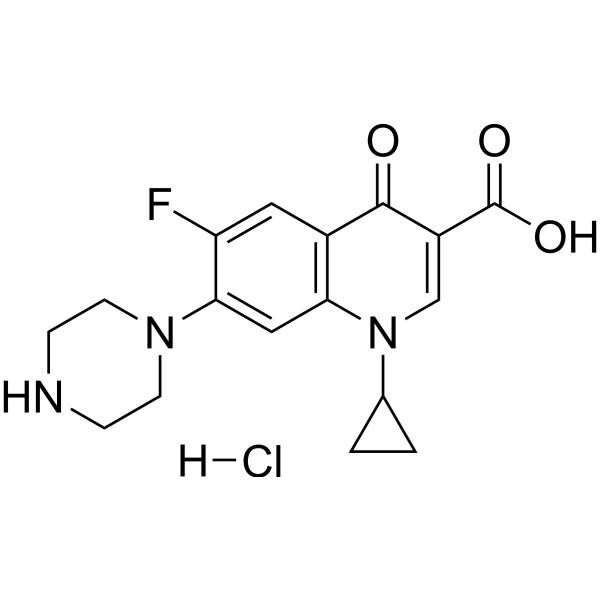
Cat. No.: HY-B0356C
CAS No.: 86483-48-9
Synonyms: Bay-09867 hydrochloride
Ciprofloxacin hydrochloride (Bay-09867 hydrochloride) is an orally active, blood-brain barrier permeable fluoroquinolone antibacterial agent. Ciprofloxacin hydrochloride exerts bactericidal effects primarily by inhibiting topoisomerase II and IV. Ciprofloxacin hydrochloride inhibits the proliferation of human dental pulp stem cells and chondrocytes from young rats, and also activates the Akt signaling pathway and upregulates markers such as β-catenin and Nanog to maintain the morphological characteristics of stem cells. Ciprofloxacin hydrochloride induces significant neurotoxicity and tissue damage, including reducing serotonin and glutathione levels in the brain, inducing oxidative stress and depression-like behaviors, and causing articular cartilage damage. Ciprofloxacin hydrochloride can be applied to research related to infections of necrotic young permanent teeth and neurotoxicity .
loading...
    loading...
60
60 Cited Publications
Cat. No.: HY-B0356A
CAS No.: 93107-08-5
Synonyms: Bay-09867 monohydrochloride
Ciprofloxacin (Bay-09867) monohydrochloride is an orally active, blood-brain barrier permeable fluoroquinolone antibacterial agent. Ciprofloxacin monohydrochloride exerts bactericidal effects primarily by inhibiting topoisomerase II and IV. Ciprofloxacin monohydrochloride inhibits the proliferation of human dental pulp stem cells and chondrocytes from young rats, and also activates the Akt signaling pathway and upregulates markers such as β-catenin and Nanog to maintain the morphological characteristics of stem cells. Ciprofloxacin monohydrochloride induces significant neurotoxicity and tissue damage, including reducing serotonin and glutathione levels in the brain, inducing oxidative stress and depression-like behaviors, and causing articular cartilage damage. Ciprofloxacin monohydrochloride can be applied to research related to infections of necrotic young permanent teeth and neurotoxicity .
loading...
    loading...
52
52 Cited Publications
Cat. No.: HY-D0711
CAS No.: 3599-32-4
Synonyms: Foxgreen; IC Green; Cardiogreen
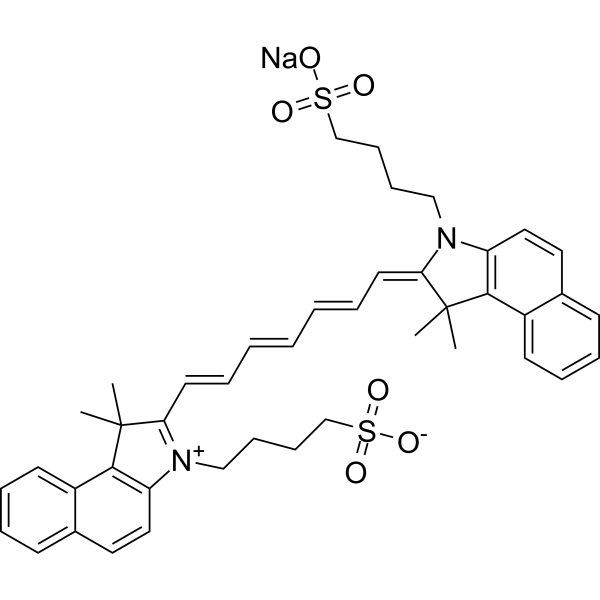
Indocyanine green (Foxgreen) is a low toxicic fluorescent agent that has been widely used in medical diagnostics, such as determining cardiac output, hepatic function, and liver blood flow, and for ophthalmic angiography (Ex/Em = 785/813 nm) .
loading...
    loading...
31
31 Cited Publications
Cat. No.: HY-17571A
CAS No.: 6233-83-6
Synonyms: α-Hypophamine acetate; Oxytocic hormone acetate
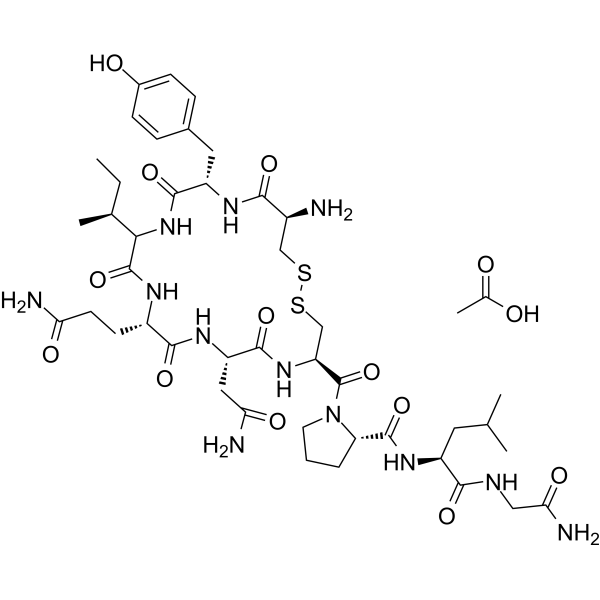
Oxytocin (α-Hypophamine) acetate is a pleiotropic, hypothalamic peptide known for facilitating parturition, lactation, and prosocial behaviors. Oxytocin acetate can function as a stress-coping molecule with anti-inflammatory, antioxidant, and protective effects especially in the face of adversity or trauma .
loading...
    loading...
31
31 Cited Publications
Cat. No.: HY-17571
CAS No.: 50-56-6
Synonyms: α-Hypophamine; Oxytocic hormone
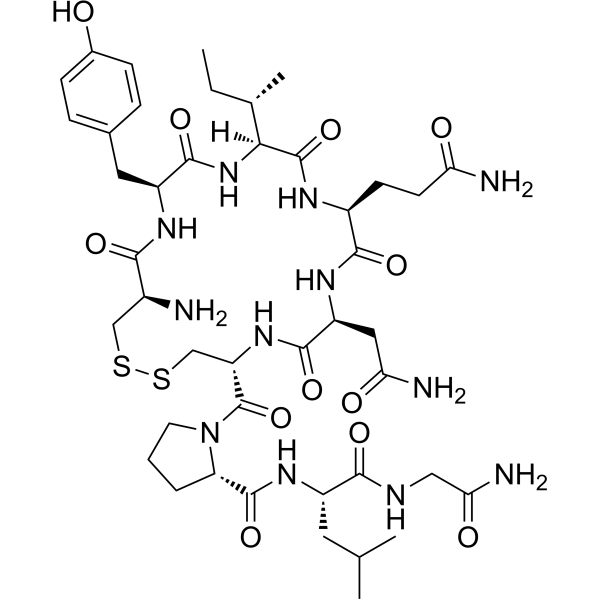
Oxytocin (α-Hypophamine; Oxytocic hormone) is a pleiotropic, hypothalamic peptide known for facilitating parturition, lactation, and prosocial behaviors. Oxytocin can function as a stress-coping molecule with anti-inflammatory, antioxidant, and protective effects especially in the face of adversity or trauma .
loading...
    loading...
22
22 Cited Publications
Cat. No.: HY-B1192
CAS No.: 50-50-0
Synonyms: β-Estradiol 3-benzoate; 17β-Estradiol 3-benzoate
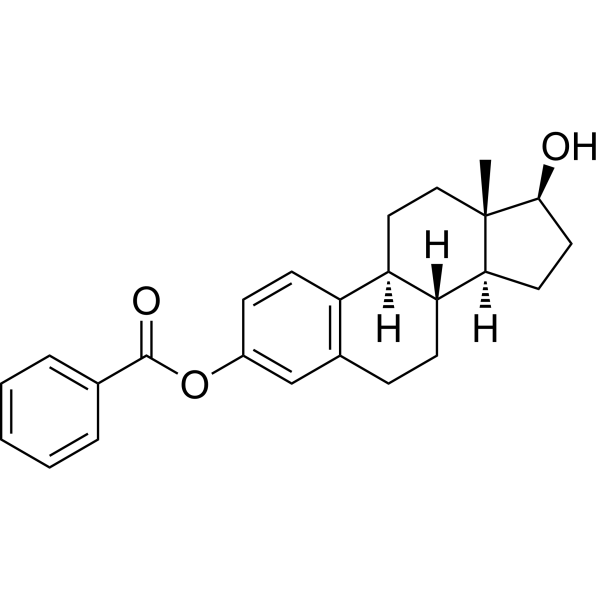
Estradiol benzoate (β-Estradiol 3-benzoate) is a HBx protein inhibitor and inhibits androgen and hepatitis B virus (HBV) transcription, replication. Estradiol benzoate shows antifertility effects, anti- Toxoplasma gondii activity and can improve memory behavior of Ovariectomy (Ovx) female mice .
loading...
    loading...
21
21 Cited Publications
Cat. No.: HY-D0090
CAS No.: 162558-52-3
Target:  

Fluorescent Dye

Research Areas:  

Others

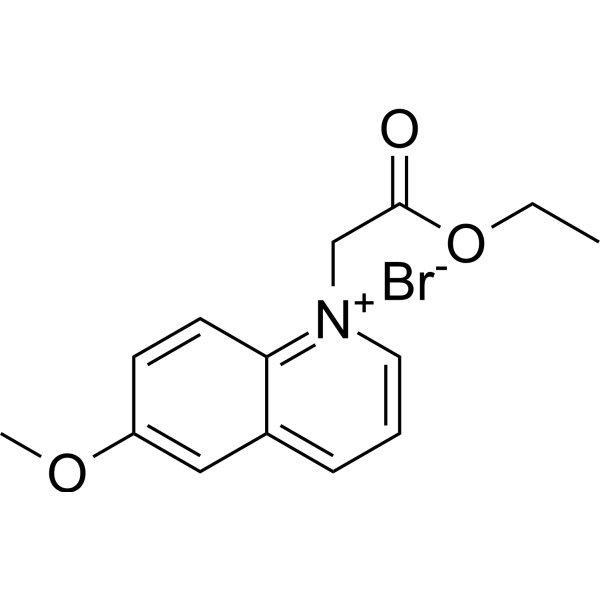
MQAE is a chloride ion (Cl -) fluorescent probe that can be used to measure chloride concentrations. The fluorescence intensity of MQAE decreases proportionally as Cl - ions increase. MQAE has high cell permeability and is suitable for fluorescence detection such as confocal microscopy and flow cytometry (Ex/Em=350/460 nm) .
loading...
    loading...
18
18 Cited Publications
Cat. No.: HY-P3216B
Synonyms: 9-Deamidooxytocin TFA
Target:  

Oxytocin Receptor

Research Areas:  

Endocrinology

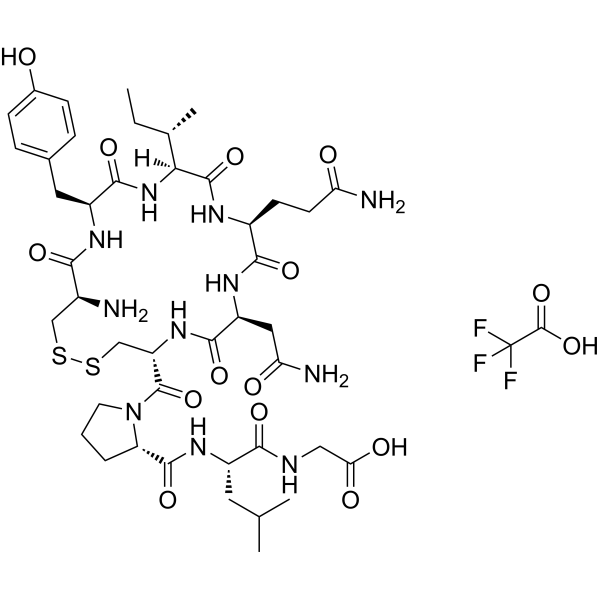
Oxytocin free acid (9-Deamidooxytocin) TFA is an analog of oxytocin in which the glycinamide residue at position 9 in oxytocin has been replaced by a glycine residue. Oxytocin is a pleiotropic, peptide hormone with broad implications for general health, adaptation, development, reproduction, and social behavior .
loading...
    loading...
14
14 Cited Publications
Cat. No.: HY-111330
CAS No.: 359010-69-8
Purity:  99.91%
Synonyms: HPF; 3'-p-(Hydroxyphenyl) fluorescein
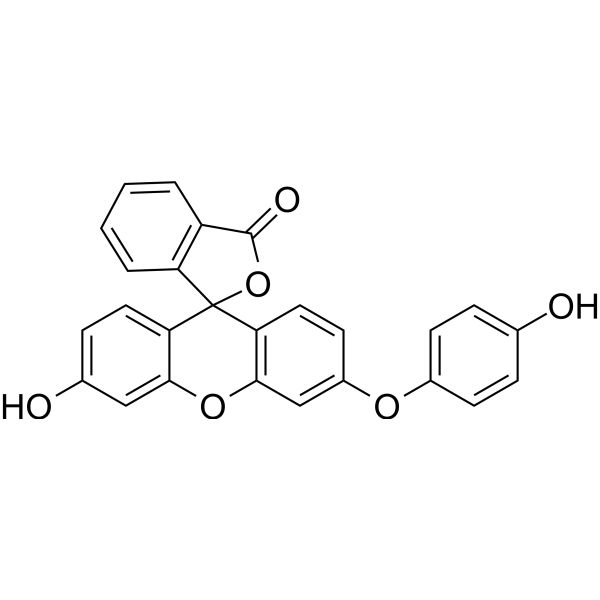
Hydroxyphenyl Fluorescein (HPF) is a stable ROS fluorescent probe dye. Hydroxyphenyl Fluorescein has stronger specificity and stability than H2DCFDA (HY-D0940). Hydroxyphenyl Fluorescein can produce strong green fluorescence through hydroxyl radical reaction with intracellular peroxynitroso. Hydroxyphenyl Fluorescein can be applied for fluorescence microscopy, high-throughput imager, luciferase microplate reader or flow cytometry. Ex/Em=490/515 nm .
loading...
    loading...
14
14 Cited Publications
Cat. No.: HY-B1218
CAS No.: 526-08-9
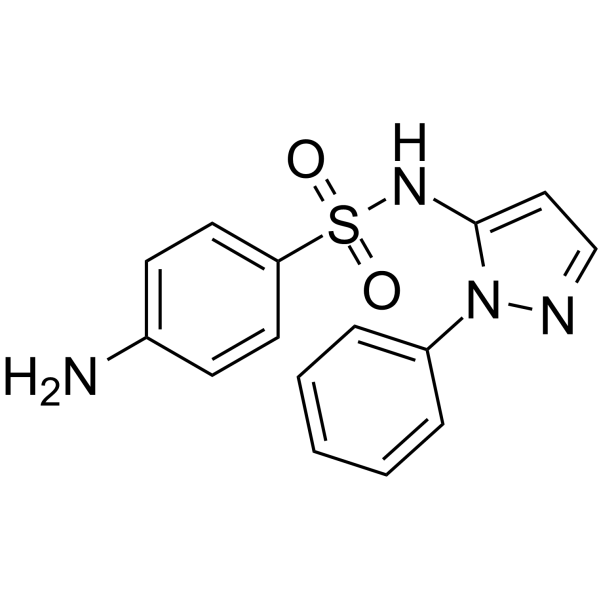
Sulfaphenazole is a selective inhibitor of human cytochrome P450 (CYP) 2C9 enzyme. Sulfaphenazole is a cytoprotective agent against light-induced death of photoreceptors. Sulfaphenazole inhibits light-induced necrosis and mitochondrial stress-initiated apoptosis. Sulfaphenazole is an off patent sulfonamide antibiotic and demonstrates bactericidal activity through enhanced M1 macrophage activity. Sulfaphenazole can significantly reduce infarct size and restore post-ischemic coronary flow following ischemia and reperfusion .
loading...
    loading...
14
14 Cited Publications
Cat. No.: HY-12688A
CAS No.: 864167-45-3
Purity:  ≥98.0%
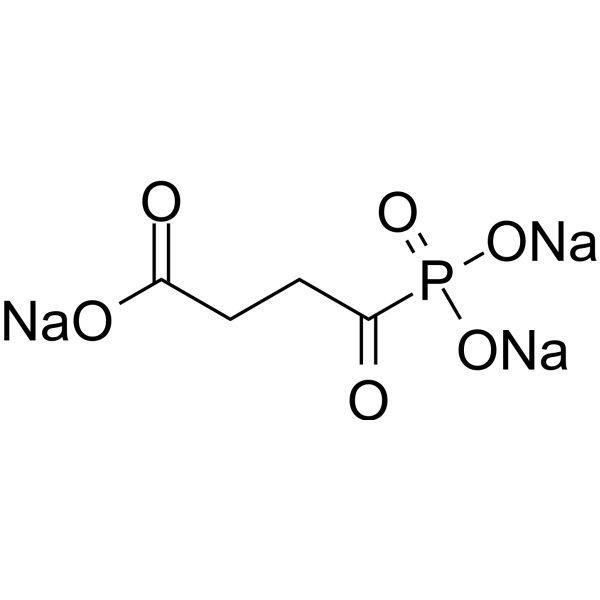
Succinyl phosphonate trisodium salt is a α-Ketoglutarate Dehydrogenase Complex (KGDHC) modulator with neuroprotective activity. Succinyl phosphonate trisodium salt protects this complex, reduces cellular succinyl-CoA concentration, downregulates protein succinylation levels, and inhibits the activity of the α-ketoglutarate dehydrogenase complex. Succinyl phosphonate trisodium salt corrects hypoxic or ethanol-induced behavioral impairments, modulates exploratory behavior and emotional stress responses, and improves hypoxia tolerance. Succinyl phosphonate trisodium salt reduces glutamate excitotoxicity, restores the activity of the α-ketoglutarate dehydrogenase complex, reverses the changes in glutamate dehydrogenase and glutamine synthetase activities induced by β-amyloid (Amyloid-β), modulates cognitive function, and prevents β-amyloid-induced neuronal damage. Succinyl phosphonate trisodium salt improves microglial senescence, alleviates neuroinflammation, reactive oxygen species (ROS) production, lipid peroxidation, and the expression of proinflammatory cytokines. Succinyl phosphonate trisodium salt can be used in the research of Alzheimer's disease, aging-related neuroinflammation, and Parkinson's disease .
loading...
    loading...
14
14 Cited Publications
Cat. No.: HY-106224
CAS No.: 205640-90-0
Purity:  99.93%
Synonyms: Hypocretin-1 (human, rat, mouse)
Research Areas:  

Neurological Disease

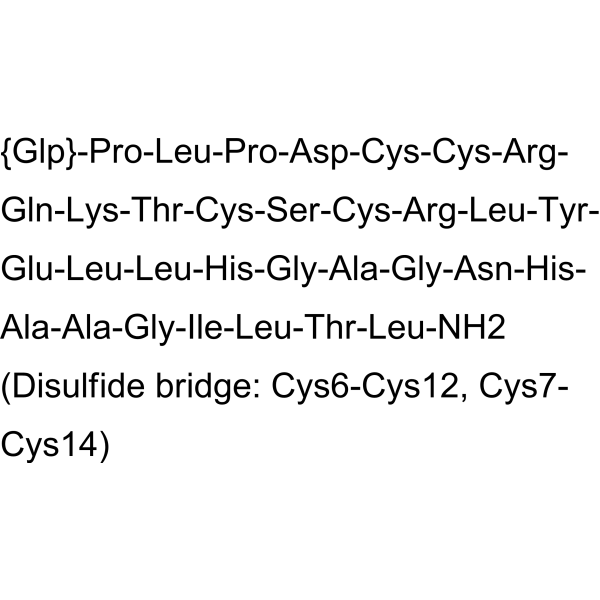
Orexin A (human, rat, mouse) (Hypocretin-1 (human, rat, mouse)), a 33 amino acid excitatory neuropeptide, orchestrates diverse central and peripheral processes. Orexin A (human, rat, mouse) binds and activates two types of G protein-coupled receptors, the orexin-1 receptor (OX1R) and the orexin-2 receptor (OX2R). Orexin A (human, rat, mouse) has a role in the regulation of feeding behavior. Orexin A (human, rat, mouse) is an effective anti-nociceptive and anti-hyperalgesic agent in mice and rats .
loading...
    loading...
14
14 Cited Publications
Cat. No.: HY-106224A
Purity:  97.13%
Synonyms: Hypocretin-1 (human, rat, mouse) TFA
Research Areas:  

Neurological Disease

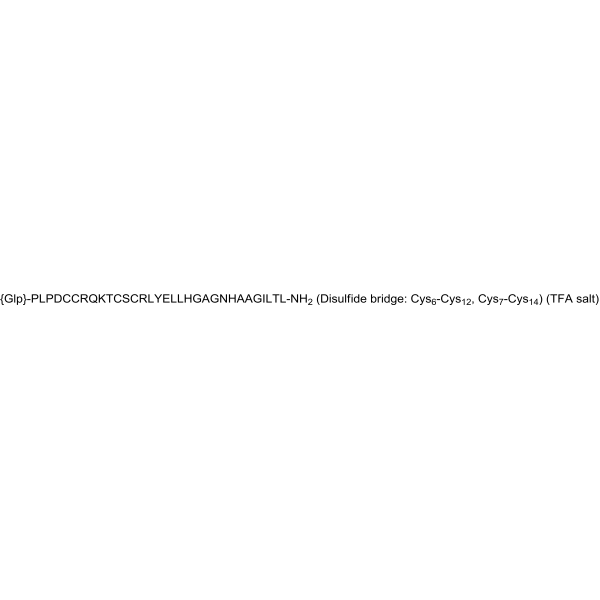
Orexin A (human, rat, mouse) (Hypocretin-1 (human, rat, mouse)) TFA, a 33 amino acid excitatory neuropeptide, orchestrates diverse central and peripheral processes. Orexin A (human, rat, mouse) TFA binds and activates two types of G protein-coupled receptors, the orexin-1 receptor (OX1R) and the orexin-2 receptor (OX2R). Orexin A (human, rat, mouse) TFA has a role in the regulation of feeding behavior. Orexin A (human, rat, mouse) TFA is an effective anti-nociceptive and anti-hyperalgesic agent in mice and rats .
loading...
    loading...

