218 Results for "

rat liver

" in MedChemExpress (MCE) Product Catalog:
Products (218)

218 Results for "rat liver" in MCE Product Catalog:

48
48 Publications Verification
Cat. No.: HY-50662
CAS No.: 844499-71-4
Target:  

AMPK

Research Areas:  

Metabolic Disease

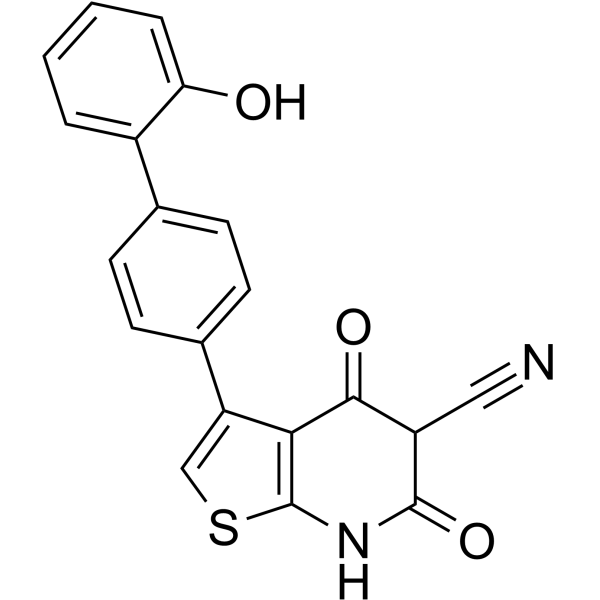
A-769662 is a AMP-activated protein kinase (AMPK) activator. A-769662 inhibits the function of the 26S proteasome by an AMPK-independent mechanism and leads to cell cycle arrest. A-769662 directly stimulates partially purified rat liver AMPK (EC50 = 0.8 μM) and inhibits fatty acid synthesis in primary rat hepatocytes (IC50 = 3.2 μM). A-769662 can alleviate the symptoms of metabolic diseases such as type 2 diabetes .
loading...
    loading...
15
15 Cited Publications
Cat. No.: HY-14394
CAS No.: 17374-26-4
Purity:  98.54%
Synonyms: NSC 231634; Casein Kinase II Inhibitor I
Target:  

Casein Kinase

Research Areas:  

Cancer

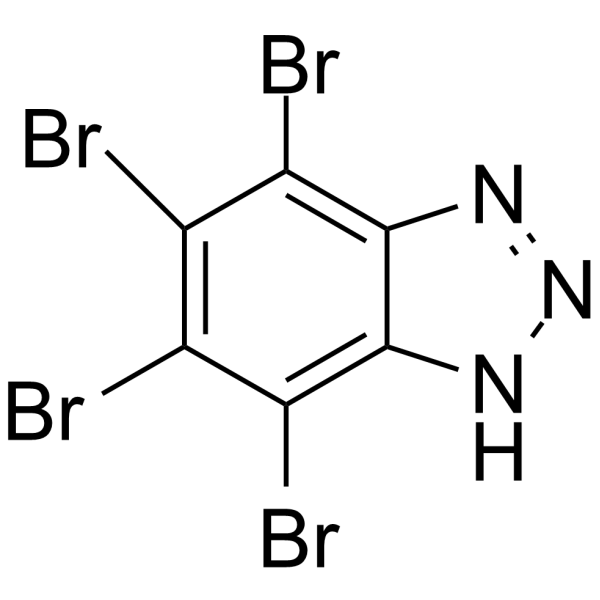
TBB is a cell-permeable and ATP-competitive CK2 inhibitor with an IC50 of 0.15 μM for rat liver CK2.
loading...
    loading...
13
13 Cited Publications
Cat. No.: HY-15259
CAS No.: 591778-68-6
Purity:  99.72%
Research Areas:  

Metabolic Disease

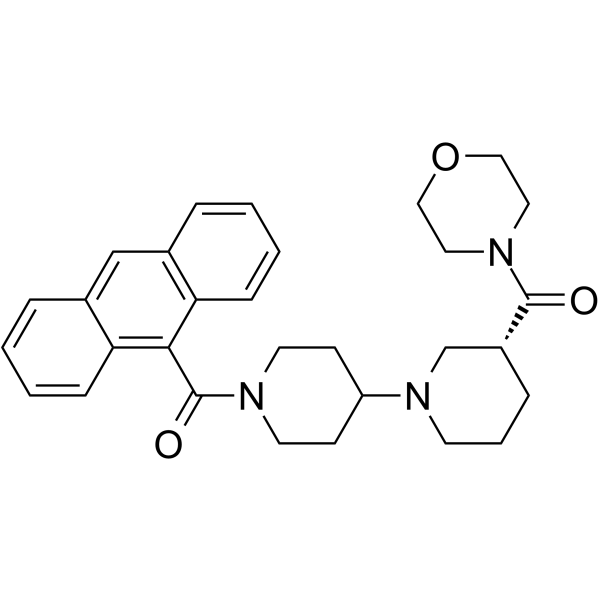
CP-640186 is an orally active and cell-permeable Acetyl-CoA carboxylase (ACC) inhibitor with IC50s of 53 nM and 61 nM for rat liver ACC1 and rat skeletal muscle ACC2 respectively. Acetyl-CoA carboxylase (ACC) is a key enzyme of fatty acid metabolism that enables the synthesis of malonyl-CoA. CP-640186 can also stimulate muscle fatty acid oxidation .
loading...
    loading...
13
13 Cited Publications
Cat. No.: HY-15259A
CAS No.: 591778-70-0
Purity:  99.90%
Research Areas:  

Metabolic Disease

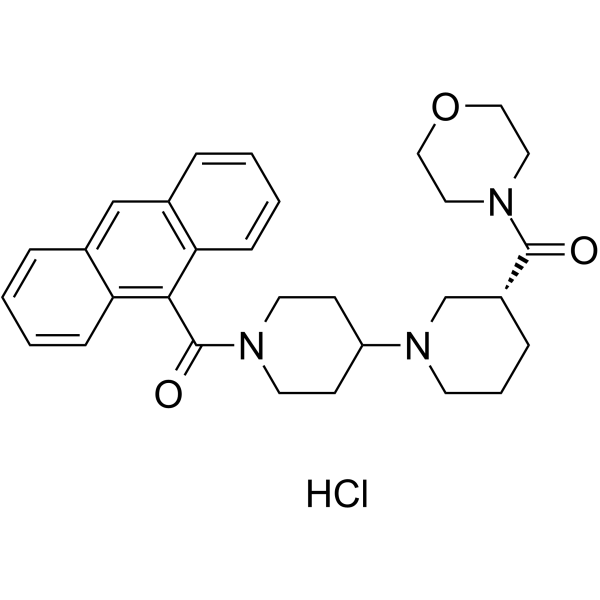
CP-640186 hydrochloride is an orally active and cell-permeable Acetyl-CoA carboxylase (ACC) inhibitor with IC50s of 53 nM and 61 nM for rat liver ACC1 and rat skeletal muscle ACC2 respectively. Acetyl-CoA carboxylase (ACC) is a key enzyme of fatty acid metabolism that enables the synthesis of malonyl-CoA. CP-640186 hydrochloride can also stimulate muscle fatty acid oxidation .
loading...
    loading...
8
8 Cited Publications
Cat. No.: HY-14280
CAS No.: 130929-57-6
Purity:  99.97%
Target:  

COMT

Research Areas:  

Neurological Disease Cancer

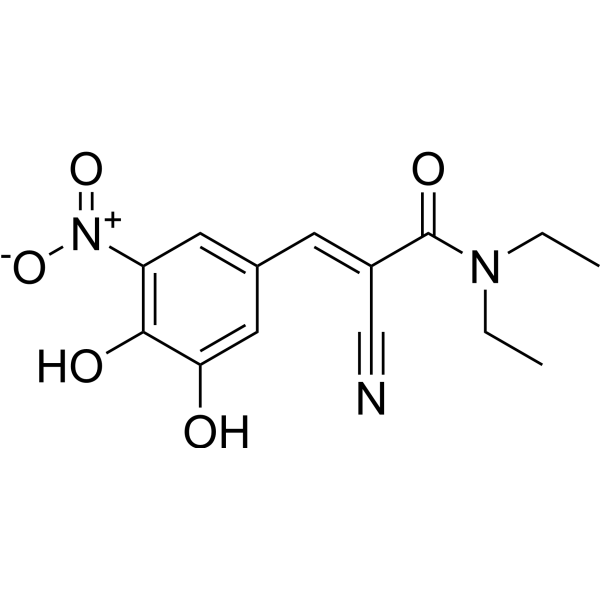
Entacapone is a potent, reversible, peripherally acting and orally active catechol-O-methyltransferase (COMT) inhibitor. Entacapone inhibits COMT from rat brain, erythrocytes and liver with IC50 values of 10 nM, 20 nM, and 160 nM, respectively. Entacapone is selective for COMT over other catecholamine metabolizing enzymes, including MAO-A, MAO-B, phenolsulphotransferase M (PST-M) and PST-P (IC50s>50 μM). Entacapone can be used for the research of Parkinson's disease . Entacapone serves as a inhibitor of FTO demethylation with an IC50 of 3.5 μM, can be used for the research of metabolic disorders .
loading...
    loading...
5
5 Cited Publications
Cat. No.: HY-107410
CAS No.: 218136-59-5
Purity:  99.66%
Research Areas:  

Inflammation/Immunology

SC-26196 is a potent, orally active Delta6 desaturase (D6D, FADS2) inhibitor (IC50=0.2 μM in a rat liver microsomal assay). Antiinflammatory properties .
loading...
    loading...
5
5 Cited Publications
Cat. No.: HY-10864
CAS No.: 546141-08-6
Purity:  99.15%
Synonyms: KDS-4103
Target:  

FAAH Autophagy Mitophagy

Research Areas:  

Neurological Disease

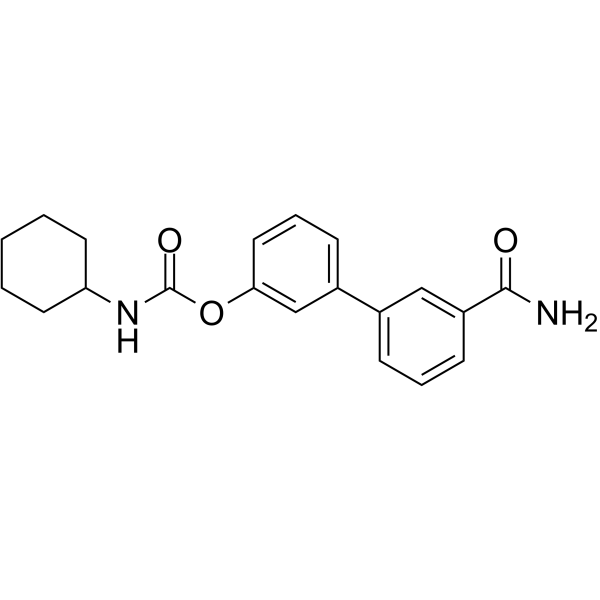
URB-597 (KDS-4103) is an orally bioavailable and selective FAAH inhibitor. URB-597 inhibits FAAH activity with an IC50s of approximately 5 nM in rat brain membranes, 0.5 nM in intact rat neurons, 3 nM in human liver microsomes. Antidepressant-like effects. Analgesic activity .
loading...
    loading...
4
4 Cited Publications
Cat. No.: HY-13070
CAS No.: 1030612-90-8
Purity:  99.04%
Research Areas:  

Metabolic Disease

MK-8245 is a potent, liver-targeted stearoyl-CoA desaturase (SCD) inhibitor, with IC50s of 1 nM for human SCD1 and 3 nM for both rat SCD1 and mouse SCD1, with antidiabetic and antidyslipidemic efficacy .
loading...
    loading...
4
4 Cited Publications
Cat. No.: HY-N4193
CAS No.: 59870-65-4
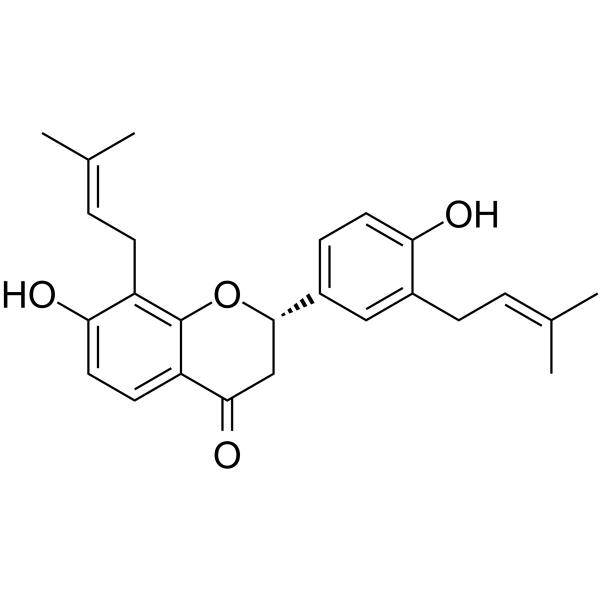
Glabrol (Compound 1), One isoprenyl flavonoid was isolated from ethanol extract of licorice roots, is a potent and non-competitive Acyl-coenzyme A: cholesterol acyltransferase (ACAT) inhibitor with an IC50 value of 24.6 μM for rat liver microsomal ACAT activity .
loading...
    loading...
4
4 Cited Publications
Cat. No.: HY-13077
CAS No.: 1415559-41-9
Purity:  98.45%
Research Areas:  

Metabolic Disease

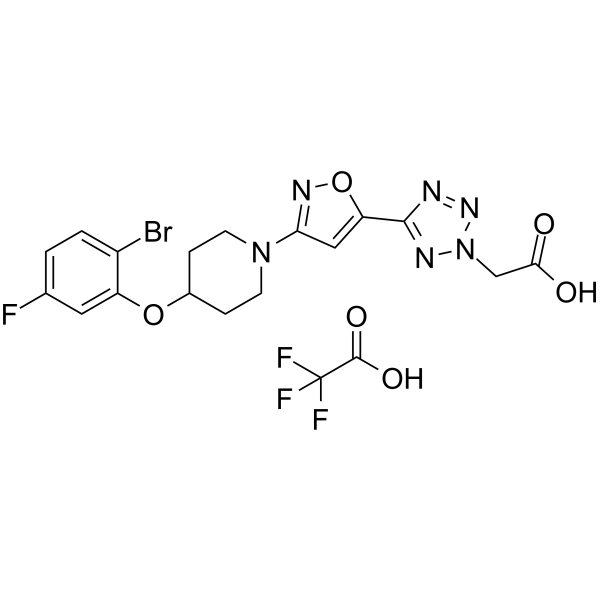
MK-8245 Trifluoroacetate is a potent, liver-targeted stearoyl-CoA desaturase (SCD) inhibitor, with IC50s of 1 nM for human SCD1 and 3 nM for both rat SCD1 and mouse SCD1, with antidiabetic and antidyslipidemic efficacy .
loading...
    loading...
4
4 Cited Publications
Cat. No.: HY-N1462
CAS No.: 102130-43-8
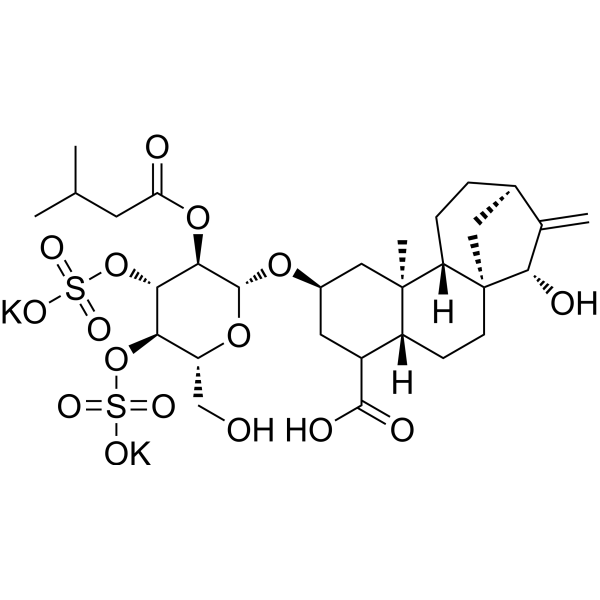
Atractyloside potassium salt is a powerful and specific inhibitor of mitochondrial ADP/ATP transport. Atractyloside potassium salt inhibits chloride channels from mitochondrial membranes of rat heart. Atractyloside potassium salt activates autophagy, inhibits ANT2, mTOR and promotes the activation of p-AMPK. Atractyloside potassium salt has anti-cancer effects on non-small cell lung cancer and can inhibit liver steatosis. Atractylodesin potassium salt has nephrotoxicity .
loading...
    loading...
3
3 Cited Publications
Cat. No.: HY-N7056
CAS No.: 2657-25-2
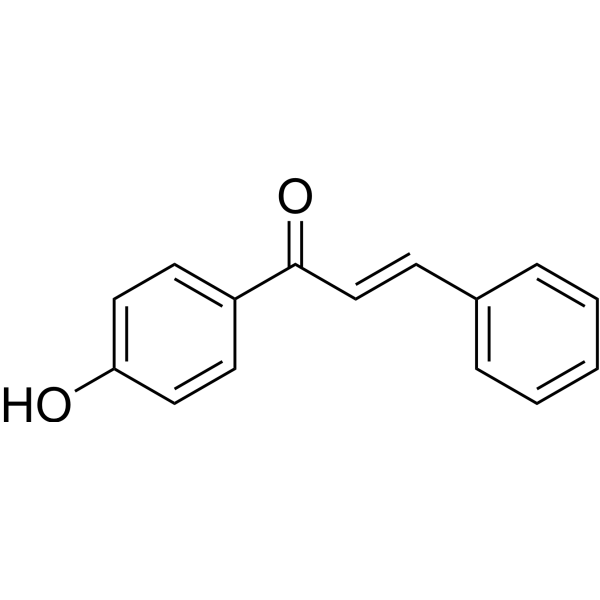
4'-Hydroxychalcone is a chalcone isolated from licorice root, with hepatoprotective activity. 4'-Hydroxychalcone inhibits TNFα-induced NF-κB activation via proteasome inhibition. 4'-Hydroxychalcone induces a rapid potassium release from mitochondrial vesicles and causes deterioration of respiratory control and oxidative phosphorylation of isolated rat liver mitochondria .
loading...
    loading...
2
2 Cited Publications
Cat. No.: HY-B0817
CAS No.: 96489-71-3
Research Areas:  

Infection

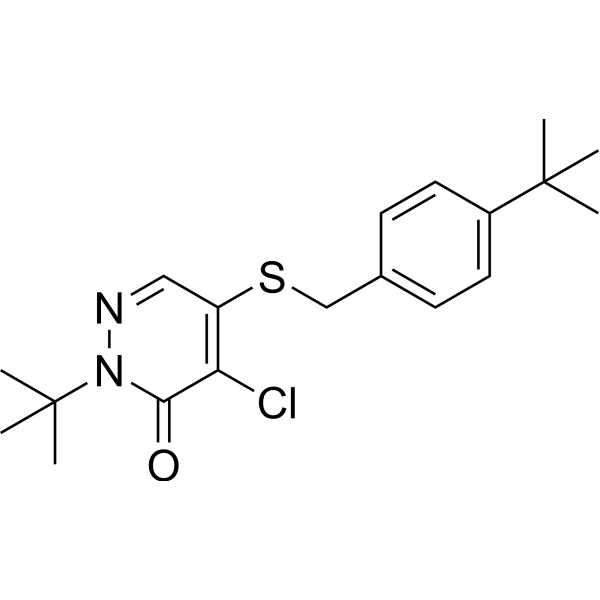
Pyridaben is a mitochondrial electron transport inhibitor (METI) acaricide that promotes the formation of damaging oxygen and nitrogen radicals. Pyridaben selectively inhibits complex I (NADH dehydrogenase) with an IC50 value of 2.4 nM (assay sites: rat liver and bovine heart mitochondria). Pyridaben also significantly inhibits rat mitochondrial mtNOS function .
loading...
    loading...
2
2 Cited Publications
Cat. No.: HY-137458
CAS No.: 1416775-46-6
Purity:  98.03%
Synonyms: ARQ 751
Target:  

Akt CDK TGF-beta/Smad

Research Areas:  

Cancer

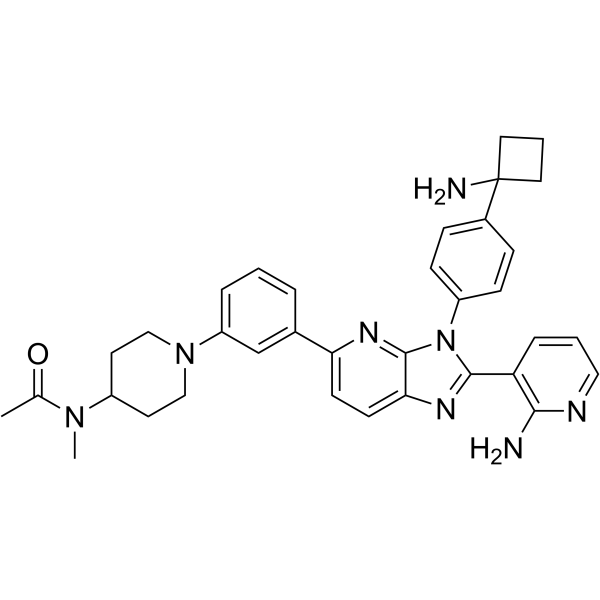
Vevorisertib (ARQ 751) is an orally active allosteric AKT inhibitor that blocks AKT phosphorylation. Vevorisertib inhibits tumor cell proliferation through Cyclin D1 and Ki67. Vevorisertib inhibits liver fibrosis through collagen accumulation, alpha-SMA, COL1, and TGF-beta. Vevorisertib reduces total bilirubin. Vevorisertib significantly reduces tumor size in a cirrhotic rat HCC model. Vevorisertib can be used for research on hepatocellular carcinoma .
loading...
    loading...
2
2 Cited Publications
Cat. No.: HY-137458A
CAS No.: 1416775-08-0
Purity:  99.13%
Synonyms: ARQ 751 trihydrochloride
Target:  

Akt CDK TGF-beta/Smad

Research Areas:  

Cancer

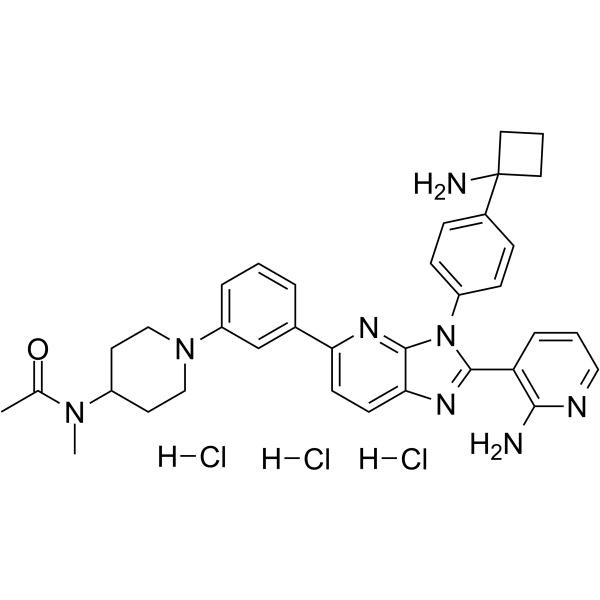
Vevorisertib trihydrochloride (ARQ 751 trihydrochloride) is an orally active allosteric AKT inhibitor that blocks AKT phosphorylation. Vevorisertib trihydrochloride inhibits tumor cell proliferation through Cyclin D1 and Ki67. Vevorisertib trihydrochloride inhibits liver fibrosis through collagen accumulation, alpha-SMA, COL1, and TGF-beta. Vevorisertib trihydrochloride reduces total bilirubin. Vevorisertib trihydrochloride significantly reduces tumor size in a cirrhotic rat HCC model. Vevorisertib trihydrochloride can be used for research on hepatocellular carcinoma .
loading...
    loading...
2
2 Cited Publications
Cat. No.: HY-137458B
Synonyms: ARQ 751 tetrahydrochloride
Target:  

Akt CDK TGF-beta/Smad

Research Areas:  

Cancer

Vevorisertib tetrahydrochloride (ARQ 751 tetrahydrochloride) is an orally active allosteric AKT inhibitor that blocks AKT phosphorylation. Vevorisertib tetrahydrochloride inhibits tumor cell proliferation through Cyclin D1 and Ki67. Vevorisertib tetrahydrochloride inhibits liver fibrosis through collagen accumulation, alpha-SMA, COL1, and TGF-beta. Vevorisertib tetrahydrochloride reduces total bilirubin. Vevorisertib tetrahydrochloride significantly reduces tumor size in a cirrhotic rat HCC model. Vevorisertib tetrahydrochloride can be used for research on hepatocellular carcinoma .
loading...
    loading...
1
1 Cited Publications
Cat. No.: HY-W010450
CAS No.: 65-71-4
Target:  

Endogenous Metabolite

Research Areas:  

Metabolic Disease Cancer

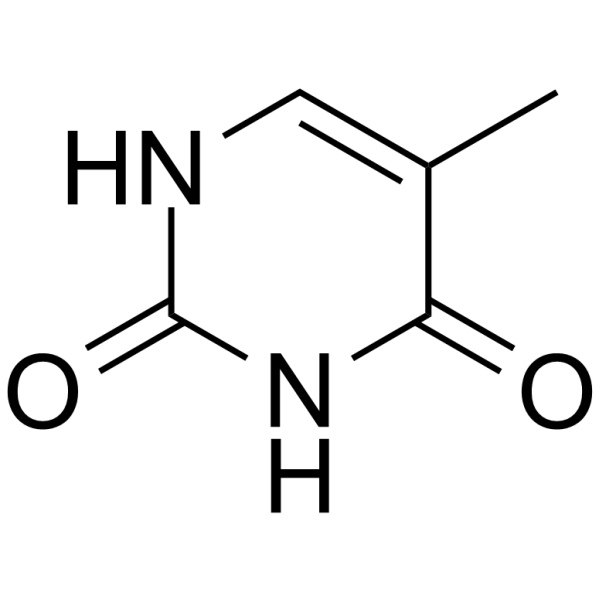
Thymine, one of the four bases of DNA, is a substrate for rat liver dihydropyrimidine dehydrogenase (DPD), with a Km value of 2.2 μM, Ki of 24 μM (using 5-FU as the DPD substrate), and a specific activity of 0.68 nmol/min/mg .
loading...
    loading...
1
1 Cited Publications
Cat. No.: HY-N1548
CAS No.: 99-18-3
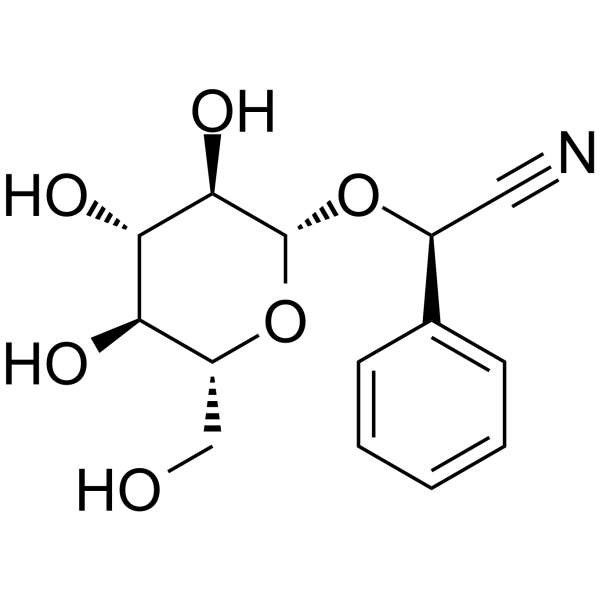
Prunasin is an orally active cyanogenic glucoside and the main metabolite of Amygdalin (HY-N0190). Prunasin can specifically inhibit rat DNA polymerase β (IC50: 98 μM). Prunasin has anti-inflammatory and anti-fibrotic activities. Prunasin can be used in the research of diseases such as liver fibrosis .
loading...
    loading...
1
1 Cited Publications
Cat. No.: HY-NP181
Testosterone/BSA, a conjugate of Testosterone (HY-113415) and bovine serum albumin (BSA), acts as a nuclear transporter and cytoplasmic accumulator. Testosterone/BSA can enter the nuclei of rat testicular spermatocytes, spermatids and rat liver endothelial cells, while the antigenicity of BSA remains intact. Testosterone/BSA accumulates in the cytoplasm of rat hepatocytes in granular form. Testosterone/BSA can be used to investigate the membrane-initiated or non-genomic activities of steroid hormones .
loading...
    loading...
1
1 Cited Publications
Cat. No.: HY-114296
CAS No.: 7200-26-2
Synonyms: Squalene oxide
Research Areas:  

Others

2,3-Oxidosqualene (Squalene oxide) is a sterol biosynthesis precursor intermediate.2,3-Oxidosqualene participates in cyclization pathways that form sterols and triterpenes, and contributes to introduction of their characteristic 3-hydroxyl group.2,3-Oxidosqualene forms metabolically from squalene in rat liver homogenates under sterol synthesis conditions.2,3-Oxidosqualene converts to sterols including cholesterol, lathosterol, and lanost-8-en-3β-ol in rat liver homogenates under anaerobic conditions .
loading...
    loading...

