18 Results for "

redox-active

" in MedChemExpress (MCE) Product Catalog:
Products (18)

18 Results for "redox-active" in MCE Product Catalog:

3
3 Cited Publications
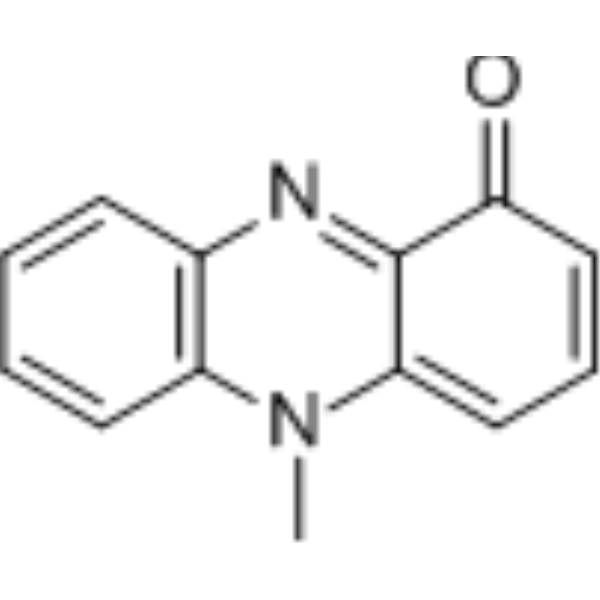
Cat. No.: HY-111278
CAS No.: 85-66-5
Purity:  99.23%
Synonyms: Pyocyanine; Sanazin; Sanasin
Pyocyanin (Pyocyanine) is a toxic, quorum sensing (QS) controlled metabolite produced by Pseudomonas aeruginosa. Pyocyanin is a REDOX active compound that promotes the production of reactive oxygen species (ROS). Pyocyanin has antibacterial and anti-inflammatory activity .
loading...
    loading...
1
1 Cited Publications
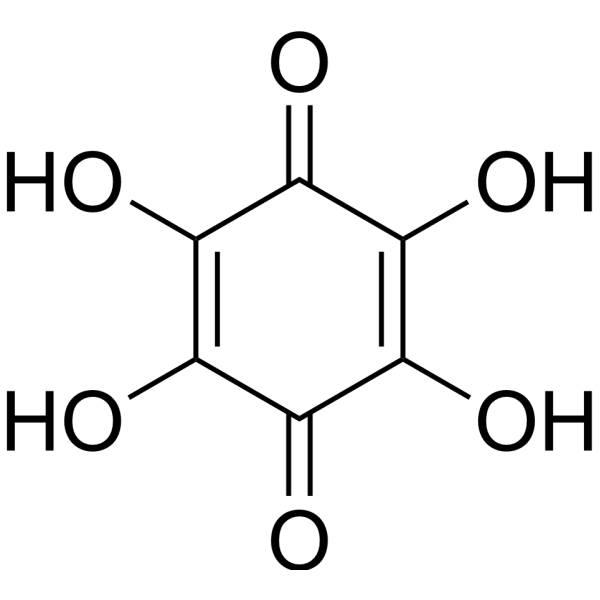
Cat. No.: HY-B1106
CAS No.: 319-89-1
Synonyms: Tetrahydroxy-1,4-benzoquinone; Tetrahydroxybenzoquinone
Research Areas:  

Cancer

Tetrahydroxyquinone (Tetrahydroxy-1,4-benzoquinone), a primitive anticataract agent, is a redox active benzoquinone. Tetrahydroxyquinone can take part in a redox cycle with semiquinone radicals, leading to the formation of reactive oxygen species (ROS) .
loading...
    loading...
1
1 Cited Publications
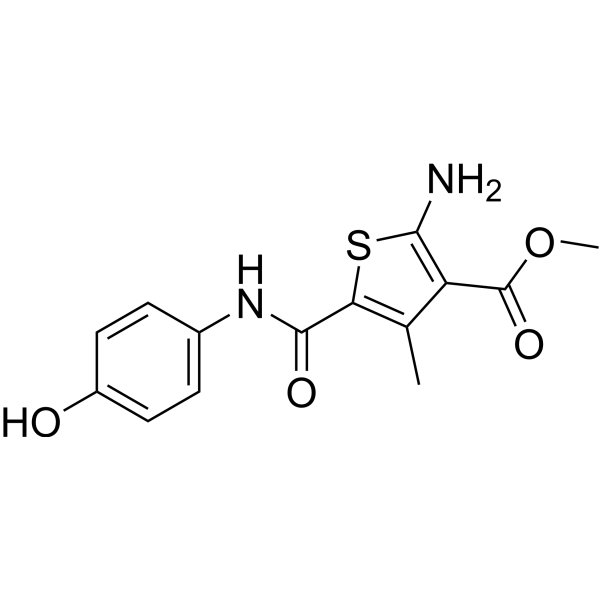
Cat. No.: HY-155539
CAS No.: 2916371-59-8
Purity:  99.17%
Research Areas:  

Inflammation/Immunology

Cisd2 agonist 2 (compound 6) is a Cisd2 activator (EC50=191 nM), and Cisd2 levels are associated with non-alcoholic fatty liver disease (NAFLD). Cisd2 agonist 2 has no significant in vivo toxicity in Cisd2hKO-het mice (heterozygous hepatocyte-specific Cisd2 knockout). Cisd2 (CDGSH iron sulfur domain 2) is a zinc finger protein that is mainly localized in the endoplasmic reticulum or mitochondrial membrane. Cisd2 participates in mitochondrial function by forming homodimers containing two redox-active 2Fe-2S clusters .
loading...
    loading...
1
1 Cited Publications
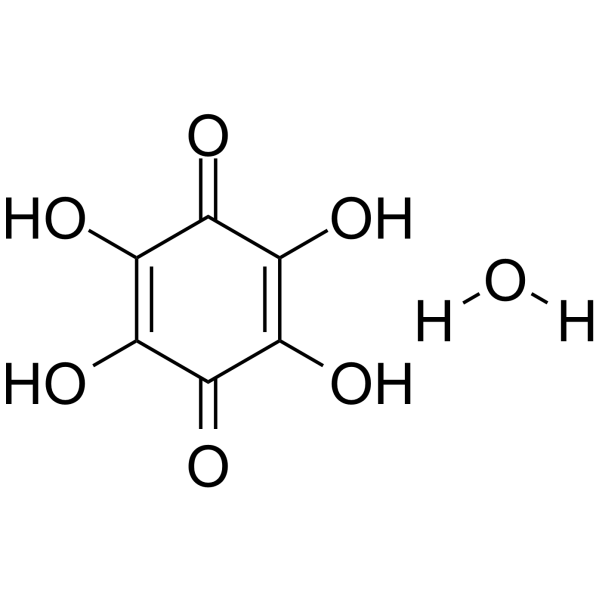
Cat. No.: HY-B1106A
CAS No.: 1215458-51-7
Synonyms: Tetrahydroxy-1,4-benzoquinone monohydrate; Tetrahydroxybenzoquinone monohydrate
Research Areas:  

Cancer

Tetrahydroxyquinone monohydrate (Tetrahydroxy-1,4-benzoquinone monohydrate), a primitive anticataract agent, is a redox active benzoquinone. Tetrahydroxyquinone monohydrate can take part in a redox cycle with semiquinone radicals, leading to the formation of reactive oxygen species (ROS) .
loading...
    loading...
Cat. No.: HY-W012145
CAS No.: 637-01-4
Target:  

Others

Research Areas:  

Metabolic Disease

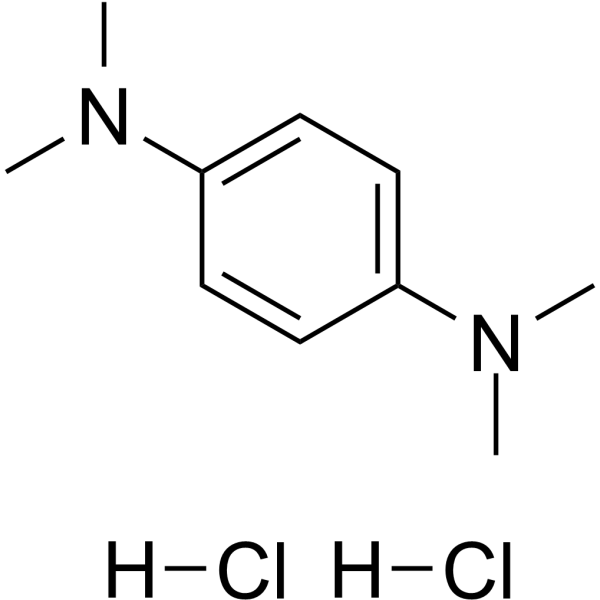
TMPD dihydrochloride, a readily oxidizable compound, is an enzymatically convert redox active substrate molecule. TMPD dihydrochloride is also an electron donor and serves as a reducing cosubstrate for heme peroxidases . TMPD dihydrochloride is also a complex IV substrate .
loading...
    loading...
Cat. No.: HY-W010323
CAS No.: 615-94-1
Synonyms: DHBQ
Research Areas:  

Others

2,5-Dihydroxy-1,4-benzoquinone (DHBQ) is a redox-active quinone-based organic ligand with antibacterial activity that can be obtained from fungal metabolites. After 2,5-Dihydroxy-1,4-benzoquinone is incorporated into the Fe (dhbq) metal-organic framework, a two-electron redox process occurs, which helps improve the discharge capacity of Li +-ion battery cathodes. 2,5-Dihydroxy-1,4-benzoquinone can be used to construct conductive metal-organic frameworks suitable for Li +-ion battery cathodes .
loading...
    loading...
Cat. No.: HY-114243
CAS No.: 1382469-39-7
Purity:  98.28%
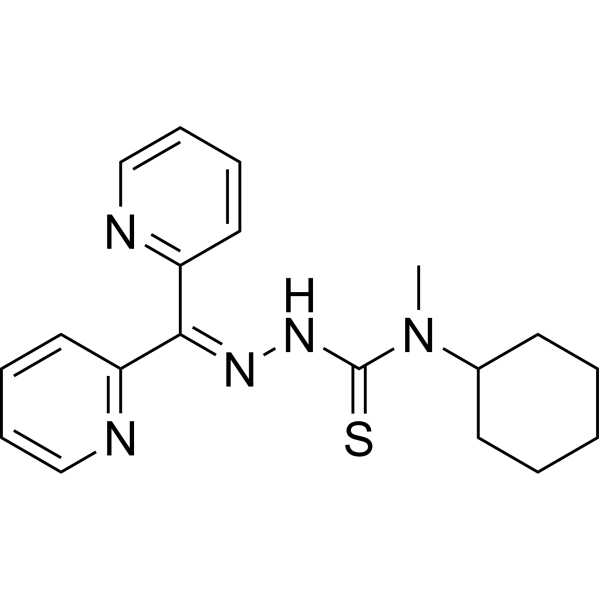
DpC is a selective, orally active iron chelator with anticancer activity. DpC acts on signaling pathway-related targets such as JNK, NF-κB, and its activity is competitively inhibited by another iron chelator Dp44mT (HY-18973). By chelating intracellular iron and copper ions in tumor cells to form redox-active complexes, DpC induces oxidative stress, activates the JNK, NF-κB pathways and downregulates IκBα, upregulates the expressions of neuroglobin and cytoglobin, activates caspase 3/9 to induce tumor cell apoptosis. It also overcomes P-glycoprotein-mediated multidrug resistance through a lysosome-targeting mechanism, and exhibits broad-spectrum synergistic effects when combined with various chemotherapeutic agents. DpC inhibits tumor metastasis and increases TNF-α levels in the tumor microenvironment to enhance endogenous immune responses. DpC is applicable to the research of various malignancies including neuroblastoma, pancreatic cancer, prostate cancer, lung cancer, and breast cancer .
loading...
    loading...
Cat. No.: HY-125999
CAS No.: 1147883-03-1
Purity:  99.53%
Research Areas:  

Neurological Disease

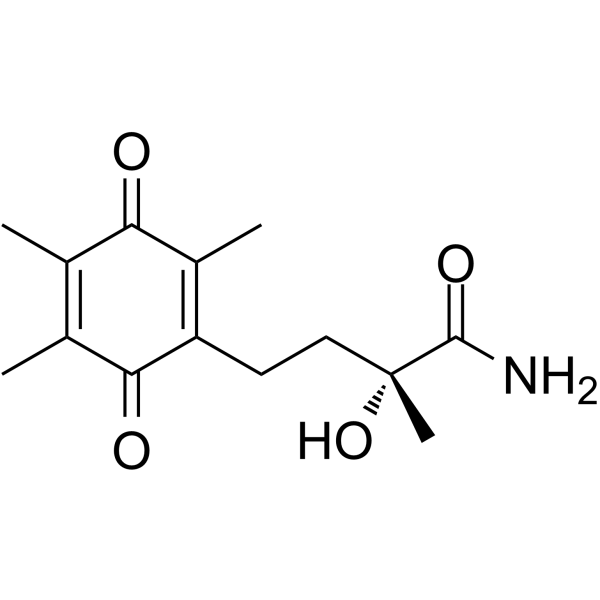
EPI-589, a quinone derivative, is a safe and well tolerated oxidoreductase enzyme inhibitor and a free radical scavenger, with blood-brain barrier permeable and orally available. EPI-589 is a redox-active neuroprotectant that effectively delays the symptoms of motor neuron disease in wobbler mice. EPI-589 can be used in amyotrophic lateral sclerosis (ALS) research .
loading...
    loading...
Cat. No.: HY-N9610
CAS No.: 1065-31-2
Synonyms: Ubiquinone 30
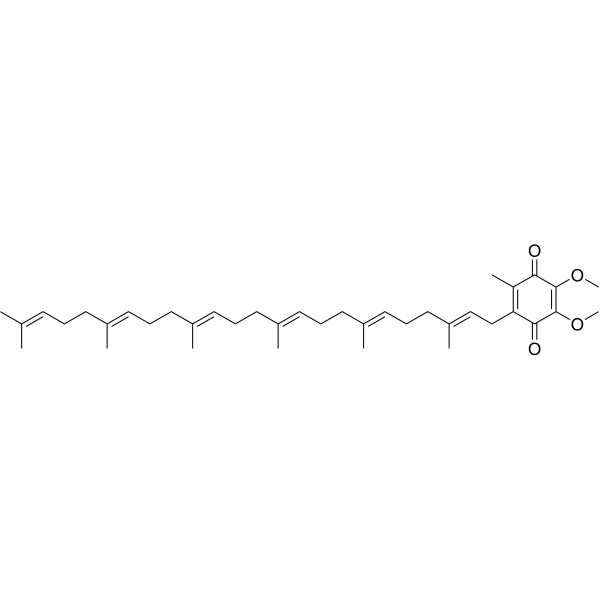
Coenzyme Q6 (Ubiquinone 30) is a redox-active benzoquinone lipid and mitochondrial electron carrier. Coenzyme Q6 can be used in research on MASLD, mitochondrial diseases, pneumococcal diseases, and steroid-resistant nephrotic syndrome with FSGS .
loading...
    loading...
Cat. No.: HY-125662A
CAS No.: 1379783-91-1
BMX-001 is a blood-brain barrier-penetrant, redox-active manganese porphyrin SOD mimetic with reactive oxygen species/reactive nitrogen species scavenging activity. BMX-001 inhibits NF-κB through S-glutathionylation, activates Nrf2/Keap1, and decreases TRPV1. BMX-001 enhances glucose-stimulated insulin secretion and inhibits islet apoptosis. BMX-001 radiosensitizes tumors, reduces cancer-associated fibroblasts, promotes dendritic cell maturation, modulates macrophage/MDSC/T cell responses, inhibits EMT/angiogenesis/hypoxia/inflammation, and induces apoptosis. BMX-001 protects glial cells while exerting pro-oxidant effects in cancer, and alleviates neuropathic pain. BMX-001 has neuroprotective effects in ischemic stroke. BMX-001 can be used for research on type 1 diabetes, ischemic stroke, pain, breast cancer, and glioblastoma .
loading...
    loading...
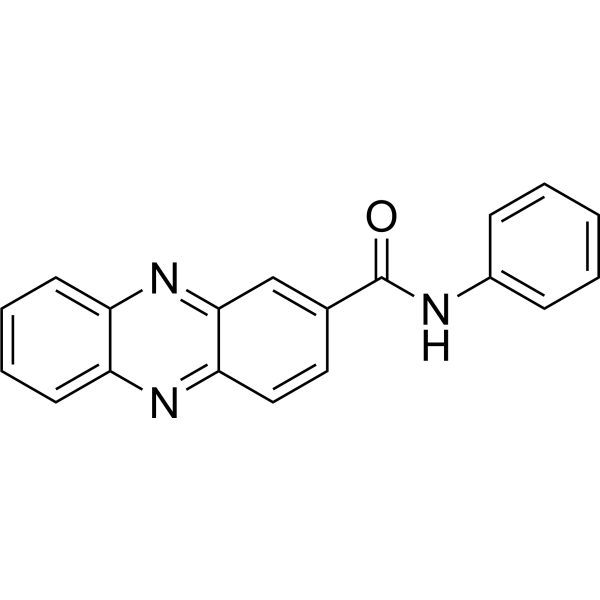
Cat. No.: HY-148766
CAS No.: 37648-76-3
Target:  

Drug Derivative

Research Areas:  

Metabolic Disease

VU661, a phenazine carboxamide, is a modulator of circadian rhythms to produce a period lengthening of the circadian rhythm. VU661 is a redox-active small molecule .
loading...
    loading...
Cat. No.: HY-111278R
CAS No.: 85-66-5
Synonyms: Pyocyanine (Standard); Sanazin (Standard); Sanasin (Standard)
Pyocyanin (Standard) is the analytical standard of Pyocyanin. This product is intended for research and analytical applications. Pyocyanin (Pyocyanine) is a toxic, quorum sensing (QS) controlled metabolite produced by Pseudomonas aeruginosa. Pyocyanin is a REDOX active compound that promotes the production of reactive oxygen species (ROS). Pyocyanin has antibacterial and anti-inflammatory activity[1][2][3][4].
loading...
    loading...
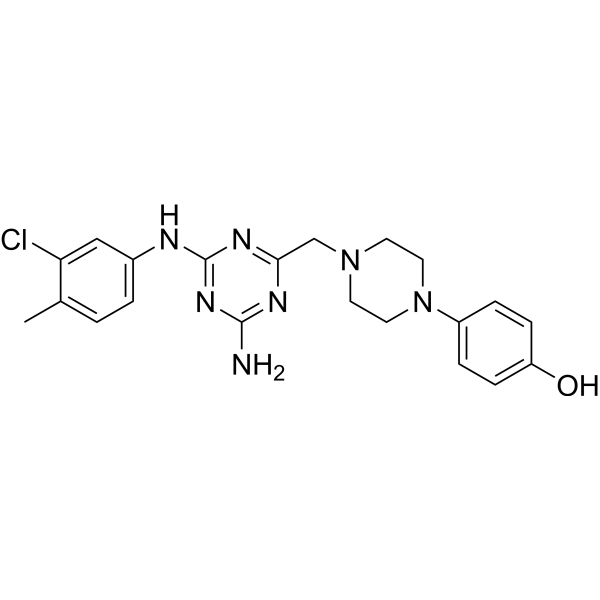
Cat. No.: HY-153978
Target:  

NADPH Oxidase

Research Areas:  

Others

GLX481369 is a redox active substance. GLX481369 is a Nox4 inhibitor. GLX481369 has antioxidant effects .
loading...
    loading...
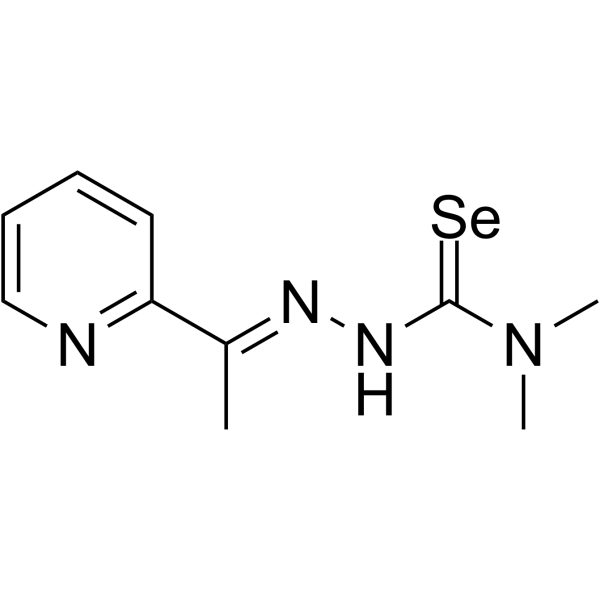
Cat. No.: HY-115832
CAS No.: 79514-49-1
Target:  

Transferrin Receptor

Research Areas:  

Cancer

Ap44mSe is a selenosemicarbazone that effectively depletes cellular Fe, resulting in transferrin receptor-1 up-regulation, ferritin down-regulation, and increased expression of the potent metastasis suppressor, N-myc downstream regulated gene-1. Ap44mSe forms redox active Cu complexes that target the lysosome to induce lysosomal membrane permeabilization .
loading...
    loading...
Cat. No.: HY-E71617
Research Areas:  

Others

2-Phospho-L-lactate guanylyltransferase (EC 2.7.7.68) is involved in the biosynthesis of coenzyme F420, a redox-active cofactor found in all methanogenic archaea, as well as some eubacteria.
loading...
    loading...
Cat. No.: HY-E71618
Research Areas:  

Others

2-Phospho-L-lactate transferase (EC 2.7.8.28) is involved in the biosynthesis of coenzyme F420, a redox-active cofactor found in all methanogenic archaea, as well as some eubacteria.
loading...
    loading...
Cat. No.: HY-W585926
CAS No.: 56524-76-6
Disperse Polyester Dark Blue is a chemical compound extensively employed in scientific research. It serves as a redox-active agent and functions as a probe for identifying reactive oxygen species (ROS) in cells and tissues. By accepting electrons from ROS and undergoing oxidation, Disperse Polyester Dark Blue demonstrates its redox activity. Consequently, a chemiluminescent signal is generated, which can be measured using a luminometer. The intensity of the signal directly correlates with the quantity of ROS detected within the sample.
loading...
    loading...
Cat. No.: HY-114243A
CAS No.: 1382469-40-0
DpC hydrochloride is a selective, orally active iron chelator with anticancer activity. DpC hydrochloride acts on signaling pathway-related targets such as JNK, NF-κB, and its activity is competitively inhibited by another iron chelator Dp44mT (HY-18973). By chelating intracellular iron and copper ions in tumor cells to form redox-active complexes, DpC hydrochloride induces oxidative stress, activates the JNK, NF-κB pathways and downregulates IκBα, upregulates the expressions of neuroglobin and cytoglobin, activates caspase 3/9 to induce tumor cell apoptosis. It also overcomes P-glycoprotein-mediated multidrug resistance through a lysosome-targeting mechanism, and exhibits broad-spectrum synergistic effects when combined with various chemotherapeutic agents. DpC hydrochloride inhibits tumor metastasis and increases TNF-α levels in the tumor microenvironment to enhance endogenous immune responses. DpC hydrochloride is applicable to the research of various malignancies including neuroblastoma, pancreatic cancer, prostate cancer, lung cancer, and breast cancer .
loading...
    loading...
  • 1

