
66 Results for "

replication complexes

" in MedChemExpress (MCE) Product Catalog:
Products (66)

66 Results for "replication complexes" in MCE Product Catalog:

74
74 Publications Verification
Cat. No.: HY-13323
CAS No.: 1138549-36-6
Purity:  99.49%
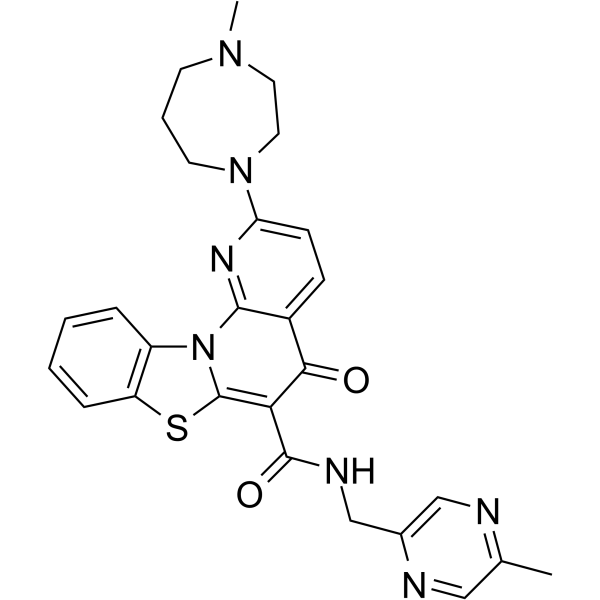
CX-5461 is a selective, orally active RNA polymerase I inhibitor. CX-5461 disrupts the formation of the SL1-rDNA complex, thereby blocking the transcription initiation of ribosomal RNA without altering the activity of RNA polymerase II, DNA replication, or protein translation processes. CX-5461 upregulates the expression of p21, MDM2, Sestrin1/2, and phosphorylated AMPKα, and reduces the level of phosphorylated Akt. CX-5461 induces G2/G2/M cell cycle arrest, Autophagy, Apoptosis, and cellular senescence, and activates CHK1, CHK2, and RPA. CX-5461 can be used in research related to osteosarcoma, cervical cancer, hematologic malignancies, high-grade serous ovarian cancer, and solid tumors .
loading...
    loading...
74
74 Publications Verification
Cat. No.: HY-13323A
Purity:  99.41%
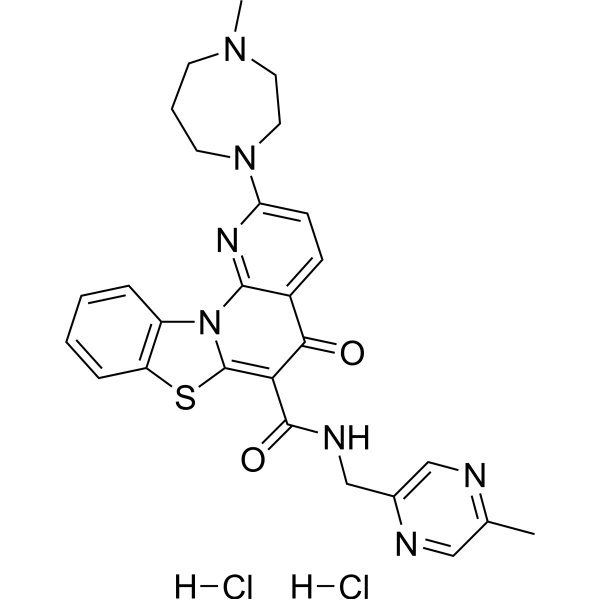
CX-5461 dihydrochloride is a selective, orally active RNA polymerase I inhibitor. CX-5461 dihydrochloride disrupts the formation of the SL1-rDNA complex, thereby blocking the transcription initiation of ribosomal RNA without altering the activity of RNA polymerase II, DNA replication, or protein translation processes. CX-5461 dihydrochloride upregulates the expression of p21, MDM2, Sestrin1/2, and phosphorylated AMPKα, and reduces the level of phosphorylated Akt. CX-5461 dihydrochloride induces G2/G2/M cell cycle arrest, Autophagy, Apoptosis, and cellular senescence, and activates CHK1, CHK2, and RPA. CX-5461 dihydrochloride can be used in research related to osteosarcoma, cervical cancer, hematologic malignancies, high-grade serous ovarian cancer, and solid tumors .
loading...
    loading...
11
11 Cited Publications
Cat. No.: HY-103713
CAS No.: 1423715-37-0
Purity:  99.77%
Synonyms: SP-2577
Target:  

Histone Demethylase

Research Areas:  

Cancer

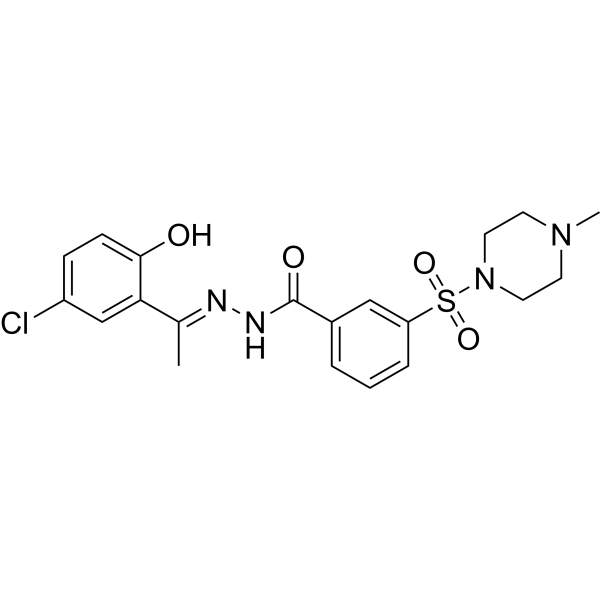
Seclidemstat is a potent noncompetitive and reversible KDM1A (LSD1) inhibitor (Ki=31 nM, IC50=13 nM). Seclidemstat promotes antitumor immunity in switch/sucrose nonfermentable (SWI/SNF) complex mutated ovarian cancer, as well as inhibit virus production, viral DNA replication, and late gene expression. Seclidemstat can be used for the research of Ewing Sarcoma .
loading...
    loading...
11
11 Cited Publications
Cat. No.: HY-103713A
CAS No.: 2044953-70-8
Purity:  99.80%
Synonyms: SP-2577 mesylate
Target:  

Histone Demethylase

Research Areas:  

Cancer

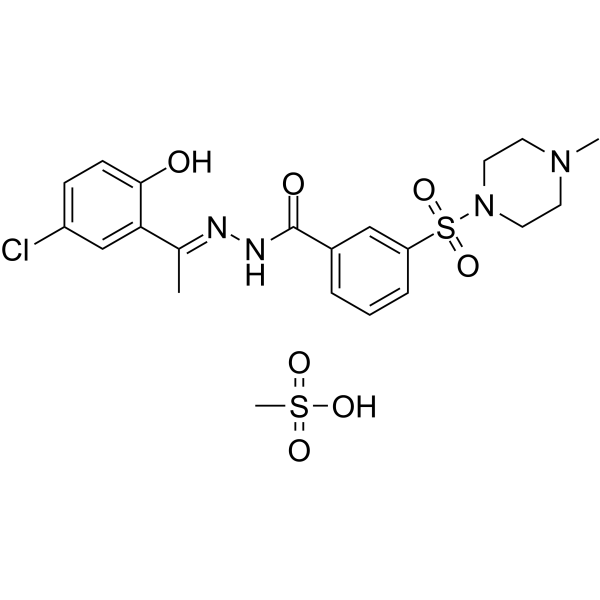
Seclidemstat (SP-2577) mesylate is a potent noncompetitive and reversible KDM1A (LSD1) inhibitor (Ki=31 nM, IC50=13 nM). Seclidemstat mesylate promotes antitumor immunity in switch/sucrose nonfermentable (SWI/SNF) complex mutated ovarian cancer, as well as inhibit virus production, viral DNA replication, and late gene expression. Seclidemstat mesylate can be used for the research of Ewing Sarcoma .
loading...
    loading...
10
10 Cited Publications
Cat. No.: HY-123937
CAS No.: 2139287-33-3
Purity:  99.16%
Research Areas:  

Infection Cancer

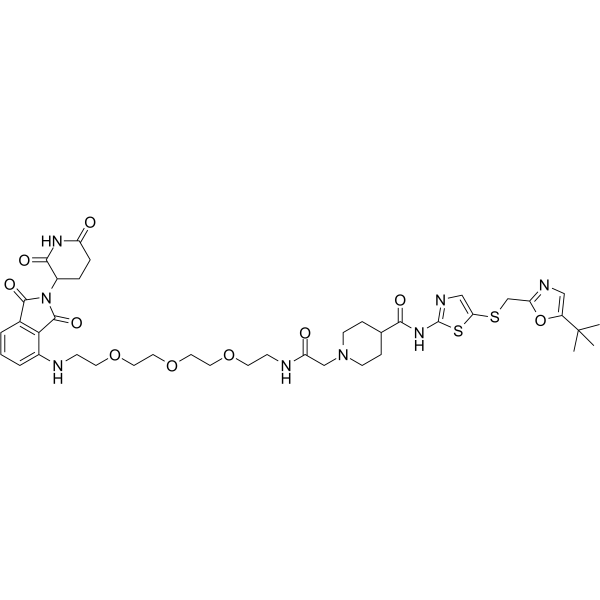
THAL-SNS-032 is a selective CDK9 PROTAC degrader. THAL-SNS-032 recruits CRBN to form a ternary complex with CDK9, thereby triggering ubiquitination and proteasomal degradation of CDK9. THAL-SNS-032 also induces the degradation of CDK1, CDK2 and CDK7. THAL-SNS-032 elevates pH2AX levels, reduces MCL1s expression, and activates caspase-3. THAL-SNS-032 induces cancer cell apoptosis, regulates transcription, and inhibits the replication of human cytomegalovirus (CMV) and SARS-CoV-2. THAL-SNS-032 can be used in research related to breast cancer, leukemia, cytomegalovirus infection and SARS-CoV-2 infection .
loading...
    loading...
3
3 Cited Publications
Cat. No.: HY-W037893
CAS No.: 122323-88-0
Synonyms: Methyl piperazine-2-carboxylate dihydrochloride; METTL3 activator-1
Target:  

METTL3 HIV

Research Areas:  

Infection Neurological Disease

CHMA1004 (Methyl piperazine-2-carboxylate; METTL3 activator-1) dihydrochloride is a METTL3/METTL14/WTAP methyltransferase complex activator. CHMA1004 dihydrochloride exhibits neuroprotective and anxiolytic potential by enhancing m 6A methylation modification of RNA. CHMA1004 dihydrochloride promotes HIV replication in an infection context. CHMA1004 dihydrochloride can be used in studies related to anxiety disorders and HIV-1 infection .
loading...
    loading...
3
3 Cited Publications
Cat. No.: HY-118155
CAS No.: 3548-09-2
Purity:  99.56%
Synonyms: ACMA
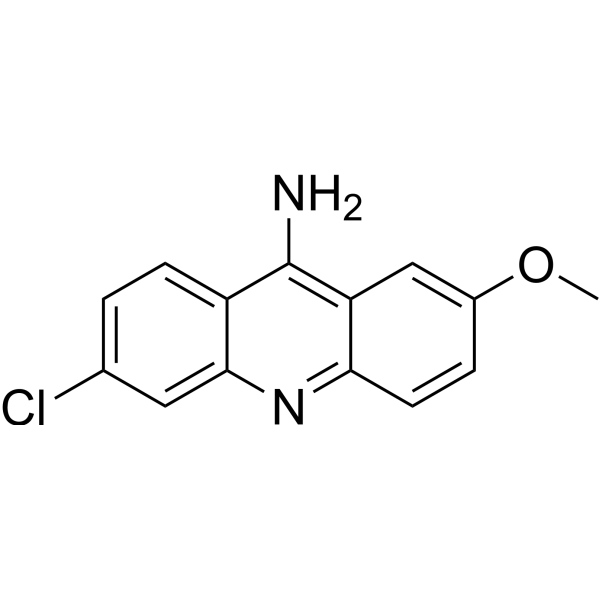
9-Amino-6-chloro-2-methoxyacridine (ACMA) is an acridine derivative and Fluorescent probe. 9-Amino-6-chloro-2-methoxyacridine inhibits viral replication, inhibits DNA synthesis and protein metabolism through cell cycle arrest, and induces lipid metabolism regulation, genotoxicity, mutagenicity, and cytotoxicity through DNA strand breaks. 9-Amino-6-chloro-2-methoxyacridine partially intercalates into DNA, forming three distinct complexes, stabilizes the DNA helix, and quenches fluorescence upon intercalation through electron transfer with guanine. 9-Amino-6-chloro-2-methoxyacridine monitors the generation and collapse of the proton motive force, H + pumping by F1F0-ATP synthase, and the collapse of pH gradients in inverted membrane vesicles. 9-Amino-6-chloro-2-methoxyacridine shows potent anti-BVDV activity. 9-Amino-6-chloro-2-methoxyacridine can be used for research on bovine viral diarrhea virus infection, leishmaniasis, and MRSA infection .
loading...
    loading...
1
1 Cited Publications
Cat. No.: HY-N10470
CAS No.: 11116-32-8
Synonyms: Pingyangmycin
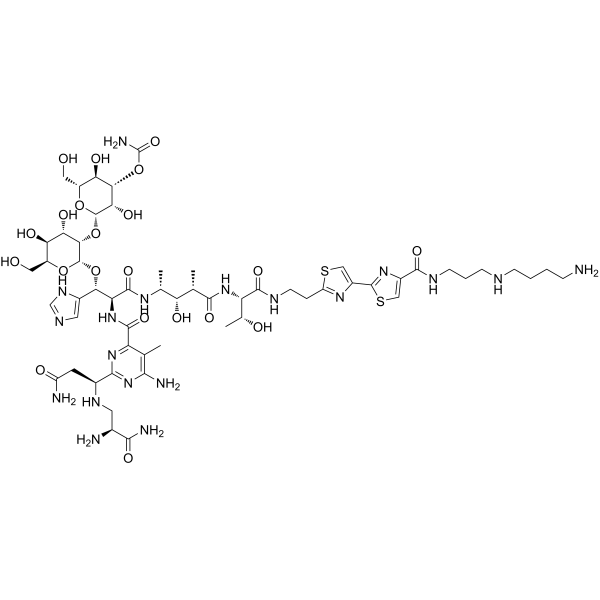
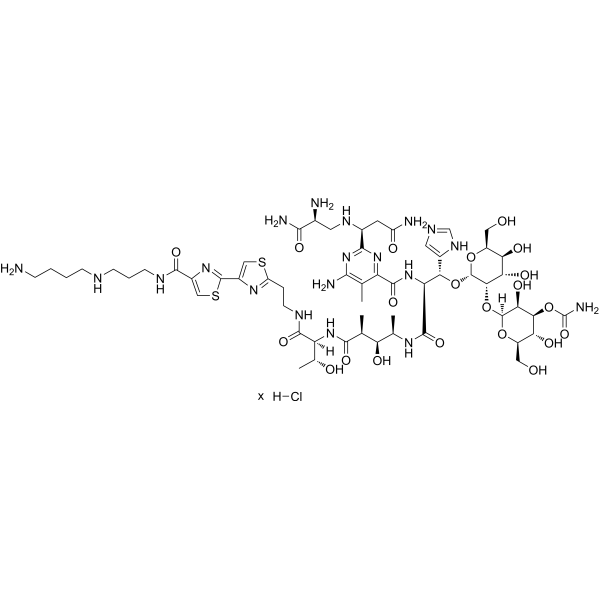
Bleomycin A5 (Pingyangmycin) is a glycopeptide antibiotic with multiple biological activities, which can be isolated from Streptomyces. Bleomycin A5 exerts cytotoxic effects by binding to Fe 2+ to form a complex, inducing single-strand and double-strand DNA breaks, and inhibiting DNA replication. Bleomycin A5 inhibits Drp1-mediated mitochondrial fission and suppresses PINK1/Parkin pathway-mediated mitophagy, ultimately triggering mitochondria-mediated cellular apoptosis. Bleomycin A5 can be used in cancer research .
loading...
    loading...
1
1 Cited Publications
Cat. No.: HY-N7922
CAS No.: 91485-02-8
Synonyms: Decarboxyellagic acid
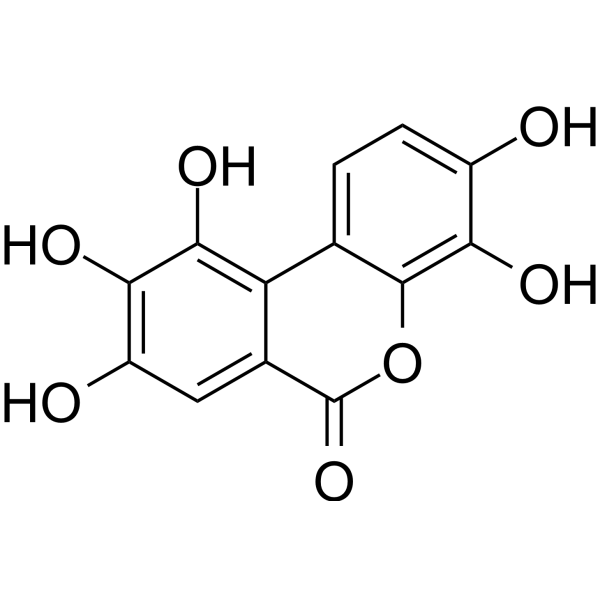
Urolithin M5 (Decarboxyellagic acid) is an orally active influenza virus neuraminidase inhibitor and neuroprotective agent, with IC50 values of 174.8 μM (HK68), 191.5 μM (pdm09), 243.2 μM (WSN) and 257.1 μM (PR8) against four influenza virus neuraminidases, respectively. Urolithin M5 inhibits viral neuraminidase activity, thereby blocking influenza virus replication (including oseltamivir (HY-13317)-resistant strains), protecting infected mammals from death and improving pulmonary edema. Urolithin M5 forms a hydrogen-bond stabilized complex with IGF1R, and binds to MAPK14, AKT1, NFKB1 and EGFR. Urolithin M5 reduces reactive oxygen species production, inhibits neuronal apoptosis, restores mitochondrial transmembrane potential, and promotes neurite outgrowth of damaged neuronal cells. Urolithin M5 can be used in research related to influenza virus infection and Alzheimer's disease .
loading...
    loading...
1
1 Cited Publications
Cat. No.: HY-W009216
CAS No.: 1032-65-1
Synonyms: 5'-dCMP; Deoxy-CMP; 2'-Deoxycytidine-5'-monophosphoric acid
Target:  

DNA/RNA Synthesis

Research Areas:  

Infection

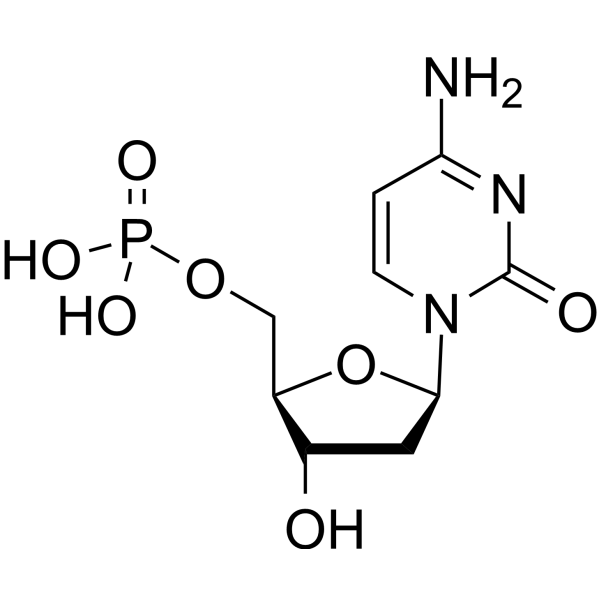
2'-Deoxycytidine-5'-monophosphate (5'-dCMP) is a compound that binds to the adenovirus terminal protein with a molecular weight of 80000 daltons. 2'-Deoxycytidine-5'-monophosphate forms a covalent complex with this protein and is associated with adenovirus DNA replication .
loading...
    loading...
1
1 Cited Publications
Cat. No.: HY-149648
CAS No.: 3118087-68-3
Purity:  99.84%
Target:  

RSV DNA/RNA Synthesis

Research Areas:  

Infection

JNJ-8003 is a potent and orally active non-nucleoside RSV polymerase inhibitor with an IC50 of 0.29 nM. JNJ-8003 targets the L protein polymerase complex of RSV (IC50 = 0.67 nM), and blocks the transcription and replication of the viral genome by inhibiting the activity of RNA-dependent RNA polymerase (RdRp). JNJ-8003 displays subnanomolar activity in vitro as well as prominent efficacy in mice and a neonatal lamb models. JNJ-8003 can be used for the study of respiratory syncytial virus (RSV) .
loading...
    loading...
1
1 Cited Publications
Cat. No.: HY-125028
CAS No.: 1473404-51-1
Purity:  98.53%
Target:  

Src HIV

Research Areas:  

Infection

Hck-IN-1 (compound B9), a diphenylpyrazolo compound, is a selective Nef-dependent Hck inhibitor with IC50s of 2.8 μM, >20 μM for Nef:Hck complex and Hck, respectively. Hck-IN-1 is a direct and wide HIV-1 Nef antagonists with an IC50 of 100-300 nM for wild-type HIV-1 replication. Hck-IN-1 binds pocket residue Asn126 and has anti-retroviral activity .
loading...
    loading...
Cat. No.: HY-153810
CAS No.: 2890688-86-3
Purity:  99.31%
Synonyms: JNJ-1802
Research Areas:  

Infection

Mosnodenvir (JNJ-1802) is an orally active pan serotype dengue virus (DENV) inhibitor, with EC50 values ranging from 0.057 to 11 nM for four dengue virus (DENV) serotypes. Mosnodenvir blocks viral replication by inhibiting the formation of complexes between two viral proteins, nonstructural protein 3 (NS3) and NS4B, thereby preventing the formation of new viral RNA. Mosnodenvir exhibits picomolar to nanomolar antiviral activity in vitro and has antiviral efficacy in mice and non-human primates .
loading...
    loading...
Cat. No.: HY-P99900
CAS No.: 138660-96-5
Synonyms: MSL-109

Target:  

CMV

Research Areas:  

Infection

Sevirumab (MSL-109) is a human IgG1 neutralizing monoclonal antibody against cytomegalovirus (CMV). Sevirumab recognizes CMV gH complexes and inhibits CMV replication with an EC50 of 0.3 μg/mL .
loading...
    loading...
Cat. No.: HY-173679
CAS No.: 2569517-30-0
Research Areas:  

Infection Cancer

RBN012811 is a highly selective PROTAC-based PARP14 degrader. RBN012811 forms a ternary complex with cereblon by binding to the NAD + site of PARP14, and mediates the specific degradation of PARP14 via the ubiquitin-proteasome pathway (IC50=10 nM). RBN012811 effectively depletes endogenous PARP14 in various cell lines and primary human macrophages, thereby downregulating IL-10 production and IFN-β mRNA levels, increasing phosphorylated STAT1 levels to enhance inflammatory signaling, and inhibiting interferon-induced ADPr condensate formation. RBN012811 also modulates viral replication, exhibiting increased HSV1 replication while reducing VSV replication. RBN012811 has important application value in research related to cancer and viral infections .
loading...
    loading...
Cat. No.: HY-125918
CAS No.: 55658-47-4
Synonyms: Pingyangmycin hydrochloride
Bleomycin A5 (Pingyangmycin) hydrochloride is a glycopeptide antibiotic with multiple biological activities, which can be isolated from Streptomyces. Bleomycin A5 hydrochloride exerts cytotoxic effects by binding to Fe 2+ to form a complex, inducing single-strand and double-strand DNA breaks, and inhibiting DNA replication. Bleomycin A5 hydrochloride inhibits Drp1-mediated mitochondrial fission and suppresses PINK1/Parkin pathway-mediated mitophagy, ultimately triggering mitochondria-mediated cellular apoptosis. Bleomycin A5 hydrochloride can be used in cancer research .
loading...
    loading...
Cat. No.: HY-170844
CAS No.: 2379405-61-3
Target:  

Endonuclease

Research Areas:  

Cancer

MU147 is an MRE11 nuclease inhibitor and chemical probe with anticancer activity, exhibiting IC50 values of 3.7 μM and 0.8 μM against the nuclease activity of human MRE11 and the MRN complex, respectively. MU147 inhibits MRE11 exonuclease and endonuclease activities, preventing MRN-dependent DNA end resection and nascent DNA degradation at stalled replication forks in BRCA2-deficient cells. MU147 delays the DNA damage repair process, inhibits homologous recombination and alternative non-homologous end joining, downregulates ionizing radiation- or camptothecin-induced RPA/RPA32 phosphorylation, and reduces survival of BRCA2-deficient cells. MU147 directly binds MRE11 in cells and impairs its recruitment to damage foci. MU147 can be used in cancer-related research .
loading...
    loading...
Cat. No.: HY-158405
CAS No.: 2923674-83-1
Synonyms: MAV-104
Target:  

14-3-3 Protein SARS-CoV

Research Areas:  

Infection Inflammation/Immunology

PAV-104 (MAV-104) is a host-targeted, pan-respiratory viral assembly inhibitor. PAV-104 targets a small subset of the host protein 14-3-3 within a transient multi-protein complex. PAV-104 inhibits SARS-CoV-2 replication by blocking post-entry viral assembly/budding through interaction with viral nucleocapsid (N) protein and interference with its oligomerization. PAV-104 is orally active in cats and shows favorable pharmacokinetic properties in rats. PAV-104 can be used for the study of COVID-19 and other respiratory viral infections, including Feline Infectious Peritonitis (FIP) .
loading...
    loading...
Cat. No.: HY-163529
CAS No.: 2233566-79-3
Target:  

HSV Cytochrome P450

Research Areas:  

Infection

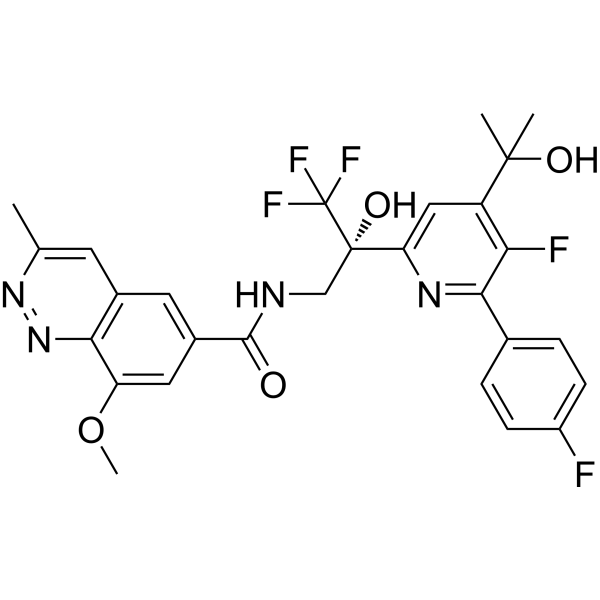
HN0037 is a selective, orally active Helicase-primase inhibitor. HN0037 is mainly metabolized by CYP3A4. HN0037 inhibits HSV replication by targeting the viral helicase-primase complex, which consists of three proteins encoded by UL5 (helicase), UL52 (primase), and UL8 (scaffold protein that promotes primer synthesis) .
loading...
    loading...
Cat. No.: HY-176268
Synonyms: RA-0188293; RA-NSP2-1
Research Areas:  

Infection

SGC-NSP2hel-1 (RA-0188293), a chemical probe, is a potent, specific and orally active nsP2 inhibitor. SGC-NSP2hel-1 has broad spectrum activity against multiple alphaviruses of the nsP2 helicase with a CC50 > 250 μM. SGC-NSP2hel-1 (RA-0188293) shows selectivity index > 4000 against human RNA helicases. SGC-NSP2hel-1 reduces virus replication and limited virus-induced pathology by forming a stable complex with nsP2 and ATP in a preclinical small animal model of CHIKV disease.
loading...
    loading...

