23 Results for "

rumen fluke

" in MedChemExpress (MCE) Product Catalog:
Products (23)

23 Results for "rumen fluke" in MCE Product Catalog:

4
4 Cited Publications
Cat. No.: HY-17594
CAS No.: 2277-92-1
Research Areas:  

Infection

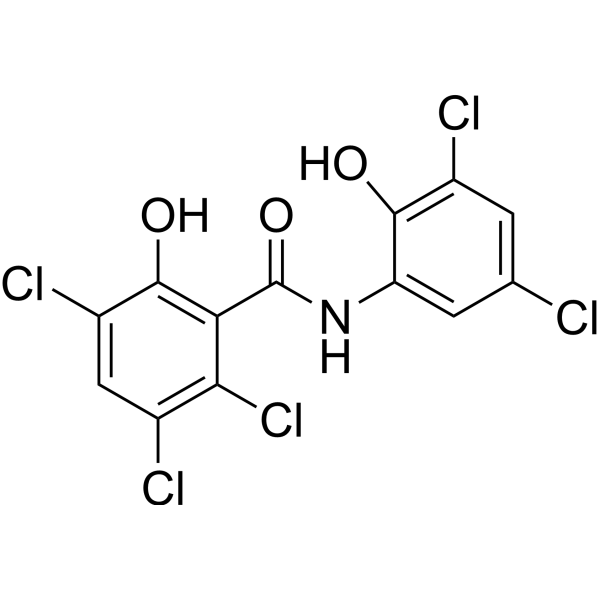
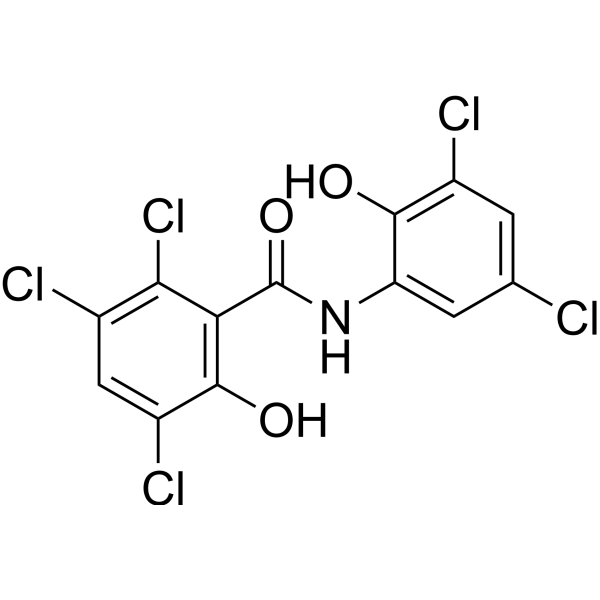
Oxyclozanide is an orally active salicylanilide anthelmintic agent that mainly acts by uncoupling oxidative phosphorylation in flukes. Oxyclozanide shows good anti-adenovirus, anti-biofilm, antifungal, and antibacterial activity .
loading...
    loading...
2
2 Cited Publications
Cat. No.: HY-17592A
CAS No.: 844-26-8
Target:  

Parasite

Research Areas:  

Infection

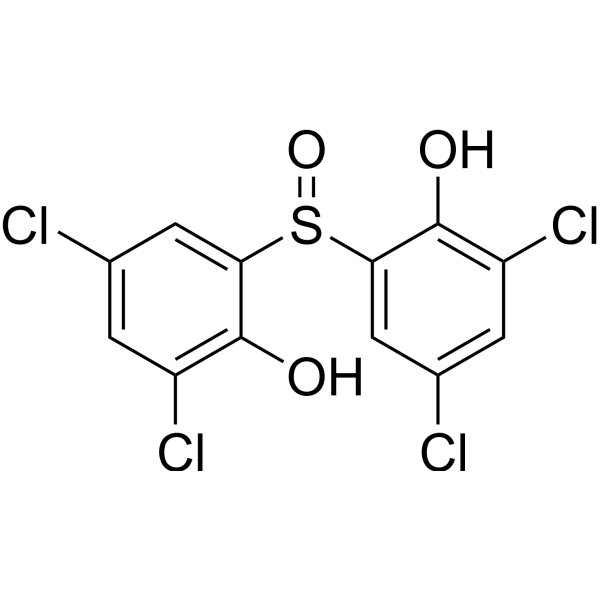
Bithionol sulfoxide is an anti-infection agent for parasites. Bithionol sulfoxide has mutagenic activity. Bithionol sulfoxide can be used in the research of parasite infection, such as paragonimiasis, flukes andcestodes infection .
loading...
    loading...
1
1 Cited Publications
Cat. No.: HY-113427
CAS No.: 693-72-1
Purity:  ≥98.0%
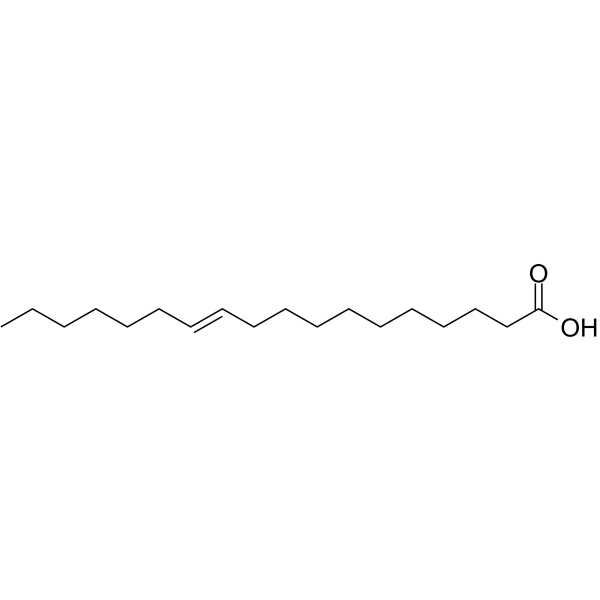
trans-Vaccenic acid is a naturally occurring trans fatty acid (TFA). trans-Vaccenic acid inhibits nasopharyngeal carcinoma (NPC) cell growth and induces apoptosis through the inhibition of Bad/Akt phosphorylation. trans-Vaccenic acid is a precursor for the synthesis of saturated fatty acid in the rumen and of conjugated Linoleic acid (CLA) at the tissue level. trans-Vaccenic acid exerts hypolipidemic effects in a rat model of obesity .
loading...
    loading...
1
1 Cited Publications
Cat. No.: HY-W020215
CAS No.: 99-14-9
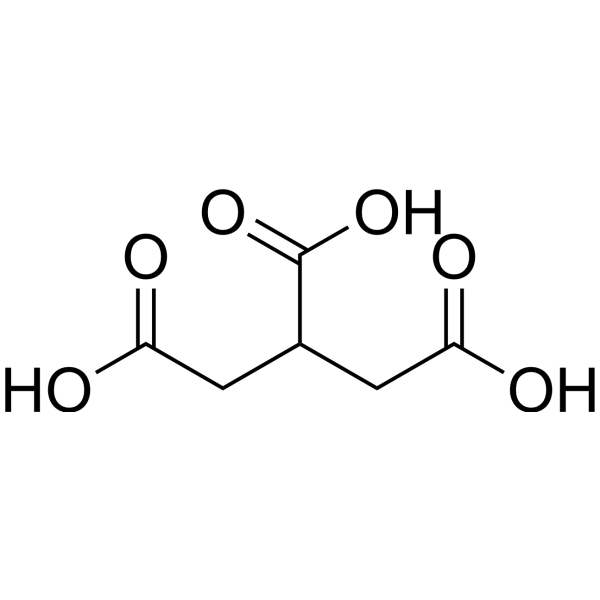
Tricarballylic acid is an orally active compound that can be produced by rumen microorganisms and has the activity of chelating magnesium. Tricarballylic acid is also a competitive inhibitor of aconitate hydratase, with a Ki value of 0.52 mM. Tricarballylic acid can inhibit the oxidation of acetate in the citric acid cycle and can be used in the research of ruminant tissue metabolism and grass tetany syndrome. In addition, Tricarballylic acid can be used to synthesize specific complexes and produce plasticizers .
loading...
    loading...
1
1 Cited Publications
Cat. No.: HY-B0488
CAS No.: 60200-06-8
Synonyms: L631529; MK401
Target:  

Parasite

Research Areas:  

Infection

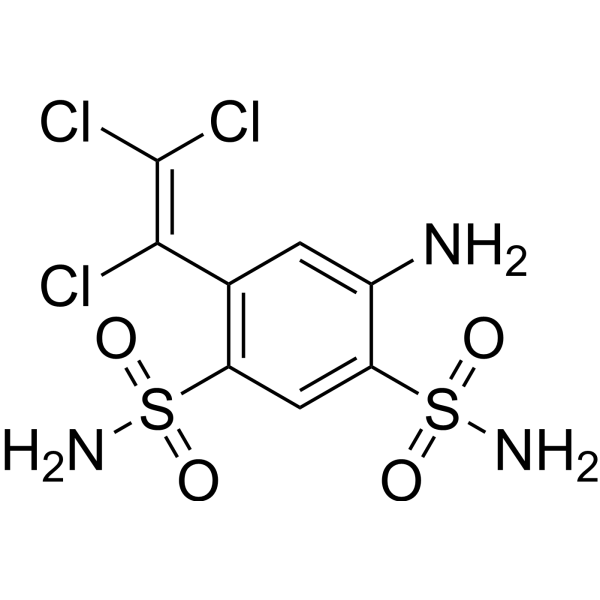
Clorsulon (L631529; MK401) is an orally active flukicidal agent. Clorsulon inhibits glycolysis, the primary energy production pathway in flukes. Clorsulon is also a competitive inhibitor of 3-phosphoglycolate and ATP, inhibiting glucose utilization and acetate and propionate formation by mature Fasciola hepatica in vitro. Clorsulon can be used in studies of liver fluke (Fasciola hepatica and Fasciola gigantica) infection in calves and sheep .
loading...
    loading...
Cat. No.: HY-B1073
CAS No.: 26155-31-7
Target:  

Parasite

Research Areas:  

Infection

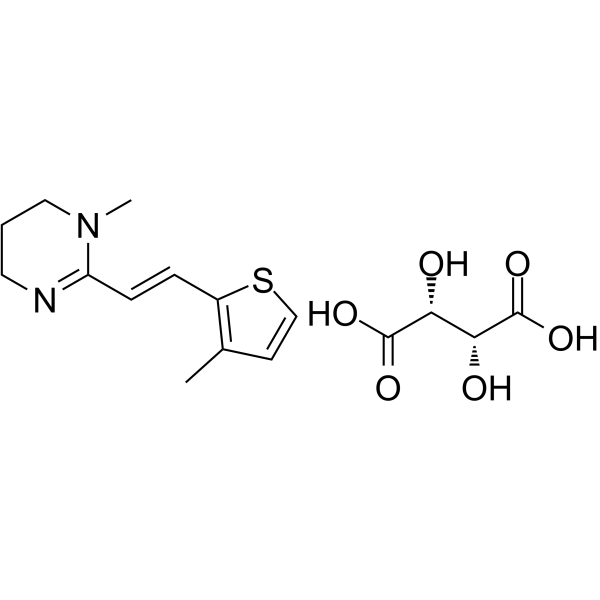
Morantel tartrate is an anthelmintic agent. Sustained-release three-layer composite tablets of Morantel tartrate are administered orally and release after exposure to rumen fluid. Morantel tartrate reduces the fecal egg output and worm burden of gastrointestinal nematodes in Hereford calves. Morantel tartrate is used in research related to gastrointestinal nematode infections .
loading...
    loading...
Cat. No.: HY-N7107
CAS No.: 1632-73-1
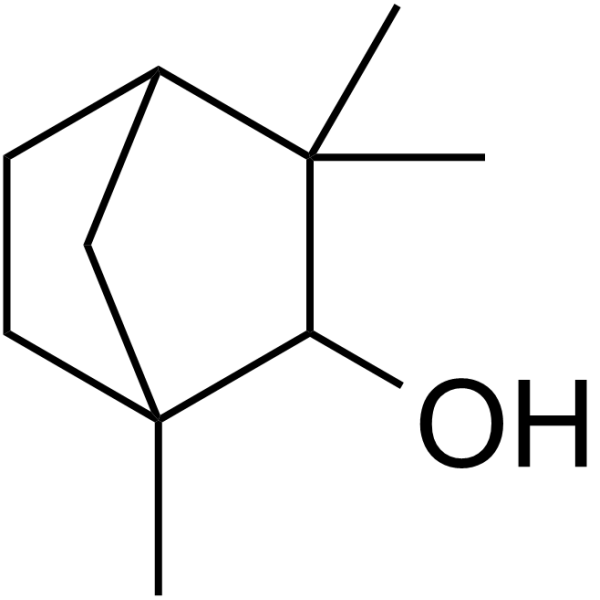
Fenchyl alcohol is a monoterpene alcohol that can be used as a fragrance. Fenchyl alcohol has antifungal activity and can inhibit the formation of biofilms and hyphae of Candida albicans. Fenchyl alcohol also has a strong inhibitory effect on the rumen microbial activity of sheep and deer .
loading...
    loading...
Cat. No.: HY-B1580
CAS No.: 4075-81-4
Synonyms: Propionic acid calcium
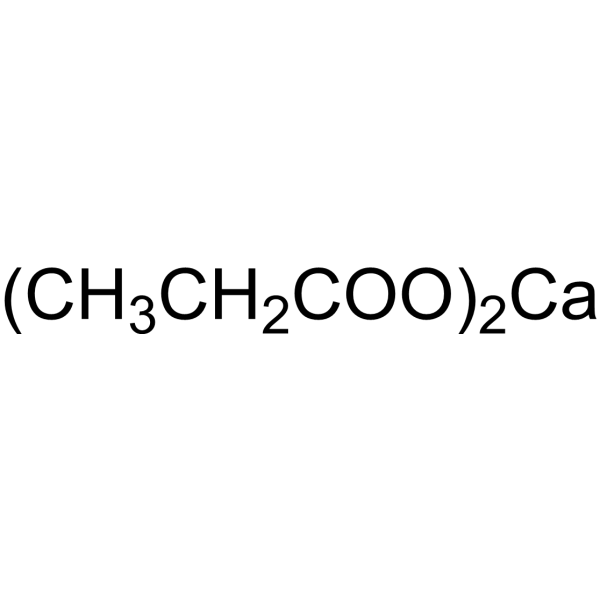
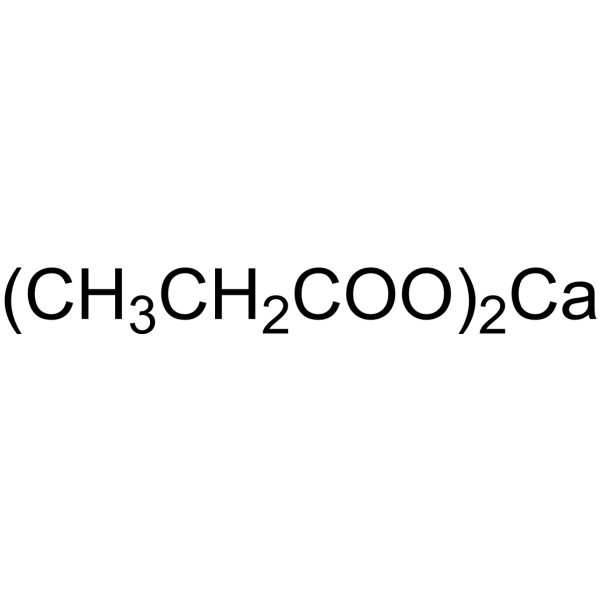
Calcium propionate (Propionic acid calcium) is a calcium salt of Propionic acid with oral activity, which can be hydrolyzed into propionate and calcium ions. Calcium propionate elevates intracellular ROS levels in tumor cells, depletes GSH, reduces mitochondrial membrane potential, and thereby induces tumor cell apoptosis. In mouse colitis models, Calcium propionate modulates inflammatory factors such as IFN-γ, calprotectin, and Pglyrp3, ameliorating intestinal inflammation and metabolic disorders. In ruminants, Calcium propionate serves as a gluconeogenic precursor, regulating rumen fermentation and microbial diversity; in high-fat diet rats, it alters gut microbiota composition and affects blood biochemical parameters. Calcium propionate is commonly used as a food and feed additive, and is also used in research related to hypocalcemia, dyslipidemia, colitis, and lung cancer .
loading...
    loading...
Cat. No.: HY-17594R
CAS No.: 2277-92-1
Oxyclozanide (Standard) is the analytical standard of Oxyclozanide. This product is intended for research and analytical applications. Oxyclozanide is an orally active salicylanilide anthelmintic agent that mainly acts by uncoupling oxidative phosphorylation in flukes. Oxyclozanide shows good anti-adenovirus, anti-biofilm, antifungal, and antibacterial activity .
loading...
    loading...
Cat. No.: HY-113427S
trans-Vaccenic acid-d13 is deuterium labeled trans-Vaccenic acid (HY-113427). trans-Vaccenic acid is a naturally occurring trans fatty acid (TFA). trans-Vaccenic acid inhibits nasopharyngeal carcinoma (NPC) cell growth and induces apoptosis through the inhibition of Bad/Akt phosphorylation. trans-Vaccenic acid is a precursor for the synthesis of saturated fatty acid in the rumen and of conjugated Linoleic acid (CLA) at the tissue level. trans-Vaccenic acid exerts hypolipidemic effects in a rat model of obesity .
loading...
    loading...
Cat. No.: HY-B1580A
CAS No.: 4075-81-4
Synonyms: Bioban-C, meets analytical specification of E282
Calcium propionate, meets analytical specification of E282 (Bioban-C, meets analytical specification of E282) is a calcium salt of Propionic acid with oral activity, which can be hydrolyzed into propionate and calcium ions. Calcium propionate, meets analytical specification of E282 elevates intracellular ROS levels in tumor cells, depletes GSH, reduces mitochondrial membrane potential, and thereby induces tumor cell apoptosis. In mouse colitis models, Calcium propionate, meets analytical specification of E282 modulates inflammatory factors such as IFN-γ, calprotectin, and Pglyrp3, ameliorating intestinal inflammation and metabolic disorders. In ruminants, Calcium propionate, meets analytical specification of E282 serves as a gluconeogenic precursor, regulating rumen fermentation and microbial diversity; in high-fat diet rats, it alters gut microbiota composition and affects blood biochemical parameters. Calcium propionate, meets analytical specification of E282 is commonly used as a food and feed additive, and is also used in research related to hypocalcemia, dyslipidemia, colitis, and lung cancer .
loading...
    loading...
Cat. No.: HY-117375
CAS No.: 23233-88-7
Target:  

Parasite

Research Areas:  

Infection

Brotianide is a potent anti-parasitic agent. Brotianide can be used to study liver fluke and gastric fluke infestations .
loading...
    loading...
Cat. No.: HY-114969
CAS No.: 14437-41-3
Synonyms: NSC 233846; SYD 230; Tremerad
Target:  

Parasite

Clioxanide is a potential anti-liver fluke (Fasciola hepatica) agent. The results showed that Clioxanide showed no efficacy against 4-week-old or 19-week-old flukes at doses of 135 mg/kg or 200 mg/kg. In contrast, hexachloroethane was very effective against older flukes, reaching 100% efficacy at lower doses. The study pointed out that laboratory mice may not be suitable for screening potential compounds against liver fluke infections in ruminants such as cattle and sheep. In addition, no obvious toxic reactions were observed in mice with Clioxanide .
loading...
    loading...
Cat. No.: HY-N5173
CAS No.: 151036-29-2
Aibellin, a peptide antibiotic, is a useful and potent modifier of rumen fermentation .
loading...
    loading...
Cat. No.: HY-B0488R
CAS No.: 60200-06-8
Synonyms: L631529 (Standard); MK401 (Standard)
Research Areas:  

Infection

Clorsulon (Standard) is the analytical standard of Clorsulon (HY-B0488). This product is intended for research and analytical applications. Clorsulon (L631529; MK401) is an orally active flukicidal agent. Clorsulon inhibits glycolysis, the primary energy production pathway in flukes. Clorsulon is also a competitive inhibitor of 3-phosphoglycolate and ATP, inhibiting glucose utilization and acetate and propionate formation by mature Fasciola hepatica in vitro. Clorsulon can be used in studies of liver fluke (Fasciola hepatica and Fasciola gigantica) infection in calves and sheep .
loading...
    loading...
Cat. No.: HY-N7107A
CAS No.: 2217-02-9
Synonyms: 1,3,3-Trimethyl-2-norbornanol
Target:  

Bacterial

Research Areas:  

Infection

(+)-Fenchyl alcohol is a monoterpene alcohol in the essential oils isolated from Douglas fir needles, acts as a fragrance. (+)-Fenchyl alcohol strongly inhibits the rumen microbial activity of both sheep and deer .
loading...
    loading...
Cat. No.: HY-N7107R
CAS No.: 1632-73-1
Fenchyl alcohol is a monoterpene alcohol that can be used as a fragrance. Fenchyl alcohol has antifungal activity and can inhibit the formation of biofilms and hyphae of Candida albicans. Fenchyl alcohol also has a strong inhibitory effect on the rumen microbial activity of sheep and deer .
loading...
    loading...
Cat. No.: HY-113427R
CAS No.: 693-72-1
trans-Vaccenic acid (Standard) is the analytical standard of trans-Vaccenic acid (HY-113427). This product is intended for research and analytical applications. trans-Vaccenic acid is a naturally occurring trans fatty acid (TFA). trans-Vaccenic acid inhibits nasopharyngeal carcinoma (NPC) cell growth and induces apoptosis through the inhibition of Bad/Akt phosphorylation. trans-Vaccenic acid is a precursor for the synthesis of saturated fatty acid in the rumen and of conjugated Linoleic acid (CLA) at the tissue level. trans-Vaccenic acid exerts hypolipidemic effects in a rat model of obesity.
loading...
    loading...
Cat. No.: HY-W020215R
CAS No.: 99-14-9
Tricarballylic acid (Standard) is the analytical standard of Tricarballylic acid (HY-W020215). This product is intended for research and analytical applications. Tricarballylic acid is an orally active compound that can be produced by rumen microorganisms and has the activity of chelating magnesium. Tricarballylic acid is also a competitive inhibitor of aconitate hydratase, with a Ki value of 0.52 mM. Tricarballylic acid can inhibit the oxidation of acetate in the citric acid cycle and can be used in the research of ruminant tissue metabolism and grass tetany syndrome. In addition, Tricarballylic acid can be used to synthesize specific complexes and produce plasticizers .
loading...
    loading...
Cat. No.: HY-B1580B
CAS No.: 4075-81-4
Synonyms: Bioban-C (Pharmaceutical primary standard, USP)
Calcium propionate, United States Pharmacopeia (USP) Reference Standard (Bioban-C (Pharmaceutical primary standard, USP)) is a calcium salt of Propionic acid with oral activity, which can be hydrolyzed into propionate and calcium ions. Calcium propionate, United States Pharmacopeia (USP) Reference Standard elevates intracellular ROS levels in tumor cells, depletes GSH, reduces mitochondrial membrane potential, and thereby induces tumor cell apoptosis. In mouse colitis models, Calcium propionate, United States Pharmacopeia (USP) Reference Standard modulates inflammatory factors such as IFN-γ, calprotectin, and Pglyrp3, ameliorating intestinal inflammation and metabolic disorders. In ruminants, Calcium propionate, United States Pharmacopeia (USP) Reference Standard serves as a gluconeogenic precursor, regulating rumen fermentation and microbial diversity; in high-fat diet rats, it alters gut microbiota composition and affects blood biochemical parameters. Calcium propionate, United States Pharmacopeia (USP) Reference Standard is commonly used as a food and feed additive, and is also used in research related to hypocalcemia, dyslipidemia, colitis, and lung cancer .
loading...
    loading...

