444 Results for "

selective inhibitory activity

" in MedChemExpress (MCE) Product Catalog:
Products (444)

444 Results for "selective inhibitory activity" in MCE Product Catalog:

183
183 Publications Verification
Cat. No.: HY-112693
CAS No.: 941987-60-6
Purity:  99.78%
Target:  

STING

Research Areas:  

Inflammation/Immunology

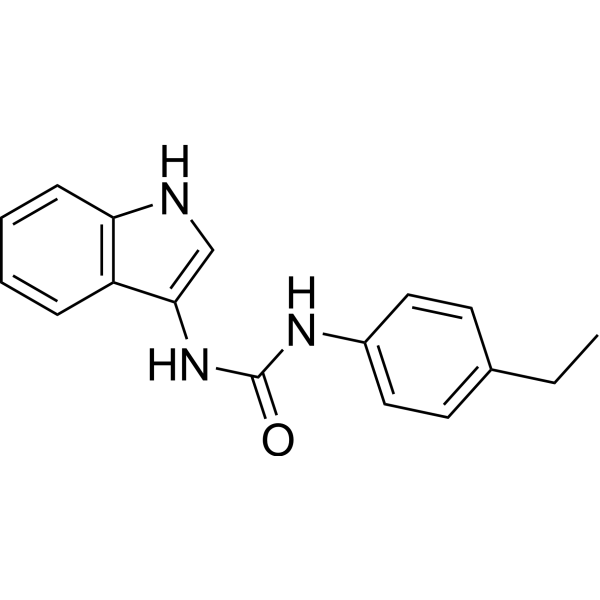
H-151 is a potent, selective and covalent antagonist of STING that has noteworthy inhibitory activity both in cells and in vivo. H-151 reduces TBK1 phosphorylation and suppresses STING palmitoylation. H-151 can be used for the research of autoinflammatory disease .
loading...
    loading...
80
80 Cited Publications
Cat. No.: HY-15392
CAS No.: 1273579-40-0
Purity:  99.42%
Target:  

ROCK

Research Areas:  

Cardiovascular Disease

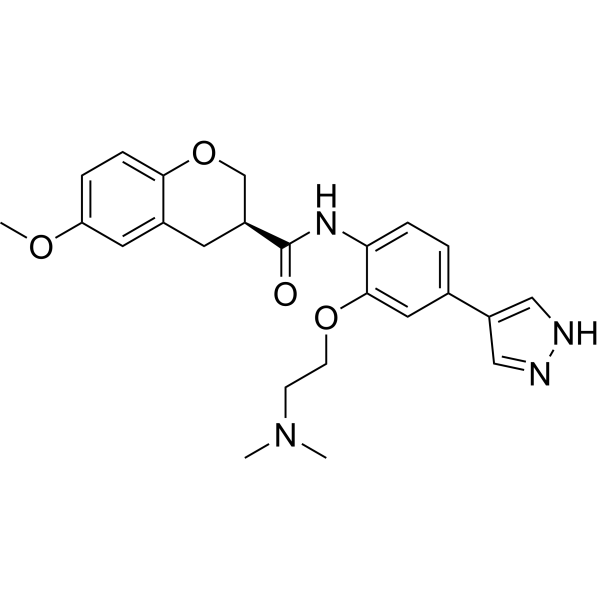
Chroman 1 is a highly potent and selective ROCK inhibitor. Chroman 1 is more potent against ROCK2 (IC50=1 pM) than ROCK1 (IC50=52 pM). Chroman 1 also has inhibitory activity against MRCK, with an IC50 of 150 nM .
loading...
    loading...
80
80 Cited Publications
Cat. No.: HY-15392A
Purity:  99.11%
Target:  

ROCK

Research Areas:  

Cardiovascular Disease

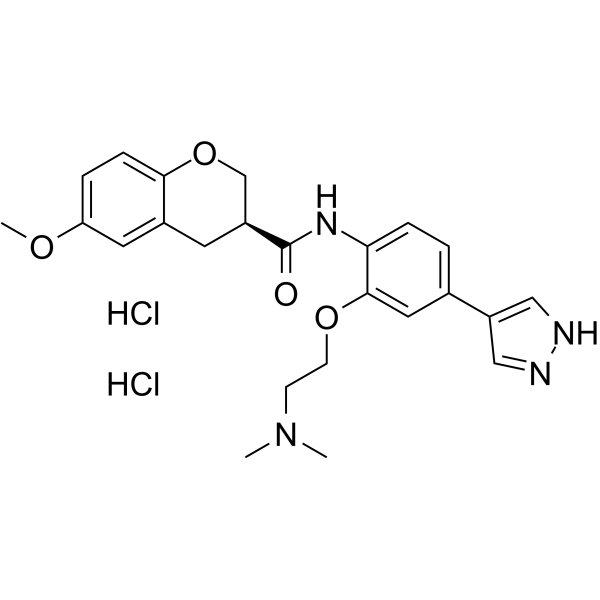
Chroman 1 dihydrochloride is a highly potent and selective ROCK inhibitor. Chroman 1 dihydrochloride is more potent against ROCK2 (IC50=1 pM) than ROCK1 (IC50=52 pM). Chroman 1 dihydrochloride also has inhibitory activity against MRCK, with an IC50 of 150 nM .
loading...
    loading...
44
44 Cited Publications
Cat. No.: HY-10235
CAS No.: 402957-28-2
Purity:  99.54%
Synonyms: VX-950
Target:  

HCV Protease HCV SARS-CoV

Research Areas:  

Infection

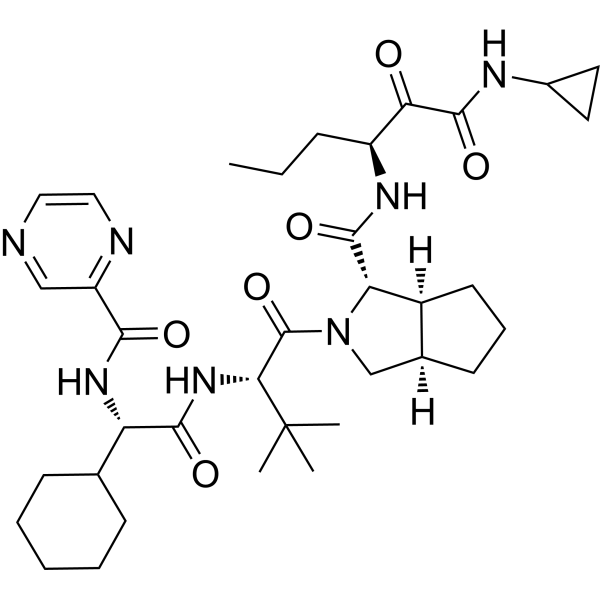
Telaprevir (VX-950) is a highly selective, reversible, and potent peptidomimetic inhibitor of the HCV NS3-4A protease, the steady-state inhibitory constant (Ki) of Telaprevir is 7 nM against a genotype 1 (H strain) NS3 protease domain plus a NS4A cofactor peptide . Telaprevir inhibits SARS-CoV-2 3CL pro activity .
loading...
    loading...
41
41 Cited Publications
Cat. No.: HY-12214A
CAS No.: 1263373-43-8
Purity:  99.60%
Target:  

CDK Apoptosis

Research Areas:  

Cancer

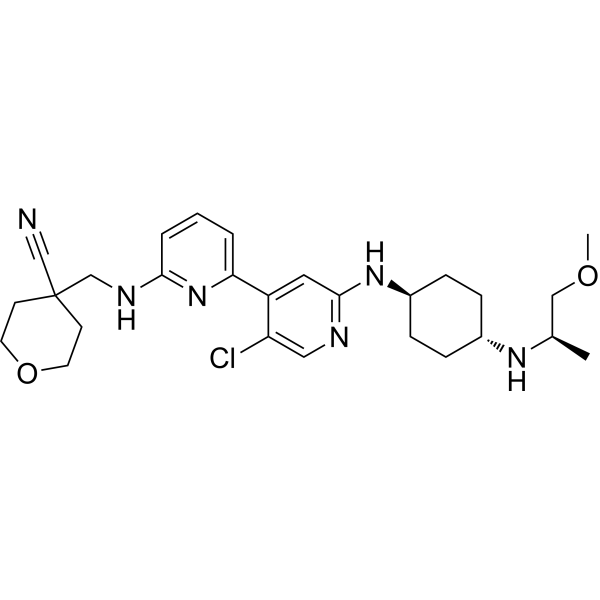
NVP-2 is a potent and selective ATP-competitive cyclin dependent kinase 9 (CDK9) probe, inhibits CDK9/CycT activity with an IC50 of 0.514 nM. NVP-2 displays inhibitory effcts on CDK1/CycB, CDK2/CycA and CDK16/CycY kinases with IC50 values of 0.584 μM, 0.706 μM, and 0.605 μM, respectively. NVP-2 induces cell apoptosis.
loading...
    loading...
35
35 Cited Publications
Cat. No.: HY-138565
CAS No.: 2563855-03-6
Purity:  99.89%
Target:  

YAP

Research Areas:  

Cancer

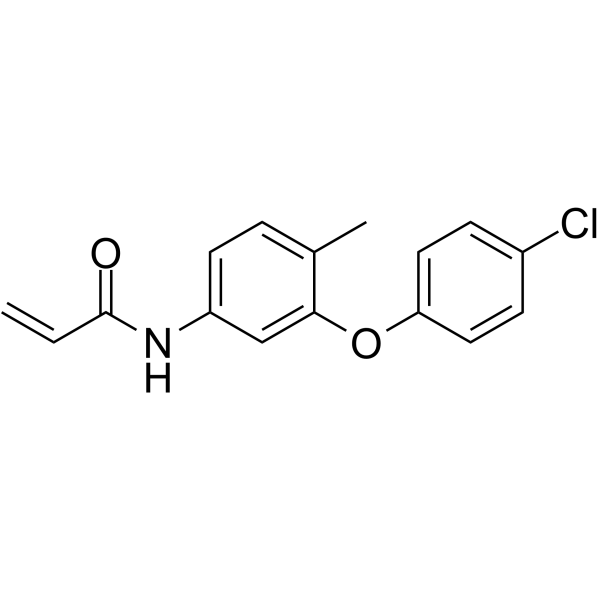
K-975 is a potent, selective and orally active TEAD inhibitor, with a strong inhibitory effect against protein-protein interactions between YAP1/TAZ and TEAD. K-975 covalently binds to Cys359 located in the palmitate-binding pocket of TEAD via an acrylamide structure. K-975 exhibits antitumor activity on malignant pleural mesothelioma .
loading...
    loading...
31
31 Cited Publications
Cat. No.: HY-11068
CAS No.: 193551-21-2
Purity:  99.15%
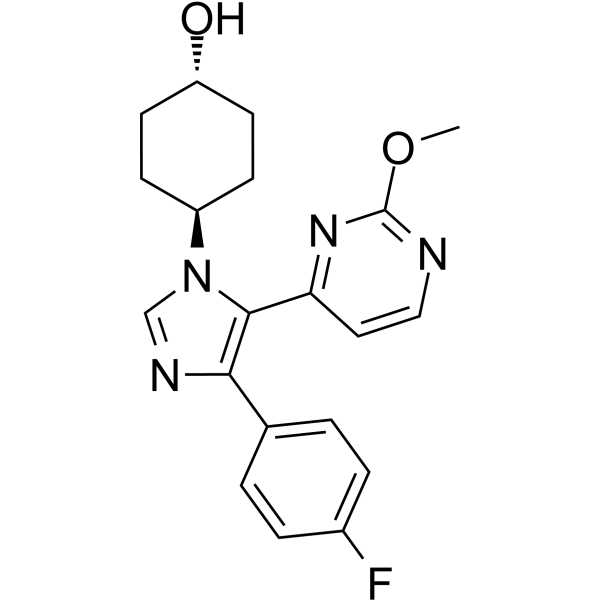
SB 239063 is a potent, selective and orally active p38 MAPK inhibitor, exhibits an IC50 of 44 nM for recombinant purified human p38α, with equipotent inhibitory activity against p38α and p38β. SB 239063 has no effect on p38γ or p38δ. With anti-asthma activity and also be used to enhance memory which is impaired due to aging or medical conditions, such as, AD. SB 239063 can penetrate the blood brain barrier (BBB) .
loading...
    loading...
15
15 Cited Publications
Cat. No.: HY-32219
CAS No.: 701232-20-4
Target:  

Acyltransferase

Research Areas:  

Metabolic Disease

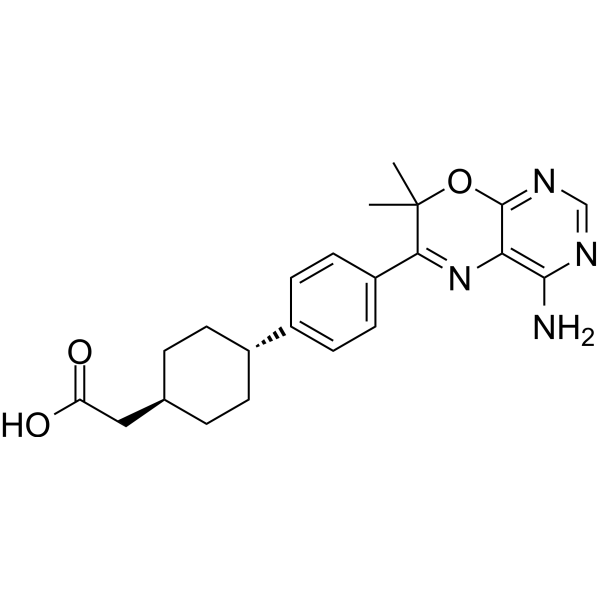
T863 is an orally active, selective and potent DGAT1 (acyl-CoA:diacylglycerol acyltransferase 1) inhibitor with an IC50 of 15 nM. T863 has no inhibitory activity against human MGAT3, human DGAT2, or human MGAT2. T863 interacts with the acyl-CoA binding site of DGAT1, and inhibits triacylglycerol synthesis in cells .
loading...
    loading...
12
12 Cited Publications
Cat. No.: HY-13402
CAS No.: 172732-68-2
Purity:  99.23%
Synonyms: LY315920
Target:  

Phospholipase

Research Areas:  

Inflammation/Immunology

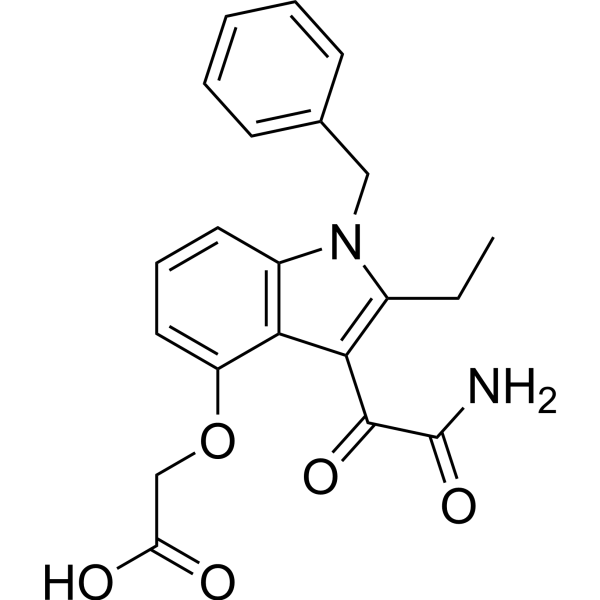
Varespladib (LY315920) is a potent and selective group IIA, secretory phospholipase A2 (sPLA2) inhibitor with an IC50 of 9 nM. Varespladib exhibits the significant inhibitory effect on sPLA2 activity in serum from various species including rat, rabbit, guinea pig and human with IC50s of 8.1 nM, 5.0 nM, 3.2 nM and 6.2 nM, respectively .
loading...
    loading...
12
12 Cited Publications
Cat. No.: HY-13402A
CAS No.: 172733-42-5
Purity:  ≥98.0%
Synonyms: LY315920 sodium
Target:  

Phospholipase

Research Areas:  

Inflammation/Immunology

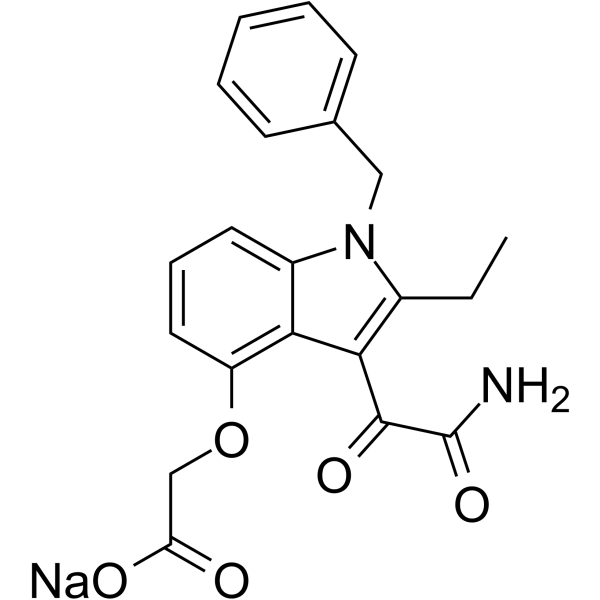
Varespladib sodium (LY315920 sodium) is a potent and selective group IIA, secretory phospholipase A2 (sPLA2) inhibitor with an IC50 of 9 nM. Varespladib sodium exhibits the significant inhibitory effect on sPLA2 activity in serum from various species including rat, rabbit, guinea pig and human with IC50s of 8.1 nM, 5.0 nM, 3.2 nM and 6.2 nM, respectively .
loading...
    loading...
11
11 Cited Publications
Cat. No.: HY-112823
CAS No.: 1899921-05-1
Purity:  99.83%
Synonyms: HS-10296
Target:  

EGFR

Research Areas:  

Cancer

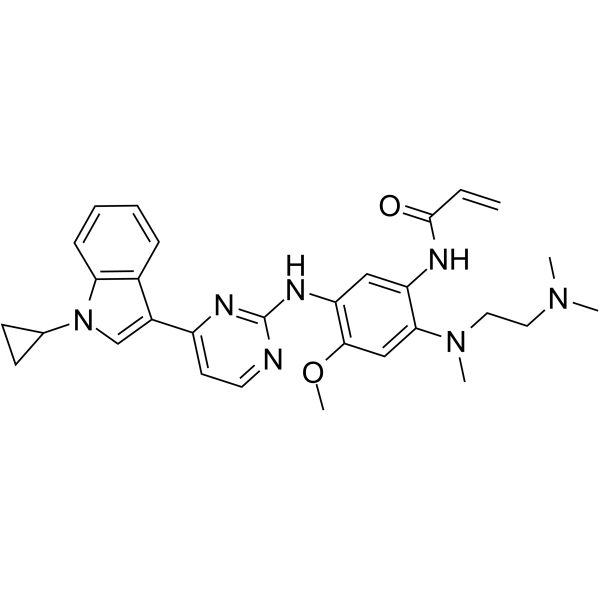
Almonertinib (HS-10296) is an orally available, irreversible, third-generation EGFR tyrosine kinase inhibitor with high selectivity for EGFR-sensitizing and T790M resistance mutations. Almonertinib shows great inhibitory activity against T790M, T790M/L858R and T790M/Del19 (IC50: 0.37, 0.29 and 0.21 nM, respectively), and is less effective against wild type (3.39 nM). Almonertinib is used for the research of the non-small cell lung cancer .
loading...
    loading...
11
11 Cited Publications
Cat. No.: HY-112823A
CAS No.: 2134096-06-1
Purity:  99.67%
Synonyms: HS-10296 mesylate
Target:  

EGFR

Research Areas:  

Cancer

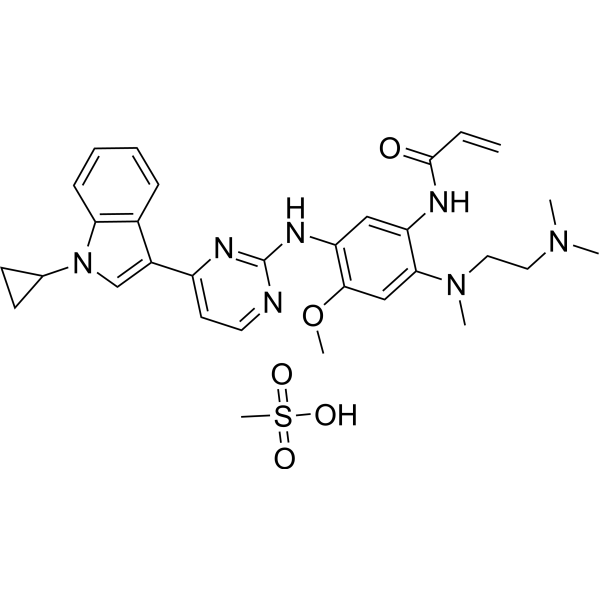
Almonertinib (HS-10296) mesylate is an orally available, irreversible, third-generation EGFR tyrosine kinase inhibitor with high selectivity for EGFR-sensitizing and T790M resistance mutations. Almonertinib mesylate shows great inhibitory activity against T790M, T790M/L858R and T790M/Del19 (IC50: 0.37, 0.29 and 0.21 nM, respectively), and is less effective against wild type (3.39 nM). Almonertinib mesylate is used for the research of the non-small cell lung cancer .
loading...
    loading...
11
11 Cited Publications
Cat. No.: HY-112823B
CAS No.: 2134096-03-8
Purity:  99.77%
Synonyms: HS-10296 hydrochloride
Target:  

EGFR

Research Areas:  

Cancer

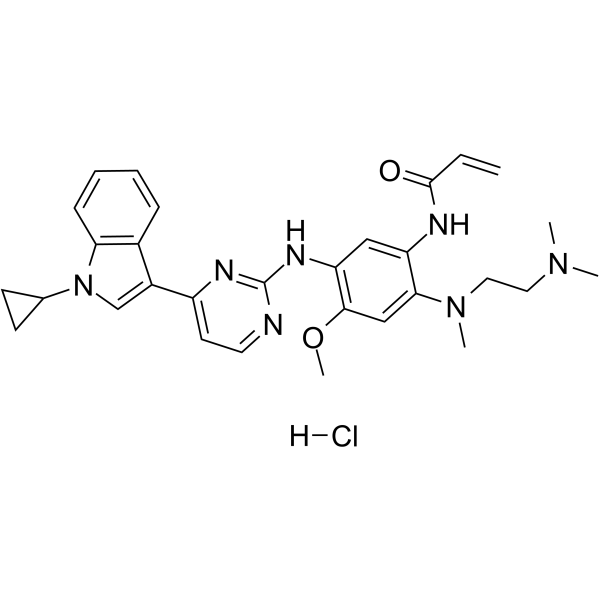
Almonertinib (HS-10296) hydrochloride is an orally available, irreversible, third-generation EGFR tyrosine kinase inhibitor with high selectivity for EGFR-sensitizing and T790M resistance mutations. Almonertinib hydrochloride shows great inhibitory activity against T790M, T790M/L858R and T790M/Del19 (IC50: 0.37, 0.29 and 0.21 nM, respectively), and is less effective against wild type (3.39 nM). Almonertinib hydrochloride is used for the research of the non-small cell lung cancer .
loading...
    loading...
9
9 Cited Publications
Cat. No.: HY-100359
CAS No.: 307002-71-7
Purity:  99.71%
Target:  

MMP

Research Areas:  

Inflammation/Immunology Cancer

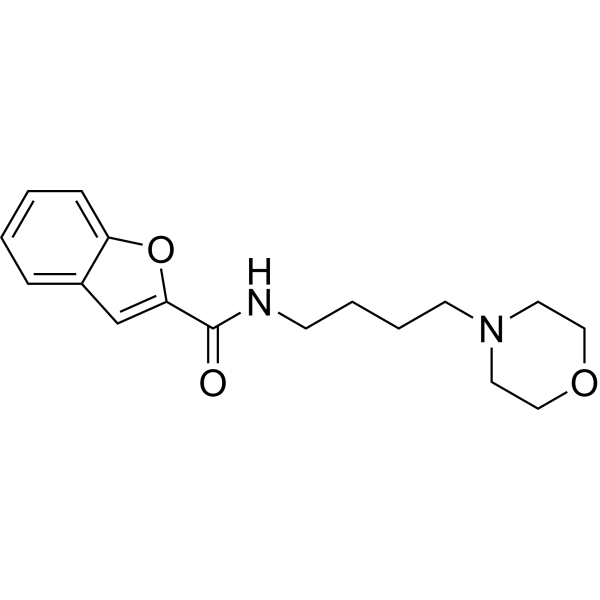
CL-82198 is a selective inhibitor of MMP-13. CL-82198 binds to the entire S1’ pocket of MMP-13, which is the basis for its selectivity towards MMP-13 and the lack of inhibitory activities against other MMPs . CL-82198 is a pharmacologic treatment for preventing osteoarthritis (OA) progression .
loading...
    loading...
9
9 Cited Publications
Cat. No.: HY-19340
CAS No.: 24144-92-1
Synonyms: (E)-2,3',4,5'-tetramethoxystilbene
Target:  

Cytochrome P450

Research Areas:  

Cancer

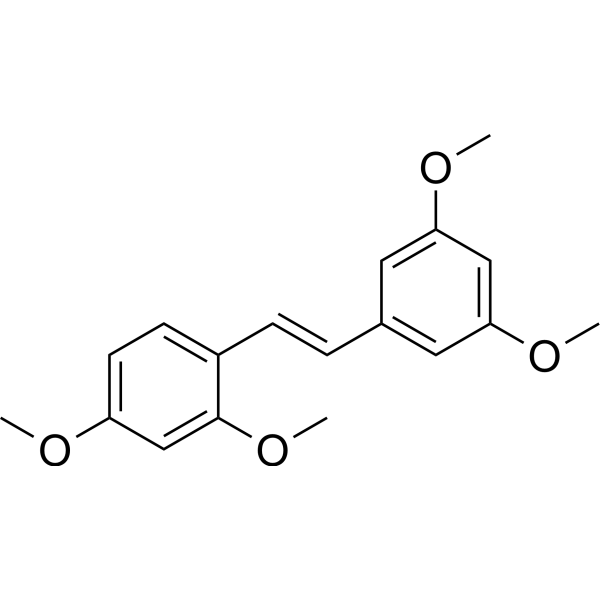
TMS ((E)-2,3',4,5'-tetramethoxystilbene) is a selective and competitive CYP1B1 inhibitor with an IC50 of 6 nM and a Ki value of 3 nM. TMS shows a lesser extent inhibitory effect on CYP1A1 (IC50=300 nM) and CYP1A2 (IC50=3.1 μM). TMS is a methylated derivative of resveratrol and has anti-cancer activity .
loading...
    loading...
9
9 Cited Publications
Cat. No.: HY-100754
CAS No.: 1792180-81-4
Purity:  99.43%
Synonyms: PF-06651600
Research Areas:  

Inflammation/Immunology

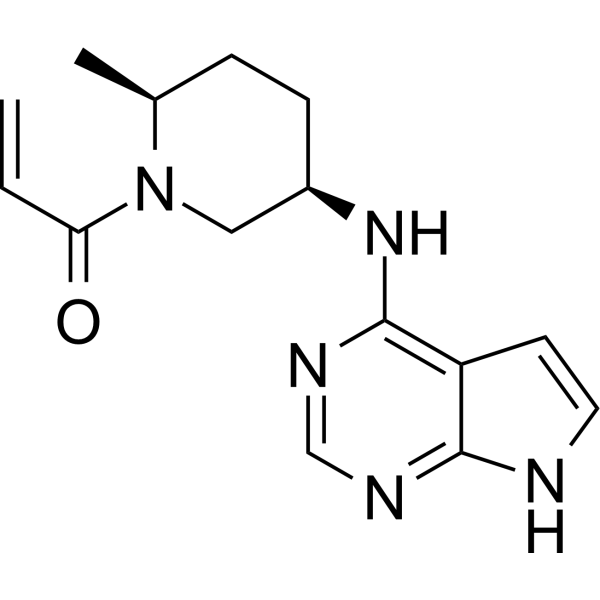
Ritlecitinib (PF-06651600) is a highly selective, orally active, irreversible covalent JAK3 inhibitor (IC50=33 nM) without inhibitory activity towards JAK1, JAK2, and TYK2 (IC50 >10 μ M). Ritlecitinib rapidly inactivates the JAK3 kinase, and blocks signaling and downstream STAT phosphorylation mediated by common gamma chain cytokines such as IL-2 and IL-15. Ritlecitinib can inhibit Th1/Th17 cell differentiation and function, and effectively suppress preclinical animal models such as alopecia areata, adjuvant-induced arthritis (AIA), and experimental autoimmune encephalomyelitis (EAE) .
loading...
    loading...
9
9 Cited Publications
Cat. No.: HY-100754C
CAS No.: 2192215-81-7
Purity:  99.77%
Synonyms: PF-06651600 tosylate
Research Areas:  

Inflammation/Immunology

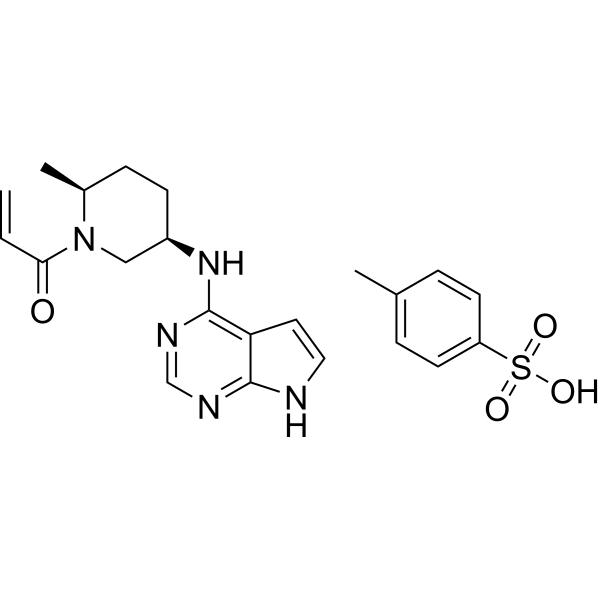
Ritlecitinib (PF-06651600) tosylate is a highly selective, orally active, irreversible covalent JAK3 inhibitor (IC50=33 nM) without inhibitory activity towards JAK1, JAK2, and TYK2 (IC50 >10 μ M). Ritlecitinib tosylate rapidly inactivates the JAK3 kinase, and blocks signaling and downstream STAT phosphorylation mediated by common gamma chain cytokines such as IL-2 and IL-15. Ritlecitinib tosylate can inhibit Th1/Th17 cell differentiation and function, and effectively suppress preclinical animal models such as alopecia areata, adjuvant-induced arthritis (AIA), and experimental autoimmune encephalomyelitis (EAE) .
loading...
    loading...
9
9 Cited Publications
Cat. No.: HY-103315
CAS No.: 68099-86-5
Purity:  99.98%
Synonyms: CERM 1978; Org 5730 hydrochloride
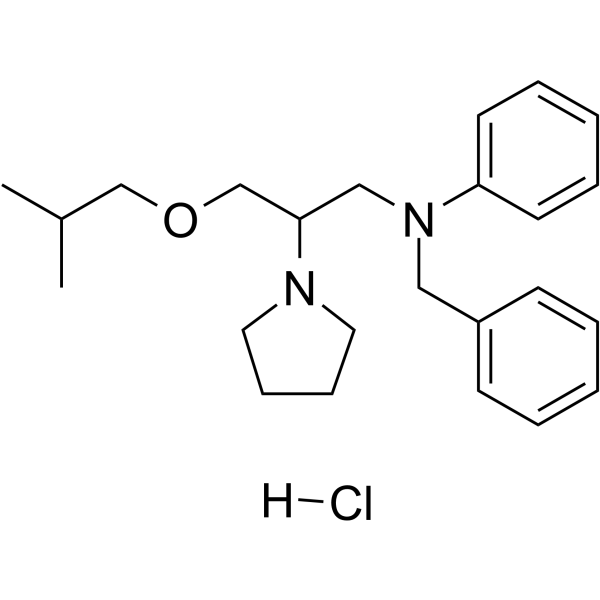
Bepridil hydrochloride (CERM 1978; Org 5730 hydrochloride) is an orally active non-selective calcium channel antagonist with multi-ion channel blocking activity. Bepridil hydrochloride modulates Calmodulin, the 20S proteasome, T-type/L-type calcium channels, cardiac sodium channels, multiple potassium channels, γ-secretase, β-secretase, and mitoKATP/sarcKATP channels. Bepridil hydrochloride acts as a hydroxyl radical scavenger, regulates mitochondrial and intracellular calcium handling, and exerts antiarrhythmic, antianginal, and cardioprotective effects. Bepridil hydrochloride alters amyloid precursor protein processing, reduces β-amyloid and thalamic calcium levels, restores seladin-1/DHCR24 expression, and improves sensorimotor recovery after cerebral ischemia. Bepridil hydrochloride also exhibits potent inhibitory effects on SARS-CoV-2 replication. Bepridil hydrochloride is used in studies related to stable angina, arrhythmias, cerebral ischemia, Alzheimer's disease, and SARS-CoV-2 infection .
loading...
    loading...
9
9 Cited Publications
Cat. No.: HY-16952
CAS No.: 64706-54-3
Synonyms: CERM 1978 free base; Org 5730
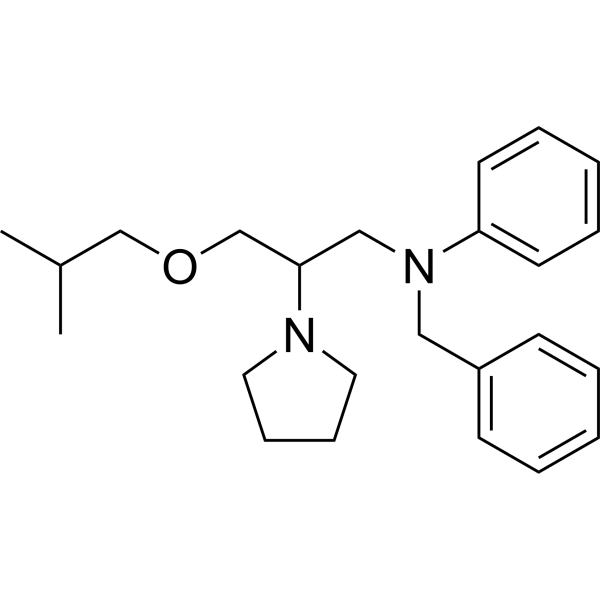
Bepridil (CERM 1978 (free base); Org 5730) is an orally active non-selective calcium channel antagonist with multi-ion channel blocking activity. Bepridil modulates Calmodulin, the 20S proteasome, T-type/L-type calcium channels, cardiac sodium channels, multiple potassium channels, γ-secretase, β-secretase, and mitoKATP/sarcKATP channels. Bepridil acts as a hydroxyl radical scavenger, regulates mitochondrial and intracellular calcium handling, and exerts antiarrhythmic, antianginal, and cardioprotective effects. Bepridil alters amyloid precursor protein processing, reduces β-amyloid and thalamic calcium levels, restores seladin-1/DHCR24 expression, and improves sensorimotor recovery after cerebral ischemia. Bepridil also exhibits potent inhibitory effects on SARS-CoV-2 replication. Bepridil is used in studies related to stable angina, arrhythmias, cerebral ischemia, Alzheimer's disease, and SARS-CoV-2 infection .
loading...
    loading...
9
9 Cited Publications
Cat. No.: HY-16952A
CAS No.: 74764-40-2
Synonyms: CERM 1978 hydrate; Org 5730 hydrochloride hydrate
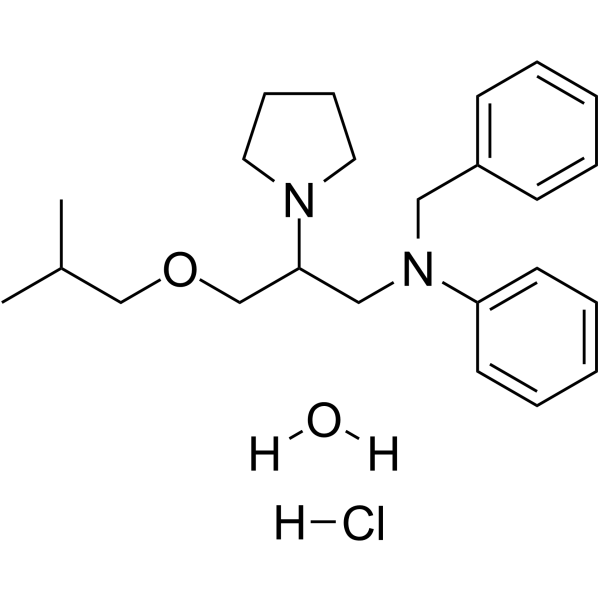
Bepridil hydrochloride hydrate (CERM 1978 hydrate; Org 5730 hydrochloride hydrate) is an orally active non-selective calcium channel antagonist with multi-ion channel blocking activity. Bepridil hydrochloride hydrate modulates Calmodulin, the 20S proteasome, T-type/L-type calcium channels, cardiac sodium channels, multiple potassium channels, γ-secretase, β-secretase, and mitoKATP/sarcKATP channels. Bepridil hydrochloride hydrate acts as a hydroxyl radical scavenger, regulates mitochondrial and intracellular calcium handling, and exerts antiarrhythmic, antianginal, and cardioprotective effects. Bepridil hydrochloride hydrate alters amyloid precursor protein processing, reduces β-amyloid and thalamic calcium levels, restores seladin-1/DHCR24 expression, and improves sensorimotor recovery after cerebral ischemia. Bepridil hydrochloride hydrate also exhibits potent inhibitory effects on SARS-CoV-2 replication. Bepridil hydrochloride hydrate is used in studies related to stable angina, arrhythmias, cerebral ischemia, Alzheimer's disease, and SARS-CoV-2 infection .
loading...
    loading...

