40 Results for "

superoxide generation

" in MedChemExpress (MCE) Product Catalog:
Products (40)

40 Results for "superoxide generation" in MCE Product Catalog:

  • Categories Recommended:
    More
10
10 Publications Verification
Cat. No.: HY-19619
CAS No.: 200933-14-8
Target:  

Phospholipase Apoptosis

Research Areas:  

Cancer

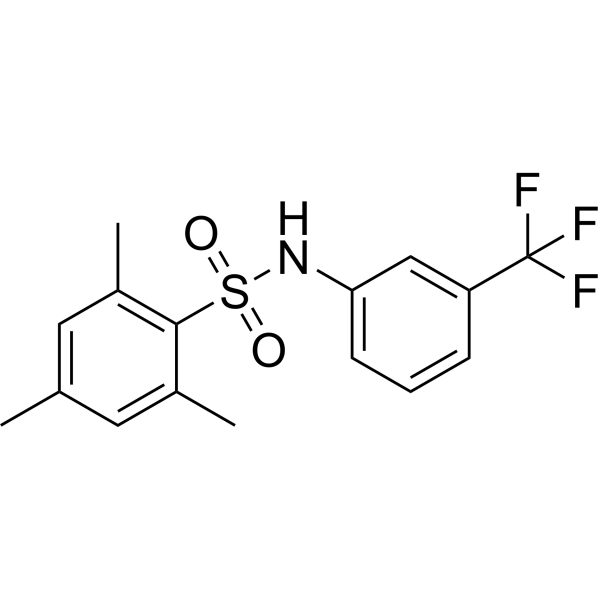
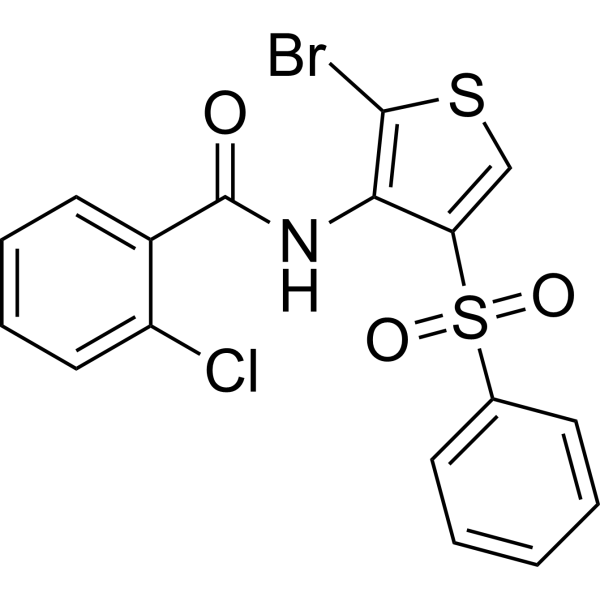
m-3M3FBS is a potent phospholipase C (PLC) activator. m-3M3FBS stimulates superoxide generation in human neutrophils, upregulates intracellular calcium concentration, and stimulates inositol phosphate generation in various cell lines. m-3M3FBS induces monocytic leukemia cell apoptosis .
loading...
    loading...
6
6 Cited Publications
Cat. No.: HY-101283
CAS No.: 1435265-06-7
Purity:  99.16%
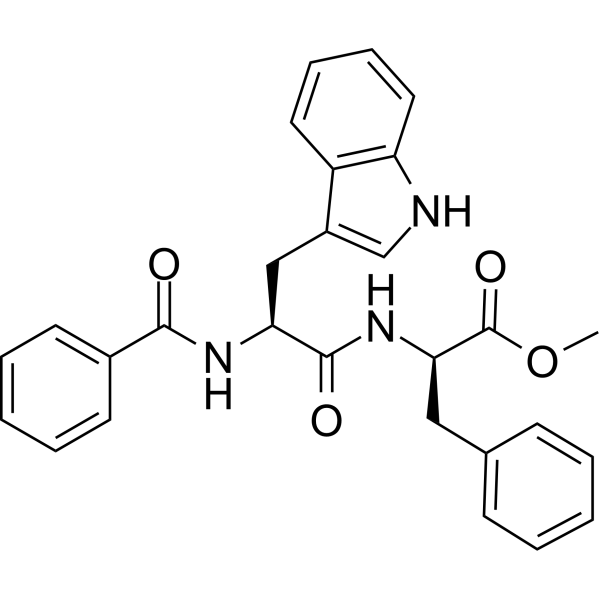
HCH6-1 is a potent and competitive dipeptide antagonist of Formyl peptide receptor 1 (FPR1). HCH6-1 inhibits chemotaxis, superoxide anion generation, and elastase release in human neutrophils specifically activated by fMLF (an FPR1 agonist). HCH6-1 has protective effects against acute lung injury (ALI) in vivo and can be used for the research of FPR1-involved inflammatory lung diseases .
loading...
    loading...
4
4 Cited Publications
Cat. No.: HY-100581
CAS No.: 475473-26-8
Purity:  ≥97.0%
Research Areas:  

Inflammation/Immunology

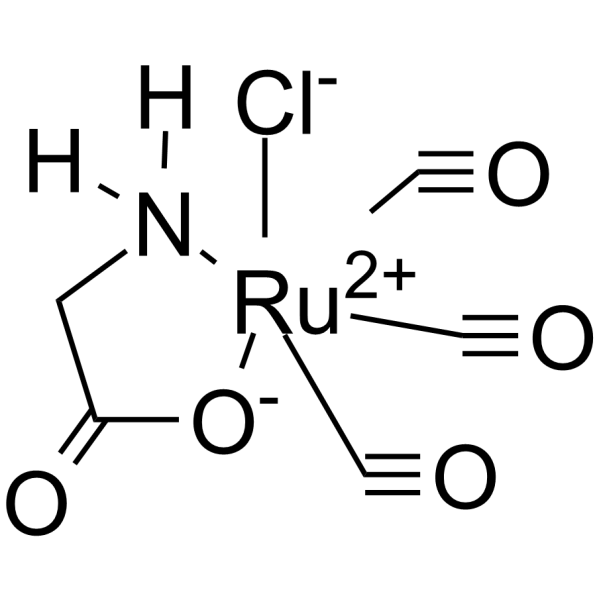
CORM-3, a carbon monoxide-releasing molecule, attenuates NF-κB p65 nuclear translocation, reduces ROS generation and enhances intracellular glutathione and superoxide dismutase levels. CORM-3 reduces NLRP3 inflammasome activation .
loading...
    loading...
2
2 Cited Publications
Cat. No.: HY-131648
CAS No.: 86390-77-4
Purity:  ≥99.0%
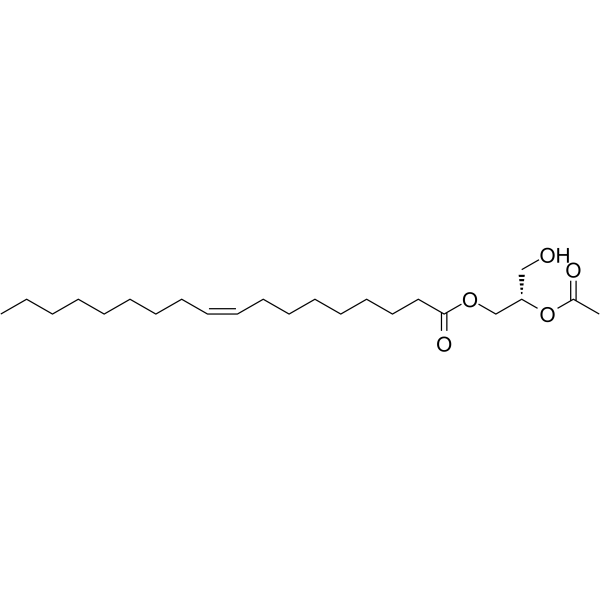
1-Oleoyl-2-acetyl-sn-glycerol is a cell-permeable analog of diacylglycerol (DAG) and can activate Protein kinase C (PKC). 1-Oleoyl-2-acetyl-sn-glycerol can activate the TRPC channels-mediated specific Ca 2+ influx. 1-Oleoyl-2-acetyl-sn-glycerol can stimulate superoxide-generation from human neutrophils. 1-Oleoyl-2-acetyl-sn-glycerol stimulates the formation of phosphatidylinositol 4-phosphate in intact human platelets. 1-Oleoyl-2-acetyl-sn-glycerol can stimulate ascites tumor cell proliferation .
loading...
    loading...
1
1 Cited Publications
Cat. No.: HY-W050000
CAS No.: 101328-85-2
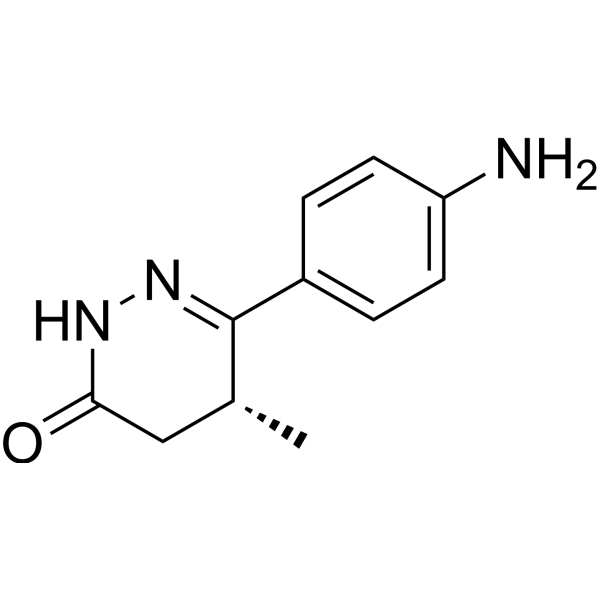
OR-1855, an active metabolite of Levosimendan (HY-14286), has effect on myometrial contractility. OR-1855 exerts anti-inflammatory effects by inhibiting IL-1β-induced ROS formation and NAD(P)H oxidase-dependent superoxide radical generation in HUVECs. OR-1855 inhibits IL-1β-induced phosphorylation p38 MAPK, ERK1/2, c-Jun and JNK in HUVECs. OR-1855 can be used for the study of inflammation .
loading...
    loading...
Cat. No.: HY-Y0651
CAS No.: 7757-83-7
Sodium sulfite is an inorganic salt used as an antioxidant and preservative. Sodium sulfite is also used in sulfonation and sulfomethylation reactions. Sodium sulfite can also be used as a bleaching agent, desulfurizer, and dechlorinator. Sodium sulfite inhibits hepatocyte proliferation, promotes hepatocyte apoptosis and necrosis, and impairs mitochondrial integrity. Sodium sulfite induces superoxide anion production, primes neutrophils for enhanced superoxide anion generation, and induces neutrophil gene expression. Sodium sulfite can be used in studies related to pulmonary inflammation and gastric tissue injury .
loading...
    loading...
Cat. No.: HY-W115721
CAS No.: 523-21-7
Synonyms: Sodium rhodizonate dibasic
Rhodizonic acid disodium (Sodium rhodizonate dibasic) is a transition metal-dependent pro-oxidant and lead detection agent that induces reactive oxygen species generation, DNA damage, and inhibits Aconitase activity. Rhodizonic acid disodium generates superoxide anion radicals in an iron (II)-dependent manner, leading to aconitase inactivation. Rhodizonic acid disodium also triggers hydroxyl radical-mediated DNA strand breaks and 8-OHdG formation via copper ion reduction. Rhodizonic acid disodium reacts with lead to form a scarlet precipitate, with the color intensity proportional to lead content, enabling qualitative or quantitative analysis of lead. Rhodizonic acid disodium can also be used for real-time visualization of the dynamic process of lead sequestration in the plant rhizosphere and evaluation of the effects of environmental factors such as soil type on the stability of lead-sequestering structures .
loading...
    loading...
Cat. No.: HY-N2100
CAS No.: 115713-06-9
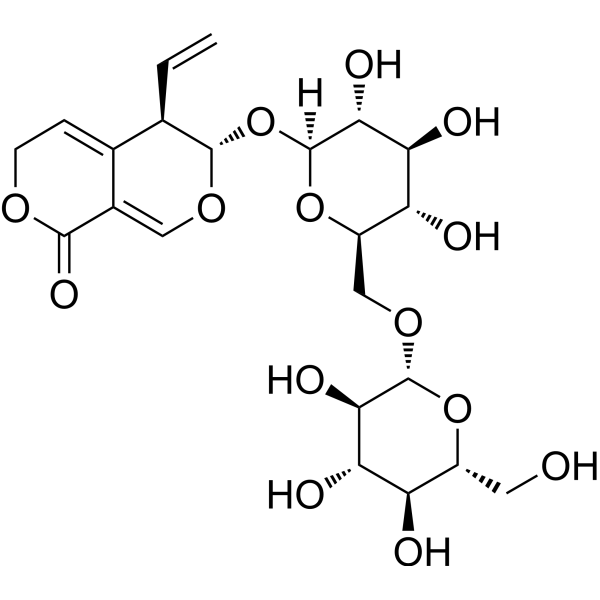
6'-O-beta-D-Glucosylgentiopicroside is a secoiridoid isolated from the roots of G. straminea. 6'-O-beta-D-Glucosylgentiopicroside strongly suppresses N-formyl-methionyl-leucyl-phenylalanine (fMLP)-induced superoxide generation .
loading...
    loading...
Cat. No.: HY-N13250
Hawthorn Extract is an orally active hawthorn extract. Hawthorn Extract decreases Bax expression and increases Bcl-2 expression in the aorta. Hawthorn Extract regulates the AMPK signaling pathway, induces apoptosis, enhances the hepatic antioxidant system, and ameliorates symptoms of liver injury, inflammation and cancer. Hawthorn Extract reduces plasma levels of pro-inflammatory factors, increases plasma levels of anti-inflammatory adiponectin, and alleviates atherosclerotic plaque lesions in the aorta. Hawthorn Extract improves symptoms associated with chronic heart failure . Hawthorn Extract inhibits FMLP-induced superoxide anion production, Elastase release, ILB4 generation and calcium signaling in neutrophils, and also reduces LPS-induced cytokine production in neutrophils. Hawthorn Extract induces autophagy and inhibits the proliferation of intestinal stem cells. Hawthorn Extract can be used in research related to atherosclerosis, hepatitis, alcoholic liver disease, non-alcoholic fatty liver disease, hepatocellular carcinoma, chronic heart failure and hypotension .
loading...
    loading...
Cat. No.: HY-132132
CAS No.: 1234707-32-4
Target:  

Elastase

Research Areas:  

Inflammation/Immunology

Neutrophil elastase inhibitor 3 (compound 13), a benzoxazinone analog, shows effects on superoxide anion generation and exhibits as a neutrophil elastase (NE) inhibitor, with an IC50 of 80.8 nM for NE release .
loading...
    loading...
Cat. No.: HY-136651
CAS No.: 685119-25-9
Purity:  99.68%
Research Areas:  

Inflammation/Immunology

BNTA, a potent extracellular matrix (ECM) modulator, facilitates cartilage structural molecule synthesis on chondrocytes by activating superoxide dismutase 3 (SOD3). BNTA shows a promising potential for osteoarthritis alleviation by modulating cartilage generation .
loading...
    loading...
Cat. No.: HY-129242
CAS No.: 2896-70-0
Purity:  97.01%
Synonyms: 4-Oxo-Tempo
Research Areas:  

Metabolic Disease Cancer

Tempone (4-Oxo-Tempo) is a nitroxide radical spin label and ROS scavenger. Tempone induces cytotoxicity in lymphoma cells. Tempone serves as a substrate for intracellular reduction to hydroxylamine, rapidly equilibrates between intracellular and extracellular compartments, reduces nitroxide radical spin labels at the ubiquinol site of the respiratory chain, and acts as an alternative terminal electron acceptor when electron flow to oxygen is blocked. Tempone serves as a superoxide sensor, a T2-weighted MRI contrast agent, and a dynamic nuclear polarization polarizing agent for 13C. Tempone inhibits superoxide and peroxynitrite, hydroxyl radical generation, nitrotyrosine formation, and poly (ADP-ribose) formation, and alleviates renal dysfunction and injury in ischemia/reperfusion and hydrogen peroxide-induced injury. Tempone can be used for research on ischemia-reperfusion injury, acute renal failure, and lymphoma .
loading...
    loading...
Cat. No.: HY-N10450
CAS No.: 72755-19-2
Synonyms: 1-Ethoxycarbonyl-β-carboline
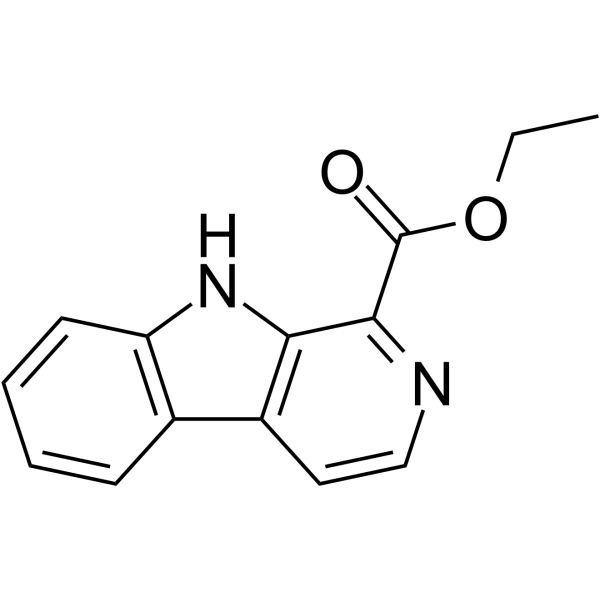
Kumujian A (1-Ethoxycarbonyl-β-carboline), an anti-inflammatory agent, inhibits both superoxide anion generation (IC50 = 4.87 μg/mL) and elastase release (IC50 = 6.29 μg/mL) .
loading...
    loading...
Cat. No.: HY-N3388
CAS No.: 66056-30-2
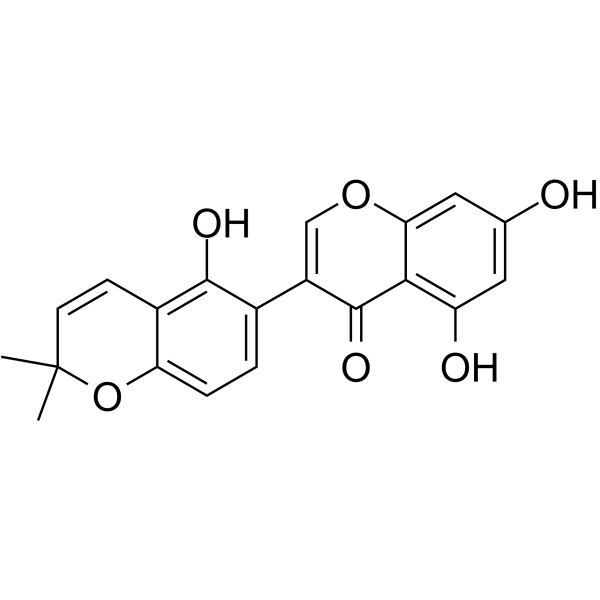
Licoisoflavone B is an orally active flavonoid found in licorice. Licoisoflavone B alleviates psoriasis via SCD1-targeted lipid metabolism reprogramming and suppression of Th17/IL-17-mediated inflammation. Licoisoflavone B inhiibits superoxide anion generation and superoxide anion-induced lipid peroxidation. Licoisoflavone B binds tightly to Lassa virus nucleoprotein and can be used as a nucleoprotein antagonist of Lassa virus. Licoisoflavone B exhibits anti-mutagenic activity
against carcinogenic mutagen, by preventing DNA damage. Licoisoflavone B can be used for the research of psoriasis, Lassa fever, inflammation and cancer .
loading...
    loading...
Cat. No.: HY-118075
CAS No.: 606-06-4
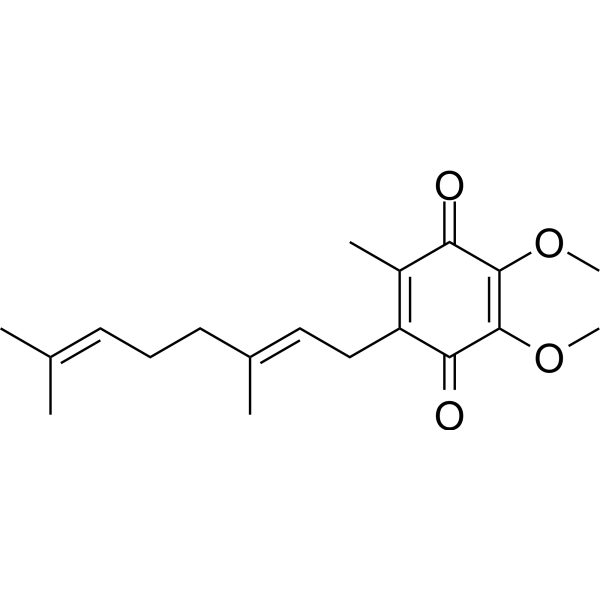
Coenzyme Q2 is a benzoquinone electron carrier in the mitochondrial electron transport chain and a p53-dependent apoptosis inducer. Coenzyme Q2 induces p53 phosphorylation at Ser15, promoting p53 accumulation and functional activation. Coenzyme Q2 induces ROS generation, caspase-3 activation, DNA fragmentation, phosphatidylserine externalization, mitochondrial permeability transition pore opening, and oxidative phosphorylation uncoupling. Coenzyme Q2 inhibits Complex I, Complex III, and Complex IV activities, disrupting electron transport and membrane potential generation. Coenzyme Q2 induces excessive mitochondrial proton leak in forebrain mitochondria. Coenzyme Q2 causes loss of righting reflex in mice, accompanied by slow-wave delta EEG activity and reversible loss of wakefulness. Coenzyme Q2 inhibits lipid peroxidation and scavenges superoxide radicals. Coenzyme Q2 is used in research on leukemia, myocardial ischemia-reperfusion injury, and mitochondrial encephalomyopathy .
loading...
    loading...
Cat. No.: HY-129242S
CAS No.: 80404-14-4
Synonyms: 4-Oxo-Tempo-15N,d16
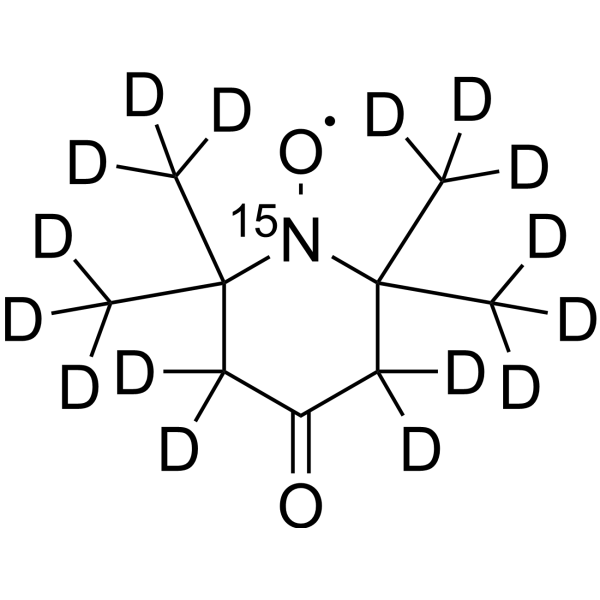
Tempone- 15N,d16 (4-Oxo-Tempo 15N,D16) is the deuterated, 15N-labeled Tempone (HY-129242). Tempone (4-Oxo-Tempo) is a nitroxide radical spin label and ROS scavenger. Tempone induces cytotoxicity in lymphoma cells. Tempone serves as a substrate for intracellular reduction to hydroxylamine, rapidly equilibrates between intracellular and extracellular compartments, reduces nitroxide radical spin labels at the ubiquinol site of the respiratory chain, and acts as an alternative terminal electron acceptor when electron flow to oxygen is blocked. Tempone serves as a superoxide sensor, a T2-weighted MRI contrast agent, and a dynamic nuclear polarization polarizing agent for 13C. Tempone inhibits superoxide and peroxynitrite, hydroxyl radical generation, nitrotyrosine formation, and poly (ADP-ribose) formation, and alleviates renal dysfunction and injury in ischemia/reperfusion and hydrogen peroxide-induced injury. Tempone can be used for research on ischemia-reperfusion injury, acute renal failure, and lymphoma .
loading...
    loading...
Cat. No.: HY-156468
Research Areas:  

Inflammation/Immunology

Antioxidant agent-17 (compound 59) is a potent inhibitor of superoxide anion generation activity, with an IC50 of 9.06 nM .
loading...
    loading...
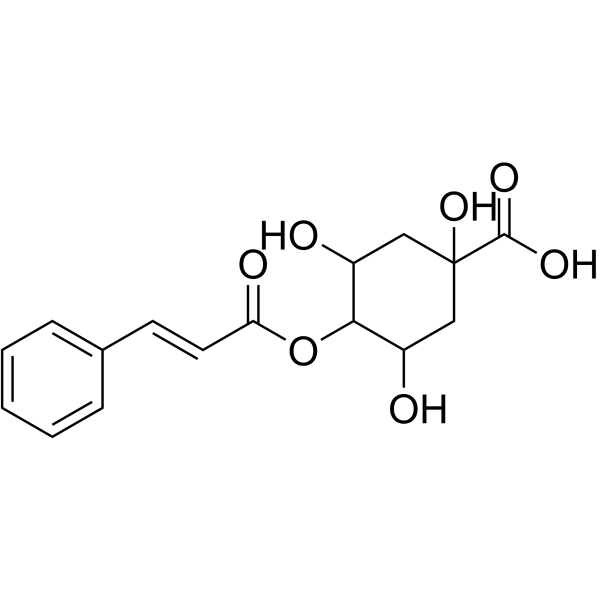
Cat. No.: HY-N8217
CAS No.: 5509-70-6
4-O-Cinnamoylquinic acid could inhibit superoxide anion generation in human neutrophils .
loading...
    loading...
Cat. No.: HY-165493
CAS No.: 121071-92-9
Target:  

Drug Derivative

Research Areas:  

Others

Opc-15161 is a novel superoxide generation inhibitor and major degradation product of OPC-15160 .
loading...
    loading...
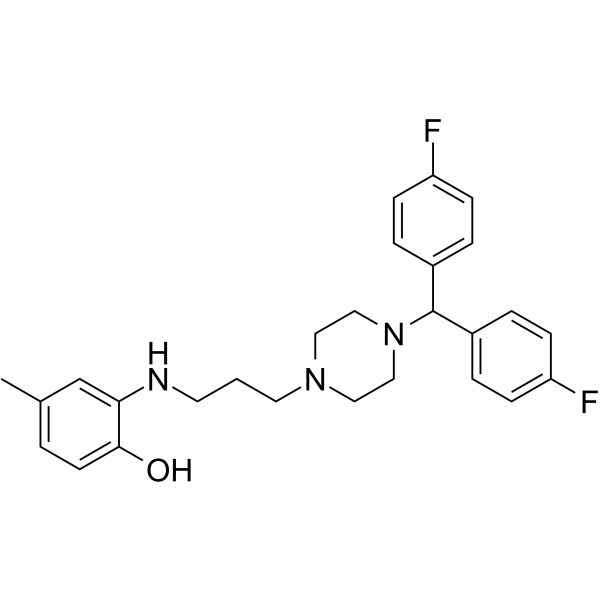
Cat. No.: HY-U00005
CAS No.: 145600-69-7
Research Areas:  

Inflammation/Immunology

AD 0261 is a radical scavenger which displays strong inhibitory action on the generation of lipid peroxides and superoxide anions.
loading...
    loading...

