39 Results for "

tissue distribution

" in MedChemExpress (MCE) Product Catalog:
Products (39)

39 Results for "tissue distribution" in MCE Product Catalog:

3
3 Cited Publications
Cat. No.: HY-Y0850J
CAS No.: 9002-89-5
Synonyms: PVA (Mw 13000-23000, 87-89% hydrolyzed); Poly(Ethenol) (Mw 13000-23000, 87-89% hydrolyzed)
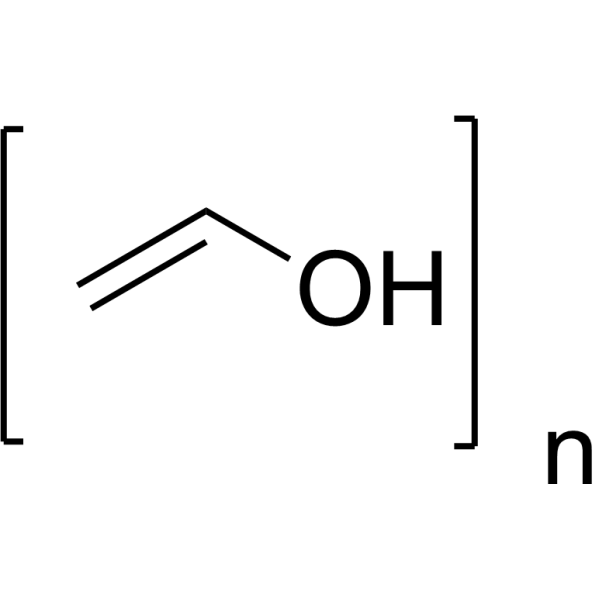
Polyvinyl alcohol (Mw 13000-23000, 87-89% hydrolyzed) is a polyvinyl alcohol with a molecular weight of 130000-23000 and hydrolytic properties. Polyvinyl alcohol (Mw 13000-23000, 87-89% hydrolyzed) is the hydrolysis and removal of acetate groups after the polymerization of ethylene acetate and polyvinyl alcohol is obtained. A degree of hydrolysis of 87-89% indicates that a large part of the acetate groups have been removed, resulting in a large number of hydroxyl groups in the PVA structure. Polyvinyl alcohol with different degrees of hydrolysis can be used to self-crosslink to form cryogel, which can be used as biological excipient. Polyvinyl alcohol can be used in tissue engineering by electrospinning. Polyvinyl alcohol can achieve high cellular density, infiltration, and uniform distribution, facilitating functional connections between cells. Polyvinyl alcohol can improve cell vitality through in vitro cultivation. Polyvinyl alcohol demonstrates promising inhibition of ostersarcoma cancer cells with Doxorubicin (HY-15142A) .
loading...
    loading...
3
3 Cited Publications
Cat. No.: HY-Y0850I
CAS No.: 9002-89-5
Synonyms: PVA (Mw 9000-10000, 80% hydrolyzed); Poly(Ethenol) (Mw 9000-10000, 80% hydrolyzed)
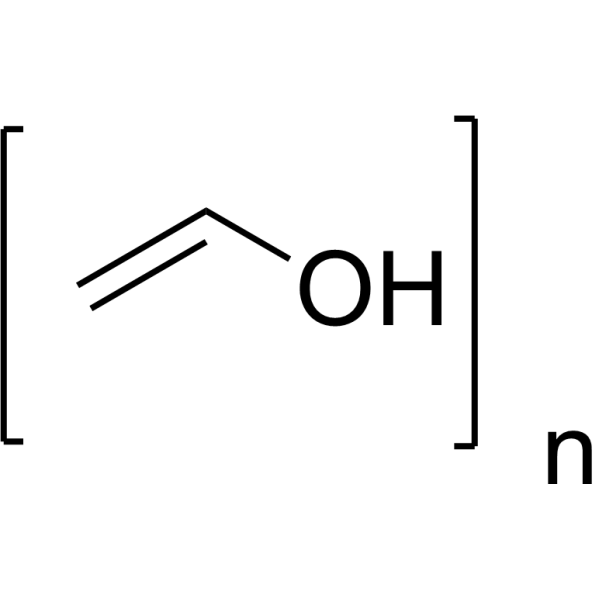
Polyvinyl alcohol (Mw 9000-10000, 80% hydrolyzed) also known as PVA, is a vinyl water-soluble polymer that can be used as a non-ionic surfactant. Polyvinyl alcohol (Mw 9000-10000, 80% hydrolyzed) can be used as a biodegradable polymer and can be used in adhesives, coatings, textiles, ceramics, and cosmetics. Polyvinyl alcohol can be used in tissue engineering by electrospinning. Polyvinyl alcohol can achieve high cellular density, infiltration, and uniform distribution, facilitating functional connections between cells. Polyvinyl alcohol can improve cell vitality through in vitro cultivation. Polyvinyl alcohol demonstrates promising inhibition of ostersarcoma cancer cells with Doxorubicin (HY-15142A) .
loading...
    loading...
3
3 Cited Publications
Cat. No.: HY-Y0850P
CAS No.: 9002-89-5
Synonyms: PVA (Mw 146000-186000, 87-89% hydrolyzed); Poly(Ethenol) (Mw 146000-186000, 87-89% hydrolyzed)
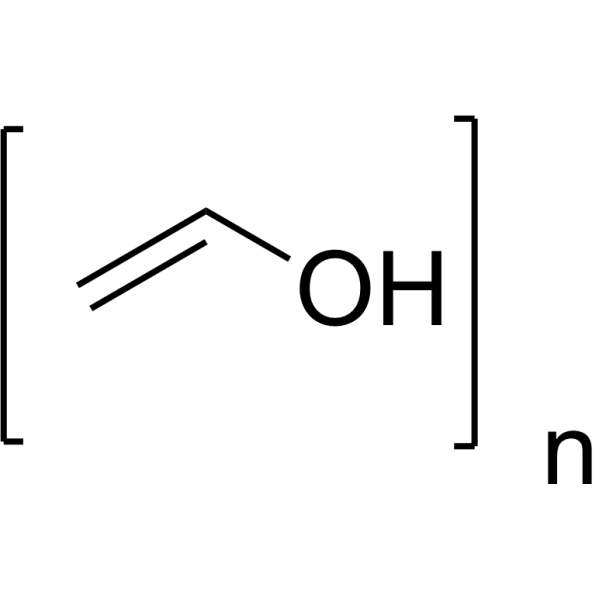
Polyvinyl alcohol (Mw 146000-186000, 87-89% hydrolyzed) is a polyvinyl alcohol with a molecular weight of 146000-186000 and hydrolytic properties. Polyvinyl alcohol (Mw 146000-186000, 87-89% hydrolyzed) is the hydrolysis and removal of acetate groups after the polymerization of ethylene acetate. And polyvinyl alcohol is obtained. Polyvinyl alcohol with different degrees of hydrolysis can be used to self-crosslink to form cryogel, which can be used as biological excipient. Polyvinyl alcohol can be used in tissue engineering by electrospinning. Polyvinyl alcohol can achieve high cellular density, infiltration, and uniform distribution, facilitating functional connections between cells. Polyvinyl alcohol can improve cell vitality through in vitro cultivation. Polyvinyl alcohol demonstrates promising inhibition of ostersarcoma cancer cells with Doxorubicin (HY-15142A) .
loading...
    loading...
3
3 Cited Publications
Cat. No.: HY-Y0850K
CAS No.: 9002-89-5
Synonyms: PVA (Mw 31000-50000, 98-99% hydrolyzed); Poly(Ethenol) (Mw 31000-50000, 98-99% hydrolyzed)
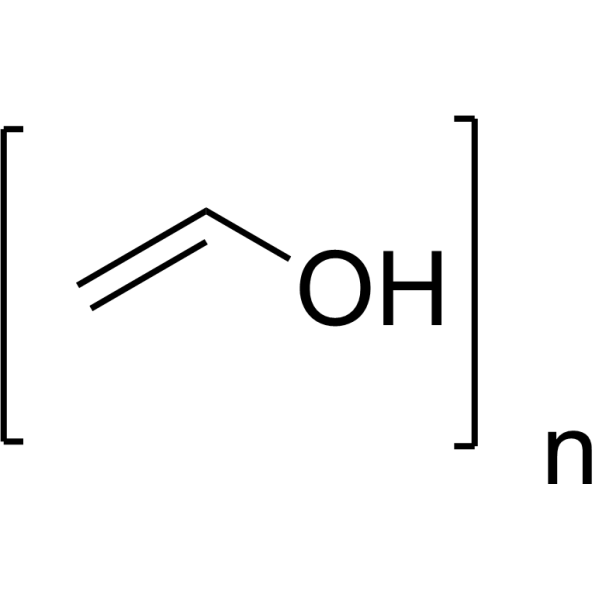
Polyvinyl alcohol (Mw 31000-50000, 98-99% hydrolyzed), also known as PVA, is a vinyl water-soluble polymer that can be used as a non-ionic surfactant. It can also be used as a biodegradable polymer and can be used in adhesives, coatings, textiles, ceramics and cosmetics. Polyvinyl alcohol can be used in tissue engineering by electrospinning. Polyvinyl alcohol can achieve high cellular density, infiltration, and uniform distribution, facilitating functional connections between cells. Polyvinyl alcohol can improve cell vitality through in vitro cultivation. Polyvinyl alcohol demonstrates promising inhibition of ostersarcoma cancer cells with Doxorubicin (HY-15142A) .
loading...
    loading...
3
3 Cited Publications
Cat. No.: HY-15163
CAS No.: 1204918-72-8
Synonyms: TG02; SB1317
Target:  

JAK CDK FLT3

Research Areas:  

Cancer

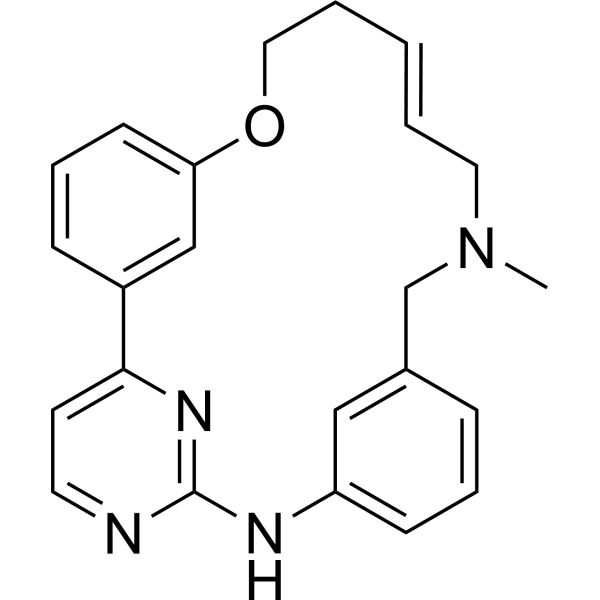
Zotiraciclib (TG02; SB1317) is an orally active JAK2/FLT3/CDK2 inhibitor with IC50 values of 13 nM, 73 nM and 56 nM , respectively. Zotiraciclib inhibits cancer cell proliferation, tumor growth and the activity of CYP2D6. Zotiraciclib exhibits high plasma protein binding rate, Caco-2 permeability and tissue distribution capacity, as well as metabolic stability in human and canine liver microsomes. Zotiraciclib achieves tumor growth inhibition in nude mouse models of colon cancer and lymphoma xenografts. Zotiraciclib can be used for research related to colon cancer, B-cell lymphoma, advanced leukemia, acute leukemia and multiple myeloma .
loading...
    loading...
Cat. No.: HY-D0982
CAS No.: 151606-29-0
Target:  

Fluorescent Dye

Research Areas:  

Others

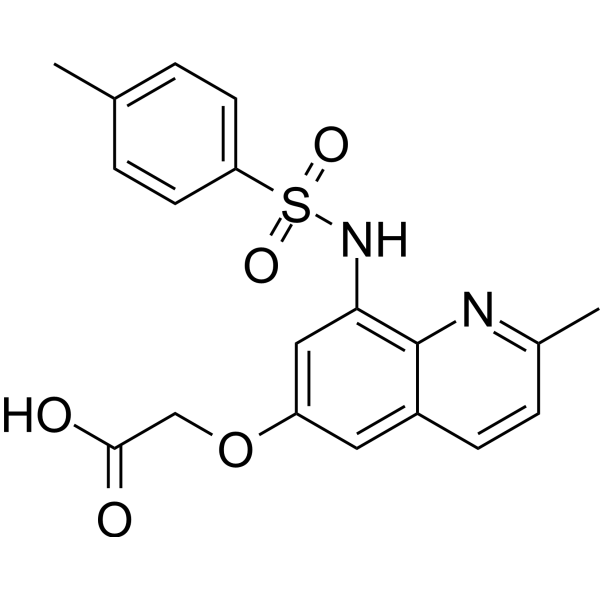
Zinquin is a fluorescent zinc ion (Zn 2+) indicator. Zinquin can form a fluorescent complex with Zn 2+, which is used to study zinc distribution in cells and tissues, zinc-related physiological processes, and changes in intracellular zinc homeostasis (Ex/Em = 368/490 nm) .
loading...
    loading...
Cat. No.: HY-128855
CAS No.: 147025-53-4
Purity:  98.75%
Synonyms: WAL 2014 FU free base
Target:  

mAChR

Research Areas:  

Neurological Disease

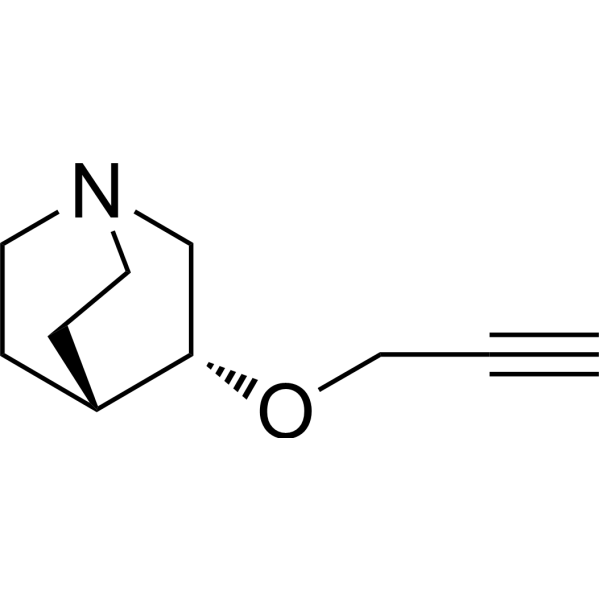
Talsaclidine (WAL 2014 FU) is an orally active, blood-brain barrier-permeable muscarinic M1 receptor agonist. Talsaclidine activates the sympathetic nervous system and promotes adrenal catecholamine release in vivo. Talsaclidine exhibits extensive tissue distribution, kidney-dominant excretion and brain penetration properties, and it can be used in studies related to cholinergic signaling, cognitive function and Alzheimer's disease .
loading...
    loading...
Cat. No.: HY-140696C
CAS No.: 9004-74-4
Synonyms: mPEG20000-Hydroxy; Polyethylene glycol monomethyl ether 20000
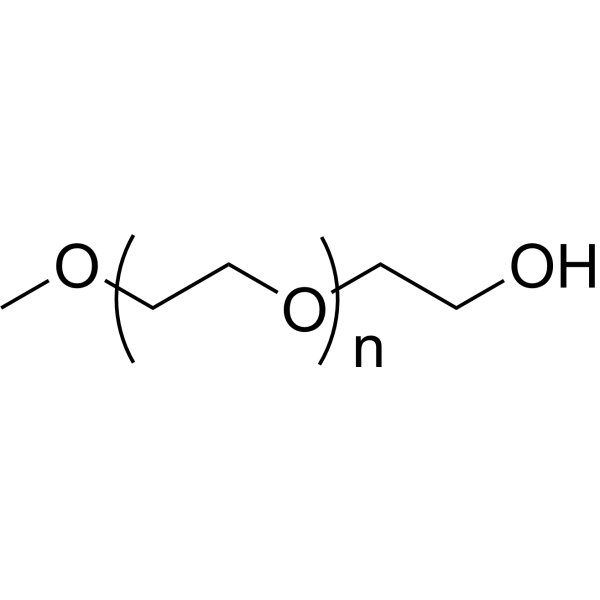
m-PEG20000-OH (mPEG20000-Hydroxy; Polyethylene glycol monomethyl ether 20000) can be used as a macroinitiator to participate in the synthesis of amphiphilic block copolymers. Nanoscale micelles can be prepared by using amphiphilic block copolymers to deliver active drugs. Paclitaxel (HY-B0015), a hydrophobic anticancer agent encapsulated in micelles, has stronger activity in killing cancer cells than free Paclitaxel. And it preferentially accumulates in tumor tissue with only limited distribution in healthy organs .
loading...
    loading...
Cat. No.: HY-155052
CAS No.: 2642327-52-2
Research Areas:  

Cancer

PAD4-IN-2 is a highly tumor-targeted and irreversible PAD4 inhibitor with an IC50 of 1.94 μM. It selectively recognizes sialic acid on tumor surfaces and accumulates in tumor tissues, with distribution in the cytoplasm of tumor cells and nuclei of neutrophils. PAD4-IN-2 inhibits the PAD4-H3cit-NETs (Neutrophil Extracellular Traps) pathway, reduces senescent tumor-associated neutrophils, and promotes M1 macrophage polarization. The compound exhibits potent anti-tumor and anti-metastatic activities and is suitable for breast cancer research .
loading...
    loading...
Cat. No.: HY-W154341
CAS No.: 216971-58-3
Research Areas:  

Others

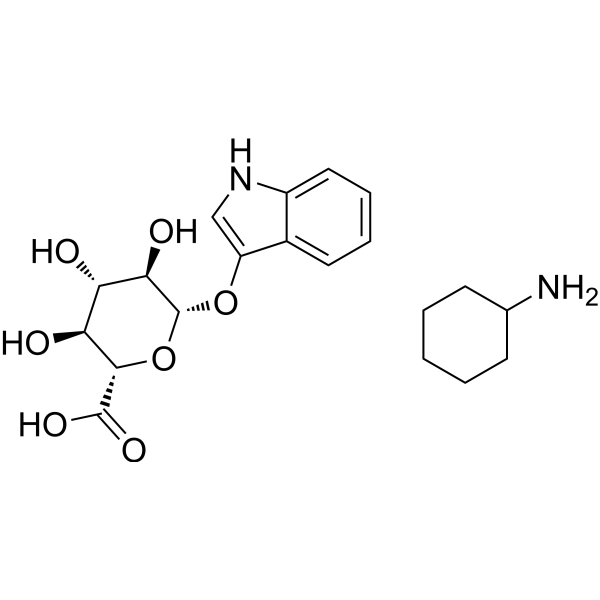
3-Indolyl-β-D-glucuronide cyclohexanamine is the glucose component of X-Gluc staining buffer. 3-Indolyl-β-D-glucuronide cyclohexanamine can be used to detect gene expression. The active ingredient of the stain, β-Glucuronidase (GUS), reacts with the enzyme, causing the target gene to appear blue-purple in tissues or cells, so that the expression level and tissue distribution of the gene can be visually observed .
loading...
    loading...
Cat. No.: HY-155052A
Purity:  95.64%
Research Areas:  

Cancer

PAD4-IN-2 TFA is a highly tumor-targeted and irreversible PAD4 inhibitor with an IC50 of 1.94 μM. PAD4-IN-2 TFA selectively recognizes sialic acid on tumor surfaces and accumulates in tumor tissues, with distribution in the cytoplasm of tumor cells and nuclei of neutrophils. PAD4-IN-2 TFA inhibits the PAD4-H3cit-NETs (Neutrophil Extracellular Traps) pathway, reduces senescent tumor-associated neutrophils, and promotes M1 macrophage polarization. The compound exhibits potent anti-tumor and anti-metastatic activities and is suitable for breast cancer research .
loading...
    loading...
Cat. No.: HY-165116
CAS No.: 206059-98-5
Synonyms: 18:0p/22:6-PE; C18(Plasm)-22:6-PE; PE(P-18:0/22:6)
Target:  

Endogenous Metabolite

Research Areas:  

Others

1-1(Z)-Octadecenyl-2-docosahexaenoyl-sn-glycero-3-PE (18:0p/22:6-PE) is a lipid identified in rat brain tissue by mass spectrometry imaging with specific structural and distribution characteristics, and isomers of different fatty acid chains can be identified by improved methods.
loading...
    loading...
Cat. No.: HY-158821A
Target:  

TGF-beta/Smad

Research Areas:  

Neurological Disease

ISTH0036 sodium is a phosphorothioate LNA-modified antisense oligonucleotide gapmer that selectively targets and downregulates TGF-β2 mRNA. ISTH0036 sodium suppresses TGF-β2 expression, reduces choroidal neovascularization and vascular leakage, inhibits fibrosis, blocks epithelial-to-mesenchymal transition, and inhibits angiogenesis while promoting bleb survival. ISTH0036 sodium exhibits long-lasting, dose-dependent ocular tissue distribution and target engagement in rabbit and non-human primate eyes. ISTH0036 sodium can be used for the study of various ocular disorders, such as glaucoma and neovascular retinal diseases .
loading...
    loading...
Cat. No.: HY-153114
CAS No.: 2181834-03-5
Purity:  98.01%
Target:  

FXR

Research Areas:  

Inflammation/Immunology

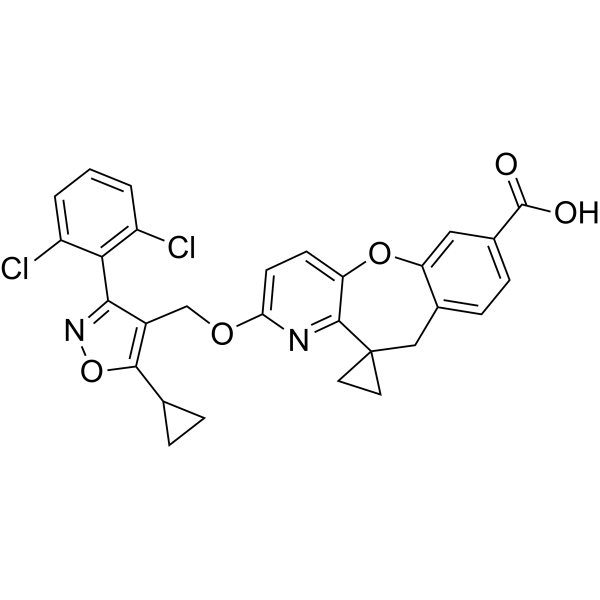
HEC96719 is a selective and orally active tricyclic farnesoid X receptor (FXR) agonist with EC50 values of 1.37 and 1.55 nM by time-resolved fluorescence energy transfer (TR-FRET) and luciferase reporter assays, respectively. HEC96719 significantly improves non-alcoholic steatohepatitis (NASH) and liver fibrosis with favorable tissue distribution in liver and intestine. HEC96719 can be used for the research of non-alcoholic steatohepatitis .
loading...
    loading...
Cat. No.: HY-158821
CAS No.: 2179222-27-4
Target:  

TGF-beta/Smad

Research Areas:  

Neurological Disease

ISTH0036 is a phosphorothioate LNA-modified antisense oligonucleotide gapmer that selectively targets and downregulates TGF-β2 mRNA. ISTH0036 suppresses TGF-β2 expression, reduces choroidal neovascularization and vascular leakage, inhibits fibrosis, blocks epithelial-to-mesenchymal transition, and inhibits angiogenesis while promoting bleb survival. ISTH0036 exhibits long-lasting, dose-dependent ocular tissue distribution and target engagement in rabbit and non-human primate eyes. ISTH0036 can be used for the study of various ocular disorders, such as glaucoma and neovascular retinal diseases .
loading...
    loading...
Cat. No.: HY-103336
CAS No.: 1186195-59-4
Synonyms: T1117
Research Areas:  

Cancer

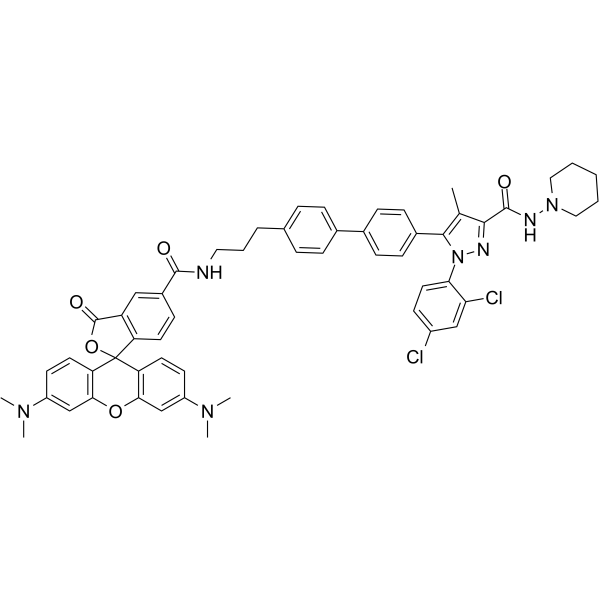
Tocrifluor 1117 is a selective GPR55 ligand and fluorescent probe. Tocrifluor 1117 shows extremely low affinity for mouse CB1 receptors (Ki >1000 nM) and only weakly displaces CB1 agonists. Tocrifluor 1117 specifically activates GPR55 to trigger intracellular calcium oscillations, and binds to vascular smooth muscle, endothelial and adventitial cells; all these binding effects are inhibited by pretreatment with unlabeled AM251 or O1602. Tocrifluor 1117 can clearly visualize the distribution of GPR55 in vascular tissues via confocal microscopy, while its uptake in cancer cells is completely dependent on GPR55 expression .
loading...
    loading...
Cat. No.: HY-152535
CAS No.: 2935937-67-8
Target:  

HSV

Research Areas:  

Infection Inflammation/Immunology

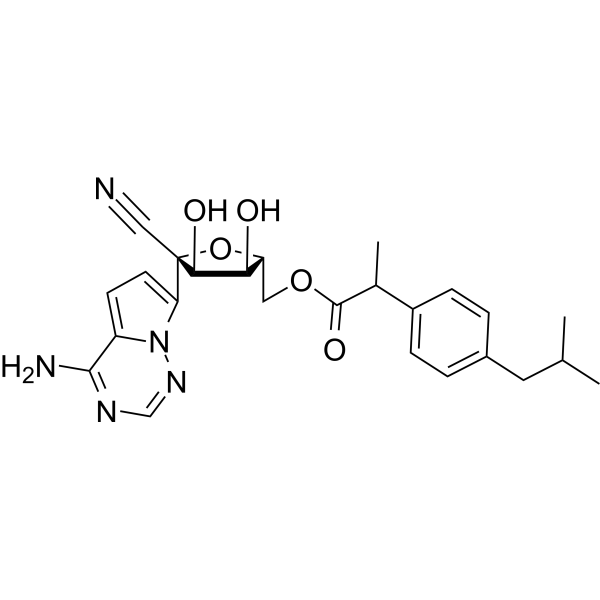
ATV041 is an orally active Ibuprofen (HY-78131) and nucleotide analogue. ATV041 improves oral pharmacokinetic (PK) profile and tissue distribution with anti-mouse hepatitis virus (MHV) activity. ATV041 reduces viral load, tissue damage and virus-induced inflammation in a dose-dependent manner .
loading...
    loading...
Cat. No.: HY-D1367
CAS No.: 2104632-29-1
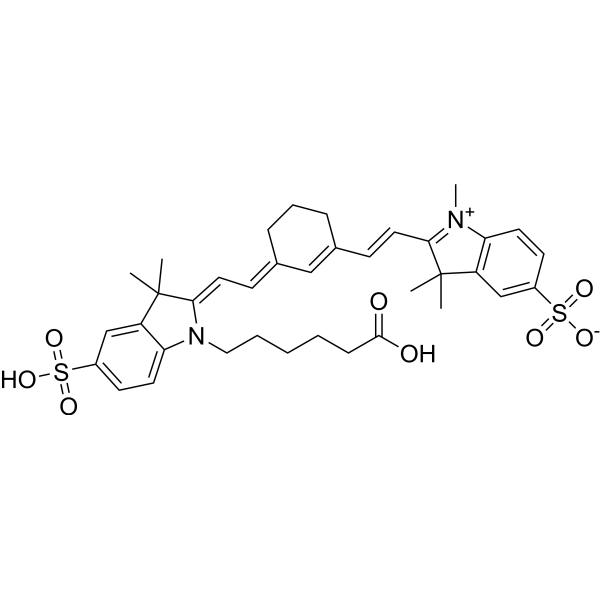
Sulfo-Cyanine7 carboxylic acid is a near-infrared fluorescent dye. Sulfo-Cyanine7 carboxylic acid is applicable to ex vivo histological imaging of the trigeminal nerve in rats as well as studies on the distribution and retention in brain tissues. Sulfo-Cyanine7 carboxylic acid can serve as a model hydrophilic probe for multiplex biomedical fluorescence imaging (Ex=750 nm, Em=773 nm) .
loading...
    loading...
Cat. No.: HY-121364
CAS No.: 1416130-06-7
Research Areas:  

Others

Bodilisant is a histamine H3 receptor (hH3R) ligand and imaging/labeling agent, with a Ki value of 6.51 nM for hH3R. Bodilisant binds to hH3R to produce strong green fluorescence, localizes to the extracellular membrane without internalization, and generates clear, displaceable fluorescent labeling of hH3R in native human brain tissues. Bodilisant serves as a pharmacological tool to visualize the distribution of hH3R via fluorescence confocal laser scanning microscopy .
loading...
    loading...
Cat. No.: HY-116450
CAS No.: 131615-52-6
Target:  

Dopamine Receptor

Research Areas:  

Neurological Disease

TISCH is a potent and selective iodinated ligand with high affinity and selectivity for CNS D1 dopamine receptors. TISCH showed a Kd value of 0.205 nM in rat striatal tissue, indicating its effectiveness in biological activity. TISCH is able to easily cross the blood-brain barrier and show distribution in specific areas with D1 receptor density. TISCH is considered to be useful as a pharmacological tool for characterizing D1 dopamine receptors. When labeled with I-123, TISCH has the potential to be used as an in vivo imaging agent for CNS D1 dopamine receptors .
loading...
    loading...

