23 Results for "

uremic

" in MedChemExpress (MCE) Product Catalog:
Products (23)

23 Results for "uremic" in MCE Product Catalog:

6
6 Publications Verification
Cat. No.: HY-111431
CAS No.: 3233-58-7
Purity:  99.87%
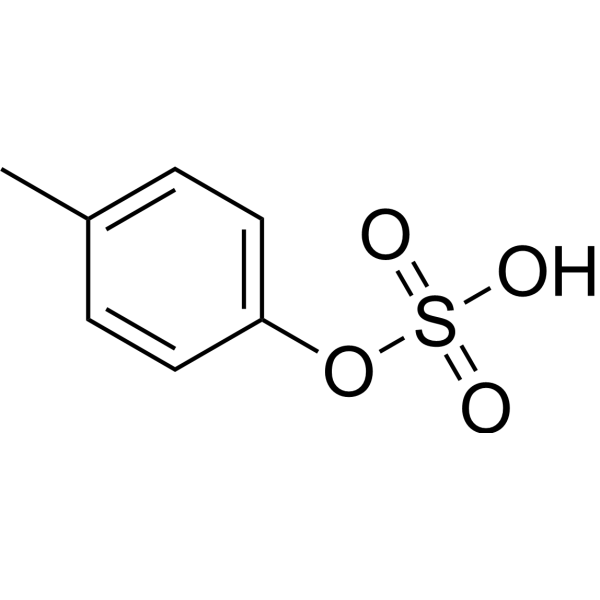
Synonyms: p-Tolyl sulfate
p-Cresyl sulfate (p-Tolyl sulfate) is a uremic toxin, that can cause renal damage and dysfunction. p-Cresyl sulfate shows antiproliferation activity. p-Cresyl sulfate increases the protein expression of HIF-1α and VHL, decreases the protein expression of HIF-2α. p-Cresyl sulfate induces epithelial-mesenchymal transition (EMT). p-Cresyl sulfate activates the JNK and p38 MAPK signaling pathways .
loading...
    loading...
6
6 Publications Verification
Cat. No.: HY-111431A
CAS No.: 91978-69-7
Purity:  99.92%
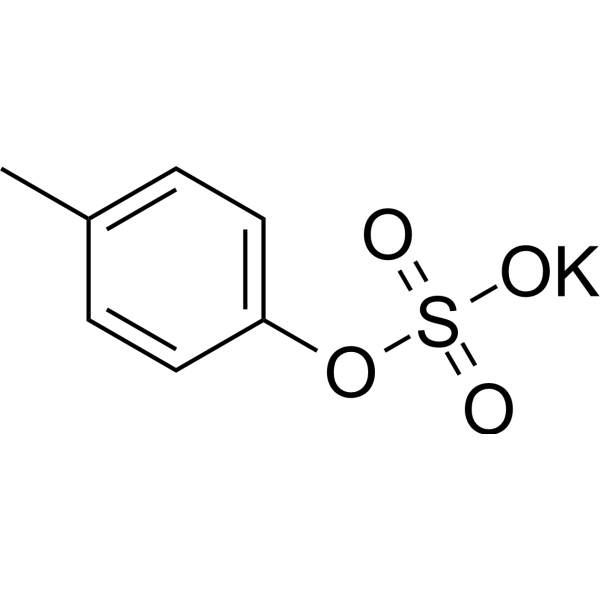
Synonyms: p-Tolyl sulfate potassium
p-Cresyl sulfate potassium is a uremic toxin that binds to a prototype protein. p-Cresyl sulfate potassium activates the JNK and p38 MAPK signaling pathways. p-Cresyl sulfate potassium has pro-inflammatory activity .
loading...
    loading...
6
6 Publications Verification
Cat. No.: HY-117930
CAS No.: 1903768-17-1
Purity:  99.91%
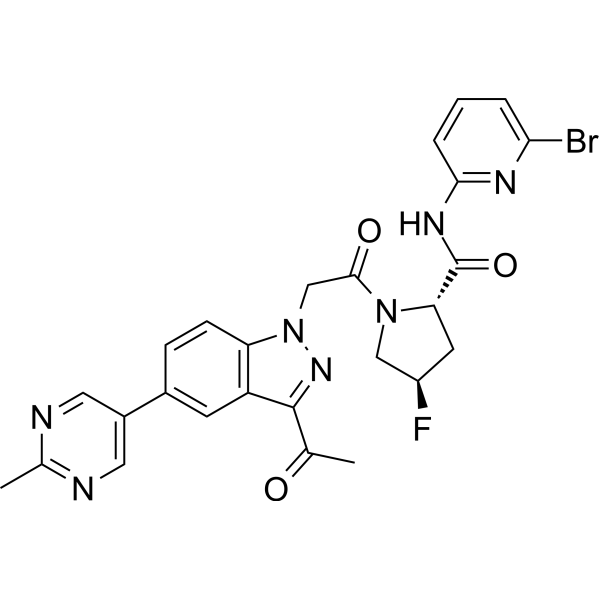
Synonyms: ACH-4471
Target:  

Complement System

Research Areas:  

Inflammation/Immunology

Danicopan (ACH-4471), a selective and orally active small-molecule factor D inhibitor, shows high binding affinity to human Factor D with Kd value of 0.54 nM. Danicopan (ACH-4471) inhibits alternative pathway of complement (APC) activity, has potential to block the alternative pathway of complement in paroxysmal nocturnal hemoglobinuria (PNH) and atypical hemolytic uremic syndrome (aHUS) .
loading...
    loading...
1
1 Cited Publications
Cat. No.: HY-W014130
CAS No.: 155-84-0
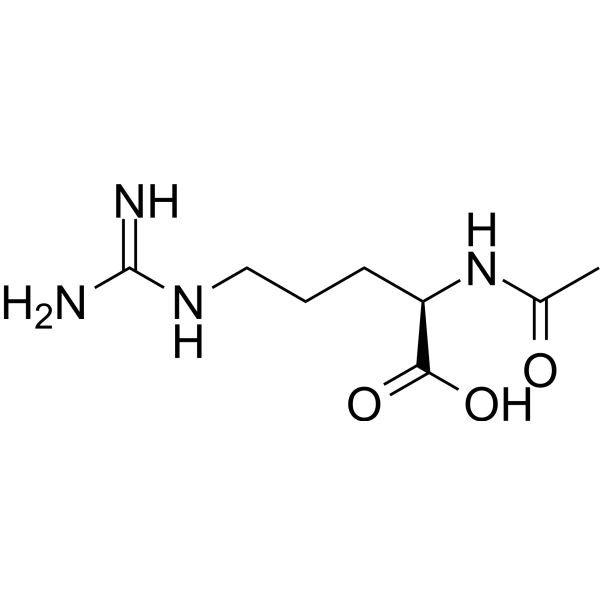
Synonyms: Ac-Arg-OH
N-Acetyl-L-arginine (Ac-Arg-OH) is one of the guanidino compounds found elevated in the serum of a hemodialyzed renal insufficient (uremic) pediatric population. N-Acetyl-L-arginine shows synergistic activity with glycine buffer. N-Acetyl-L-arginine suppresses the aggregation of intravenous immunoglobulins with a minimum decrease in transition temperature. N-Acetyl-L-arginine dramatically reduces IL-1 expression in the presence of silicone oil. N-Acetyl-L-arginine also demonstrates colloidal stability .
loading...
    loading...
Cat. No.: HY-P99365
CAS No.: 1803171-55-2
Synonyms: ALXN1210

Target:  

Complement System

Research Areas:  

Metabolic Disease

Ravulizumab (ALXN1210) is a humanized monoclonal antibody that specifically binds with high affinity to the human complement protein C5. Ravulizumab can be used for the research of paroxysmal nocturnal hemoglobinuria, atypical hemolytic uremic syndrome, and myasthenia gravis .
loading...
    loading...
Cat. No.: HY-122009
CAS No.: 487-60-5
Purity:  99.88%
Synonyms: Indoxyl-β-D-glucoside
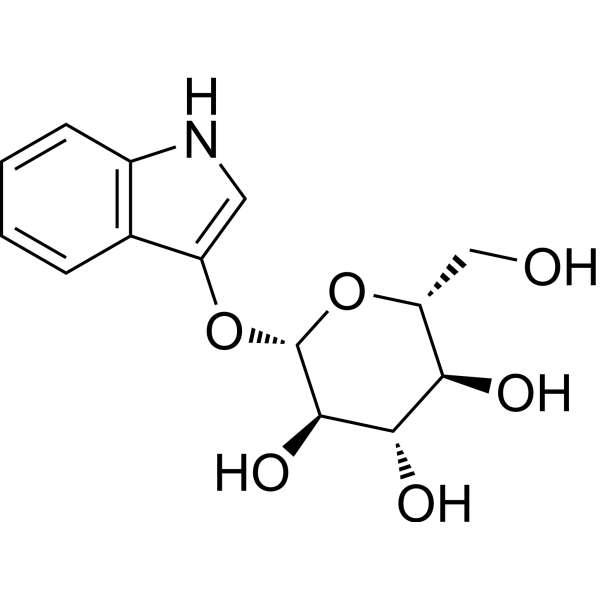
Indican (Indoxyl-β-D-glucoside), a glycoside of indoxyl, is a precursor of the dyesindigo and indirubin. Indican has a major metabolite, indoxyl sulfate (IS). IS, an uremic toxin, is a substrate/inhibitor of organic anion transporter (OAT) 1, OAT 3 and multidrug resistance-associated protein (MRP) 4 .
loading...
    loading...
Cat. No.: HY-P99050
CAS No.: 2049079-64-1
Synonyms: BIVV009; IPN-009; TNT009

Target:  

Complement System

Research Areas:  

Endocrinology

Sutimlimab is a humanized monoclonal IgG4 antibody. Sutimlimab inhibits complement protein component 1, s subcomponent (C1s). Sutimlimab blocks C3 and C4 activation. Sutimlimab can be used for the research of cold agglutinin disease and complement-mediated hemolytic uremic syndrome .
loading...
    loading...
Cat. No.: HY-B1319
CAS No.: 637-58-1
Synonyms: Pramoxine hydrochloride
Target:  

Sodium Channel

Research Areas:  

Neurological Disease

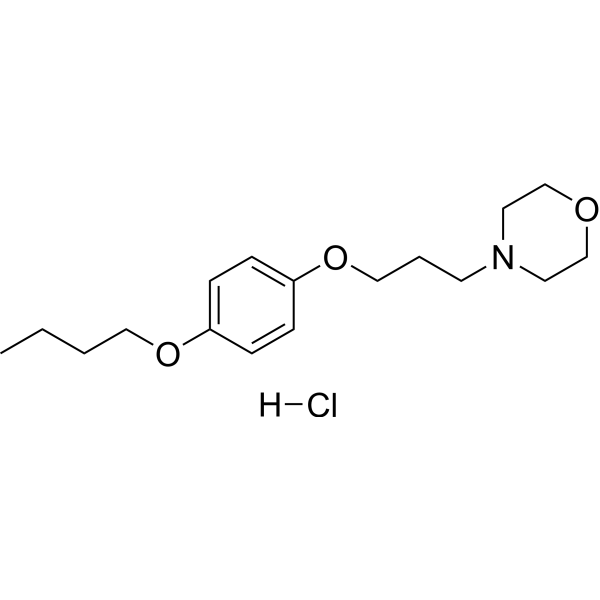
Pramocaine (Pramoxine) hydrochloride is a topical surface anesthetic and antipruritic agent. Pramocaine hydrochloride reversibly inhibits voltage-gated sodium channel, reduces transmembrane permeability of sodium ions, stabilizes cell membranes, prevents depolarization, blocks action potential conduction, and inhibits peripheral slow C-fiber pathways associated with pain, pruritus and thermoception. Pramocaine hydrochloride can be used in research related to chronic pruritus, renal pruritus, atopic dermatitis, xerotic pruritus, uremic pruritus, and cutaneous hyperalgesia/pain .
loading...
    loading...
Cat. No.: HY-111431AS
CAS No.: 2469278-96-2
Purity:  99.63%
Synonyms: p-Tolyl sulfate-d7 potassium
p-Cresol sulfate-d7 (potassium) is the deuterium labeled p-Cresyl sulfate potassium. p-Methylphenyl potassium sulfate is a prototype protein-bound uremic toxin[1][2].
loading...
    loading...
Cat. No.: HY-111431AR
CAS No.: 91978-69-7
Synonyms: p-Tolyl sulfate potassium (Standard)
p-Cresyl sulfate (potassium) (Standard) is the analytical standard of p-Cresyl sulfate (potassium). This product is intended for research and analytical applications. p-Cresyl sulfate (p-Tolyl sulfate) potassium is a uremic toxin, that can cause renal damage and dysfunction. p-Cresyl sulfate potassium shows antiproliferation activity. p-Cresyl sulfate potassium increases the protein expression of HIF-1α and VHL, decreases the protein expression of HIF-2α. p-Cresyl sulfate potassium induces epithelial-mesenchymal transition (EMT). p-Cresyl sulfate potassium activates the JNK and p38 MAPK signaling pathways .
loading...
    loading...
Cat. No.: HY-W014130R
CAS No.: 155-84-0
Synonyms: Ac-Arg-OH (Standard)
N-Acetyl-L-arginine (Ac-Arg-OH) is one of the guanidino compounds found elevated in the serum of a hemodialyzed renal insufficient (uremic) pediatric population. N-Acetyl-L-arginine shows synergistic activity with glycine buffer. N-Acetyl-L-arginine suppresses the aggregation of intravenous immunoglobulins with a minimum decrease in transition temperature. N-Acetyl-L-arginine dramatically reduces IL-1 expression in the presence of silicone oil. N-Acetyl-L-arginine also demonstrates colloidal stability .
loading...
    loading...
Cat. No.: HY-111431R
CAS No.: 3233-58-7
Synonyms: p-Tolyl sulfate (Standard)
p-Cresyl sulfate (Standard) (p-Tolyl sulfate (Standard)) is the analytical standard of p-Cresyl sulfate (HY-111431). This product is intended for research and analytical applications. p-Cresyl sulfate (p-Tolyl sulfate) is a uremic toxin, that can cause renal damage and dysfunction. p-Cresyl sulfate shows antiproliferation activity. p-Cresyl sulfate increases the protein expression of HIF-1α and VHL, decreases the protein expression of HIF-2α. p-Cresyl sulfate induces epithelial-mesenchymal transition (EMT). p-Cresyl sulfate activates the JNK and p38 MAPK signaling pathways .
loading...
    loading...
Cat. No.: HY-149125
CAS No.: 71965-57-6
Synonyms: Ceramide trihexosides (porcine)
Research Areas:  

Infection Endocrinology

Globotriaosylceramide porcine RBC (Ceramide trihexosides porcine) is a neutral glycosphingolipid belonging to the globoside series of erythrocytes, primarily isolated and extracted from porcine RBC. Globotriaosylceramide porcine RBC is a natural resistance factor against HIV-1 infection. Globotriaosylceramide porcine RBC blocks viral binding to CXCR4/CCR5 co-receptors through competitive binding to the V3 loop region of HIV-1 gp120, thereby inhibiting viral fusion and entry. Globotriaosylceramide porcine RBC is the major cell surface receptor for Shiga toxin. Globotriaosylceramide porcine RBC can be used for research on hemolytic uremic syndrome, HIV-1 infection, and Fabry disease .
loading...
    loading...
Cat. No.: HY-W019720
CAS No.: 22661-87-6
Target:  

Endogenous Metabolite

Research Areas:  

Inflammation/Immunology

1-Methylguanidine hydrochloride is a uremic toxin, which accumulate in dogs with renal failure and chronic kidney disese. 1-Methylguanidine hydrochloride enhances the oxidative metabolism and induces apoptosis in neutrophils .
loading...
    loading...
Cat. No.: HY-W654121
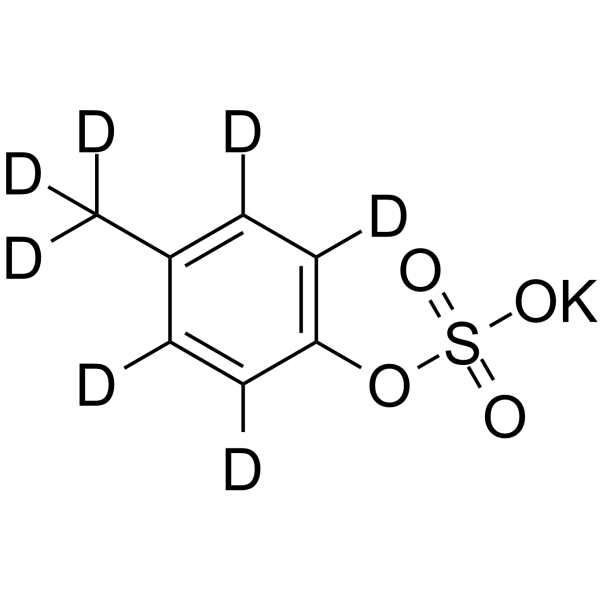
Synonyms: p-Tolyl sulfate-d4 potassium
p-Cresol sulfate-d4 (potassium) is deuterium labeled p-Cresyl sulfate (potassium). p-Cresyl sulfate potassium is a uremic toxin that binds to a prototype protein. p-Cresyl sulfate potassium activates the JNK and p38 MAPK signaling pathways. p-Cresyl sulfate potassium has pro-inflammatory activity .
loading...
    loading...
Cat. No.: HY-153993
CAS No.: 4918-96-1
Target:  

Bacterial

Research Areas:  

Endocrinology

Pyrocatechol sulfate is a dietary phenolic metabolite and uremic toxin. Pyrocatechol sulfate can be derived from diet and gut Bacterial metabolism. Plasma levels of Pyrocatechol sulfate are sensitive to alcohol exposure and withdrawal, and are negatively correlated with anxiety, depression, and craving for alcohol in severe alcohol use disorder. Pyrocatechol sulfate can be used in studies related to chronic kidney disease and severe alcohol use disorder .
loading...
    loading...
Cat. No.: HY-167645
CAS No.: 140-65-8
Synonyms: Pramoxine
Target:  

Sodium Channel

Research Areas:  

Neurological Disease

Pramocaine (Pramoxine) is a topical surface anesthetic and antipruritic agent. Pramocaine reversibly inhibits voltage-gated sodium channel, reduces transmembrane permeability of sodium ions, stabilizes cell membranes, prevents depolarization, blocks action potential conduction, and inhibits peripheral slow C-fiber pathways associated with pain, pruritus and thermoception. Pramocaine can be used in research related to chronic pruritus, renal pruritus, atopic dermatitis, xerotic pruritus, uremic pruritus, and cutaneous hyperalgesia/pain .
loading...
    loading...
Cat. No.: HY-B1319R
CAS No.: 637-58-1
Synonyms: Pramoxine hydrochloride (Standard)
Research Areas:  

Neurological Disease

Pramocaine (Pramoxine) hydrochloride (Standard) is the analytical standard of Pramocaine hydrochloride (HY-B1319). This product is intended for research and analytical applications. Pramocaine hydrochloride is a topical surface anesthetic and antipruritic agent. Pramocaine hydrochloride reversibly inhibits voltage-gated sodium channel, reduces transmembrane permeability of sodium ions, stabilizes cell membranes, prevents depolarization, blocks action potential conduction, and inhibits peripheral slow C-fiber pathways associated with pain, pruritus and thermoception. Pramocaine hydrochloride can be used in research related to chronic pruritus, renal pruritus, atopic dermatitis, xerotic pruritus, uremic pruritus, and cutaneous hyperalgesia/pain .
loading...
    loading...
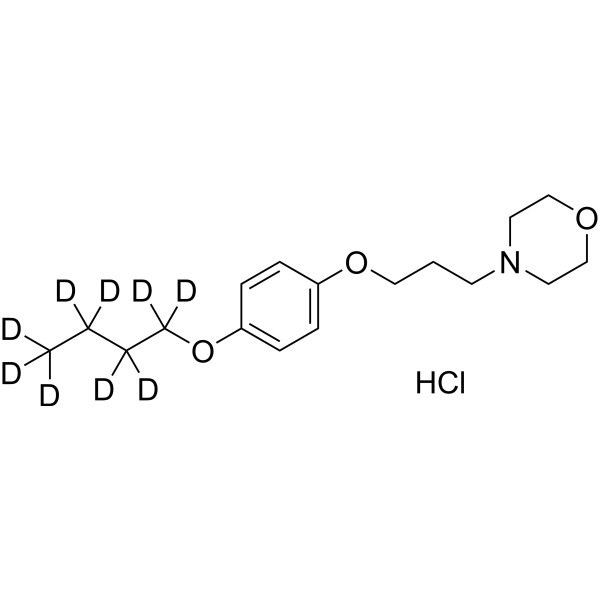
Cat. No.: HY-B1319S1
Synonyms: Pramoxine-d9 hydrochloride
Pramocaine-d9 (Pramoxine-d9) hydrochloride is the d9-labeled Pramocaine hydrochloride (HY-B1319). Pramocaine hydrochloride is a topical surface anesthetic and antipruritic agent. Pramocaine hydrochloride reversibly inhibits voltage-gated sodium channel, reduces transmembrane permeability of sodium ions, stabilizes cell membranes, prevents depolarization, blocks action potential conduction, and inhibits peripheral slow C-fiber pathways associated with pain, pruritus and thermoception. Pramocaine hydrochloride can be used in research related to chronic pruritus, renal pruritus, atopic dermatitis, xerotic pruritus, uremic pruritus, and cutaneous hyperalgesia/pain .
loading...
    loading...
Cat. No.: HY-P11232
CAS No.: 1969250-99-4
Research Areas:  

Infection

NAB815 is a specific inhibitor of the Stx2a (Kd = 0.01 μM)/TLR4 interaction. NAB815 inhibits the neutrophil/Stx2a interaction (IC50 = 0.057 μg/mL). NAB815 inhibits the formation of Stx2-containing extracellular vesicles (EVs) produced by leukocytes and platelets and reduces their toxic effects in cellular (Vero cells) and animal models (CD-1 mice). NAB815 reduces bacterial loads in the kidneys, urine, and bladders of Escherichia coli-infected mice. NAB815 is useful in the study of hemolytic uremic syndrome (HUS) .
loading...
    loading...

